Untreated pine wood contains phenols that can be toxic to a cat's liver over time.
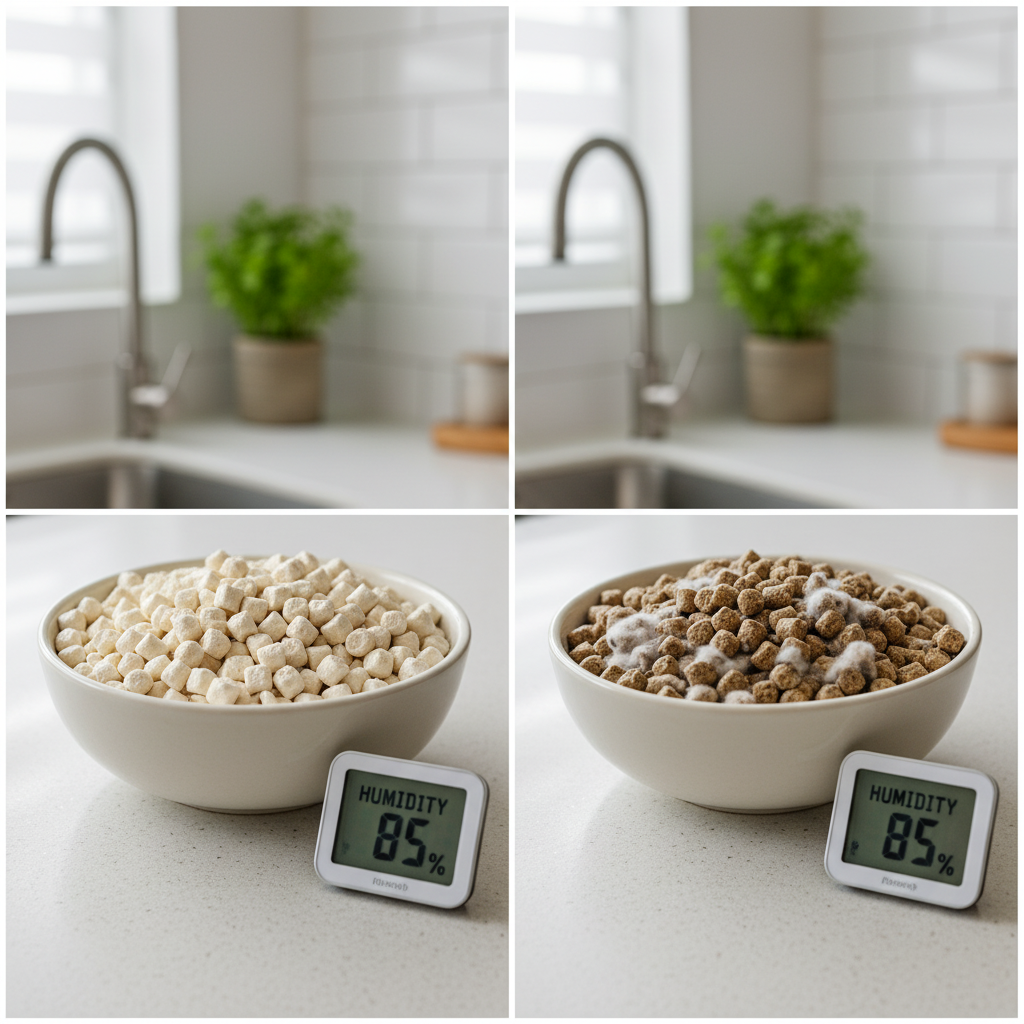
Malaysia's high humidity makes pine and cheap tofu litter prone to mold and sour smells.
Flushing cat litter is generally prohibited by IWK in Malaysia to prevent sewerage blockages.
Liger Tofu Litter provides a safe, low-dust alternative with a natural milk fragrance that cats actually like.
That sharp, stinging ammonia smell. You know the one. It hits you the second you open the front door after a long day at work. I used to think the solution was simple: buy the cheapest natural litter I could find. For a while, that was pine wood. It smelled like a carpenter's workshop—until it didn't.
Choosing between tofu and pine wood isn't just about the price tag at the pet shop. In Malaysia's sweltering humidity, what works in a dry climate often fails miserably here. Between worrying about tracking and my cat's sensitive nose, I had to find something that actually worked without costing a fortune in vet bills or plumbing repairs.
The Hidden Danger of the 'Natural' Label
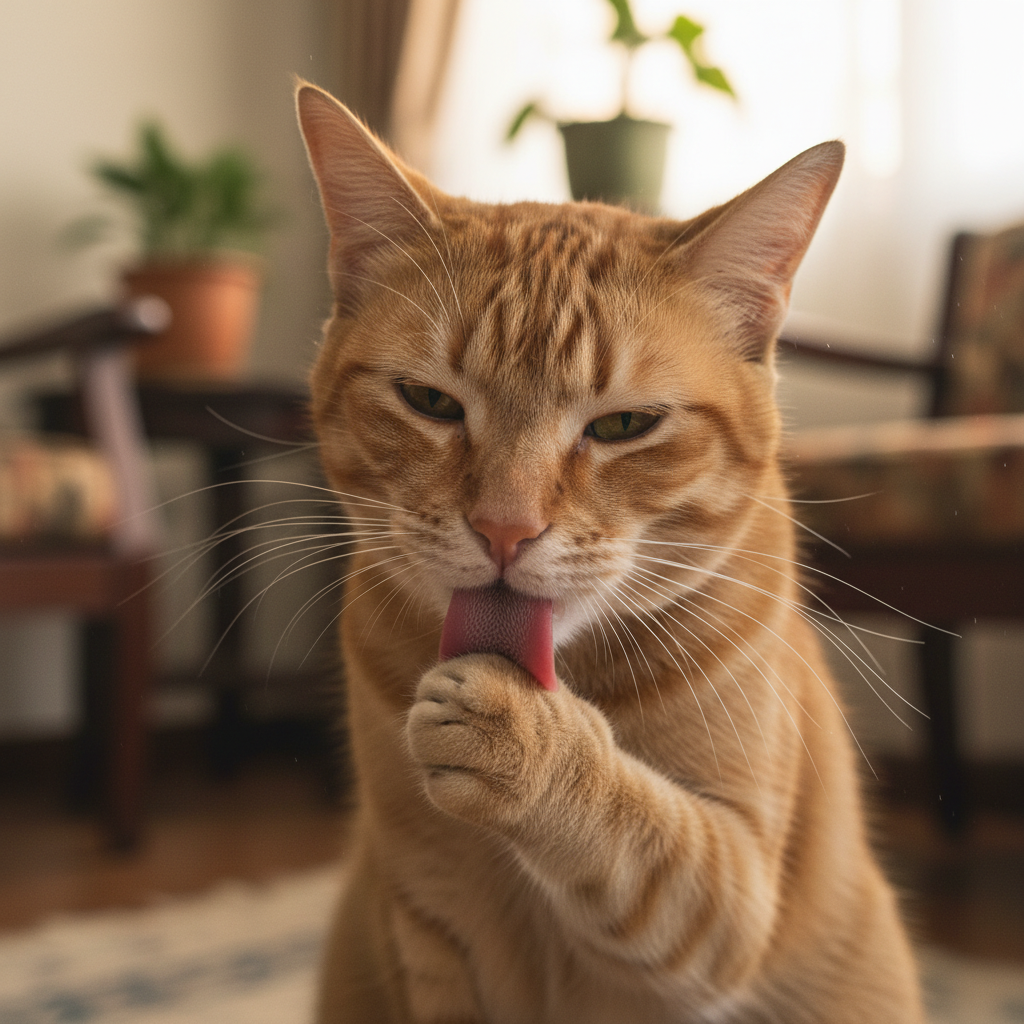
We often assume 'wood' means 'safe.' I certainly did. But untreated pine wood contains phenols and aromatic hydrocarbons. These aren't just fancy science words; they are toxic risks of untreated pine wood that can cause respiratory irritation and even liver issues for your cat. Since cats are constantly grooming their paws, they ingest whatever dust sticks to them.
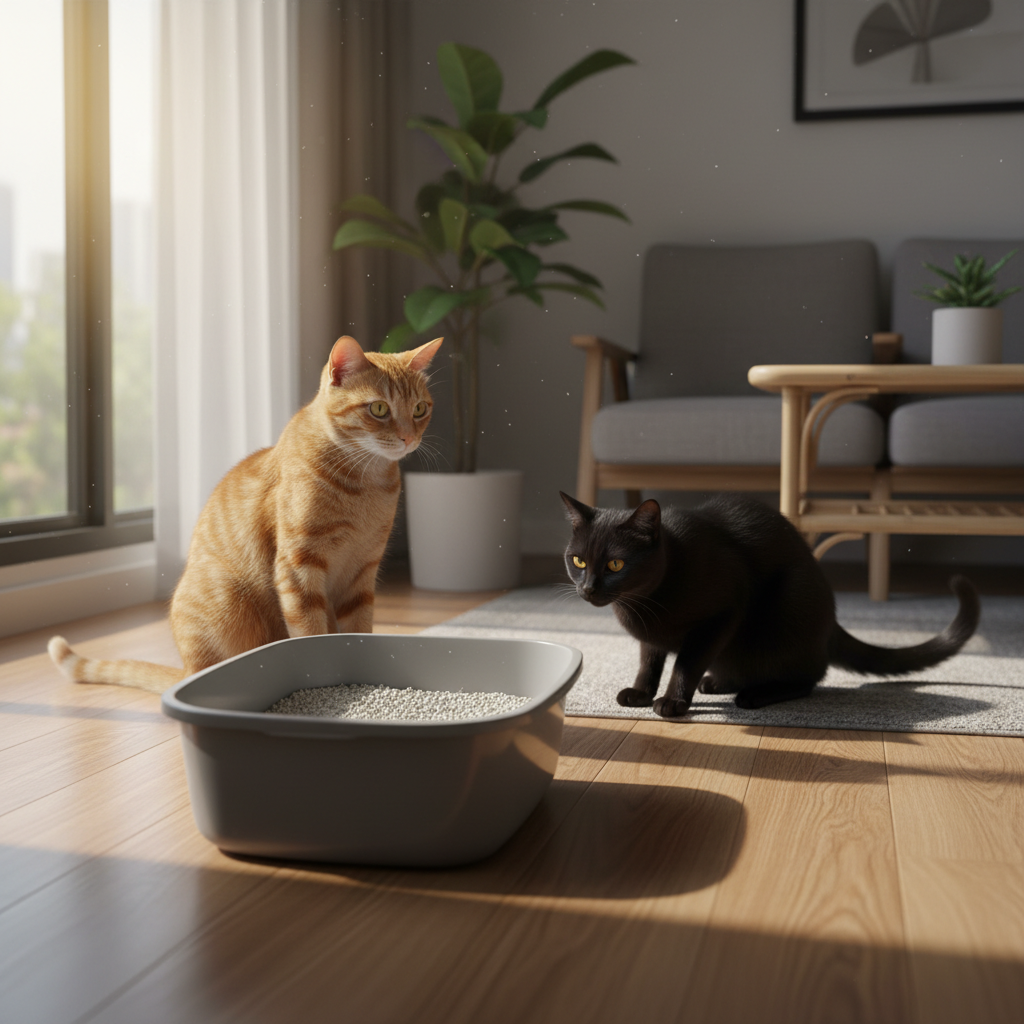
Our cat Ping'An has a very sensitive nose. When I tried a cheap pine brand, she started sneezing within two days. It wasn't allergies; it was the dust and the strong natural chemicals in the wood. If you're unsure about your cat's reaction, you can use our dust level comparison tool to see how different litters stack up.
The 95% Humidity Nightmare
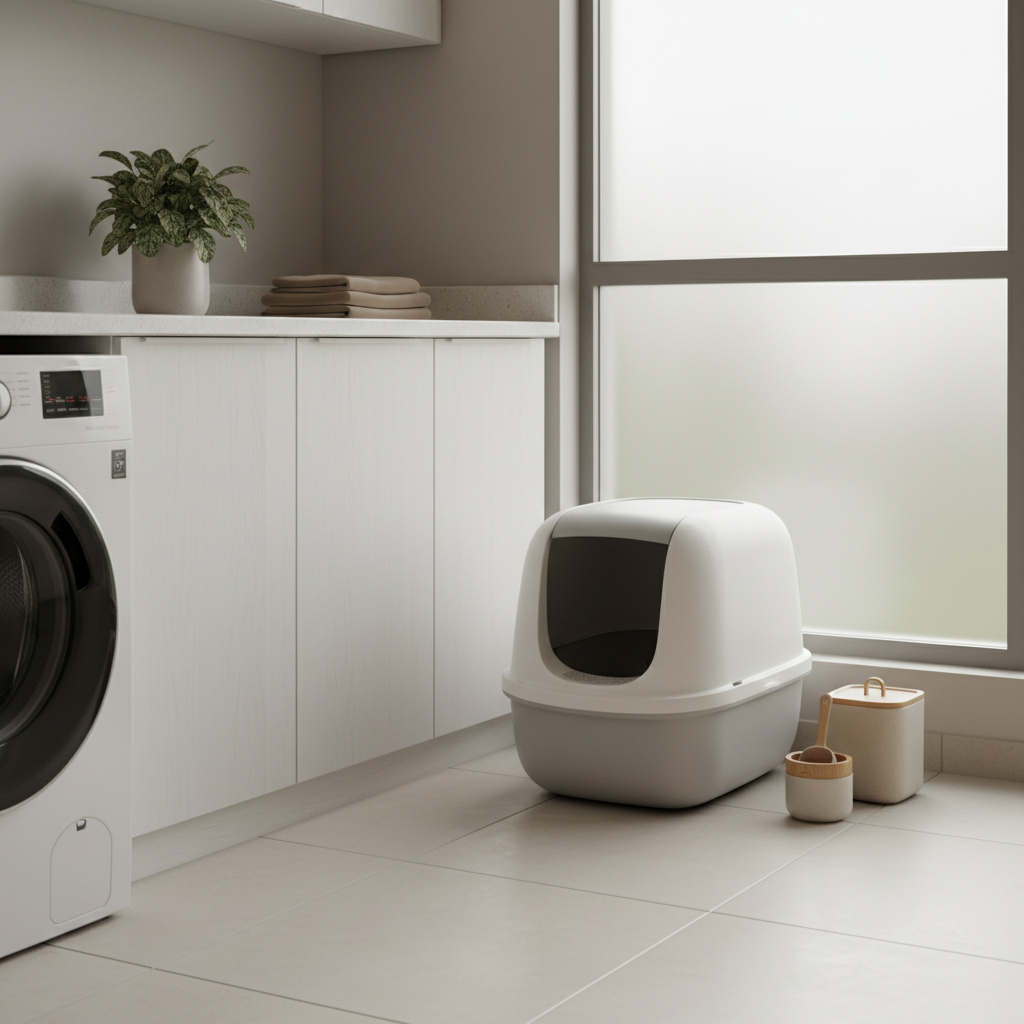
In Malaysia, humidity often hits 95% in the mornings. This is where tofu and pine start to act differently. Pine sawdust absorbs moisture from the air, turning into a heavy, soggy mess that doesn't clump. It just sits there, smelling like damp rot. Tofu litter is better, but cheap versions often use low-grade starch that attracts pests.
I've seen weevil problems in starch-based products like tofu litter when the bags aren't sealed properly in our heat. Lion, who is a total clean freak, refused to step into the box when the litter got soft and 'sour' from the humidity. He'd just stare at me until I changed the whole tray. Talk about demanding.
| Feature | Tofu Litter (e.g., Liger) | Pine Wood Litter (Untreated/Cheap) |
|---|---|---|
| Toxicity Risk | Generally safe, food-grade ingredients; low risk of phenols. Some cheap versions may attract weevils if not stored properly. | Untreated pine contains phenols and aromatic hydrocarbons, toxic to cat liver and respiratory system. Kiln-dried versions are safer. |
| Humidity Performance (Malaysia) | High-quality tofu clumps well; prone to 'sour' smells, mold (aflatoxins) and weevils if low-grade starch or poor storage. | Absorbs air moisture, becoming soggy sawdust with damp rot smell; doesn't clump. Kiln-drying helps but doesn't prevent moisture absorption. |
| Malaysian Flushability | NOT ADVISED. IWK prohibits flushing solid waste due to risk of sticky residue buildup and severe pipe blockages (RM400+ plumber cost). | NOT ADVISED. IWK prohibits flushing solid waste. Sawdust expands when wet, causing blockages. |
| Odor Control | Good clumping seals odors; Liger's natural milk scent provides long-lasting freshness. Effective against ammonia. | Initial natural wood scent fades; wet sawdust can develop strong damp rot and ammonia smells. Less effective at sealing solid waste odors. |
| Upfront Cost (per bag) | Generally higher per bag. | Generally lower per bag, especially for 'repack' versions. |
| Total Cost of Ownership | Potentially lower long-term due to efficiency, superior odor control, and less waste if used correctly. No special box needed. | Can be higher due to need for special double-layer box, more frequent disposal of unused material, and additional cleaning time. |
| Cat Acceptance / Foot Feel | Soft, fine texture (1.5-2.0mm); comfortable for paws, high acceptance rate. | Hard, larger pellets (6mm+); can be uncomfortable for sensitive paws, leading to rejection or inappropriate elimination. |
| Cleaning / Maintenance | 'Scoop and Toss' logic; easy daily scooping of clumps. Prone to 'sticky bottom' if clumps are soft. | 'Sift and Separate' logic; requires double-layer box to collect sawdust. Less frequent scooping of solid waste, but full tray disposal is more laborious. |
The Part Where I Admit I Was Wrong
I'll be honest—I thought I was a genius for switching to pine wood because it was RM15 a bag. I figured, 'It's all just for poop, right?' Then I decided to flush a small clump down the toilet because the bag said 'flushable.' Big mistake. The next day, my toilet was backing up. The IWK domestic sewerage guidelines actually prohibit flushing any solid waste, including cat litter. I ended up paying RM400 for a plumber. So much for saving money. I learned the hard way that 'flushable' doesn't mean it's a good idea for Malaysian pipes.
The 'Pine is Cheaper' Myth
Most people look at the price per bag. But pine wood litter (the non-clumping kind) requires a special double-layer box, and you end up throwing away a lot of unused material when the bottom tray gets full of wet sawdust. When we calculated the total cost, the first-year setup for pine wood was only about 36% of the cost of high-end tofu, but the maintenance and cleaning time were double. Plus, the smell control of tofu—especially Liger’s natural milk scent—lasts much longer, meaning you use less in the long run. If you want to see the real numbers, try our litter calculator to compare your monthly spending.
After testing everything from the cheap stuff to the 'premium' wood pellets, we chose Liger Tofu Litter for our own cats. It's safe for Tiger and his heart condition, gentle on Ping'An’s nose, and keeps Lion happy with its cleanliness. Sometimes, the 'best' option isn't the most expensive or the cheapest—it's the one that actually fits your life in Malaysia.
Your Monday Morning Action: Take a deep sniff near your litter box tomorrow morning. If you smell even a hint of sourness or ammonia, it’s time to check if your litter is absorbing moisture from the air. Scoop it out and see if the bottom of the tray is damp. If it is, consider switching to a high-quality tofu litter like Liger.