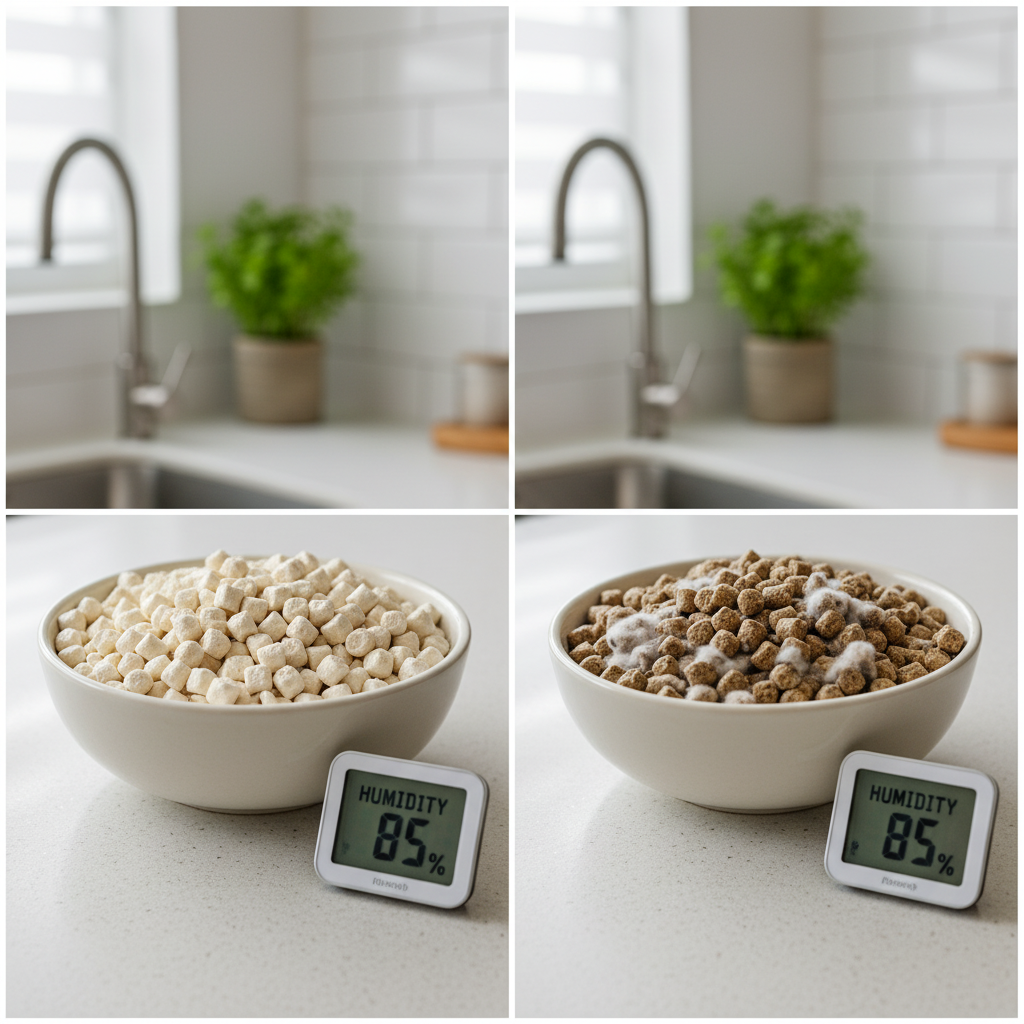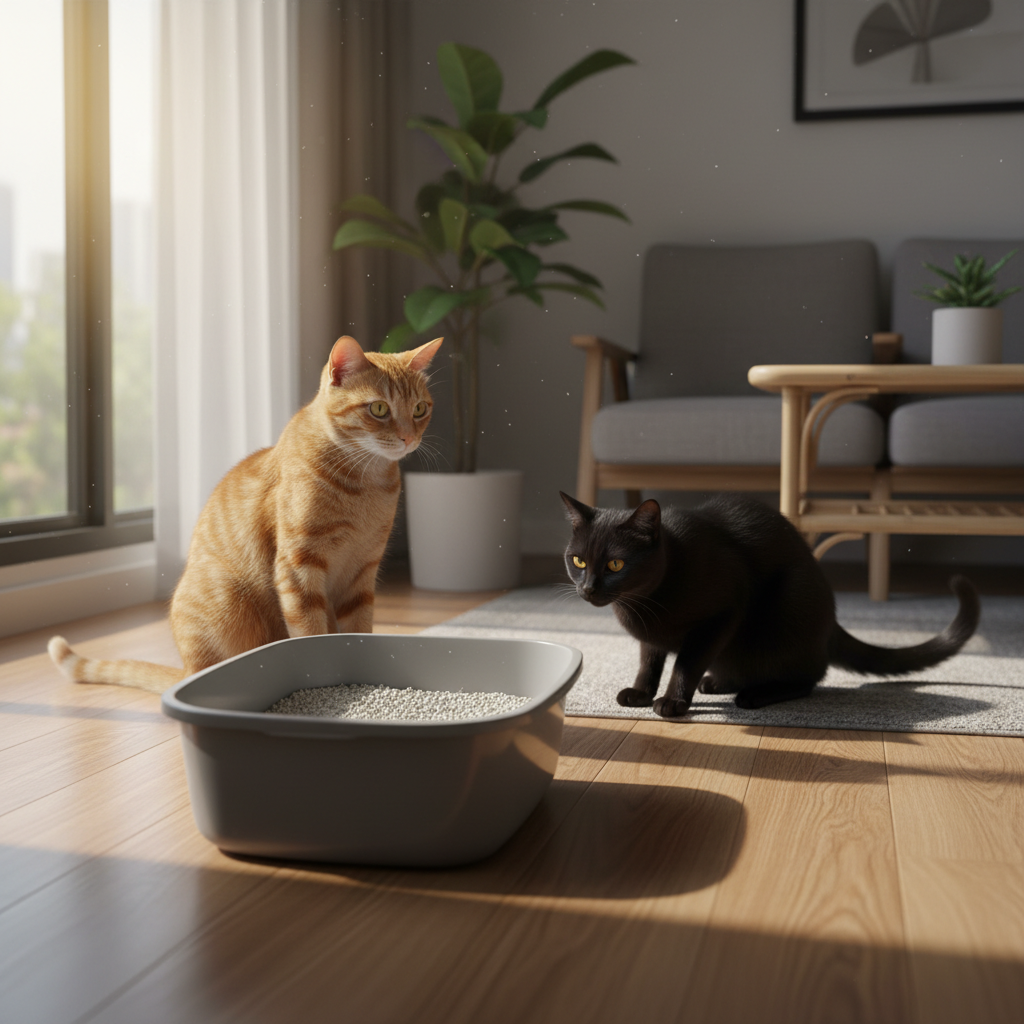
Consider your cat's preferences first – what one cat loves, another might hate.
Dust-free litter is crucial, especially for cats with respiratory sensitivities.
Clumping ability directly impacts ease of cleaning and odor control.
Experiment with different types to find the perfect fit for your cat and your lifestyle.
This is Tiger, the biggest cuddle bug of my four cats. When he was recently diagnosed with congenital heart disease (a leaky valve causing blood backflow), reality hit HARD – cat ownership can be seriously expensive. The blood tests, X-rays, ultrasounds, and ICU stay? RM1,200 gone in 48 hours.
That's when I started thinking: if I could save a little money each month on cat litter, that money could go towards something more important, like regular vet checkups or better food. So, I started contacting factories, experimenting with formulas, testing bag after bag…until Liger Tofu Cat Litter was born.
This isn't some grand business plan. It's just a regular person with four cats trying to make good quality cat litter affordable for everyone. That's it, basically.
Navigating the Cat Litter Aisle: A Jungle of Choices
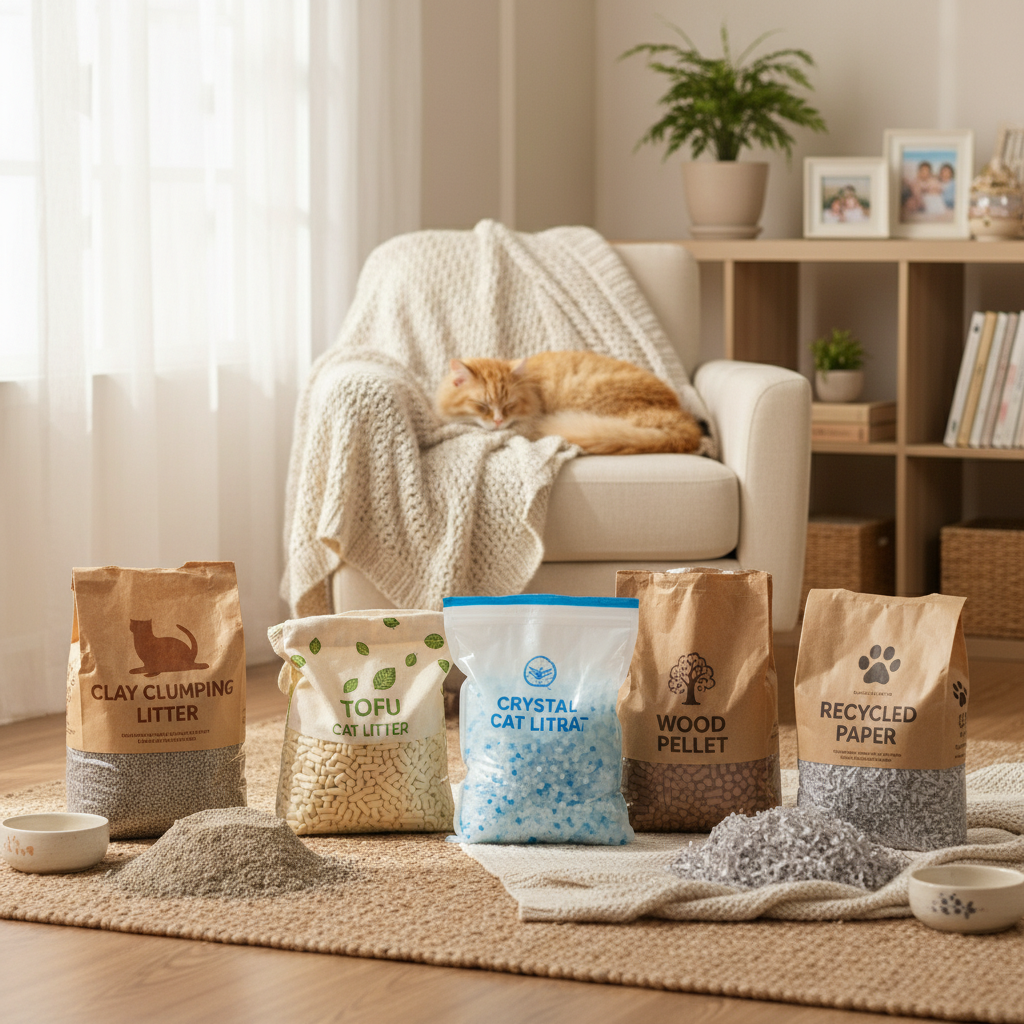
Walking down the cat litter aisle can feel overwhelming, right? So many types, so many promises. Let's break down the most common options:
Clay Litter: The OG, the classic. But often dusty and doesn't control odor super well.
Clumping Clay Litter: Better odor control than regular clay, but can still be dusty. Plus, you can't flush it.
Silica Gel Litter (Crystal Litter): Great at absorbing urine, but some cats dislike the texture. Can also be pricey.
Tofu Litter: Made from soybean byproducts. Typically low-dust, flushable, and has decent odor control. Lion, being the resident clean freak, prefers this.
Wood Litter: Eco-friendly, but can sometimes have a strong wood scent that some cats dislike.
Paper Litter: Another eco-friendly option, often used for post-surgery cats because it's soft and doesn't stick to wounds.
Each type has its pros and cons, so it's really about finding what works best for *your* cat.
The Great Stink-Off: Winning the Odor Control Battle
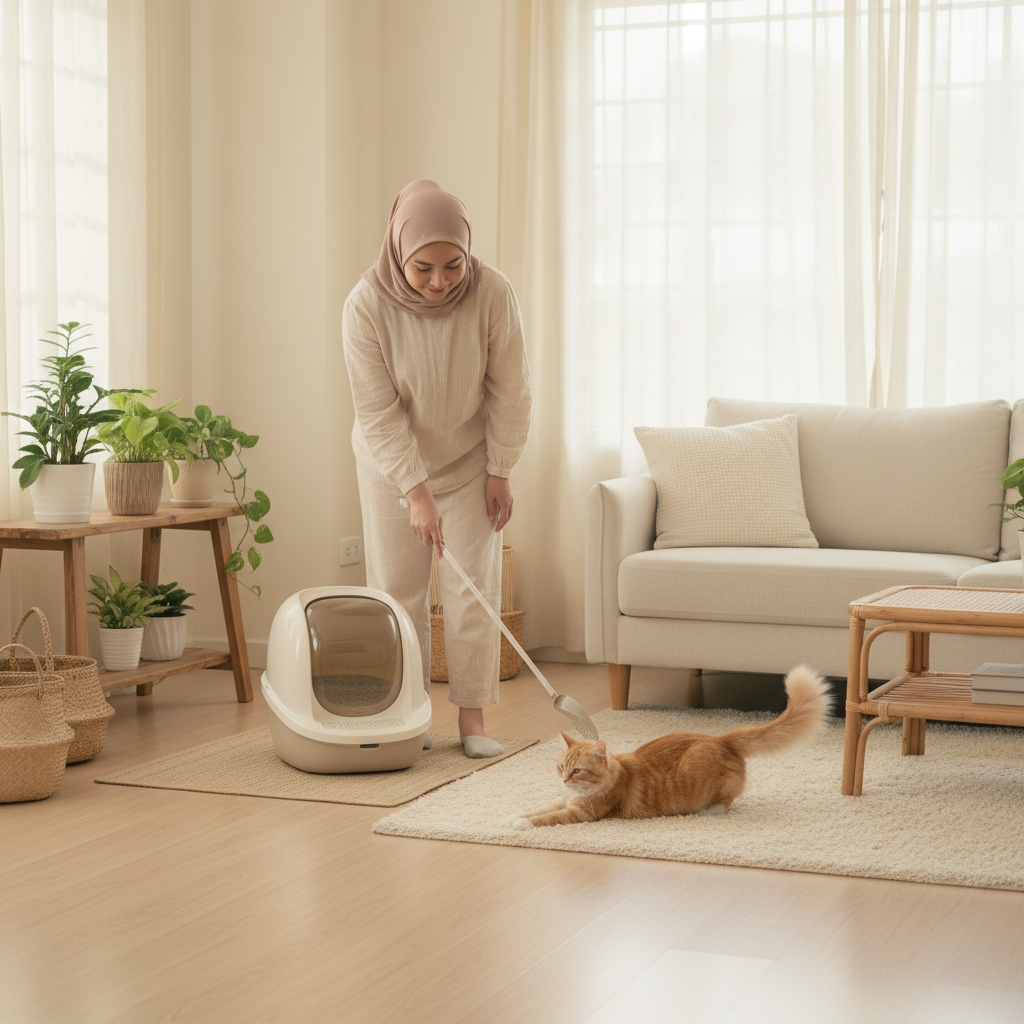
Let's be honest, nobody wants their house to smell like a giant litter box. Odor control is KEY. Here's what to look for:
Clumping Ability: Litter that clumps quickly and firmly makes scooping easier and prevents odors from lingering.
Material: Some materials are naturally better at absorbing odors. Tofu litter, for instance, tends to have better odor control than traditional clay. The natural milk fragrance in Liger Tofu cat litter helps a bit too!
Frequency of Scooping: Scoop at least once a day, preferably twice. Yes, it's gross, but your nose (and your cat) will thank you.
Litter Box Location: Don't put the litter box in a poorly ventilated area. Good airflow helps dissipate odors.
Ping'An, with her super sensitive nose, is my personal odor control barometer. If she's happy, I'm happy.
The Dust Factor: Why It Matters (Especially for Cats Like Tiger)
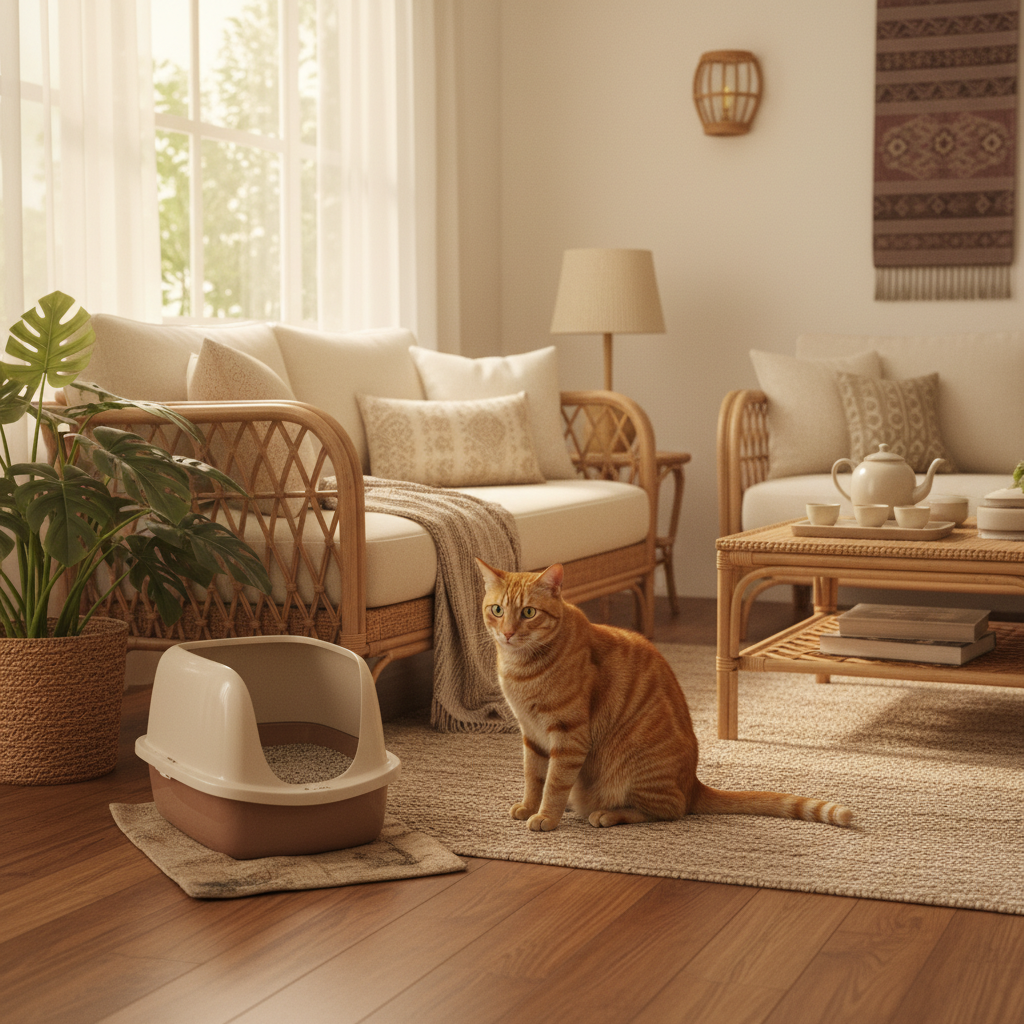
Dusty litter is a nightmare, seriously. It can irritate your cat's respiratory system and even trigger allergies. And honestly, who wants to breathe in a cloud of dust every time they scoop the litter box?
This is especially important for cats like Tiger. Because of his heart condition, he's more susceptible to respiratory issues. Ultra-low dust formulas are a MUST for him. Plus, low-dust litter means less mess around the litter box. Win-win!
If you're looking for a low-dust option, tofu litter is generally a good choice. Just make sure to read the labels carefully.
My Biggest Litter Mistake (and What I Learned)
Okay, this is going to sound bad, but I used to buy the cheapest litter I could find. I figured, 'It's just poop and pee, right? Why spend more?' Big mistake. Not only did it smell terrible, but it was SO dusty. Ping'An was sneezing constantly, and I didn't even connect the two for way too long. I felt terrible when I finally realized I was the cause of her discomfort. Now I prioritize low-dust formulas, even if they cost a bit more. Her health is worth it.
Flushable Litter: Convenience or Environmental Hazard?
Okay, flushable litter sounds amazing, right? Just scoop and flush! But before you commit, consider your plumbing and your local regulations. Some older plumbing systems can't handle the extra bulk, and some areas have restrictions on flushing cat waste.
Tofu litter is often marketed as flushable, and it *is* generally considered safer than clay litter for flushing. But it's still a good idea to double-check your local guidelines. If you're unsure, it's always better to dispose of it in the trash. If you are unsure, check out some litter comparisons for eco-friendly options.
The Tracking Tango: Minimizing Litter Scatter
Ugh, litter tracking. That lovely feeling of stepping on stray litter granules in the middle of the night. Fun times. Here's how to minimize it:
Litter Mat: A must-have! Place a mat in front of the litter box to catch litter as your cat exits.
Litter Box Type: Covered litter boxes can help contain scatter, but some cats don't like them.
Litter Type: Some litters track more than others. Tofu litter, for example, tends to have minimal tracking, especially the Liger Tofu cat litter!
Regular Sweeping: Just accept that you'll be sweeping more often. It's part of the cat parent life.
Lucky, the resident troublemaker, is the main culprit for litter tracking in my house. He's a one-cat demolition crew.
Choosing the right cat litter is a journey, not a destination. What works for one cat might not work for another. Be patient, experiment, and pay attention to your cat's preferences. After all, a happy cat means a happy home!
Your Monday Morning Action: Scoop your cat's litter box tomorrow morning. Really look at it. Notice the smell, the dust level, and the clumping. Does it seem normal? If not, it might be time for a change. To learn more about choosing the right litter, you can read about our products. And remember, if you think something is wrong, consult your veterinarian.