Airtight storage is critical in Malaysia's humid climate to prevent mold and maintain tofu litter performance.
Follow a strict daily scooping and 2-4 week full change schedule for optimal hygiene and odor control.
Bulk-buying during sales events and using vouchers can significantly reduce your tofu litter costs.
Flushing used tofu litter is not recommended in Malaysia due to plumbing risks and public health concerns.
When you first bring home a bag of tofu cat litter, the promises sound amazing: eco-friendly, low-dust, fantastic odor control. And honestly, it often delivers. But in Malaysia, where the air itself feels like a warm, damp hug, things can get a little… complicated. I remember when Ping'An, with her super sensitive nose, used to sneeze at dusty litters, making me search for something better. Tofu litter was a revelation, but I quickly learned that using it here means playing by a different set of rules.
Many cat parents, myself included, have faced the challenge of soft clumps or that 'sour' smell that appears out of nowhere. It's not the litter's fault; it's our tropical climate. This complete guide is your roadmap to mastering tofu cat litter in Malaysia, ensuring you get the most value, maintain peak performance, and keep your feline companions happy and healthy. We'll dive into everything from daily scoops to battling humidity, because let's face it, happy cats make for happy homes.
Getting Started - First-Time Setup
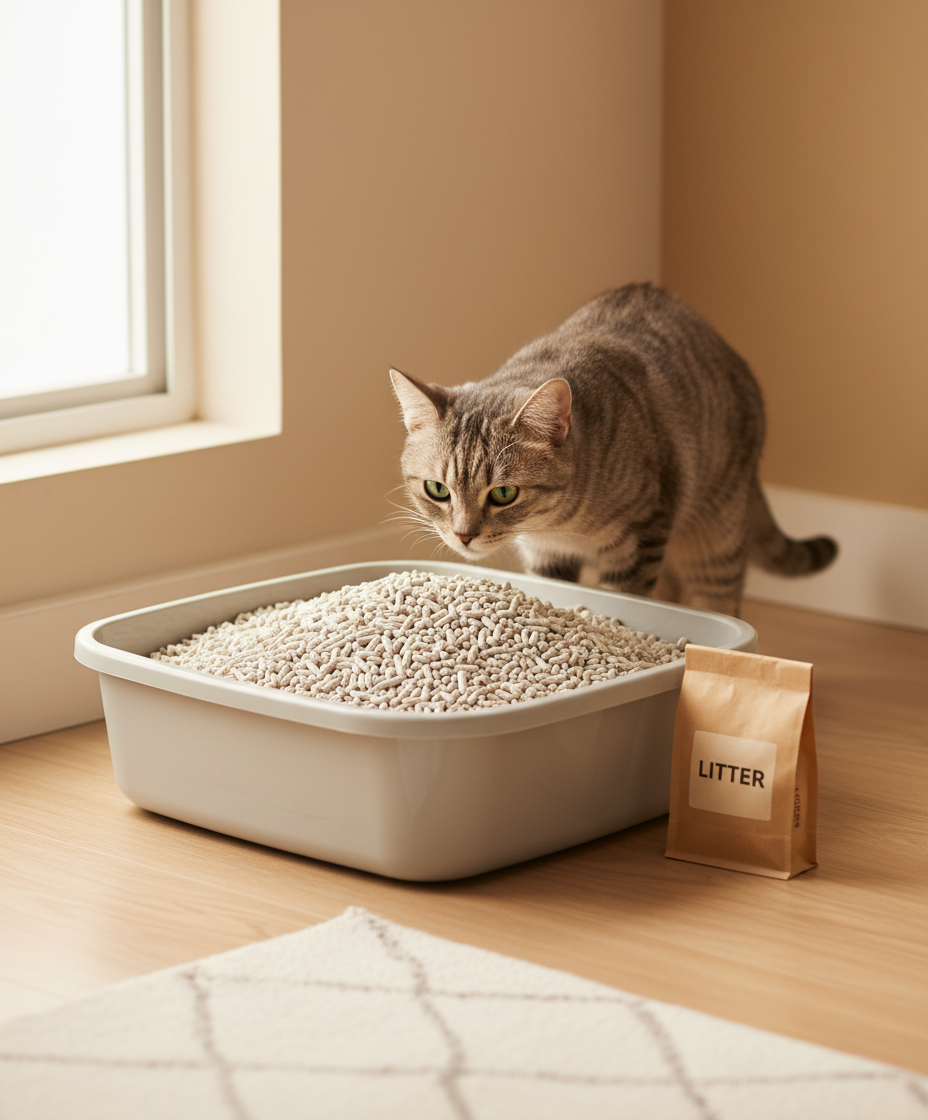
Setting up your tofu cat litter correctly from day one can make all the difference in its performance and your cat's acceptance. It’s more than just pouring pellets into a box; it’s about creating an inviting and functional space that respects your cat’s natural instincts.
Choosing the Right Litter Box for Tofu Litter
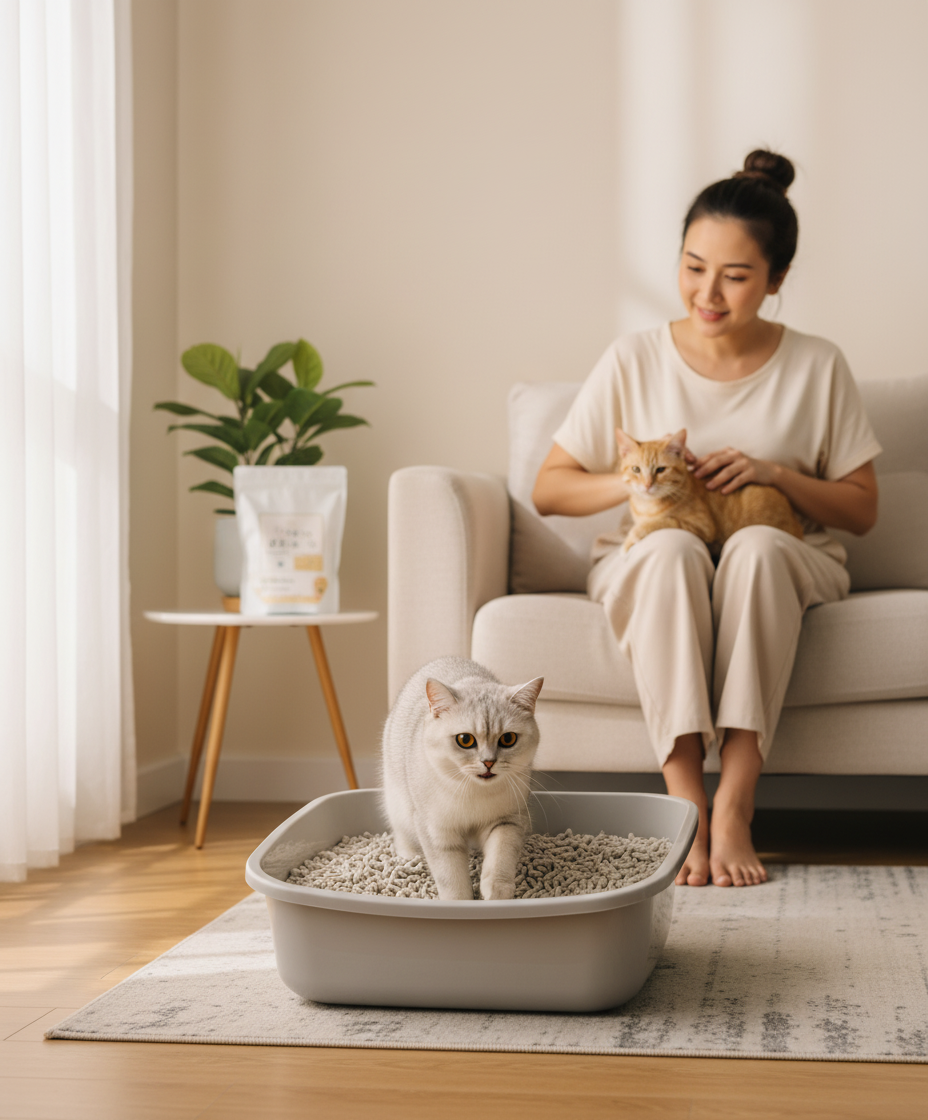
Selecting the right litter box is crucial, especially with tofu litter. While covered boxes might seem appealing for odor control and aesthetics, they can actually trap moisture and odors, creating a micro-humid environment inside that's counterproductive for plant-based litters. In Malaysia's climate, an open-top litter box is often a better choice as it allows for superior ventilation, helping to keep the litter dry and fresh.
Consider your cat's size and preferences. A good rule of thumb is that the litter box should be at least 1.5 times the length of your cat from nose to tail. For cats like Lucky, our playful troublemaker, who tends to kick litter, a top-entry litter box can be a game-changer . These designs dramatically reduce tracking as pellets fall back into the box when your cat jumps out. Ultimately, choose a box that's easy for your cat to access and comfortable to use, encouraging consistent litter box habits. You can also use our litter box size calculator to find the ideal fit.
How Deep Should Tofu Litter Be? (The 5-7cm Rule)
Getting the litter depth right isn't just a suggestion; it's a golden rule for tofu litter. You should aim for a consistent depth of 2-3 inches, which is approximately 5-7cm. This depth allows the litter to perform its magic: fast and firm clumping. When urine hits a shallow bed, it quickly reaches the bottom of the tray, creating soft, mushy clumps that break apart easily and stick to the box – a common complaint known as 'sticky bottom'.
A deeper bed gives the urine enough material to be fully absorbed and encapsulated within a firm clump, making scooping much easier and more hygienic. It also provides enough material for your cat to engage in natural digging and covering behaviors, which helps them feel secure and encourages consistent litter box use. Plus, it traps odors more effectively.
Switching from Clay? The 7-Day Transition Method
Cats are creatures of habit, and abruptly changing their litter can lead to stress and litter box aversion. I've learned this the hard way with Lion, who is notoriously picky about his litter box. Veterinarians generally recommend a gradual transition over one to several weeks, which is why we suggest the 7-day method.
Start by mixing a small amount of tofu litter with your existing litter, around 25% tofu to 75% old litter. Crucially, place a layer of the old litter on top so it’s the first thing your cat’s paws encounter. If your cat uses the box without issues, increase the ratio to 50/50 in the second week, then 75% tofu litter to 25% old litter in the third week. By week four, you should be able to transition completely to 100% tofu litter. Keep the litter box in its usual location and offer plenty of positive reinforcement, like a treat after they use the box. If you encounter resistance, check out our guide on why your cat hates new litter for more tips.
Daily Maintenance Routine
A consistent daily routine is the bedrock of a clean and odor-free litter box when using tofu litter. Without it, even the best litter will eventually disappoint. Remember, a cat's sense of smell is roughly 14 times stronger than ours, so what might be a minor whiff to us could be an overpowering assault to them.
The 2-Minute Daily Scoop (Morning & Evening)
The single most impactful action for maintaining a hygienic litter box is scooping waste daily. Tofu litter's fast and firm clumping makes this quick and easy. Aim to scoop all urine clumps and solid waste at least once per day; for multi-cat households or if your cat is particular, twice daily is ideal. Many cat parents report a significant reduction in odor complaints with consistent daily scooping. This practice not only keeps the area fresh but also ensures your cat always has a clean spot to do their business, preventing potential litter box aversion.
When scooping, use a wide, slotted scoop that allows clean pellets to fall through while retaining all the waste. Be gentle, especially if clumps feel soft due to humidity, to prevent them from breaking apart and leaving residue. This quick daily task prevents ammonia buildup and keeps the litter box a pleasant place for your cat.
How to Top Up Without Wasting Litter
As you scoop out waste daily, the overall volume of litter in the box naturally decreases. This is where topping up comes in. It's important to restore the litter to its optimal 2-3 inch (5-7cm) depth regularly, not just during a full change. A good practice is to visually check the depth daily while scooping, and if it looks shallow, add a small amount of fresh litter. This ensures continuous effective clumping and odor absorption.
Topping up prevents urine from reaching the bottom of the box prematurely and creating a sticky mess. It also prolongs the life of the entire batch of litter, making your purchases more cost-effective. Don't wait until the litter looks completely depleted; consistent topping up keeps the system working efficiently.
Signs It's Time for a Full Change
While daily scooping and topping up are crucial, there comes a point where a full litter change is necessary. Ignoring these signs can lead to lingering odors and an unhygienic environment, even with the best tofu litter. The most obvious indicator is a persistent ammonia or 'sour' smell that lingers even after scooping. This suggests the litter's absorbent capacity is compromised, often by atmospheric moisture in Malaysia.
Other signs include clumps that are consistently soft, mushy, or break apart easily, indicating diminished binding power. You might also notice the litter appearing saturated, discolored, or less effective at covering waste. If your cat starts hesitating to use the box or attempts to relieve themselves outside it, that's a strong signal they find the box too dirty. Don't wait until these problems become severe; proactively changing the litter ensures a fresh start.
The Complete Maintenance Calendar ⭐
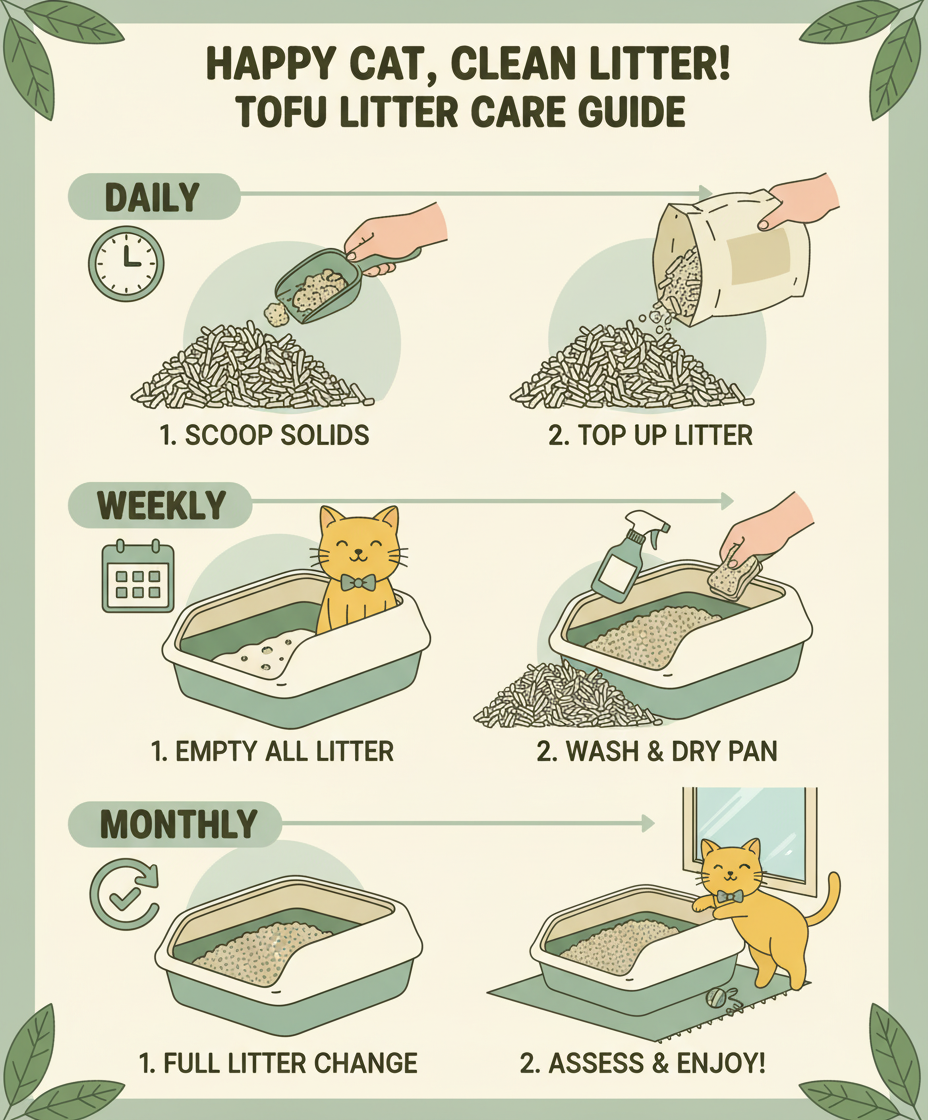
Think of this maintenance calendar as your secret weapon for a perpetually fresh and healthy litter box. It takes the guesswork out of cat litter care, providing a structured routine that respects both your cat's needs and the unique properties of tofu litter. Consistency is key, and this framework ensures every scoop and change contributes to a pristine environment.
For multi-cat households, remember the golden rule: one litter box per cat, plus one additional box, and double down on frequency for all tasks. This minimizes stress and ensures there's always a clean spot available.
Maintenance Task | Single-Cat Household | Multi-Cat Household | Notes |
|---|---|---|---|
Scoop Waste | At least 1x daily | 2+ times daily | Crucial for odor control and cat comfort. Tofu litter clumps fast for easy removal. |
Top-Up Litter Depth | Weekly, as needed | Every 1-2 days, as needed | Maintain 5-7cm (2-3 inches) depth for optimal clumping. Prevents sticky bottoms. |
Stir Litter | Weekly | Every 2-3 days | Redistributes fresh pellets, aerates, and prevents moisture pooling. |
Full Litter Change | Every 2-4 weeks | Every 1-2 weeks | Depends on usage and humidity. Watch for persistent odor or weak clumps. |
Deep Clean Litter Box | Every 2-4 weeks (with full change) | Every 1-2 weeks (with full change) | Wash with mild, pet-safe soap. Dry completely before refilling to prevent mold. |
Monitor Litter Condition | Daily | Daily | Check for unusual odors, mushy clumps, or signs of mold. |
Daily Tasks (2 minutes)
Your daily commitment to the litter box should be quick and efficient. The goal is to remove waste promptly, stopping odors before they can even begin to develop. With Liger Tofu Cat Litter, which boasts fast and firm clumping, this becomes a truly 2-minute job. Simply scoop out all urine clumps and solid waste, dispose of them appropriately, and you're done. For active cats or multi-cat homes, a quick check and scoop in both the morning and evening is a small effort for a huge reward in freshness.
Weekly Tasks (10 minutes)
Once a week, dedicate a few extra minutes to maintain the overall health of your litter box. This includes checking the litter depth and topping it up with fresh pellets to ensure it remains at 5-7cm. Also, gently stir the entire bed of litter. This simple action helps aerate the pellets, redistributes clean litter, and prevents any moisture from settling at the bottom of the box, extending the life of your tofu litter and keeping it fresh. This also gives you a chance to spot any early signs of issues, like persistent dampness.
Monthly Tasks (Full Change Protocol)
While daily and weekly care keeps things tidy, a full system reset is essential periodically. For a single cat, this means completely changing all the litter and deep cleaning the box every 2-4 weeks. In a multi-cat household, or if you live in a particularly humid spot, you might find yourself doing this every 1-2 weeks. When you do a full change, empty all the old litter, wash the box thoroughly with warm water and a mild, pet-safe soap (avoid harsh chemicals, please!), and then dry it completely before refilling. A damp box is an open invitation for mold. This complete overhaul ensures maximum hygiene and prevents bacteria buildup.
Tofu Litter in Malaysian Climate - The Humidity Factor ⭐
Ah, Malaysia. The land of delicious food, friendly faces, and perpetually high humidity. While we love our tropical climate, it poses a unique challenge for tofu cat litter. With ambient humidity often soaring past 70%, and sometimes even hitting 95%, your eco-friendly litter is fighting an uphill battle against moisture. This isn't just an inconvenience; it can severely degrade the litter's performance and even compromise your cat's health. The very porous, plant-based structure of tofu litter, designed to absorb up to 400% of its weight in liquid, readily draws moisture from the humid air, even before your cat uses it.
Why Humidity Is Your Enemy (Mold Prevention)
Humidity is tofu litter’s arch-nemesis, especially in Malaysia. When the litter is already soaking up airborne moisture, its capacity to absorb cat urine plummets. This means clumps become soft, mushy, and break apart easily during scooping, leading to that dreaded 'sticky bottom' where dissolved litter forms a paste at the base of the box. Beyond just poor performance, this combination of organic material, moisture, and warmth creates a perfect breeding ground for mold. Mold in cat litter isn't just unsightly; it can pose a health risk to both you and your cat due to airborne spores. A significant concern is the potential for moldy plant-based litters to produce aflatoxins, which are toxic to pets and humans . Plus, that unpleasant 'sour' smell you sometimes detect? That’s saturated tofu litter fermenting in the tropical heat.
Storage Hacks for Tropical Weather
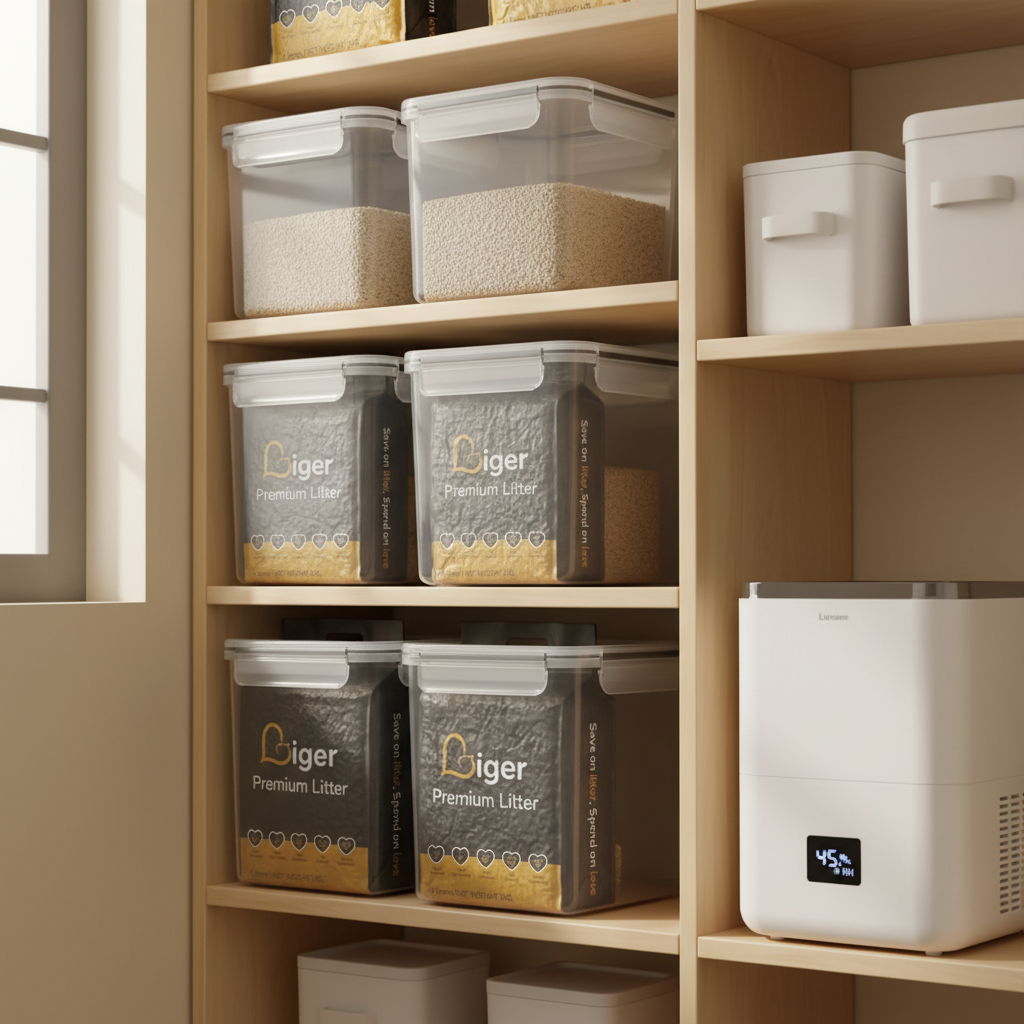
Preventing humidity issues starts with proper storage. This is probably the most critical piece of advice for Malaysian cat parents. The moment you open a new bag of tofu litter, transfer the entire contents to a completely airtight container. Seriously. Those original paper or thin plastic bags offer almost no protection against Malaysia's relentless humidity. Keep these containers elevated off the floor, especially in ground-level homes, to avoid any dampness from seeping in. Consider placing silica gel packets inside the larger storage container (separate from the litter itself) for an extra layer of moisture absorption, though be sure they are out of your cat's reach. Also, I always make sure my litter box is completely dry after washing it before refilling; even a little residual water can compromise an entire new batch of litter.
Monsoon Season vs Dry Season Adjustments
Malaysia experiences distinct monsoon and dry seasons, and your litter management should adapt accordingly. During the monsoon season (roughly October to March on the east coast, and May to September on the west coast, though it varies), humidity levels are at their peak. This is when you need to be extra vigilant. You might find yourself needing to top up your litter more frequently, or even performing a full litter change every 1-2 weeks instead of 3-4. Consider using a dehumidifier in the room where the litter box is located during this period. Conversely, during the dry season, you can relax a little, but don't abandon your airtight storage and daily scooping habits entirely. The air might be drier, but the fundamental need for good hygiene remains.
Best Litter Box Ventilation for Malaysian Homes
When it comes to litter boxes in a humid climate, ventilation is your friend. While covered litter boxes provide privacy and seem to contain odor, they often trap moisture, creating a steamy, unpleasant environment for your cat and for the litter itself. This trapped humidity is a prime culprit for mold growth and diminished clumping ability.
For Malaysian homes, an open-top litter box is generally superior. It allows for natural air circulation, helping to keep the litter dry and odors from concentrating. If you're concerned about tracking, combine an open-top box with a good honeycomb litter mat at the exit. Alternatively, as mentioned, a top-entry litter box can offer the best of both worlds: reduced tracking and good ventilation. Avoid placing litter boxes in naturally humid areas like bathrooms or enclosed laundry rooms. A well-ventilated area with consistent airflow is ideal.
Making Every Bag Last Longer (Cost Optimization) ⭐
Let's be real, while tofu cat litter is fantastic, the cost can add up, especially for multi-cat households or those new to the game. My cat, Tiger, with his congenital heart disease, requires the best care, and that includes high-quality, ultra-low dust litter like Liger's. But I'm also a cat parent on a budget. The good news is, you don't have to break the bank to provide premium care. Smart spending and usage can drastically reduce your recurring expenses. The Malaysian market offers a wide range of tofu litter, from budget-friendly options starting around RM 0.82/L to premium choices at RM 5.83/L. Knowing how to navigate this market is key.
The Right Depth Saves 20%
Maintaining the recommended litter depth of 2-3 inches (5-7cm) isn't just about good clumping; it's a significant cost-saver. A shallow litter bed leads to urine pooling at the bottom of the box, creating sticky, broken clumps that waste more litter because you end up scraping away usable pellets with the soiled bits. This forced over-scooping means you go through bags faster. A deeper bed, however, allows urine to be fully absorbed into a tight, firm clump, making it easy to remove cleanly without wasting surrounding clean litter. While it might seem counterintuitive to use more litter initially, this actually makes each bag last longer, potentially saving you around 20% over time by reducing unnecessary waste.
Scooping Technique That Prevents Waste
A good scooping technique can make a surprising difference in how long your litter lasts. When scooping tofu litter, wait a few minutes after your cat has used the box to allow the clump to fully harden. Then, scoop gently from the bottom up, using a wide, slotted scoop. Avoid jabbing or aggressively digging, as this can break softer clumps, especially if there's ambient humidity. Broken clumps leave behind small, soiled particles that contaminate the remaining clean litter, leading to faster degradation and the need for a full change sooner. By carefully removing only the soiled clumps, you preserve the clean litter, extending its lifespan and keeping your litter budget in check.
Top Up vs Full Change - When Each Makes Sense
Understanding when to simply top up and when to perform a full litter change is key to cost efficiency. Topping up frequently (weekly or every few days as needed) to maintain the 5-7cm depth is your primary strategy for making a bag last. This proactive approach keeps the core litter functional. A full change, however, should be reserved for when the overall quality of the litter starts to degrade – indicated by persistent odors, weak clumping, or general saturation. Trying to stretch a full change too long will lead to more frustration, more wasted litter from ineffective scooping, and a less hygienic environment. It’s a balance: judicious topping up prevents premature full changes, but recognizing when a full reset is truly needed prevents more extensive waste.
Multi-Cat Household Tips
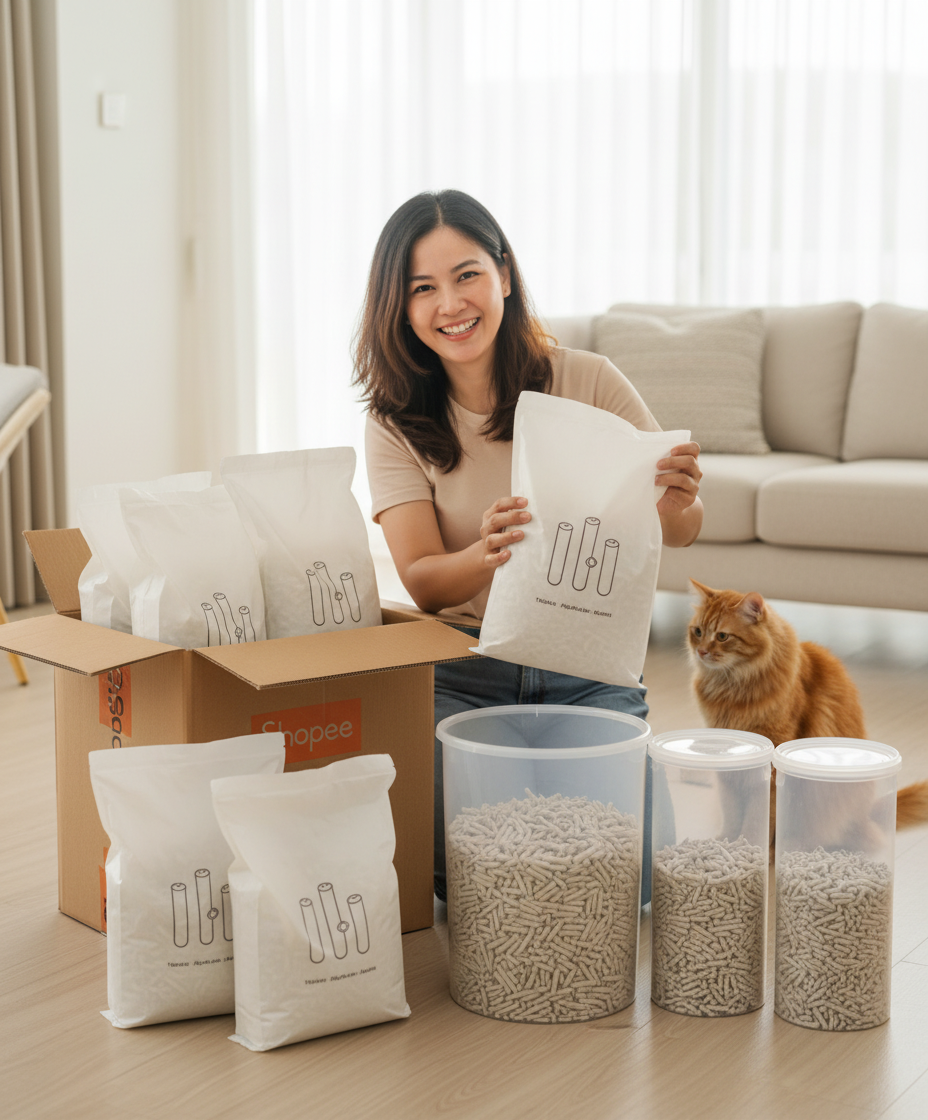
Multi-cat households face amplified challenges when it comes to litter costs. The most fundamental rule is to provide one litter box per cat, plus one extra, to spread usage and reduce strain on individual boxes. This means more litter, but also prevents litter box aversion and improves overall hygiene. To really save money, embrace the 'borong' (wholesale) culture on Malaysian e-commerce platforms like Shopee and Lazada. Look for sellers offering cartons of 8-10 bags during major sales events (11.11, 12.12, payday sales), and stack those precious shop vouchers with free shipping vouchers. This strategic bulk-buying, combined with storing unopened bags in airtight containers, can lead to significant savings per bag. Using a litter calculator can also help you estimate your monthly needs and plan bulk purchases effectively.
Disposal Guide for Malaysia
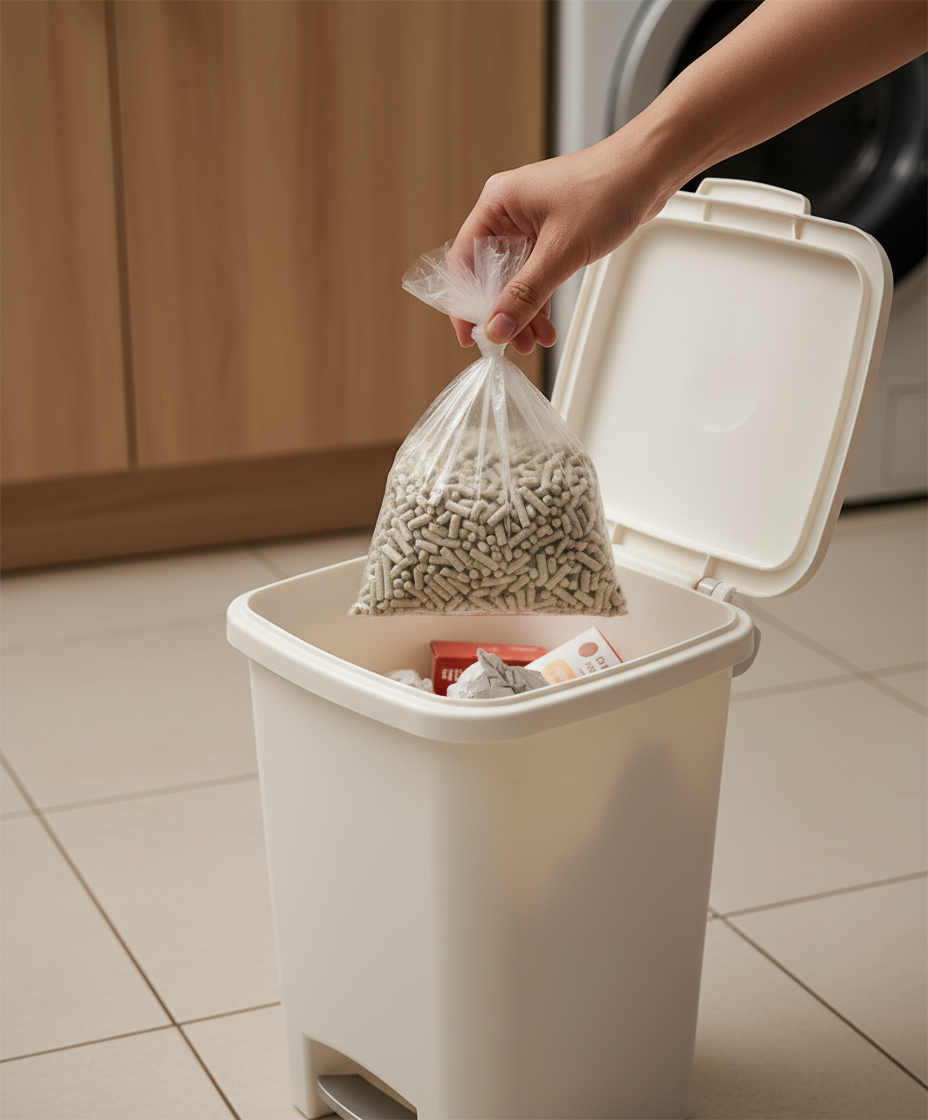
The claim that tofu cat litter is 'flushable' is one of its most appealing features, promising easy, eco-friendly disposal. However, in Malaysia, this promise is often at odds with local realities. It’s a common misconception, and frankly, a mistake I've probably made myself in the early days, only to learn the hard way about the potential consequences. Navigating the 'flushable' controversy in Malaysia requires a clear understanding of our infrastructure and public health considerations.
Can You Flush Tofu Litter in Malaysian Plumbing?
The short answer is: you shouldn't. While tofu litter is designed to dissolve, Malaysian plumbing, especially in older high-rises or landed properties, often features narrow or aged pipes that simply aren't designed for solid waste, even 'dissolvable' types. I recall a fellow cat parent on Reddit sharing a nightmare story of their toilet clogging after trying to flush a whole tray of used litter at once. Beyond your household pipes, our municipal sewerage systems, managed by Indah Water Konsortium (IWK), explicitly prohibit flushing solid waste, which includes clumping cat litter. It's a recipe for costly blockages and, frankly, impacts the entire community.
Composting Used Tofu Litter
Composting used tofu litter is an interesting idea for the environmentally conscious, given its biodegradable nature. However, it's not as straightforward as it seems. While the litter itself is plant-based, cat feces can contain the parasite Toxoplasma gondii, which poses a significant health risk to humans. Backyard composting typically doesn't reach temperatures high enough to reliably kill these oocysts. This means that if you use the compost on vegetable gardens or other edible plants, you risk spreading the parasite. If you're considering composting, it's generally advised to only compost unsoiled litter or to use the compost exclusively for ornamental plants, not food crops. For most Malaysian cat parents, the safest and easiest option is to stick to regular trash disposal.
Regular Trash Disposal Tips
Given the risks associated with flushing and the complexities of composting, the definitive best practice for disposing of used tofu cat litter in Malaysia is to securely bag it and place it in your regular household waste bin for municipal collection. This method aligns with the Solid Waste and Public Cleansing Management Act 2007 (Act 672), which classifies animal waste as solid waste.
Here are some tips: Use sturdy, leak-proof bags to contain odors and prevent spills. Double-bagging isn't a bad idea, especially for full litter changes. For your daily scoops, consider using small, compostable waste bags before placing them in a larger trash bag. This simple approach protects your plumbing, prevents public health hazards from pathogens like Toxoplasma gondii entering waterways, and ensures you're complying with local waste management guidelines.
Troubleshooting Common Problems
Even with the best intentions and the highest quality tofu litter like Liger's, you might encounter a few bumps along the road. It happens to all of us cat parents! The key is to recognize the problem quickly and apply a targeted solution. Often, what seems like a major issue can be resolved with a simple tweak in routine or product choice.
Mushy/Wet Clumps That Won't Hold
This is probably the most common complaint from cat parents in humid climates. If your tofu litter clumps are soft, fall apart when scooped, or create a 'sticky bottom' residue, it's almost always a sign of two things: insufficient litter depth or high humidity. First, ensure you're maintaining at least 5-7cm (2-3 inches) of litter. A deeper bed allows the urine to be fully absorbed before reaching the tray. Second, revisit your storage strategy: is your litter in a truly airtight container? If not, it's pre-saturated with moisture from the air, reducing its clumping power. Also, lower-quality litters with inferior binding agents are more prone to this problem; investing in a premium brand like Liger Tofu Cat Litter with superior clumping can make a huge difference.
Litter Tracking Outside the Box
Tofu litter, with its larger pellets, is generally considered low-tracking, but some stray pellets are inevitable. Lion, being a clean freak, will sometimes flick a pellet or two out, and then stare at it, annoyed. The most effective solution is a honeycomb-style litter mat placed directly at the exit of the litter box. These mats are designed to catch and trap pellets from your cat's paws as they exit. For a more robust solution, especially if you have a kicker, a top-entry litter box can reduce tracking to almost zero. When cats jump out, any pellets clinging to their paws typically fall back into the box. Regularly sweeping or vacuuming the immediate area around the box also helps maintain cleanliness.
Mold or Unusual Smell
If you're noticing mold, a persistent 'sour' smell, or any unusual odors that daily scooping doesn't resolve, humidity is almost certainly the culprit [7, 11, 30]. This is especially true for our Malaysian climate. Mold thrives in moist, organic environments. Your first step is to discard all the affected litter immediately. Then, thoroughly clean and completely dry the litter box before refilling. Crucially, re-evaluate your storage: is your unopened and opened litter in airtight containers? Are you storing the litter box in a humid area like a bathroom? Move it to a well-ventilated spot. A dehumidifier in the room can also help, particularly during monsoon season. Using a high-quality, ultra-low dust tofu litter, like Liger's natural mild milk fragrance variant, also helps maintain freshness without artificial scents that might mask underlying issues.
Cat Refusing Tofu Litter
Litter box rejection is stressful for both cat and parent. If your cat is refusing tofu litter, it's usually due to the unfamiliar texture or the natural soy scent. Cats, especially picky ones like Lion, can be quite sensitive to changes. First, ensure you followed a gradual transition (the 7-day method we discussed). If not, revert to the previous litter ratio where your cat was comfortable and proceed more slowly. For particularly finicky cats, the 'two-box method' can work wonders: place a new box with only tofu litter next to their old one, giving them a choice. Once they consistently use the tofu litter, you can remove the old box. If rejection persists, a vet visit is always recommended to rule out any underlying medical issues that could be causing litter box aversion.
Embracing tofu cat litter in Malaysia is a commendable choice for its eco-friendly nature, low dust, and pet safety. But as we've explored, its full potential is only unlocked with a strategic, climate-aware approach. From Ping'An's sensitive nose benefiting from its ultra-low dust to Tiger needing the best possible care, Liger Tofu Cat Litter is designed to meet these needs, even in our unique environment.
By diligently adhering to a consistent maintenance schedule, proactively combating humidity with smart storage, making savvy purchasing decisions, and understanding the nuances of proper disposal in Malaysia, you transform a good product into an exceptional one. Remember, you’re not just cleaning a litter box; you're cultivating a healthier, happier environment for your cherished feline family. So, take these tips, implement them, and watch your home transform into an odor-free haven.
Monday Morning Action: Today, immediately transfer any opened bags of tofu cat litter into an airtight container. Seriously, do it before lunch. Your future self (and your cat!) will thank you for preventing mushy clumps and sour smells.