- Human fish oil is generally NOT recommended for cats due to high dosage concentration and potential toxic additives like citrus or xylitol.
- Omega-3s (EPA & DHA) offer significant benefits for cats, including improved skin, coat, joint health, and support for conditions like chronic kidney disease.
- Always choose feline-specific fish oil formulas that are third-party tested for purity and designed for a cat's unique physiological needs.
- Consult your veterinarian before starting any supplement; they will determine if it's necessary and provide a precise, safe dosage.
As cat parents, we pour so much love into our furry family members. It's only natural to want to share everything good with them, especially when it comes to health. This desire has fueled a trend called "pet humanization," especially here in Malaysia, where a 2024 study found that 58% of cat owners give their pets dietary supplements, primarily to maintain general health and prevent disease. You take your daily fish oil for heart health, shiny hair, maybe even to ease a creaky knee. So, you might wonder, "If it's good for me, can I share my human fish oil with my cat?"
The straightforward answer is: yes, but with extreme caution and *only* under the watchful eye of your veterinarian. While the omega-3 fatty acids in fish oil offer numerous health benefits for felines, human-grade supplements are not designed for a cat's unique body. The crucial differences most owners overlook are dosage and hidden additives. A dose safe for a 70 kg human could be a dangerous overdose for a 4 kg cat, potentially leading to digestive upset or even impaired blood clotting. Many human products contain flavorings, like citrus oils, which are unexpectedly toxic to cats. This guide is here to untangle the complexities of that "yes, but." We're moving beyond guesswork to give you the data-driven facts. We will explore the science-backed benefits of omega-3s for cats, break down the specific risks of human products, debunk common myths, and look at the unique landscape for Malaysian cat parents. Most importantly, we'll give you clear, actionable advice on how to choose and give a supplement safely and effectively. Before any changes to your cat's diet, one step is non-negotiable: a chat with your vet. International bodies like the American College of Veterinary Nutrition and theemphasize that supplements should only be given under professional guidance, especially for pets already eating a balanced diet. Your vet is the only one who can truly assess your cat's individual health, decide if a supplement is needed, and calculate a precise, safe, and therapeutic dose. This conversation is the essential first step.
The Short Answer: Why Human Fish Oil Isn't Ideal for Cats ⭐
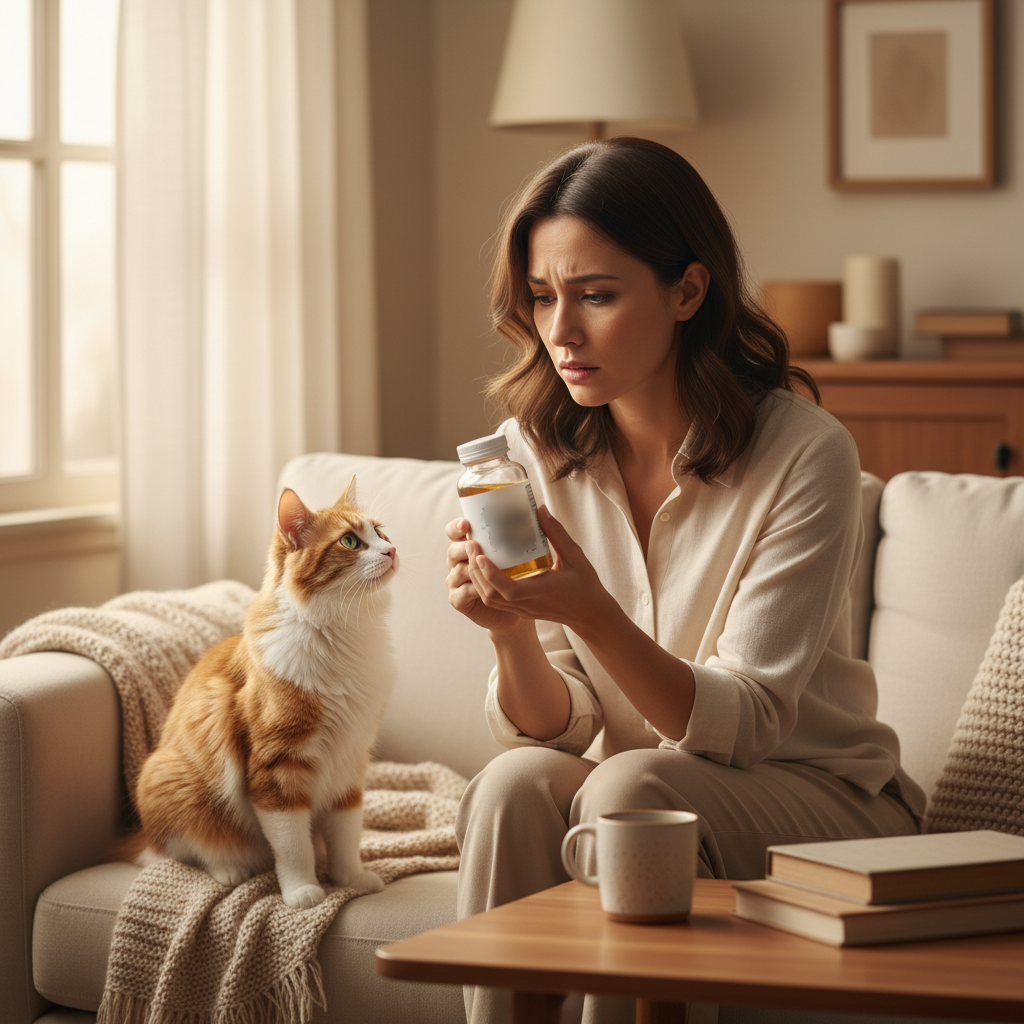
When you look at that bottle of human fish oil, it's easy to think, "Omega-3s are omega-3s, right?" Not exactly. While the active ingredients (EPA and DHA) are the same, human fish oil is generally *not* ideal for cats. It's not that a tiny drop would be immediately toxic, but the risks of accidental overdose and harmful hidden ingredients make it a gamble we, as cat parents, simply shouldn't take. Many of us have probably considered it, eyeing those cheaper options on the pharmacy shelf, but the potential consequences outweigh any perceived savings.
The Problem with Human Dosages
A cat's metabolism and body weight are vastly different from a human's. It's basic math, but easily overlooked. A standard human-grade fish oil capsule can contain anywhere from 10 to 20 times the appropriate daily dose for a cat. Imagine trying to give a fraction of a drop from a full spoon – it's incredibly hard to get right. This concentration difference puts your cat at high risk of an overdose. Too much fish oil can lead to unpleasant side effects, ranging from immediate digestive upset like diarrhea and vomiting to more serious, long-term issues like impaired blood clotting. This can delay wound healing or even cause internal bleeding. Over-the-counter supplements consistently rank as a top reason for calls to veterinary poison control centers, underscoring just how easy it is to miscalculate and cause harm to your beloved pet.
Harmful Additives and Flavorings
Beyond dosage, human fish oil often contains ingredients that are simply not safe for cats. Many human supplements include flavorings, such as citrus oil, to make them more palatable for people. However, essential oils, including citrus, are toxic to cats because their livers lack the specific enzymes needed to metabolize these compounds safely. Exposure can cause serious harm. Other common additives in human products, like the artificial sweetener xylitol, are also extremely harmful and can even be fatal to pets. Then there's cod liver oil, a type of fish oil that, while rich in omega-3s, also contains dangerously high levels of fat-soluble Vitamins A and D. Cats can suffer from vitamin toxicities if given cod liver oil in amounts meant for humans, leading to skeletal issues and organ damage. It's a minefield of hidden dangers.
The Health Benefits of Omega-3s for Your Cat
Despite the warnings about human fish oil, the good news is that omega-3 fatty acids themselves are incredibly beneficial for felines. These are not just beneficial fats; they are essential nutrients that function as powerful, natural anti-inflammatory agents within a cat's body. Cats are obligate carnivores, meaning their survival depends on a diet high in animal protein, moderate fat, and extremely low carbohydrates, as highlighted by. Unlike humans or even dogs, cats have a very limited ability to convert plant-based omega-3s, like alpha-linolenic acid (ALA), into the active forms they truly need: eicosapentaenoic acid (EPA) and docosahexaenoic acid (DHA). This metabolic reality means they truly need animal-derived sources. When formulated correctly for cats, fish oil can be a feline super-supplement.
Promoting Healthy Skin and a Shiny Coat
One of the most noticeable benefits of omega-3s is their impact on a cat's skin and coat. EPA works wonders by reducing inflammation, which is often the root cause of dry, flaky skin, excessive shedding, and allergic itching. When your cat's skin is healthy, their coat naturally follows, becoming softer, shinier, and less prone to matting. Think of it as an internal moisturizer and calming balm for their biggest organ. This is a common motivation for many Malaysian cat owners, as evidenced by a 2024 study finding 58% use supplements for general health and disease prevention.
Supporting Joint Health and Mobility
Just like us, cats, especially senior cats, can suffer from the aches and stiffness of osteoarthritis. Studies show a staggering 90% of cats over 12 years old have arthritis. Fish oil's powerful anti-inflammatory properties can make a real difference here. Afound that cats with degenerative joint disease showed objective, measurable improvements in mobility when fed a diet high in EPA and DHA. Owners reported their cats were more active, more willing to jump, and seemed generally more comfortable. Another 12-week controlled clinical trial involving 72 cats found that a significantly higher proportion of cats fed an omega-3-enriched diet showed noticeable improvements within just four weeks. If your older cat is slowing down, consider discussing fish oil with your vet; it could offer them new leaps of joy. You can also read our guide on The Silent Limp: Spotting Arthritis in Your Senior Cat for more tips.
Boosting Brain and Eye Development
DHA, one of the two key omega-3s, plays a crucial role in the development and maintenance of brain and eye function. For kittens, sufficient DHA intake is vital for proper neurological development, ensuring they grow into smart, sharp-sighted predators. For adult and senior cats, DHA supports cognitive health, helping to maintain mental acuity and potentially slowing cognitive decline. This means a sharper mind and keener vision, which is essential for a cat's quality of life, whether they're pouncing on a toy mouse or simply observing their surroundings.
Choosing the Right Fish Oil for Your Feline Friend ⭐
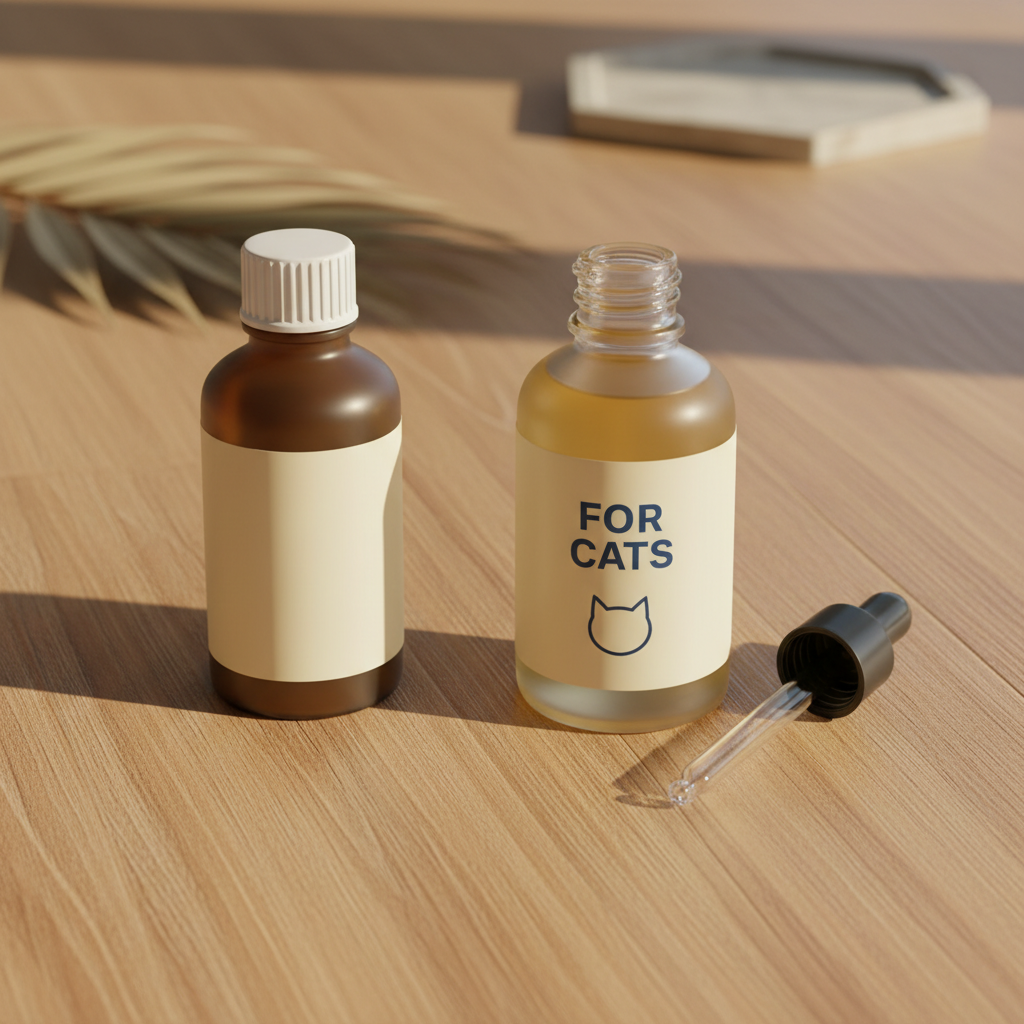
This is where things get really important. Given all the potential risks of human supplements, the wisest choice is always a fish oil product specifically designed and labeled for cats. This isn't just about marketing; it's about safety, efficacy, and peace of mind. I know the cost difference can be jarring—in Malaysia, the cost per 100mg of omega-3s in human supplements can be as low as RM 0.08, while veterinary-specific formulas might cost around RM 0.67. This financial incentive is a strong pull, but it’s critical to remember the "hidden costs" of risk, potential vet bills, and simply not getting the right benefits for your cat. Instead of trying to make a human product fit, let's focus on finding the *right* product.
Why 'Cat-Specific' Formulas Matter
Feline-specific fish oil formulas are developed with a cat's unique physiology and dietary needs in mind. They deliver the correct ratio of EPA to DHA, which differs from human needs. For example, while human formulas are often weighted towards EPA, a good feline product provides a more balanced ratio, often with slightly more DHA, which is crucial for a cat's brain and eye function. Furthermore, these products typically undergo rigorous quality control. In Malaysia, both human and animal supplements are regulated by the National Pharmaceutical Regulatory Agency (NPRA) or the Department of Veterinary Services (DVS), ensuring products sold legally have been assessed for safety and quality. This regulatory oversight provides an added layer of confidence when choosing a locally registered, pet-specific product, like those from PAW by Blackmores or Nordic Naturals Omega-3 Pet, often recommended by Malaysian vets.
How to Read the Label: What to Look For
Becoming a label detective is your superpower in choosing safe and effective fish oil. Here's what to look for:
| Feature | What to Look For | Why it Matters for Cats |
|---|---|---|
| Purity & Source | "Molecularly distilled" or "third-party tested" for mercury, PCBs, dioxins. Sourced from small, cold-water fish (sardines, anchovies, mackerel). | Smaller fish accumulate fewer toxins. Molecular distillation removes heavy metals and environmental contaminants, ensuring a clean product. |
| EPA & DHA Content | Clearly listed amounts of EPA and DHA per serving. | These are the active ingredients; total "fish oil" amount is less important. You need these numbers for accurate dosing. |
| Additives | "No artificial flavors, colors, or preservatives." Avoid citrus oils, xylitol, or other sweeteners. | Many human additives are toxic to cats and can cause serious health issues. |
| Freshness | Check expiration date. Should not smell overly fishy or rancid. Stored in opaque, airtight containers (refrigeration often required after opening). | Rancid fish oil is not only ineffective but can also be harmful, potentially causing gastrointestinal upset or even oxidative damage. |
Always look for brands that voluntarily undergo third-party testing to verify purity and potency. This gives you extra assurance that what's on the label is actually in the bottle, and that it's free from harmful contaminants. Some good quality brands might even bear a seal from organizations like the National Animal Supplement Council (NASC), which signifies adherence to certain quality standards, though this is less common in Malaysia.
Liquid vs. Capsules: Which is Best for Your Cat?
Fish oil for cats comes in two main forms: liquid and capsules. Each has its pros and cons, especially when dealing with a picky eater like my Lion, who can sniff out a new ingredient a mile away.
- Liquid Fish Oil: This is often the preferred choice for precise dosing, especially for cats. You can use a dropper to measure the exact amount your vet recommends, down to a single drop. It's usually easy to mix into wet food, Churu treats, or even syringe-feed (if your cat tolerates it). The downside? It can be messier and might oxidize faster once opened, so proper refrigeration and a dark bottle are essential.
- Capsules: These are convenient for human use, but tricky for cats. A single human capsule is almost always too much. You'd need to pierce the capsule and squeeze out a tiny fraction, which is prone to error and mess. Some cat parents might try to get their cat to eat a whole, smaller pet-specific capsule, but good luck with that! If your cat is amenable, you might be able to hide a small, vet-approved capsule in a treat or pill pocket.
For most cat parents, especially those with smaller cats or precise dosing needs, a liquid, feline-specific formula is generally the easiest and safest way to go. Start by introducing just a tiny amount, gradually increasing over a week to help your cat adjust to the new taste and avoid stomach upset.
Potential Side Effects and Safety Precautions

Even with the right product, supplementation is a medical decision, and side effects can occur. It's crucial to approach fish oil with respect, not just as a general health booster. Over-the-counter medications and supplements consistently rank as a top reason for calls to the, highlighting the importance of vigilance and proper administration. Always remember: more isn't always better.
Common (and Mild) Side Effects
When you first introduce fish oil, or if the dose is a little too high, you might notice some mild, typically non-serious side effects:
- Gastrointestinal Upset: The most common issue. This can manifest as loose stools, diarrhea, or occasional vomiting. Introducing the oil gradually can often prevent this.
- Fishy Breath: Understandably, adding fish oil can give your cat's breath a distinct, well, fishy smell. It’s usually harmless but might be less pleasant for you!
- Oily Coat or Skin: Sometimes, especially with very high doses, the excess oil can be excreted through the skin, leading to a greasy coat or slight skin irritation.
- Weight Gain: Fish oil contains calories. If you're not adjusting your cat's overall food intake, adding a high dose of fish oil can contribute to unwanted weight gain, turning your healthy cat into a 'chonky' one.
When to Stop and Call the Vet
While most side effects are mild, some warrant immediate veterinary attention. If you observe any of these more serious signs, stop giving the supplement and contact your veterinarian right away:
- Persistent Vomiting or Diarrhea: If digestive upset doesn't resolve quickly or becomes severe, it could indicate a more serious issue or a significant overdose.
- Lethargy or Behavioral Changes: Any sudden, unexplained tiredness, weakness, or a refusal to eat or play could be a sign your cat is not tolerating the supplement well.
- Delayed Blood Clotting: At very high doses, fish oil can interfere with platelet function, which is critical for blood clotting. Signs might be subtle, like prolonged bleeding from a minor cut, or more serious, indicating internal bleeding. This is why a precise, vet-prescribed dose is so important.
Your vet can help you adjust the dosage, recommend an alternative product, or investigate if the symptoms are related to an underlying health condition. This partnership ensures your cat stays safe and healthy.
The journey to optimal feline health is filled with choices, and the question of human fish oil for cats is a prime example of its complexities. We've seen that while the omega-3s are incredibly beneficial, the path to delivering them safely is not as simple as sharing your own supplements. The serious risks of toxic additives, improper dosage, and potential contaminants make human fish oil a dangerous shortcut. This is especially true when a standard human capsule can contain 10 to 20 times the appropriate amount of omega-3s for a cat. The safest and most effective way to provide your cat with the benefits of omega-3s begins, and often continues, with a partnership with your veterinarian.
Major veterinary associations globally, including the ACVN and the American Association of Feline Practitioners, consistently advise that cats on a complete and balanced diet typically don't need supplements unless a specific medical need is identified by a professional. A veterinarian can accurately assess your cat's individual health profile, determine if supplementation is truly necessary, and then calculate a precise, safe, and therapeutic dosage. For Malaysian cat owners, where readily available human brands like Blackmores can be tempting, this guidance is particularly relevant. By working with your local vet, you can confidently navigate the options, ensuring your feline companion receives all the incredible benefits of omega-3s without the dangers. Your Monday morning action? Schedule a chat with your vet. It's the kindest, smartest step you can take for your cat's health. For more insights into your cat's well-being, explore our Cat Health Hub.