- Freeze-dried food retains superior nutrition by avoiding heat, making it biochemically closer to a cat's natural prey.
- Cost is a significant barrier for many Malaysian cat parents; the 'Topper Strategy' offers a budget-friendly way to introduce its benefits.
- Malaysia's hot, humid climate demands strict storage protocols for freeze-dried food to prevent moisture absorption and bacterial growth.
- Switching to freeze-dried diets dramatically improves litter box output: smaller, firmer, less odorous stools and better urine hydration.
- Local Malaysian brands are filling the market gap created by expensive imported options and offer Halal-conscious choices.
The Malaysian pet care world is buzzing. Everywhere you look, cat parents are talking about something called 'freeze-dried food.' It sounds fancy, and honestly, the price tags can make your eyes water. But what is it, really? Is it just a trend for those with deep pockets, or is it a genuine game-changer for our feline companions?
As fellow cat parents at Liger, we've walked this path, staring at confusing labels and wondering if we're doing enough for our beloved furballs. We sell Liger 豆腐猫砂, not cat food, so our goal here is simple: to offer you an honest, no-fluff guide to freeze-dried cat food, tailored specifically for Malaysian homes. We'll cut through the marketing jargon, break down the science, tackle the unique challenges of our tropical climate, and talk real Ringgit prices. Because when it comes to your cat's health, you deserve the full picture.
What Is Freeze-Dried Cat Food?
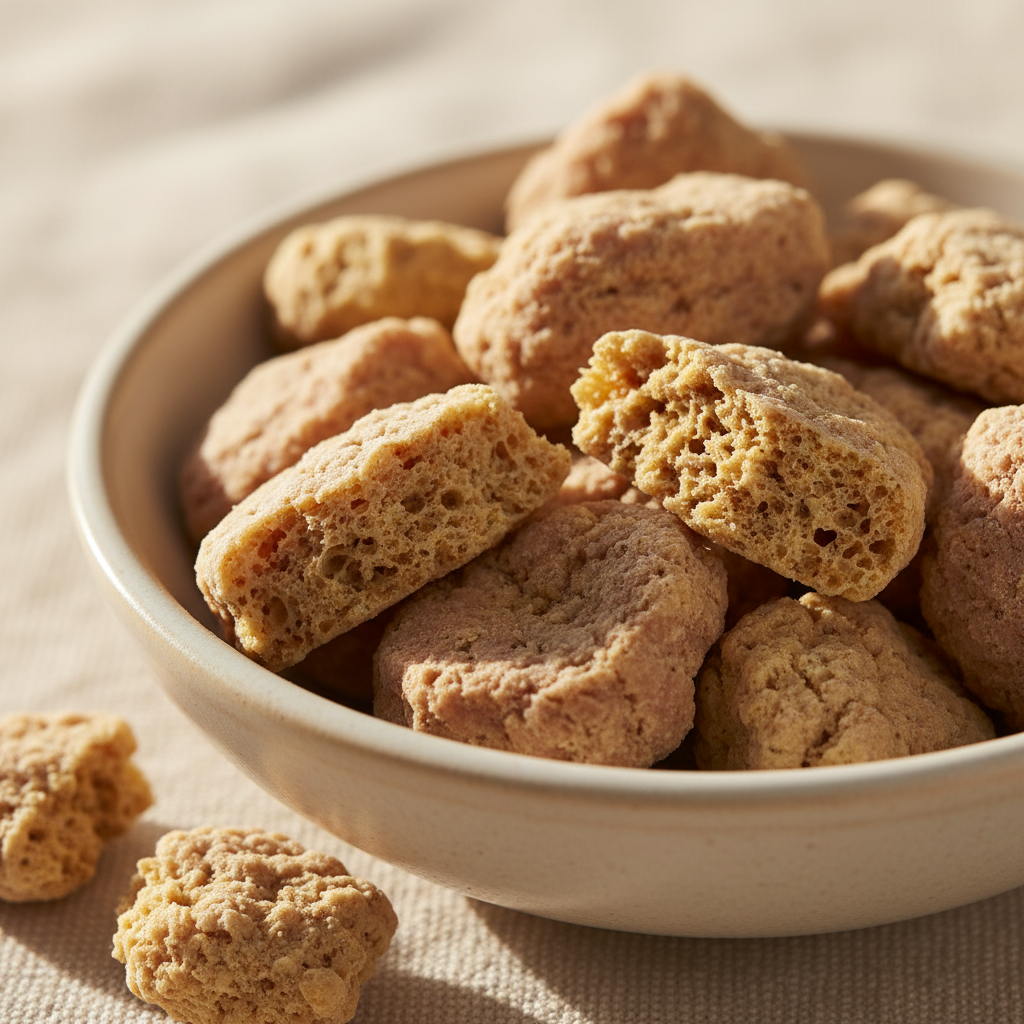
To truly understand the hype, we need to peel back the layers and look at the technology behind freeze-dried cat food. It's a marvel of food preservation, designed to keep nutrients intact without relying on harsh heat.
How the Freeze-Drying Process Works
Unlike traditional methods that use high heat, freeze-drying (or lyophilization) is a non-thermal process. It's all about physics, specifically something called sublimation. The process has three main steps:
- Freezing: Raw ingredients, typically meat, are flash-frozen to very low temperatures, usually between -30°C and -50°C. This quick freeze creates tiny ice crystals within the food. If freezing is too slow, larger crystals can form, damaging cell walls and leading to nutrient loss when the food is rehydrated.
- Primary Drying (Sublimation): The frozen food then goes into a vacuum chamber. The pressure is lowered significantly, below water's 'triple point.' This causes the ice to transform directly into water vapor, bypassing the liquid phase entirely. About 95% of the water content is removed this way.
- Secondary Drying (Desorption): The final step involves a slight increase in temperature while maintaining vacuum conditions. This removes any remaining, chemically bound water molecules, bringing the moisture content down to a very low 1% to 4%.
The end result? A product that looks exactly like the original raw meat but is incredibly light, porous, and shelf-stable. This porous structure allows it to rehydrate almost instantly, a key difference from other dried foods.
Freeze-Dried vs Dehydrated vs Raw — What's the Difference?
It's easy to get confused by marketing terms like 'dehydrated' or 'air-dried.' While they all aim to remove moisture, the methods and their impact on nutrition differ greatly. Here’s a quick breakdown:
| Feature | Freeze-Dried Food | Dehydrated/Air-Dried Food | Fresh Raw Food |
|---|---|---|---|
| Processing Method | Flash-frozen, then vacuum-dried (sublimation) | Warm air circulation (evaporation) | No processing (raw, fresh) |
| Temperature Used | Very low (-30°C to -50°C), then slightly higher with vacuum | Moderate (40°C to 70°C) | Ambient |
| Nutrient Retention | Excellent (preserves heat-sensitive vitamins, enzymes, protein structure) | Good to moderate (some loss of heat-sensitive nutrients) | Excellent (no nutrient loss from processing) |
| Moisture Content | 1-4% (rehydrates to 70-75%) | 5-15% (denser, rehydrates slowly/poorly) | 70-75% |
| Shelf Stability | Very long (up to 25 years sealed, months open) | Long (months to a year) | Very short (days refrigerated, hours ambient) |
| Pathogen Risk | Low (parasites killed by freezing, bacteria dormant but can reactivate) | Low to moderate (heat reduces some pathogens) | Moderate to high (if not handled/sourced properly) |
| Texture | Light, porous, crunchy (rehydrates soft) | Denser, harder, chewier | Soft, natural meat texture |
For a cat, which thrives on moisture, the ability of freeze-dried food to soak up water and mimic a prey animal is a huge functional advantage over denser, air-dried products.
Types of Freeze-Dried Cat Products (Complete Meals vs Toppers vs Treats)
When you look at the freeze-dried options available, you'll see a few different categories:
- Complete Meals: These are formulated to provide all the nutrients a cat needs for a balanced diet. They typically include muscle meat, organs, and bone, sometimes with added vitamins and minerals. These are meant to be a cat's primary food source.
- Toppers: Designed to be added to your cat's existing food (kibble or wet food) to boost its nutritional value, palatability, or simply add variety. They aren't nutritionally complete on their own but offer a great way to introduce raw benefits without a full diet switch.
- Treats: Usually single-ingredient items, like pure chicken breast or fish. They are great for rewards or training but lack the complete nutrient profile needed for a meal. Never rely on treats as a primary food source.
Benefits of Freeze-Dried Cat Food
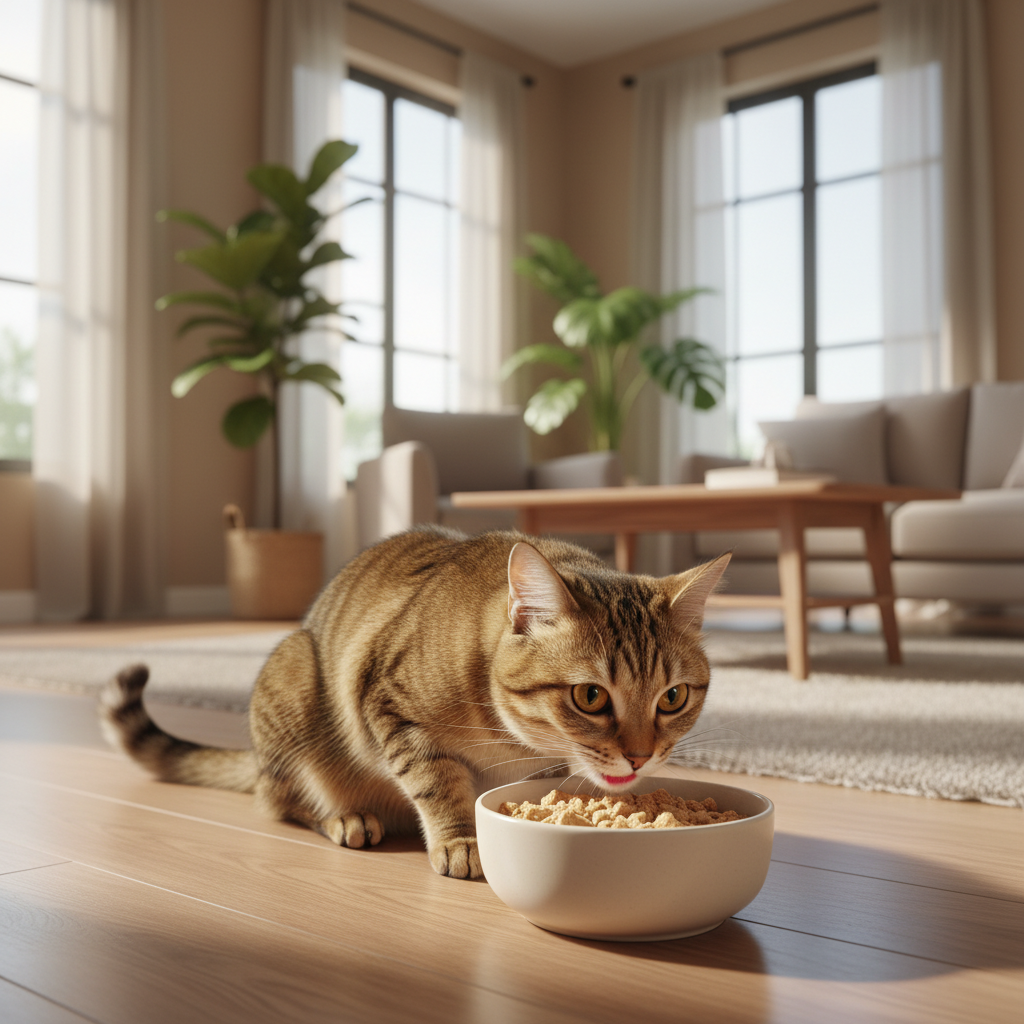
So, why are so many cat parents making the switch? The advantages of freeze-dried food often align closely with a cat's biological needs, offering a significant upgrade from conventional diets.
Superior Nutrition Retention
This is arguably the biggest selling point. Because freeze-drying uses very low temperatures, it avoids the harsh nutrient degradation that often happens with high-heat processing methods like extrusion (used for kibble). The science backs this up: studies show freeze-dried samples retain significantly higher levels of heat-sensitive vitamins, like Vitamin C and Beta-carotene, compared to air-dried alternatives. The nutrient profile often remains very close to raw, fresh ingredients.
- Protein Structure: High heat can alter protein structures, potentially reducing their digestibility and making them less bioavailable. Freeze-drying preserves proteins in their native forms, which is theorized to be easier for cats to digest and might even reduce adverse immune responses.
- Enzymatic Activity: Raw food advocates often point to the natural enzymes in raw meat as a digestive aid. Freeze-drying uniquely preserves this enzymatic activity, while extrusion and canning completely destroy it, leaving food 'enzymatically dead.'
- Taurine Levels: Taurine, an essential amino acid for cats' heart and vision, is found exclusively in animal tissues. It's often lost during high-heat processing, requiring heavy synthetic supplementation in kibble. Freeze-drying helps retain natural taurine levels.
Cats are obligate carnivores, meaning their survival depends on a diet high in animal protein, moderate fat, and extremely low carbohydrates. Feline protein needs are critical, and freeze-dried foods offer a biologically appropriate profile.
Convenience and Long Shelf Life
Here's where freeze-dried food truly shines for busy cat parents. You get many of the benefits of raw feeding without the hassle of defrosting, measuring, or worrying about spoilage. The food is lightweight, doesn't need refrigeration until rehydrated, and has a significantly longer shelf life than fresh raw diets.
Safer Than Raw Feeding
While freeze-dried food is still raw, the processing steps offer some safety advantages over feeding fresh, unprocessed raw meat. The deep-freezing stage effectively kills multicellular parasites like tapeworms and Toxoplasma gondii. However, it's important to remember that bacteria like Salmonella and E. coli can survive freezing in a dormant state. That's why reputable brands often use High Pressure Processing (HPP) to further reduce pathogen risk, making freeze-dried food generally safer than raw meat sourced directly from a wet market.
Great for Picky Eaters
Many cat parents struggle with picky eaters. The rich, concentrated flavor of freeze-dried meat, combined with its ability to be rehydrated to a tempting, soft texture, can be a game-changer. It often mimics the taste and texture of real meat more closely than heavily processed kibble, making it appealing even to the most discerning feline palates. The intense aroma when rehydrated can also pique a hesitant cat's interest.
Potential Drawbacks to Consider
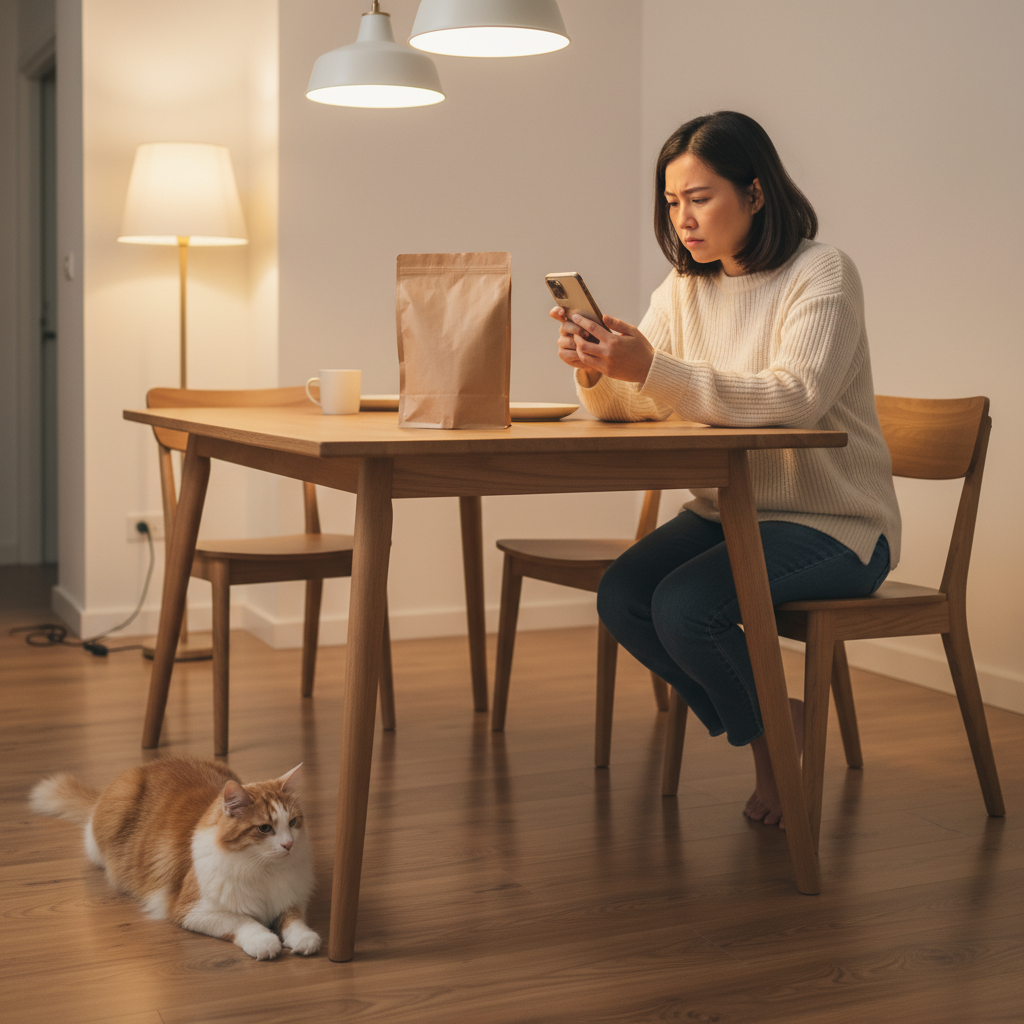
No diet is perfect for every cat or every cat parent. While freeze-dried food offers compelling benefits, it also comes with its own set of challenges, especially for those of us living in Malaysia.
Cost Factor — A Realistic Budget Breakdown in RM
Let's be real: cost is the number one concern for most Malaysian cat parents. Freeze-dried food is a premium product, and its price reflects the specialized manufacturing process and high-quality ingredients. Compared to conventional kibble, it's a significant investment.
For a standard 4kg indoor cat needing about 200 kcal/day, here’s a realistic monthly cost comparison:
| Diet Type | Brand Example | Approx. Cost / kg (RM) | Daily Feeding Cost (RM) | Monthly Cost (RM) |
|---|---|---|---|---|
| Premium Kibble | Royal Canin Fit 32 | RM 31.00 | ~RM 1.80 | ~RM 54.00 |
| Local Freeze-Dried (Meal) | Grace Cat / PledgeCare | RM 380.00 | ~RM 9.50 | ~RM 285.00 |
| Imported Freeze-Dried | Stella & Chewy's | RM 450.00+ | ~RM 12.00 | ~RM 360.00 |
| Wet Food (Canned) | Premium Commercial | RM 40.00 (equiv. dry wt) | ~RM 4.50 | ~RM 135.00 |
Note: Prices are estimates based on Shopee/Lazada listings and official brand sites as of early 2026.
As you can see, a full freeze-dried diet can be 5-6 times more expensive than premium kibble. This isn't feasible for the average Malaysian household. This stark reality means a "Topper Strategy" is often the best approach: replacing just 20-30% of kibble calories with rehydrated freeze-dried food. This can bring total monthly food costs to around RM 150, offering a palatable middle ground for those wanting to introduce benefits without breaking the bank.
Not All Freeze-Dried Foods Are Equal
Just because something says 'freeze-dried' doesn't mean it's top-tier. Quality varies widely. Some brands use fillers, lower-grade meats, or don't offer a complete and balanced nutritional profile. Always check the ingredient list and look for certifications to ensure you're getting a genuinely high-quality product.
Storage in Malaysia's Tropical Climate
Here’s a truth bomb: Malaysia's climate is the arch-nemesis of freeze-dried food. The entire preservation mechanism relies on removing water to inhibit bacterial growth. This means the product becomes incredibly hygroscopic – it acts like a sponge for atmospheric moisture.
Malaysia's tropical climate is characterized by constant high temperatures (average 27°C - 32°C) and extremely high relative humidity (70% - 90%). If the water activity (aw) of the food rises above 0.6, it becomes susceptible to mold and bacterial reactivation. Fresh freeze-dried food should snap or crumble; if it feels spongy, chewy, or leathery, it has absorbed moisture and its safety is compromised. Storing it properly isn't just a suggestion; it’s critical for safety and product integrity. The PDF also highlights that the water activity (aw) threat is real, especially in humid conditions.
How to Choose Quality Freeze-Dried Cat Food
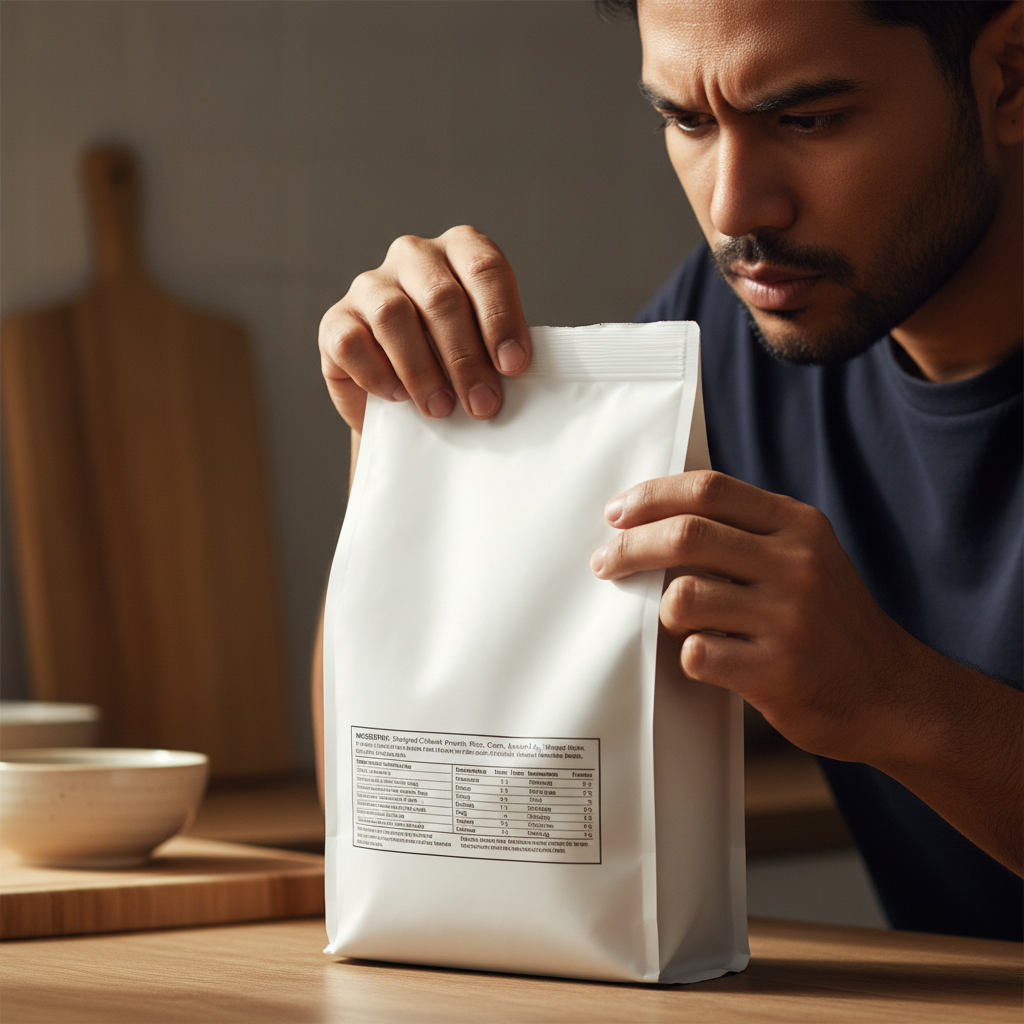
Navigating the sea of pet food options can feel overwhelming. To ensure you're choosing a truly beneficial freeze-dried product for your cat, here's what to keep in mind.
Reading Ingredient Labels — What to Look For
The ingredient list is your cat's health report. Here’s what matters most:
- First Ingredients: Look for real, identifiable animal proteins (e.g., chicken, beef, salmon) as the first few ingredients. "Meat meal" is acceptable, but whole meats are generally preferred.
- Organ Meats and Bone: A truly complete freeze-dried raw diet will include organs (like liver, heart) and bone, as these provide crucial vitamins, minerals, and calcium in biologically appropriate forms.
- Limited Carbohydrates: Cats are obligate carnivores. Their natural prey has a carbohydrate content of only 2% to 5%. Cats and carbohydrates study shows they lack salivary amylase and have low glucokinase activity, making them poor at processing high carbs. Aim for foods with less than 10% carbohydrates on a dry matter basis.
- No Fillers or By-products: Avoid corn, wheat, soy, and excessive plant-based proteins. Also steer clear of vague "animal by-products."
- No Artificial Additives: Artificial colors, flavors, and preservatives are unnecessary and offer no nutritional benefit.
Remember, you can estimate carbohydrate content (NFE) using the formula: 100% - Crude Protein% - Crude Fat% - Crude Fiber% - Moisture% - Ash%. This helps you truly understand what's in the bag.
Understanding AAFCO Standards
AAFCO (Association of American Feed Control Officials) provides guidelines for pet food nutrient profiles. Look for a statement on the label that says the food is "formulated to meet the nutritional levels established by the AAFCO Cat Food Nutrient Profiles for [Life Stage]" or that it has undergone "animal feeding tests using AAFCO procedures" for that life stage. This ensures it's a nutritionally complete and balanced diet, not just a treat. For kittens, specifically look for formulas labeled for "Growth" or "All Life Stages."
Complete Meal vs Topper — Which Does Your Cat Need?
As we discussed in the cost section, not every freeze-dried product is a full meal. Complete meals are designed to be fed as a cat's sole diet (when rehydrated). Toppers, on the other hand, are meant to supplement an existing diet. If you're on a budget, starting with a topper is a fantastic way to introduce the benefits of raw nutrition without a full commitment. It's an easy way to add enzymes, high-quality protein, and extra moisture.
Single Protein vs Multi-Protein Formulas
Consider your cat's sensitivities. Single-protein formulas (e.g., 100% chicken or duck) are excellent for elimination diets if you suspect your cat has food allergies. It’s a common misconception that fish, beef, and chicken are safe for all cats. In fact, these are among the most common food allergens for cats. Once you identify any sensitivities, you can gradually introduce multi-protein formulas. If your cat has a sensitive stomach, starting with novel proteins like rabbit or quail can be a good choice.
Freeze-Dried Cat Food in Malaysia — Local Brands & Where to Buy ⭐
The Malaysian pet food market is booming, but our unique climate and cultural considerations mean that what works abroad doesn't always apply here. With the Ringgit's depreciation, imported freeze-dried diets are becoming prohibitively expensive, creating a vibrant ecosystem of local Malaysian manufacturers.
Malaysian Brands Worth Trying
Local brands are stepping up, often offering more competitive pricing and formulations better suited for our climate. They also tend to be more mindful of the 'Halal dilemma' prevalent in our Muslim-majority country, using terms like "No Pork / No Lard" or "Suci" (Pure/Clean) as reassurance, since JAKIM doesn't certify pet food.
- PledgeCare (The Artisan Hybrid): Positions itself as a premium local alternative, focusing on "Human-Grade" ingredients. They often use a hybrid air-drying/dehydration method rather than pure freeze-drying for some lines, but market within the "raw alternative" space. A complete chicken meal starter pack might cost around RM 69.00, scaling up for subscriptions.
- Grace Cat (The Complete Meal Contender): Emphasizes "Complete and Balanced" nutrition, often highlighting certifications like HACCP and ISO 22000 as proxies for safety. They offer a range of proteins like Quail, Capelin, and Chicken. Pricing is typically around RM 38.00 per 100g.
- JUMA (The Budget/Topper King): Dominates online marketplaces like Shopee and Lazada. Famous for "Whole Freeze-Dried Chicks" and diced cubes. Their low price, around RM 18 for 40g, makes them an accessible entry point for owners experimenting with freeze-dried treats, though some descriptions can imply they are complete meals when they're nutritionally incomplete.
- Amelisa Pet & Co (The Single-Ingredient Specialist): Focuses on single-protein treats like 100% Chicken Breast or Capelin. Great for elimination diets to identify allergies, but these are complementary feeds, not balanced meals for long-term exclusive feeding.
International Brands Available in Malaysia
Despite the cost, several well-established international brands are available, known for their rigorous safety protocols like HPP and AAFCO feeding trials.
- Stella & Chewy's, Primal, Open Farm: These are premium brands typically found in larger pet store chains like Pet Lovers Centre and specialty online retailers. They offer proven track records and high-quality ingredients.
- Consideration: Price volatility due to currency exchange rates is a major factor. Supply chain disruptions can also lead to out-of-stock notices for months, which is not ideal when your cat is accustomed to a specific diet.
Where to Buy — Shopee, Lazada, Pet Stores & Direct
For Malaysian cat parents, the purchasing landscape is varied:
- Online Marketplaces: Shopee and Lazada are undoubtedly the kings for local brands like JUMA, Grace Cat, and Amelisa Pet & Co, offering competitive prices and convenience.
- Pet Retail Chains: Stores like Pet Lovers Centre, Pet Safari, and other local pet shops often stock a mix of local and imported premium brands.
- Brand Websites: Many local brands, like PledgeCare, also sell directly through their own websites, sometimes offering subscription models for recurring purchases.
How to Feed Freeze-Dried Food to Your Cat
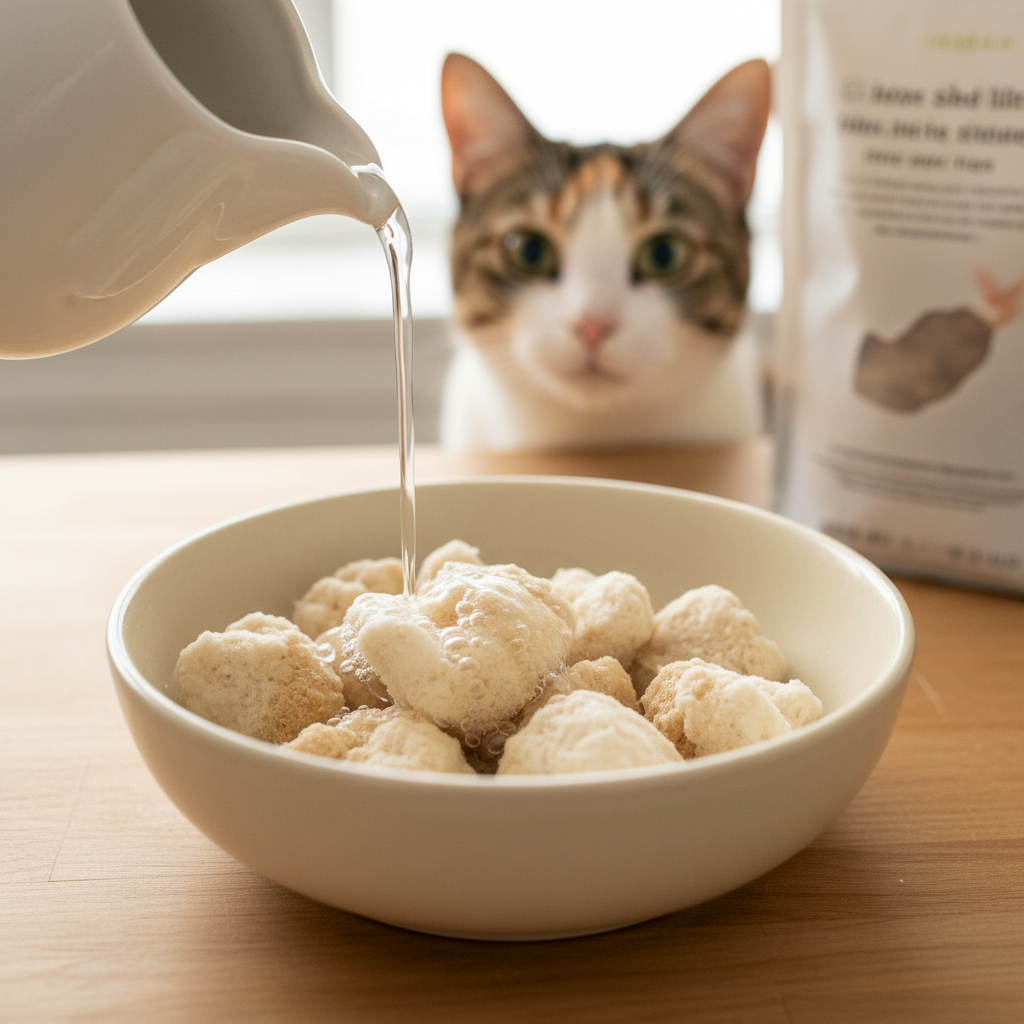
Making the switch to freeze-dried food, or even just adding it as a topper, requires a little know-how. Cats are creatures of habit, and their digestive systems appreciate a slow, gentle transition.
Rehydration — The Right Way to Prepare It
While you can feed freeze-dried food dry, rehydration unlocks its full health potential, especially for kidney health. Always rehydrate!
- Ratio: The general rule is 1 part freeze-dried food to 1 part warm water. You can adjust this slightly to your cat's preference or until it reaches a pate-like consistency.
- Temperature: Use warm, not hot, water. Boiling water can slightly cook the meat, negating some of the raw benefits by destroying heat-sensitive vitamins and enzymes.
- Broth Hack: If your cat is hesitant, try using unsalted, homemade bone broth instead of water. The added flavor and nutrients can make it more palatable.
- The "30-Minute Rule": Once rehydrated, the food is essentially raw meat. In Malaysia's heat, it can spoil quickly. Discard any uneaten rehydrated food after 30 minutes to prevent bacterial bloom. This is especially true given Malaysia's tropical climate, where fly eggs can hatch into maggots (myiasis) in as little as 8 to 12 hours on open, moist food.
How Much to Feed (Portion Guide by Cat Weight)
Freeze-dried food is nutrient-dense, so a smaller volume provides more calories and protein than kibble. Always follow the manufacturer's feeding guidelines on the packaging, as these can vary by brand and formula. However, a general rule for an adult cat is about 1/4 cup of freeze-dried food (before rehydration) per 2.5 kg of body weight, adjusted for activity level. For a precise daily feeding calculation, you can use a cat food calculator.
Remember, cats are prone to obesity, and feeding too much, even healthy food, can lead to weight gain. Regularly check your cat's body condition score.
Transitioning From Kibble to Freeze-Dried (7-Day Plan)
A sudden diet change can upset your cat's stomach. A gradual transition is key to success.
- Days 1-2: Introduce as Topper (Dry): Start by crumbling a small amount (around 10-15% of the total meal) of dry freeze-dried food over their current kibble. This introduces the new flavor profile without texture shock.
- Days 3-4: Small Amount of Rehydrated Topper: Increase the freeze-dried portion to about 25% of the meal. Start adding a tiny bit of warm water to the freeze-dried portion to introduce the rehydrated texture.
- Days 5-6: Increasing Rehydrated Portion: Increase the freeze-dried portion to 50% of the meal, now fully rehydrated. Gradually reduce the kibble amount.
- Days 7-8: Mostly Freeze-Dried: Move to 75% rehydrated freeze-dried food and 25% old diet.
- Day 9-10: Full Transition (Monitor Closely): If your cat is doing well, you can now feed 100% rehydrated freeze-dried food. Keep a close eye on their appetite, energy levels, and litter box habits during this time.
Some cats might take longer, some shorter. Patience is a virtue here!
What to Expect in the Litter Box When Switching to Freeze-Dried ⭐
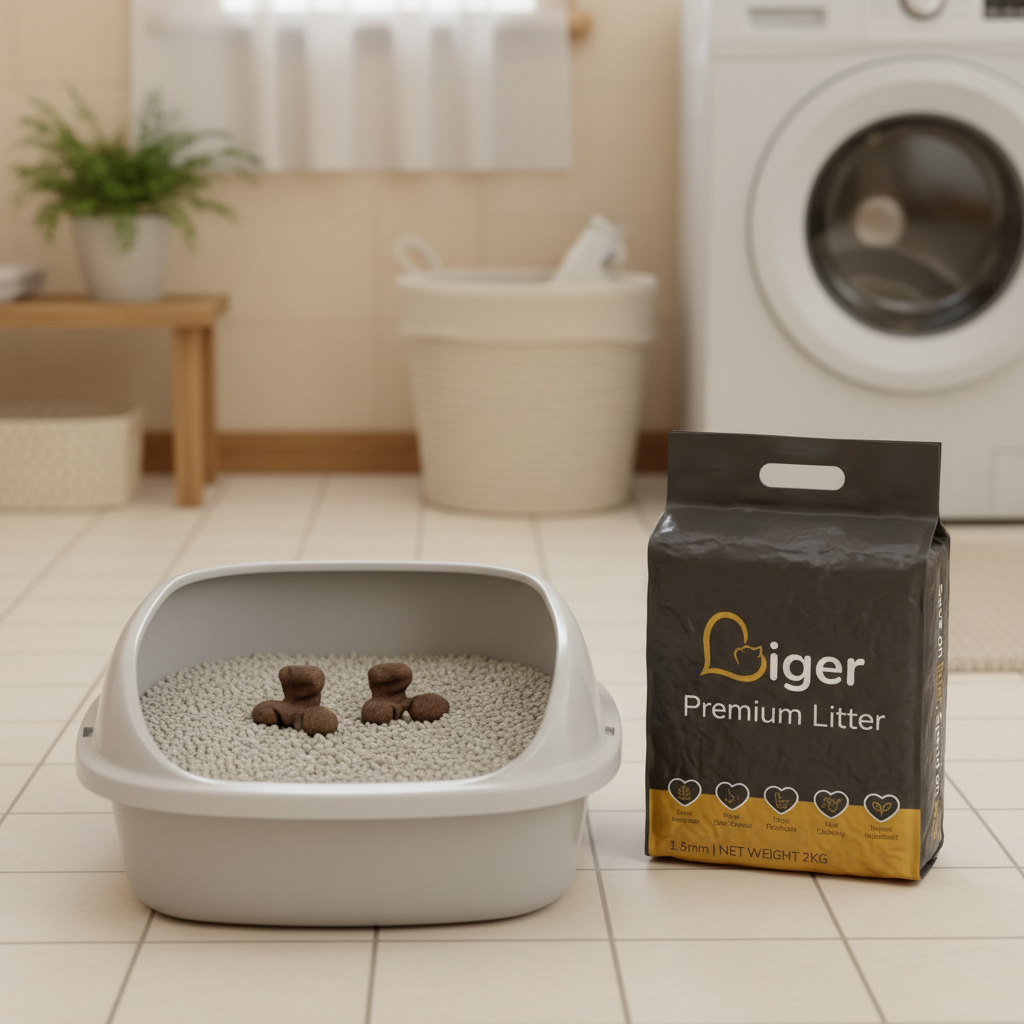
Okay, let's talk about the litter box. As cat parents, we spend a surprising amount of time scooping and scrutinizing. This is where the "Diet → Litter Box" connection really comes into play, and it’s a big win for freeze-dried food.
The chemical composition of what your cat eats directly dictates the physical properties of their waste. When you feed a high-quality, biologically appropriate diet, you will see dramatic improvements in litter box maintenance.
Stool Changes — Firmer, Less Odor
Prepare for a pleasant surprise! One of the most immediate and tangible benefits reported by owners switching to freeze-dried diets is the dramatic improvement in stool quality. Because freeze-dried diets are packed with highly bioavailable animal tissues and minimal fillers, your cat's body uses 90-95% of the ingested mass. This means significantly reduced fecal output, often by half or more, compared to kibble.
The stool itself tends to be much firmer and smaller. This is because there's less undigested protein and carbohydrates to ferment in the colon, which means fewer gas-producing bacteria. Less fermentation equals noticeably less odor. No more potent, room-clearing smells after your cat uses the box! The "perfect" cat stool, score 2-3 on a fecal scoring chart, is firm and segmented. Freeze-dried diets tend to produce this consistency naturally. Soft, pasty stools stick to the scoop and contaminate clean litter; firm stools are a breeze to remove, preserving litter hygiene.
Urine Output and Hydration
This is crucial for your cat's long-term health. Cats evolved in arid environments and have a low thirst drive, getting most of their hydration from prey (70-75% water). Dry kibble, with its mere 10% moisture, forces them to rely on voluntary drinking, which they do poorly. This often leads to chronic dehydration and concentrated urine.
Rehydrated freeze-dried food, mimicking the moisture content of prey, dramatically increases a cat's total water intake. A well-hydrated cat produces more urine, and it's less concentrated. This means larger, more frequent urine clumps in the litter box, which might sound like more work, but it's a positive health indicator! It signifies a flushed bladder and a reduced risk of Feline Lower Urinary Tract Disease (FLUTD), crystalluria, and stone formation. Indeed, FLUTD is exacerbated by dry food diets and lack of hydration, especially in Malaysia's tropical climate. FLUTD risk factors evaluation clearly highlights this.
While high-protein diets provide more nitrogen precursors that can lead to ammonia smell, the high water intake from rehydrated food dilutes the urine. This dilution, coupled with highly absorbent litter, leads to better overall odor control compared to the potent, concentrated urine of a kibble-fed cat.
How Diet Affects Your Cat's Litter Experience
For us at Liger, this connection is everything. Our Liger tofu cat litter is designed to work with your cat's natural biology. With smaller, firmer, less odorous stools and more diluted urine, your litter box stays cleaner, longer. Our natural mild milk fragrance isn't fighting a losing battle against pungent odors; it's simply providing a fresh, pleasant experience. The ultra-low dust formula is perfect for cats with sensitive respiratory systems, like Ping'An, who sneezes at dusty litters.
When your cat is on a superior diet, they make less mess, smell better, and maximize the efficiency of your litter. Our fast and firm clumping means easy scooping, and because it's flushable (in small quantities, 'one clump per flush' in modern plumbing, please!), disposal is eco-friendly. It’s a complete synergy: the 'nutritional software' (freeze-dried food) makes the 'environmental hardware' (Liger tofu litter) perform at its absolute best.