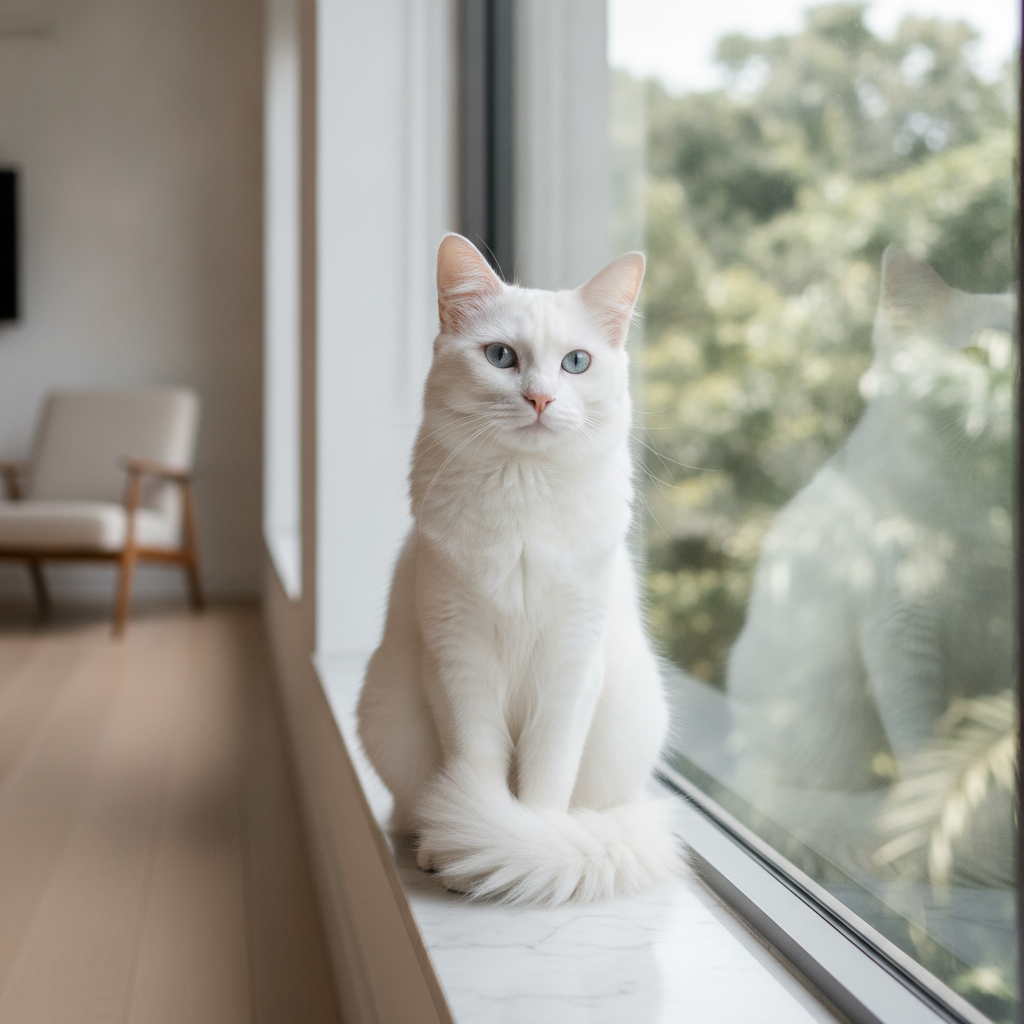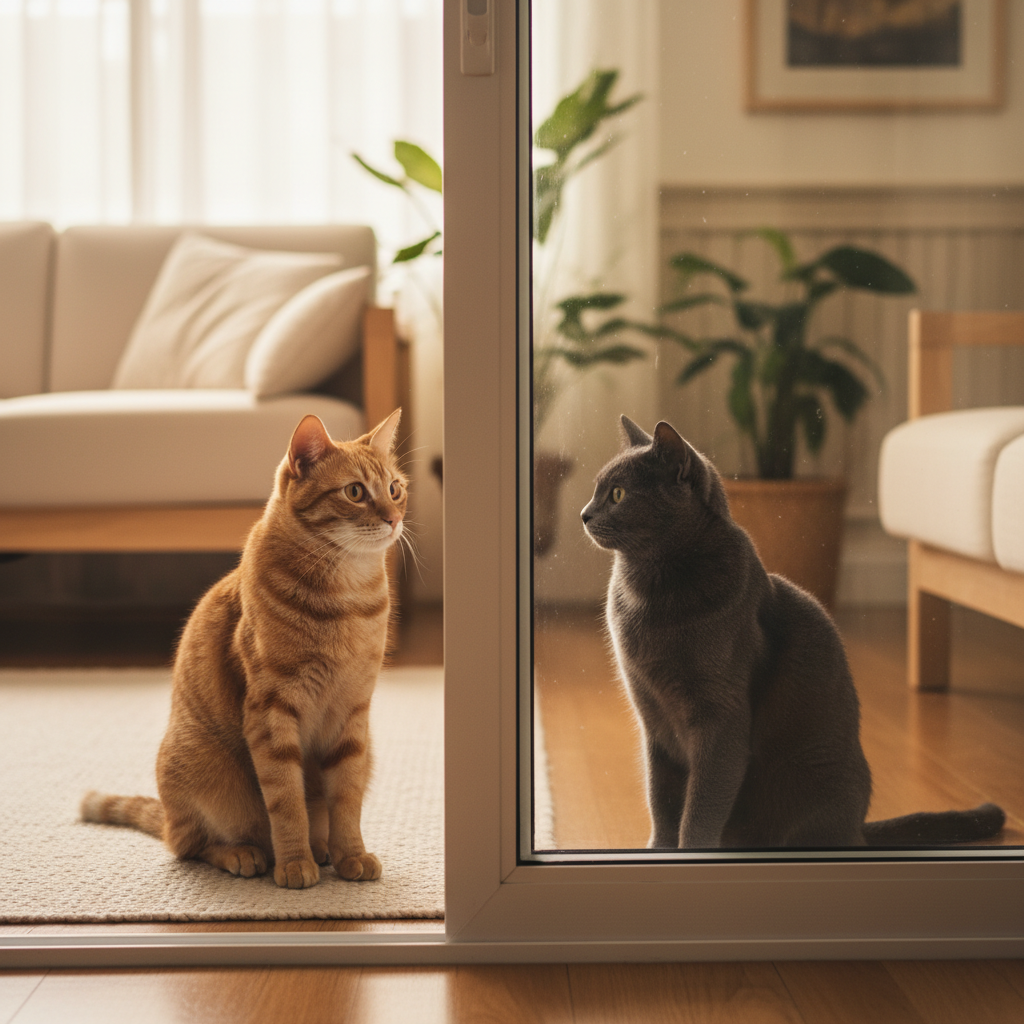
Follow the 3-3-3 rule: 3 days to decompress, 3 weeks to adapt, 3 months to bond.
Isolation is mandatory for at least 14 days in Malaysia to rule out Sporotrichosis.
Scent-swapping is more important than sight for initial feline meetings.
Use the 'N+1' rule for litter boxes to reduce territorial tension.
You bring the new carrier home. Your resident cat is already at the door, sniffing the air like a TSA agent. If you open that door now? It’s probably going to be a disaster. Honestly, most of us rush this because we want that cute "cuddle puddle" photo for Instagram. But cats? They don't care about your feed. They care about territory.
Think of it like a stranger suddenly moving into your bedroom without an invite. You'd be annoyed too, right? In Malaysia, we have extra risks to consider, like local fungal infections, making a slow introduction not just a behavioral choice, but a health necessity.
Phase 1: The Lockdown (Days 1–14)
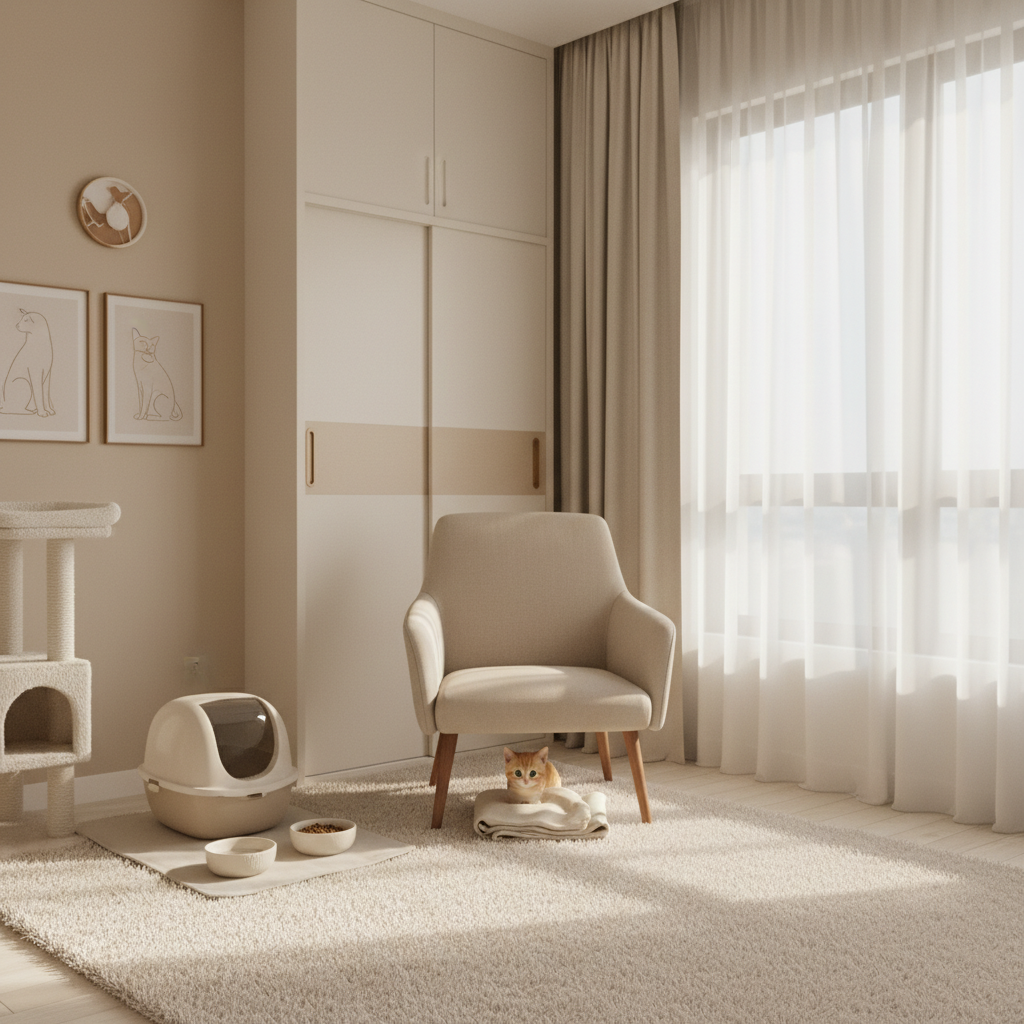
Don't let them see each other. Seriously. Your new cat needs a "safe room" with their own food, water, and litter. In Malaysia, this isolation isn't just about behavior. We are a high-incidence area for Feline Sporotrichosis in Malaysia, a nasty fungal infection that can jump to humans. You need a strict 14–30 day isolation for new cats to ensure they aren't carrying anything hidden.
During this time, use our New Cat Owner Checklist to make sure your safe room is actually safe. For cats like Ping'An, who has a very sensitive nose, we always suggest using a low-dust litter like Liger Tofu Litter during this phase. Stress already makes them prone to sneezing; you don't need dust adding to the problem.
The 3-3-3 Rule
According to the Rule of Three for Cats, the first 3 days are purely for decompression. Don't force them to play. Just let them realize they are safe.
Phase 2: The Scent Swap (Weeks 2–3)
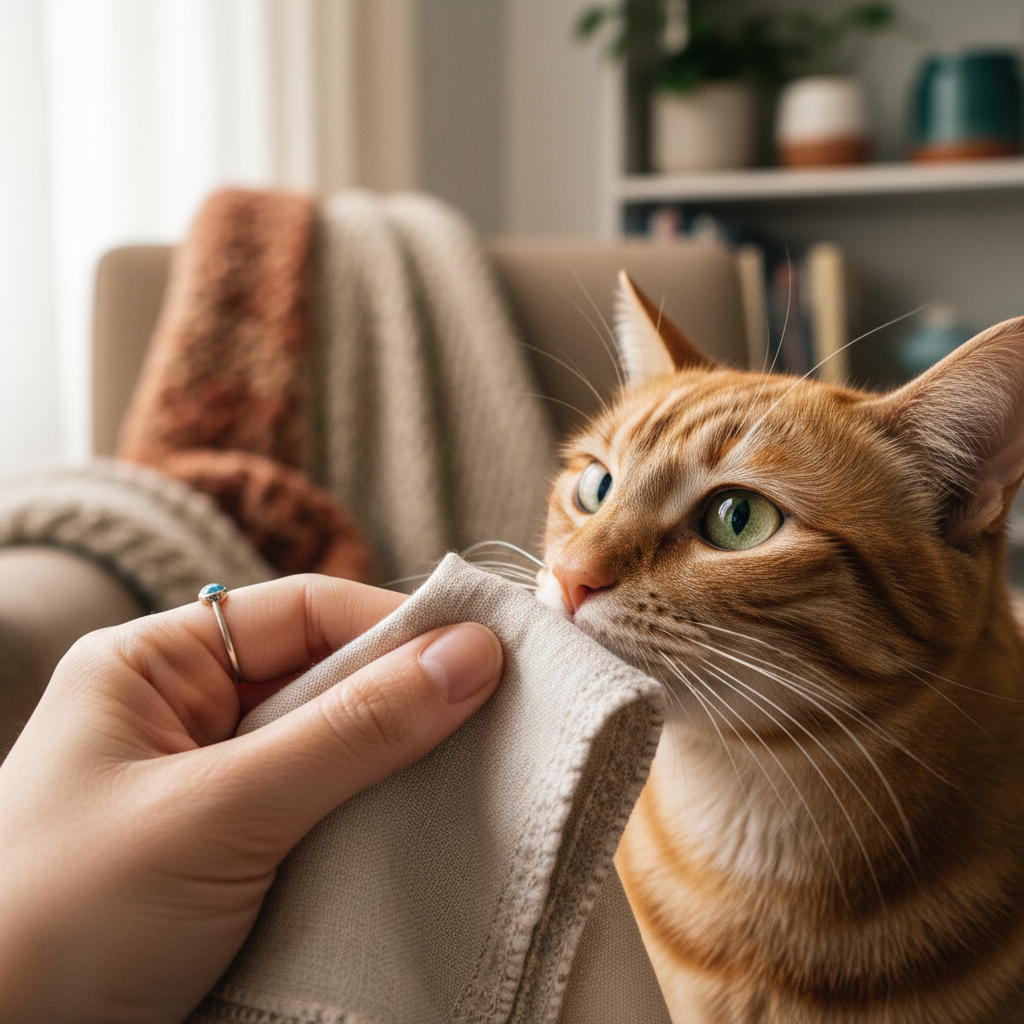
Cats live in a world of smells. Take a sock, rub it on the new cat's cheeks, and leave it near the resident cat's food bowl. If they hiss at the sock, you're moving too fast. This builds what Jackson Galaxy calls Understanding Cat Mojo—that sense of confidence and security in their space.
If you have an adult cat and are introducing a kitten, this usually goes faster (2-4 weeks). But if you have two adults, prepare for a 4-8 week marathon. Not sure how your cats will react? Try our Cat Personality Quiz to see if you have a 'Human Cat' or a more territorial 'Hunter' on your hands.
The Time I Almost Ruined Everything
I'll be honest—I used to be the 'just let them work it out' person. I thought my first cat was so chill that he'd love a companion immediately. I opened the carrier on day one. Total disaster. There was a low, rumbling growl I'd never heard before, followed by a blur of fur and a very expensive vase breaking. My resident cat hid under the sofa for a week and refused to eat. I felt like a failure. I had to 'reset' the whole process and start from zero. Patience isn't just a virtue here; it's the only way to keep your sanity (and your furniture).
Myth: They Need to 'Fight it Out'
This is probably the worst advice you'll hear at a pet store. Cats don't 'work it out' like dogs might. A fight during the introduction phase can lead to 'redirected aggression,' where they associate the sight of the other cat with fear and pain forever. If things get heated, go back a step. Also, territorial disputes often happen over the toilet. Follow the Litter Box Success Guidelines and provide N+1 boxes. For two cats, that's three boxes. Use our Litter Box Size Calculator to make sure they aren't cramped, which only adds to the stress.
Introducing cats isn't a race. For a cat like Tiger, who has congenital heart disease, keeping the environment low-stress is literally a matter of life and death. Rushing it causes heart rates to spike and cortisol to flood their systems. Take it slow, watch their body language, and eventually, you'll get that peaceful home you've been dreaming of.
Your Monday Morning Action: Take a clean, dry sock. Rub it gently on your new cat's cheeks (where the scent glands are). Place that sock in the middle of the room where your resident cat spends the most time. Don't force them to sniff it—just let it be there.
| Phase | Duration | Purpose | Key Activities |
|---|---|---|---|
| Phase 1: The Lockdown | Days 1-14 (or 14-30 days in Malaysia for health) | Decompression, health screening, establish safe room | Strict visual and physical isolation, provide separate essentials, monitor for Sporotrichosis (Malaysia specific) |
| Phase 2: The Scent Swap | Weeks 2-3 (can extend to 4-8 weeks for adult-adult introductions) | Gradual scent familiarization, build "group scent" | Exchange scent-marked items (e.g., socks), monitor resident cat's reaction to new cat's scent, begin spatial swapping (if ready) |
| Timeframe | Purpose | Key Activities |
|---|---|---|
| First 3 Days | Decompression and feeling safe | Strict isolation, minimal interaction, allow new cat to explore its safe room, provide essentials |
| Next 3 Weeks | Adaptation and scent familiarization | Scent swapping (e.g., socks), gradual spatial swapping, monitor reactions to new scents, no forced interaction |
| First 3 Months | Bonding and full integration | Continued positive reinforcement, gradual visual exposure (if ready), monitor body language for signs of stress or aggression, ensure ample resources |