- Filial cannibalism in mother cats is rare and driven by survival instincts, not cruelty.
- Key triggers include sick/stillborn kittens, severe maternal stress, and malnutrition.
- Creating a secure, quiet nesting environment and providing optimal nutrition are crucial for prevention.
- The myth that human scent alone causes rejection is largely false; severe stress is the real threat.
- Proactive, non-invasive monitoring and immediate vet consultation are essential for troubled litters.
For any cat parent, the thought of a mother cat harming, let alone eating, her own kittens is deeply shocking. It feels wrong, unnatural, a violation of everything we understand about maternal love. In Malaysia, this disturbing phenomenon is known as 'kucing makan anaknya sendiri' – a phrase that evokes immediate concern among local cat lovers. But here's the crucial truth: this behavior, known as feline filial cannibalism, is incredibly rare in domestic settings. More importantly, it's not an act of cruelty. Instead, it's a complex, deeply ingrained survival response, driven by ancient instincts and profound stressors, not malice. Understanding this distinction is the first step toward compassionate and effective prevention.
Is It Normal for a Mother Cat to Eat Her Kittens? ⭐
While deeply unsettling, the overwhelming consensus among veterinarians and animal behaviorists is that filial cannibalism in domestic cats is an uncommon event, especially in well-cared-for home environments. This behavior is not normal in the sense of being routine or desirable, but it is a primal instinct. It is most often a response to perceived threats to the mother's survival or the viability of her litter, aiming to maximize the chances for the healthiest offspring to thrive. Stillbirth rates in cats are estimated between 5% and 12.5%, and mothers often consume these non-viable kittens to clean the nest and regain nutrients. The neonatal kitten mortality rate from various causes, including infections and congenital issues, can be as high as 7.9% before weaning, highlighting the precariousness of their first weeks. The mother isn't being 'bad'; she's operating on a harsh, evolutionary calculus of resource allocation. It's a shocking sight, for sure, but an instinct, nonetheless.
5 Main Reasons a Mother Cat May Eat a Kitten
When a mother cat takes such extreme action, it's almost always a last resort, triggered by specific and often overlapping factors related to her health, the kittens' viability, or the environment. These aren't acts of malice, but desperate attempts at survival or resource management for the rest of her litter.
The Kitten is Unhealthy or Stillborn
One of the most common catalysts for filial cannibalism is the health of the kittens themselves. A mother cat possesses an acute sense of smell, using it to assess the viability of her offspring. If a kitten is stillborn, severely ill, or has a significant congenital defect, the mother may consume it. This instinctual culling serves several purposes: it prevents the spread of disease, eliminates a deceased kitten that could attract predators with the scent of decay, and allows the mother to conserve energy for the offspring with the best chance of survival. This harsh reality is part of natural selection, ensuring the strongest survive.
The Mother is Stressed or Feels Unsafe
A mother cat requires a safe, quiet, and secure environment to raise her litter. Significant environmental stressors can overwhelm her, leading to extreme anxiety and potentially cannibalism. These stressors include overcrowding in a multi-cat household, a nesting space that feels exposed, frequent loud noises, and general household chaos. We once had a foster cat, Ping'An, who was incredibly sensitive to sudden noises – she would get visibly anxious if a door slammed or a child shouted. This experience taught us how critical a calm environment is. A queen who feels threatened by predators, other animals, or excessive human interference experiences a spike in the stress hormone cortisol. This can suppress the release of oxytocin, the essential bonding hormone, effectively overriding her nurturing instincts and triggering a defensive state that may be redirected toward her kittens.
Severe Malnutrition
The physical demands of pregnancy and lactation are immense for a mother cat. A nursing queen's caloric needs can almost double her normal food intake. If she is severely malnourished, her primal survival instinct may kick in, leading her to sacrifice a kitten to replenish her own energy reserves. This allows her to gain the strength needed to care for the rest of the litter, ensuring the survival of at least some offspring. This is especially true for mothers having a second litter within a single year, as their physical reserves can become dangerously depleted.
Lack of Maternal Instinct
Experience plays a significant role in maternal competence. First-time (primiparous) mothers are at a higher risk of exhibiting poor maternal behavior, including cannibalism, compared to experienced mothers. This isn't due to a lack of love, but a combination of inexperience, stress, and the potential trauma of a first birth. A new mother may not know how to handle her kittens properly, leading to accidental injury or death, which can then trigger the instinct to consume the deceased kitten. Kitten mortality is generally highest in the first litter born to a queen, directly linked to this inexperience and increased likelihood of such tragic outcomes.
Mistaken Identity or Scent
While not as common as the other reasons, a mother cat's recognition of her young is heavily reliant on smell. If a kitten's scent is significantly altered, perhaps by a strong, unfamiliar odor, or if the mother is in an extremely stressed state that affects her perception, she might not recognize the kitten as her own. This confusion can sometimes lead to rejection or, in very rare and extreme cases, cannibalism, as her instincts fail to connect with the altered scent profile. Locally in Malaysia, many cat parents are particularly concerned about the transfer of human scent onto a newborn, believing this can lead to rejection or harm.
How You Can Prevent This From Happening ⭐
Preventing the rare act of filial cannibalism requires a proactive, compassionate approach that goes beyond basic care. By anticipating and addressing the subtle triggers of stress and nutritional deficits, cat parents can create an environment where a mother cat’s natural maternal instincts can flourish. These advanced strategies focus on preempting problems before they even begin.
Create a Safe and Secluded 'Nest'
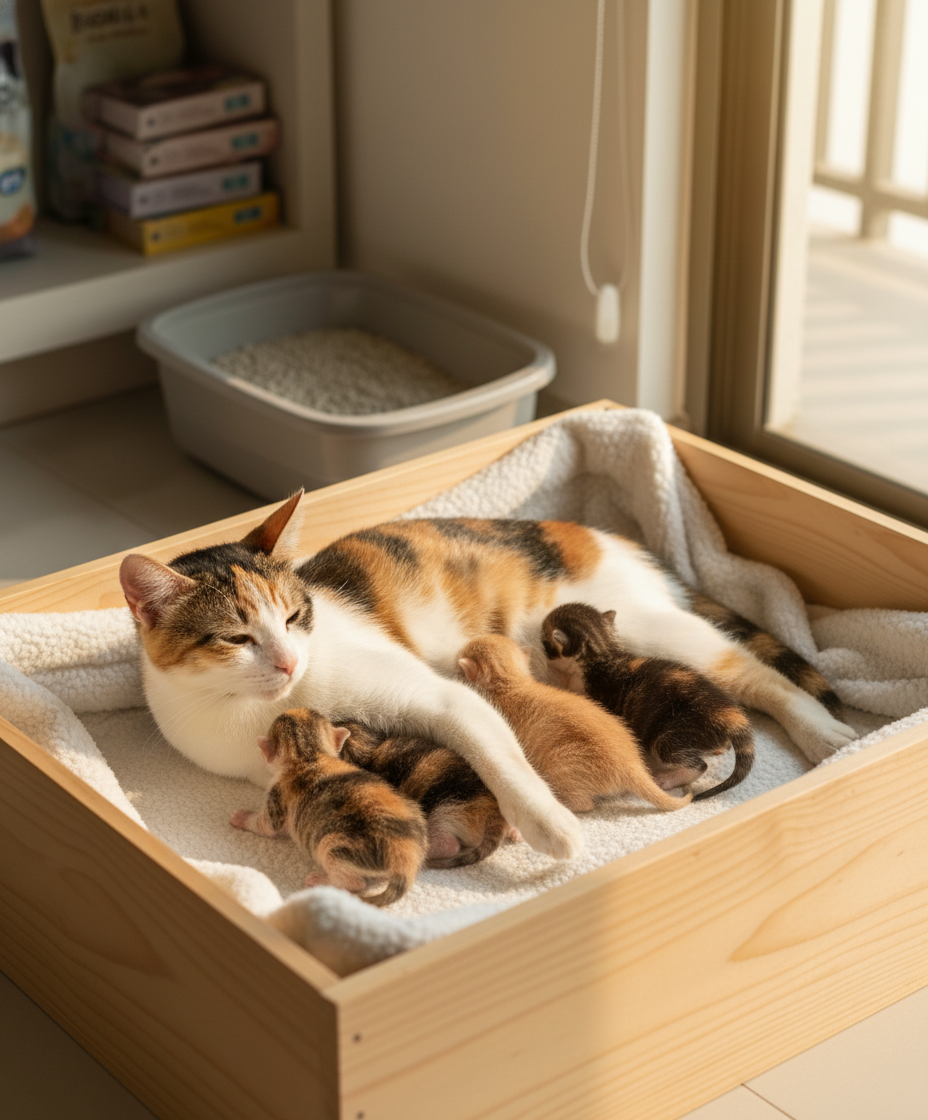
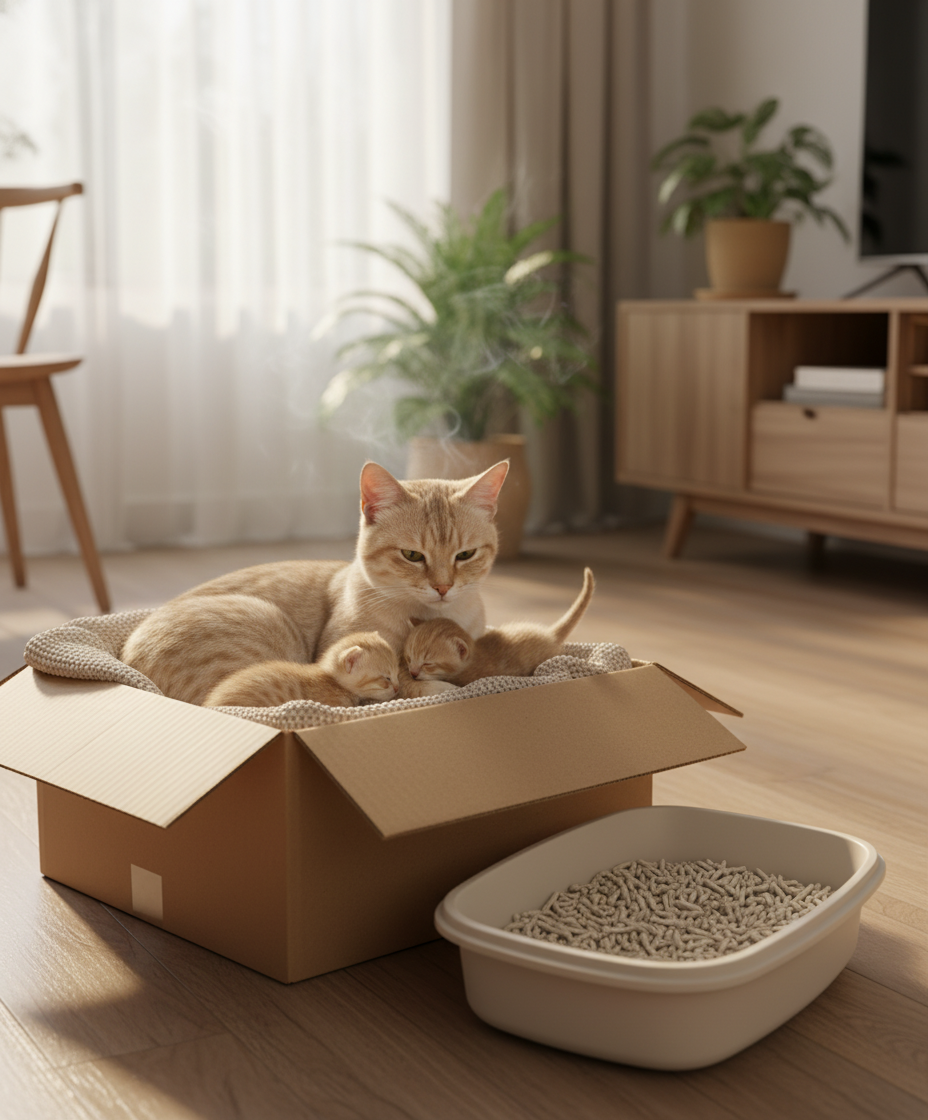
A mother cat's primary need is a feeling of absolute security; an inadequate nest is a significant environmental trigger for stress. The ideal 'queening' box is more than just a simple box; it’s a fortified sanctuary. Place it in the quietest, lowest-traffic room in the house, completely isolated from other pets and unfamiliar people. The box itself should be covered, with a single, small entrance that makes the space feel like a defensible den. To further reduce anxiety, consider using a synthetic pheromone diffuser, such as Feliway, in the room. This mimics the natural calming pheromones cats release when they feel safe, helping to mitigate high levels of the stress hormone cortisol, which can suppress the essential mother-kitten bonding hormone, oxytocin. Ensure the bedding is soft, warm, and easily changed.
Ensure Proper Nutrition
Malnutrition is a direct, health-related trigger for cannibalism, as a desperate mother may consume a kitten to regain vital nutrients for herself and the rest of the litter. A nursing queen’s caloric needs are immense, requiring up to twice her normal food intake. Beyond simply providing more high-quality food, specific nutritional support can be a game-changer. Immediately after a difficult birth, offering a high-protein, easily digestible liquid diet, such as kitten milk replacer, can help combat the exhaustion that may lead to abnormal behaviors. You can easily calculate your cat's specific dietary needs with our cat food calculator. Targeted supplementation can also address specific needs: the amino acid L-Tryptophan acts as a precursor to serotonin, a neurotransmitter that promotes well-being and reduces stress. B vitamins support nervous system function, while taurine is essential for maternal health and recovery. This level of nutritional fortification goes beyond basic care to directly counter physiological stressors.
Minimize Disturbances
Excessive handling and frequent disturbances are major environmental stressors for a new mother cat. While monitoring is crucial, especially for first-time mothers, direct presence can be counterproductive. An advanced yet simple strategy is to use a remote camera or pet cam. This allows for constant, non-invasive observation of the mother and litter, particularly during the critical first 48 to 72 hours post-birth. This technique allows you to watch for signs of distress, rejection, or aggression without introducing your scent or presence into the nest, which the mother could perceive as a threat. For more tips on caring for a new litter, check out our newborn kitten care guide. Sometimes, particularly with young or inexperienced mothers, the maternal instinct doesn't engage immediately. In these situations, seasoned rescuers employ a novel technique: dabbing a very small amount of strong-smelling wet food onto the top of each kitten’s head. This simple act can prompt the mother to begin licking the food off, which can transition into natural grooming behavior—a fundamental part of maternal care, helping to build a positive association and stimulate bonding hormones.
Debunking a Common Myth: Will Touching a Kitten Make the Mother Eat It?
The belief that a human's scent on a kitten will automatically trigger rejection or cannibalism is a pervasive and often exaggerated myth. While a mother cat's recognition of her young is heavily reliant on smell, most domesticated queens who trust their owners will not have such an extreme reaction. In fact, many well-socialized mothers simply lick the kitten vigorously to re-establish her own scent. I think, as cat parents, we've all probably worried about this, but the real danger from human interference isn't the scent itself, but the *stress* it can cause.
Constant handling, loud noises, or a lack of privacy can create a threatening environment for a new mother. This elevated stress increases cortisol, which, as we mentioned, can suppress oxytocin—the 'bonding' hormone essential for maternal care. This hormonal interference, rather than a faint human scent, is what can truly weaken the mother-kitten bond and lead to abnormal behaviors. So, while it's always best to minimize handling during the vulnerable first few weeks, a brief, gentle touch won't usually result in such a tragic outcome for a trusting mother cat.
What to Do If You Suspect a Problem
Witnessing a mother cat showing aggression or severe neglect toward her kittens is a deeply distressing experience. While rare, these behaviors are often rooted in instinct, stress, or underlying health issues. A swift, informed response is crucial to ensure the safety of the entire feline family. Don't panic, but do act decisively.
Signs a Kitten is Being Rejected
Before a queen harms her kittens, she often displays clear warning signs of distress or rejection. Vigilant owners should watch for these signs, especially during the critical first 72 hours:
- Persistent Neglect: Ignoring her duties, such as refusing to let kittens nurse, failing to clean them, or not stimulating them to urinate and defecate.
- Targeted Rejection: Singling out one kitten, consistently pushing it away from the litter, or removing it from the nesting area. This often indicates she senses the kitten is sick, weak, or non-viable.
- Overt Aggression: Any hissing, growling, swatting, or biting directed at the kittens is a significant red flag that requires immediate intervention.
- Maternal Anxiety: Frantic pacing, excessive vocalizing, or constantly moving her kittens. This can be triggered by a noisy environment, other pets, or too much human handling.
If you observe any of these warning signs, especially active aggression, prioritize the kittens' safety. Gently but quickly remove all kittens and place them in a separate, warm, and secure container. The kittens will need a consistent source of warmth, like a well-covered heating pad set on low, as they cannot regulate their own body temperature. Be prepared for hand-rearing, which involves feeding specialized kitten milk replacer every 2-3 hours and stimulating their elimination with a warm, damp cloth.
When to Call Your Veterinarian
Regardless of the behaviors observed, an immediate consultation with a veterinarian is essential. A professional can perform a thorough examination to rule out underlying medical issues causing the mother's behavior, such as mastitis (a painful mammary gland infection), postpartum complications, or severe malnutrition. The veterinarian can also assess the kittens' health, provide critical guidance on hand-rearing, and discuss long-term solutions. Spaying the mother once the kittens are weaned is often recommended to prevent future litters and the associated hormonal and behavioral challenges, a decision supported by Islamic jurisprudence in Malaysia if it serves public interest, like controlling overpopulation, according to the Federal Territory Mufti's Office. You can learn more about this in our cat neutering guide.
When a kitten is found deceased, it is important to understand the potential cause. While a mother may cannibalize her young due to stress or illness, an unneutered male cat (tomcat) may kill kittens he did not sire in an act known as paternal infanticide. This is driven by an instinct to bring the queen back into estrus so he can mate with her. Keep any unneutered males completely separate from the mother and her litter.
| Factor | Paternal Infanticide | Maternal Cannibalism |
|---|---|---|
| The Perpetrator | An unrelated, unneutered male cat. | The mother of the kittens. |
| The Victims | The entire litter may be targeted. | Often, only sick or weak kittens are consumed, but severe stress can lead to the loss of the whole litter. |
| The Scene | Kittens may have bite wounds on the neck or head and may not be consumed. | The kitten may be partially or entirely consumed, and the nest may be otherwise clean. |
| Mother's Behavior | The queen will be highly defensive and protective of her litter in the male's presence. | If due to a non-viable kitten, the mother may seem calm. If due to stress, she will be agitated. |
The act of a mother cat eating her kittens, though deeply unsettling, is a rare and complex behavior rooted in survival, not cruelty. This understanding empowers us as cat parents to shift our focus from shock to proactive prevention. When a queen engages in filial cannibalism, she is not acting out of malice but responding to powerful biological cues that signal a threat to her own survival or the viability of her litter.
Prevention begins long before birth, by ensuring the pregnant queen receives a high-quality, nutrient-dense diet. As the birth approaches, providing a secluded, warm, and quiet nesting area is crucial to her sense of security. Human interference, especially in the first few days, should be kept to an absolute minimum; remote monitoring with a camera is a non-invasive way to check on the new family without causing stress. For anxious mothers, using synthetic feline facial pheromone diffusers can help foster a calmer atmosphere. Should a kitten be stillborn or pass away, it should be removed promptly and quietly.
Ultimately, responsible pet ownership requires compassionate observation. By understanding the underlying causes of filial cannibalism, we can provide the supportive environment a new mother cat needs to nurture her young successfully. If a queen displays signs of extreme stress, neglects her kittens, or shows any aggression toward them, it is not a moment for judgment but for immediate action. The most responsible step is to seek professional guidance from a veterinarian or an experienced feline behaviorist. They can help rule out underlying medical issues, assess the mother's mental state, and provide a clear plan to ensure the safety of both the mother and her vulnerable litter. To take an actionable step today, take a moment to review your cat's nesting area. Is it truly a sanctuary – quiet, warm, and undisturbed? Making sure it feels absolutely safe can make all the difference.