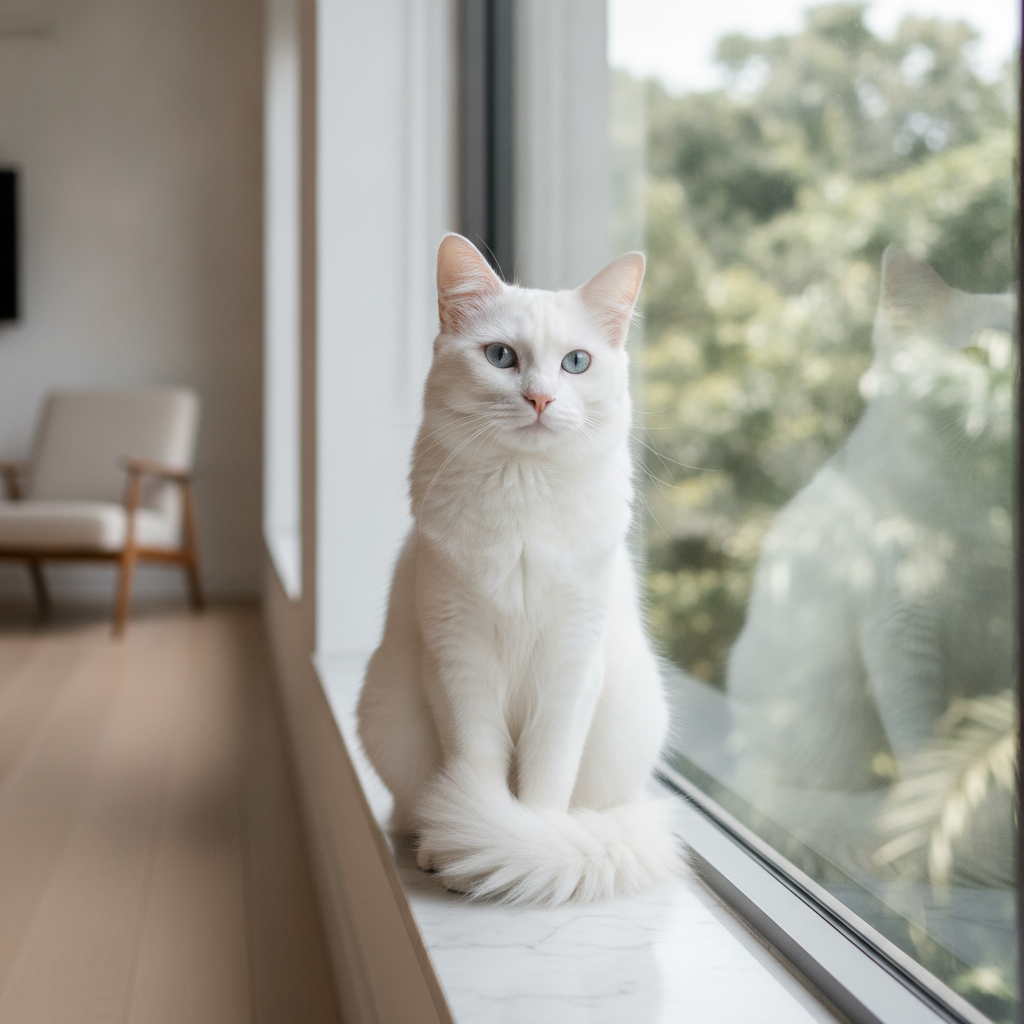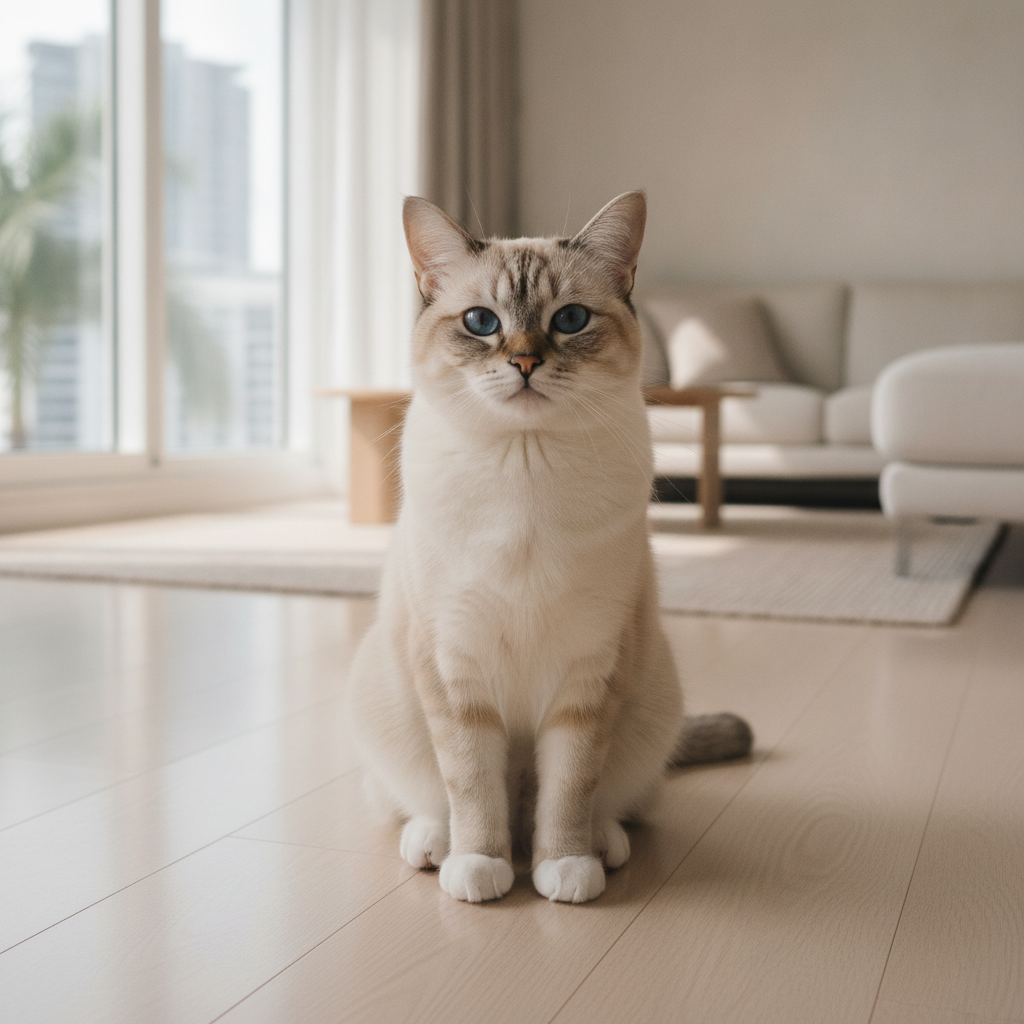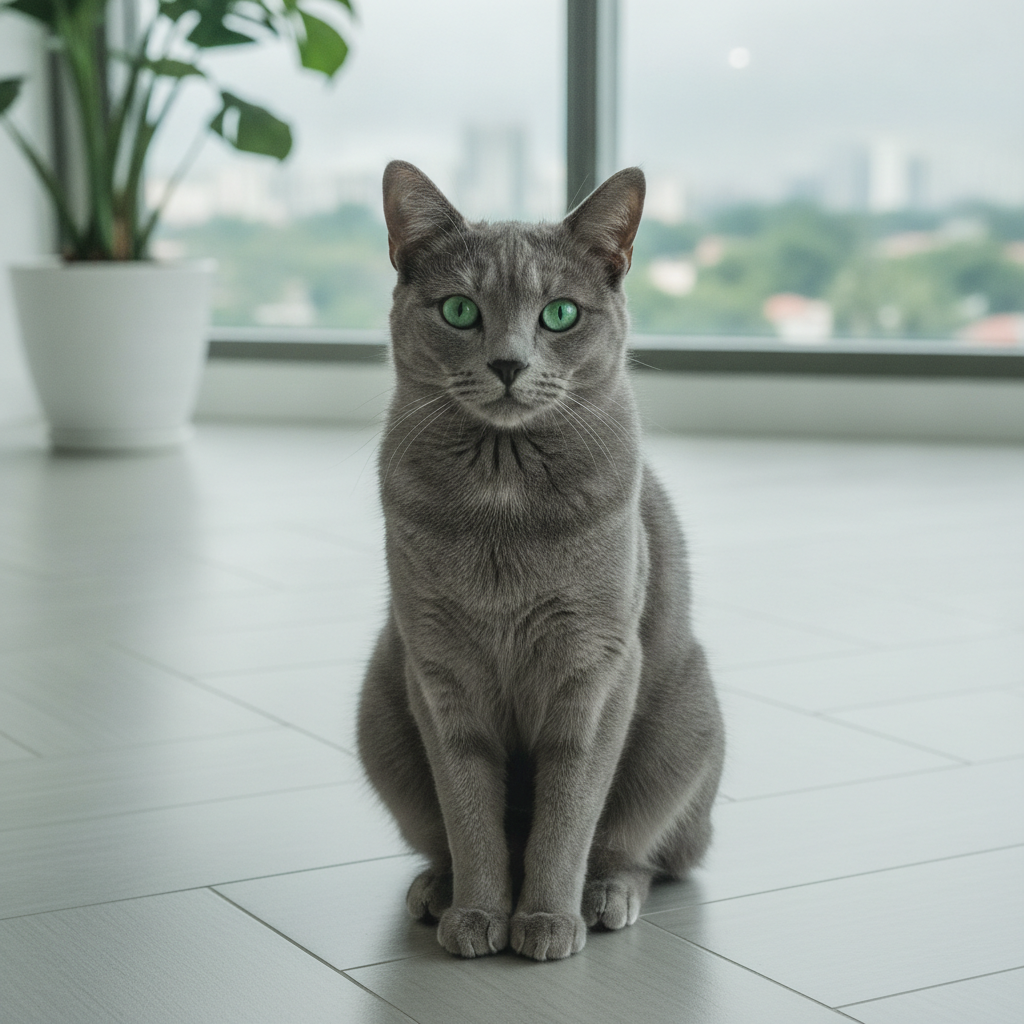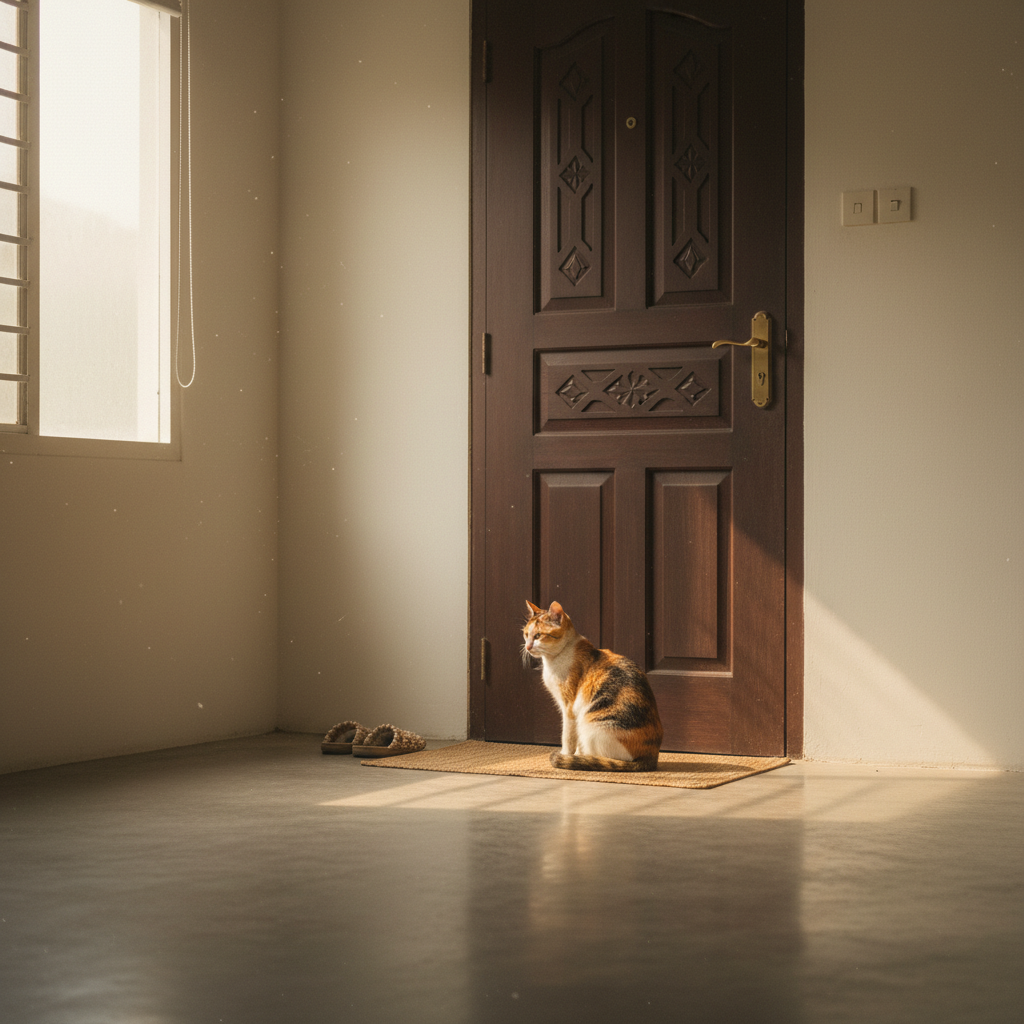
We've all heard it: cats are aloof, independent, and don't really need us — they just tolerate us for the food. It's one of the most persistent myths about cats, and it leads a lot of busy Malaysian owners to assume their cat is perfectly fine being home alone for ten hours a day. But here's the truth modern research keeps confirming: cats do bond deeply, and some genuinely struggle when left alone. Feline separation anxiety is real, under-recognised, and very relevant if you work full-time and your cat is solo all day. Here's how to tell if your cat is lonely — and what actually helps. (Tiger, Lion, Ping'An and Lucky have strong opinions about us leaving the house.)
Do Cats Even Get Lonely? Busting the Aloof Myth
Let's kill the myth with evidence. When researchers ran cats through the same 'secure base test' used on human infants and dogs, they found that about 64% of cats form a secure attachment to their owner — almost exactly the same rate as babies and dogs. Your cat isn't indifferent; it sees you as a source of safety and comfort. Interacting with us even gives cats a measurable bump in oxytocin, the bonding hormone.
So yes — cats can absolutely feel the absence of their person. The aloofness is mostly a communication-style difference: cats don't wear their hearts on their sleeves like dogs do, so their distress is quieter and easier to miss. That's exactly what makes feline separation anxiety so under-diagnosed: the cat is struggling, but it doesn't make a scene the way an anxious dog would. You have to know what to look for.
Spotting Separation Anxiety: The Real Signs
The hallmark of true separation anxiety is that the behaviour is tied to your absence (or your leaving). Watch for:
- Excessive attachment when you're home — a 'velcro cat' that follows you room to room, including the bathroom, and frets the moment you pick up your keys.
- Distress at departure cues — pacing, meowing, or hiding as you get ready to leave.
- Toileting outside the box while you're out, often on your bed or your clothes — your scent is comforting, and this isn't spite, it's anxiety.
- Over-grooming to the point of bald patches, a self-soothing behaviour.
- Destructive behaviour — scratching at doors, knocking things over — concentrated around when you're gone.
- Changes in eating — refusing to eat while alone, then eating only once you're back.
- Over-the-top greetings — frantic, prolonged clinginess the moment you return.
One or two of these in isolation might be nothing. The pattern that points to separation anxiety is several of them, clearly linked to you leaving and being away. If your cat is its normal self whether you're there or not, it's probably just fine being independent — not every solo cat is a suffering one.
Rule Out Medical First
Before you conclude it's emotional, rule out the physical — this is essential. Many of these signs (toileting outside the box, not eating, over-grooming, lethargy, hiding) are also classic signs of medical illness. A urinary problem causes accidents; pain causes hiding; many conditions kill appetite. Tellingly, veterinary behaviour data suggests that around 70-80% of cats their owners describe as 'depressed' or 'lazy' are actually suffering from an underlying medical issue, not a mood.
So a vet visit comes first. Get your cat checked to rule out illness — especially if signs appeared suddenly, or include any toileting changes or appetite loss. Only once the body is cleared should you treat the problem as behavioural. Diagnosing 'anxiety' while missing a real illness is a costly mistake.
Why It Happens and Who's at Risk
Some cats are simply more prone to separation anxiety than others. Risk factors include:
- Early weaning or orphan/bottle-raised kittens, who often grow up more dependent and insecure.
- Single indoor cats with no feline companion and little to do all day.
- Rescue or rehomed cats with unstable pasts, who may be extra-attached to a new safe person.
- Strongly bonded one-person cats.
- A sudden change in routine — you returning to office work after a long stretch at home is a classic trigger. Many cats that adjusted to a 'work-from-home human' struggled when that human went back to the office.
A reassuring bit of context: cats are crepuscular — most active at dawn and dusk — and naturally sleep a great deal during the day. A confident, well-set-up cat will spend much of your work day happily snoozing. The goal isn't to never leave your cat; it's to make the time it's awake and alone genuinely engaging rather than empty.
The Fix: Building a Confident, Occupied Cat
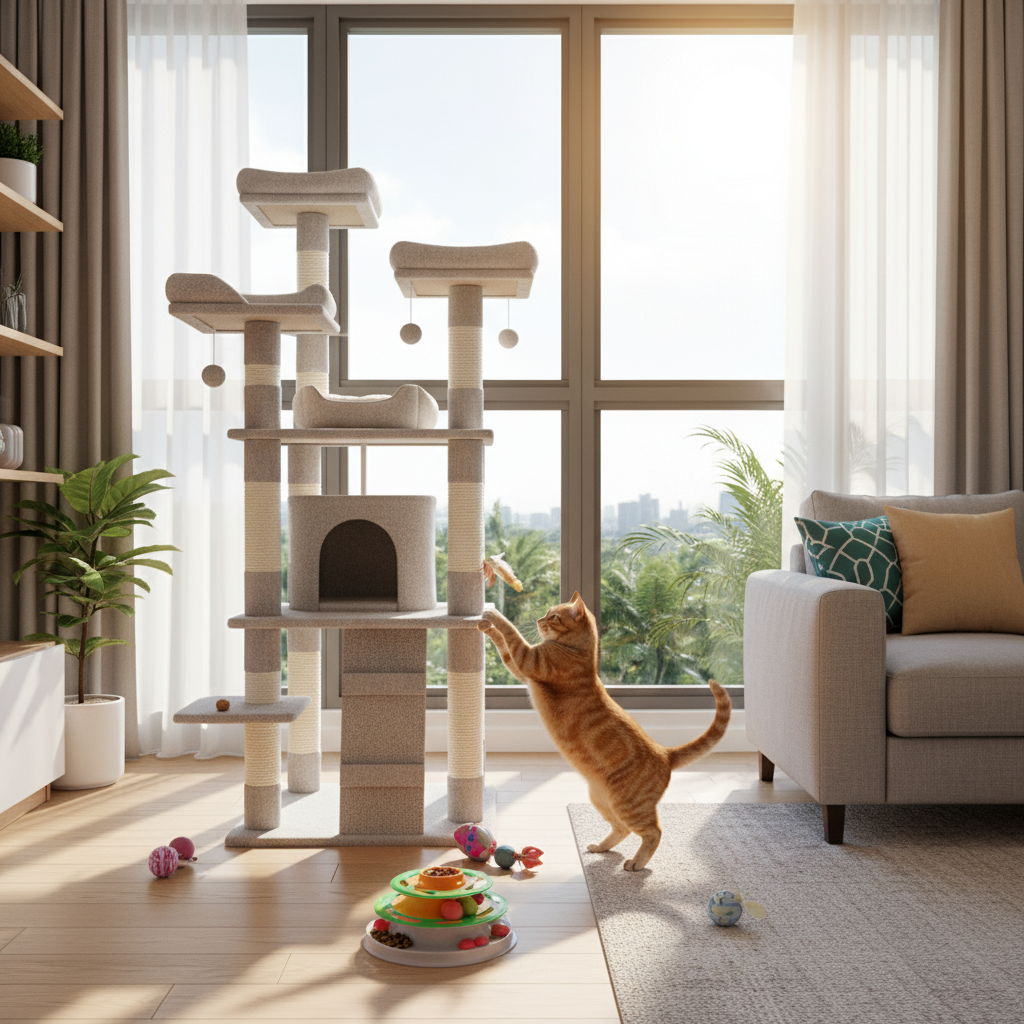
Here's the key insight: the solution to separation anxiety is usually not more cuddling (which can reinforce the over-attachment). It's building a cat that's confident and occupied enough to be okay on its own. A barren environment is the real enemy — a lack of enrichment is a root cause of modern indoor-cat problems. Your toolkit:
- Enrich the environment. Vertical space (cat trees, shelves), hiding spots, and a window perch for 'cat TV' turn an empty flat into a stimulating territory. Our scratching post guide is a good start.
- Play hard before you leave. A vigorous interactive play session that mimics hunting, followed by a meal, triggers the natural hunt-eat-groom-sleep cycle — so your cat naps contentedly after you go. Our piece on the science of cat play shows how.
- Food puzzles and foraging. Puzzle feeders and hidden treats give your cat a 'job' to do while you're out, engaging its brain for hours.
- Keep a predictable routine. Feed, play, and depart at consistent times. Predictability is deeply calming for cats.
- Make departures and arrivals boring. Don't make a big emotional fuss leaving or returning — calm, low-key comings and goings teach your cat that your absence is no big deal.
- Consider companionship — for some cats, a well-matched second cat helps; for others it adds stress. It's not a guaranteed fix, so weigh it carefully.
- Mind the litter setup. Anxious cats are fussier about toileting, so keep enough clean boxes in calm spots — if accidents are happening, our cat pee solver helps you tell anxiety from a medical cause.
Severe Cases: When to Get Help
Most cats improve a lot with enrichment and routine. But if your cat is genuinely distressed — self-harming through over-grooming, refusing to eat alone, or persistently anxious despite your best efforts — get professional help. A vet can rule out medical causes (again) and, for severe anxiety, may recommend a structured behaviour-modification plan or, in some cases, anti-anxiety medication such as gabapentin or other options used in feline medicine. That's always a vet-led decision — never give a cat human anxiety medication, which can be toxic.
The same calm, enriched home that helps with separation anxiety also helps an under-stimulated or low-mood cat and a cat stressed by fireworks. The throughline is the same: cats aren't the uncaring loners we joke about. They bond, they notice when we're gone, and a little thoughtful set-up — vertical space, daily play, a puzzle feeder, a steady routine — turns 'home alone and anxious' into 'home alone and perfectly content,' napping in a sunbeam until you walk back through the door.