Tear stains are caused by porphyrins, iron-rich molecules excreted in tears that oxidize when exposed to air.
Dietary salt is rarely the primary cause; anatomy and genetics play a much bigger role in flat-faced breeds.
Malaysia's high humidity can accelerate porphyrin oxidation by 2-3 times, making stains look darker.
Keep the area dry using cornstarch and ensure your litter is low-dust to prevent secondary irritation.
Two rusty streaks. They look like dried blood. It's frustrating, isn't it? You've switched their food, you've tried the 'miracle' powders, and yet, those stubborn brown marks remain under your cat's eyes.
Most Malaysian cat owners blame 'salty food' or 'heatiness.' But science tells a much more interesting—and slightly grosser—story. It's not just dirt; it's a biochemical reaction happening right on your cat's face.
The Rust Factor: What Is Porphyrin?
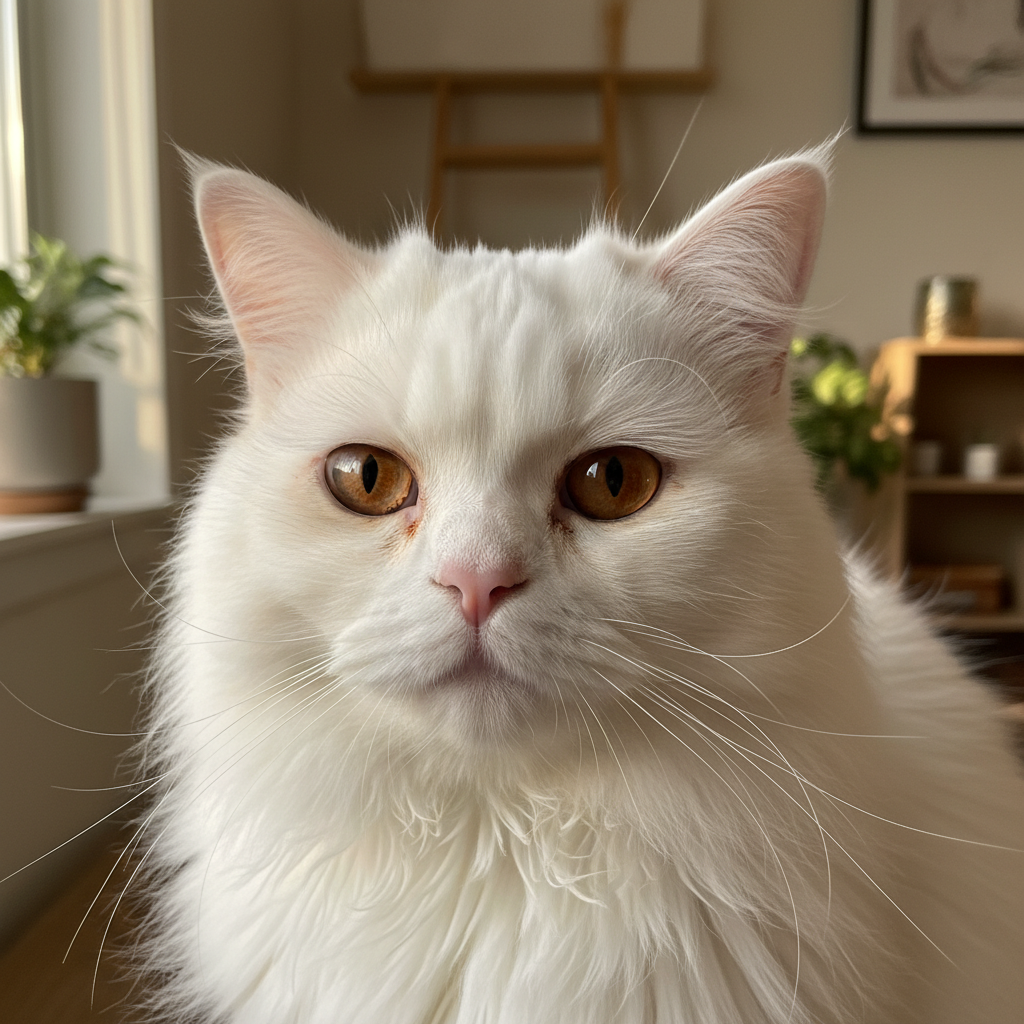
That reddish-brown color isn't food dye. It's porphyrin. These are iron-containing molecules produced when red blood cells break down. In most animals, this stuff leaves via poop. But in cats? About 35% of it can spill over into their tears, saliva, and urine.
When these clear tears sit on white fur and hit the air, the iron oxidizes. Think of it like a sliced apple turning brown or an old gate rusting in the rain. In our humid Malaysian weather, this happens even faster. If your cat has skin issues elsewhere, our Skin Condition Checker might help you see if it's more than just tears.
The Anatomy of a Blocked Duct
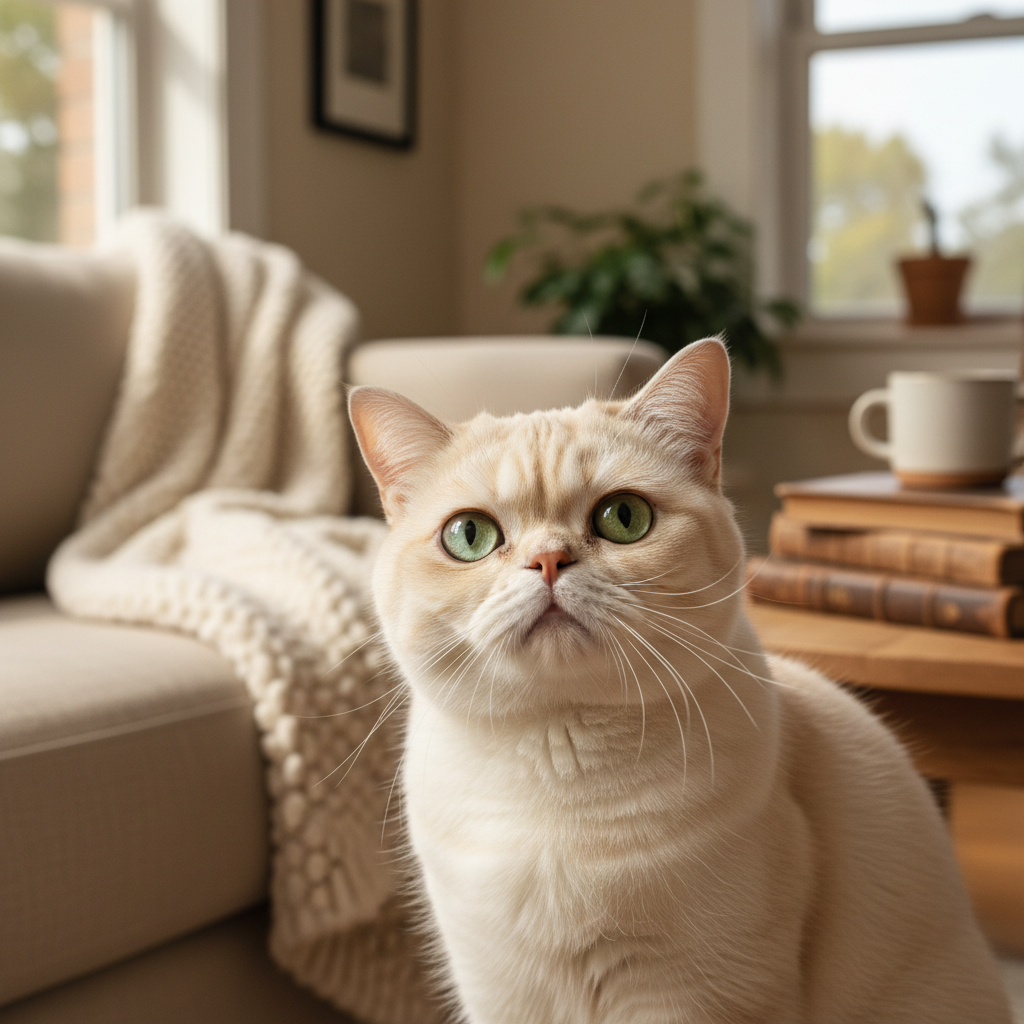
Why do Persians and Exotic Shorthairs suffer more? It’s their bones. Research into the Anatomy of the nasolacrimal duct in cats shows that in flat-faced breeds, the tear duct is often compressed or twisted at sharp angles. The tears have nowhere to go but out and over the face.
The Salt Myth: Is Your Kibble Really to Blame?
I used to be convinced that switching to 'low salt' food would fix everything. I spent a fortune on prescription diets. Nothing changed. Here's the truth: Long-term safety of dietary salt in cats research shows that even high sodium intake (up to 3.26%) doesn't directly cause tear stains or kidney failure in healthy cats. Sodium exits through the kidneys, not the eyes.
Instead of chasing 'salt-free' marketing, look at allergies. Beef, fish, and chicken are the top allergens that can cause facial inflammation and extra tearing. If you're worried about common feline issues, check out our guide on 4 Common Cat Diseases in Malaysia.
The 3-Minute Routine: Management, Not Cure
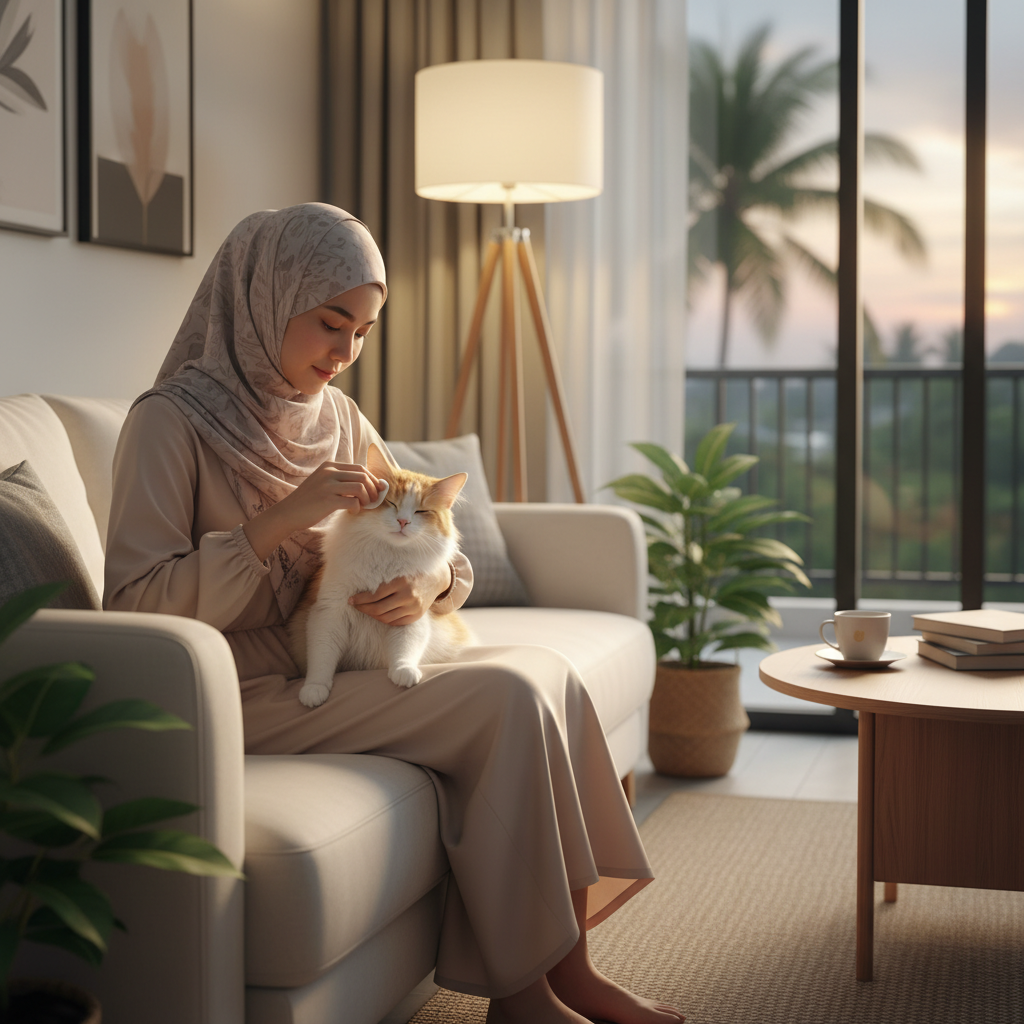
If your cat has a flat face, you can't 'cure' tear stains any more than you can 'cure' them having a nose. You manage it. Our cat Ping'An has a very sensitive nose; any dust makes her eyes water instantly. This is why we created Liger Tofu Cat Litter—the ultra-low dust formula keeps her eyes clear.
Step-by-Step Care:
Softening: Use warm saline to soften the crusts. Don't scrub; you'll irritate the skin.
Drying: This is the step everyone skips. Pat it bone-dry with a clean tissue.
The Secret Barrier: Dab a tiny bit of cornstarch onto the dry fur. It acts as a hydrophobic barrier, absorbing tears before they hit the hair shafts and oxidize.
At the end of the day, tear stains are mostly a cosmetic issue, but they tell us a lot about our cat's comfort. Whether it's the humidity in our homes or the dust in our litter boxes, small changes make a big difference.
Your Monday Morning Action: Tomorrow morning, don't just wipe your cat's eyes. Smelling them is important (I know, it's weird). If it smells like sour socks or old yeast, it’s a fungal infection, not just porphyrins—and that's when you need to call the vet.
| Tear Stain Color/Nature | Odor Feature | Accompanying Symptoms | Potential Core Cause | Recommended Actions |
|---|---|---|---|---|
| Clear/Colorless (Wetness) | Odorless | Occasional overflow, bright eyes, no redness | Normal physiological tearing; minor environmental irritation (wind, dust); various reflexes caused by excitement/stress | Observe, dry daily with absorbent paper. No excessive intervention needed. |
| Rust/Reddish-brown | No obvious odor, or slight rusty smell | Fur stained, skin intact, no hair loss | Porphyrin Oxidation. Typical causes: brachycephalic structure, physical irritation from ingrown eyelashes, dietary iron/mineral metabolism | Intensify drying care (cornstarch); change to pure water; trim eye corner fur. |
| Dark Brown/Black | Obvious sour, moldy, foot odor | Skin redness, hair loss, thickening, greasy feel | Malassezia infection secondary to prolonged dampness. May be accompanied by bacterial infection. | Seek vet. Use antifungal cream/wash; keep thoroughly dry; check for ear mites. |
| Yellow/Green Pus | Fishy odor | Conjunctival hyperemia (red eye), squinting, photophobia, lethargy | Bacterial conjunctivitis/keratitis; corneal ulcer; severe Feline Herpesvirus/Chlamydial infection | Seek vet immediately (emergency)! Do not delay, may lead to corneal perforation or blindness. |
| Thick White Mucus | Odorless | Dry, dull eye surface, dry nose | Dry Eye Syndrome (KCS); decreased tear film quality due to chronic inflammation | Seek vet for STT test; use artificial tears or cyclosporine ointment. |