Kampung Cats benefit from 'Hybrid Vigor' due to a diverse gene pool.
Purebred cats often face genetic bottlenecks, increasing risks of hereditary diseases.
Malaysia's high humidity fuels specific pathogens like S. schenckii (Sporo) that hit purebreds harder.
Even 'strong' local cats require vaccinations; genetic strength isn't a substitute for medical care.
Purebred cats are like high-maintenance sports cars—stunning to look at, but one wrong turn and you're at the mechanic. Meanwhile, our local Kampung Cats are the rugged 4x4s of the feline world, built to survive the tropical trenches. But is this just a myth we tell ourselves to feel better about adoption?
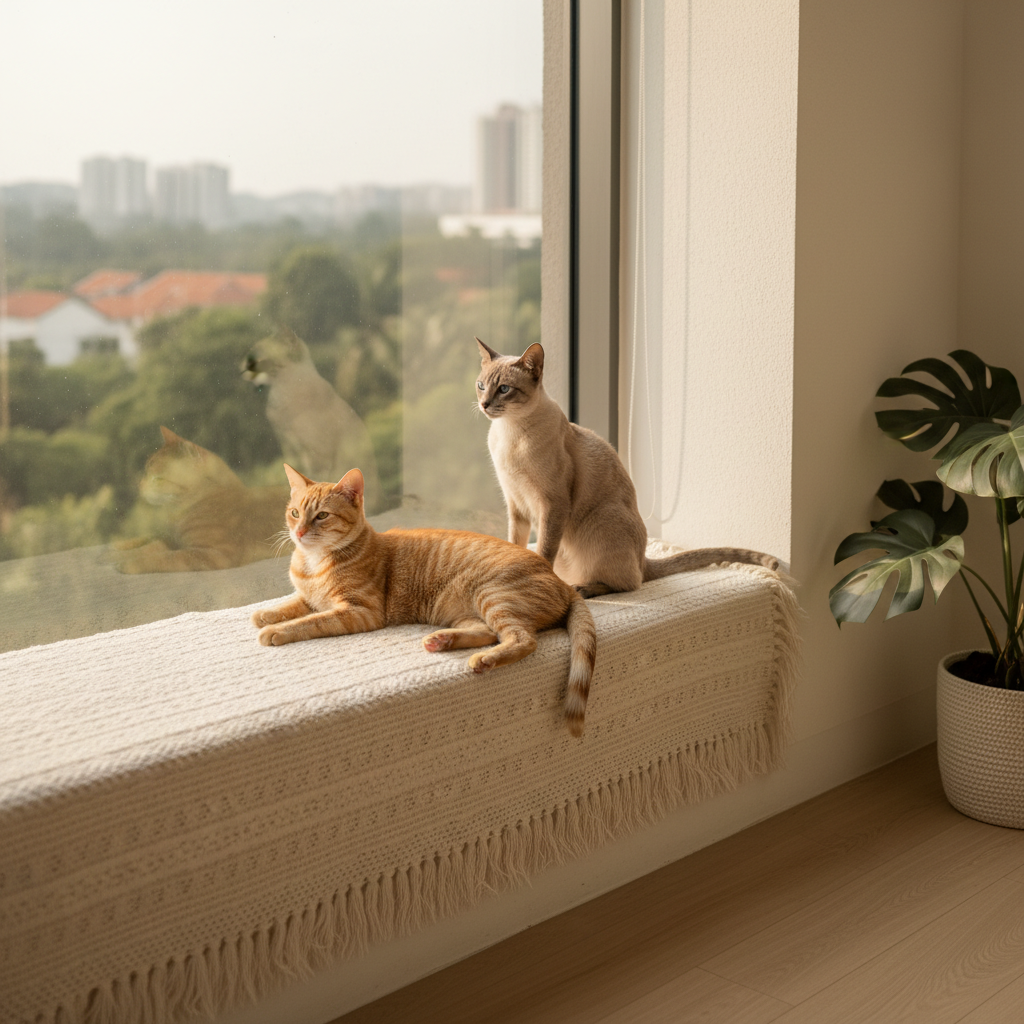
As a cat parent to **Tiger**, **Lion** (our tabby duo), **Ping'An** (the elegant Siamese), and **Lucky** (the hybrid mix), I've seen the spectrum. While **Tiger** struggles with congenital heart disease despite his hardy look, the general resilience of mixed-breed cats isn't just luck—it's hardcoded into their DNA through centuries of Malaccan history and natural selection.
The Genetic 'Cheat Code': Hybrid Vigor
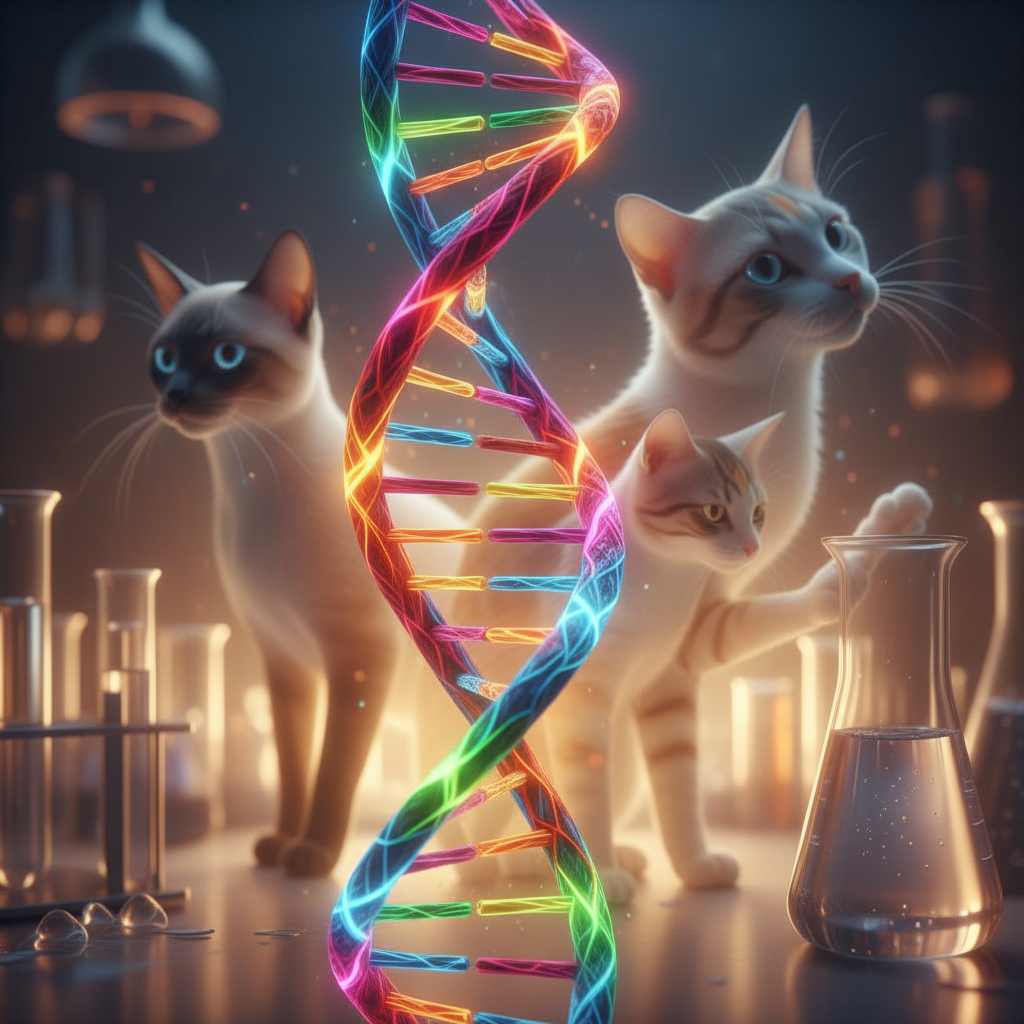
In genetics, there's a concept called 'Heterosis' or Hybrid Vigor. It basically means that when you mix different gene pools, the offspring tend to be healthier and more adaptable than their specialized parents. This is the superpower of the Kampung Cat.
A Comparative Genomics of the MHC in Felids study shows that higher genomic 'heterozygosity' directly links to a stronger immune response. While purebred cats often suffer from a 'founder effect'—where an entire breed starts from just a few individuals—Kampung Cats have been trading genes since the 15th-century trade ships docked in Malacca.
Think of it this way: a purebred cat's immune system has a limited 'virus database'. A Kampung Cat's system is like a global cloud network, constantly updated with defense codes from ancestors across Asia and Europe.
Hereditary Risks in Purebreds
A massive study of 550,000 cats found that purebreds face significantly higher risks of infectious and immune diseases. For example, British Shorthairs (BSH) are genetically predisposed to HCM (heart disease) and PKD (kidney disease). You can check out our guide on BSH heart health to see why this is a concern in local breeding.
Tropical Warfare: Humidity and Pathogens
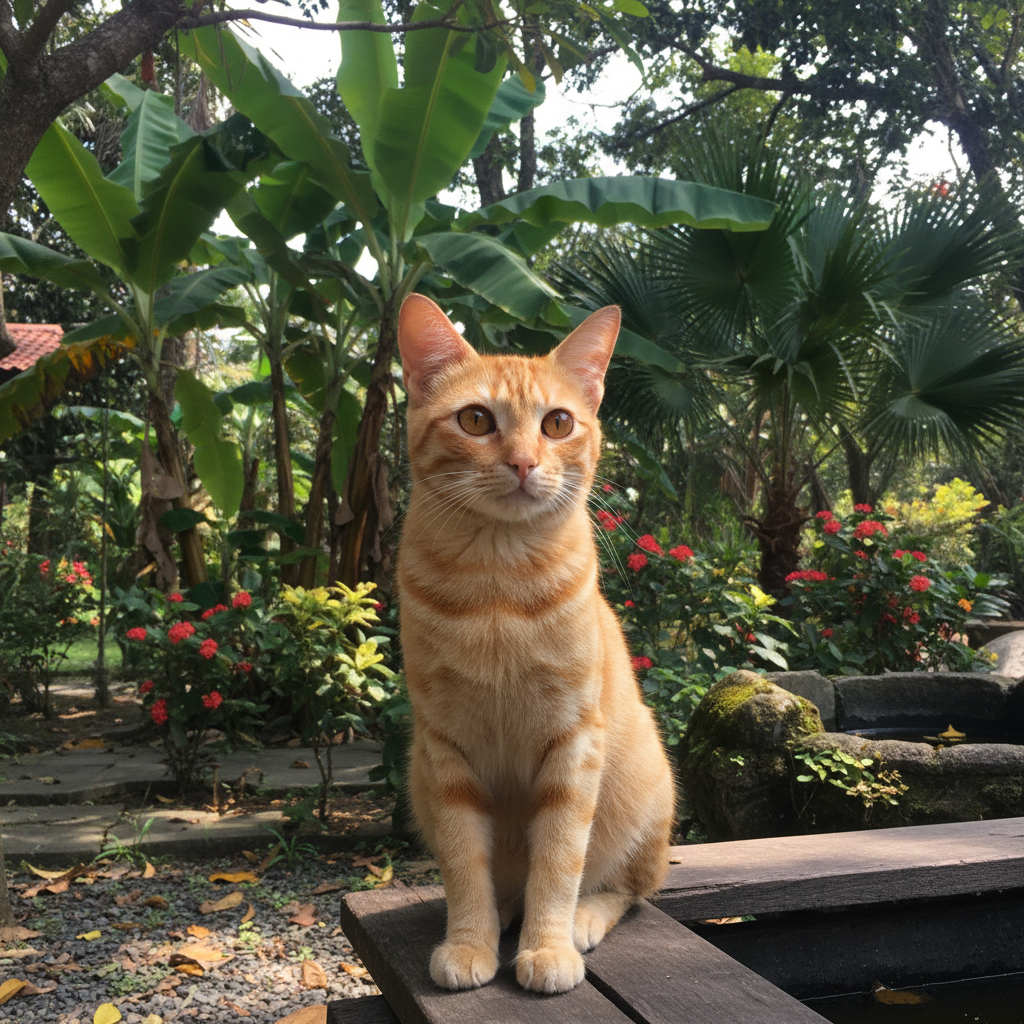
Malaysia isn't just hot; it's a petri dish. Our 80% humidity and constant 30°C+ temperatures are a paradise for bacteria. Feline Sporotrichosis in Malaysia is a prime example. This soil-based fungus is particularly aggressive in purebred cats because their immune systems often 'miss' the specific markers of local strains.
Feature | Kampung Cat (Mixed) | Purebred (e.g. BSH) | Hybrid (e.g. Siamese Mix) |
|---|---|---|---|
Coat Type | Single, short (cool) | Dense, double (hot) | Variable |
Sporo Resistance | Higher (natural selection) | Lower (thinner immunity) | Moderate |
Common Issues | Injuries, FPV | HCM, Skin Fungus, PKD | Respiratory sensitivity |
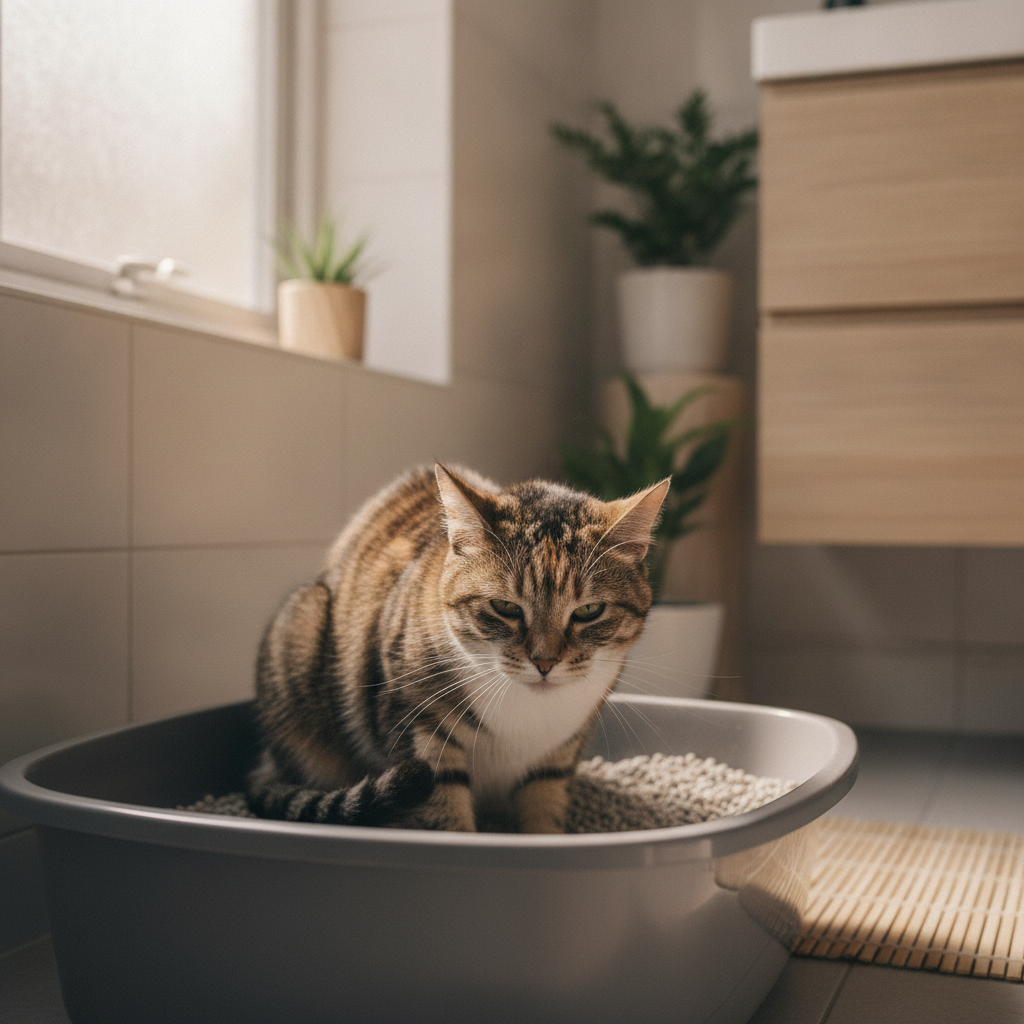
Our cat **Ping'An**, being a Siamese, is quite sensitive to dust and odors. She often sneezes at lower-quality litter. This is why we created Liger Tofu Cat Litter. Even for tough cats like **Tiger** and **Lion**, the low-dust formula and natural milk fragrance help keep their respiratory systems clear in our humid weather.
The 'Indestructible' Trap: I Was Wrong
I'll be honest—early on, I thought Kampung Cats were basically bulletproof. Why pay RM500 for genetic screening or obsess over vaccines for a cat that survived the streets, right? Then a friend's 'tough' street rescue caught Parvo (FPV). It was a brutal wake-up call.
We tend to have a 'Survivorship Bias'. We see the strong ones at the Mamak stall, but we don't see the thousands of kittens that don't make it. Even with superior genes, viruses don't care about your cat's pedigree. Genetic strength is a shield, but vaccines are the armor. Especially for kittens, the vaccine schedule is non-negotiable.
Myth: Purebreds Are Just 'Smarter'
Unpopular opinion: Kampung Cats are often more cognitively flexible. Survival in the wild requires problem-solving skills that living on a silk pillow doesn't. While **Lion** is a clean freak who demands the litter box be pristine, **Lucky** is a master at figuring out how to open cabinet doors. Don't mistake a purebred's predictable behavior for superior intelligence.
At the end of the day, whether you have a regal BSH or a street-smart Oyen, biology plays its hand. Kampung Cats start with a genetic head start, but your care finishes the race. Look after their lungs, keep their litter boxes clean, and never skip the vet just because they look 'tough'.
Your Monday Morning Action: Gently lift your cat's lip tomorrow morning. Check their gums. They should be bubblegum pink and moist. If they're pale or tacky, it's time for a checkup, regardless of their breed!