HCM prevalence in male British Shorthairs can exceed 20% due to genetic mutations.
Up to 50% of cats with heart disease show NO heart murmur during a standard vet checkup.
Resting Respiratory Rate (RRR) over 30 breaths per minute is a critical emergency signal.
Unregulated backyard breeding in Malaysia is accelerating the spread of heart disease genes.
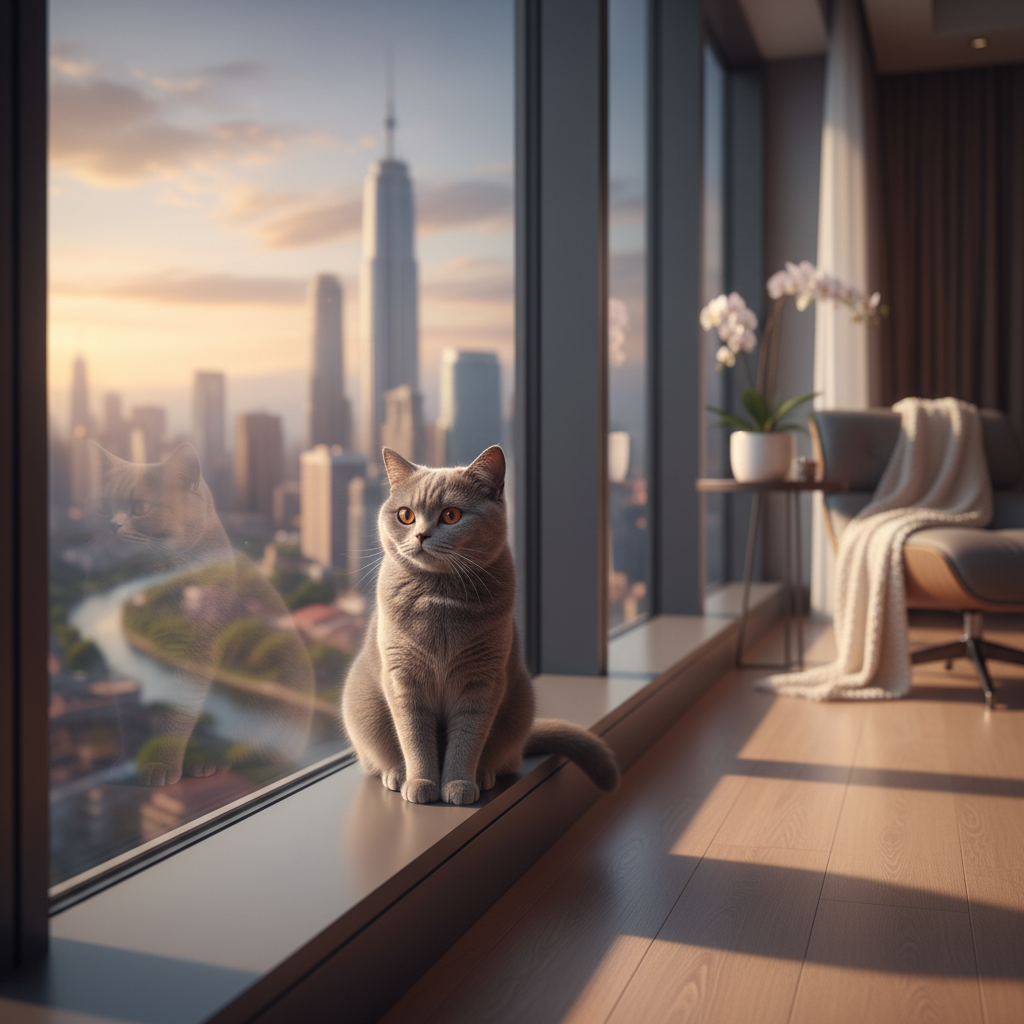
Your British Shorthair (BSH) is lounging on the rug, looking like a perfectly round, blue-grey cloud of serenity. In Malaysia, they are the undisputed kings of the condo life. But behind those big copper eyes, a genetic clock might be ticking. I don't say this to scare you, but as a cat parent myself, I’ve learned that 'healthy-looking' is sometimes just a very good disguise.
We often joke that BSH are 'lazy' or 'chill.' But in the veterinary world, that laziness can sometimes be the first quiet sign of Hypertrophic Cardiomyopathy (HCM). In Malaysia, clinical data shows that the Occurrences of heart disease in cats in Klang Valley are rising, and the British Shorthair is right at the center of this crisis.
The Genetic Time Bomb: ALMS1 and Backyard Breeding
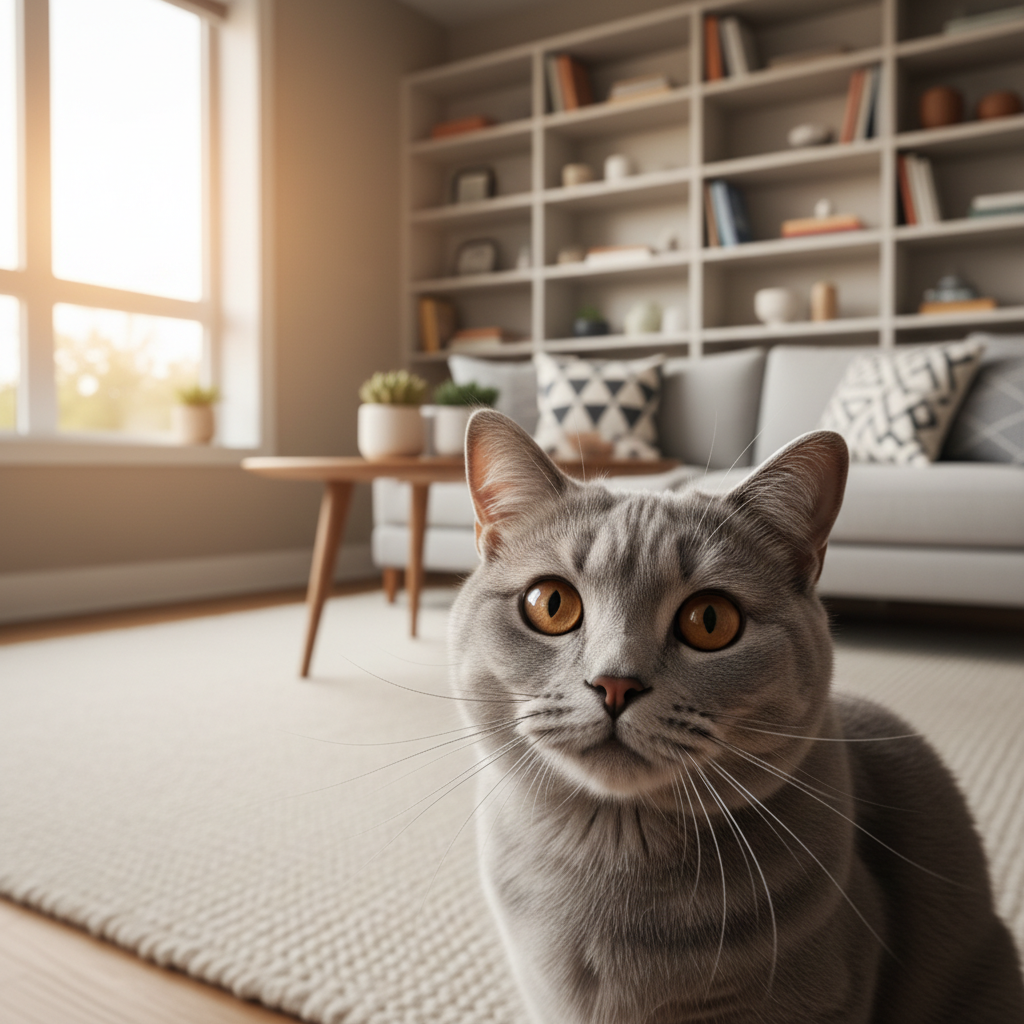
Unlike some other health issues, HCM in BSH is deeply rooted in their DNA. Recent studies have confirmed that the ALMS1-related Cardiomyopathy in Felis catus is a specific variant found in British Shorthairs. This mutation causes the heart muscle to thicken inwardly, leaving less and less room for blood to actually pump through.
The real tragedy in Malaysia is the rise of 'Backyard Breeders' (BYB). Because BSH are so popular, people breed them for profit without ever testing for heart issues. A 'champion bloodline' father might look stunning, but if he carries the gene, 50% of his kittens could inherit it. By the time the owner realizes something is wrong, the breeder has often disappeared already.
The Mistake I Made: Ignoring the 'Quiet' Signs
I used to think that as long as my cats were eating and grooming, everything was fine. One of our cats, **Tiger**, was born with a heart valve defect (not HCM, but heart disease nonetheless). I’ll be honest—I missed the signs for months. He was just a little slower than his brother **Lion**. I thought he was just 'mellow.'
Then I noticed him breathing a bit faster after play. Just a tiny bit. I hesitated. Was I being paranoid? No. That hesitation almost cost him. We eventually took him for a scan and realized his heart was struggling. If your cat is a BSH, 'mellow' behavior shouldn't be taken for granted. You can check their human age equivalent, but remember that heart issues don't wait for them to get old.
Beyond the Stethoscope: Why Hearing is Not Believing
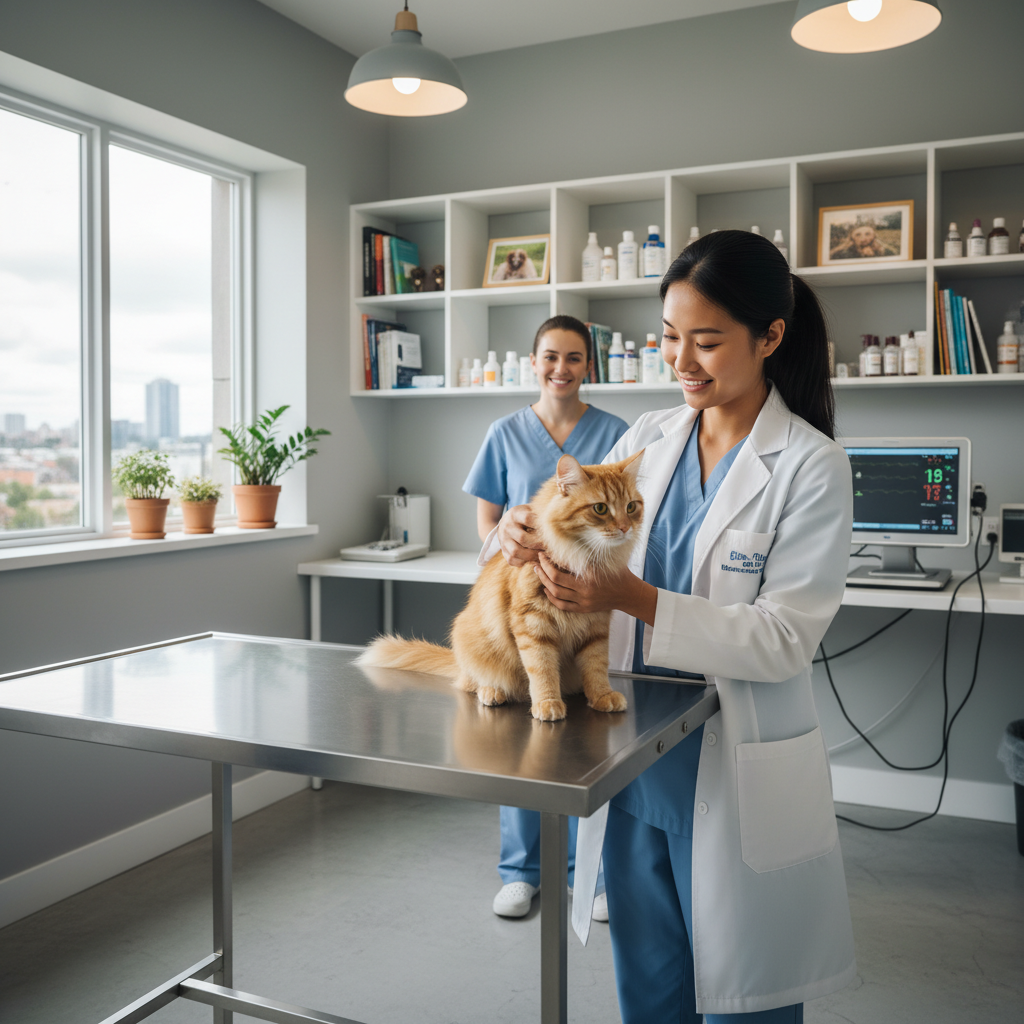
This is the part that surprises most owners: Research shows up to 50% of cats with HCM do not have a heart murmur. If your vet says "I don't hear anything," it doesn't mean your cat is 100% clear. For a breed at high risk like the BSH, you need more data.
Screening Tool | What it Detects | Best For |
|---|---|---|
Physical Exam | Heart murmurs, arrhythmias | Basic yearly check |
NT-proBNP Test | Heart muscle stretch/stress | Early Tier 1 screening |
Echocardiogram | Wall thickness, blood flow | The Gold Standard |
Veterinarians often recommend the NT-proBNP blood test as a starting point. If the levels are high, an ultrasound is non-negotiable.
Managing the Environment: Why Dust Matters
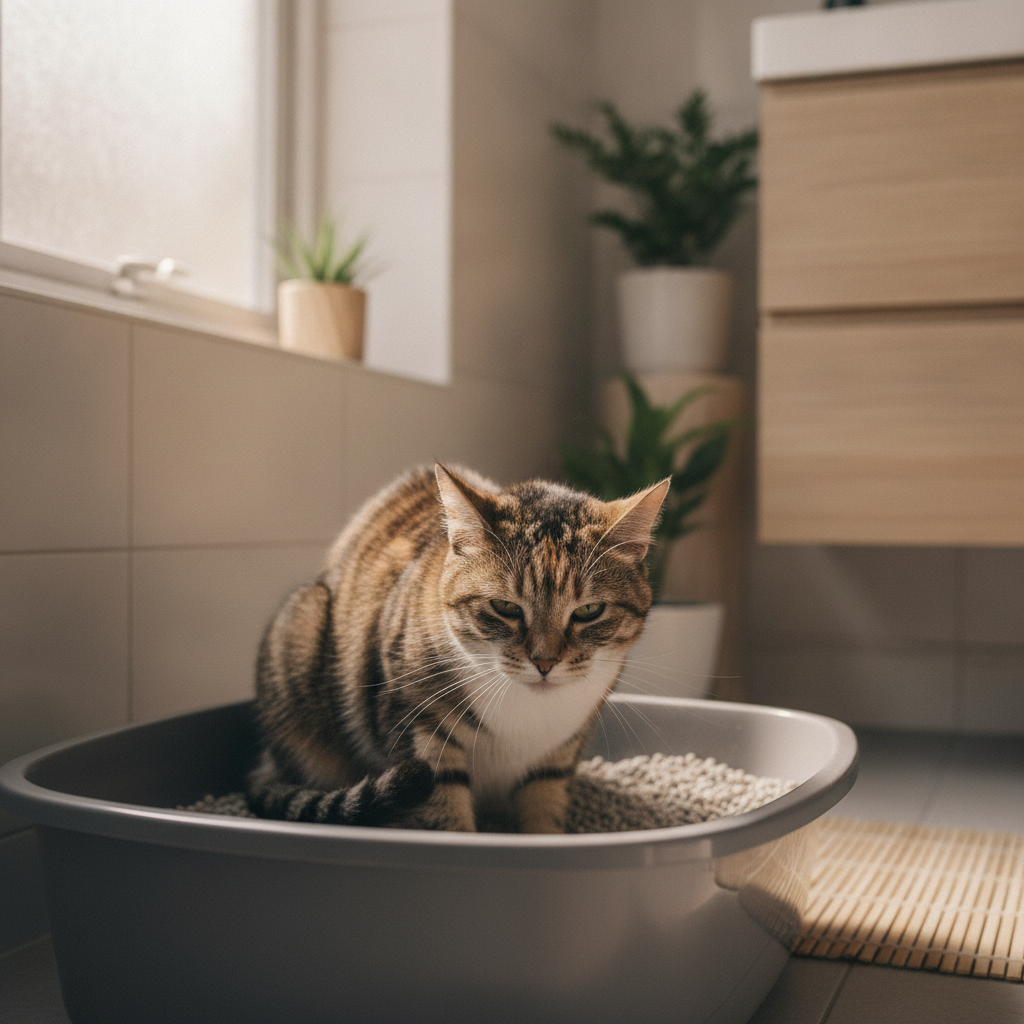
If your BSH has a sensitive heart, the environment plays a huge role. Stress and physical strain are the enemies. One hidden danger is dusty cat litter. When a cat with a weak heart strains to poop or inhales silica dust, it can trigger a 'Valsalva maneuver'—a sudden spike in chest pressure that can lead to fainting or even sudden death.
This is why we focus so much on low-dust formulas. Using a dust-free cat litter isn't just about a cleaner floor; it's about making sure your cat can breathe easily without unnecessary heart strain. Our **Ping'An** sneezes at the slightest bit of dust, which reminded us that respiratory health and heart health are two sides of the same coin. You can check our asthma vs hairball guide to see how respiratory issues often mask deeper problems.
Owning a British Shorthair in Malaysia comes with a responsibility to look past the 'cute and chubby' exterior. They are resilient cats, but their hearts need us to be proactive. Don't wait for a cough or a collapse to take action.
Your Monday Morning Action: Spend 1 minute while your cat is fast asleep tonight to 测量宠物的呼吸频率 (RRR). Count the breaths for 30 seconds and multiply by 2. If it's consistently over 30 breaths per minute while sleeping, call your vet tomorrow for a heart screening.