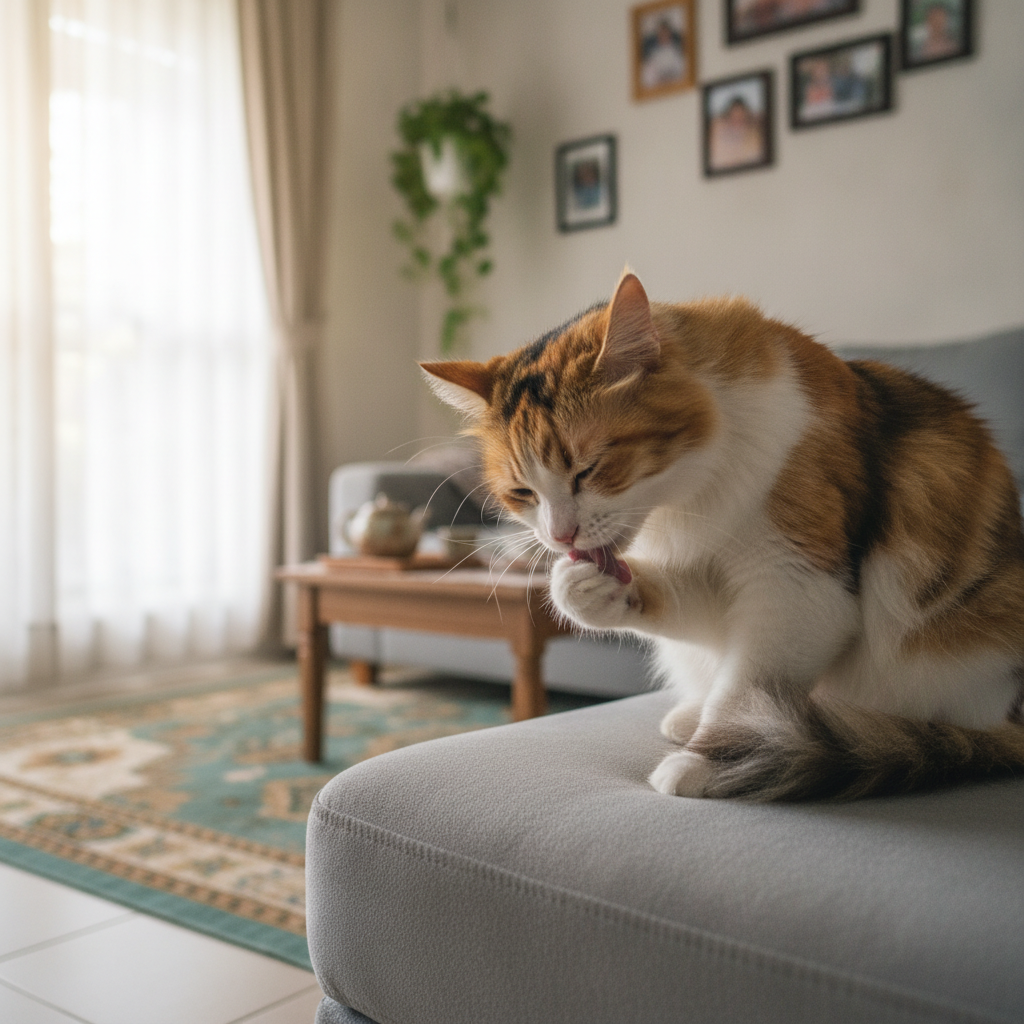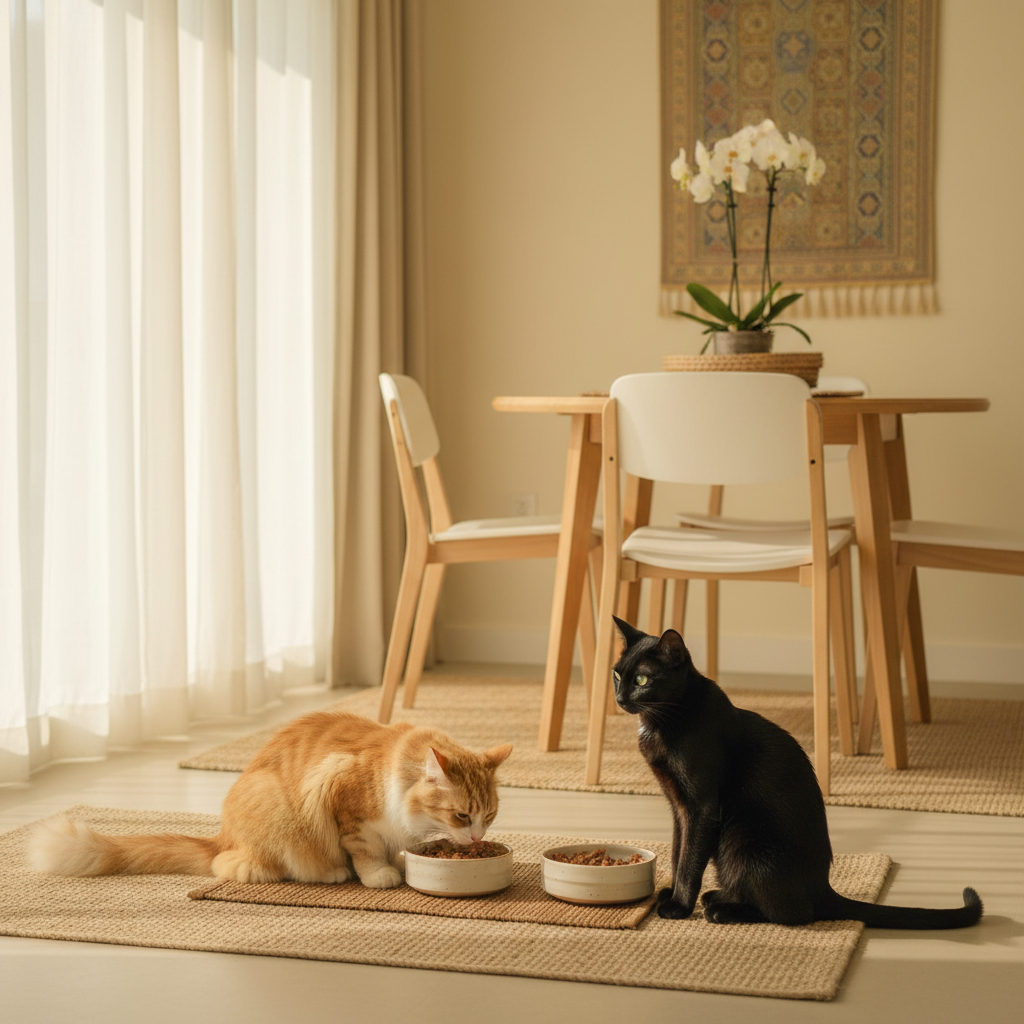
- Every cat is unique; what works for one might not work for another.
- Wet food offers crucial hydration, especially for cats prone to urinary or kidney issues.
- Dry food is convenient and can be cost-effective, but don't count on it for dental cleaning.
- Consider a 'mix-feeding' approach to get the best of both worlds for your cat.
Mealtime at our house? It's always a production. You've got Tiger, bless his young heart, who practically inhales wet food, like it's the last can on Earth. Then there's Ping'An, who turns up her sensitive nose at anything but her beloved freeze-dried treats. Lucky and Lion? They're the easygoing ones, really; 'Food is food,' they seem to say, as long as it's there. This daily dance around dinner bowls is a constant reminder that when it comes to cat food, one size definitely does not fit all. And for us cat parents in Malaysia, finding that 'right' fit often boils down to one big question: dry or wet?
We all want what's best for our furry family members, but sometimes, the sheer amount of choice can be overwhelming. Is dry food truly bad? Is wet food worth the extra cost? Let's peel back the layers and look at what really matters for your cat's health, right here in Malaysia.
The Crunchy Truth About Dry Food
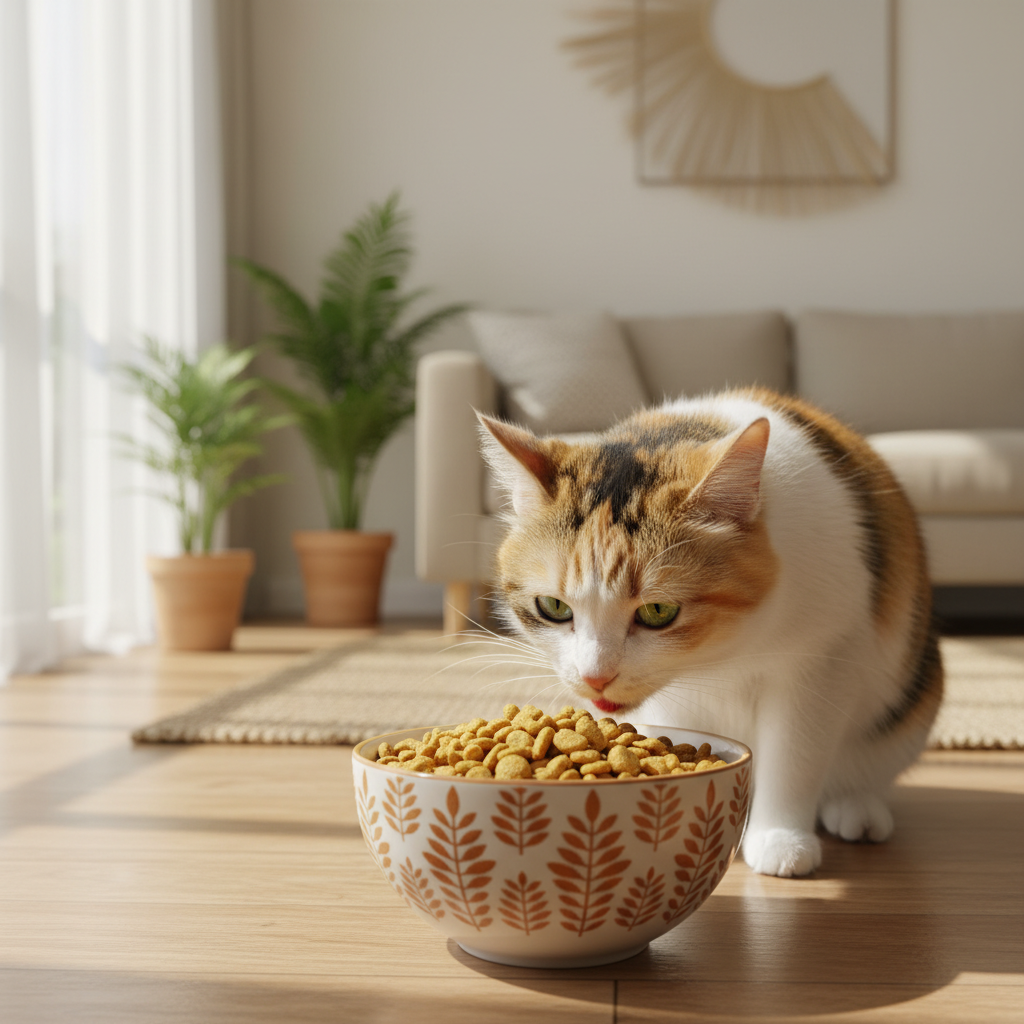
Dry kibble has been a staple in many Malaysian households for years. It's affordable, it’s convenient, and let's be honest, that satisfying crunch when your cat digs in is pretty great. Plus, you can leave it out all day without worrying too much about spoilage, which is a huge plus for busy cat parents. For cats like Lucky and Lion, who aren't particularly picky, a bowl of dry food seems perfectly fine.
However, there's a downside. Cats, by nature, don't have a strong thirst drive. In the wild, they get most of their moisture from their prey. Dry food, with its very low water content (around 10%), means they need to drink *a lot* more water to stay hydrated. And trust me, getting a cat to drink enough water can feel like a full-time job. I remember stressing over Tiger's water intake, especially after his diagnosis. While you can add water to kibble, it's not quite the same as getting it straight from their food. If your cat isn't drinking enough, they could face potential urinary tract issues or kidney problems later in life. You can use our free cat food calculator to get a science-based daily feeding calculation.
The Wonderful World of Wet Food
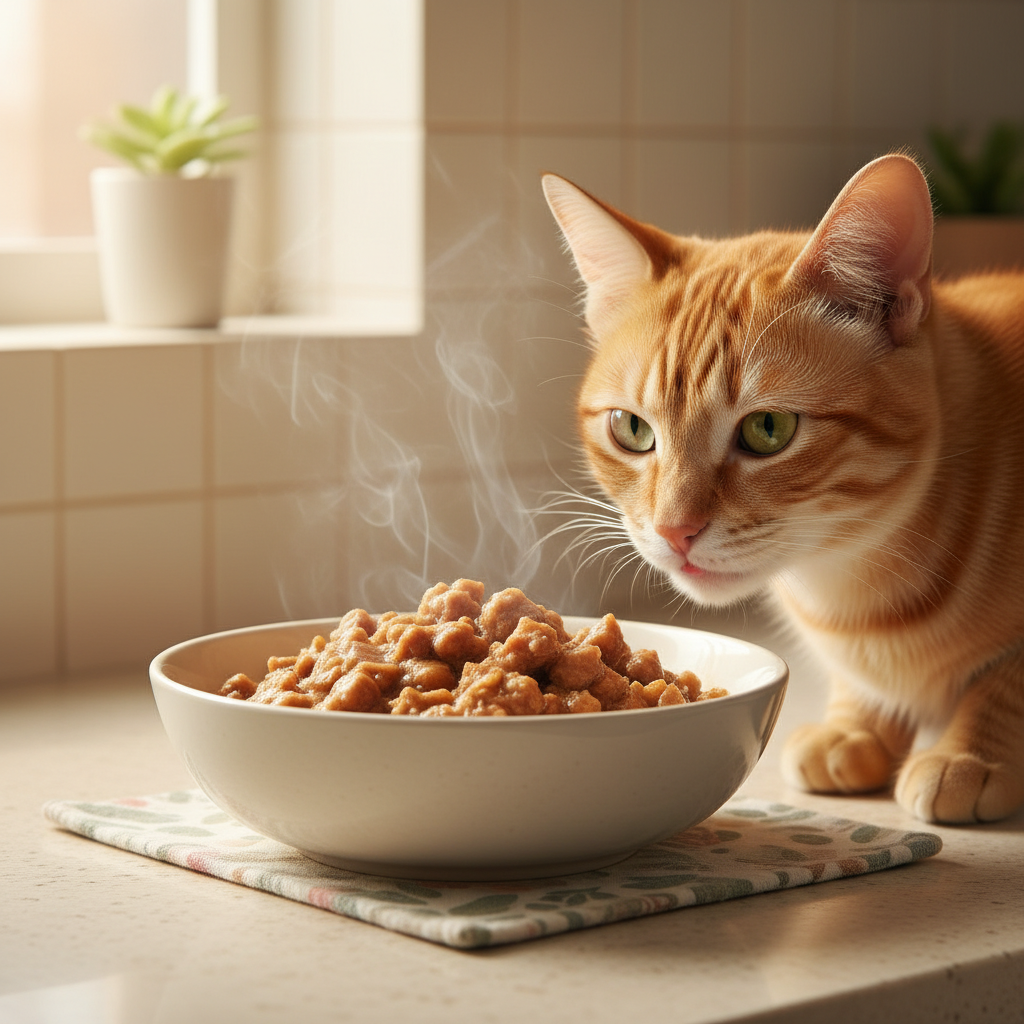
Now, let's talk wet food. The moment you open that can or pouch, that rich, meaty aroma fills the air. Our Tiger, with his congenital heart disease, really thrives on wet food. It’s packed with moisture, usually around 70-80%, which is fantastic for hydration. This high water content helps support kidney function and keeps the urinary tract flushed, reducing the risk of crystals or infections. Plus, for cats who struggle to drink enough water, wet food is a lifesaver.
Beyond hydration, wet food is often richer in protein and lower in carbohydrates than dry kibble, which aligns better with a cat's natural dietary needs as obligate carnivores. It's also super palatable for most cats – even Ping'An, despite her freeze-dried obsession, will usually take a sniff at a high-quality wet food before deciding if it's up to her standards. The downsides? It's generally more expensive, spoils quickly if left out (especially in our Malaysian humidity!), and needs proper storage. But for some cats, especially those with specific health needs or fussier eaters, it's totally worth it.
The Day My Cats Taught Me a Lesson (Or Three)
Honestly, for a long time, I just stuck to dry kibble. It was easy, cheaper, and I figured, 'food is food, right?' Plus, the crunchy sound always made me *think* it was good for their teeth. I mean, everyone says dry food cleans teeth, right? I was so proud of my 'efficient' feeding system. Then Tiger, our youngest, was diagnosed with congenital heart disease, and our vet gently (but firmly) nudged us to up his moisture intake. Suddenly, my convenient dry-food-only routine didn't feel so 'best choice' anymore. It was a real wake-up call.
Trying to convert Tiger to more wet food was actually pretty easy – he loved it from day one! But it made me realize how much I’d overlooked the individual needs of my other cats. Ping'An, with her sensitive nose, sometimes just needed a different texture or a different protein to pique her interest. Lucky and Lion might eat anything, but that doesn't mean they wouldn't benefit from more moisture. It became a whole new challenge, balancing convenience with what was truly optimal for each of them. Sometimes, the budget option, or the easiest option, isn't always the best for long-term health. It taught me to be more observant, to really listen to what each cat was 'saying' with their eating habits. If you're wondering if your cat is at a healthy weight, you can always check our chonky cat diet tips.
What Most Cat Parents Get Wrong About 'Dental Kibble'
This is probably my biggest pet peeve. Many cat parents, myself included for a long time, rely on dry kibble thinking it's brushing their cat's teeth. We hear it everywhere, right? The crunch, the scrubbing action, it all sounds so logical. But here’s the contrarian truth: most kibble crumbles before it can really scrub teeth. It's like us eating a potato chip and expecting it to clean our molars. Not gonna happen.
Think about it: how much chewing does your cat *really* do before swallowing? Most cats just crunch a few times and swallow. For actual dental health, nothing beats regular brushing (if your cat tolerates it!), dental treats specifically designed to scrape teeth, or professional vet cleanings. Dry food, in most cases, is just... food. It might help *minimally* for some cats, but it’s far from a complete dental solution. If you ever have questions about what your cat can safely eat beyond their regular meals, you can check our Can My Cat Eat This? tool.
So, Dry or Wet? Or Both?
Ultimately, the 'best' choice isn't some universal rule written in stone. It depends on *your* cat, *your* lifestyle, and *your* budget. Here’s what I’ve learned from my own cat family:
- Individual Needs: If you have a cat like Tiger, with a health condition benefiting from high moisture, wet food is a clear winner. For a cat prone to urinary issues, wet food is also a great idea.
- Pickiness Factor: Some cats, like Ping'An, have very strong preferences. Listen to them! A cat that refuses to eat a 'perfect' diet is getting no nutrition at all.
- Convenience & Cost: Dry food definitely wins on these points. If budget is a major concern, remember that even adding a small amount of wet food as a topper or a regular treat can boost hydration.
- The Hybrid Approach: This is what works best for us. We often offer a mix – dry food for free-feeding during the day (for Lucky and Lion's grazing habits) and a wet food meal in the evenings. This way, everyone gets some moisture, and we can cater to individual preferences a bit better. For any cat that needs to watch their weight, balancing calories is key. Our cat weight loss calculator might help.
The goal is to provide a balanced, nutritious diet that keeps your cat healthy and happy. It's about finding what works, not just following what someone else says is 'best'.
Navigating the world of cat food can feel like a maze, especially with all the opinions out there. But remember, you're the best advocate for your cat. Pay attention to their health, their preferences, and yes, even their litter box habits (hydration shows up there!). What works for Tiger's heart might be different from what keeps Ping'An's sensitive nose happy, or what satisfies Lucky and Lion's everyday hunger. It’s all about finding that sweet spot for *your* unique furball.
Your Monday Morning Action: This week, observe your cat's drinking habits. Seriously. Try to estimate how much water they actually consume outside of their food. And if you're only feeding dry, try adding a tablespoon of water to their next meal, just to see if they like it. No pressure, just observe lah!