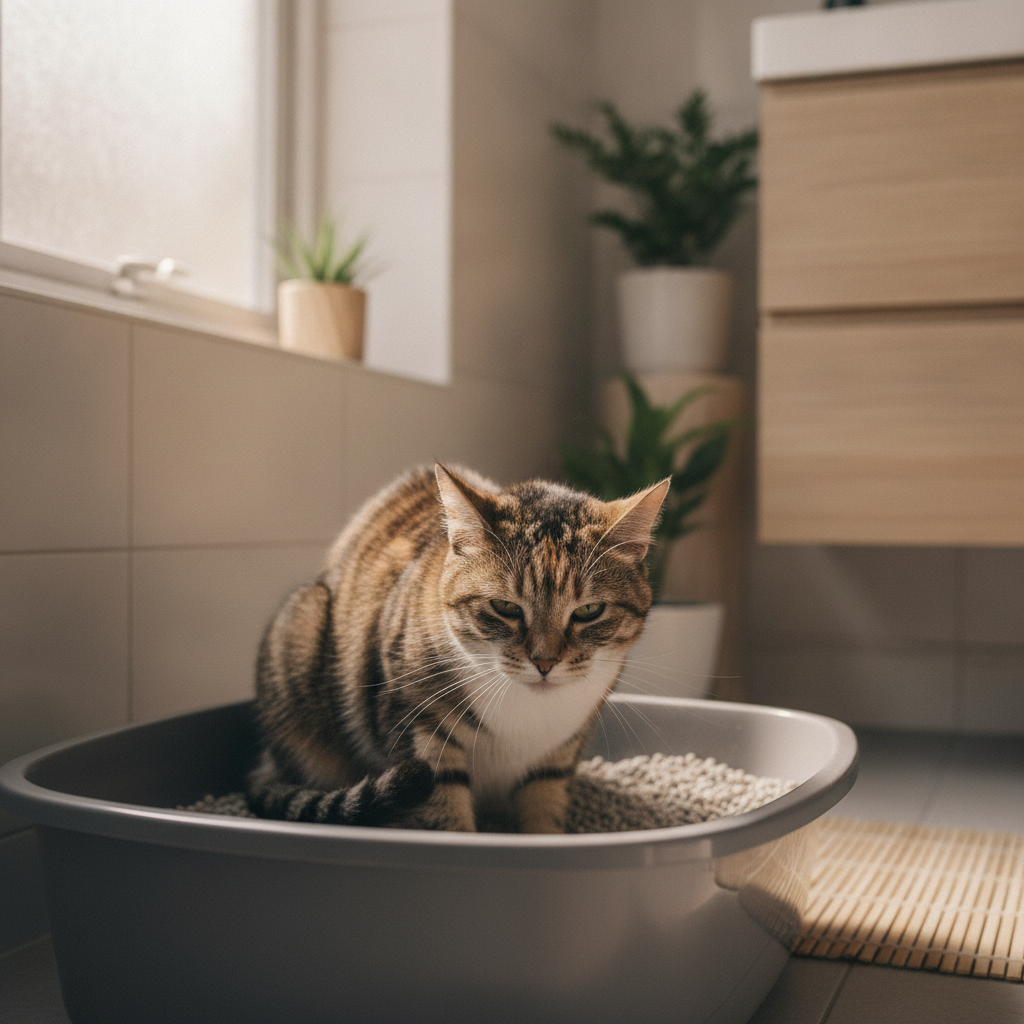
Fleas can cause intense itching and even transmit diseases to your cat.
Regularly check your cat for fleas, especially around the neck and tail base.
Treat your cat with flea medication prescribed by your veterinarian.
Wash your cat's bedding and vacuum your home to eliminate fleas and their eggs.
Okay, I'm going to be real with you – dealing with fleas is *the worst*. I'll never forget when we first got Tiger and Lion. They were tiny little fluffballs, but they were absolutely covered in fleas.
Seriously, I spent *days* combing those poor kittens. We were using those special flea combs, you know the ones? I felt like I was going insane! Turns out, that only gets you so far. Eventually, our vet clued us in on proper flea treatment, and *then* we finally started winning the war. It's not just about the cat, it's about their environment too. This article is about saving you from the flea-combing madness.
Is Your Cat Actually Suffering From Fleas? Spotting the Signs
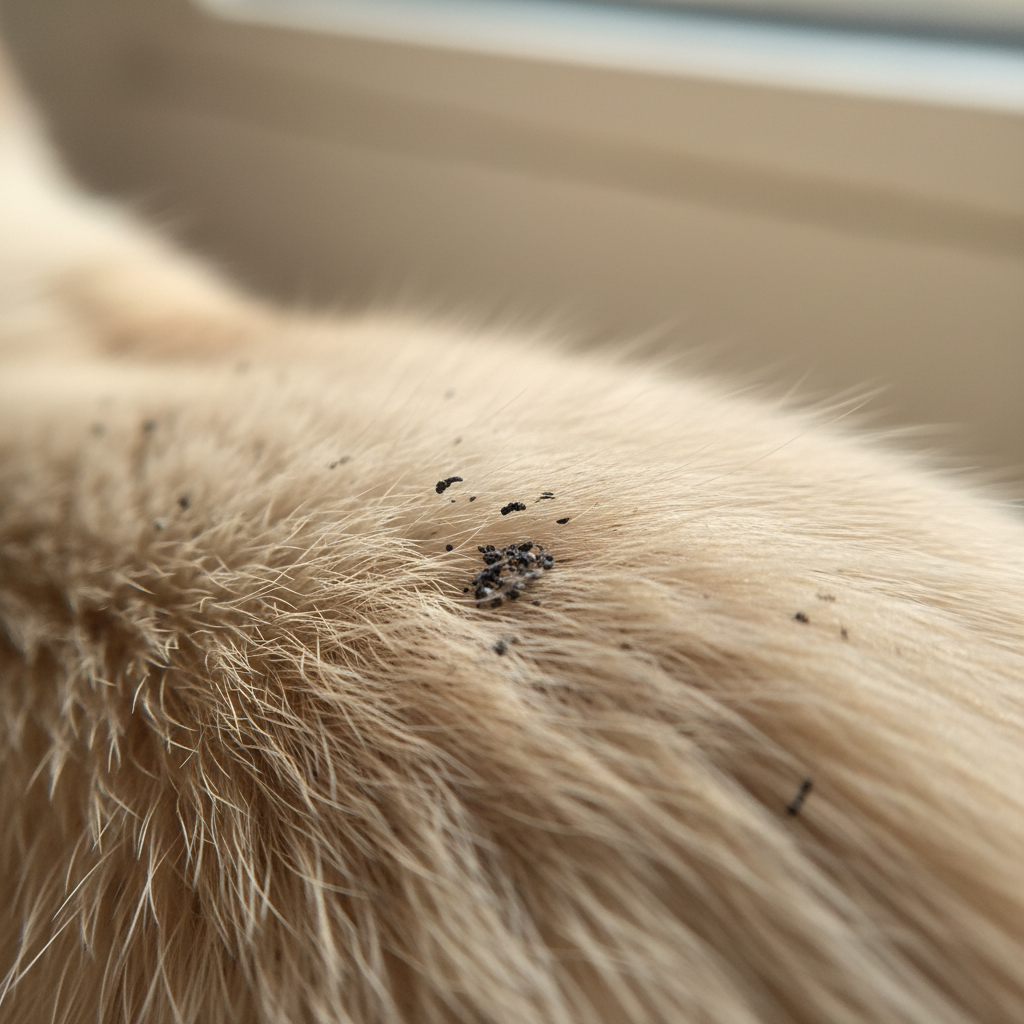
Fleas are tiny, wingless insects that feed on blood. Sounds delightful, right? For your cat, even a few fleas can cause intense itching, scratching, and biting. Sometimes you'll see them hopping around in their fur, especially near the base of the tail. Other telltale signs include:
Excessive scratching and grooming: If your cat is constantly scratching or grooming, it could be a sign of fleas. They might be doing it more than usual.
Hair loss: Intense scratching can lead to hair loss, especially around the neck, tail, and hindquarters.
Flea dirt: These are tiny black specks that look like dirt but are actually flea droppings. You can find them in your cat's fur or on their bedding. To check, put some on a wet paper towel. If it turns reddish-brown, it's flea dirt.
Pale gums: In severe infestations, fleas can cause anemia, leading to pale gums. This is a serious sign and requires immediate veterinary attention.
If you suspect your cat has fleas, take them to the vet for diagnosis and treatment. You can use our Flea & Worm Risk Checker as a tool to see if your cat is at risk before visiting the vet. But remember, it's not a substitute for a real vet!
The Arsenal: Effective Flea Treatments for Your Cat

Alright, let's talk about getting rid of these little monsters. There are a few different options, and it's best to talk to your vet to figure out what's right for your cat:
Topical treatments: These are applied directly to your cat's skin, usually between the shoulder blades. They contain medication that kills fleas. These were LIFE-SAVERS for Tiger and Lion, lah. But make sure you get the right dosage for your cat's weight!
Oral medications: These are pills or chewable tablets that kill fleas. They're usually given monthly.
Flea shampoos: These can kill fleas on contact, but they don't provide long-term protection. Plus, some cats HATE baths, right?
Flea collars: Some flea collars contain medication that kills fleas, but they may not be as effective as other treatments. Plus, there's the risk of the collar getting caught on something.
No matter what treatment you choose, it's important to follow the instructions carefully. And remember, some products are toxic to cats, so never use a product designed for dogs on your feline friend!
Don't Forget the Home Front: Treating Your House for Fleas

Here's the thing: fleas don't just live on your cat. They live in your carpets, your furniture, and even your bedding. So, treating your cat is only half the battle. You also need to treat your home. And honestly, this part is a bit of a pain. Here's what you gotta do:
Vacuum, vacuum, vacuum: Vacuum all carpets, rugs, and upholstery regularly. Empty the vacuum bag or canister immediately.
Wash bedding: Wash your cat's bedding (and your own, if your cat sleeps with you) in hot water.
Flea sprays: Use a flea spray specifically designed for use in homes. Follow the instructions carefully, and keep pets and children away from treated areas until they are dry.
Consider professional help: If you have a severe flea infestation, you may need to call a professional pest control company.
Staying on top of cleaning is key in controlling flea populations, especially during warmer months. This is where Lion's obsession with cleanliness actually comes in handy – he's the first to let us know if things aren't up to par!
Prevention is Better Than Cure: Keeping Fleas Away for Good
The best way to deal with fleas is to prevent them from infesting your cat in the first place. Here are a few tips:
Regular flea treatment: Continue giving your cat flea medication even if you don't see any fleas. This will help prevent infestations from starting.
Maintain a clean home: Vacuum and wash bedding regularly.
Limit outdoor access: If possible, limit your cat's access to areas where fleas are common.
I know, I know – it sounds like a lot of work. But trust me, it's worth it. Dealing with a flea infestation is a huge pain, so taking steps to prevent it in the first place is much easier. And a happy, flea-free cat is definitely worth the effort! For more info, you can always check our Cat Health Hub for other common illnesses and diseases.
Fleas are a pain, but they don't have to ruin your cat's life (or yours!). With a little bit of effort and the right treatment, you can get rid of them for good. Just remember to be consistent and to treat both your cat and your home.
Your Monday Morning Action: Call your vet and ask about the best flea prevention medication for your cat based on their weight and lifestyle. Get it sorted before the week gets crazy!