Neutering changes your male cat's metabolism, increasing risk of weight gain and related issues.
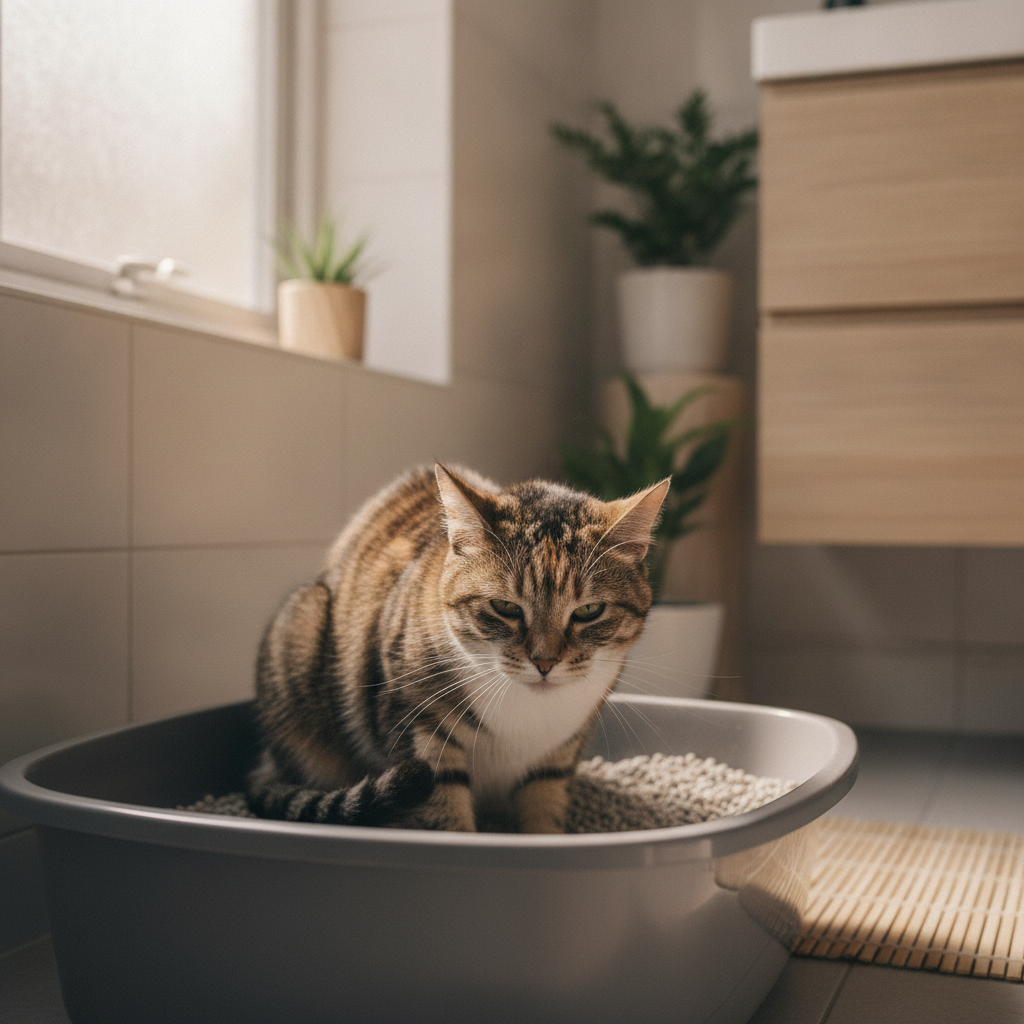
Urinary problems (like blockages) are more common in neutered males – look for frequent litter box trips or straining.
Regular vet check-ups and a keen eye on small behavioral changes are more critical after neutering.
Adjust diet and increase play to prevent obesity and keep joints healthy.
That sigh of relief after your male cat's neutering surgery? I know it well. The vet calls, everything went smoothly, and you bring your furball home, dreaming of a calmer, happier life without territorial spraying. And honestly, it usually works out great. Less aggression, no unwanted kittens, a generally more chilled-out cat. It's a huge positive step for their health and for population control.
But here's the thing. While neutering solves a lot of problems, it also kicks off a whole new phase in your cat parenting journey. Suddenly, you're not just preventing problems, you're looking out for new ones. I'm talking about some tricky health shifts that can pop up, especially in male cats, after the big snip. And trust me, it’s worth knowing what to look for, so you can keep them healthy and happy for years to come.
The Silent Threat: Urinary Tract Issues
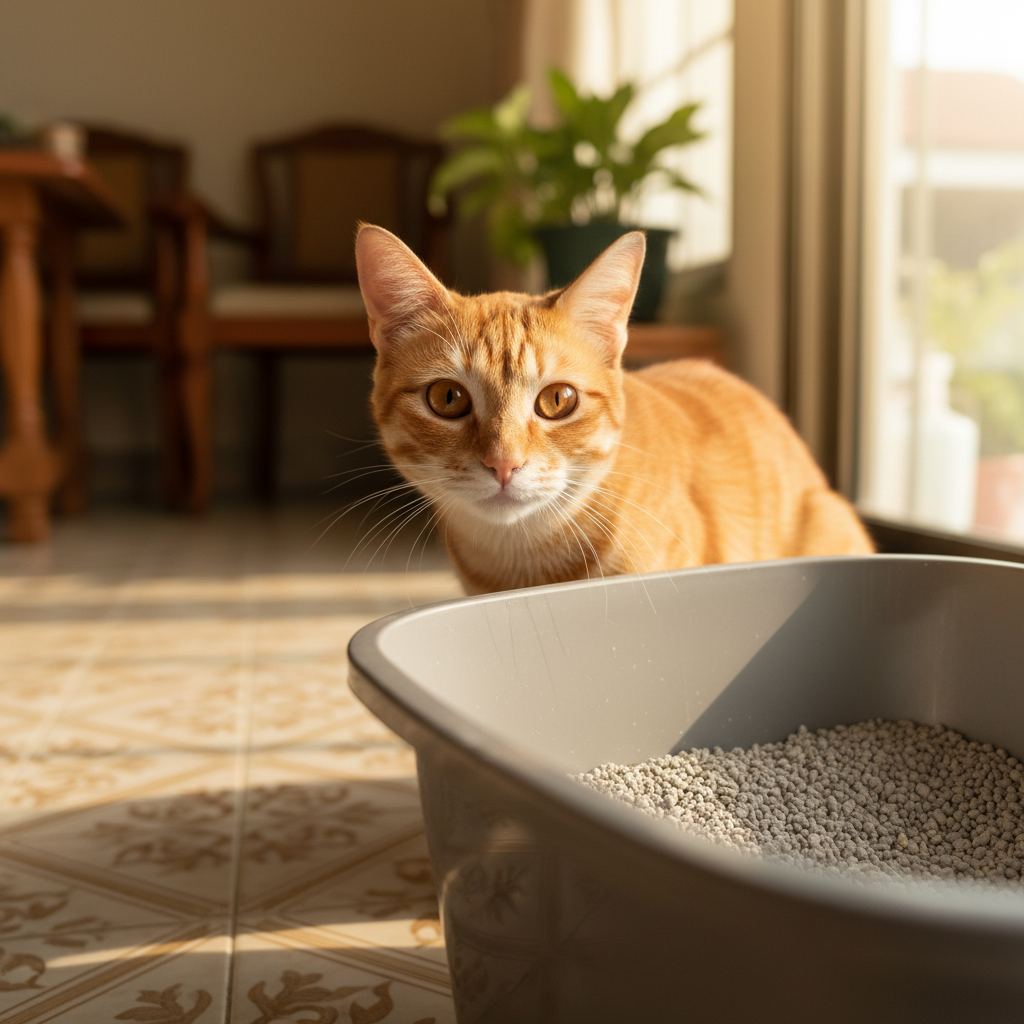
Okay, let's just rip off the band-aid here: male cats, especially neutered ones, are more prone to Feline Lower Urinary Tract Disease (FLUTD). This includes things like cystitis (bladder inflammation) or, worse, urethral obstruction. That's when crystals or a mucus plug block their urethra, making it impossible for them to pee. It's an emergency, life-threatening situation.
Why male cats? Their urethra is just narrower than a female's, making blockages easier. After neutering, hormonal changes can sometimes alter urine composition, making them more susceptible to crystal formation. Plus, reduced activity often means they drink less water, concentrating their urine even further. I remember with Lion, our resident clean freak, how particular he was about his litter box. If it wasn't pristine, he'd hold it in, which, in hindsight, was probably not great for his bladder health. If you notice your cat straining, crying in the litter box, or making frequent, unproductive trips, don't wait. Seriously, get them to the vet ASAP. You can also use our Urinary Health Checker to see if their symptoms match.
The Weight Gain Trap: Not So 'Chonky' After All
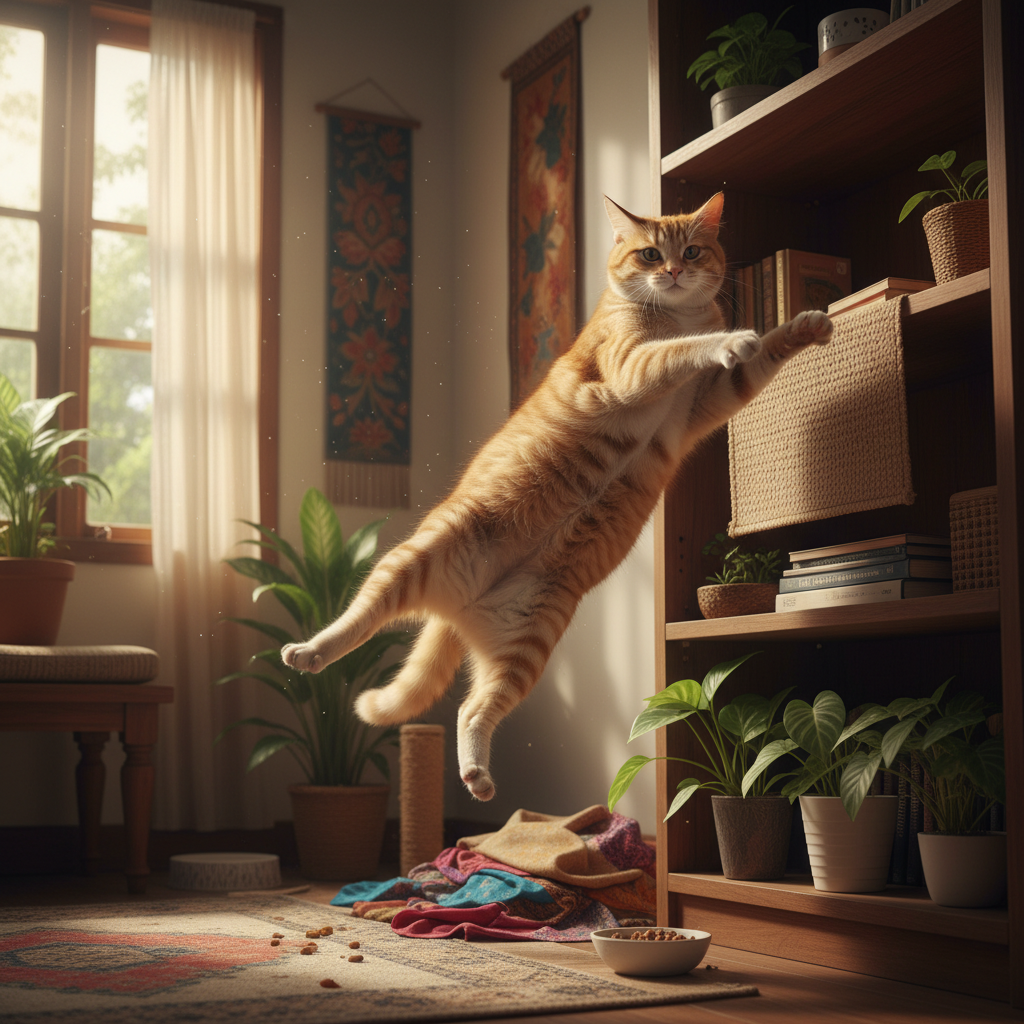
Alright, confession time. This is where I kind of messed up with Lucky, our youngest mischief-maker. After he was neutered, I noticed he seemed a little less zoomy, a bit more inclined to nap in sunbeams. I thought, 'Oh, he's just maturing, calming down.' He started putting on a bit of weight, that little pudge around his belly becoming more prominent. I even chuckled, calling him 'chonky Lucky'.
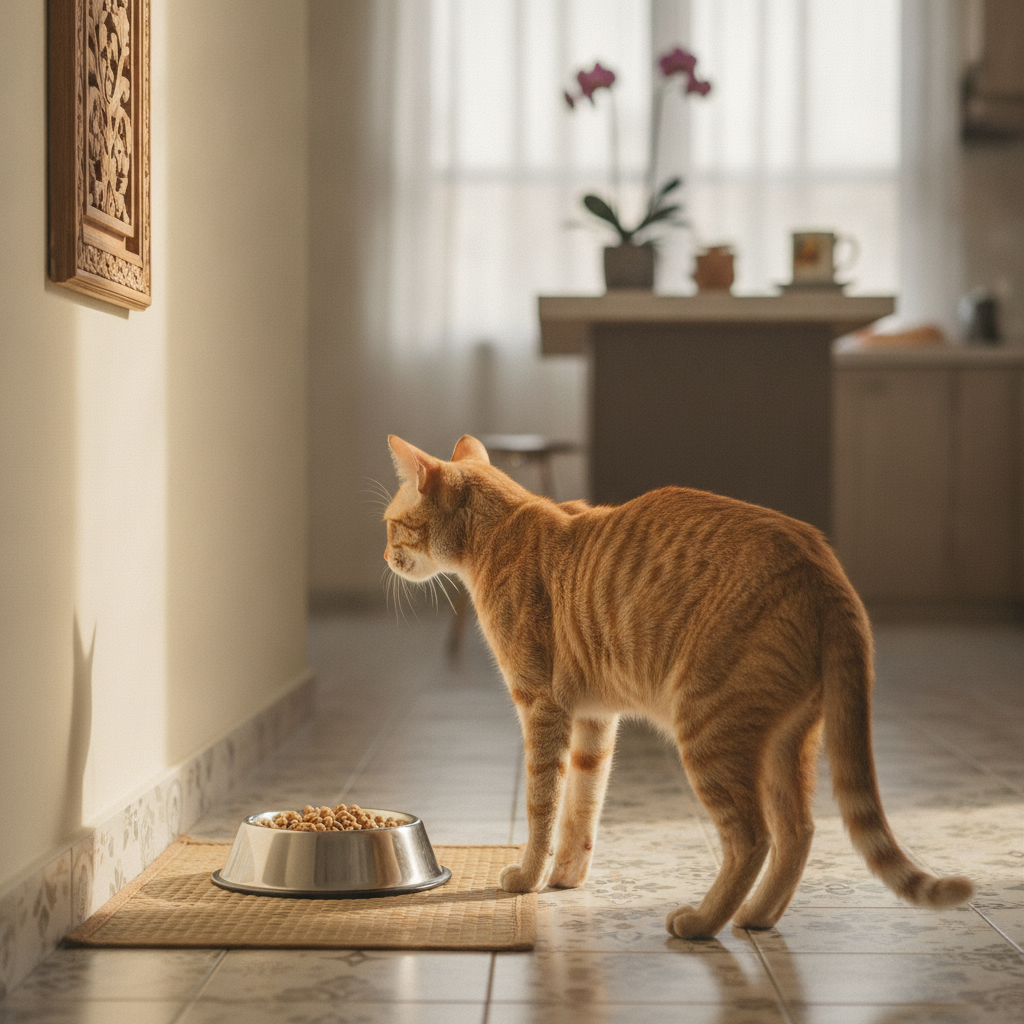
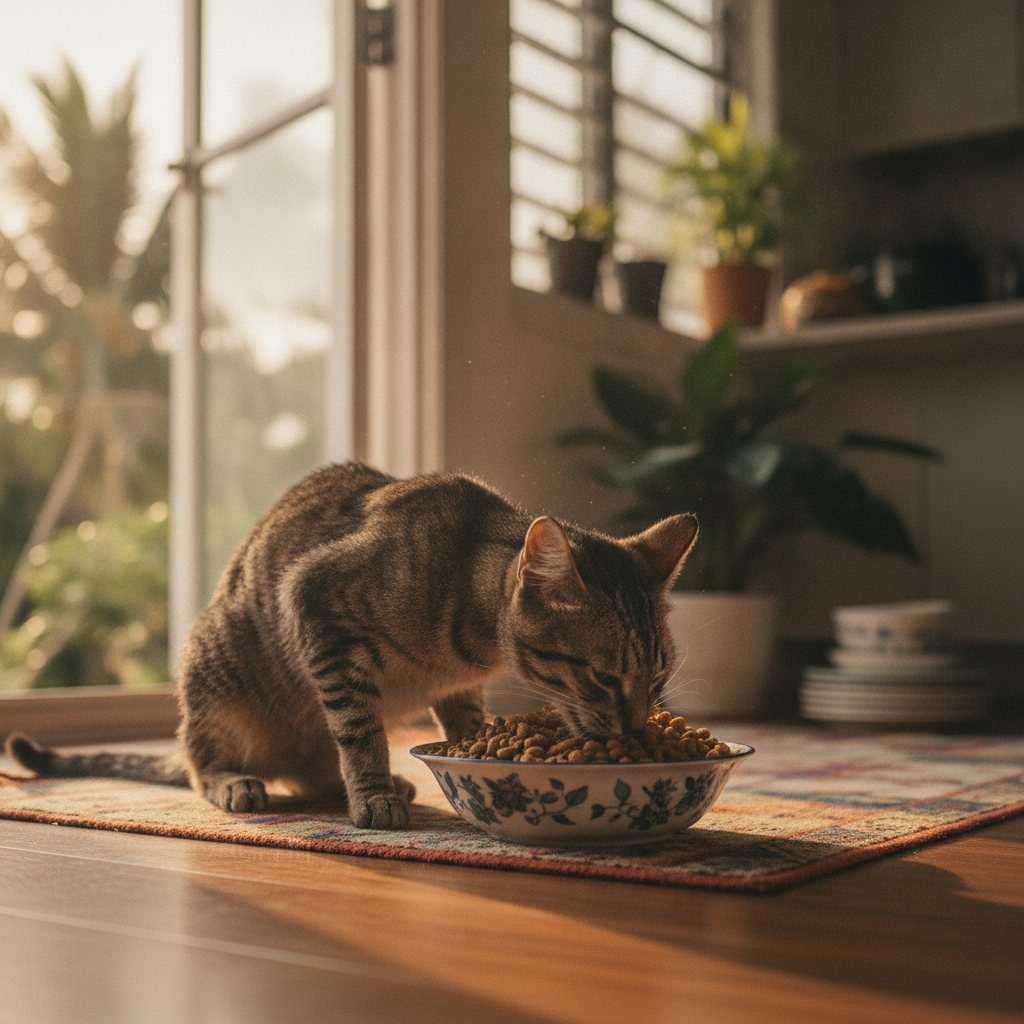
My mistake? I didn't adjust his food intake or actively increase his play. I just assumed his appetite would regulate itself, or that he’d burn it off naturally. Wrong. Cats, especially neutered males, often have a slower metabolism and an increased appetite. That 'chonk' wasn't cute; it was a ticking time bomb for his health. The vet eventually gave me a gentle but firm talk about his body condition score. It hit me hard that my casual attitude was actually harming him. Weight gain can lead to a whole host of problems: diabetes, joint pain (even in young cats like Tiger, whose heart condition reminds us that health is always delicate), and reduced mobility. If your cat is packing on the pounds, don't make my mistake. Start by checking their feeding needs with our Cat Food Calculator or looking into our chonky cat diet tips.
Beyond the Obvious: Other Things to Keep an Eye On
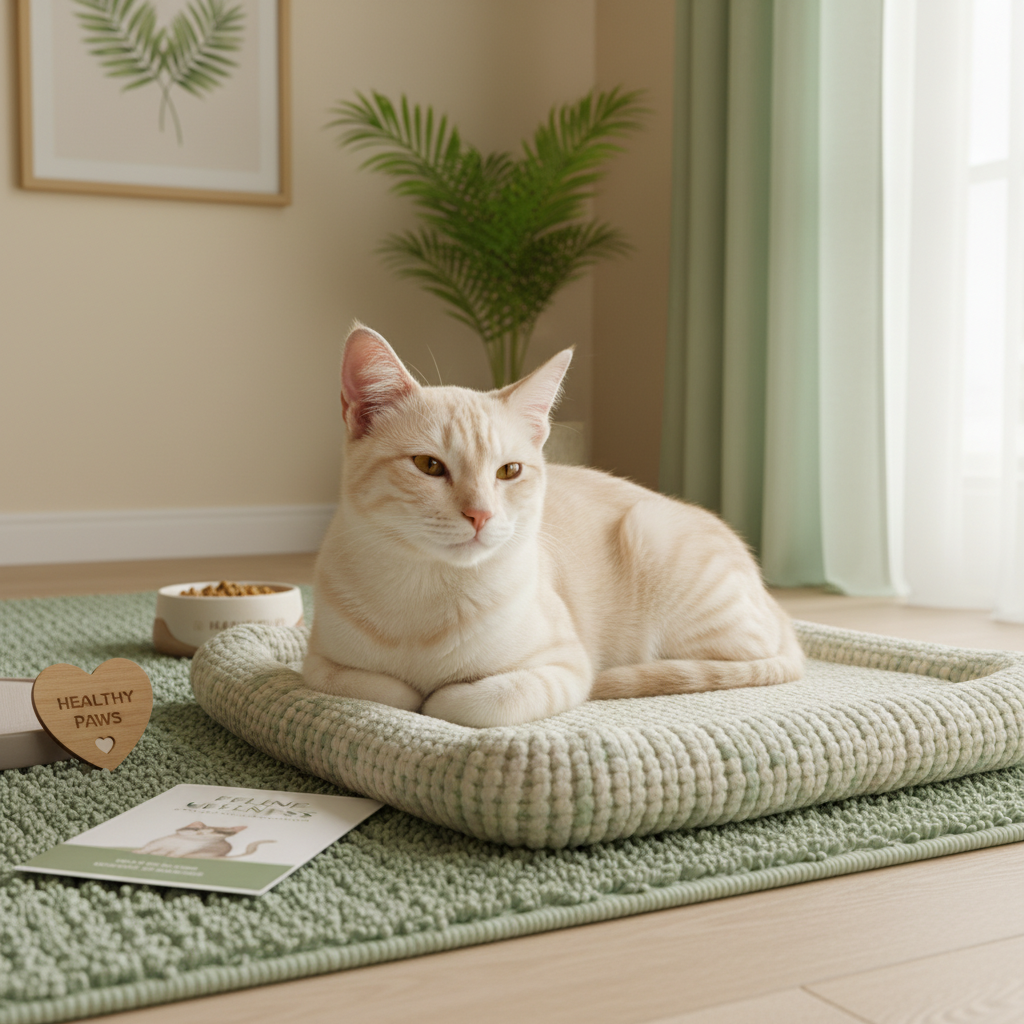
It's not just urinary problems and weight. Sometimes, neutering can lead to subtle shifts you might not immediately connect. For instance, some cats might become a bit more prone to joint issues, especially if they also gain weight. Their bone density can sometimes be affected by the hormonal changes, though this is less common and more debated. What's not debated is that extra weight certainly stresses their joints.
Then there's behavior. While neutering usually makes cats calmer, some might actually become more prone to anxiety or fear in new situations. This isn't super common, but I've read about it, and it's good to be aware. Basically, any drastic change in your cat's usual routine – a sudden loss of appetite, excessive grooming, or even just hiding more – warrants a closer look. Our young Tiger, with his congenital heart disease, taught us that even small shifts in a cat's daily habits can be big red flags for underlying health issues. Trust your gut. You know your cat best.
The Big Myth: Neutering is a 'Set-It-and-Forget-It' Solution
I know, I know. It's easy to think once the surgery is done, all your worries are over. You've done the responsible thing, prevented more stray kittens, and hopefully stopped the midnight serenades. And yes, in many ways, it is the best decision for your cat and the community.
But here's a contrarian thought: thinking of neutering as a 'set-it-and-forget-it' solution is a huge disservice to your cat. It's actually a starting line, not a finish line. It means your role as a cat parent simply shifts. Instead of dealing with mating behaviors, you're now more focused on proactive health management. It means being extra vigilant about diet, making sure they get enough exercise, and really paying attention to their litter box habits and energy levels. It's not less work, just different work – work that keeps them thriving in the long run.
Neutering your male cat is a responsible choice, absolutely. But it's also a commitment to stay vigilant, to notice the small shifts that could signal bigger issues down the line. It's about swapping one set of challenges for another, and embracing the new responsibilities of keeping your neutered male cat in top shape.
Your Monday Morning Action: Before noon tomorrow, take a good, hard look at your male cat's feeding bowl. Are you measuring his food, or just free-feeding? If you're free-feeding, make a mental note to start measuring his daily portions according to his ideal weight and activity level. If you're already measuring, spend five minutes actively playing with him. Even a quick feather wand session can make a difference.