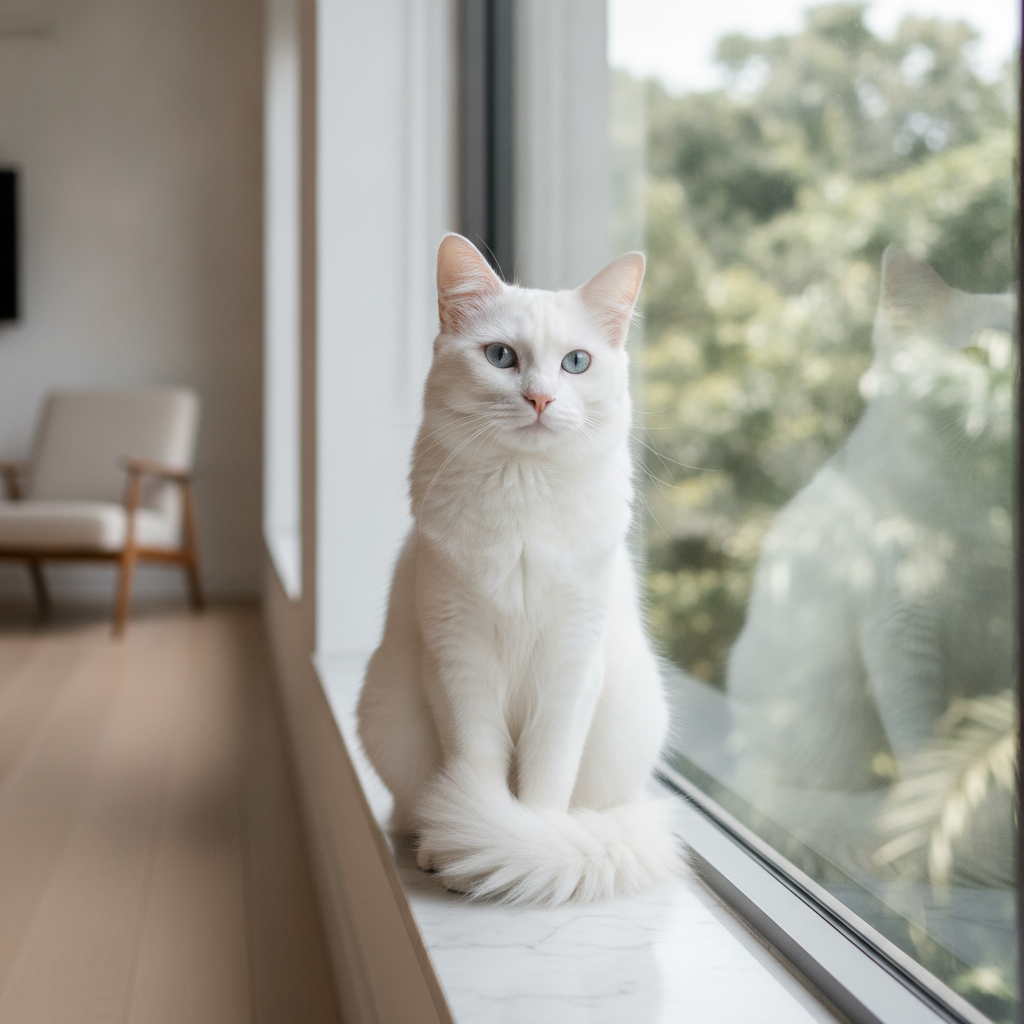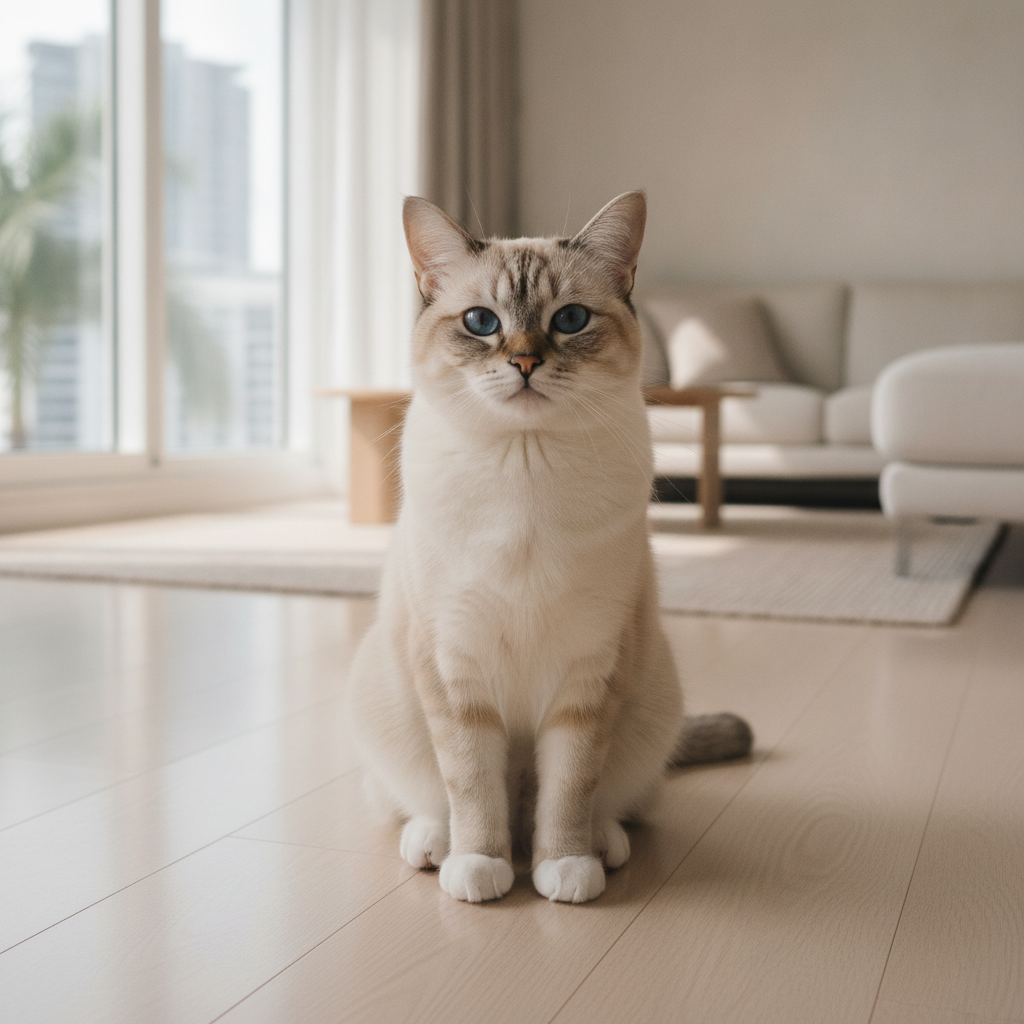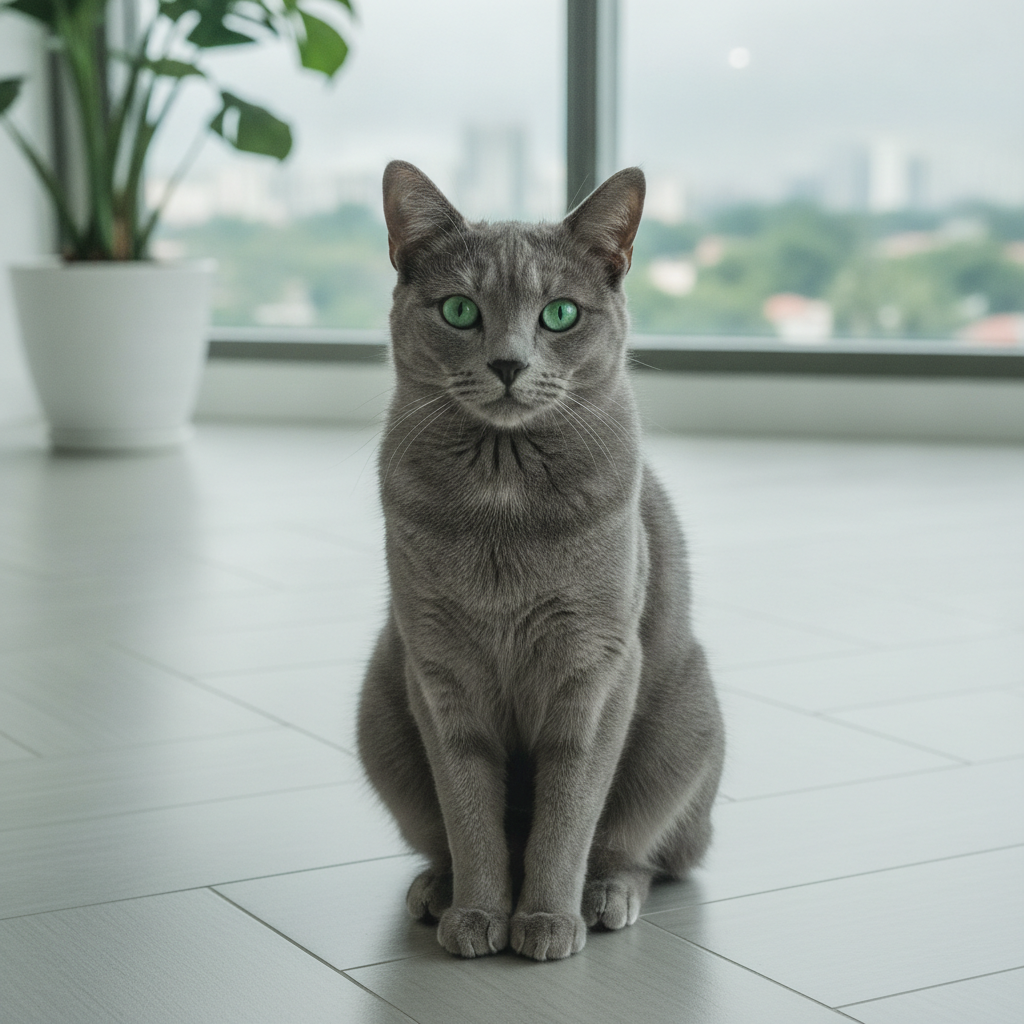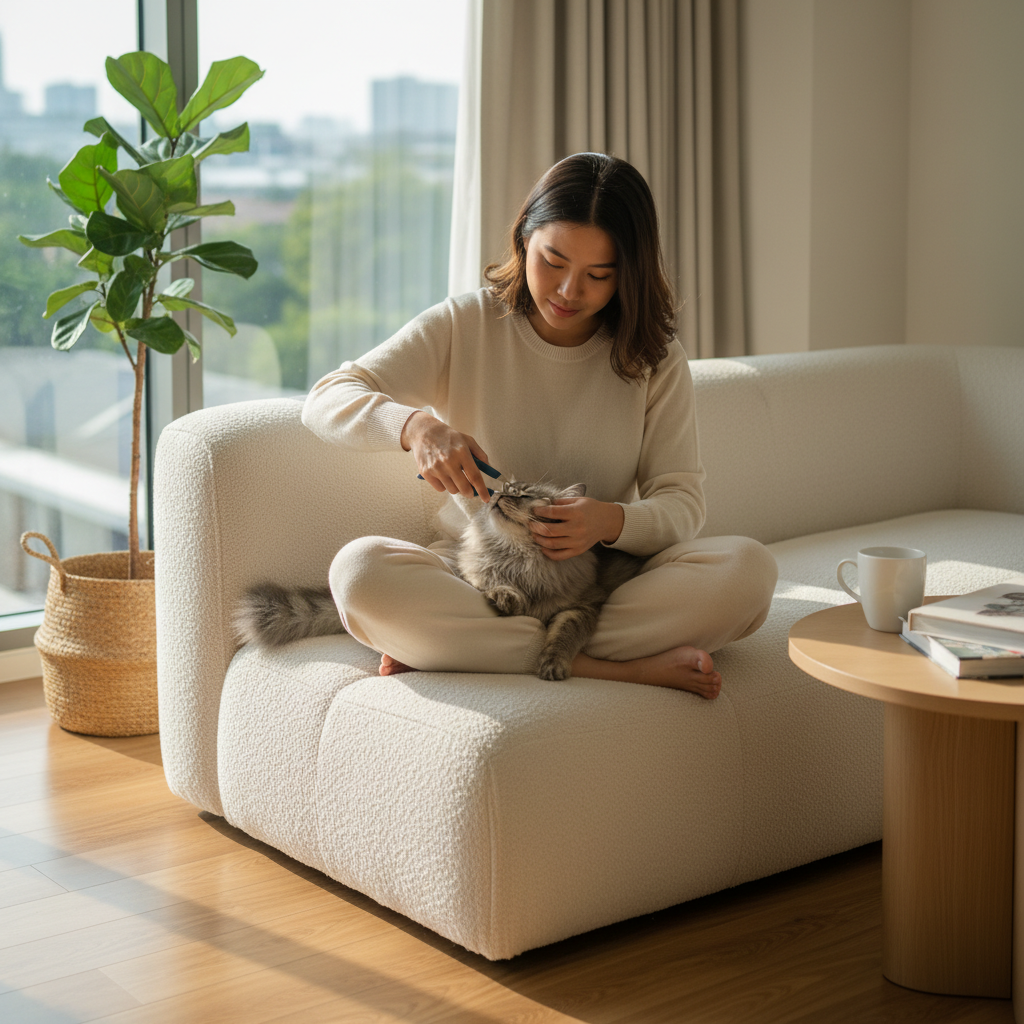
Identify the 'Quick' (pink vascular area) before clipping to avoid bleeding.
For black nails, use the slicing method to remove tiny layers at a time.
Stop immediately if your cat starts panting – it’s a sign of extreme stress.
Keep cornstarch or styptic powder nearby for emergency bleeding.
Hear that? Click. Click. Click. Every time your cat trots across the tiles, it sounds like a tiny tap dancer is loose in the kitchen. That sound isn't just annoying; it’s a signal that your furniture, and your skin, are in immediate danger.
Trimming a cat’s nails feels like trying to diffuse a bomb while the bomb is actively trying to bite you. I get it. We’ve all been there, hovering with the clippers, sweating, wondering if this is the moment we lose a finger. But it doesn't have to be a battlefield.
Know Your Enemy: The Quick
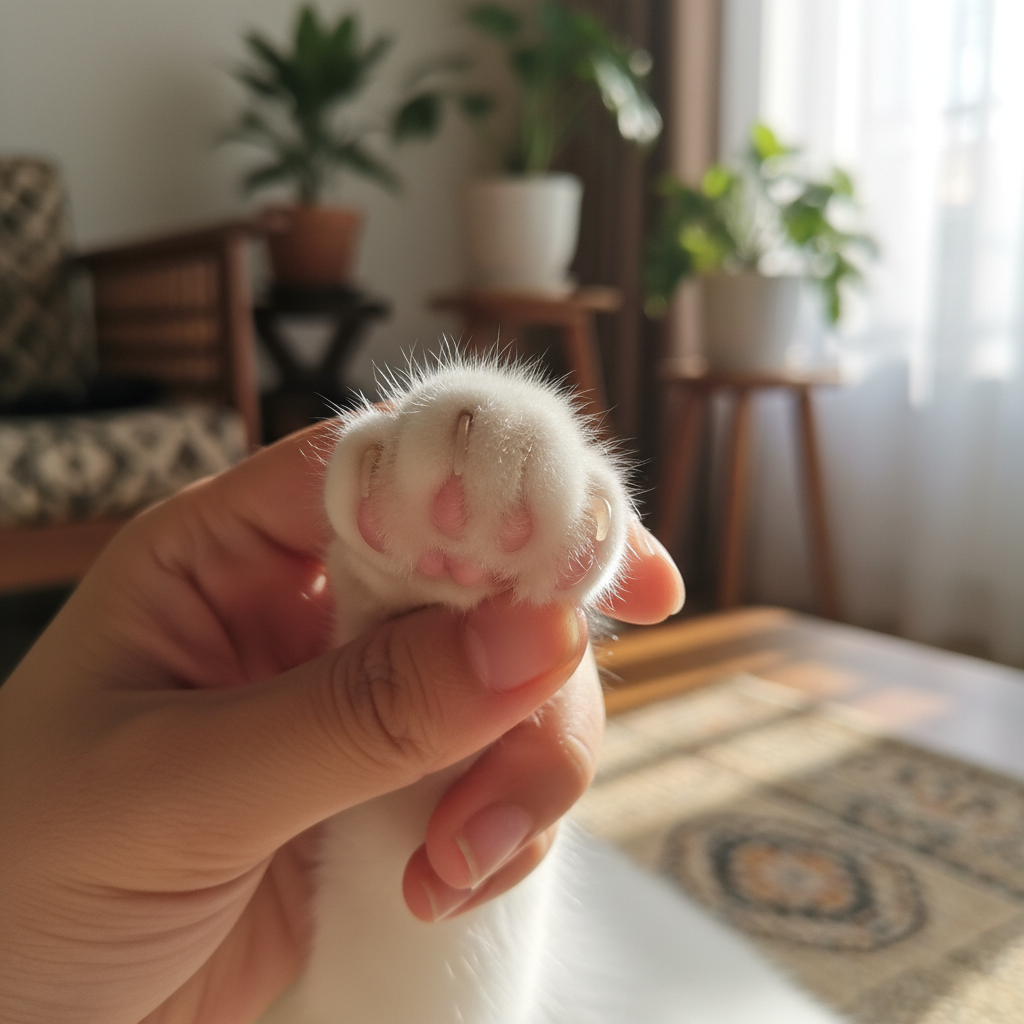
Before you even touch a paw, you need to understand cat claw anatomy. Inside that translucent shell is 'The Quick'—a pinkish core filled with nerves and blood vessels. If you hit it, your cat will scream, you will cry, and there will be blood. Lots of it.
Usually, the quick is easy to see on white nails. It looks like a little pink triangle. For indoor cats, you should aim for a trim every 2 to 3 weeks. If you're a first-time owner, check out our 新手猫奴准备清单 to make sure you've got the right tools on hand.
What About Black Nails?
Black nails are the final boss of grooming. You can't see the quick. In this case, use the "How to Cut Cat Nails [Light or Black]" expert method: slice off tiny bits (1-2mm) at a time. Stop the moment you see a black dot in the center of the white cut surface—that's the start of the quick's housing.
The Red Flag: Panting
Most cats hate nail day, but there’s a line between 'annoyed' and 'dangerously stressed.' If your cat starts panting like a dog, STOP. Immediately. Unlike dogs, "Cat Panting: Possible Reasons" include extreme fear or even underlying heart conditions.
This is personal for us. Our young boy, **Tiger**, was born with congenital heart disease. For a kitten like **Tiger**, a stressful nail session isn't just a nuisance; it’s a health risk. If we see him breathing heavily, we put the clippers away. No questions asked. If you're worried about your cat's reaction, you can read more about feline health at our 猫咪健康中心.
The Day I Drew Blood (And How I Fixed It)
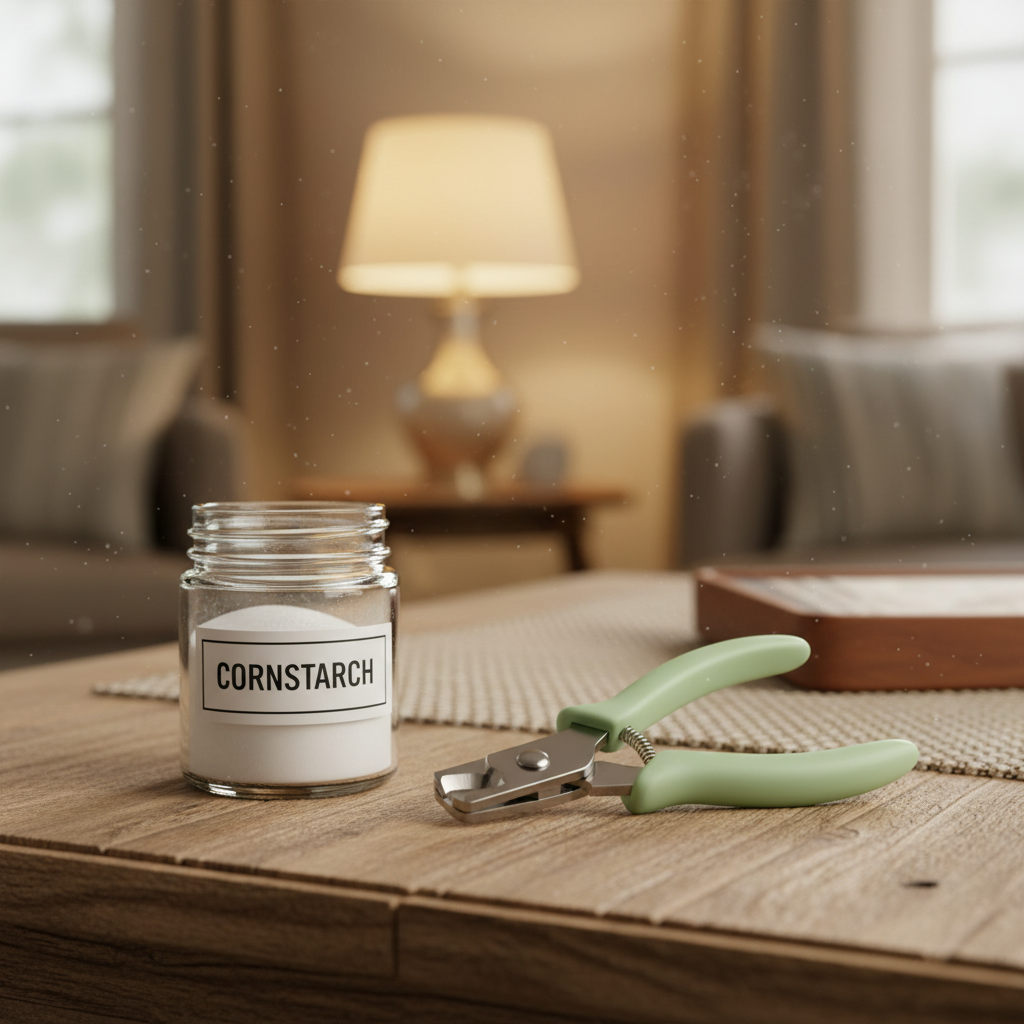
I’ll be honest: I used to think I was a pro until I slipped. One wrong move and **Ping'An** let out a yelp I’ll never forget. Blood started pooling on her white fur. I panicked. I didn't have styptic powder, but I remembered a kitchen hack: cornstarch.
I shoved her paw into a bowl of cornstarch (tepung jagung). It works by absorbing moisture and helping a clot form. It felt messy, and I felt like a failure, but it stopped the bleeding in seconds. Now, I never start clipping without a small jar of it nearby. If you're dealing with a newborn and are too scared to clip, our 新生小猫照顾指南 has tips on handling those tiny needles.
Myth: Scratching Posts Replace Trimming
I hear this a lot at Malaysian pet shops: 'My cat has a sisal pole, I don't need to clip.' False. Scratching actually helps cats shed the outer sheath of their nails, which reveals a *sharper* nail underneath. It's like sharpening a pencil. Unless your cat is hunting for their dinner in the jungle, those daggers need a trim to prevent them from curling back into the paw pad—a painful condition common in older cats.
Nail trimming doesn't have to be a horror movie. Start slow, use lots of treats, and never rush. If you can only do one paw per day, that's perfectly fine. Patience is your best tool.
Your Monday Morning Action: Gently squeeze one of your cat's paws today while they are napping. Don't cut anything yet—just get them used to the sensation of their claws being extended. Do this for 3 days before you even bring out the clippers.
| Tool Type | Newbie Recommendation Index | Price Range (MYR) | Pros | Cons | Recommended Brand/Keywords |
|---|---|---|---|---|---|
| Scissor-Style Clippers | ⭐️⭐️⭐️ | 10 - 25 | Easy to control, good visibility, stable mechanical structure | Needs regular blade replacement to prevent dullness | Pet Republique, JD-224 |
| Human Nail Clippers | ⭐️⭐️ | 2 - 10 | Commonly available, low cost | Prone to splitting nails, difficult to master angle | Any sharp human nail clipper |
| Electric Grinder | ⭐️⭐️ | 30 - 80 | Smooth cut surface, no quick injury risk | Noisy, time-consuming, requires training | Codos, Mijia, Low Noise |
| Guillotine-Style Clippers | ⭐️ | 15 - 40 | Strong cutting force | High risk, not visible | (Not Recommended) |
| Service Item | Estimated Price (MYR) | Included Content | Notes |
|---|---|---|---|
| Nail Clipping (Single Item) | 10 - 20 | Only nail trimming | Many vet clinics or pet shops accept walk-ins. |
| Basic Grooming | 40 - 80 | Bathing, blow-drying, nail trimming, ear cleaning | Cheaper for short-haired cats, more expensive for long-haired cats (e.g., Persian, Burmese). |
| Full Grooming | 100 - 200+ | Basic + shaving/styling (e.g., lion cut) | Suitable for cats with severe matting. |
| Mobile Grooming | 80 - 150+ | Grooming services at home/car | Saves time, reduces cat's stress from going out, but higher unit price. |
| Aggressive Cat Surcharge (Handling Fee) | + 50 - 100 | Extra labor cost for biting/scratching cats | Extremely aggressive cats may be refused, requiring vet referral for sedative grooming. |