Hairballs are NOT a normal byproduct; frequent vomiting (2+ times/month) is a clinical sign of gut issues.
Cats lack the 'Housekeeper Wave' (IMMC Phase III), making them naturally poor at clearing hair from the stomach.
Distinguish between asthma (coughing) and hairballs (active vomiting) using posture and sound cues.
Swap sugary malt pastes for egg yolk lecithin or psyllium husk for safer, effective hair management.
You know that sound. It’s 3 AM, and the rhythmic, wet huk-huk-huk echoes through your bedroom. You know exactly what’s coming: a slimy, cigar-shaped gift waiting for your bare feet on the carpet tomorrow morning. Most of us just sigh, clean it up, and think, 'Well, that’s just part of being a cat parent, right?'
Actually, it might not be. For a long time, we’ve treated hairballs as a minor hygiene inconvenience. But new research is showing that frequent hairball vomiting is often a 'red flag' for underlying gut issues like IBD or even lymphoma. If your cat is struggling to pass hair, it’s not just about the fur—it’s about how their engine is running.
The Biological Trap: Why Cats Can't Help Ingesting Hair
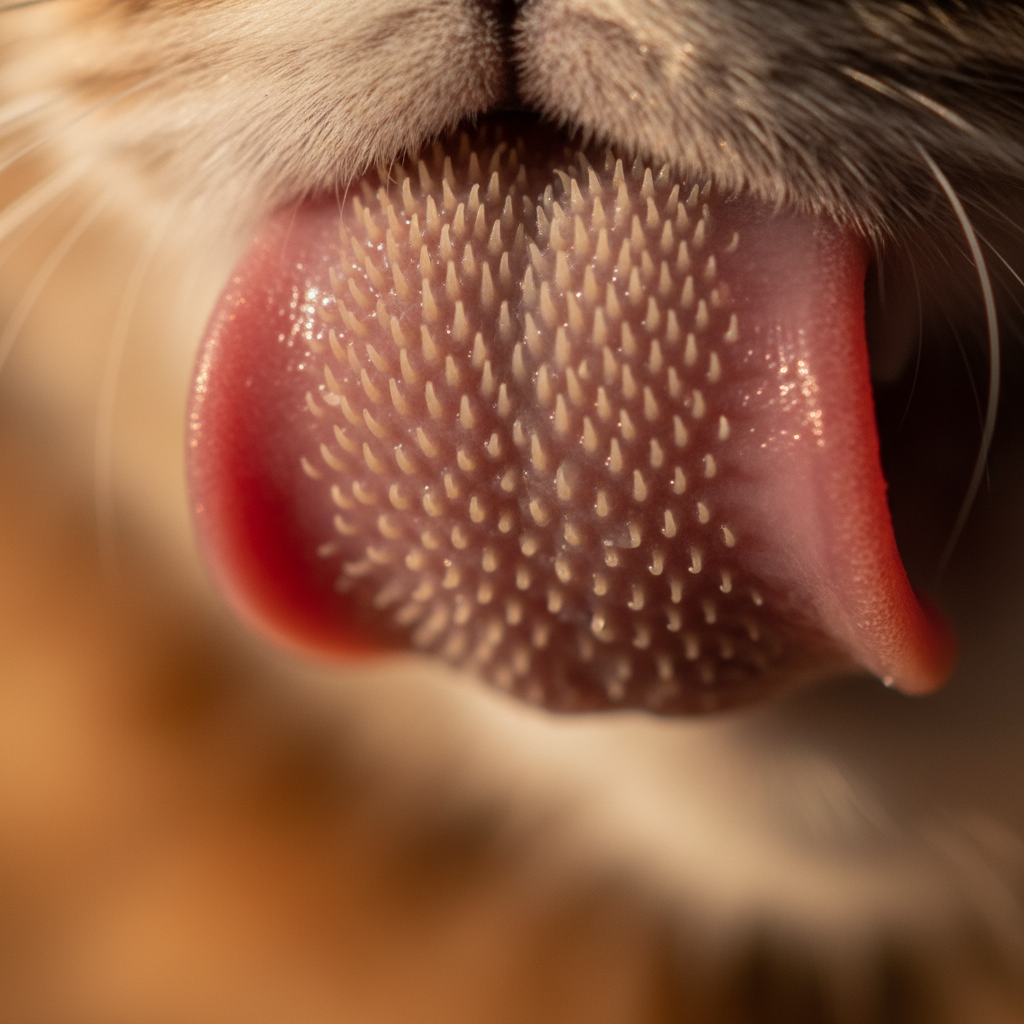
Every time your cat grooms, they aren't just cleaning—they are using a highly evolved machine. A cat’s tongue is covered in hundreds of Filiform Papillae, tiny hooks made of keratin. Think of them like a one-way Velcro strap. Once hair gets caught in those barbs, the only way it can go is down into the esophagus.
The real problem lies in their gut movement. Unlike humans or dogs, cats lack the gastric Phase III 'Housekeeper Wave' (IMMC). This is a strong contraction that acts like a broom, sweeping undigestible solids like fur into the small intestine. Without this wave, hair stays stuck in the stomach, matting together into felt-like clumps.
When Does 'Normal' Become a Disease?
Experts now suggest a specific clinical threshold for hairballs. If your cat vomits a hairball more than twice a month, or if a short-haired cat does it more than once every two months, it's a sign that their gastrointestinal motility is failing. This is often the first sign of IBD (Inflammatory Bowel Disease).
Cough or Puke? Don't Get Fooled by the Posture
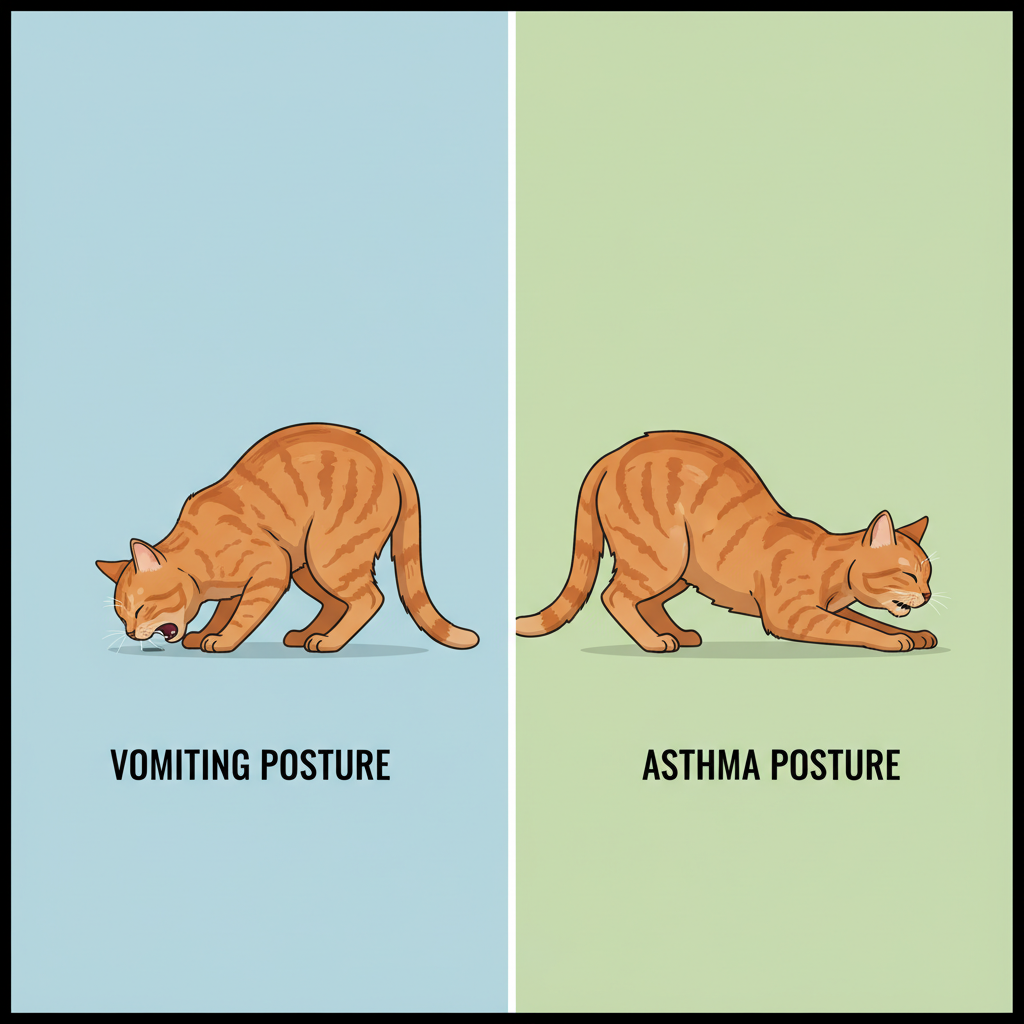
I see this all the time: a owner tells the vet, 'My cat is coughing up hairballs.' But here’s the thing—hairballs come from the stomach, so they are vomited, not coughed. If your cat is truly coughing, it’s a respiratory issue like asthma, which can be triggered by dusty litter.
Vomiting/Hairballs: Stand or crouch, arched back, rhythmic abdominal 'heaving,' and a wet sound.
Coughing/Asthma: Low to the ground, neck stretched out in a straight line, sounds dry like a 'sawing' noise.
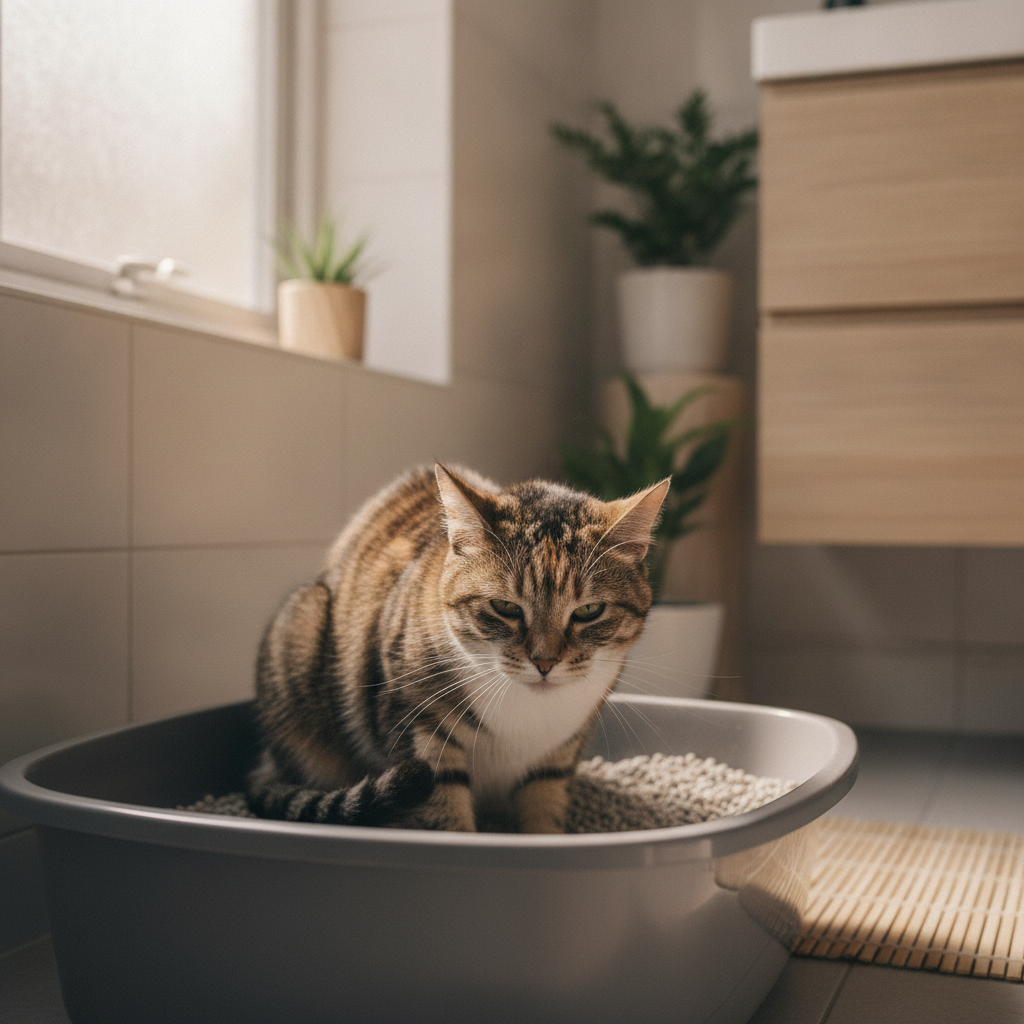
Our cat Ping'An is the perfect example. She has a super sensitive nose and will sneeze or cough at the slightest bit of dust. This is why we created Liger Tofu Cat Litter with an ultra-low dust formula—to keep those sensitive lungs clear.
| Symptom | Coughing / Asthma | Vomiting / Hairballs |
|---|---|---|
| Body Posture | Low to the ground, neck stretched out in a straight line. | Standing or crouching, arched back. |
| Abdominal Action | Minimal or rapid, shallow breathing. | Rhythmic abdominal 'heaving' (strong contractions). |
| Sound | Dry, "sawing" noise, sometimes wheezing. | Wet, rhythmic "huk-huk-huk" sound. |
| Output | Usually nothing, sometimes mucus. | Slimy, cigar-shaped hairball or food. |
| Origin | Respiratory system (lungs, trachea). | Gastrointestinal system (stomach, esophagus). |
The Mistake I Made With Malt Paste
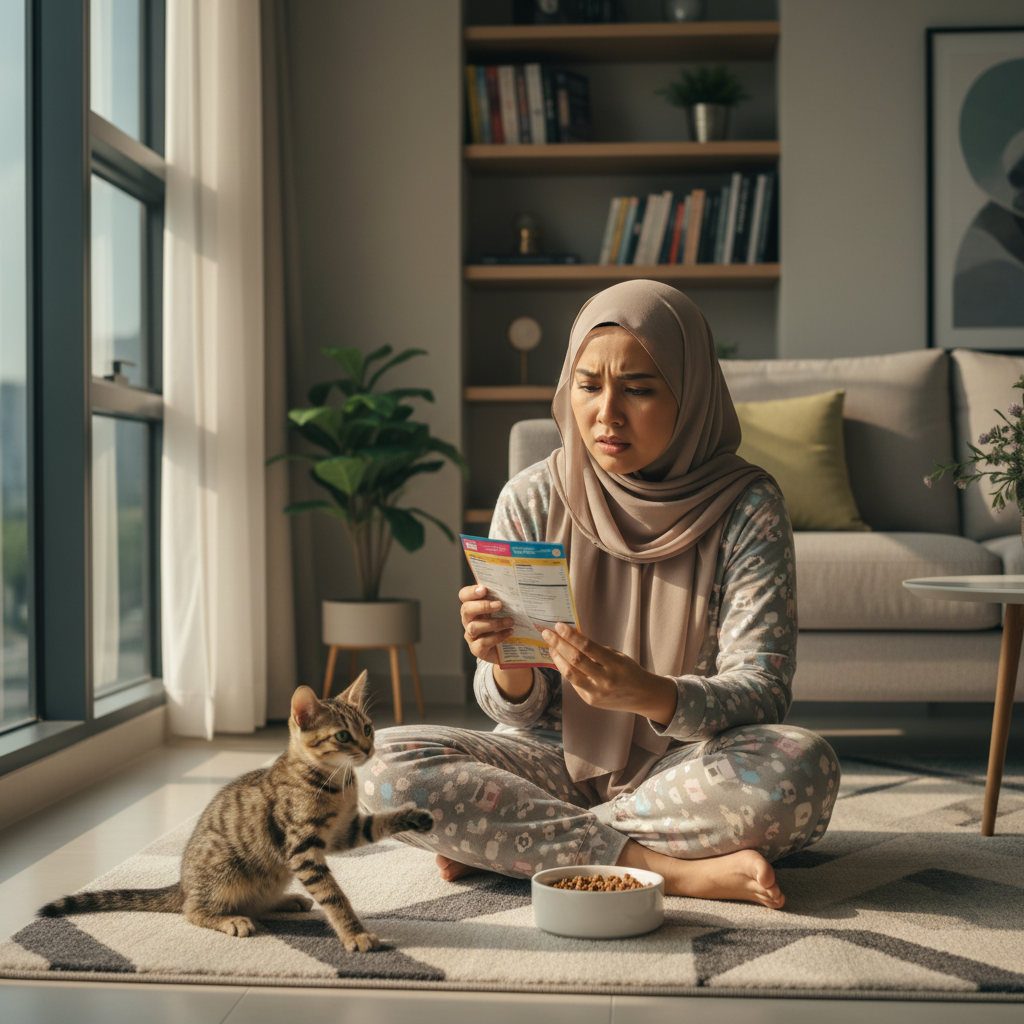
I'll be honest—I used to buy those cheap tubes of malt paste from the supermarket. I thought I was being a good cat parent. Then I actually read the label. High fructose corn syrup, malt syrup, and artificial preservatives. I was basically feeding my cats candy to 'fix' a gut problem.
When our young cat Tiger was diagnosed with heart disease, it made me obsess over every single ingredient he consumed. I realized that most commercial hairball remedies just lubricate the problem rather than fixing the gut motility. Now, I stick to natural fiber and whole food supplements like egg yolk, which contains choline to help the nerves in the gut move things along.
| Ingredient | Category | Risk / Benefit | Rationale |
|---|---|---|---|
| High Fructose Corn Syrup / Malt Syrup / Sucrose | Avoid | Obesity & Diabetes Risk | Cats are obligate carnivores with limited ability to process high sugars, burdening the pancreas. |
| BHA / BHT (Butylated Hydroxyanisole / Toluene) | Avoid | Carcinogenic / Liver & Kidney Toxicity | Synthetic preservatives with potential links to cancer and organ accumulation. |
| Liquid Mineral Oil (e.g., Petrolatum) | Avoid | Aspiration Pneumonia & Nutrient Malabsorption | Tasteless and thin, easy to inhale, blocking absorption of fat-soluble vitamins (A, D, E, K). |
| Phenobarbital | Avoid | Sedative Side Effects | Some old formulas contain it to suppress vomiting, masking underlying issues. |
| Psyllium Husk Powder | Recommended | Physical Elimination Aid | Provides soluble fiber, bulks up stool, and gently stimulates intestinal contractions. |
| Egg Yolk Lecithin | Recommended | Emulsification & Motility Support | Helps break down hairball clumps, and choline supports gut nerve function for better motility. |
| Slippery Elm Bark Powder | Recommended | Mucosal Protection | Forms a protective layer on the stomach lining, soothing irritation from hairballs. |
| Omega-3 Fatty Acids (Fish Oil) | Recommended | Skin & Coat Health | Improves coat quality, reducing shedding and subsequent hair ingestion. |
| Protease Enzymes | Recommended | Aids Digestion | Theoretically helps break down protein matrix binding hairballs, though not keratin itself. |
The Mineral Oil Myth
Many old-school tips suggest giving liquid mineral oil to help hair pass. Please don't do this. Mineral oil is tasteless and thin. If you force-feed it and your cat accidentally inhales it, it causes aspiration pneumonia, which is incredibly difficult to treat in cats. It also blocks the absorption of important vitamins (A, D, E, K). Stick to safer options like psyllium husk or egg yolk lecithin.
Hairballs aren't just a cleaning chore; they are a window into your cat's internal health. If your cat is vomiting fur more than twice a month, it's time to stop reaching for the malt paste and start talking to your vet about gut motility. Whether it's choosing a low-dust litter to protect their breathing or adding natural fiber to their diet, small changes can prevent a major emergency.
Your Monday Morning Action: Grab a calendar or open your phone notes right now. For the next month, mark every time your cat vomits or coughs. If you hit '3' within 30 days, book a vet checkup. No more guessing.