
Newborn kittens need warmth, food, and help with potty breaks to survive.
Kitten formula is essential if the mother cat can't provide enough milk.
Stimulate kittens to pee and poop after every feeding using a warm, damp cloth.
Monitor their weight daily to ensure they're growing properly.
I'll never forget the day Ping'An gave birth. We'd rescued her off the streets, scrawny and clearly pregnant – she barely weighed 1.8kg. One vet visit and an X-ray later, we found out she was already six weeks along! We thought we had a few weeks to prepare. Nope. Next day later, three tiny, helpless kittens arrived.
Taking care of newborn kittens is HARD. Especially when the mother cat is undernourished and can't produce enough milk. We lost two of Ping'An's babies in the first few days. Only one survived: Lucky. He taught us more about kitten care than any textbook ever could. This is what we learned, the hard way.
Warmth is Non-Negotiable: Creating a Kitten Nest

Newborn kittens can't regulate their own body temperature. They rely on external warmth to survive. Without it, they'll quickly become hypothermic, which is deadly. Aim for a temperature of around 30-32°C in their nesting area.
We used a combination of a heating pad (set on low!) and lots of soft blankets. Make sure they can move away from the heat source if they get too warm. Seriously, check the temperature constantly. Don't assume it's 'warm enough' – feel it yourself!
You'll know they're cold if they're restless, crying, or huddled together tightly. If they feel cold to the touch, warm them up slowly – don't dunk them in hot water! Wrap them in a warm towel straight from the dryer. And call your vet, like, now. It's always better to be safe, kan?
Kitten Formula: When Mom Can't Provide
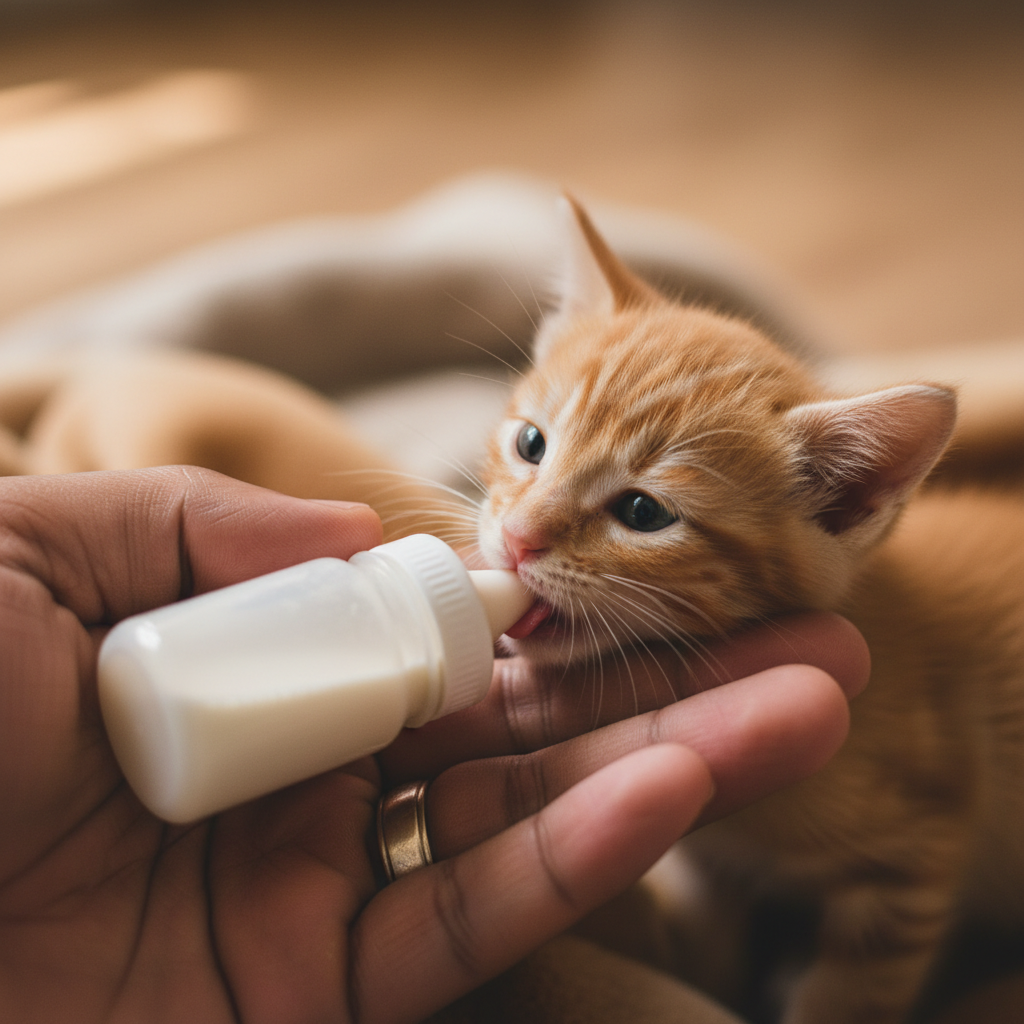
If the mother cat isn't producing enough milk (like Ping'An), you'll need to bottle-feed with kitten formula. Cow's milk IS NOT an option – it's too difficult for them to digest. Buy a commercially prepared kitten milk replacer from your vet or pet store.
The feeding schedule is intense: every 2-3 hours around the clock for the first week. Yes, that means waking up in the middle of the night. I know, it's rough. But it's critical for their survival. Warm the formula to body temperature and feed with a specialized kitten bottle. Don't force it! Let them latch on naturally. If they refuse, try again in 30 minutes. Check our cat food calculator to ensure adequate nutrition as they grow.
After feeding, gently burp them by patting their back. And always, always sterilize the bottles and nipples after each use. Infection is a huge risk for newborns.
Helping Them Potty: The Warm Cloth Trick
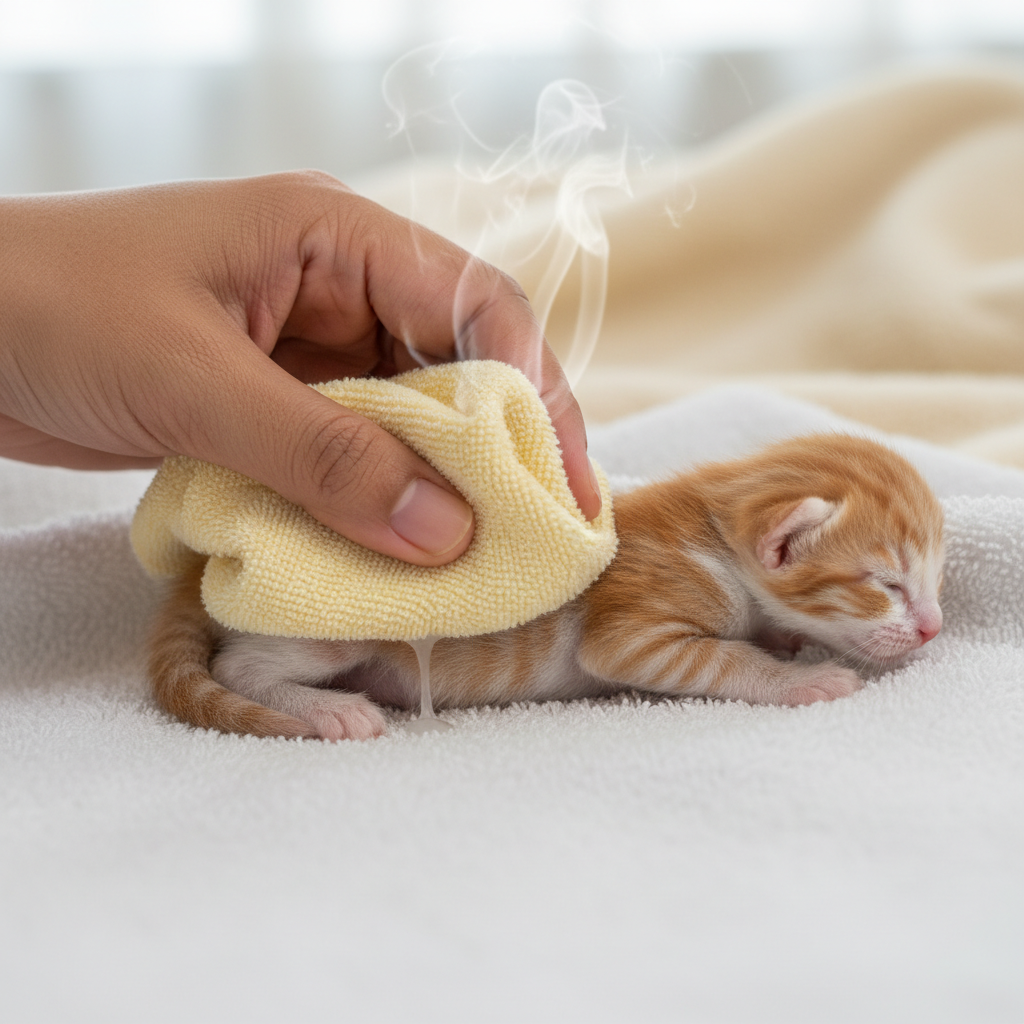
Newborn kittens can't pee or poop on their own. The mother cat normally stimulates them by licking their bottoms. Since you're the surrogate mom now, you'll have to do it.
After each feeding, gently rub their anal and genital area with a warm, damp cloth. This mimics the mother's licking and encourages them to eliminate. Be patient! It might take a few minutes. You'll know it's working when they start to pee or poop.
If they don't go after a few minutes, don't panic. Try again after the next feeding. But if they haven't gone in 24 hours, call your vet. Constipation is a serious problem for newborn kittens. Speaking of poop, you can check if their poop frequency is normal using our free tool.
The Day I Almost Killed Lucky (And What I Learned)
Okay, this is hard to admit, but I almost lost Lucky because I was an idiot. I was so focused on feeding him and keeping him warm that I completely forgot about weighing him. I figured, 'He's eating, he seems fine, everything's good!' Wrong.
A few days later, he was lethargic and wouldn't eat. I panicked and rushed him to the vet. Turns out, he wasn't gaining enough weight. He was dehydrated and starving. The vet scolded me (rightfully so). I felt terrible.
The lesson? Weigh your kittens daily! It's the easiest way to track their progress and catch problems early. A healthy kitten should gain about 5-10 grams per day. If they're not gaining weight, or worse, losing weight, get them to the vet immediately. It could save their life. I learned that lesson the hard way, and I'll never make that mistake again.
Caring for newborn kittens is exhausting and scary. But it's also incredibly rewarding. Seeing Lucky thrive after such a rough start is one of the best feelings in the world.
Your Monday Morning Action: First thing tomorrow, find a small kitchen scale. Weigh each of your kittens (if you have more than one) and write down their weights. Track their progress daily. This simple step can make all the difference.