Bad breath (halitosis) in cats is a common symptom of dental disease, but can also signal serious underlying health conditions.
Plaque, tartar buildup, and gum inflammation are primary causes of feline halitosis, often leading to painful dental issues.
Systemic diseases like kidney, liver, or diabetes can manifest as distinct bad breath odors.
Regular veterinary check-ups and at-home dental care are crucial for preventing and managing your cat's oral health.
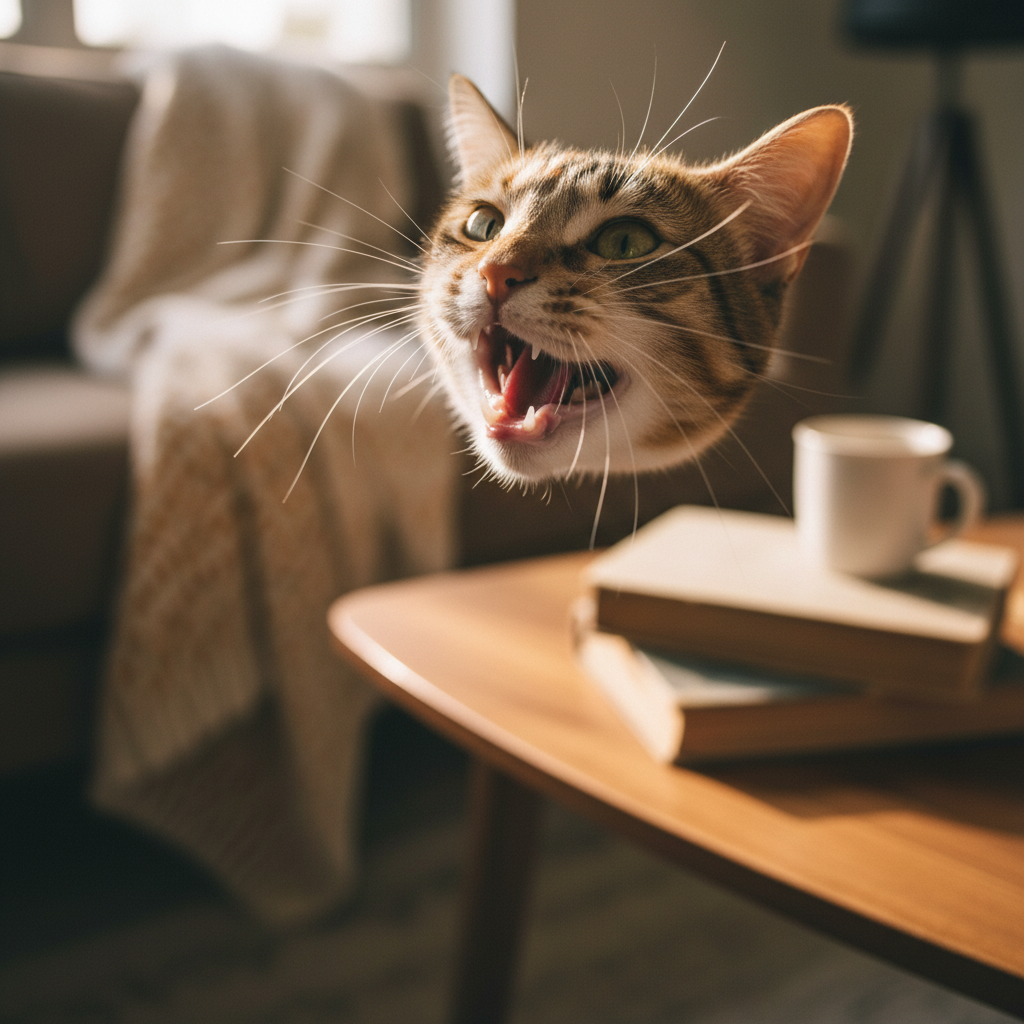
That moment when your sweet, furry cuddle monster yawns right in your face, and you're hit with a smell that makes your eyes water. You know the one. That foul, sickly sweet whiff that instantly makes you wonder: "Is this normal?"
Spoiler alert: No. It's not. While some cats might have a slightly 'fishy' smell after a meal (especially if they're into sardines, like Lucky), a truly unpleasant, persistent bad breath, or halitosis, is almost always a red flag. It's their silent way of telling us something isn't quite right.
The Usual Suspects: Dental Problems
Most of the time, that awful smell comes straight from your cat's mouth. Think about it: we brush our teeth every day to fight plaque and tartar. Cats, not so much. Without regular cleaning, bacteria build up on their teeth, forming plaque. This plaque hardens into tartar, a yellowish-brown crust you might spot along their gumline.
This isn't just cosmetic. This buildup irritates the gums, leading to gingivitis (red, swollen gums, maybe even bleeding). If left untreated, it progresses to periodontal disease, where the infection attacks the structures holding the teeth in place. It's incredibly painful for them, and the rotting food particles and bacterial waste create that truly stomach-churning smell. I remember one time, when Ping'An was still getting used to us, her breath was just... something else. We later found out she had some serious gum inflammation from her stray days.
What About Diet?
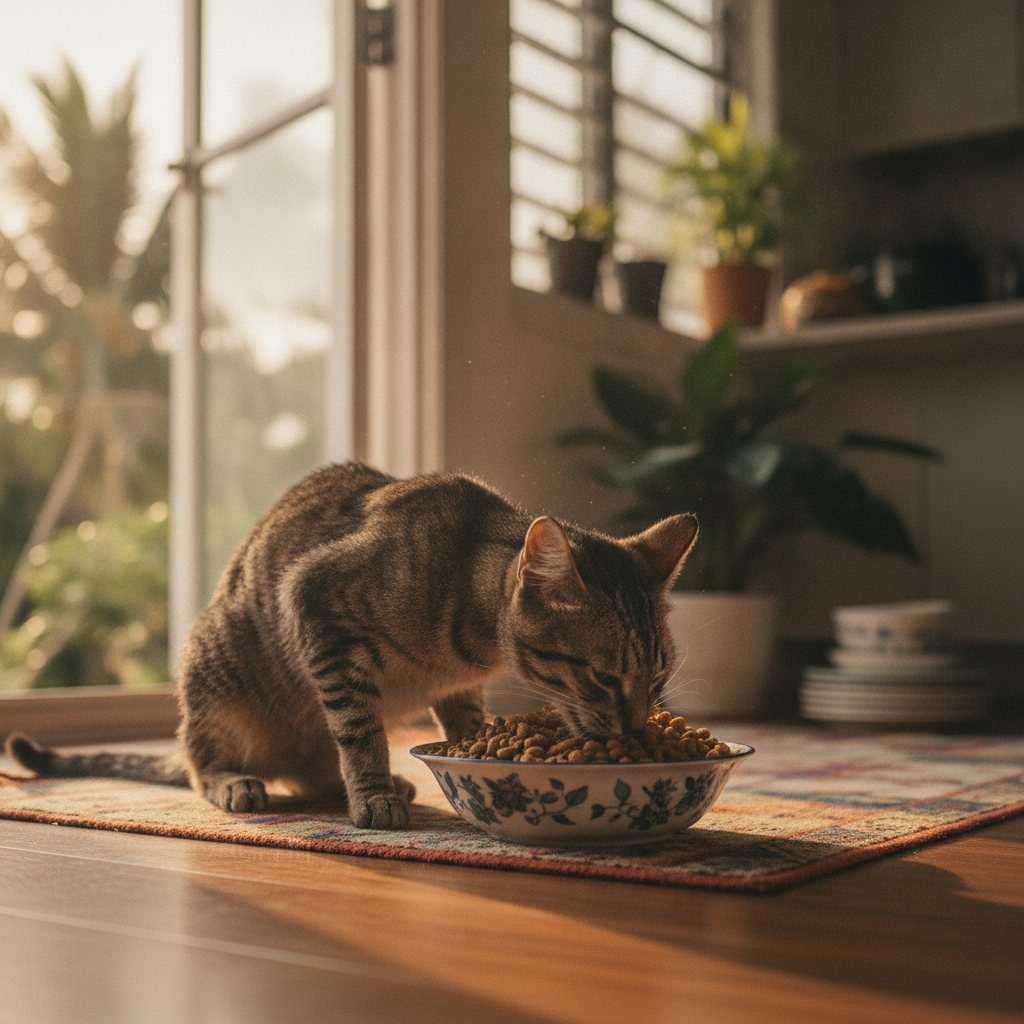
While wet food is great for hydration, some vets suggest that dry kibble can offer a minor abrasive action to help scrub away some plaque. But don't rely solely on it! The type of food can also affect breath. If your cat is eating poor quality food with lots of fillers, it might contribute to dental issues over time. Plus, specific food sensitivities can sometimes cause digestive upset that indirectly affects breath. You can always check if your cat can eat certain foods using our tool, or analyze cat food ingredients to make sure they're getting the best.
Beyond the Mouth: Systemic Health Problems

Sometimes, bad breath isn't just about their pearly whites. It can be a scary sign of a much more serious underlying health issue affecting their organs. This is especially true if the breath has a very distinct, unusual smell:
Kidney Disease: A urine-like or ammonia smell. As kidneys fail, toxins build up in the bloodstream, leading to this distinct odor.
Liver Disease: A generally musty or very unpleasant smell, sometimes even metallic.
Diabetes: A sweet or fruity smell. This is quite rare in cats but can indicate diabetic ketoacidosis, a life-threatening condition.
Honestly, these are the moments that make your heart drop. We know this firsthand with Tiger, our youngest boy. He's got congenital heart disease, which reminds us that even young cats can hide serious health problems. Any persistent, unusual breath smell, especially accompanied by other symptoms like lethargy, changes in appetite or drinking, is a definite 'call the vet NOW' situation. Early detection is everything.
My Oops Moment: When I Ignored Ping'An's Breath
I'll be honest, when Ping'An first came to us as a rescued pregnant stray, there was so much to focus on. Getting her comfortable, preparing for Lucky's arrival... dental health wasn't exactly top of my priority list. Her breath always had a sort of 'fishy' undertone, but I just chalked it up to her past. You know, stray life, probably ate whatever she could find. I figured, 'cats eat fish, so a bit of fishy breath is normal, right?'
Big mistake. Fast forward a few months, and that 'fishy' smell morphed into something truly foul. She also started getting pickier with her food, sometimes batting at her jaw. I felt awful. A trip to the vet confirmed it: early stage periodontal disease, likely from years of neglect. The vet explained how painful it must have been. It took a dental cleaning under anesthesia and a course of antibiotics to get her back on track. The insight? That 'normal' fishy breath was actually a subtle warning sign I completely missed. Sometimes, what we assume is normal for cats is actually a silent cry for help. It was a tough lesson, but it taught me that vigilance isn't just for dramatic symptoms, but for subtle shifts too.
Tips for Fresher Breath (and a Healthier Cat)
Okay, so we've established that bad breath is bad news. What can we do about it? Plenty!
Regular Vet Check-ups: Your vet will check your cat's teeth during routine visits. They can spot early signs of dental disease and recommend professional cleanings. Don't skip these!
At-Home Dental Care: Yes, you can (and should!) brush your cat's teeth. Start slow, with a finger brush and cat-specific toothpaste (never human toothpaste!). Aim for a few times a week. It might sound impossible with a feisty cat like Lion, but even a quick brush can make a difference.
Dental Chews & Water Additives: These can be helpful supplements, but they aren't a magic bullet. Think of them as 'bonus' protection, not a substitute for brushing or vet care.
Appropriate Diet: A high-quality diet supports overall health, including oral health.
Look, I realize I'm basically telling you to stare at your cat's mouth and potentially stick a brush in there. But there's a reason! Good dental health can literally add years to their life and prevent a whole lot of pain down the road. You can find more comprehensive health information at our Cat Health Hub.
Myth Buster: Dental Treats Are NOT a Cure-All
I know the marketing for dental treats can be super convincing. They promise sparkling teeth and fresh breath with just a few crunchy bites. And don't get me wrong, some of them *can* help reduce plaque, but here's the contrarian truth: they are rarely enough on their own. Think of it like this: would you stop brushing your own teeth just because you chew some gum after meals? Probably not!
Many dental treats are just glorified kibble. To truly make a difference, a dental chew needs to be specifically designed to mechanically scrape teeth or have active ingredients that break down plaque. Always look for the Veterinary Oral Health Council (VOHC) seal of acceptance. Even then, they're best used as part of a complete dental hygiene routine, which includes brushing and professional cleanings. Don't let clever packaging make you complacent about your cat's oral health!
So, the next time your cat gives you a big yawn or you catch a whiff of something less-than-fresh, take it seriously. It's not just a minor annoyance; it's a window into their overall health. Being proactive about their dental care and paying attention to those subtle changes can make a huge difference in their comfort and longevity.
Your Monday Morning Action: Gently lift your cat's lip tonight. Look closely at their gums and teeth. Are the gums pink and firm? Are there any yellow or brown spots on their teeth? Just observe, so you know what 'normal' looks like for *your* cat.