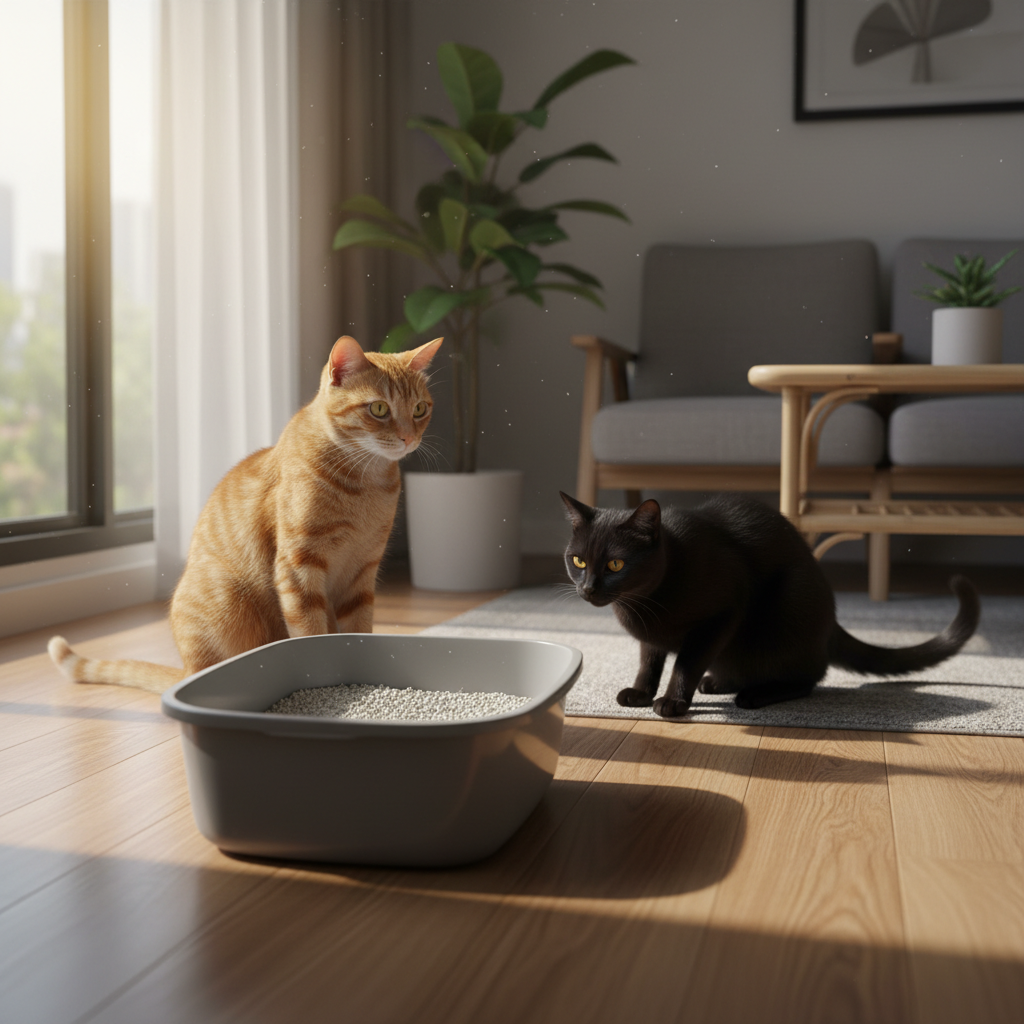
- Tofu litter can be 33% cheaper monthly than clay, despite higher upfront costs, due to lower consumption rates and reduced hidden expenses.
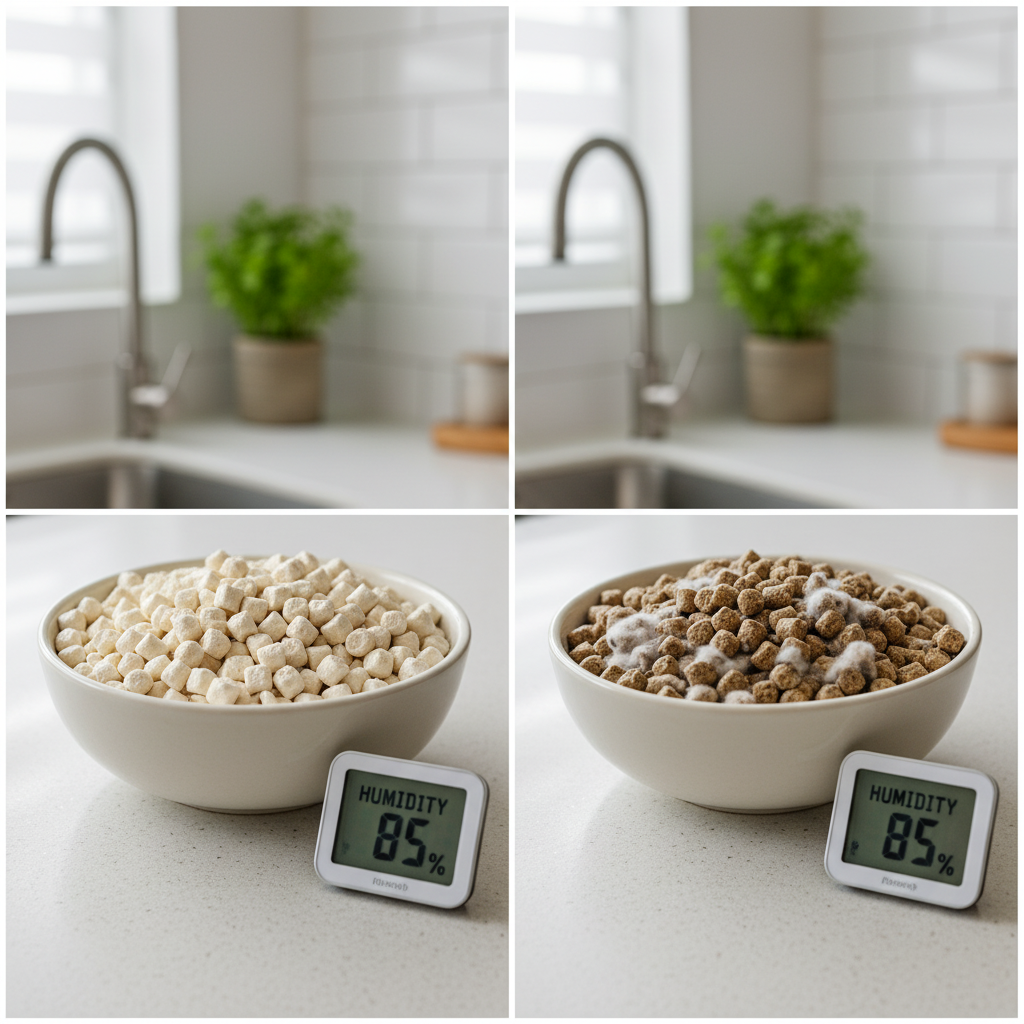
- Malaysia's high humidity (80-90%) necessitates airtight storage for tofu litter to prevent mold, weevils, and aflatoxin risk.
- Flushing any cat litter in Malaysia is risky and prohibited by IWK, incurring a fixed RM390 service charge for blockages.
- Beyond cost, tofu litter offers significant value in health benefits (low dust), environmental impact (biodegradable), and convenience for urban cat parents.
- A gradual 3-4 week transition is crucial for cats to accept new litter, along with careful observation of their behavior.
Is the seemingly higher price tag of tofu cat litter a deal-breaker, or a smart investment for Malaysian cat parents? It's a question many of us, myself included, have pondered while staring at the endless aisle of litter options. With our beloved cats spending a significant part of their lives in the litter box, the choice matters—not just for our wallets, but for their health and our homes. This complete guide will break down the true 'worth it' factor of tofu cat litter in the unique Malaysian context, cutting through the fluff to give you the real numbers, humidity hacks, and honest truths you need to make an informed decision.
What Makes Tofu Cat Litter Different
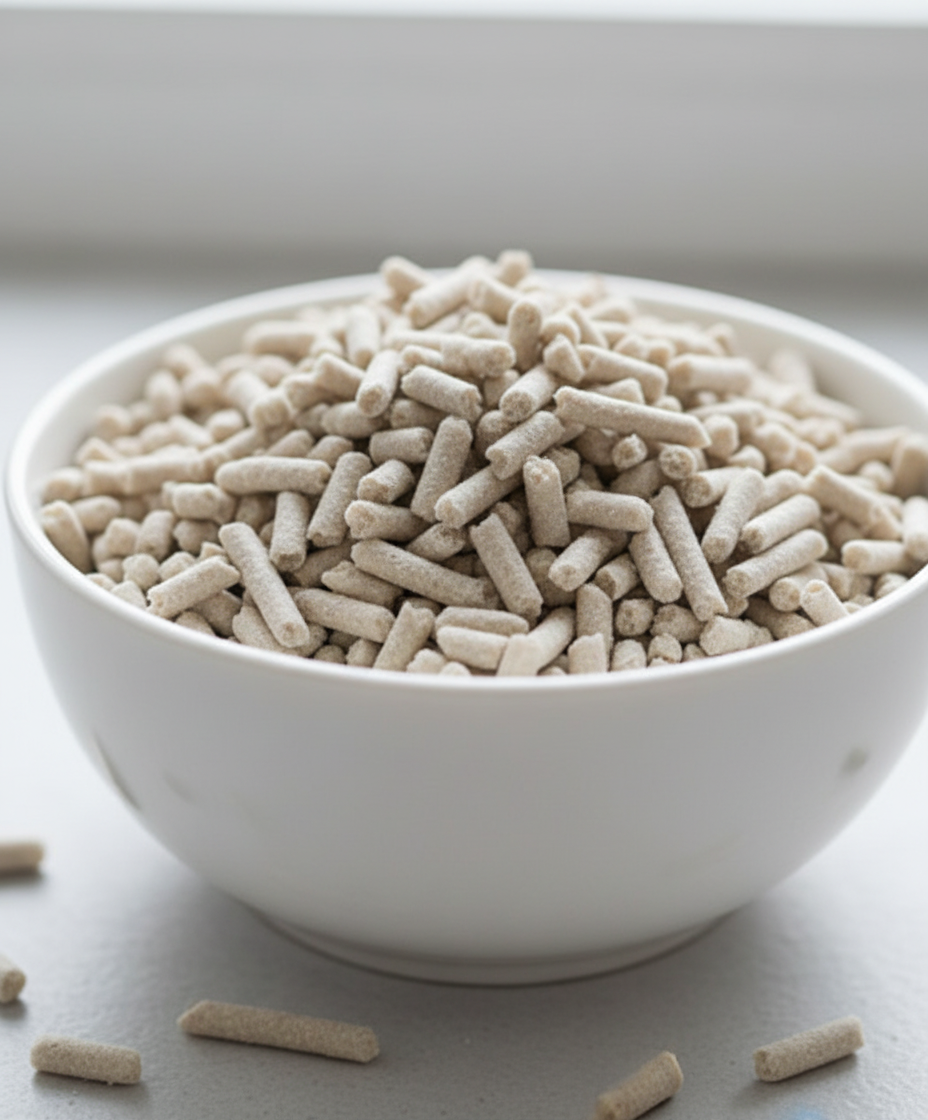
Tofu litter stands out as an eco-friendly, low-dust alternative derived from soybean pulp, offering unique benefits compared to traditional clay or crystal options. Its distinct composition directly influences its performance, safety, and environmental footprint, setting it apart in the diverse cat litter market.
How Tofu Litter Is Made (Soybean Pulp Process)
Tofu cat litter is a clever example of sustainable innovation. It starts with soybean pulp, also known as 'okara,' which is a byproduct of tofu production. Instead of being discarded, this fibrous pulp is collected, compressed, and extruded into distinctive cylindrical pellets. Natural binding agents help these pellets maintain their shape and provide their impressive absorbent properties. This upcycling process diverts waste from landfills and gives a second life to a food industry byproduct, making it an inherently more sustainable choice.
Tofu vs Clay vs Crystal: Key Differences at a Glance
When comparing litter types, it's easy to get lost in marketing claims. Here’s a quick overview of the fundamental differences between tofu, traditional clay, and crystal litters, focusing on what matters most for you and your cat.
| Feature | Tofu Litter | Clay Litter | Crystal Litter |
|---|---|---|---|
| Primary Material | Soybean pulp (Okara) | Bentonite clay, silica | Silica gel beads |
| Dust Level | Ultra-low dust | High dust (crystalline silica risk) | Low dust |
| Eco-Friendliness | Biodegradable, compostable, made from upcycled waste | Non-biodegradable, strip-mined | Non-biodegradable, chemical processing |
| Odor Control | Excellent natural absorption (often with mild milk fragrance) | Good (absorbs/clumps urine) | Excellent (absorbs moisture/odor) |
| Clumping | Fast and firm, but can be softer than clay | Very hard, strong clumps | No clumping (absorbs liquid) |
| Weight | Lightweight | Heavy | Lightweight |
| Tracking | Minimal tracking (larger pellets) | Moderate to high tracking (fine grains) | Moderate tracking |
| Flushability | Often marketed as flushable (with *serious* caveats in Malaysia) | Not flushable | Not flushable |
| Price Range (RM/L) | RM 0.92 - 2.64 | RM 1.17 - 3.00 | RM 1.50 - 3.50 |
| Kitten Safety | Generally safest (non-toxic if ingested) | Risk of intestinal blockage if ingested | Risk of ingestion, can irritate paws |
The Real Pros of Tofu Cat Litter
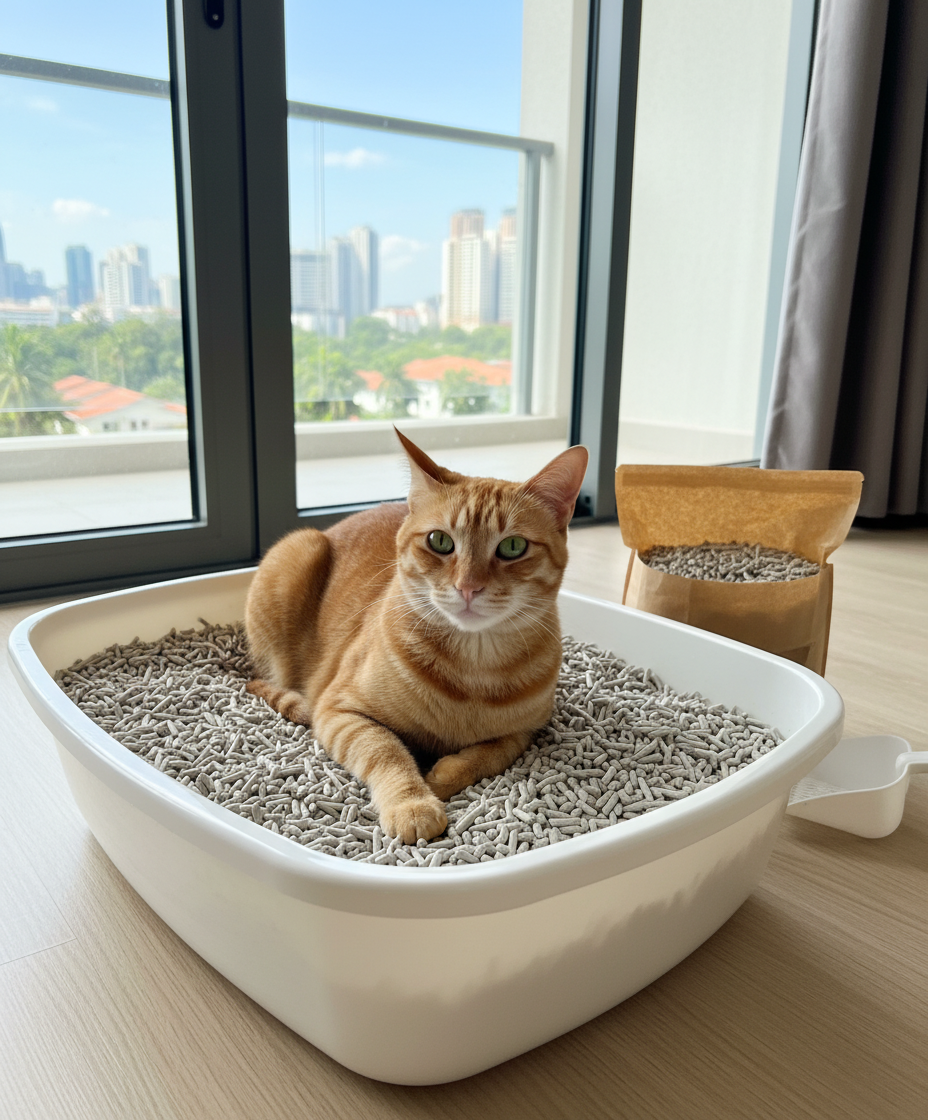
Tofu litter offers significant advantages, particularly for respiratory health and environmental impact, making it an attractive option for mindful cat parents. These benefits extend beyond the litter box, improving your home environment and aligning with sustainable living choices.
Near-Zero Dust (And Why That Matters for Malaysian Condos)
The biggest sigh of relief for many cat parents switching to tofu litter comes from its virtually dust-free nature. This isn't just a comfort; it's a health imperative. Fine dust from some clay litters often contains crystalline silica, which can trigger or worsen respiratory irritation and asthma in an estimated 1-5% of cats. Cats like our Ping'An, with a sensitive nose, used to sneeze frequently with dusty litters. In smaller living spaces like Malaysian condos, improved air quality for both cats and humans becomes even more crucial. Liger's ultra-low dust formula directly addresses this, providing a healthier breathing environment for everyone.
Superior Odor Control in Hot, Humid Climates
Odor control is paramount in Malaysia's consistently hot and humid climate. Tofu litter, with its natural soybean absorption, excels here. Instead of simply masking smells with artificial perfumes, it effectively traps ammonia odors at their source. Some brands, like Liger, even incorporate a mild milk fragrance that helps neutralize odors without being overpowering. This natural absorption is far more effective in preventing your home from smelling like a litter box, even on the hottest days, compared to chemical sprays that just add another layer of scent.
Eco-Friendly and Biodegradable
For environmentally conscious cat parents, tofu litter is a clear winner. It's made from upcycled soybean pulp, a byproduct that would otherwise be waste from the food industry. This means less new raw material extraction compared to strip-mined clay. A soybean carbon footprint study confirms that modern agricultural practices have reduced the carbon footprint of soybeans by 19% since 2015, supporting tofu litter's sustainability profile. When disposed of responsibly, biodegradable tofu litter breaks down naturally, reducing landfill impact significantly.
Lightweight and Easy Cleanup
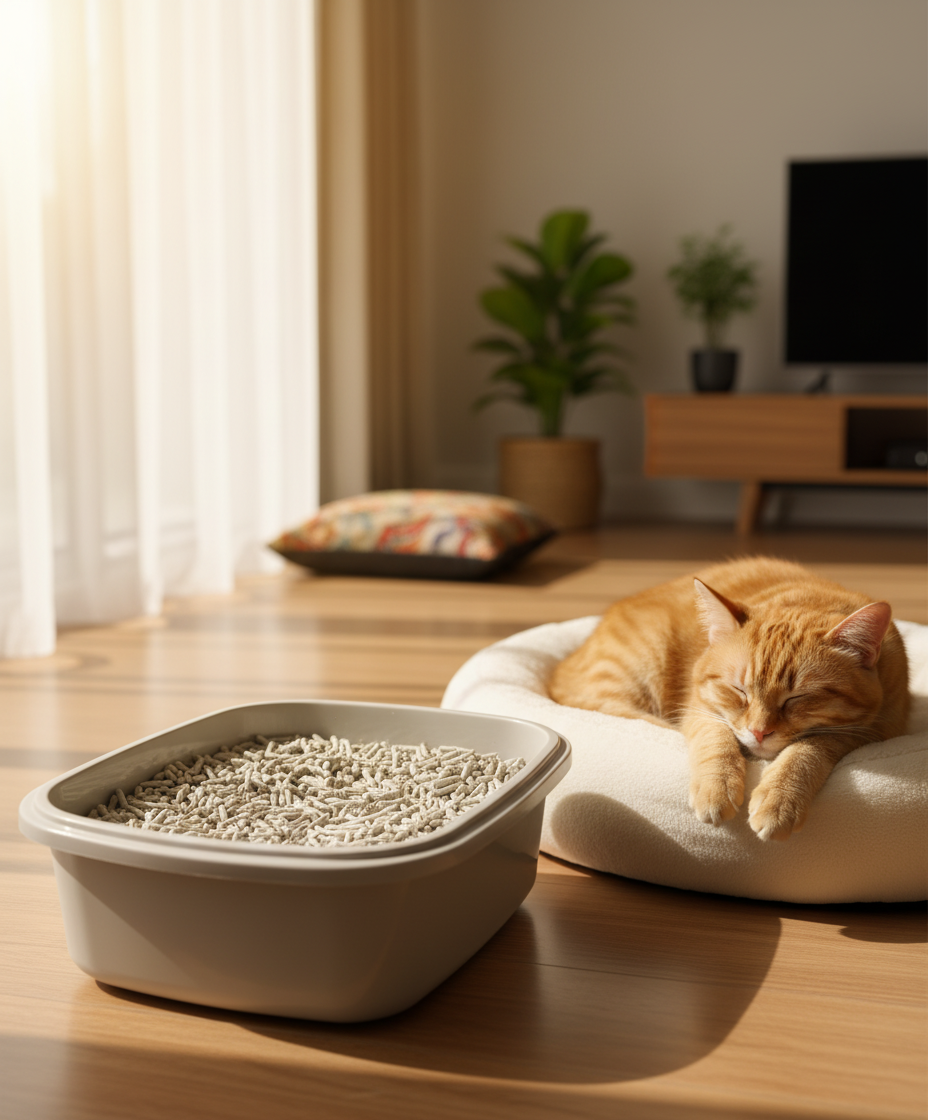
Hauling heavy bags of clay litter up several flights of stairs is nobody's idea of fun, especially for condo dwellers. Tofu litter is remarkably lightweight, making it much easier to carry, pour, and manage during litter changes. Its fast and firm clumping qualities, like those found in Liger litter, make scooping a quick and less messy chore. Plus, the larger, cylindrical pellets result in minimal tracking outside the litter box, saving you from constant sweeping and keeping your floors cleaner.
The Honest Cons You Need to Know
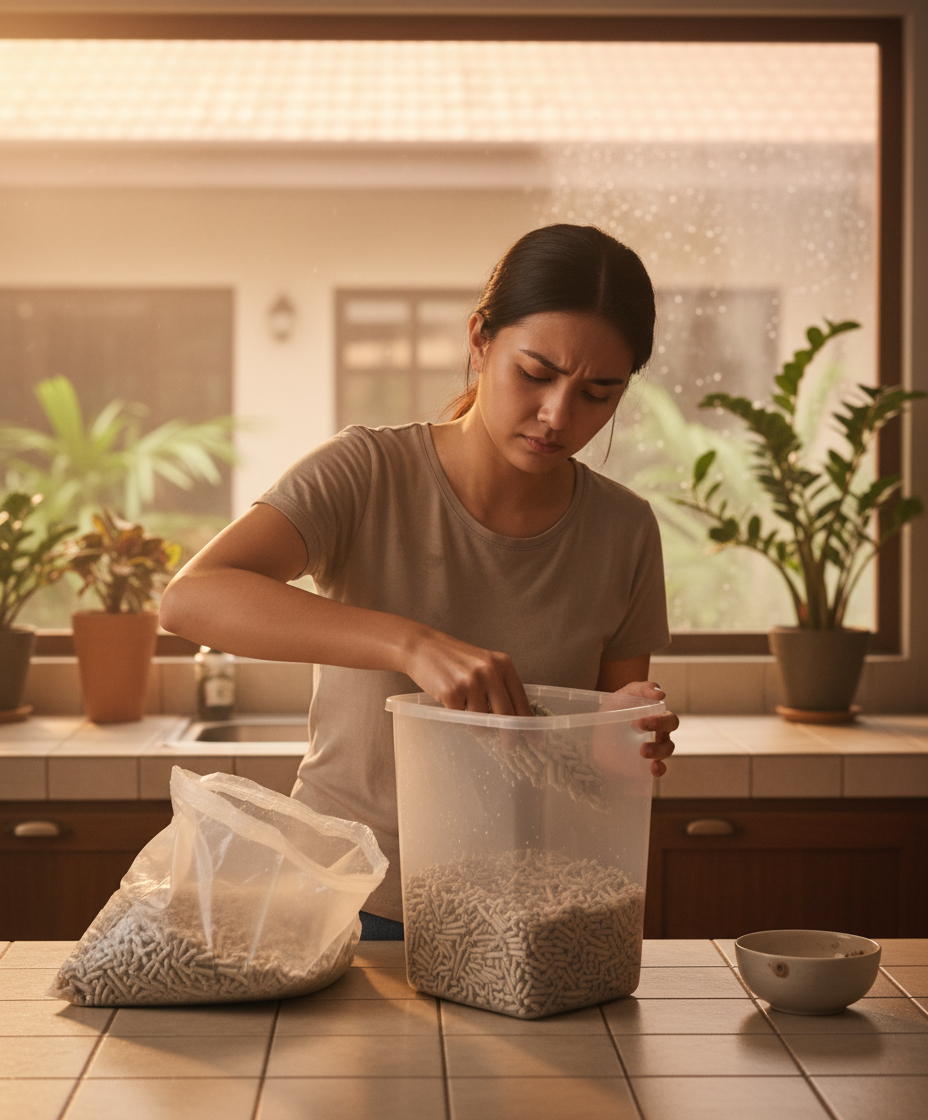
While beneficial, tofu litter comes with its own set of drawbacks, notably higher upfront costs and unique challenges in Malaysia's humid environment. Transparency about these limitations is important for setting realistic expectations and helping you make the best decision for your feline friend.
Higher Upfront Cost Per Bag
Let's not sugarcoat it: a bag of tofu cat litter often has a higher sticker price than a comparable bag of clay litter. For example, while a 6L bag of PEIEN tofu litter might range from RM 5.50 to RM 11.90, a 10L bag of Sniffly clay litter can be found for around RM 11.67. This initial sticker shock is a common reason why many cat parents hesitate to switch. However, as we’ll explore later, the upfront cost doesn't tell the whole story when it comes to long-term value and monthly expenses.
Soft Clumps That Can Break Apart
While tofu litter clumps quickly, some brands can produce softer clumps compared to the rock-hard balls formed by bentonite clay. If not scooped carefully or if left too long, these softer clumps might break apart, leaving smaller soiled pieces behind. This can make scooping slightly more delicate and, if overlooked, could compromise odor control over time. Developing a good scooping technique and scooping at least once daily can largely mitigate this issue.
Humidity and Storage Challenges in Malaysia
Here's where Malaysia's climate truly tests tofu litter. As an organic, plant-based product, tofu litter is hygroscopic; it readily absorbs moisture from the air. In Malaysia, where humidity consistently exceeds 80-90%, this creates an ideal breeding ground for mold if the litter isn't stored correctly. There's even a rare, but serious, risk of certain molds producing aflatoxins on soybean products. Beyond mold, the starch and carbohydrate content in tofu litter can attract stored-product pests like weevils, especially in warm, humid conditions. This means proper, airtight storage isn't just a recommendation; it's a necessity.
The Flushing Myth - What Malaysian Plumbing Can Handle
Many tofu litters are marketed as "flushable," a convenience that sounds appealing. However, this claim is dangerously misleading in Malaysia. Our national sewerage company, Indah Water Konsortium (IWK), explicitly advises against flushing any solid waste, including items marketed as "flushable." Their official guidance warns that such practices can "clog your internal and public passage of the sewer pipelines," leading to significant issues. Ignoring this advice carries a steep financial risk; IWK charges a fixed service fee of RM 390.00 to clear blockages in private sewer lines caused by flushing solid waste like cat litter. Beyond plumbing, flushing cat waste also poses an environmental health hazard due to *Toxoplasma gondii*, a parasite often not eliminated by standard wastewater treatment processes, which can harm aquatic wildlife. Therefore, for all litter types in Malaysia, responsible disposal means bagging it securely and placing it in the regular household trash.
The Real Cost Breakdown - Is Tofu Litter Actually More Expensive? ⭐
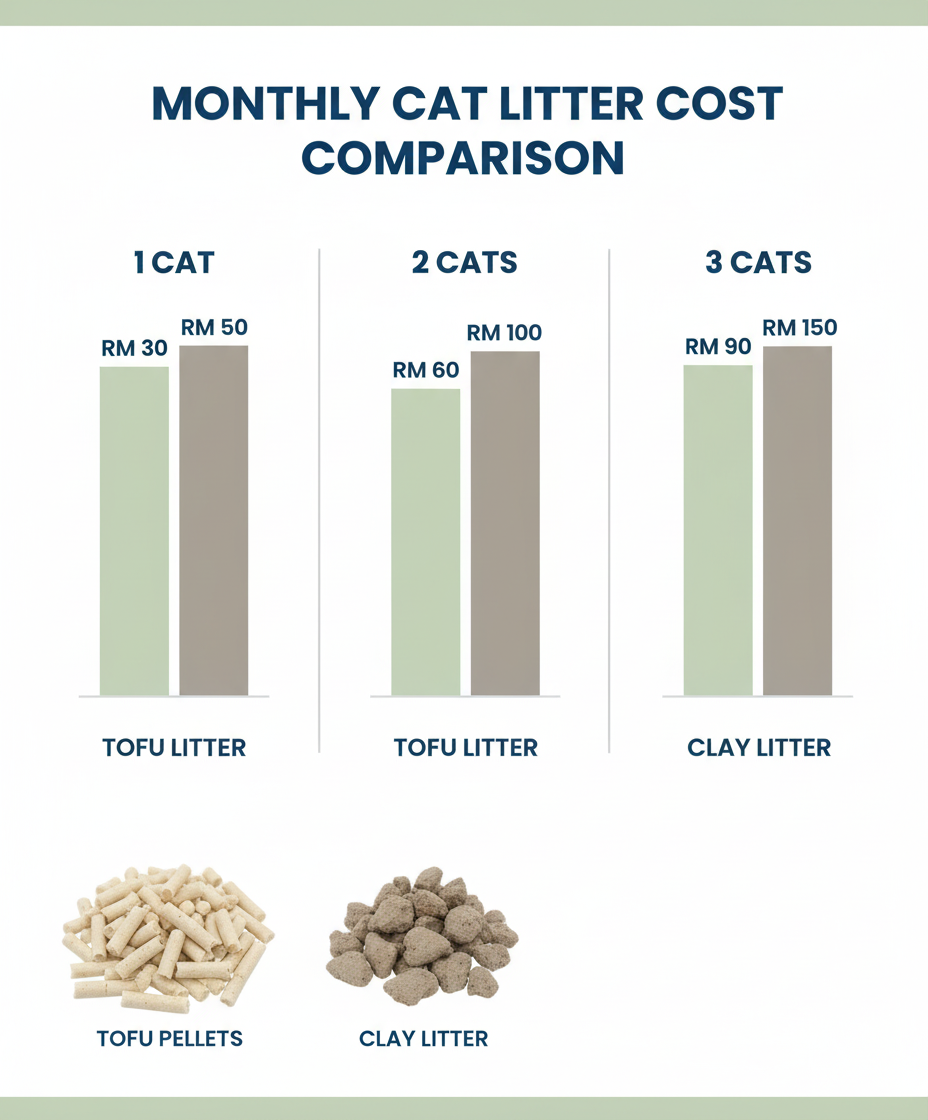
Despite higher bag prices, tofu litter often proves more economical monthly due to lower consumption rates and avoidance of significant hidden costs associated with traditional litters. The initial price tag can be deceptive; a deeper dive into true cost-of-ownership reveals a different story, especially for Malaysian cat parents.
Monthly Cost Comparison in RM (1 Cat vs 2-3 Cats)
When you look beyond the per-bag price and consider actual usage, tofu litter often emerges as the more economical choice. A mid-range tofu litter costs an estimated RM 16.03 per month for one cat, which is 33% less than the RM 23.88 required for a comparable clay litter. This is because tofu litter’s superior absorbency and clumping mean less product is consumed over time. To illustrate, a single cat typically uses one 6-7L bag of tofu litter per month, whereas they might go through about 12L of clumping clay litter in the same period.
For multi-cat households, these savings compound significantly. While the general rule of thumb is one litter box per cat plus one extra, the underlying cost per cat provides a strong projection:
| Litter Type (Example) | Annual Cost: 1 Cat | Annual Cost: 2 Cats | Annual Cost: 3 Cats |
|---|---|---|---|
| Tofu (Cindy & Friends) | RM 192.36 | RM 384.72 | RM 577.08 |
| Clay (Real Litter Ultra) | RM 286.56 | RM 573.12 | RM 859.68 |
Over a year, a three-cat household could save over RM 280 by choosing tofu litter. You can get a personalized estimate for your own household using Liger's Litter Calculator.
The Hidden Costs Nobody Talks About
The true cost of cat litter extends far beyond what you pay at checkout. There are significant hidden costs that can quickly add up, often disproportionately affecting clay litter users:
- Plumber Bills: As mentioned, flushing any litter in Malaysia is risky. A single emergency call to a plumber for a clogged toilet can cost between RM 180 and RM 300, while Indah Water Konsortium (IWK) charges a fixed RM390.00 for clearing blockages in private sewer lines caused by solid waste. One such incident could easily outweigh a year's worth of premium litter.
- Veterinary Visits: The fine dust from some clay litters can irritate cats' respiratory systems. Veterinary consultation fees in Malaysia typically range from RM 35 to RM 80, with more serious viral infection treatments potentially costing up to RM 500. Choosing a low-dust option like tofu litter helps reduce these risks, potentially saving you hundreds in vet bills over your cat's lifetime.
- Air Fresheners & Cleaning Supplies: While minor, the need for air fresheners and extra cleaning supplies to manage dust and lingering odors from less effective litters adds to your ongoing expenses. Tofu litter's superior odor control and low-tracking qualities often reduce reliance on these extras.
Total Cost of Ownership: Year 1 vs Year 2
When you combine all these factors, the total cost of ownership tells a compelling story. In the first year, there might be a slightly higher upfront cost for initial litter box setup if you're upgrading, but the monthly savings quickly offset this. By year two and beyond, the compounding monthly savings from less product usage, coupled with avoided plumbing and vet bills, make tofu litter a financially smarter long-term choice. It’s an investment in both your cat’s health and your peace of mind.
| Cost Category | Tofu Litter (Estimated) | Clay Litter (Estimated) |
|---|---|---|
| Initial Setup (Litter Boxes, Scooper) | RM 50-150 | RM 50-150 |
| Annual Litter Cost (1 Cat) | RM 192.36 | RM 286.56 |
| Annual Litter Cost (3 Cats) | RM 577.08 | RM 859.68 |
| Potential Annual Vet Savings (Respiratory) | RM 0-100 (low risk) | RM 100-500+ (higher risk) |
| Potential Plumbing Repair Avoidance | RM 0 (if properly disposed) | RM 0-390+ (if improperly flushed) |
| Cleaning Supplies & Air Fresheners | RM 50-100 | RM 100-200 |
| Total Est. Annual Cost (1 Cat, Year 1) | RM 292-442 | RM 436-786 |
| Total Est. Annual Cost (1 Cat, Year 2+) | RM 242-392 | RM 386-736 |
The Worth It Decision Matrix - Finding YOUR Answer ⭐
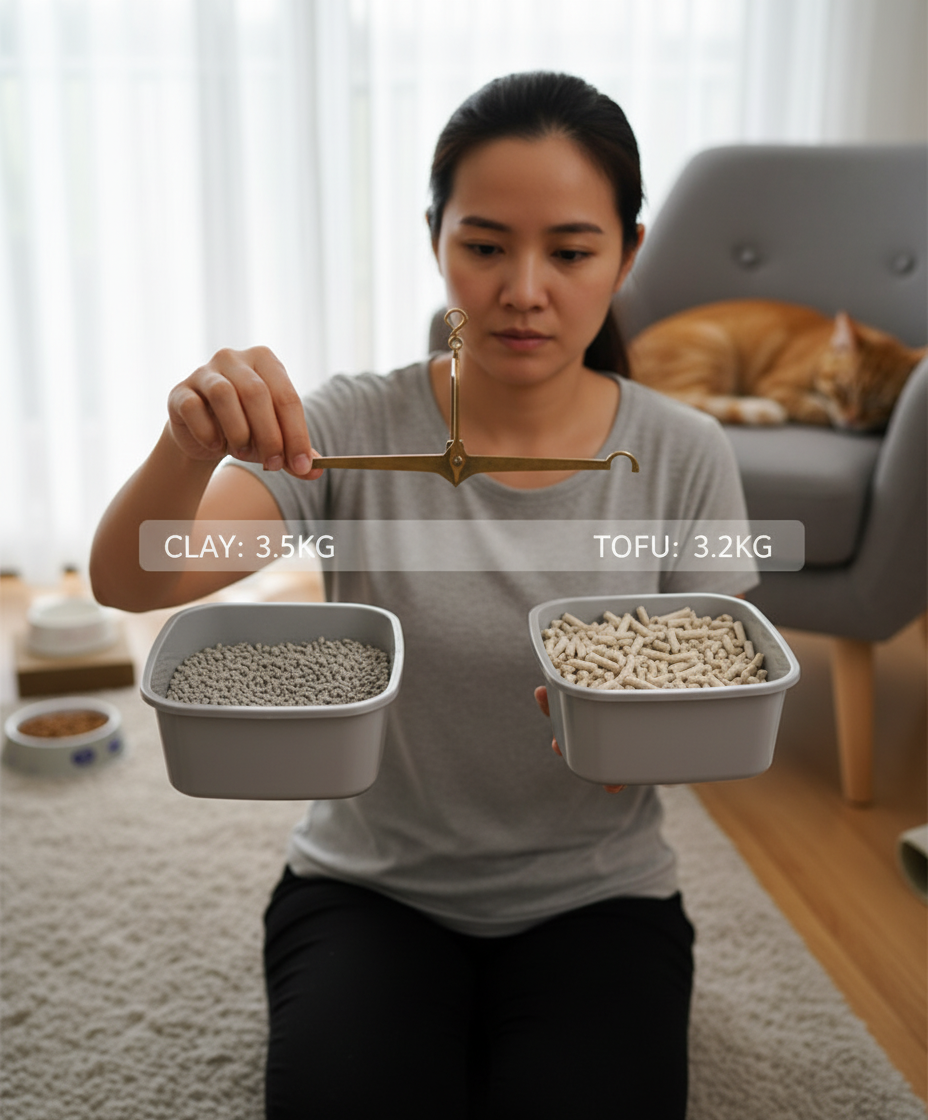
The decision for tofu litter hinges on individual priorities—whether health, environmental impact, convenience, or pure budget takes precedence for your household. It’s not just about what's cheapest upfront, but what provides the most value across various aspects of cat parenthood. Let's break down when tofu litter truly shines, and when another option might be more practical.
For Budget-Conscious Cat Parents
If your budget is extremely tight, the upfront cost of clay litter might still be a more pragmatic choice. A 7L bag of Cindy & Friends tofu litter, for example, typically costs around RM16, while a 10L bag of Sniffly clay litter can be found for about RM11.67. This initial saving, especially if you have many cats, can feel significant. While long-term costs often favor tofu, the immediate expenditure is a valid concern for many Malaysian households. If you're on a strict budget, exploring budget-friendly clay options might be necessary, though be mindful of the potential hidden costs.
For Health-Conscious Cat Parents
For cat parents prioritizing health, particularly for sensitive felines like our Ping'An, who sneezes at dusty litters, tofu litter is a non-negotiable choice. Its ultra-low dust formula dramatically reduces the risk of respiratory irritation from crystalline silica found in some clay litters. This is also crucial for kittens, as sodium bentonite clay can expand up to 15 times its volume when wet, posing a life-threatening intestinal blockage risk if accidentally ingested. Investing in tofu litter can mean fewer trips to the vet for respiratory issues, saving both stress and money, with veterinary consultation fees in Malaysia typically ranging from RM 35 to RM 80.
For Eco-Conscious Cat Parents
If minimizing your environmental footprint is a core value, then tofu litter aligns perfectly with your principles. Made from upcycled soybean pulp, it diverts waste from the food industry and reduces reliance on resource-intensive mining. Unlike clay litter, which is non-biodegradable and contributes to permanent landfill saturation, tofu litter breaks down naturally. This commitment to sustainability extends beyond just disposal; a soybean carbon footprint study shows modern farming practices have significantly reduced its environmental impact, making it a truly greener choice for the planet.
For Condo-Dwelling Cat Parents
Living in a Malaysian apartment or condo presents unique challenges, which tofu litter is exceptionally suited to address. Its superior odor control, combined with Liger's natural mild milk fragrance, helps keep small spaces smelling fresh. The ultra-low dust formula means less airborne particles circulating, improving indoor air quality, and minimal tracking helps keep floors clean. Plus, its lightweight nature makes managing litter changes and disposal much easier without wrestling heavy bags up and down elevators. It’s an ideal choice for maintaining a clean, pleasant home environment in close quarters. You might also find our Condo Cat Owner's Guide helpful.
How to Switch to Tofu Litter Without Upsetting Your Cat
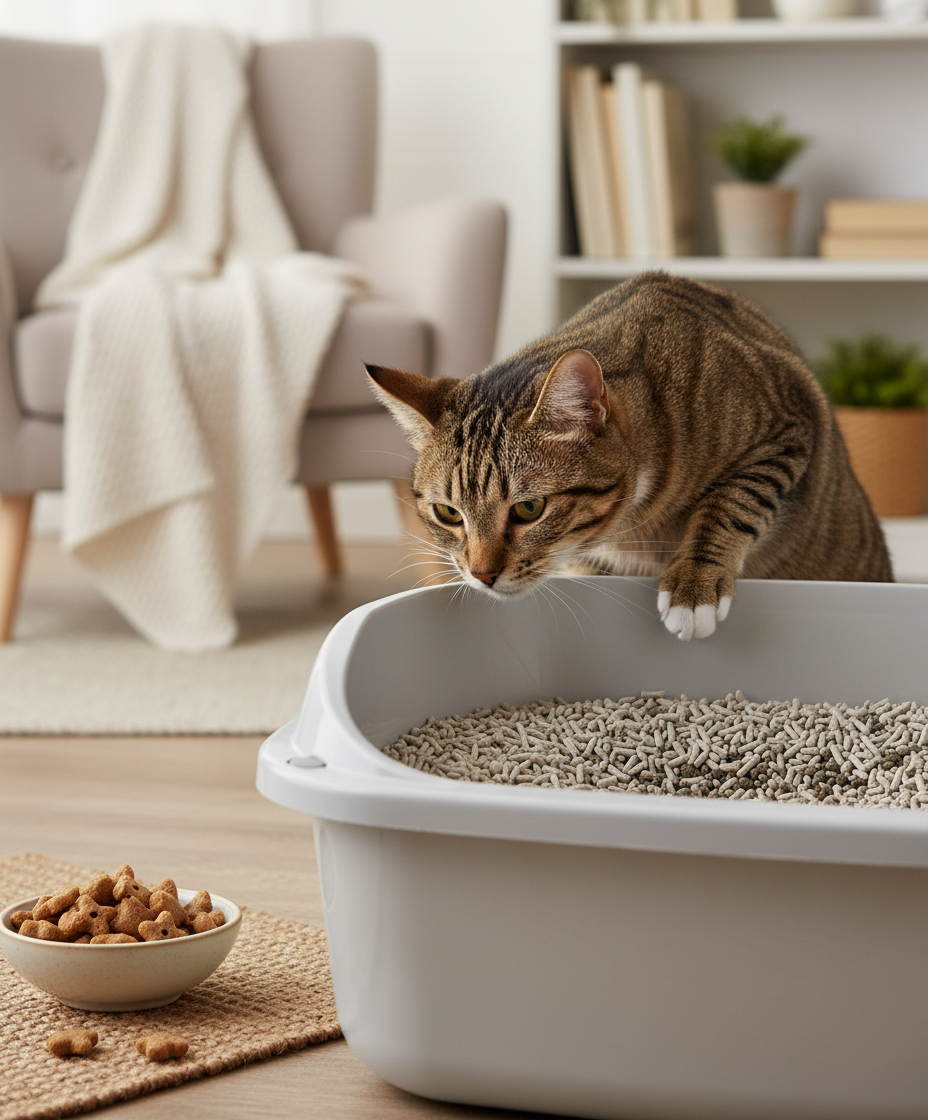
Cats are creatures of habit, and their litter box is a cornerstone of their routine. Transitioning to tofu litter requires patience and a gradual approach, mixing new litter with old over several weeks to ensure your cat's acceptance and prevent stress or litter box aversion.
The 7-Day Gradual Transition Method
The most effective method for switching litters is to do it gradually over one to three weeks. A sudden change can overwhelm a cat and lead to rejection. Here's a typical schedule, often recommended by veterinarians:
- Days 1-3 (25% Tofu): Start by mixing one part tofu litter with three parts of your old clay litter. Mix them thoroughly. As you scoop daily, top up with tofu litter to maintain the ratio.
- Days 4-6 (50% Tofu): If your cat is using the box normally, increase the mixture to a 50/50 ratio of tofu and clay litter.
- Days 7-9 (75% Tofu): Move to a mix of 75% tofu litter and 25% clay litter. By this stage, most cats are well-acclimated.
- Day 10+ (100% Tofu): If the previous days have been successful, you can now fill the litter box entirely with tofu litter.
Remember, some cats, like our picky Lion, might need a bit more time. You can read more about dealing with picky cats in our guide, Why Your Cat Hates New Litter.
Signs Your Cat Loves (or Hates) the New Litter
Your cat's behavior will tell you everything you need to know about the transition:
- Signs of Acceptance: Consistent use of the litter box for both urination and defecation, normal digging and covering of waste, and relaxed body language before, during, and after using the box.
- Signs of Rejection: Inappropriate elimination outside the litter box is the clearest sign. Other cues include perching on the edge to avoid stepping on the new litter, quickly using the box and bolting without covering waste, hesitation or excessive sniffing before entering, or vigorous paw shaking after exiting. If you notice these, slow down the transition or revert to a ratio where they were comfortable. Always rule out medical issues with your vet if inappropriate elimination occurs.
Pro Tips: Getting the Most Value from Tofu Litter in Malaysia ⭐
Maximizing tofu litter's value in Malaysia means strategic storage against humidity and diligent scooping to maintain freshness and prolong its lifespan. These practical tips are especially important given our tropical climate, ensuring your investment truly pays off.
Storage Tips to Prevent Mold and Weevils
Given Malaysia's high humidity (often over 80-90%), proper storage is non-negotiable for organic tofu litter:
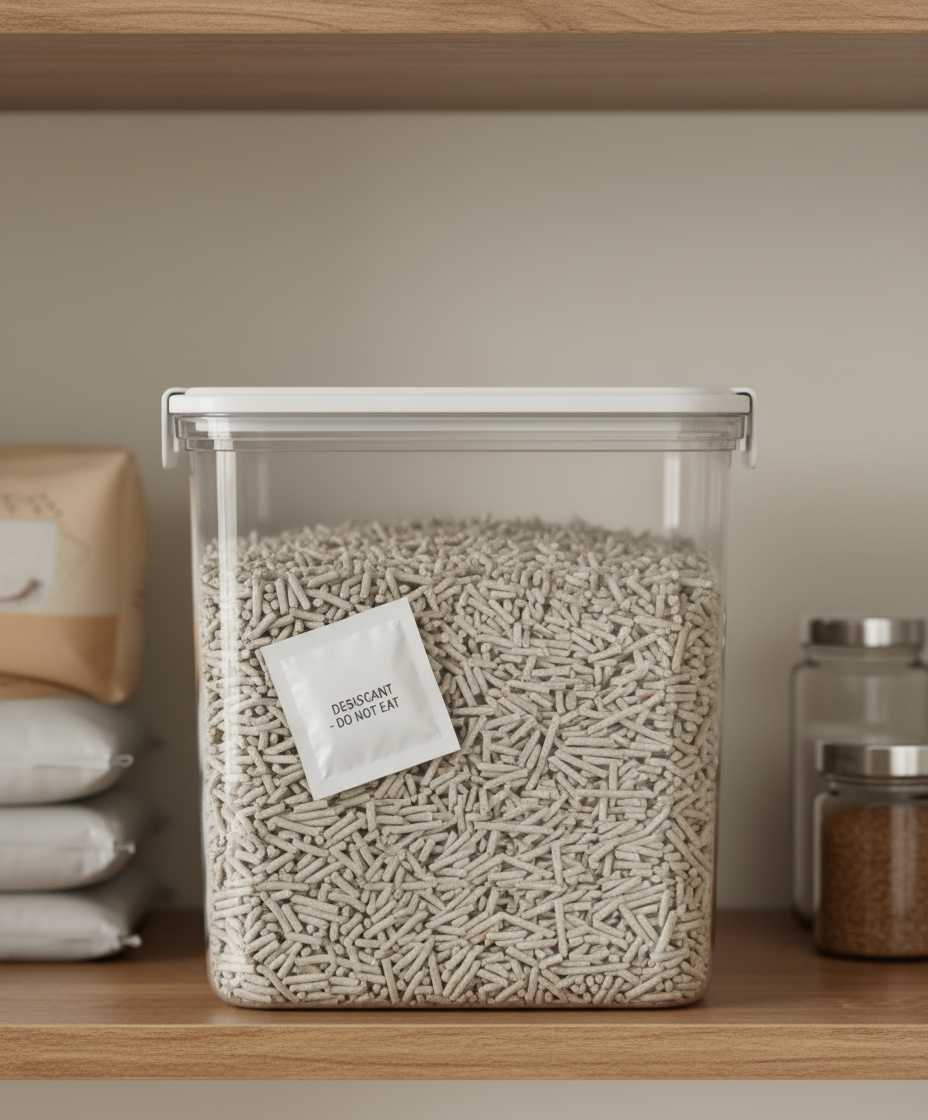
- Airtight Containers are Essential: Immediately transfer the contents of a newly opened bag into a large, food-grade plastic or glass container with a securely locking, airtight lid. This is your best defense against moisture absorption, mold growth, and pest entry.
- Cool, Dry, and Ventilated Spot: Store your container in a well-ventilated area away from direct sunlight, bathrooms, laundry rooms, or any damp spaces. A closet in an air-conditioned room is ideal.
- Silica Gel Packets: For an extra layer of protection, place moisture-absorbing silica gel packets inside your storage container. Make sure they are in a pouch or otherwise secured so your cat cannot accidentally ingest them.
- Buy Smaller Bags: While larger bags might seem more economical, they expose more litter to humidity over time. In our climate, buying smaller bags that you'll use more quickly helps ensure the product remains fresh and effective.
Maximizing Litter Lifespan (Scooping Schedule + Top-Off Method)
Even with great storage, your daily routine impacts how long your tofu litter lasts:
- Scoop Daily, At Least Once: Regular scooping is critical to remove moisture and odors. Tofu litter's fast-clumping nature makes this easy. For multiple cats or those with heavy usage, twice-daily scooping is ideal.
- Maintain Optimal Depth: Keep your litter box filled with about 5-7 cm (2-3 inches) of litter. This allows for proper clumping without urine reaching the bottom of the tray. Use our Litter Box Size Calculator to ensure your box is also appropriate for your cat.
- Top-Off, Don't Fully Replace (for a while): Instead of dumping the entire box frequently, simply top off the litter after scooping to maintain the desired depth. This method, combined with good clumping, allows you to go longer between full litter box changes, usually only needing a complete change every 3-4 weeks for one cat.
So, is tofu cat litter worth it for you? The honest answer is: probably, yes. Especially if you're a Malaysian cat parent living in a condo, concerned about your cat's health, or striving for a more eco-conscious lifestyle. The initial sticker shock might deter some, but when you factor in the long-term savings from lower consumption, avoided vet bills, and a cleaner home, the value proposition becomes undeniably strong. But remember, this value is entirely contingent on proper storage to combat Malaysia's humidity and responsible disposal in the trash. As a fellow cat parent, I think it’s a small adjustment for a healthier, happier cat and a more sustainable home. Why not try a small bag of Liger Tofu Cat Litter today and see the difference for yourself?