- Ringworm is a common, highly contagious fungal infection, not a worm, often presenting as patchy fur and red skin.
- Early and accurate vet diagnosis is crucial to confirm ringworm and rule out other skin issues.
- Effective treatment requires a multi-pronged approach: topical/oral medication and rigorous environmental decontamination.
- Special care is needed for vulnerable cats like kittens, nursing mothers, or those with compromised immune systems.
I'll never forget the day we found Ping'An. She was a pregnant stray, skinny and scared, her fur patchy in places, a dull, flaky look to her skin. We took her in, thinking we were just giving her a safe, warm place to have her kittens. Three days later, she gave birth. Three tiny newborns, but only our little Lucky, a premature kitten born without much fur, survived.
And then, the real nightmare began. Ping'An had ringworm, and it spread like wildfire. Soon, tiny, vulnerable Lucky was covered in red, crusty patches. Imagine our panic. A tiny, fragile life, fighting fungal invaders from day one, and we couldn't even give him medicine because he was so small and his mama was nursing. It was a terrifying, exhausting time, and it taught us just how relentless ringworm can be. If you're seeing those tell-tale bald spots or flaky skin on your furry friend, trust me, you're not alone. Let's talk about how to tackle it, because it's a battle you *can* win.
Ringworm: Not a Worm, But Still a Pain
First things first, let's clear up a common misconception. Despite the name, ringworm isn't actually caused by a worm. Nope. It's a fungal infection. Specifically, it's caused by a group of fungi called dermatophytes that thrive on keratin – the stuff that makes up your cat's skin, hair, and nails.
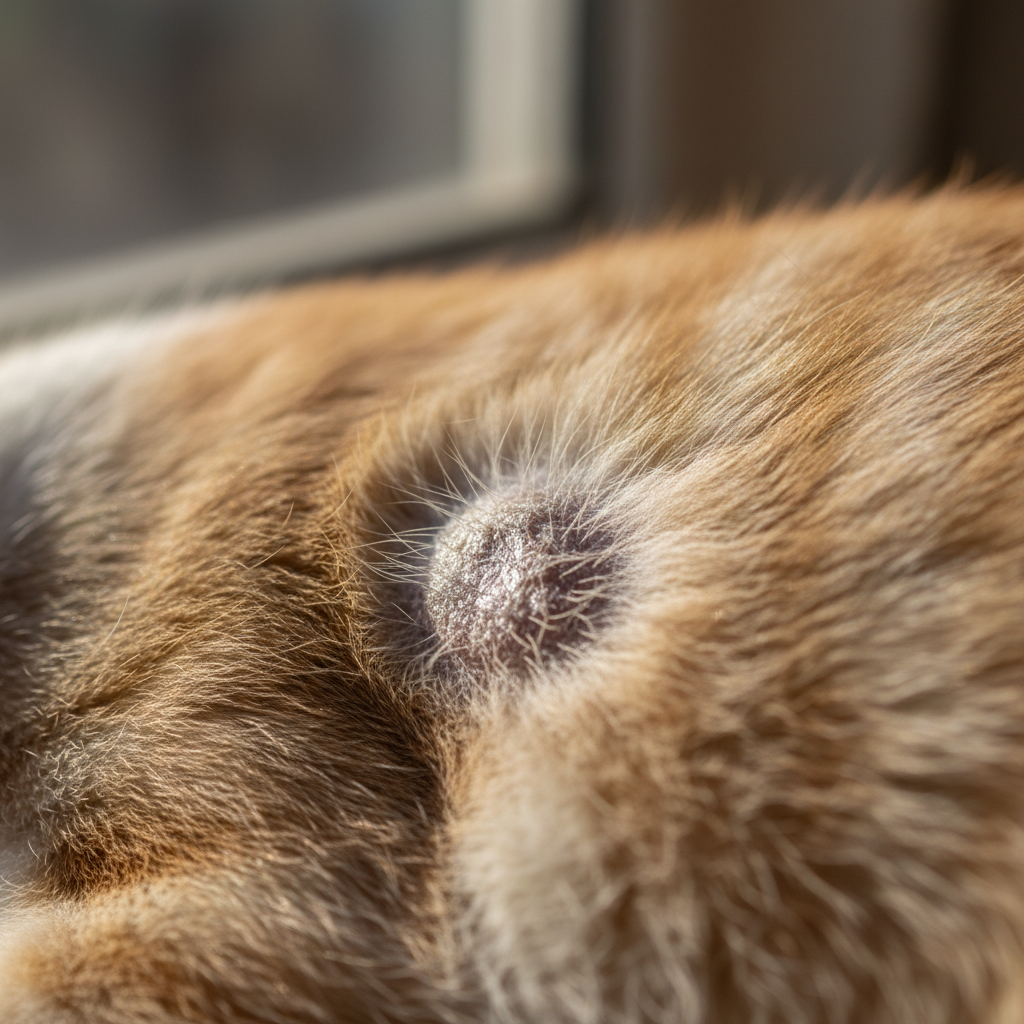
It shows up as those classic circular, scaly patches, often with hair loss in the middle. Sometimes the skin underneath looks red and inflamed, sometimes it's just flaky. It usually starts small, then spreads. And it's super contagious, not just to other pets, but to humans too. Yes, you can get it. (Trust me, I've had it. Not fun.)
Spotting the Signs and Getting a Diagnosis
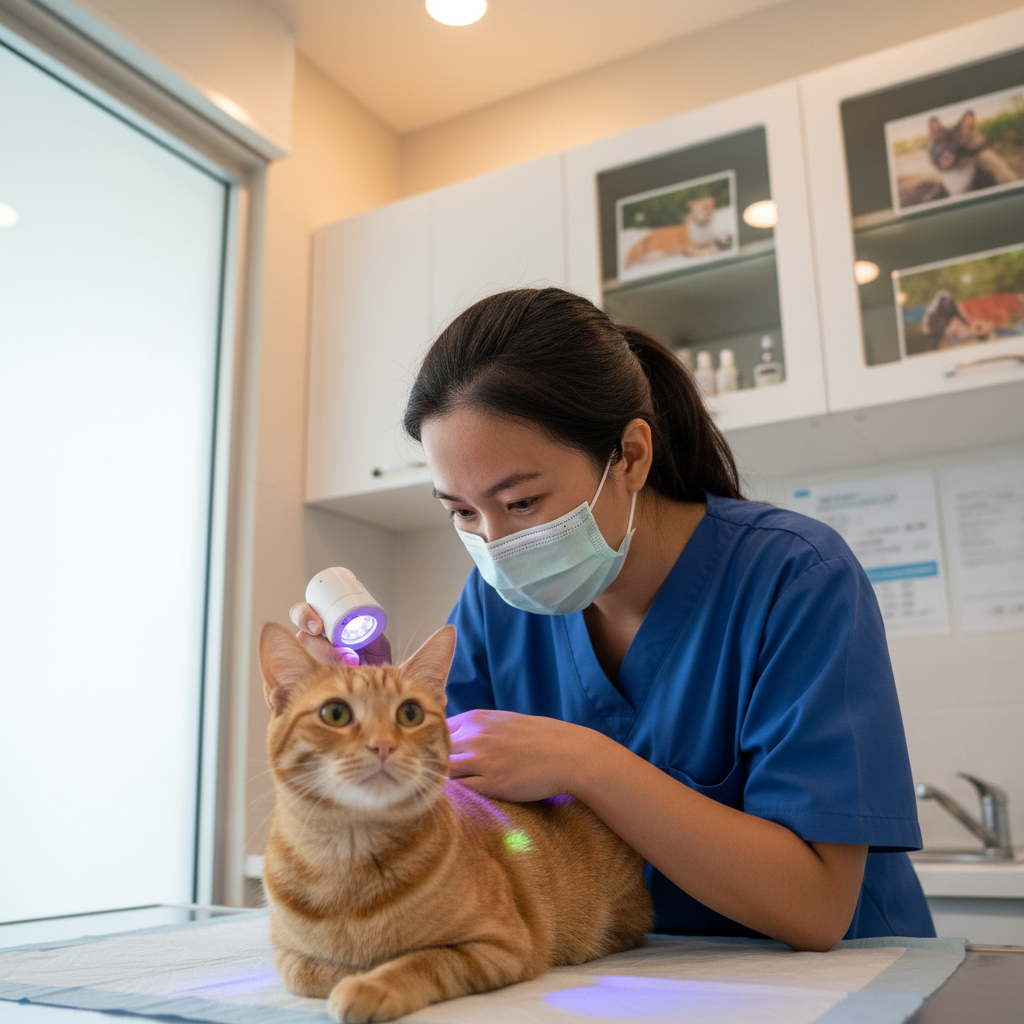
So, how do you know if it's ringworm and not just a regular scratch or dry skin? Look out for:
- Circular patches of hair loss, often with red, scaly, or crusty borders.
- Broken hairs around the lesion.
- Excessive scratching or grooming in affected areas.
- Dandruff or flaky skin.
- Sometimes, it can look like acne or even just a bit of matted fur. Sneaky stuff!
The best thing you can do is head to the vet. They might use a special UV light (a Wood's lamp) which makes some types of ringworm glow apple-green. But a definitive diagnosis usually comes from a fungal culture, where they take a sample of hair and skin to grow the fungus in a lab. This can take a week or two, which feels like forever when your cat is suffering. I know this from personal experience, watching Lucky constantly itch despite our best efforts.
If you're unsure about your cat's skin, you can even try our AI-powered Skin Condition Checker to get some initial insights before your vet visit, though it's never a substitute for professional advice.
Fighting Back: Treatment Options for Ringworm
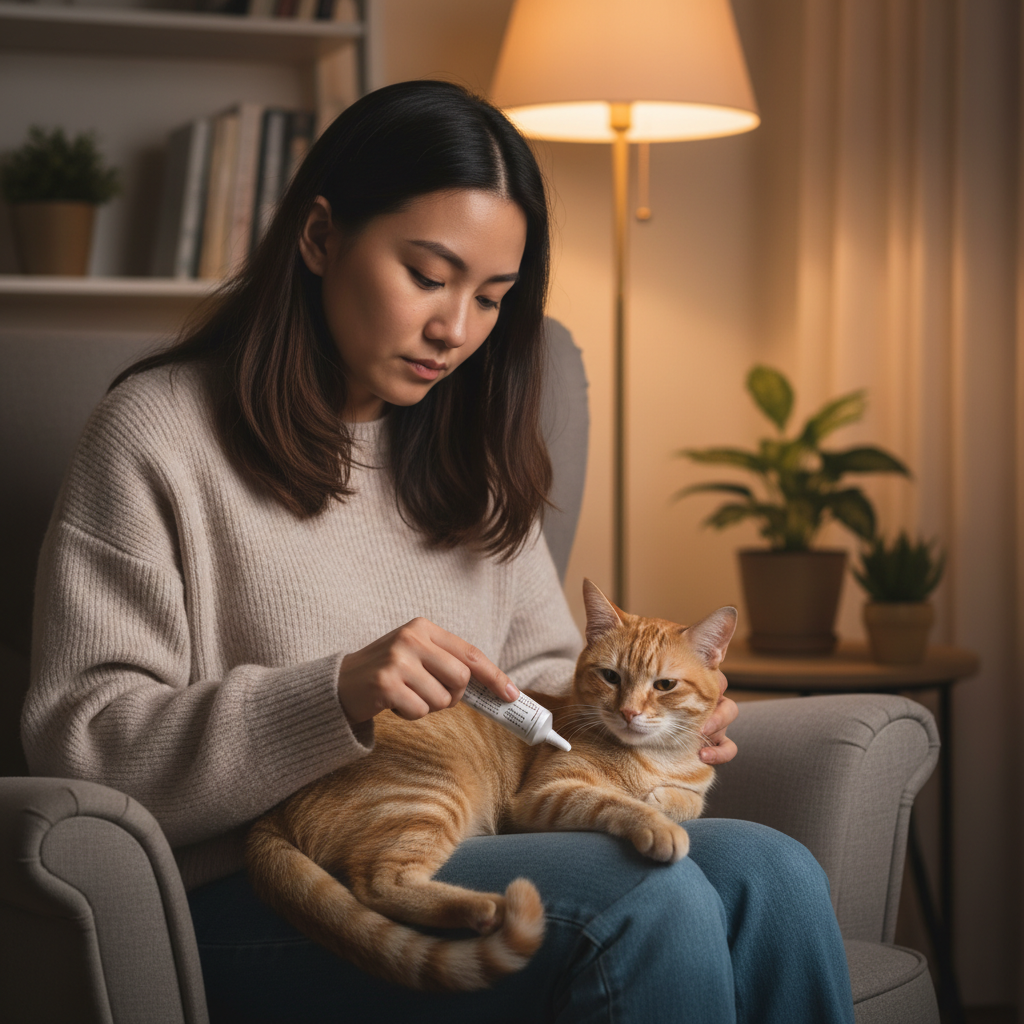
Okay, so you've got a diagnosis. Now what? Treating ringworm is a marathon, not a sprint. It takes patience and a multi-pronged attack. Your vet will likely suggest:
- Topical Treatments: Medicated shampoos, dips, or creams applied directly to the affected areas. Think miconazole or lime sulfur. These help kill the fungus on the skin surface.
- Oral Medications: For more widespread or stubborn cases, oral anti-fungal meds like itraconazole or terbinafine might be prescribed. These work systemically throughout the body.
- Environmental Decontamination: This is the big one, and honestly, the one most people overlook. Ringworm spores can live in your home for *months*. You need to deep clean *everything*.
Remember Ping'An and Lucky? That was a tough lesson. Lucky was too young for oral meds, and Ping'An was nursing, so oral meds were a no-go for her too. We relied heavily on frequent lime sulfur dips for Ping'An and careful topical applications for Lucky, all while sanitising our entire home like it was a hospital operating theatre. It felt endless. Our guide on newborn kitten care helped us keep Lucky stable through it all.
The Unsung Hero: Environmental Cleanup
I know, I know – talking about fungal infections isn't exactly a glamorous topic for cat parents. But trust me, once you've been through it, you'll want to talk about it endlessly. The thing about ringworm is that the treatment isn't just about your cat; it's about their entire environment. Those fungal spores get *everywhere* – on bedding, furniture, carpets, even in air vents. Without thorough cleaning, your cat will just keep getting reinfected, or you might find yourself itching too.
Here's the harsh truth: Most people assume ringworm means a dirty cat or a dirty house. And while good hygiene certainly helps, it's actually super common, even in pristine environments. A single spore can start an outbreak. So, what to do?
- Vacuum daily: Get into every nook and cranny. Dispose of the vacuum bag immediately.
- Wash everything: Bedding, toys, clothes your cat has touched – wash in hot water with bleach (if safe for the fabric) or a veterinary disinfectant.
- Disinfect hard surfaces: Use a diluted bleach solution (1 part bleach to 10 parts water) or a veterinary-grade anti-fungal disinfectant on floors, counters, carriers, and litter boxes. Remember to rinse thoroughly!
- Replace what you can't clean: Old scratching posts, cardboard boxes, cheap cat trees – sometimes it's better to just toss them.
This is where our Fungal Treatment Tracker can be really helpful, not just for meds but for keeping tabs on your cleaning schedule too. It sounds like a lot, and it is. But it’s non-negotiable for truly kicking ringworm out of your home.
Beyond Treatment: Preventing the Next Attack
So, you’ve done the hard work, the ringworm is gone (confirmed by your vet, of course!). Now, how do you keep it from coming back? Because honestly, once bitten, twice shy. For a long time after Lucky recovered, I was paranoid about every little scratch or flaky bit of skin.
Here are a few tips I picked up along the way:
- Keep 'em healthy: A strong immune system is your cat's best defense. Good nutrition, regular vet check-ups (like for young Tiger's heart, which reminds us that health issues can appear early!), and a low-stress environment help a lot.
- Regular grooming: Brushing helps distribute natural oils and lets you spot any skin issues early.
- Clean environment: Consistent cleaning, especially in multi-cat households or if you bring new cats home, can prevent spores from taking hold.
- Isolate new cats: Always quarantine new arrivals for a few weeks. It gives you time to observe their health and prevent the spread of anything unwelcome.
It's not about becoming a germaphobe, but about being mindful. Like we always say at Liger, it's about being cat parents who genuinely care, because our cats deserve the best, lah.
Dealing with ringworm is a journey. It’s messy, it’s stressful, and it can feel overwhelming, especially when you have vulnerable little ones like Lucky. But with the right knowledge, a good vet, and a whole lot of elbow grease (for cleaning!), you absolutely can get through it. Remember, consistency is your biggest weapon against this stubborn fungus.
Your Monday Morning Action: Take 5 minutes to carefully examine your cat's skin and fur, paying close attention to any flaky patches, redness, or areas of hair loss. If you spot anything suspicious, snap a clear photo and schedule a vet check-up this week.