FCGS is an immune-mediated disease, not just a result of poor dental hygiene.
Caudal stomatitis (inflammation at the back of the mouth) is the 'gold standard' for diagnosis.
Full Mouth Extraction (FME) has a 67% to 90% success rate in curing or significantly improving quality of life.
Post-op 'biosecurity' is critical: use low-dust, antimicrobial litter to prevent infection.
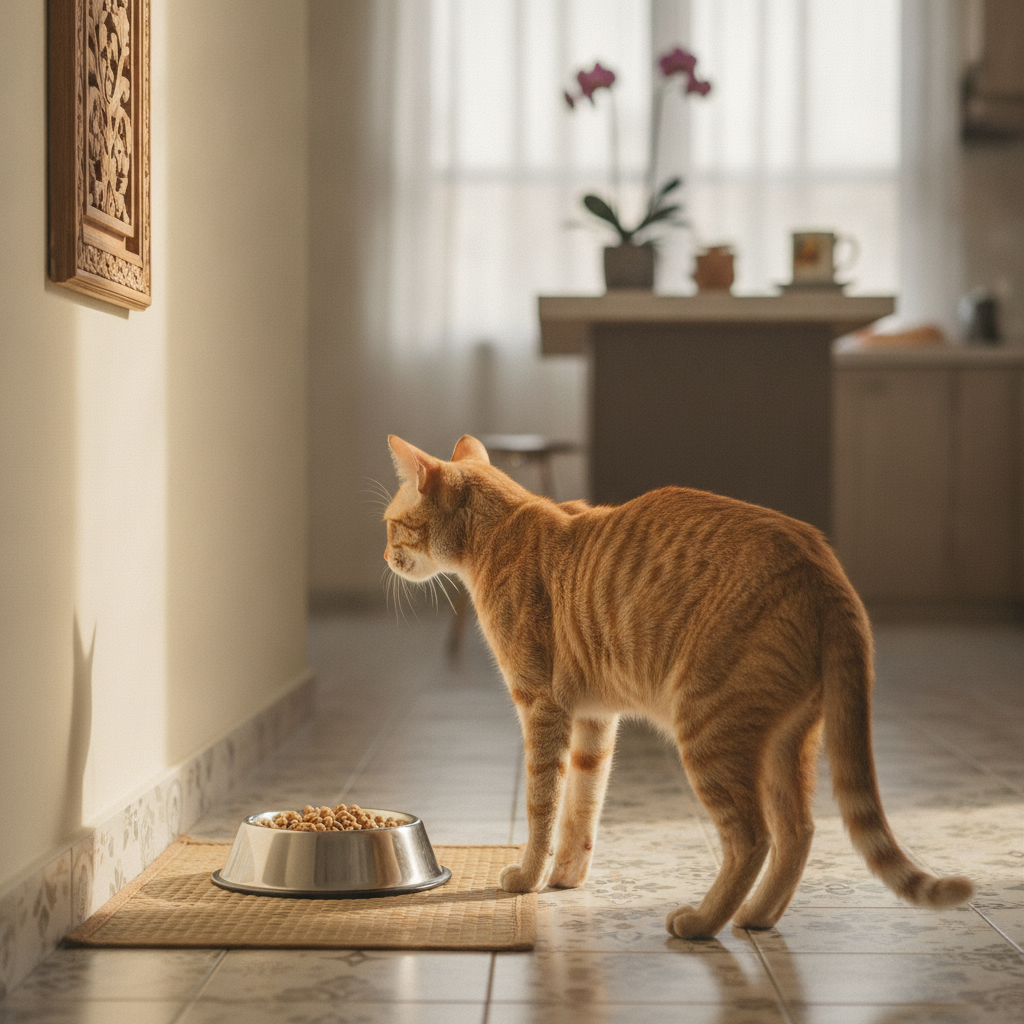
Your cat isn't just being a picky eater. They are in a silent, agonizing war with their own mouth. Have you ever seen a cat scream at their food bowl? Not a hungry meow, but a sharp, terrifying yelp the moment kibble touches their gums. It’s a sound that haunts any cat parent.
This isn't just 'bad breath.' In the feline world, Feline Chronic Gingivostomatitis (FCGS) is often called the 'cancer of dentistry' because it is so incredibly difficult to treat and so deeply painful. While our family cats—Tiger, Lion, Ping'An, and Lucky—are thankfully blessed with healthy pink gums, we know many Malaysian cat parents are struggling with this 'unbeatable' disease right now.
Is It Just Gingivitis? The 12% Reality
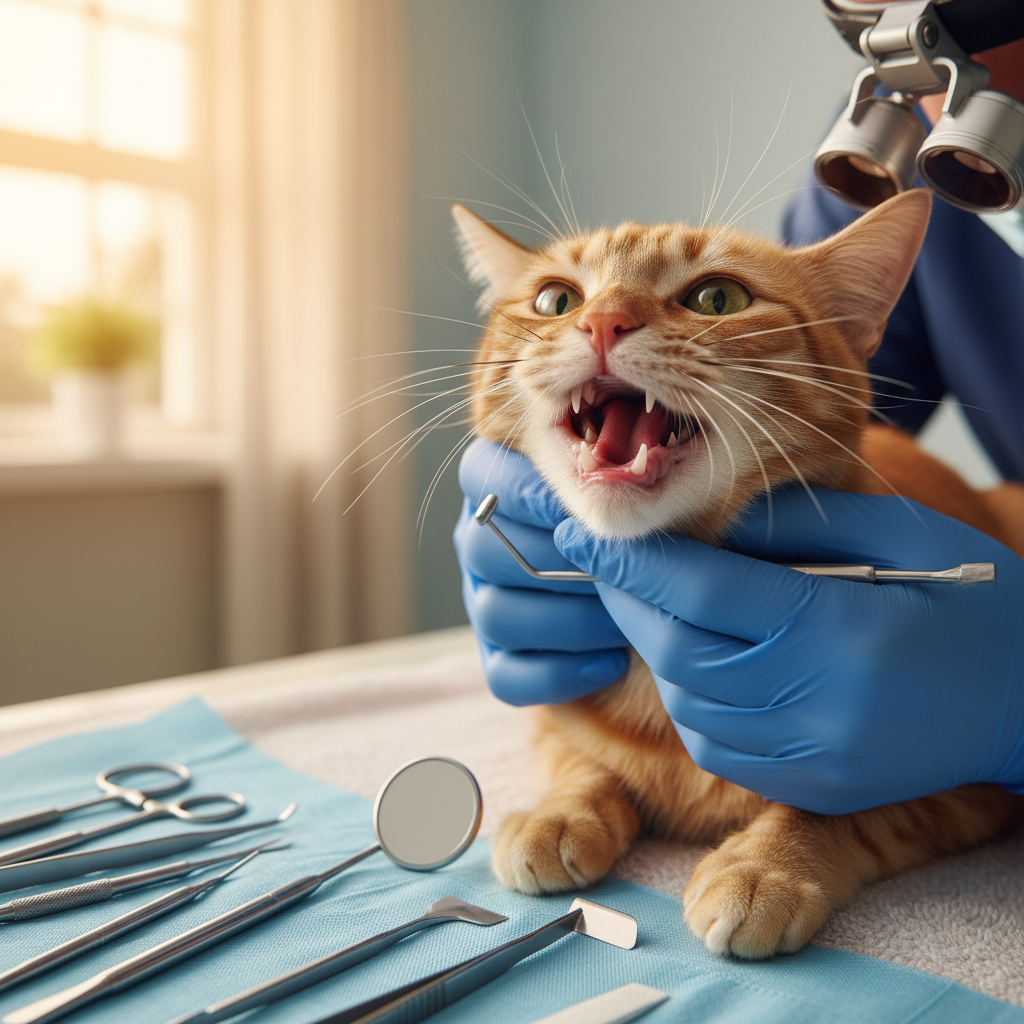
Many owners (and some general vets) mistake FCGS for simple gingivitis. But they are worlds apart. Gingivitis is caused by plaque and is reversible. FCGS is a complete loss of immune tolerance, where the body treats normal mouth bacteria as a deadly invasion.
Research shows the prevalence of FCGS in cats is between 0.7% and 12%. In Malaysia, with our high stray adoption rates and multi-cat households, we see this more often than we'd like. If you're worried about your cat's health trends, you can use our poop frequency checker to monitor overall wellness during treatment.
Feature | Gingivitis | FCGS |
|---|---|---|
Cause | Plaque/Tartar | Immune-mediated (Overreaction) |
Pain Level | Mild/Mild discomfort | Exquisite/Severe pain |
Key Sign | Redness along gum line | Cobblestone redness at the back of mouth |
Reversibility | 100% with cleaning | Often requires surgery (FME) |
The Steroid Trap: A 'Honeymoon' with a High Price
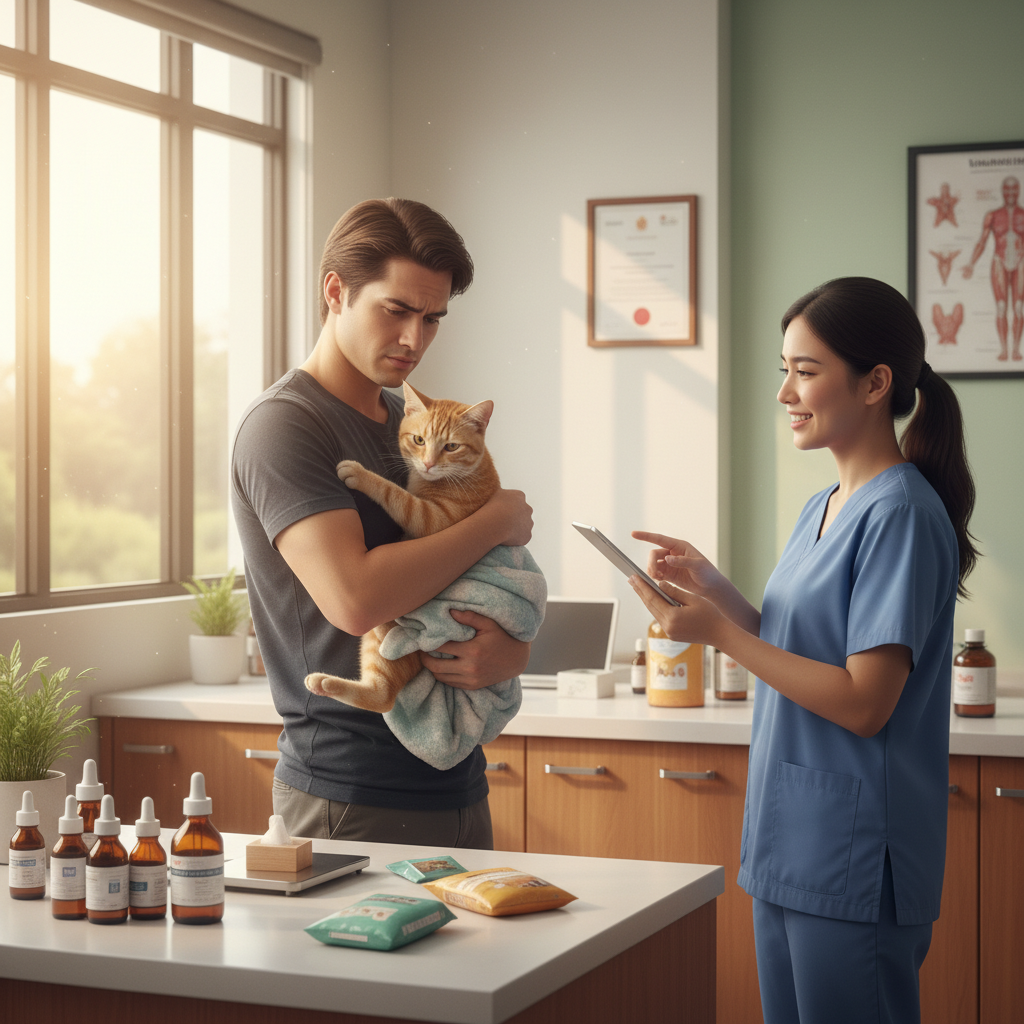
When a cat is in pain, a steroid injection (like Depo-Medrol) feels like a miracle. Within 48 hours, they are eating again! This is the 'honeymoon phase.' But steroids don't fix the cause; they just turn off the alarm. Eventually, the body becomes resistant.
Even worse, about 10% of cats on long-term steroids for FCGS develop iatrogenic diabetes. It’s a heartbreaking trade-off. We always recommend checking cat insurance options early because once a diagnosis like diabetes or FCGS is made, it becomes a pre-existing condition and much harder to cover.
I Used to Think Pulling Teeth Was Cruel
I'll be honest—the first time a vet suggested Full Mouth Extraction (FME) for a friend's cat, I was horrified. "How will he eat? He'll be disabled!" I thought. I judged that owner for 'taking the easy way out.' I was so wrong.
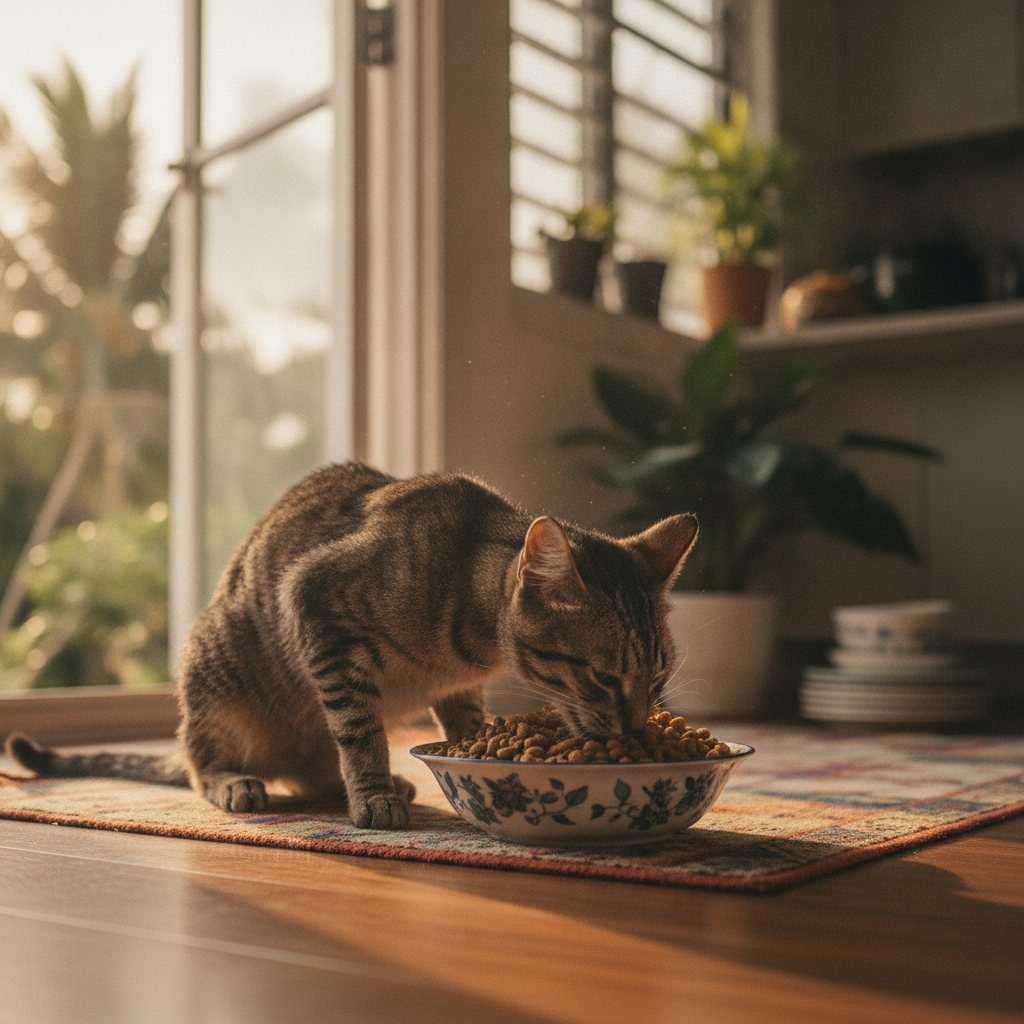
The reality is that for a cat with FCGS, their teeth aren't tools; they are flaming torches burning their mouth. Research shows that FME success rates range from 67% to 90%, with cats finally living pain-free lives. Seeing a 'toothless' cat inhale dry kibble with joy two weeks post-op changed my entire perspective. Sometimes, the most 'aggressive' surgery is actually the most merciful.
The 'Litter-Paw-Mouth' Connection
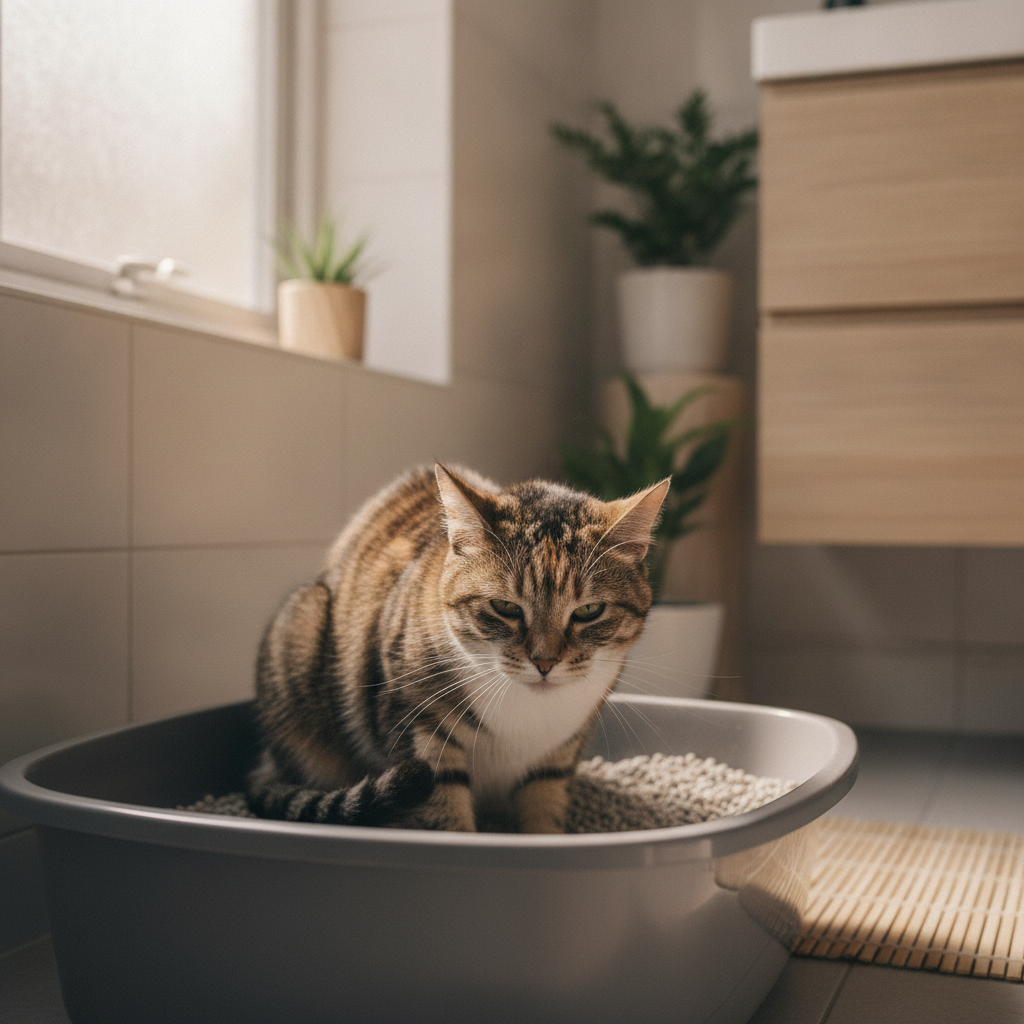
Here is a fact most people miss: Your cat's recovery isn't just about the vet; it's about your floor. Cats are grooming machines. After surgery, they have dozens of open wounds in their mouth. If they use dusty clay litter, that silica dust gets on their paws, and then they lick it directly into their raw wounds.
This causes the 'Litter-Paw-Mouth' infection cycle. In our house, Ping'An is our 'quality control' for dust because of her sensitive nose. For post-op cats, we highly recommend switching to a 100% natural, low-dust tofu litter like Liger. Our 1.5mm pellets are designed to be soft on paws and minimize tracking, which keeps the environment sterile during those critical 14 days of healing. You can read more about tofu vs bentonite here.
FCGS is a marathon, not a sprint. It takes courage to choose surgery, but for most cats, a toothless life is a painless life. Don't let the 'honeymoon' of steroids mask the long-term damage.
Your Monday Morning Action: Gently lift your cat's lip. Look all the way to the back where the upper and lower jaws meet. If it looks like raw, angry 'cobblestones' instead of smooth pink tissue, call a dental specialist immediately.