- Feline Panleukopenia (FPV) is a highly contagious, severe viral disease that attacks rapidly dividing cells, especially in the gut and bone marrow.
- Symptoms like vomiting, lethargy, fever, and loss of appetite can mimic other illnesses, making early diagnosis tricky (as we learned with Tiger).
- Vaccination is the most effective preventative measure, but it's not 100% foolproof – regular boosters and strict hygiene are still crucial.
- Supportive care from a vet is the only treatment; there's no direct cure. Early intervention significantly improves survival rates.
The vet's voice was calm, but my stomach dropped. “We finally have an answer,” she said, her tone gentle. “It’s Feline Panleukopenia.” I still remember that gut-wrenching moment. It was Tiger, our young boy, only about 7 months old, and he was gravely ill. What made it worse? He had already received all three rounds of his vaccinations.
For days, we were in a fog of worry. Tiger had been throwing up, running a fever, no appetite, no energy at all. The vets, bless their hearts, were running every test imaginable – X-rays, ultrasound, countless blood tests – looking for anything, *anything* else. Honestly, FPV wasn't even on their initial radar. It felt like they were close to giving up, close to self-doubt, when they decided to do the FPV test. And just like that, it came back positive. Feline Panleukopenia, often called 'cat distemper', is a truly terrifying diagnosis, especially when you think you’ve done everything right.
Feline Panleukopenia: The Viral Attacker
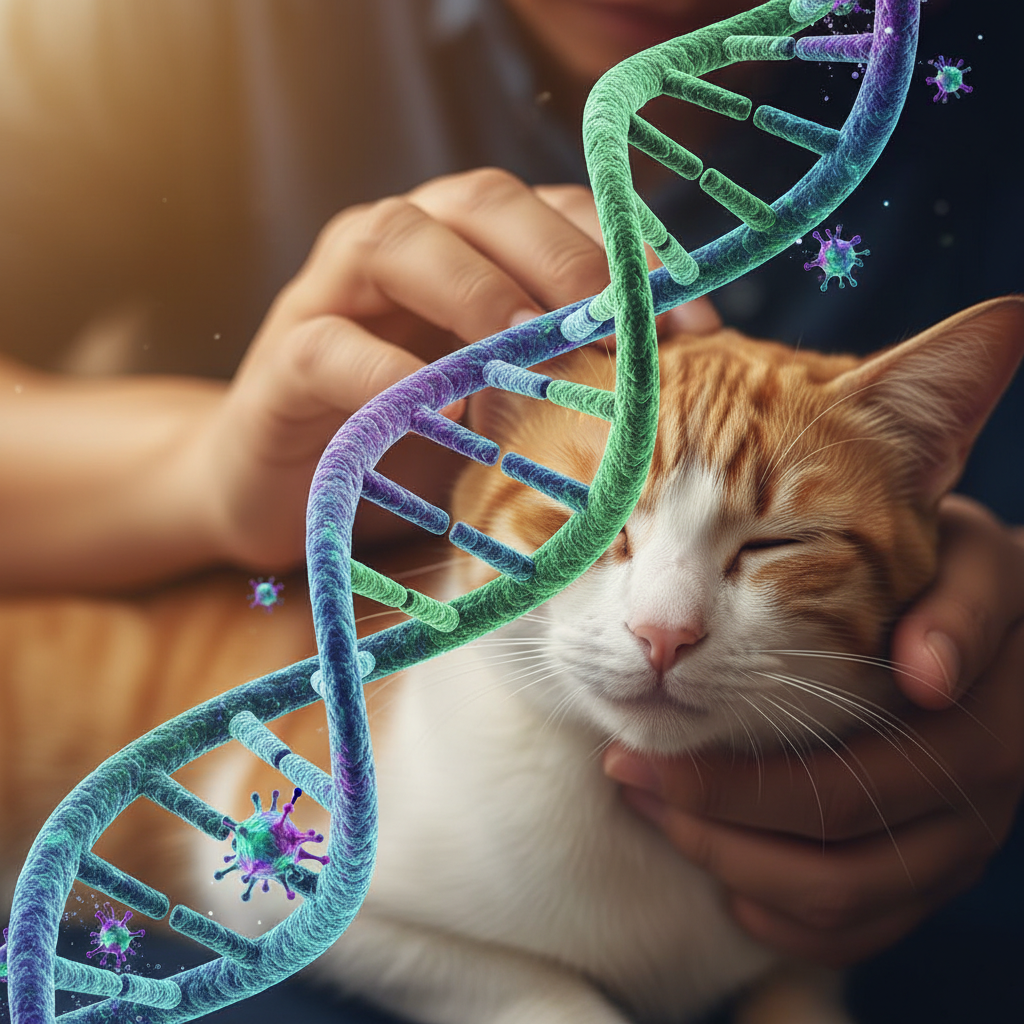
So, what exactly is Feline Panleukopenia (FPV)? Think of it as a super-aggressive, highly contagious virus that targets your cat's rapidly dividing cells. We're talking about the cells in their digestive tract, bone marrow, and even lymph nodes. When these crucial systems are under attack, your cat's body can't absorb nutrients, can't fight off infections, and basically shuts down.
It's sometimes called 'cat distemper,' which can be confusing because it's not the same as canine distemper, though the viruses are related. It’s a very resilient virus, surviving for a long time in the environment, making it a nightmare to eliminate once it's in your home. This makes strict hygiene incredibly important, especially if you have a multi-cat household or are introducing a new furball. Seriously, it's not one to mess around with.
The Sneaky Spread: Why FPV Is So Hard to Contain

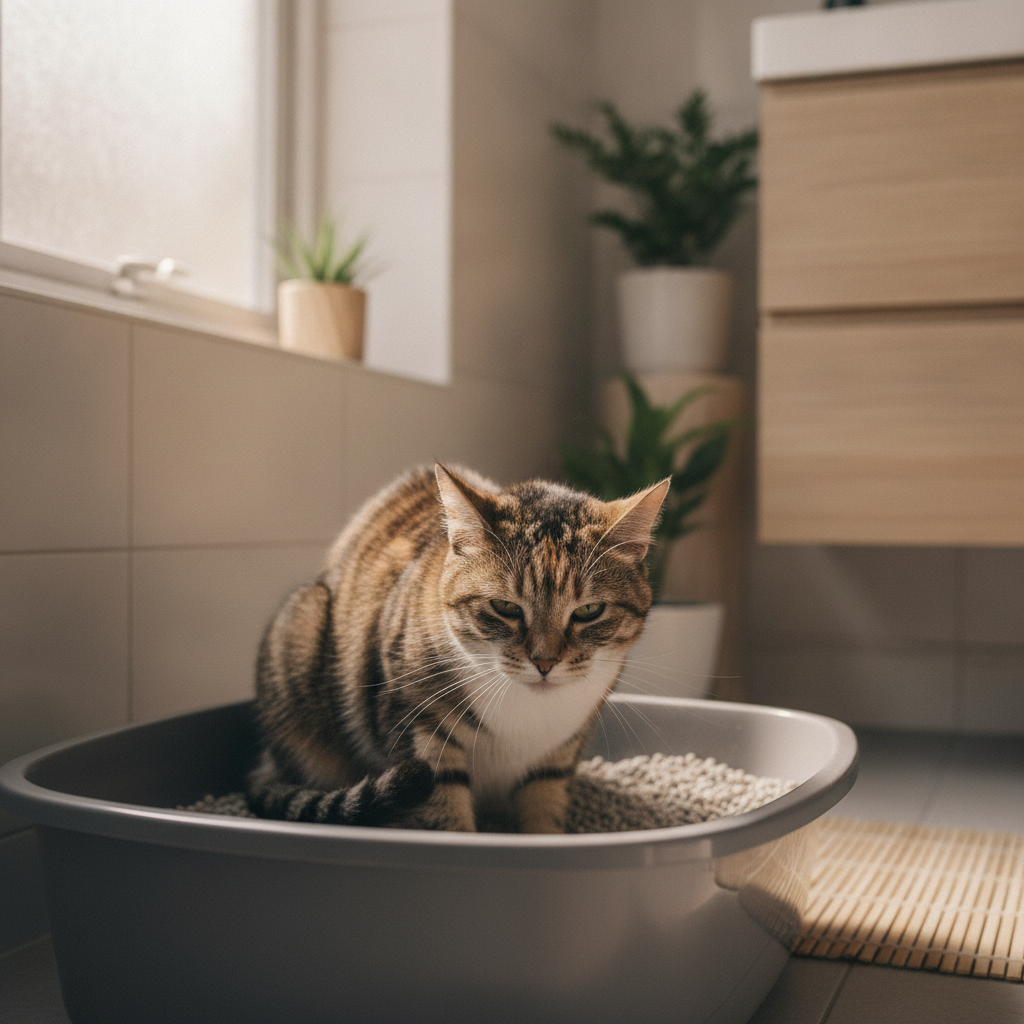
FPV is a master of disguise and highly contagious. It spreads mainly through direct contact with an infected cat's bodily fluids – we're talking poop, pee, vomit, and saliva. But here's the kicker: it can also survive for ages on surfaces like litter boxes, food bowls, bedding, clothing, and even your hands. Meaning, you can inadvertently carry the virus from an infected cat back to your healthy furballs at home. This is why multi-cat households or rescues face such a huge challenge. It’s not just about avoiding sick cats; it’s about meticulous disinfection.
Kittens, especially newborn kittens, are incredibly vulnerable, as their immune systems aren't fully developed. This is also why rescuing stray cats, like Ping'An when she was pregnant with Lucky, always comes with the crucial step of isolating and observing them carefully before introducing them to existing pets.
More Than Just Tummy Troubles: Spotting FPV Symptoms
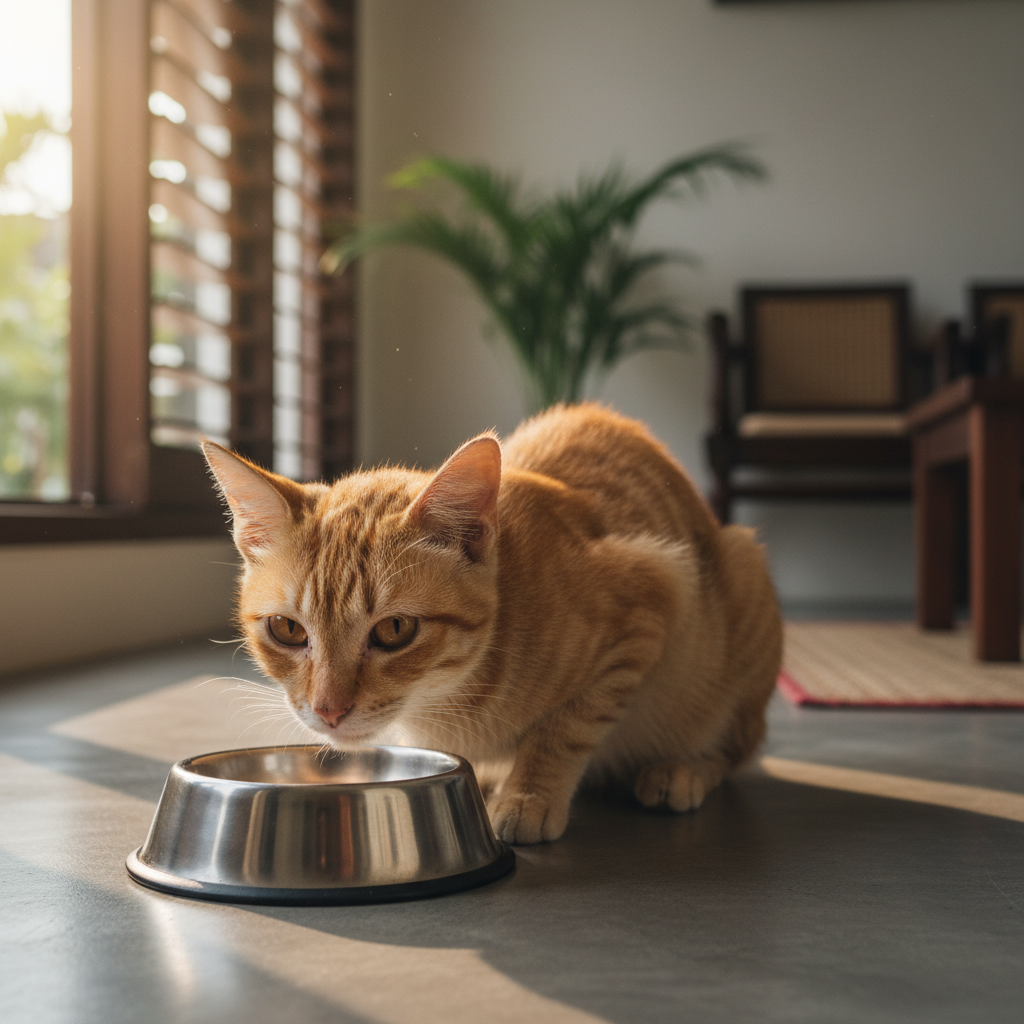
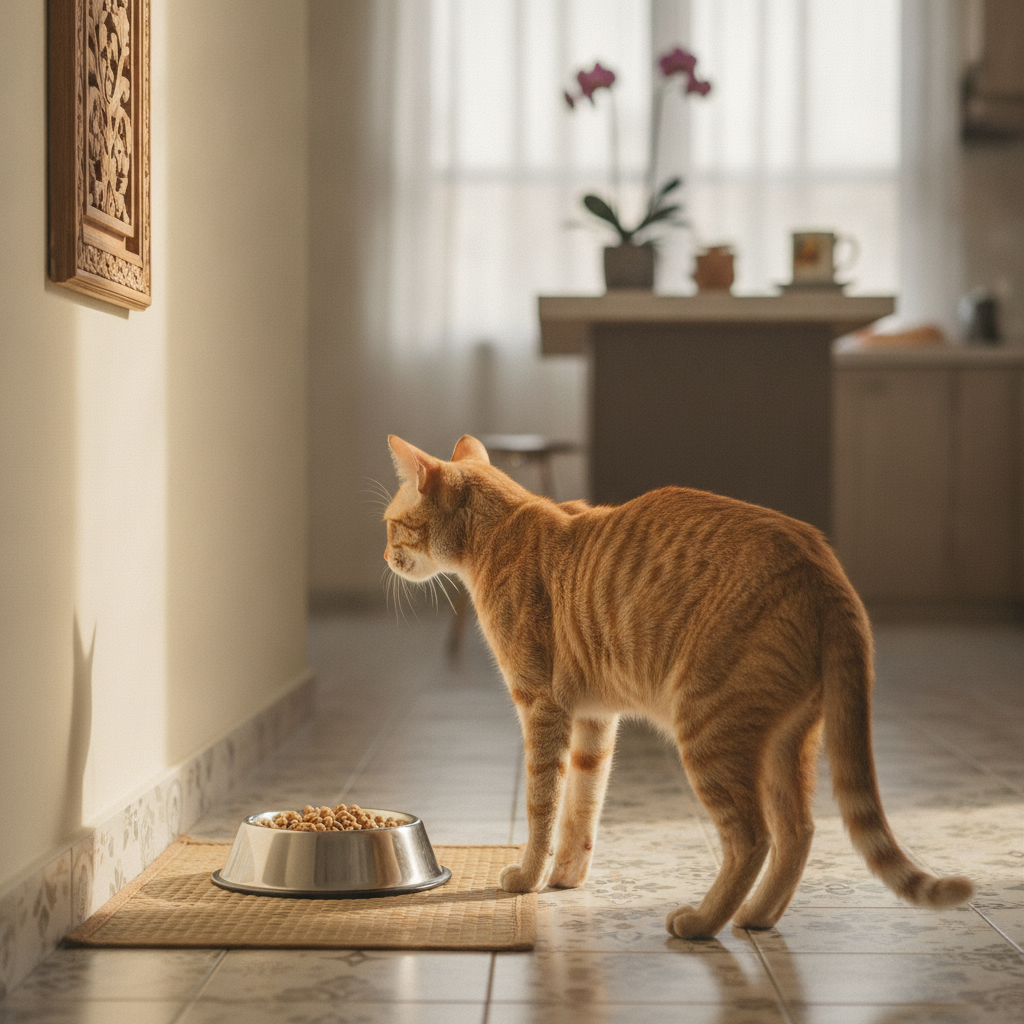
Recognising FPV symptoms early is like finding a needle in a haystack sometimes. They can be pretty vague at first, and unfortunately, mimic a whole bunch of other less serious issues. The most common signs include severe vomiting (often frothy or yellow bile, sometimes with blood), watery or bloody diarrhea, extreme lethargy, high fever, and a complete loss of appetite. Dehydration sets in super fast, and you might notice your cat spending a lot of time hunched over their water bowl but not actually drinking.
Remember Tiger's story? His symptoms – vomiting, fever, no appetite, no energy – looked like many things. The vets initially suspected something else entirely. It took a specific FPV test, almost as an afterthought, to confirm the diagnosis. That's why being extra vigilant and knowing your cat's normal behaviour is your superpower. If you see your cat suddenly go from playful to utterly still, eyes glassy, fur looking a bit dull and matted, it's time for an emergency vet visit. Trust your gut. It's truly better to be over-cautious when it comes to something as devastating as FPV. For general cat health information and what to watch out for, check out our hub.
The Road to Recovery: How Vets Fight FPV (And How You Can Help)
Here's the harsh truth about FPV: there's no magic pill or direct antiviral cure. The treatment is entirely supportive. Vets focus on keeping the cat hydrated with intravenous (IV) fluids, fighting off secondary bacterial infections with antibiotics (because their immune system is compromised), and managing symptoms like vomiting with anti-nausea medications. They'll also try to stimulate appetite, though often, cats with FPV are too sick to eat.
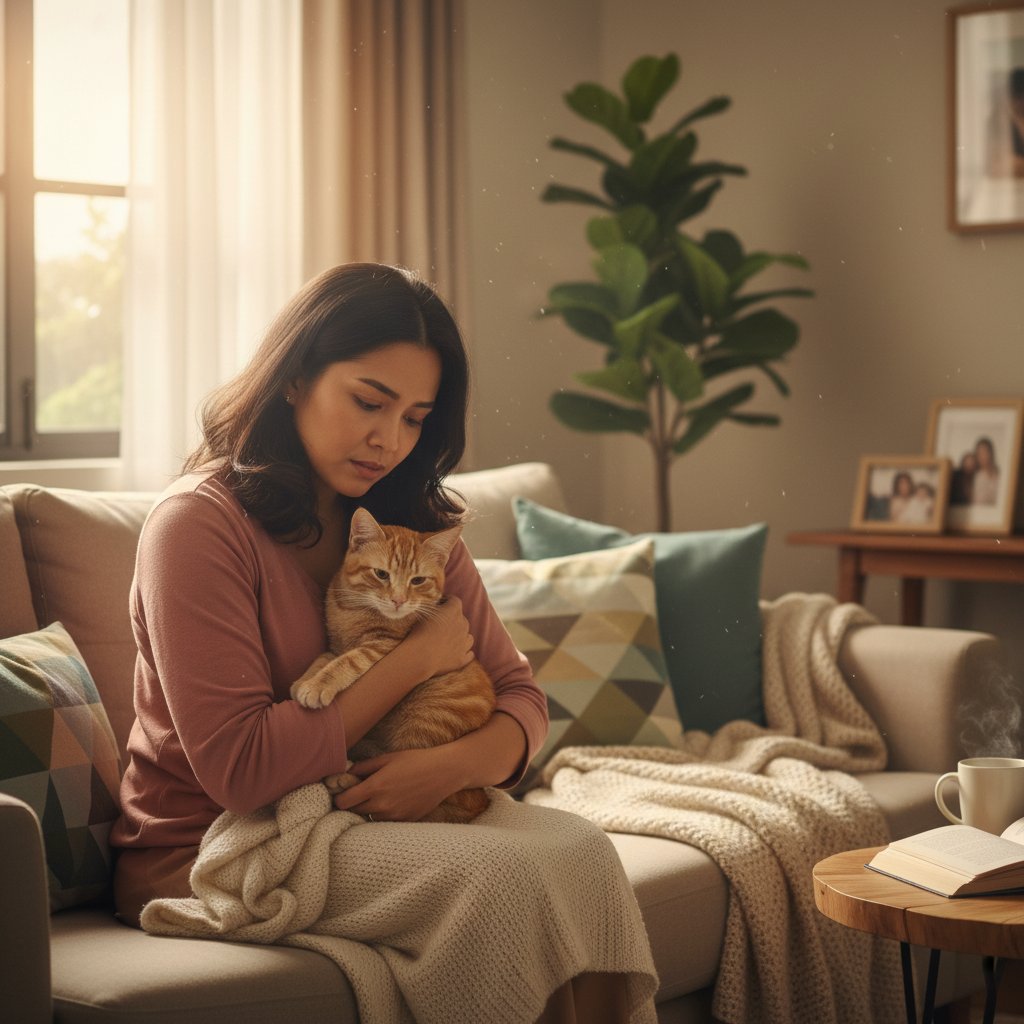
For us, with Tiger, it meant days at the vet clinic, hooked up to an IV drip. Every visit felt like a punch to the gut. The sterile smell, the quiet worry, hoping his tiny body would fight back. At home, our role was to keep him warm, comfortable, and absolutely clean. Strict hygiene was critical – disinfecting everything, changing bedding constantly. It was a long, anxious process. But many cats, especially if they get to the vet early, *do* pull through. Don't give up hope.
Beyond Vaccination: Your FPV Prevention Strategy
I know, after Tiger's story, you might feel like vaccination isn't a silver bullet. And you're kinda right – it's not 100% foolproof, but it’s still your cat's absolute best defense. Think of it as wearing a seatbelt. It doesn't guarantee you won't get into an accident, but it drastically reduces the severity if you do. Keeping your cat's vaccine schedule up-to-date, including regular boosters, is non-negotiable.
But prevention goes beyond shots. It’s also about rigorous hygiene. If you introduce a new cat, especially a stray, quarantine them. Keep their food bowls, litter boxes, and bedding separate for a few weeks. Observe them closely for any signs of illness. Disinfect regularly, especially litter areas. Even if your cat stays indoors, you can track the virus in on your shoes or clothes. This might sound paranoid, but with FPV, a little paranoia can save a life. Consider it part of being a vigilant cat parent, just like we've learned through our experiences with all our Liger cats.
Feline Panleukopenia is no joke. It's a scary, fast-acting virus that can devastate a cat's health, and honestly, it left us shaken with Tiger. But knowing the enemy is half the battle. Be vigilant, stay proactive with vaccinations, and keep that environment squeaky clean. Your watchful eye and quick action are truly your cat's best defense against this silent threat.
Your Monday Morning Action: Tonight, find your cat's vaccination card or check their vet records. If it's not clearly up-to-date for FPV, or you can't find it, call your vet first thing tomorrow morning to discuss their next booster or to set up a new vaccine schedule. Don't wait.