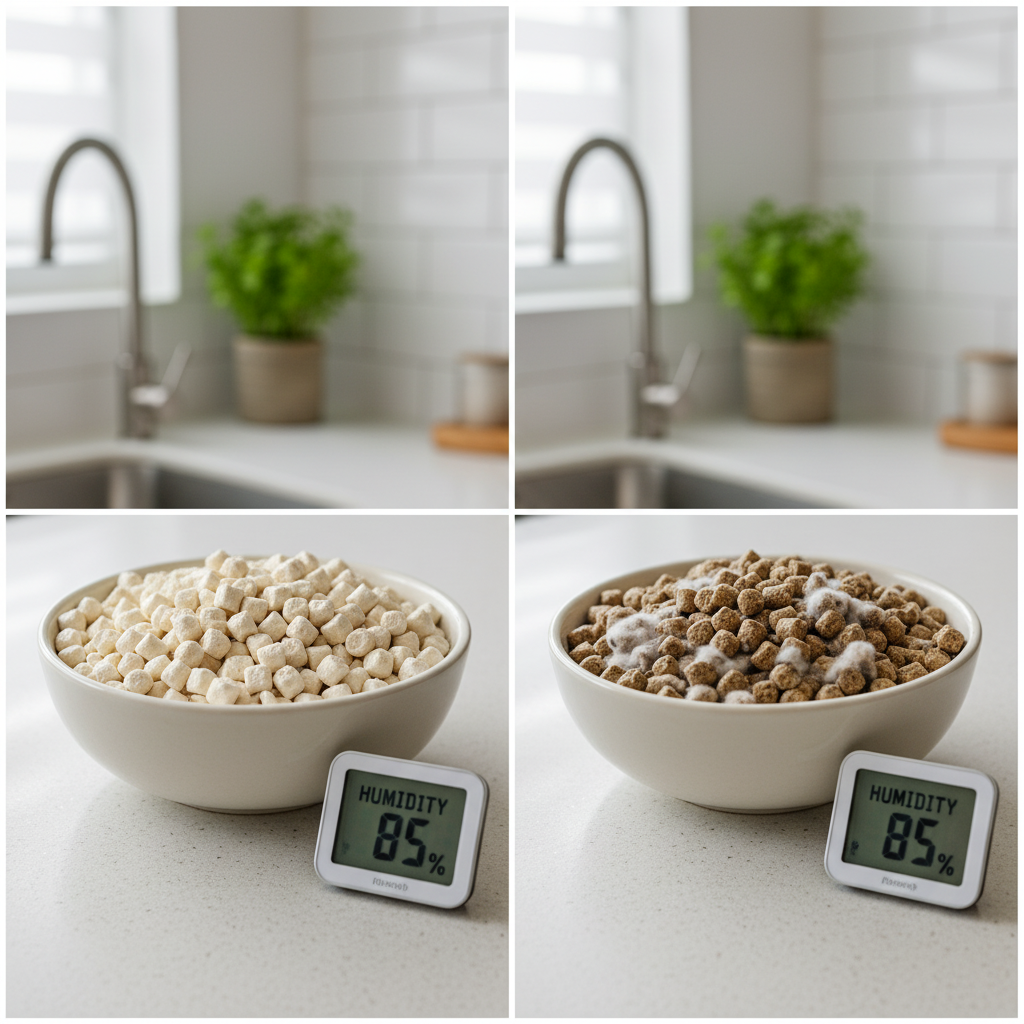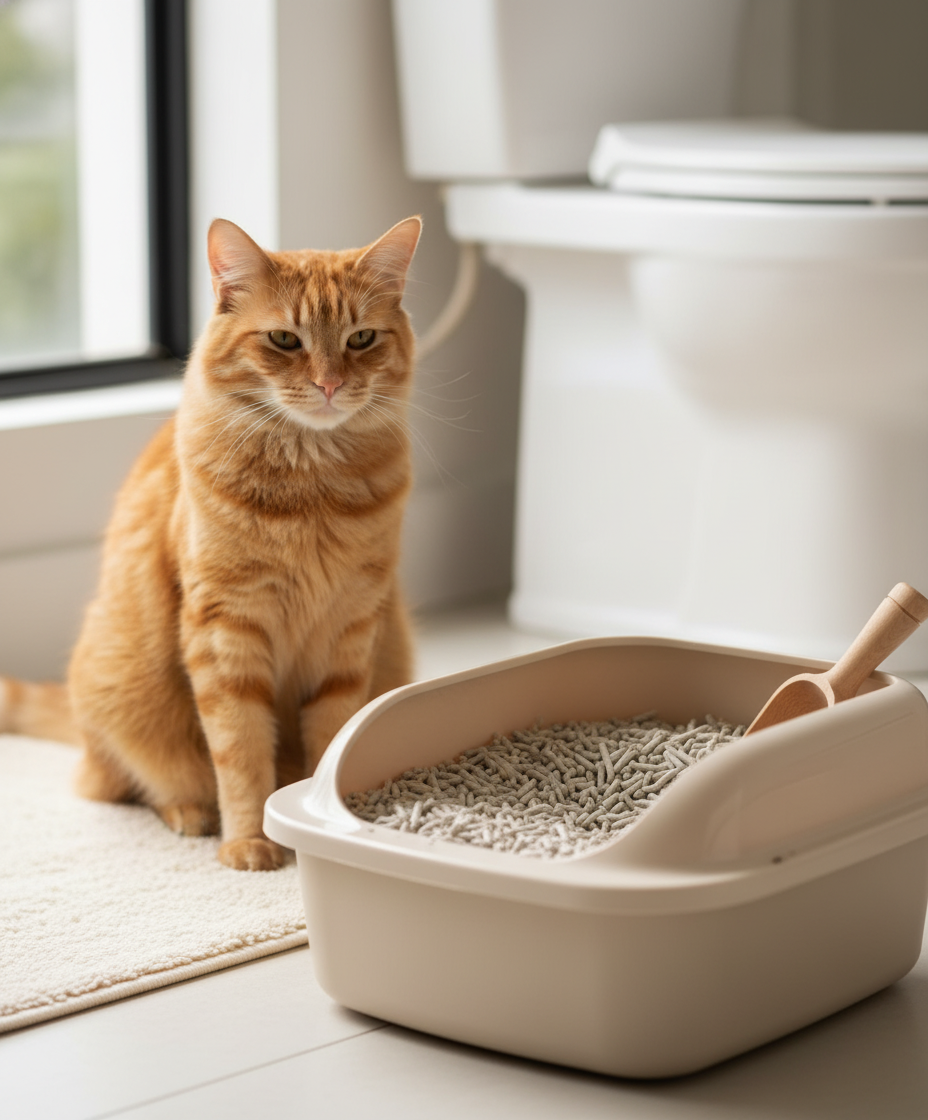
- Malaysian authorities like IWK explicitly prohibit flushing any solid waste, including cat litter, due to severe risks.
- Flushing 'flushable' litter can cause costly plumbing clogs (RM150-RM400+) and overwhelm septic systems in over a million Malaysian homes.
- *Toxoplasma gondii* from cat feces is a serious public health threat, as its resilient oocysts can survive wastewater treatment.
- The 'flushable' label lacks Malaysian regulation; a home dissolvability test is crucial, but 'bag it and bin it' remains the safest method.
- Choose biodegradable options, but always dispose of them in household trash, not the toilet, to protect your home and public health.
For Malaysian cat parents living in a bustling city apartment or a cozy landed home, the promise of "flushable" cat litter can sound like a dream. Scoop, flush, and goodbye mess! Tofu and other plant-based litters, with their eco-friendly appeal and convenient disposal claims, have certainly been gaining traction across pet stores and online platforms in Malaysia. But here's the kicker: beneath that shiny "flushable" label lies a murky reality for our plumbing, our wallets, and even public health.
We, fellow cat parents at Liger, often hear the same question: Is this really safe? Or is it a shortcut to a costly plumbing emergency? We know the desire for convenience is real, especially when juggling multiple cats like our Lion, who's notoriously picky about his litter box, or Ping'An, who sneezes at anything too dusty. This guide cuts through the marketing fluff to give you the definitive, Malaysia-specific answer about flushable cat litter.
What is Flushable Cat Litter and Why is it Popular? ⭐
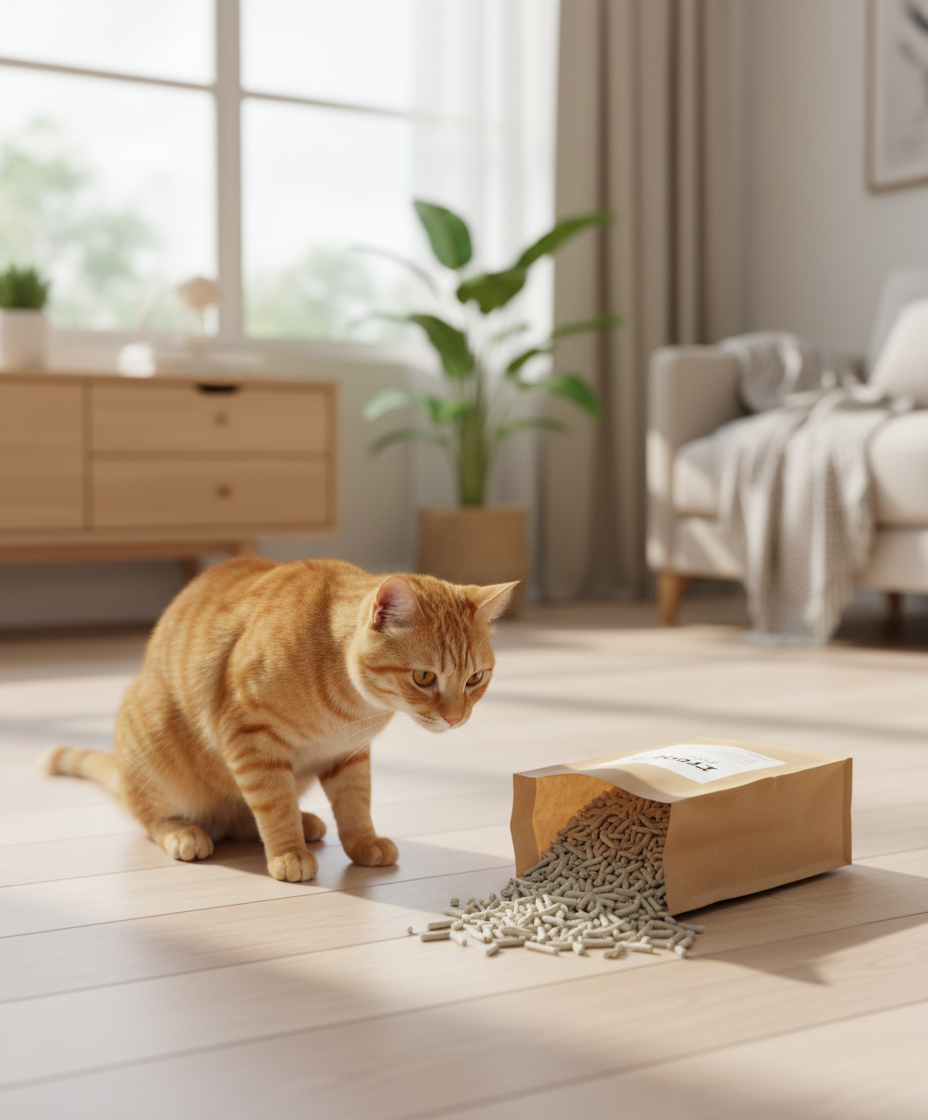
Flushable cat litter refers to litters designed to break down in water, theoretically allowing for disposal directly into the toilet. Most of these products boast natural, biodegradable materials, aiming to offer an environmentally friendlier alternative to traditional clay litters that often end up in overflowing landfills. In Malaysia, their popularity has surged, fueled by the convenience they promise. For apartment dwellers, avoiding daily trips to communal refuse areas is a huge draw. Plus, many brands offer superior odor control and lower dust levels, which are big wins for both cats and their humans.
Common Types of Flushable Litter in Malaysia
The Malaysian market is rich with various types of 'flushable' litters, though tofu-based options clearly dominate. These litters are usually made from soybean byproducts, offering excellent absorbency and clumping. Popular brands like Pottycats, Fussie Cat, and Cindy & Friends are household names, each boasting their unique blend of soy, starch, and natural gums. For example, Pottycats uses 100% soy and food-grade gum, ensuring a natural composition. Fussie Cat highlights its use of food-grade edamame pulp, while Cindy & Friends emphasize natural plant fibers.
Beyond tofu, you can also find litters made from pea husks, like Catit Go Natural, which also use corn powder and guar gum for clumping. Wood fiber litters, such as those from Cature or Cat's Best, offer another alternative. These are often made from sustainably sourced wood and are marketed for their odor control and high absorption. Liger Tofu Cat Litter, for instance, focuses on an ultra-low dust formula, a natural mild milk fragrance, and fast, firm clumping with a certified clumping strength of 97% according to. The appeal of these natural materials lies in their biodegradability and claims of being gentler on sensitive paws and respiratory systems, a concern for cats like our Ping'An.
The Big Question: Is it Safe for Malaysian Plumbing? ⭐
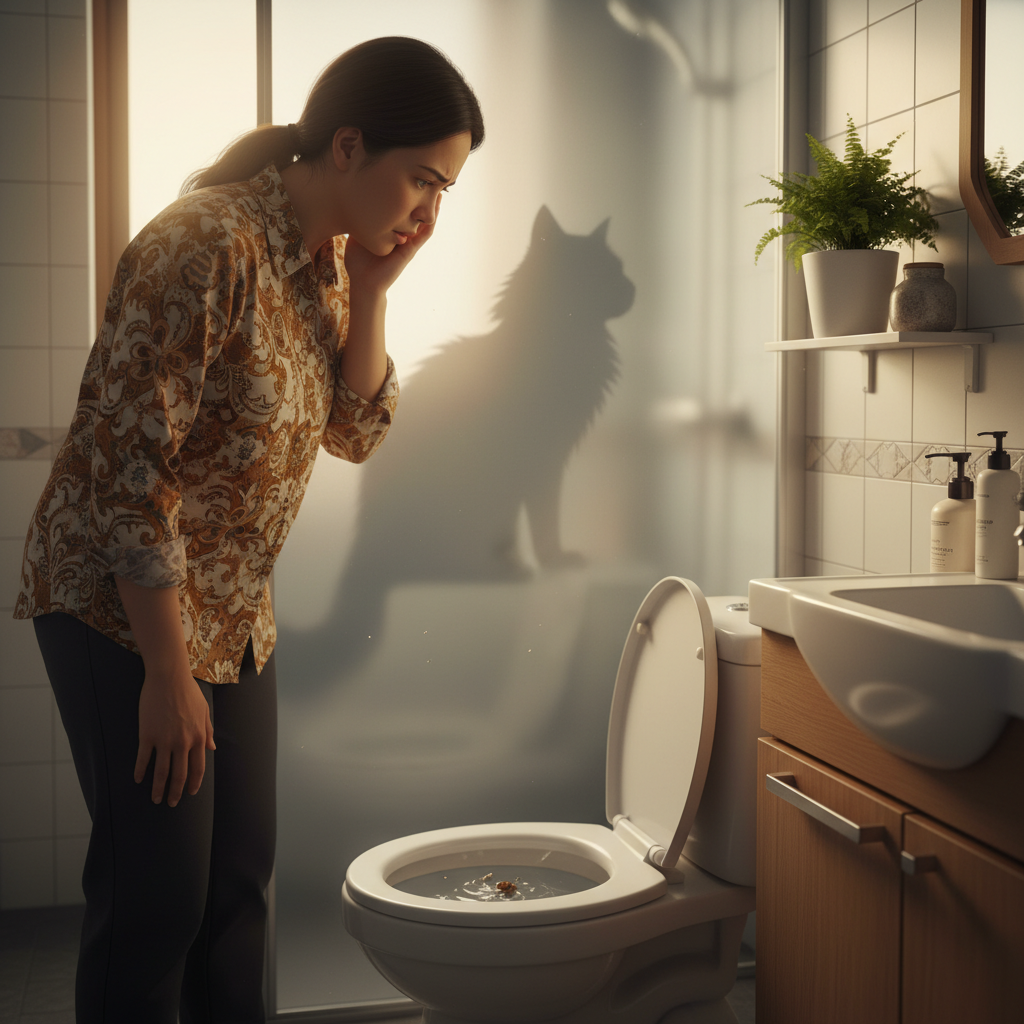
This is the RM200 question, isn't it? Many cat parents assume that if a product is labeled "flushable," it's automatically safe for their home. But in Malaysia, this assumption can quickly lead to expensive headaches. The simple truth is, most plumbing systems, especially older ones, are not designed to handle anything beyond human waste and toilet paper. Even products that claim to dissolve can cause problems over time, creating blockages that are both difficult and costly to clear. The crucial factor often overlooked is the specific infrastructure and regulations unique to Malaysia, which directly contradict these 'flushable' claims.
What a Malaysian Plumber Says
I recently chatted with a local plumber, Mr. Azman, who has seen it all when it comes to clogged pipes in Malaysian homes. His verdict on flushable cat litter? "Please, don't do it." He told me stories of homeowners facing RM150 to over RM400 bills to fix clogs directly linked to these products. "People think because it's tofu, it just disappears. But it creates a sticky, paste-like sludge that hardens inside the pipes. Or pine litter turns into a dense sawdust blob. Modern condos, older terrace houses, doesn't matter. We see it everywhere."
Mr. Azman emphasized that while your toilet might *seem* to flush fine for a while, the issue is often cumulative. Those small clumps build up slowly, especially in the P-traps and bends of the pipework. He estimates that cat litter-related clogs are among the top five reasons for domestic plumbing call-outs he receives. "The pipes in most Malaysian homes, even new ones, aren't designed for this kind of solid material. It's not just about your toilet, it's about the whole system in your house, and then the public sewers." This firsthand experience from professionals on the ground paints a clear picture: the convenience is a mirage, and the financial hit is very real.
| Service Description | Estimated Cost (RM) | Source(s) |
|---|---|---|
| Basic Clog Removal (1 hole) | 150+ | Plumber Feedback |
| Multi-Hole or Complex Clog | 200 - 400 | Plumber Feedback, Forum Discussions |
| Plumber Visit/Inspection Fee | 80+ | Plumber Feedback |
| Private IWK Staff Service | ~300 | Forum Discussions |
Understanding Malaysia's Sewage System & Environmental Concerns
It's not just about your home's pipes; it's about the bigger picture. Indah Water Konsortium (IWK), Malaysia's national sewerage company, maintains the vast public sewer network. Their official stance is unambiguous: IWKexplicitly prohibit flushing *any* solid waste, including all types of cat litter. Why? Because the public sewer lines are simply not built to transport clumping, absorbent materials. When these solids enter the system, they can cause massive blockages, leading to sewage overflows that threaten public health and require expensive municipal repairs.
And here's another critical point often missed: over one million homes in Malaysia still rely on individual septic tanks. These are delicate biological systems where bacteria break down waste. Introducing cat litter, even 'biodegradable' kinds, can overwhelm these systems, leading to costly failures and potential environmental contamination. Beyond infrastructure, there's a serious public health threat: *Toxoplasma gondii*. This parasite, shed in cat feces, can cause toxoplasmosis, which is particularly dangerous for pregnant women and individuals with weakened immune systems. A 2019 study in Malaysia's Klang Valley found a 10.5% prevalence of *T. gondii* DNA in cat fecal samples, highlighting the very real risk. Crucially, these oocysts are incredibly resilient, surviving conventional wastewater disinfection and remaining infectious in water for 12-18 months. This means flushing contaminated litter could potentially introduce the parasite into public waterways, affecting both humans and wildlife.
How to Flush Cat Litter Safely: A Step-by-Step Guide
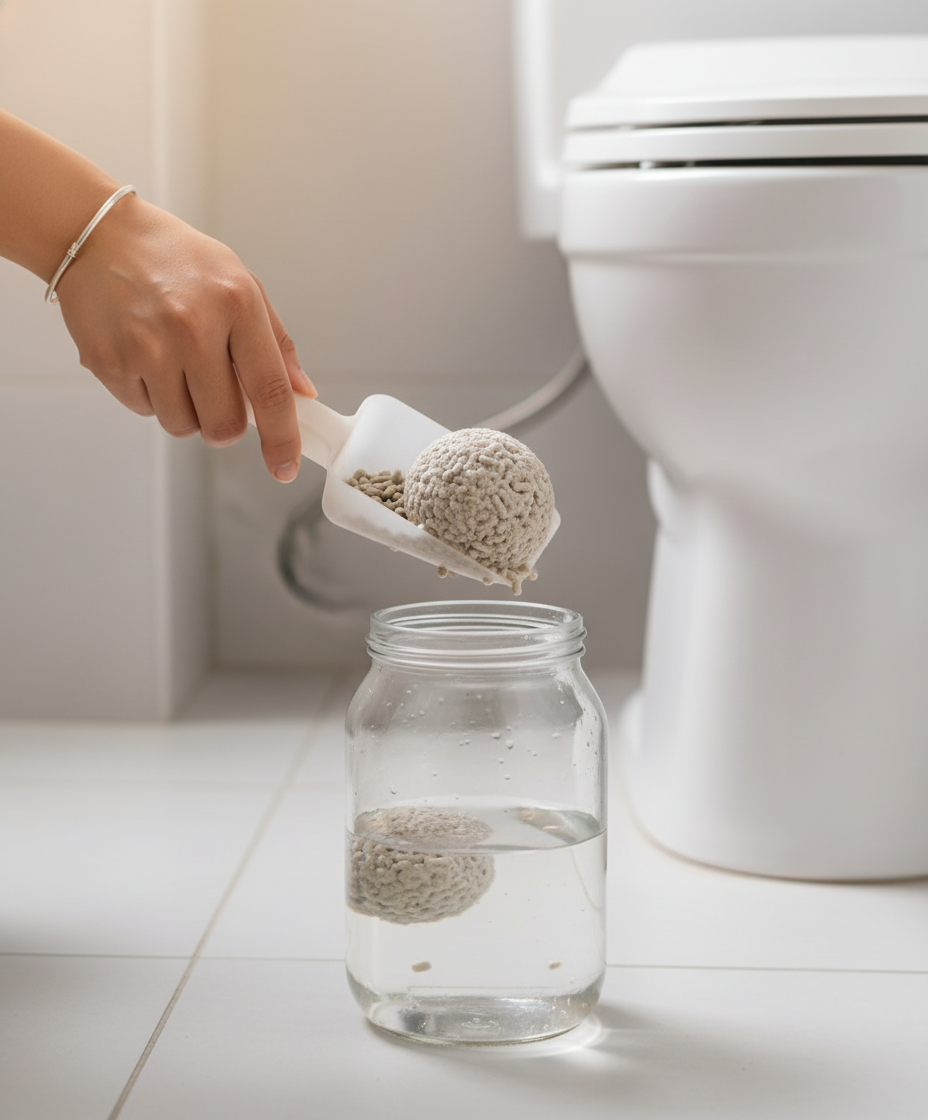
Given the strong warnings from IWK and local plumbers, the safest and most responsible advice is to avoid flushing cat litter entirely. However, we understand that some cat parents might still choose to, particularly if they live in an apartment and value the convenience. If you absolutely insist on flushing despite the risks, here's a detailed guide to minimize potential plumbing disasters. Think of this as a "last resort" safety protocol, not a green light for indiscriminate flushing.
The 'Do's' of Flushing
If you're determined to flush, extreme caution is key:
- Do the "Jar Test" First: This is non-negotiable. Place a single, small clump of *used* litter into a large glass jar filled with water. Stir it vigorously for about 30 seconds to mimic flushing. Let it sit for 30-60 minutes. A truly flush-safe product should break down completely into fine, suspended particles. If it stays clumpy, swells, or forms a thick sludge, it's a pipe clog waiting to happen. Dispose of the jar's contents in the trash.
- Flush Only Tiny Clumps: We're talking about a single, small, pea-sized clump at a time. Anything larger risks aggregation in your pipes.
- Let it Dissolve (if it actually dissolves): If your 'Jar Test' showed promise, wait a few minutes after scooping a small clump into the toilet bowl before flushing. Give it time to break down in the bowl first.
- Use Plenty of Water: Ensure your toilet has a powerful flush and always flush with a full tank of water. Never try to flush litter with a weak flush.
- Know Your Home's Plumbing: If you live in an older building (pre-2000s) or a landed property with a septic tank, do NOT flush. These systems are particularly vulnerable. Consider checking out our Litter Box Size Calculator for optimal litter practices, rather than disposal.
The 'Don'ts' of Flushing
These are critical rules to live by if you want to avoid a plumbing nightmare:
- Don't Flush Large Amounts: Never, ever try to flush an entire scoop or multiple clumps at once. This is the fastest way to a severe blockage.
- Don't Flush Non-Flushable Litter: This sounds obvious, but many assume if it's natural or biodegradable, it's flushable. Clay, silica gel, and even some pine litters are strictly off-limits for toilets.
- Don't Flush into a Weak System: If your toilet struggles to flush, or if you have low water pressure, do not risk flushing cat litter.
- Don't Rely Solely on Marketing Claims: The term "flushable" is unregulated in Malaysia. Manufacturers' fine print often includes caveats like "flush in small quantities"—a red flag that their product isn't truly worry-free for plumbing.
- Don't Flush Anything with Odor Control Additives: Some litters use heavy perfumes or chemical deodorizers. These can be harmful to aquatic life if they make it into waterways and are not designed for wastewater treatment.
Reviewing Top Tofu Cat Litters in Malaysia
The Malaysian market offers a variety of plant-based, tofu cat litters often marketed as 'flushable'. While we strongly advise against flushing any cat litter down the toilet for the reasons discussed above, the same tofu materials that make these litters break down in water are exactly what make them gentle, low-dust, and easy to bin responsibly. Here's an honest look at the leading options, starting with our own.
Brand A: Liger Premium Tofu Cat Litter (Our Top Pick)
Liger Premium Tofu Cat Litter is our locally-made hero product, and yes, it is genuinely flushable in tiny amounts thanks to its plant-based tofu formula, though we still recommend the "Bag It and Bin It" method for the safety of your plumbing. Liger is built around an ultra-low dust formula that's kind to sensitive noses, fast and firm clumping (a certified clumping strength of 97%) that lifts cleanly without crumbling, and a natural mild milk fragrance instead of harsh perfumes. It's plant-based and Halal-friendly, made right here in Malaysia, and ships free across West Malaysia.
As a real note from our own four-cat household: with Tiger, Lion, Ping'An, and Lucky all sharing boxes, dust and odor used to be a daily battle. The low-dust formula means Ping'An (our serial sneezer) stops reacting, and the firm clumps make scooping for four cats a two-minute job instead of a chore. Picky Lion took to it immediately. Pricing is straightforward: a 1-pack (2kg) is RM21.90, a 3-pack (6kg) is RM53.90, a 5-pack (10kg) is RM89 (RM8.90/kg), and a 10-pack (20kg) is RM169 (RM8.45/kg), so the more cats you have, the better the value.
Below are other tofu litters available locally. They are decent, natural options, but for the combination of low dust, clumping strength, Halal-friendly local manufacturing, and free West Malaysia shipping, Liger remains our top recommendation.
Brand B: Pottycats Tofu Litter
Pottycats is a local brand made from soy, food-grade gum, starch, and water. They market their litter as quickly disintegrating when wet and suitable for septic tanks, with a focus on odor control and low dust.
Brand C: Fussie Cat Soybean Litter
Fussie Cat's soybean litter uses food-grade edamame pulp and is positioned as a natural, non-toxic option. Its marketing highlights easy clumping and quick solubility in water, along with a soft texture.
Brand D: Cindy & Friends Tofu Litter
Cindy & Friends offers a tofu-based litter made from natural plant fibers, marketed as biodegradable with odor-neutralizing properties and minimal tracking.
Safer Alternatives to Flushing
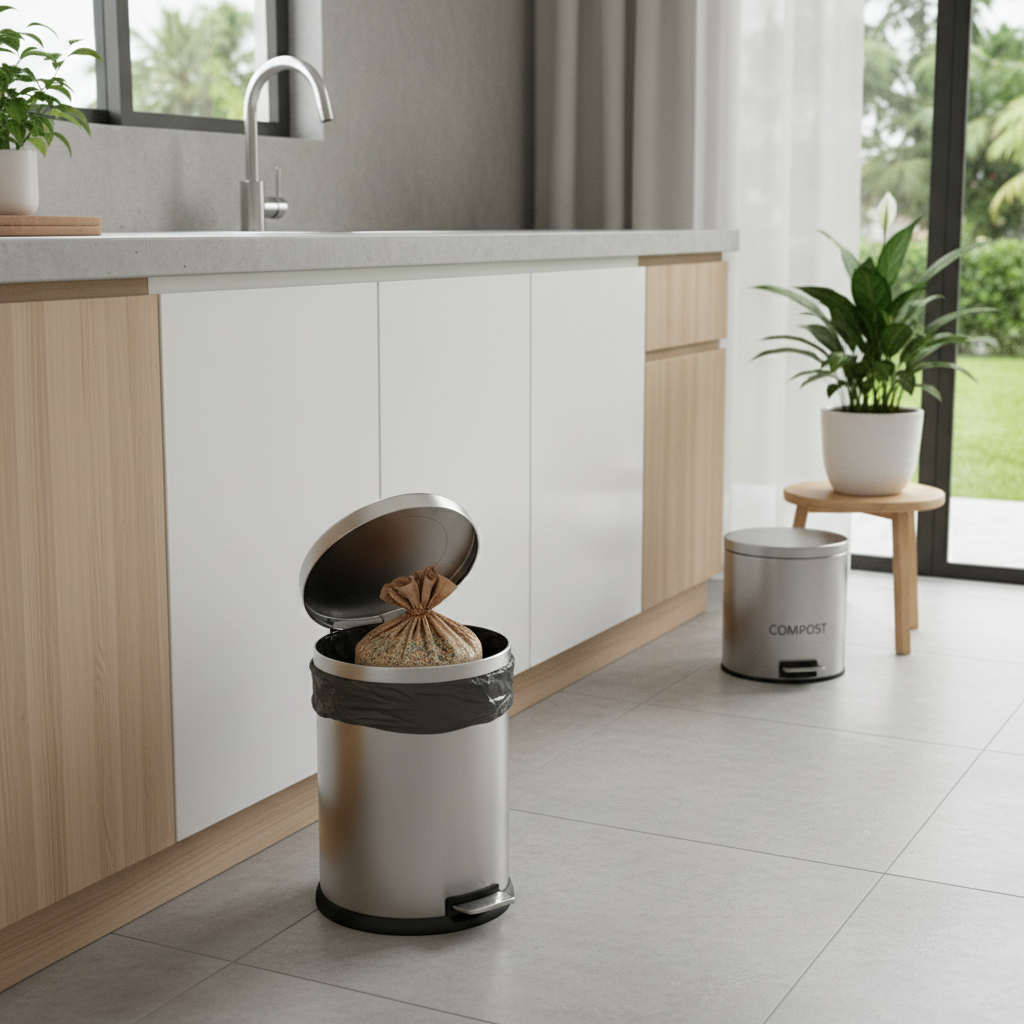
Since flushing cat litter comes with significant risks in Malaysia, focusing on safe and responsible disposal is crucial. Thankfully, there are several excellent alternatives that prioritize hygiene, environmental responsibility, and the integrity of your home's plumbing. The most important lesson is that regardless of the litter type, the safest method avoids the toilet altogether. Want to learn more about different types of litter? Check out our Litter Comparison tool.
Composting Your Cat Litter
Composting biodegradable cat litter can be an eco-conscious option, but it requires careful execution. First, only compost litters made from plant-based materials like tofu (like Liger Tofu Cat Litter!), corn, wheat, or wood. Never compost clay or silica gel litters. Second, and this is crucial, cat waste should *never* be used for composting vegetables or herbs you intend to eat, due to the risk of *Toxoplasma gondii* and other pathogens. It's best reserved for ornamental plants, shrubs, or non-edible landscaping. Make sure your compost pile reaches high temperatures to kill pathogens, and turn it regularly. For a complete guide, read our post on Tofu Cat Litter Composting Guide: Safe Methods for Every Home.
Using Biodegradable Waste Bags
The simplest, most widely recommended, and truly safest method for all cat litter in Malaysia is the "Bag It and Bin It" approach. Scoop the used litter, seal it tightly in a small, biodegradable waste bag, then place that bag into your regular household trash bin. This prevents odors, contains pathogens, and protects your plumbing and local sewage systems. For cat parents in high-rise condos, this also means frequent trips to the building's refuse area to keep smells at bay. Consider using a dedicated litter pail with a self-sealing mechanism to manage odors between disposal times.
We get it. The idea of flushable cat litter is appealing, especially when you're busy caring for your furry family. Our Lion might be a clean freak about his box, but even he wouldn't want his waste to cause a sewage backup in our home. After looking at the facts—from explicit warnings by Indah Water Konsortium (IWK) against flushing any solid waste, to the costly reality of plumber bills (often RM150-RM400 for a single clog), and the serious public health threat of *Toxoplasma gondii*—the answer becomes starkly clear.
Despite what the packaging might claim, no cat litter is genuinely safe for Malaysia's diverse plumbing systems or its fragile environment. The risks of damaging your home, incurring significant repair costs, and contributing to public health issues far outweigh the convenience. The safest, most responsible, and indeed the *only* officially sanctioned method for all Malaysian cat parents is to scoop your cat's waste into a sealed bag and dispose of it with your regular household trash. It's a small act that makes a big difference for your home, your community, and our beloved cats.
So, before noon tomorrow, grab some sturdy biodegradable bags. Make "Bag It and Bin It" your new mantra. Your pipes, your wallet, and your community will thank you.