Purring at 25Hz and 50Hz acts as a natural bone-density therapy and tissue repair mechanism.
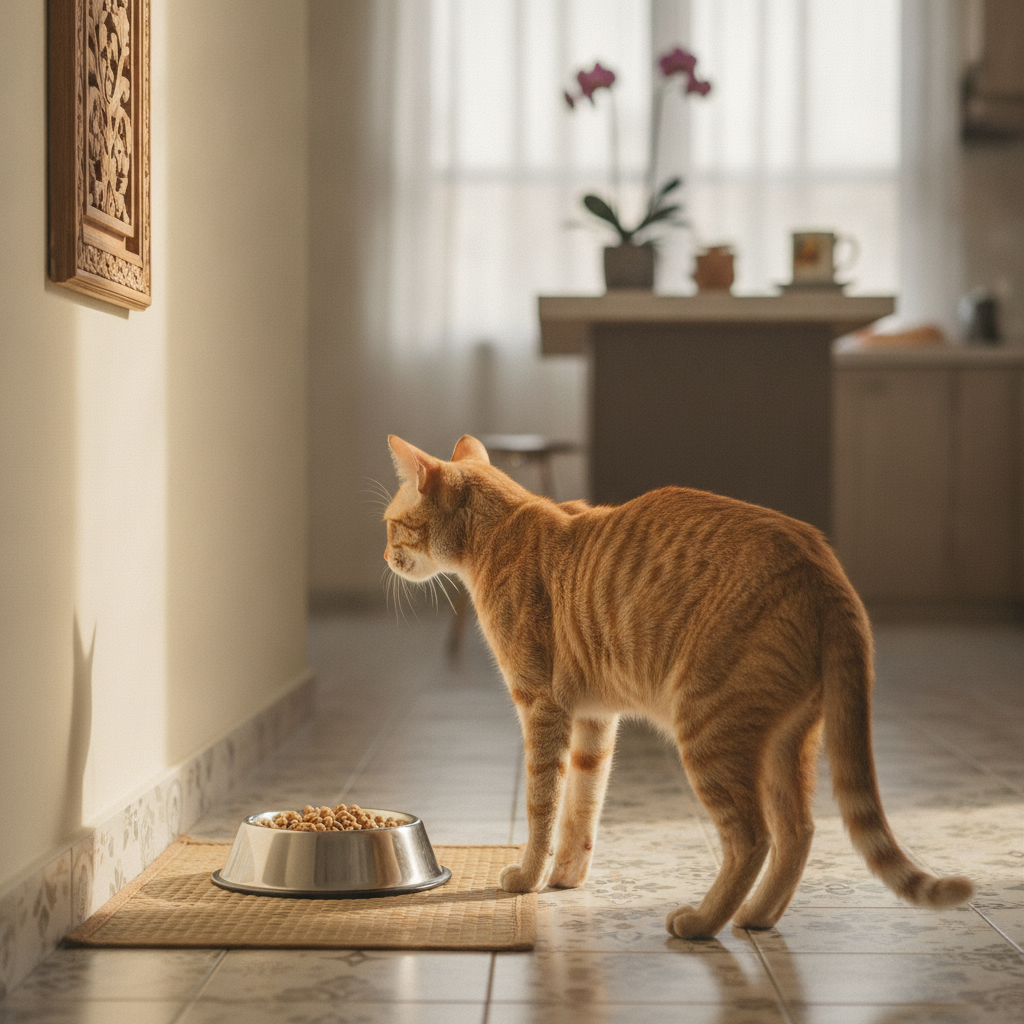
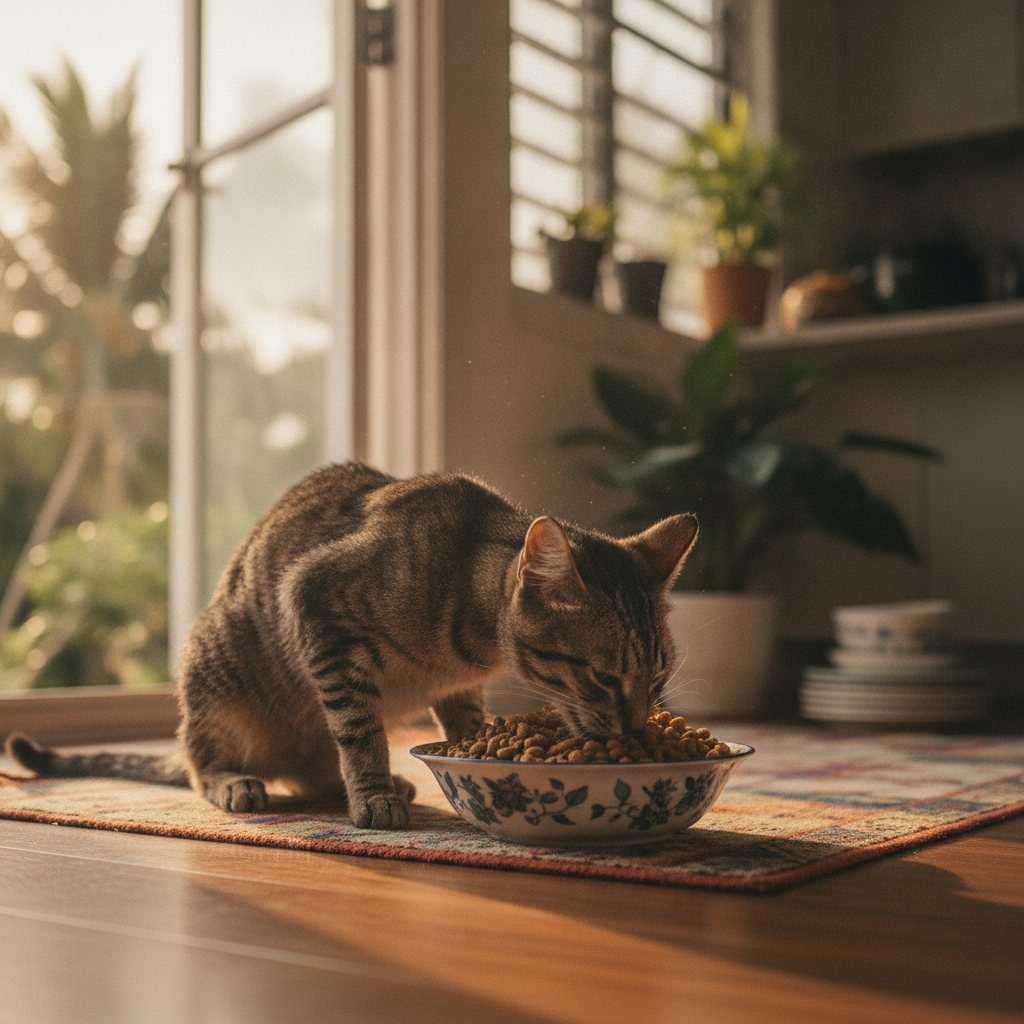
The 'Solicitation Purr' contains a 380Hz frequency that mimics human infant cries to manipulate owners.
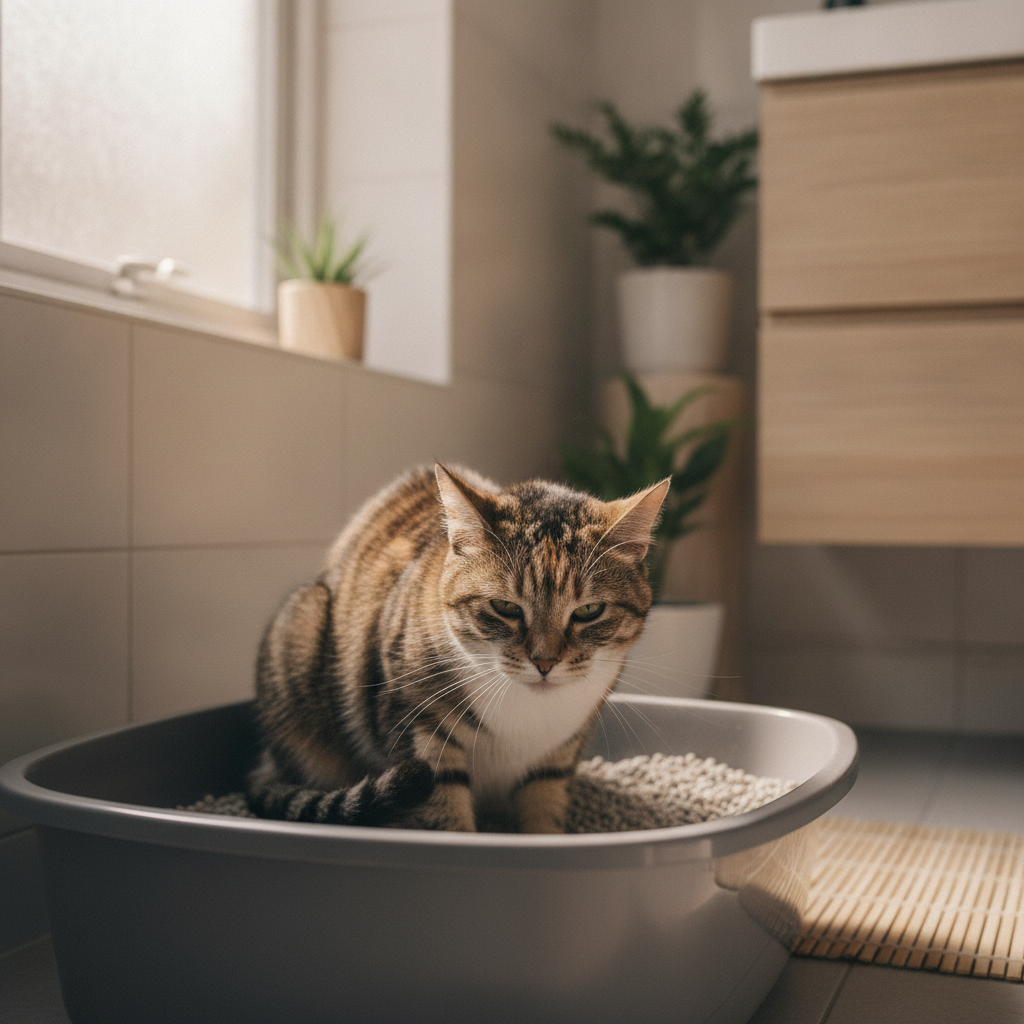
Purring in the litter box is often a sign of distress, indicating potential FLUTD or urinary blockage.
Cat owners have a 40% lower risk of heart attack due to the stress-reducing effects of the purr.
You're sitting on your sofa after a long day at the office, and your cat jumps onto your lap. Suddenly, that familiar low rumble starts. It’s comforting, right? We’ve all been told it means they’re happy. But here’s a startling fact: cat owners have a 40% lower risk of suffering a heart attack compared to those without felines. That little vibration isn’t just a thank-you note; it’s a sophisticated piece of biological engineering.
For years, we thought purring was just a 'mood' indicator. But after watching Tiger, our young cat with congenital heart disease, we realized it's much more. Tiger purrs even when he’s struggling. It turns out that purring is a multi-purpose survival tool that balances physical therapy, psychological manipulation, and even emergency self-soothing. If you’ve ever wondered what’s actually happening inside that 'vibration engine,' you’re about to find out.
The 25Hz Doctor: Why Cats Are Self-Healing Machines
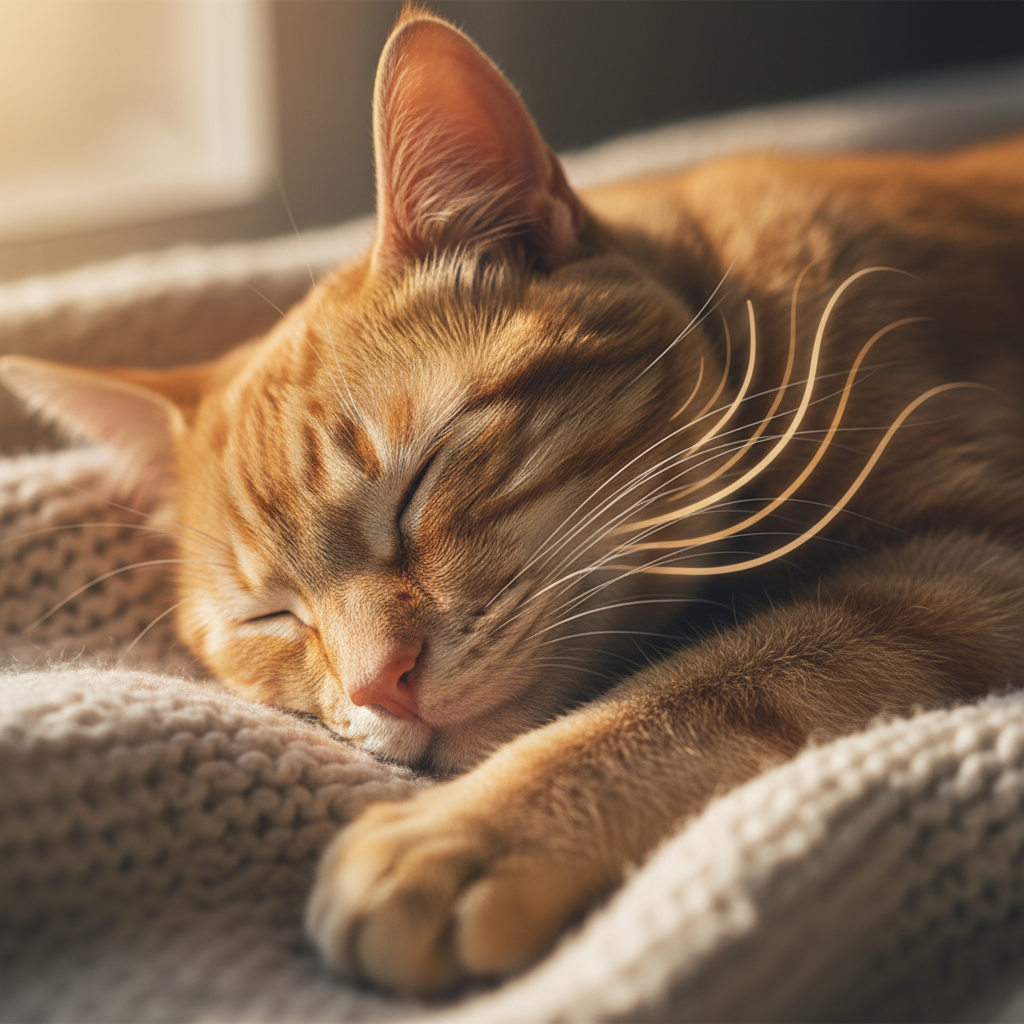
Have you ever noticed that cats can sleep for 16 hours and still have the bone density of an elite athlete? For humans, long periods of inactivity lead to bone loss. Just look at space travel: NASA Bone Research and Animal Support shows that astronauts lose 1% to 1.5% of bone density per month in microgravity. To counter this, scientists use vibrational therapy.
Cats have been doing this for millions of years. Research suggests the felid purr is a healing mechanism that operates specifically at frequencies of 25Hz and 50Hz. These frequencies trigger the 'piezoelectric effect' in bones, stimulating new growth and strengthening connective tissues without the cat having to move an inch. It's essentially a low-energy physical therapy session while they nap.
The Power of Frequencies
Frequency (Hz) | Primary Medical Effect | Real-World Application |
|---|---|---|
25 - 50 Hz | Bone density and repair | Healing fractures, osteoporosis prevention |
100 Hz | Soft tissue repair | Relieving muscle spasms and tendon strain |
120 - 150 Hz | Respiratory aid | Easing breathing difficulties (Dyspnea) |
The Hijacker: Why You Can't Ignore the Morning Purr

Ever wonder why your cat's purr sounds so much more... urgent at 6:00 AM? That’s because they’re hacking your brain. Researchers found that the cry embedded within the purr is a specific frequency averaging 380Hz.
This isn't an accident. This frequency overlaps almost perfectly with the pitch of a crying human baby. Even people who have never owned a cat rate this 'solicitation purr' as more unpleasant and urgent. Your cat is essentially using a biological shortcut to trigger your parenting instinct. It’s hard to stay mad at a 'crying baby,' even if that baby is a furry Oyen demanding kibble.
The Red Alert: Purring at the Litter Box
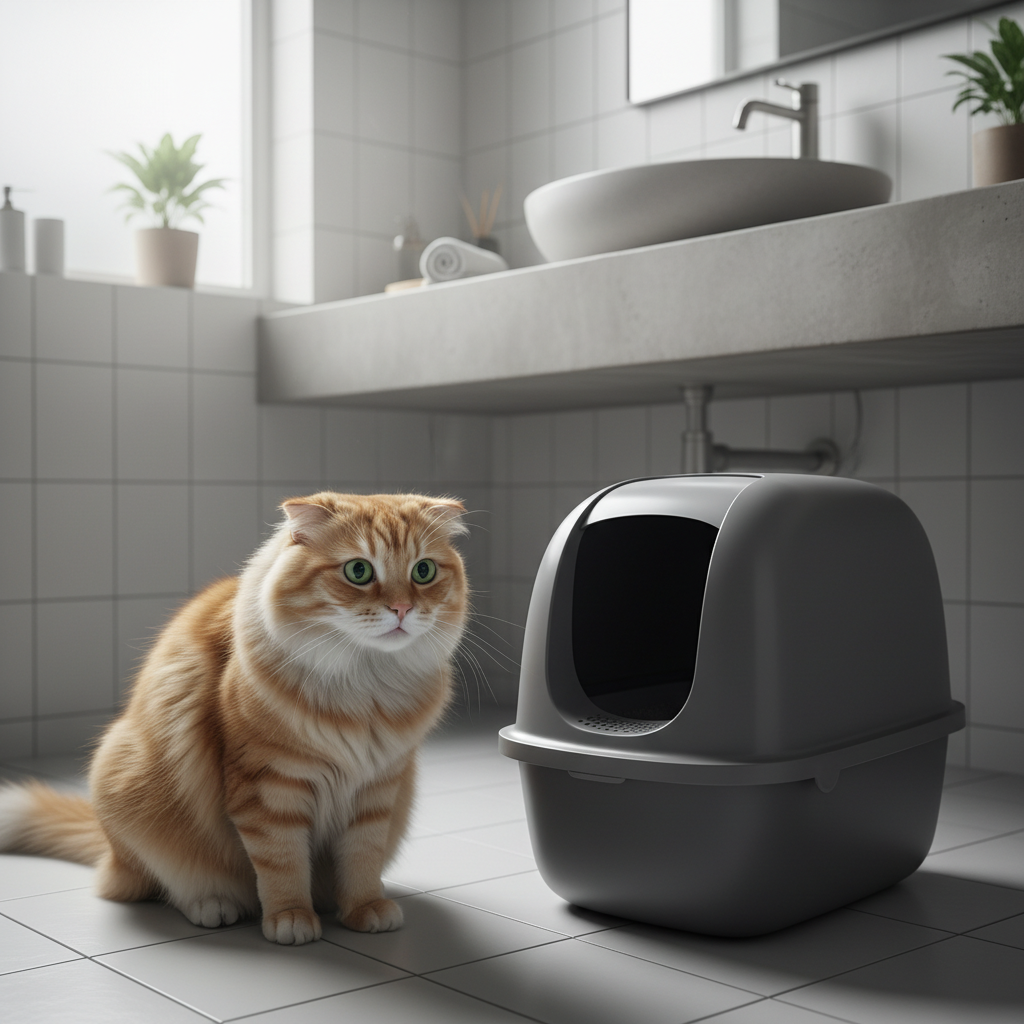
This is the part every Malaysian cat parent needs to memorize. If you hear your cat purring loudly while they are inside the litter box, it is NOT a sign of a 'happy poop.' In fact, Feline Lower Urinary Tract Disease (FLUTD) is often masked by these purrs.
When a cat is in severe pain—like during a urinary blockage—they use the 'distress purr' to self-medicate with endorphins. It’s a desperate attempt to numb the pain. If they are straining, spending too much time in the box, or if you see blood, call the vet immediately. Especially for boys, this can be fatal within 24-48 hours. Our clean-freak cat, Lion, once spent ten minutes just staring at his litter. He didn't purr, but he was telling us the environment was wrong. If he had been purring while straining, we would have been at the ER in minutes.
I Thought I Was a Pro, But I Missed the Signs
I used to brag that my cat was the 'happiest' because he purred non-stop. Even during vet visits, he'd be rumbling away. I thought he was just incredibly chill. Then, during a routine checkup, the vet looked at me and said, 'He’s not happy. He’s terrified.' His heart rate was through the roof. He was purring to keep himself from going into shock.
It was a huge wake-up call. I realized I was looking at his purr but ignoring his body language—his dilated pupils and tucked-in paws. Now, I always combine sound with sight. If the purr is accompanied by 'sleepy eyes' and kneading, it’s love. If it’s 'meatloaf position' and avoidance, it’s a cry for help. Don't make the same mistake I did; the purr is just half the story.
The cat's purr is one of nature's most beautiful contradictions—a lullaby for us, but a survival suit for them. By understanding the different frequencies and contexts, you aren't just a cat owner anymore; you're a feline linguist. Whether they are healing their bones, hacking your brain for snacks, or signaling a health crisis, the purr is their primary way of navigating the world.
Your Monday Morning Action: Spend 5 minutes tomorrow morning just observing your cat's purr. Is it the low 25Hz rumble of contentment, or that slightly higher, 'infant-like' solicitation purr? Check their environment too. If it smells like ammonia, remember that a cat's sense of smell is 14 times stronger than ours, and that stress could turn a happy purr into a distress call very quickly.