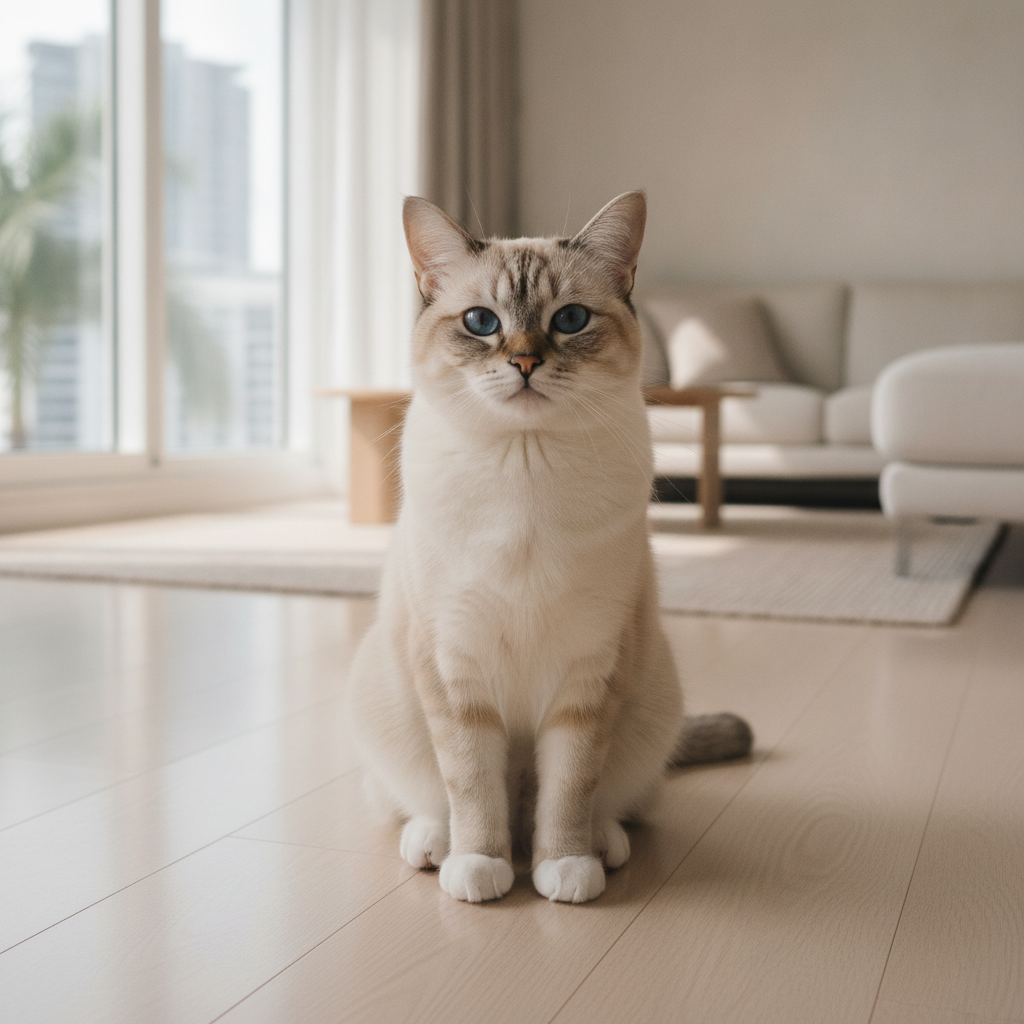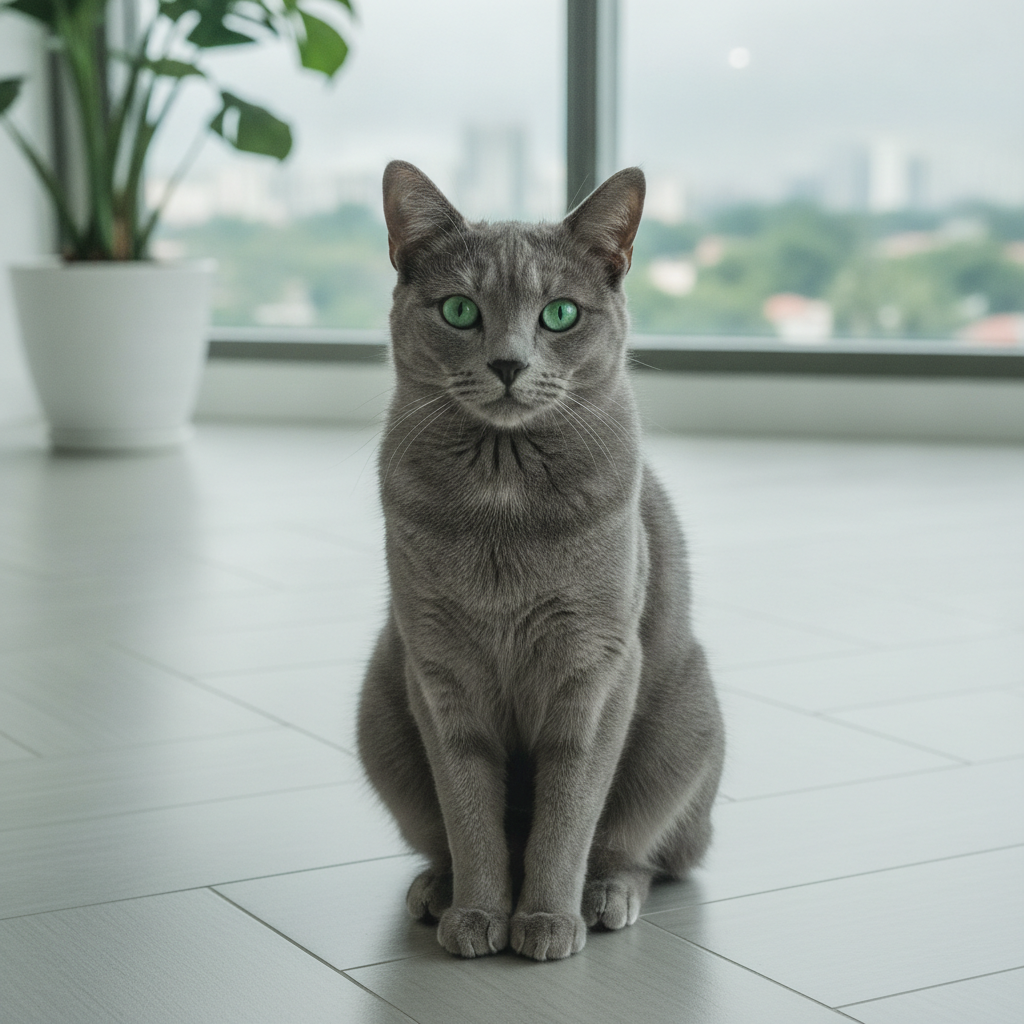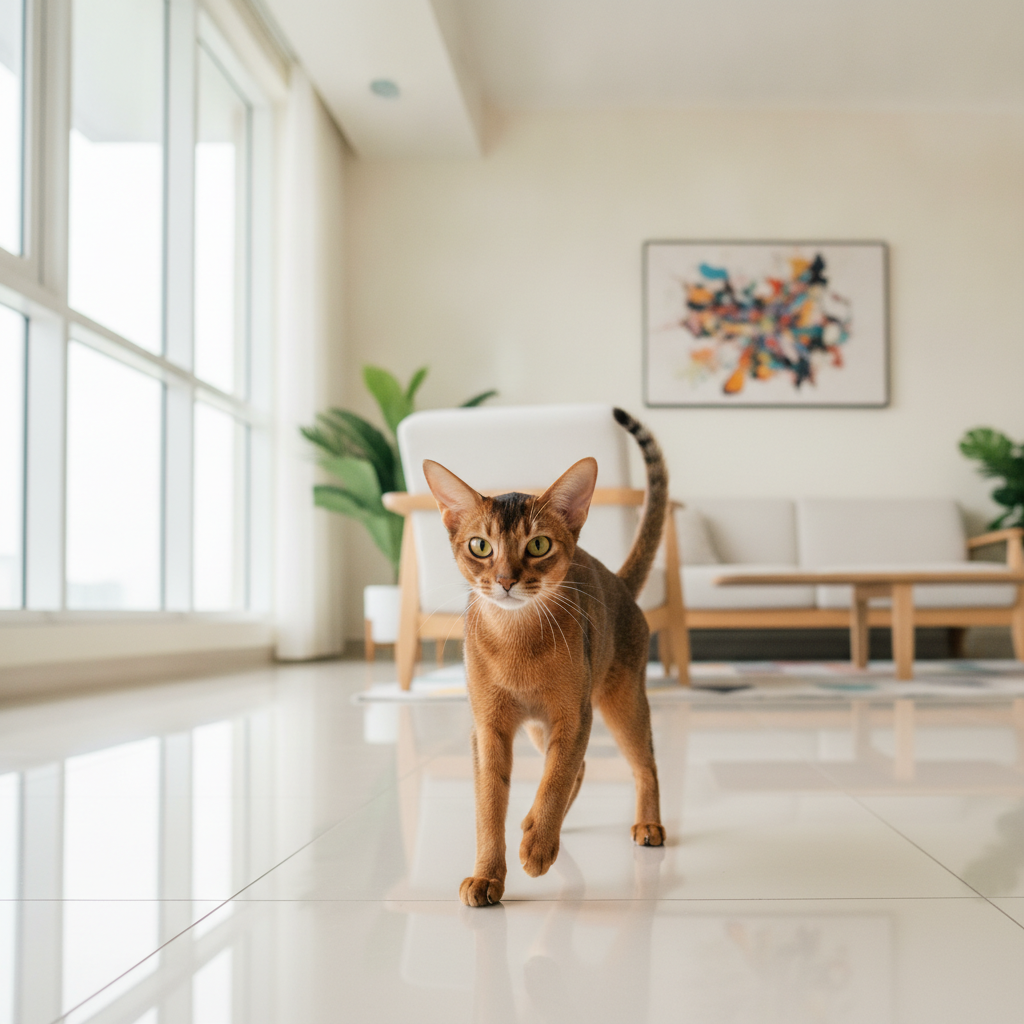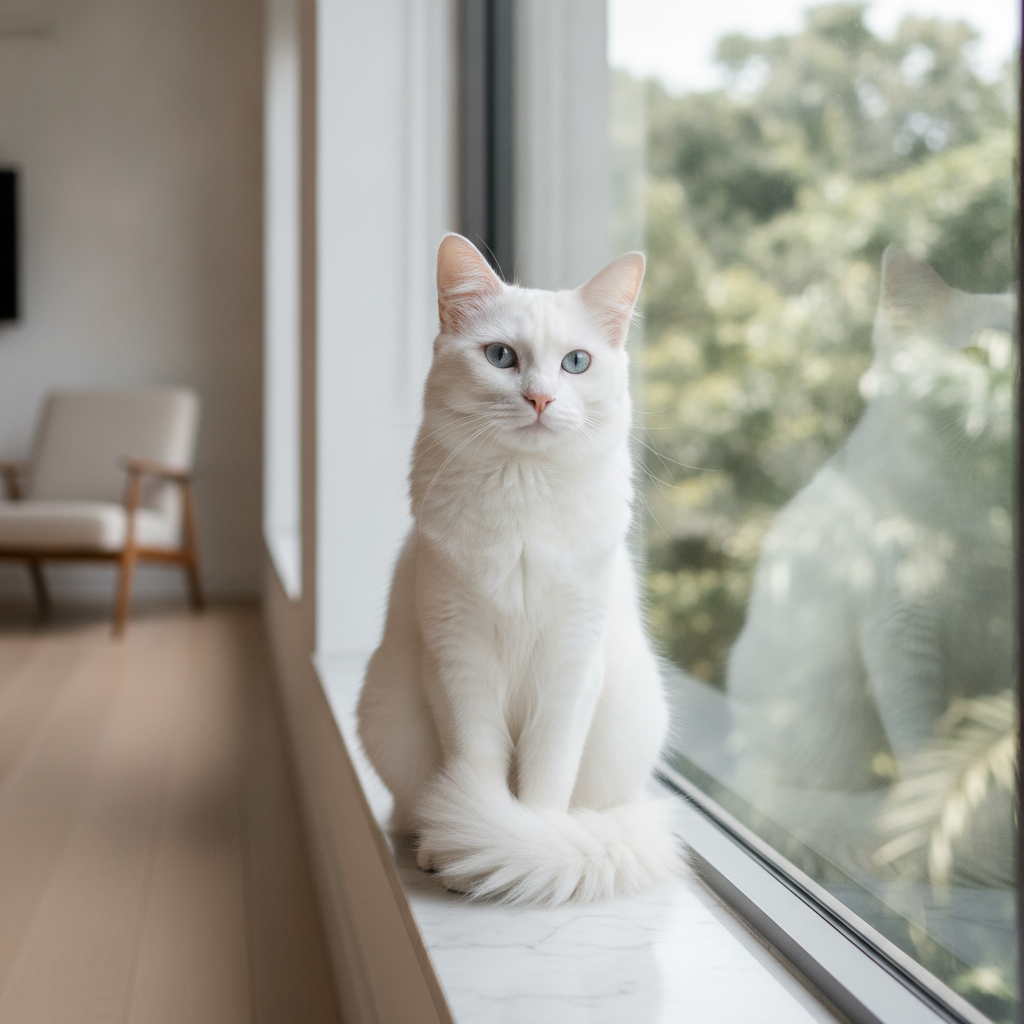
Walk through any pet market in Malaysia and you'll hear it constantly: “kucing anggora.” Fluffy white kitten? Anggora. Long-haired ginger? Anggora. The truth is, the word has become a catch-all for almost any cat with a fancy coat — and the vast majority of them are not actually Turkish Angoras at all.
This guide clears up the confusion, then walks you through everything a Malaysian cat parent needs to know about the real breed: where it comes from, what it costs here, the health risks to screen for, and how to keep that silky coat comfortable in our heat and humidity.
Is your “kucing anggora” a real Turkish Angora?
Probably not — and that's perfectly okay. In Malaysia, “kucing anggora” is used informally for almost any domestic cat with long or semi-long fur, regardless of its actual ancestry. Most cats sold under that name are domestic long-hairs or Persian crosses, not the pedigreed breed.
A true Turkish Angora is one of the world's oldest natural breeds, and according to its official CFA breed standard it has a very specific look: a fine-boned, athletic body, a long plumed tail, and a single silky coat. Here's the simplest way to tell them apart in real life:
- Real Turkish Angora: slim, long body; wedge-shaped head; large tufted ears; single, flat-lying silky coat with no thick undercoat.
- “Anggora kampung” / domestic long-hair: heavier or stockier build, fluffier double coat, mixed lineage — and usually a much lower price.
- Persian mix: rounder flat face, dense woolly coat, cobby (compact) body.
If your cat is a domestic long-hair mix, don't feel short-changed. Mixed-breed cats benefit from hybrid vigour — a wider gene pool that often means fewer inherited health problems than purebreds. Not sure what you've got? Our cat breed identifier can help you narrow it down.
Where do Turkish Angoras come from?
The breed takes its name from Ankara, Turkey — historically called Angora. It's an ancient, naturally occurring breed from the mountains of Anatolia, and it's genetically important as the original source of both the long-hair and dominant-white mutations in domestic cats, as documented on the breed's recorded history.
Ironically, the breed nearly disappeared because of its own fame. In the 1800s breeders used Angoras to develop the Persian, which then overshadowed it entirely. Turkey saved the breed through a dedicated preservation program at Ankara Zoo, and the Cat Fanciers' Association recognised the white Turkish Angora for championship in 1973, adding other colours in 1978.
What does a Turkish Angora look like?
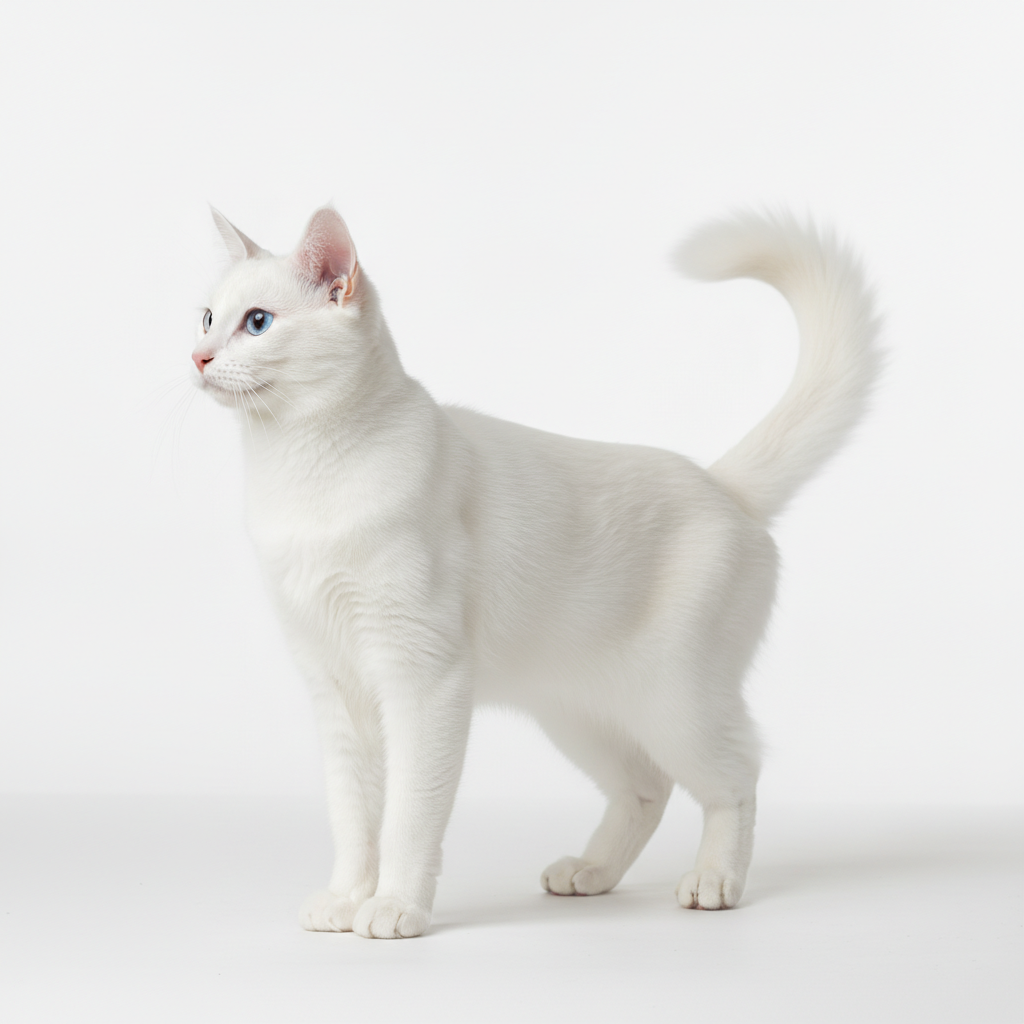
The signature feature is the coat: a single, semi-long layer of fine, shimmering fur with no woolly undercoat. This is the key difference from a Persian, whose dense double coat is a real liability in our climate. Per the World Cat Federation standard, the body is medium, long and slender with fine bones, the hind legs are slightly longer than the front, and the tail is long and fully plumed.
While the iconic Angora is pure white, modern standards accept many colours and patterns — black, blue, tabby and bicolour included. So a non-white cat can absolutely still be a real Turkish Angora.
What is a Turkish Angora's personality like?
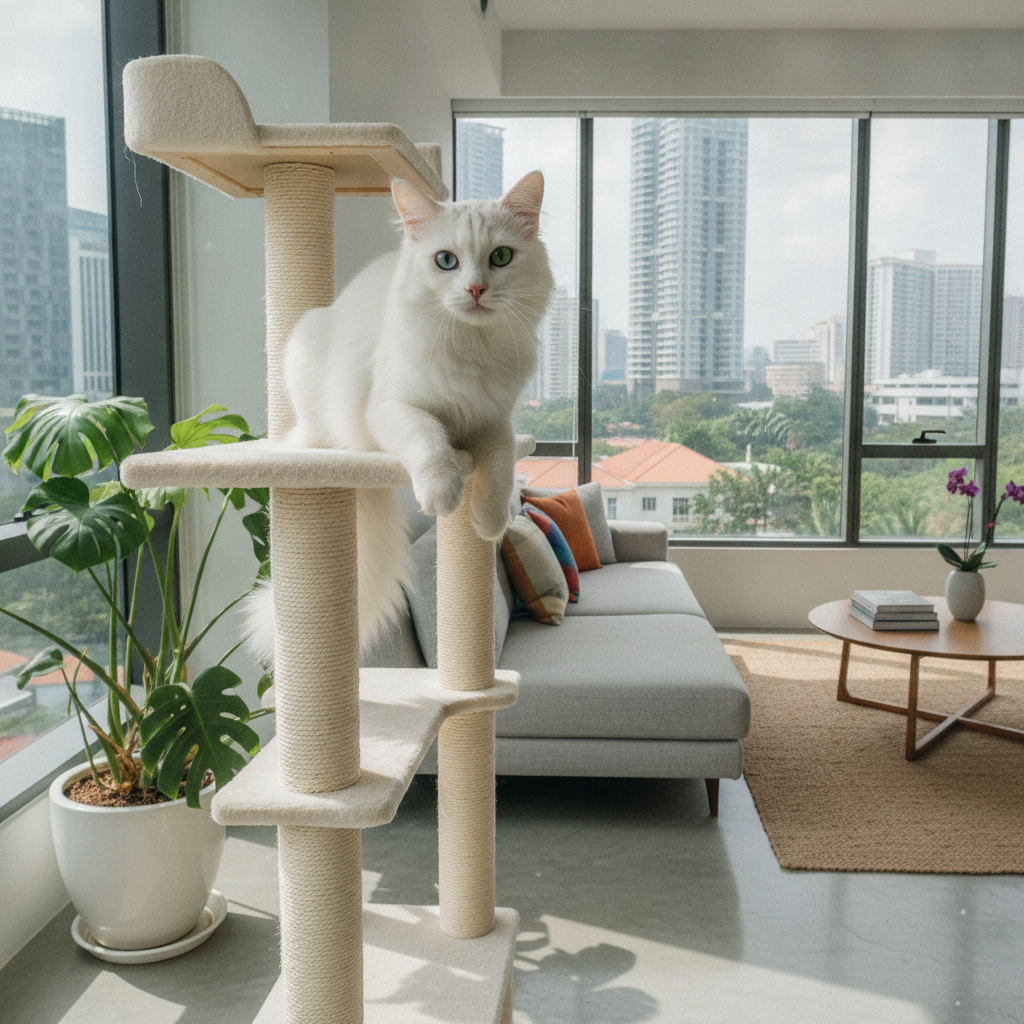
Expect a busy, talkative, dog-like cat — not a quiet lap ornament. Turkish Angoras are intelligent, assertive and highly social. They tend to bond hard with one favourite person, follow you room to room, and tell you loudly when they're being ignored.
That intelligence comes with a cost: they need real stimulation. Breed and vet sources recommend a minimum of 30 to 45 minutes of interactive play daily, ideally split into short sessions. Skip it, and boredom turns into furniture-scratching, counter-surfing and 3am yowling. Many can learn fetch, sit, and even harness walks — so channel that brainpower with puzzle feeders and tall vertical space to climb.
How do you groom a Turkish Angora in Malaysia's heat?
Brush two to three times a week — that's usually enough. Because the Angora has no thick undercoat, it mats far less than a Persian and copes better with our weather. But Malaysia's constant warmth means there are no neat seasonal moults; instead you get year-round shedding, so a steady routine beats occasional marathons.
Use a stainless-steel comb to reach the base of the fur, then a slicker brush to finish. Check the high-friction spots — behind the ears, the “armpits,” and the hindquarters — daily in humid weather. If you find a mat, never use scissors: the skin tents up into the mat and you can cut your cat badly. Clippers or a groomer only.
More grooming in the heat also means more swallowed hair. Cats spend roughly 25% of their waking time grooming, and bringing up a hairball more than a couple of times a month isn't “normal” — it's worth a vet chat. Regular brushing is your first line of defence; a diet with around 11–15% fibre helps move ingested hair through.
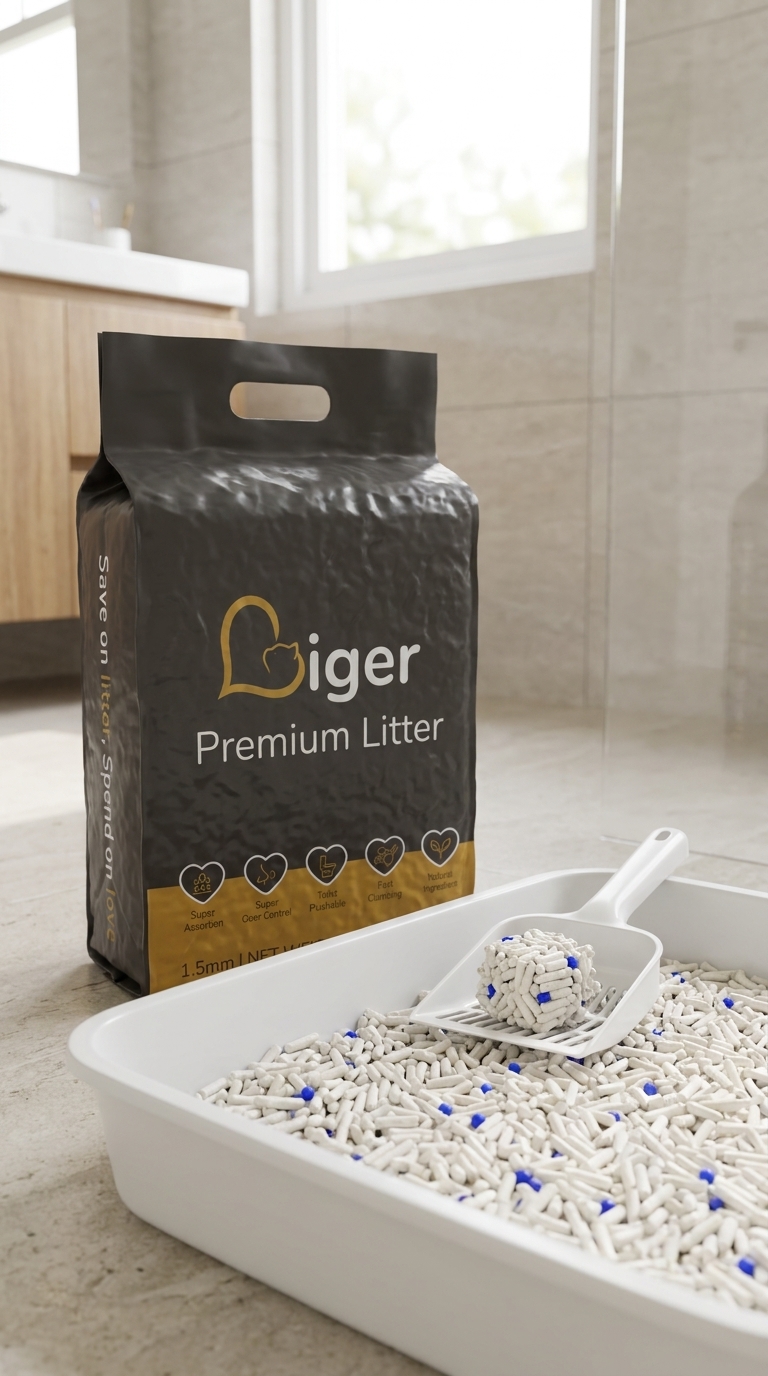
One more tropical detail: litter. A long-coated, busy cat tracks litter everywhere and stirs up whatever dust your litter makes. A low-dust, lightweight option keeps both the air and your floors cleaner — this is exactly why many Malaysian long-hair owners switch to a low-dust tofu litter like Liger Premium Tofu Cat Litter. Work out how much you'll actually need with our litter calculator.
What health problems do Turkish Angoras have?
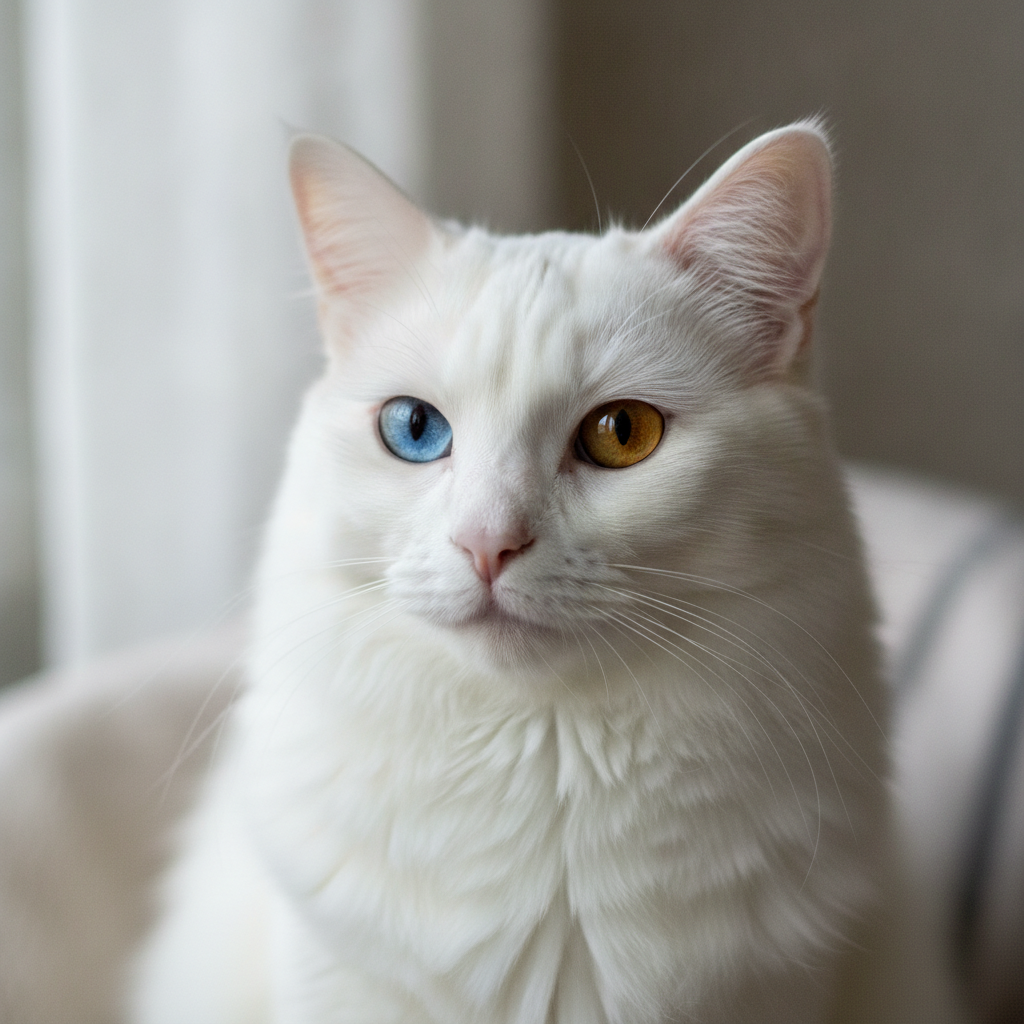
The Angora is a robust, long-lived breed — averaging 12 to 18 years, sometimes reaching 20 — but there are three hereditary issues every buyer should know.
Congenital deafness (white cats). This is the big one. The same dominant-white gene that creates the prized snowy coat can also stop the inner ear from developing. A landmark study found a clear link between coat, eye colour and hearing, summarised by Cornell's CatWatch:
| Coat & eye colour | Estimated deafness risk |
|---|---|
| White coat, two blue eyes | 65%–85% |
| White coat, one blue eye (odd-eyed) | ~40% |
| White coat, non-blue eyes | 17%–22% |
A 2019 UK study of purebred white kittens found an overall deafness rate of 30.3%. The gold-standard check is a BAER hearing test — reputable breeders test white kittens before selling. A deaf cat can live a full, happy life, but it must be kept strictly indoors.
Hypertrophic cardiomyopathy (HCM). HCM is the most common feline heart disease, a thickening of the heart muscle. It's considered relatively rare in Angoras but does appear, usually between ages two and six and more often in males. Since there's no breed-specific gene test, responsible breeders screen parents by echocardiogram.
Hereditary ataxia. A rare, fatal neurological disorder of newborn kittens, inherited as a recessive trait. Affected kittens shake badly as they start to walk and don't survive. Ethical breeders track pedigrees to avoid pairing carriers. Because two of these three risks are hereditary, buying from a screening breeder matters far more than chasing a bargain. Keep routine care on track too — see our cat vaccination schedule and deworming schedule for Malaysia.
How much does a Turkish Angora cost in Malaysia?
A pedigreed Turkish Angora kitten from a registered Malaysian cattery typically runs RM1,500 to RM5,000, with show-quality lines going higher. Cats advertised as “local angora” or crossbreeds sell for around RM300 to RM800 — cheaper, but with no guarantee of authenticity or health screening. Adoption of an Angora-type cat through shelters like SPCA Selangor or PetFinder.my usually costs just RM50 to RM150.
The sticker price is only the start. The realistic annual cost of a cat in Malaysia runs roughly RM1,200 to RM6,400 once you add food, litter, vet care and grooming. Litter is one lever you control: Liger Premium Tofu Cat Litter works out to RM8.45/kg on the 20kg bundle (10 packs for RM169, as of current Liger pricing), versus RM10.95/kg buying single 2kg packs at RM21.90 — about 23% cheaper in bulk, which adds up fast with a shedding long-hair. Estimate your real numbers with the cat breed cost calculator.
Turkish Angora vs Persian vs Ragdoll: which suits a Malaysian home?
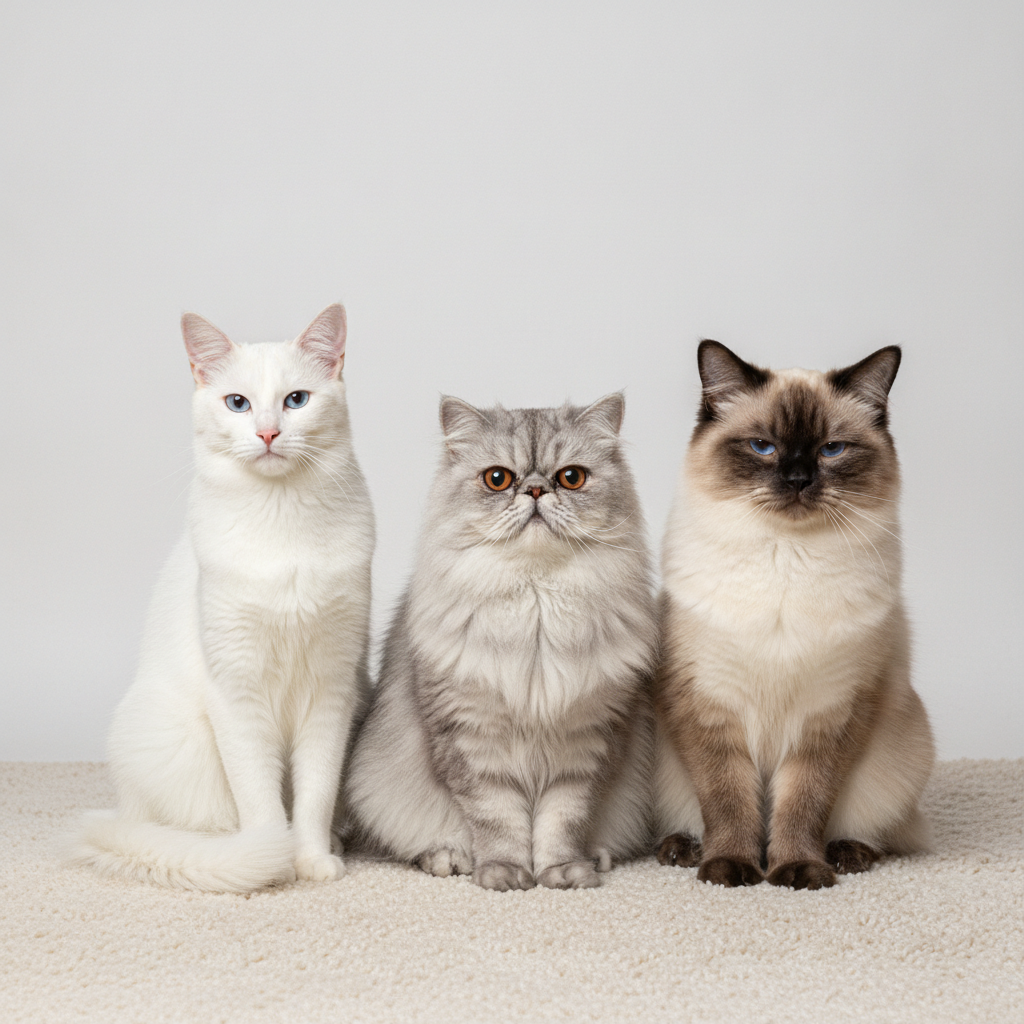
All three are gorgeous long-hairs, but they live very differently — and in our climate, coat type matters a lot.
| Turkish Angora | Persian | Ragdoll | |
|---|---|---|---|
| Energy | High, playful, dog-like | Low, placid lap cat | Moderate, easygoing |
| Coat | Single, silky — low matting | Dense double — mats easily | Semi-long, minimal undercoat |
| Grooming | 2–3× / week | Daily, intensive | Several times / week |
| Heat tolerance | Best of the three | Poor — needs aircon | Struggles in heat |
| Main health watch | Deafness, HCM | Flat-face issues, PKD | HCM, PKD |
The takeaway for Malaysia: the Angora's single coat makes it the most heat-friendly of the three, while the Persian really needs a climate-controlled home, and the Ragdoll sits comfortably in between. Persians' brachycephalic (flat-face) build also brings breathing and tear-stain issues that a long-nosed Angora simply doesn't have.
Is a Turkish Angora right for your Malaysian home?
Choose a Turkish Angora if you want an interactive, intelligent companion and can give it daily play, vertical climbing space and a cool indoor home. It's a fantastic fit for an engaged owner or a busy household that's around a lot.
Look elsewhere if you want a calm, low-maintenance lap cat, or if long work hours mean the cat would be alone and bored all day — a Persian or Ragdoll personality may suit better. And whichever fluffy cat you bring home, remember the most important step: if it's white, ask for that BAER hearing test, and buy from a breeder who screens for HCM and ataxia. The cat from Ankara rewards a prepared owner with years of loyal, lively company.