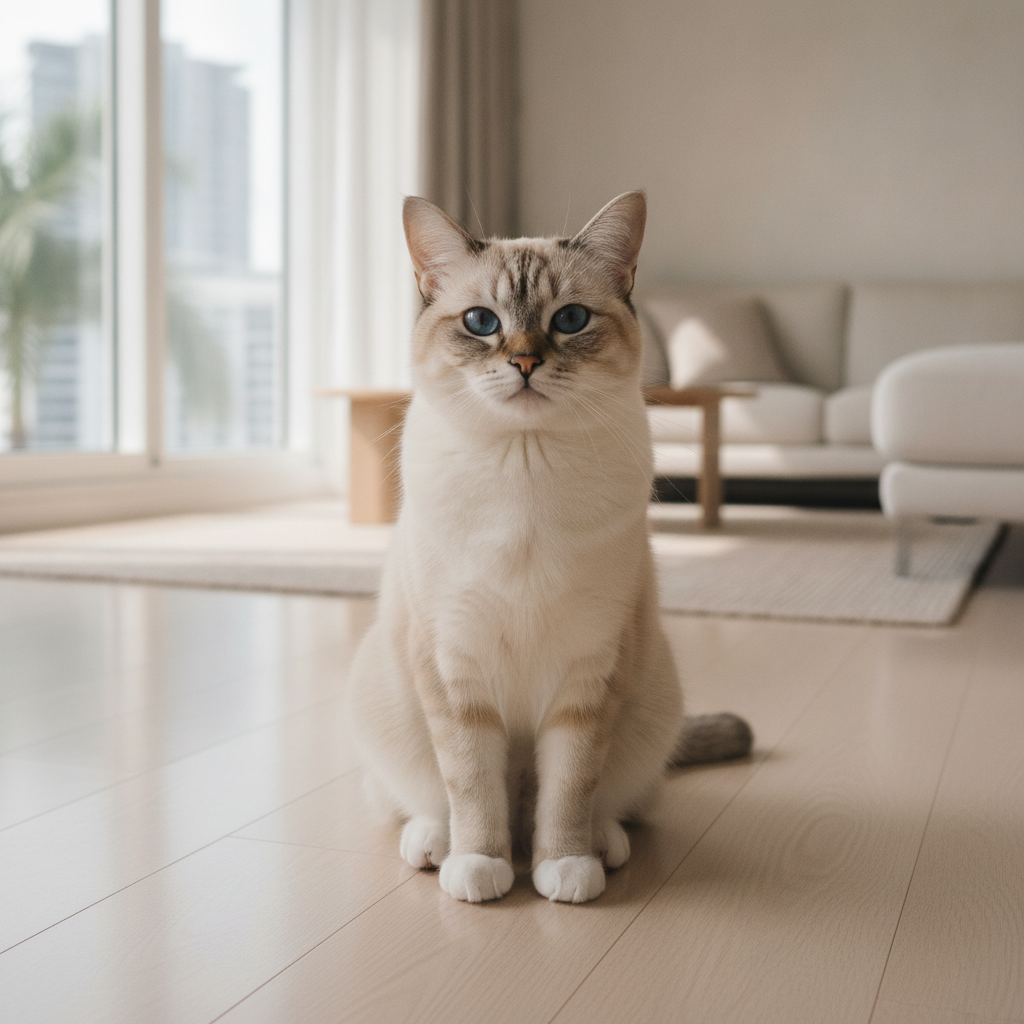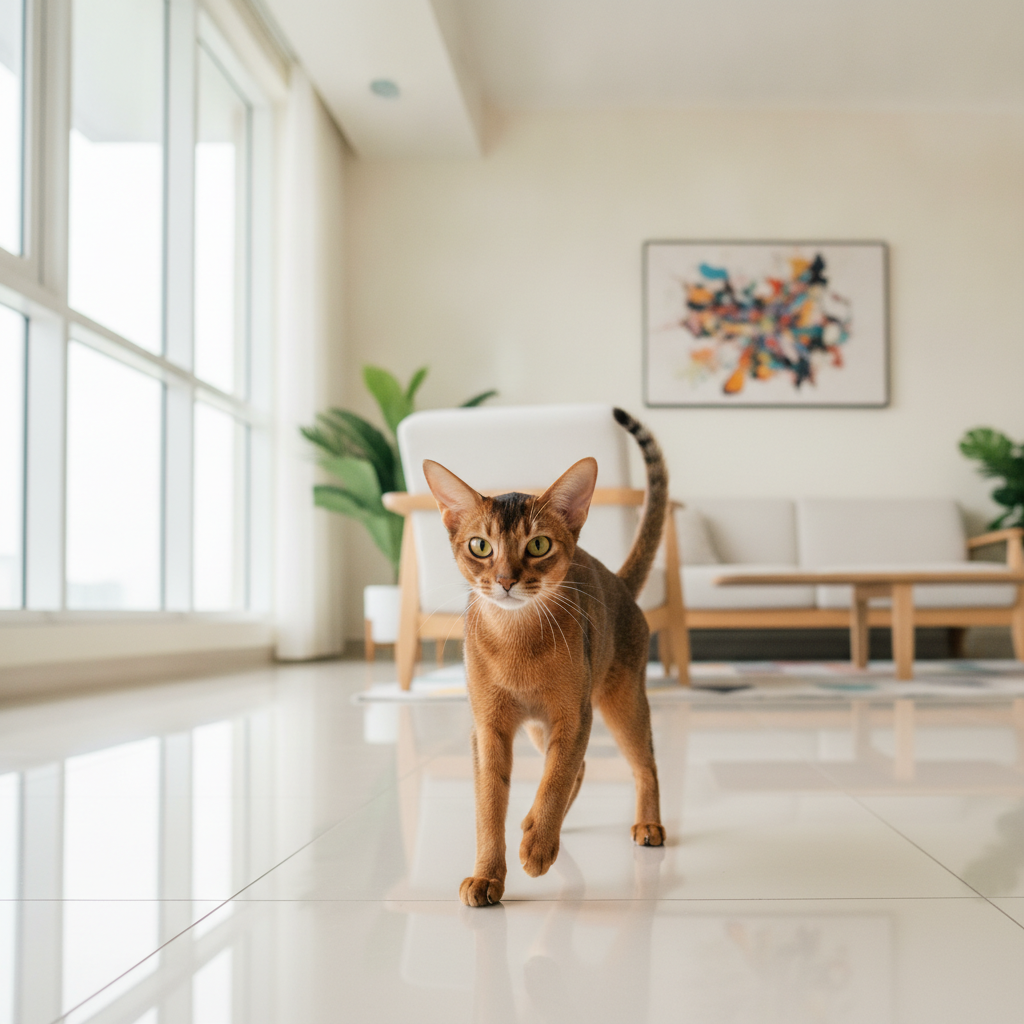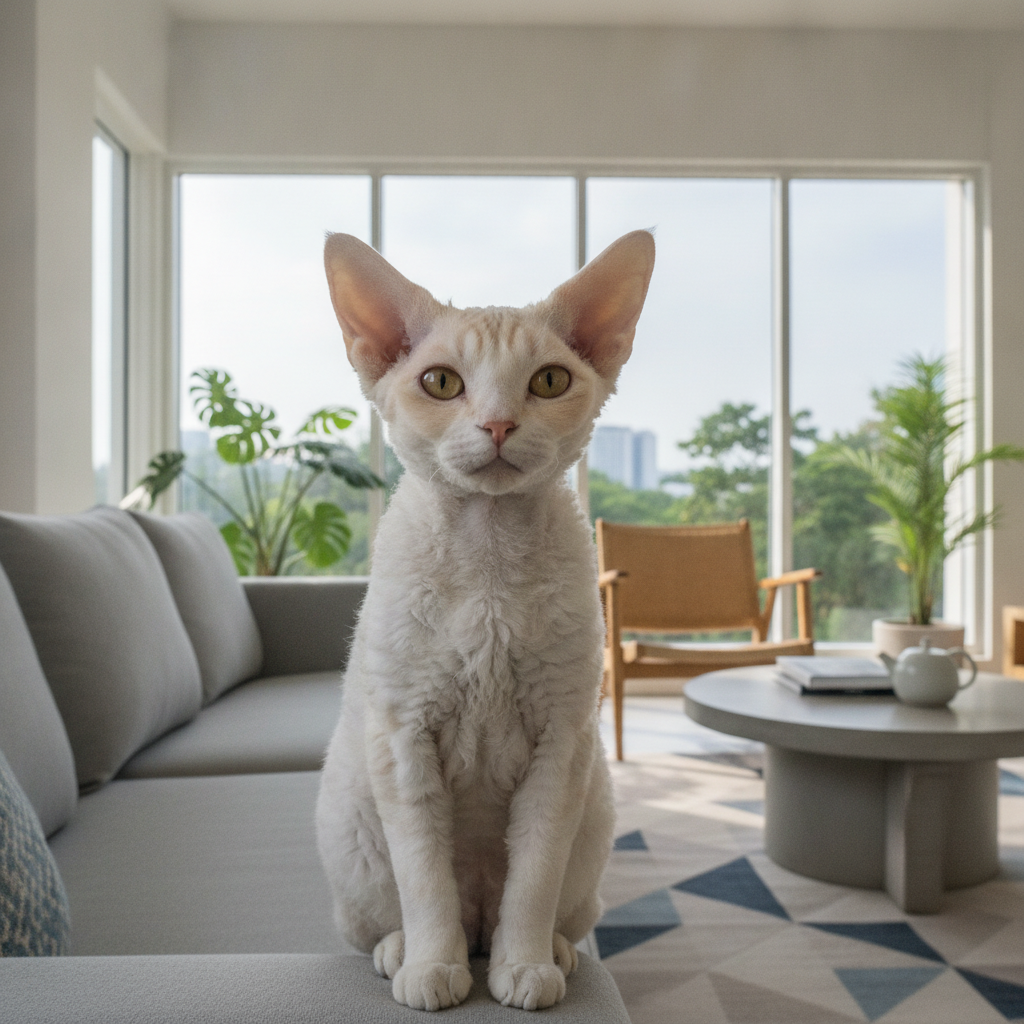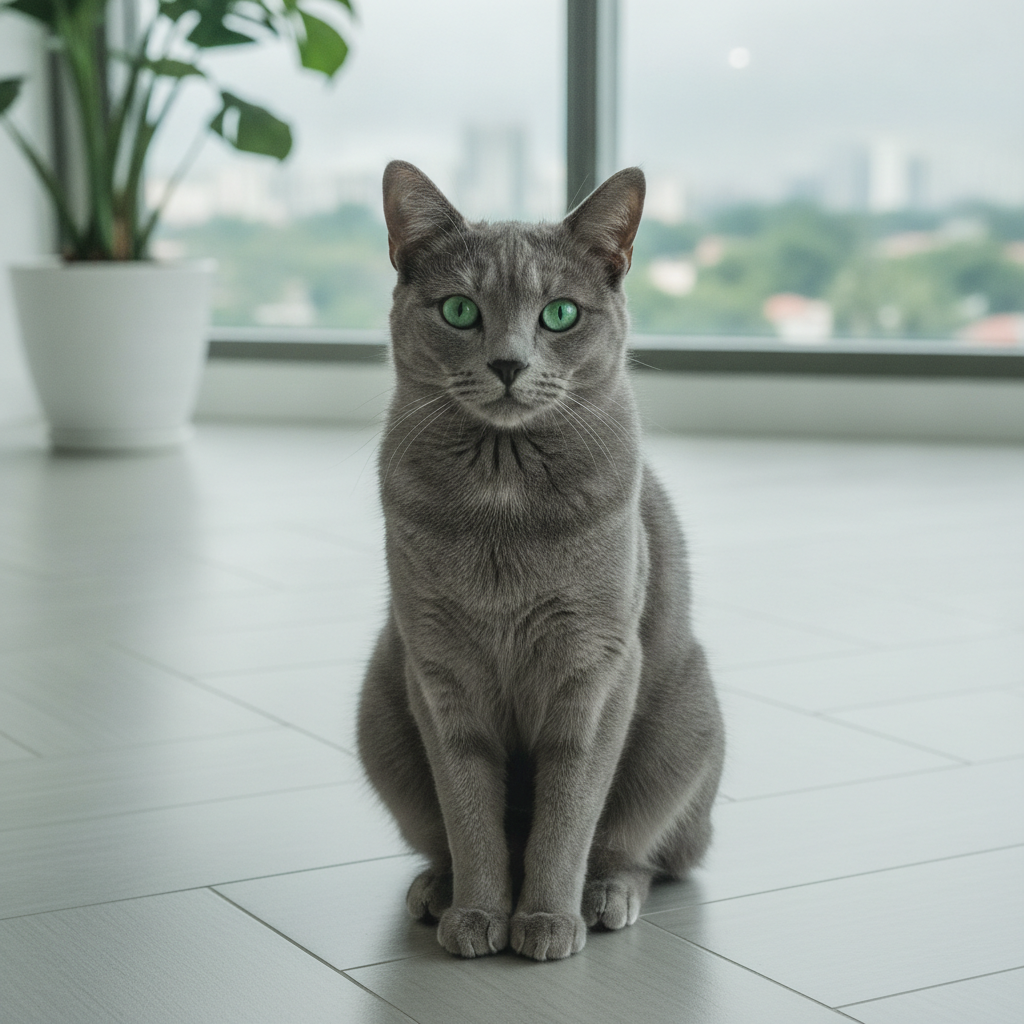
Ask any Malaysian cat enthusiast to name a breed that looks like it wandered off a Russian royal portrait, and the Russian Blue will come up quickly. That shimmering silver-blue coat, those piercing emerald eyes, that quietly regal posture — it is genuinely striking. What also comes up just as quickly is the claim that Russian Blues are "hypoallergenic," a word that gets thrown around so loosely it has lost most of its meaning. If you or someone in your household has cat allergies and you are considering this breed, please read the allergy section before you get attached to photos online.
This guide covers the full picture: the breed's origins in Arctic Russia, what actually makes that coat so unusual, the science behind the hypoallergenic reputation (spoiler: thinner than you think), temperament, health risks, grooming in KL's humidity, and what you will realistically pay in 2026. If you are still deciding which breed suits your lifestyle, start with our complete 2026 guide to cat breeds in Malaysia, then come back here for the Russian Blue deep-dive.
From Arctic Ports to British Show Halls
The Russian Blue is a naturally occurring breed, not a designer creation. Its origins trace to Arkhangelsk — a port city in northern Russia roughly 150 miles south of the Arctic Circle, whose name translates to "Archangel." This is why the breed's early Western name was simply the "Archangel Cat." According to Wikipedia's breed history, British sailors brought these cats home from Arkhangelsk in the mid-1800s, and the Russian Blue made its formal debut at London's Crystal Palace cat show in 1875.
The breed's early show career was frustrating. For years it was lumped into an open class for all blue-coloured cats, competing directly with the stockier, rounder-faced British Blue. It was not until 1912 that the Governing Council of the Cat Fancy (GCCF) gave it a dedicated show class under the label "foreign blue," finally acknowledging it as a distinct breed. Then two world wars nearly wiped it out. Post-WWII breeders — working across Britain, Scandinavia, and the United States — outcrossed the surviving cats with blue-point Siamese (to preserve the sleek foreign body type) and British Blues (to maintain the coat density), before carefully breeding back to the classic Russian Blue standard through the 1950s. The cat you see today is a product of that careful rescue effort.
The Coat and Eyes That Define the Breed
Two physical traits make the Russian Blue instantly recognisable, and both have specific technical details worth understanding before you fall in love with the look.
The coat is a dense, plush double layer: a soft downy undercoat topped by outer guard hairs of equal length. What makes it special is not the blue-grey colour itself (many cats have that) but the silver tipping on the ends of those guard hairs. Under light, those tips reflect and shimmer, giving the coat a luminous, almost metallic quality that no photograph fully captures. The Cat Fanciers' Association (CFA) breed standard allocates a combined 40 out of 100 show points to coat and colour alone — the highest weighting of any single physical category — which tells you how central this feature is to the breed's identity. The coat is so thick it literally stands away from the body and springs back when you smooth it. Lighter shades of blue-grey are preferred in the show ring.
The eyes are equally defining. Kittens are born with blue or yellow eyes, but by around four months of age a green ring begins to emerge around the pupil. By adulthood, the eyes must be a vivid, deep emerald green — the CFA standard treats any other colour as a show fault. Set wide apart in a fine-boned, wedge-shaped head, those green eyes give the Russian Blue its characteristic "Mona Lisa smile": an upturned mouth corner that makes the cat look perpetually pleased with itself, even when it is deeply suspicious of your dinner guests.
Reserved with Strangers, Devoted to You
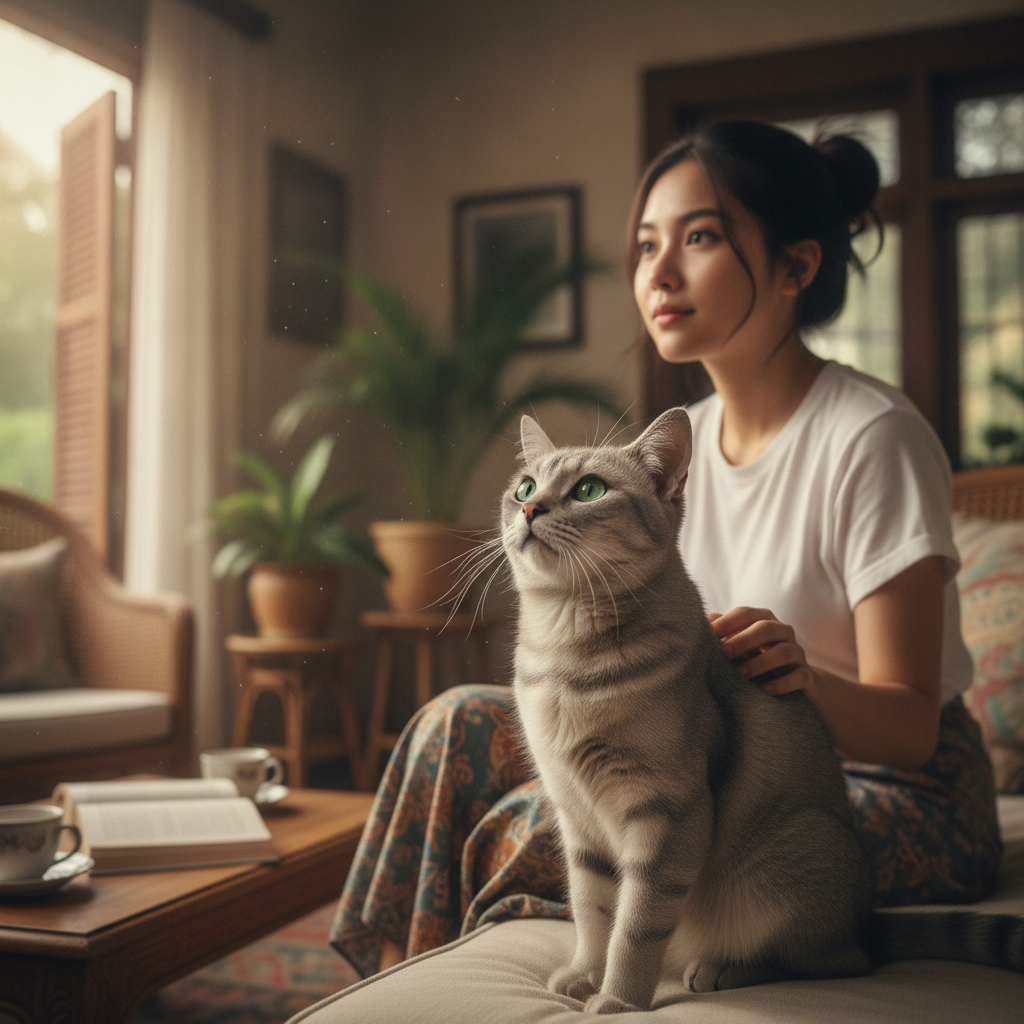
If you have seen a Russian Blue described as shy, reserved or even aloof, that is accurate — but it tells only half the story. The complete picture is a cat that is deeply loyal to its chosen people and deeply cautious about everyone else.
Russian Blues are not indiscriminate lap cats. They observe first, engage second, and trust only after considerable evidence. New visitors, loud noises, chaotic gatherings — these are all reasons for a Russian Blue to quietly vanish to the bedroom. This is not timidity; it is a thoughtful temperament that thrives on stability and routine. In the right household, it is one of the breed's most endearing qualities. Once a Russian Blue decides you are its person, it will follow you from room to room like a quiet shadow, greet you at the door after work, and sit just close enough to be clearly present without demanding attention. Many owners describe the experience as having a perceptive, emotionally attuned companion who always seems to know when you need company and when to simply be nearby without fuss.
Their intelligence is real and requires managing. Russian Blues learn household routines quickly, figure out doors, and have been trained to play fetch — a feat more commonly associated with dogs. Veterinary behaviourists recommend 20 to 30 minutes of focused interactive play daily: puzzle feeders, wand toys, anything that engages their problem-solving ability. A bored Russian Blue is a cat that starts finding its own entertainment, which rarely ends well for your furniture. They are well-suited to apartment living and quiet households; they are not a good match for a chaotic home with constant visitors. For a side-by-side comparison of how different breeds handle Malaysian apartment life, see our cat lifespan by breed guide.
The Hypoallergenic Claim: What Science Actually Says
This is the section that Malaysian allergy sufferers need to read carefully, because the Russian Blue's "hypoallergenic" reputation is one of the most persistent myths in the cat world — and it has real consequences for people making adoption decisions based on it.
First, let's establish what we're actually talking about. The primary feline allergen is a protein called Fel d 1, a glycoprotein produced in cats' salivary and sebaceous (skin) glands. When a cat grooms itself, Fel d 1 is deposited on its fur, dries into microscopic flakes, and becomes airborne — where it can remain suspended for hours and trigger reactions in sensitive individuals. The scientific literature on Fel d 1 confirms it causes allergy in roughly 90% of people with cat allergies, and that every cat produces it in their saliva and sebaceous glands. No exceptions.
Now for the Russian Blue specifically. Despite widespread marketing of this breed as hypoallergenic or "low Fel d 1," no peer-reviewed scientific studies have confirmed that Russian Blues produce lower levels of Fel d 1 than other breeds. A peer-reviewed study investigating whether hypoallergenic cats actually exist measured Fel d 1 across breeds and found wide individual variation rather than a clean breed-based divide — and the Russian Blue was not among the cats with a documented genetic basis for lower production. The claim for this breed is, frankly, anecdotal. In fact, the Russian Blue Fanciers' Association itself has publicly stated: "We have no idea how the idea that the Russian Blue cat is hypoallergenic got started — but it wasn't from us." That is the official breed organisation distancing itself from its own breed's most-marketed trait.
There is a popular theory that the breed's dense double coat traps allergens closer to the skin, reducing their spread into the environment. While that sounds plausible, it does not hold up as meaningful protection — the popular notion that low-shedding or particular breeds are safer for allergy sufferers is itself not supported by the evidence. The cat still produces the same amount of Fel d 1 in its saliva and skin glands; the allergen just has a slightly different path to your airways. During grooming, petting, or shedding, those trapped allergens are released regardless.
What science does confirm is that allergen production varies enormously between individual cats — up to 80-fold — and that individual variation within a breed far outweighs any breed-level difference. Intact males produce three to five times more Fel d 1 than females or neutered males. So a neutered male Russian Blue and a neutered male moggy of similar build may produce nearly identical amounts of allergen. The breed label tells you very little.
This does not mean every allergy sufferer will react to every Russian Blue. Some people with mild sensitivities report tolerating a specific individual cat well. But that tolerance is attributable to that cat's individual biology, not a breed-wide characteristic. If you have cat allergies and are considering a Russian Blue — or any breed marketed as hypoallergenic — please read our dedicated guide to hypoallergenic cat breeds in Malaysia, and spend meaningful time with the specific cat you intend to adopt before making a decision. There is no shortcut.
Health: Generally Robust, Two Specific Risks
The good news is that the Russian Blue is a naturally healthy breed with an impressive lifespan of 15 to 20 years — well above the average for domestic cats. It has no widely documented genetic cardiac conditions the way some pedigreed breeds do. The bad news is "generally healthy" comes with two specific and manageable vulnerabilities that owners need to take seriously.
Obesity. Russian Blues have hearty appetites and a talent for looking underfed even when they are not. They can be remarkably persuasive at mealtime. Left unchecked, this tendency produces a fat cat at serious risk of diabetes mellitus, joint disease, and reduced lifespan. A 2022 report from the Association for Pet Obesity Prevention found 61% of cats in the US were overweight or obese — and the Russian Blue's feeding behaviour puts it squarely in that risk group. Strict portion control from kittenhood is non-negotiable. Do not free-feed. Measure every meal.
Bladder stones (urolithiasis). A 2001 study published in NIH-indexed veterinary literature by Lekchroensuk et al. specifically identified the Russian Blue as a breed predisposed to forming uroliths (mineral stones in the urinary tract). The breed is more commonly associated with calcium oxalate stones. Urolithiasis accounts for 15% to 23% of all Feline Lower Urinary Tract Disease (FLUTD) cases and can cause painful urination, blockages (especially dangerous in males), and blood in the urine. The preventive cornerstone is hydration: veterinary research confirms that dilute urine is far less conducive to crystal formation. Incorporate wet food, use a water fountain, and schedule regular urinalysis checks with your vet to catch early changes. For context on how breed-linked health risks affect ownership costs, our 2026 cat breed price guide breaks down lifetime care expenses.
Grooming That Dense Coat in Malaysia's Heat
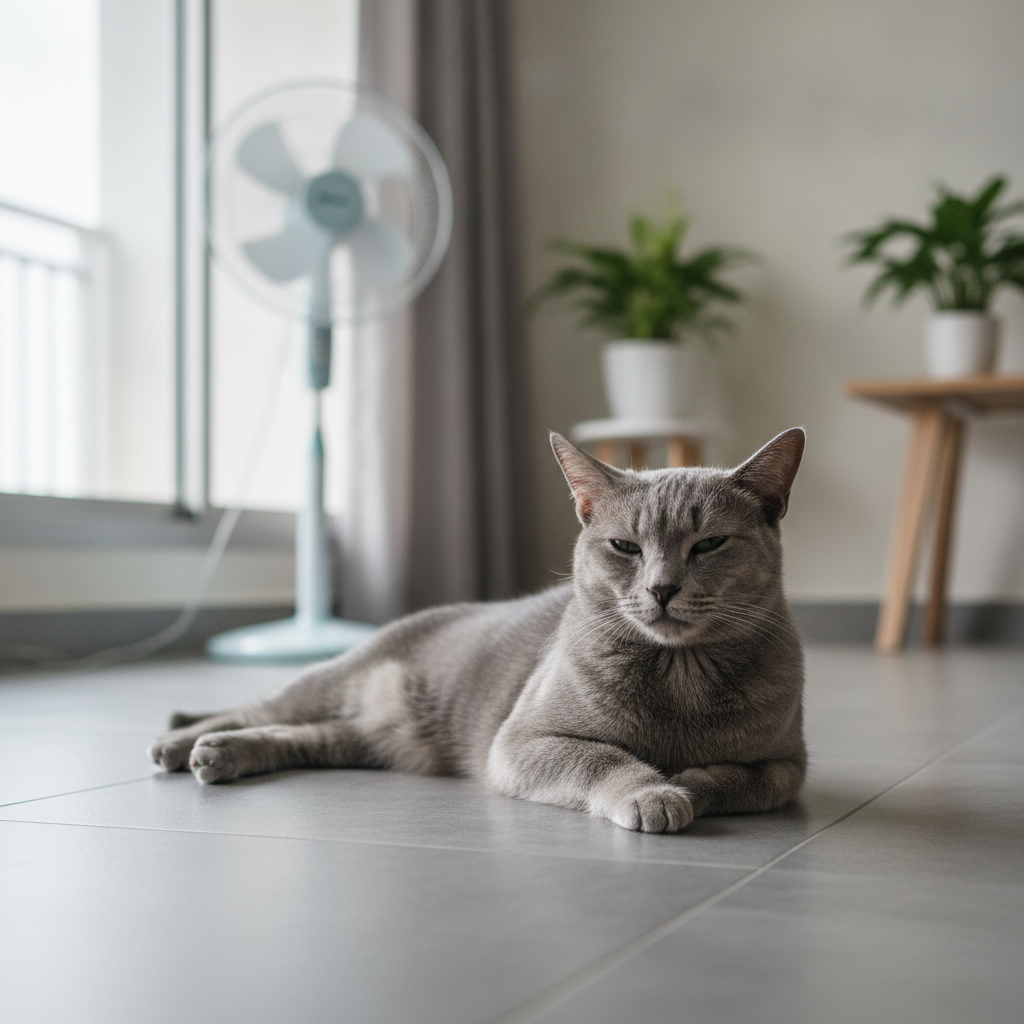
Here is where the Russian Blue's Arctic heritage becomes a genuine management challenge in the tropics. That plush double coat evolved to insulate a cat against sub-zero Arkhangelsk winters. In a 33°C KL afternoon, the same coat traps heat against the skin, slows air circulation, and creates conditions ripe for fungal and bacterial skin infections in the persistent humidity.
The answer is not shaving — vets strongly advise against this with double-coated breeds, as the layered structure actually provides insulation against heat and UV protection for the skin. Remove that, and you make things worse. The right answer is consistent grooming and environmental management.
Brushing: Two to three times per week minimum, increasing to daily during heavy shedding periods. A stainless steel comb works through the dense undercoat; finish with a soft-bristle brush on the topcoat to distribute skin oils and restore the shimmer. Regular brushing removes the loose undercoat that would otherwise trap heat and moisture closest to the skin.
Bathing: Russian Blues are fastidious self-groomers and rarely need baths. When they do, use a gentle cat-specific shampoo and — this is critical in Malaysia — dry completely to the skin before returning the cat to a cool space. Trapped moisture in that dense coat is a direct path to skin infections.
Environment: An indoor-only, air-conditioned life is not a luxury for a Russian Blue in Malaysia — it is a health requirement. Provide cool resting surfaces (tiled floors are a natural favourite), good air circulation, and shaded windows during peak sun hours. Watch for signs of heat stress: panting, drooling, lethargy, or bright red gums are emergencies requiring immediate veterinary attention.
Year-round parasite prevention is also essential here. Unlike temperate countries where fleas and ticks have a cold-season break, Malaysia's warmth means they are a constant presence. A vet-prescribed parasite programme running twelve months a year is the baseline.
Litter Choice for the Allergy-Conscious Household
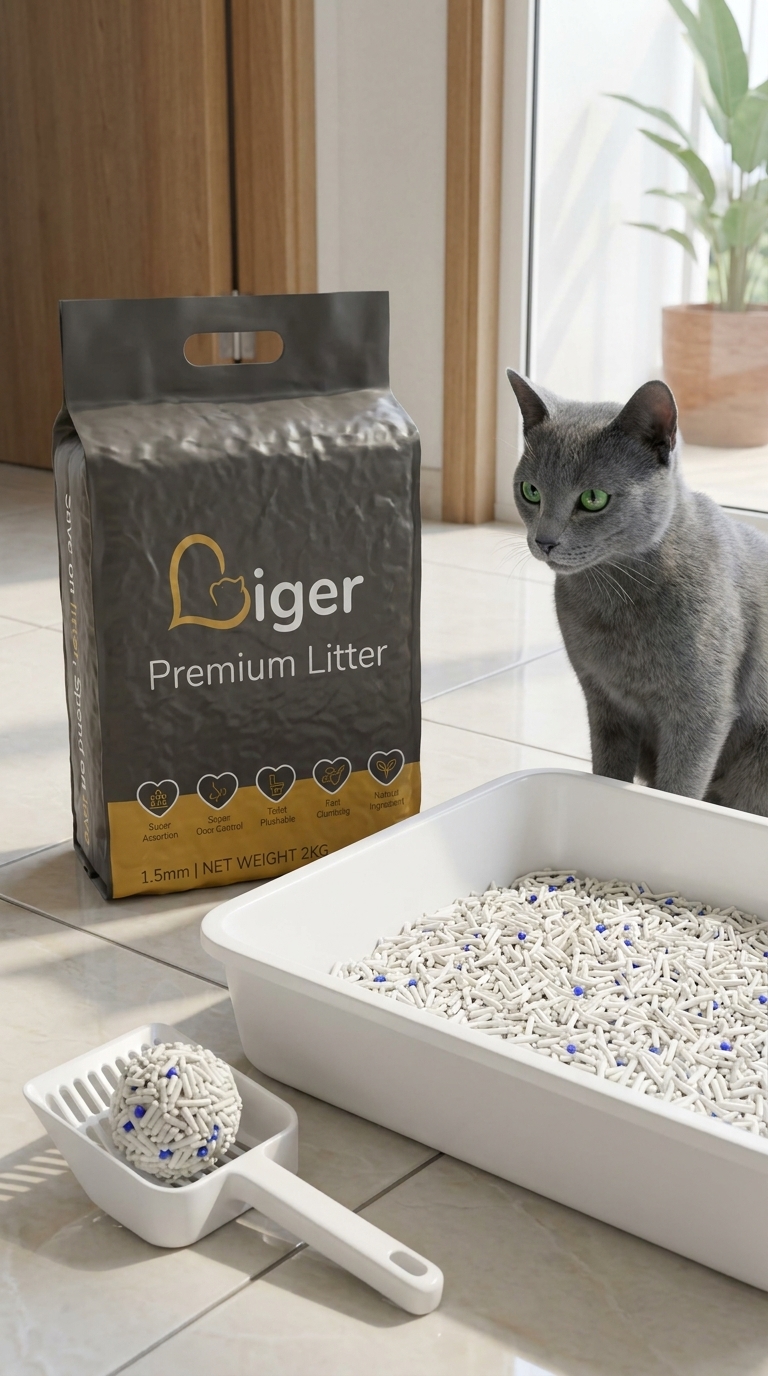
If you are keeping a Russian Blue specifically because you or a family member has mild cat sensitivities, litter dust is a separate problem that deserves equal attention. Litter dust is not Fel d 1 — it is a different airborne particulate — but it is a respiratory irritant in a sealed, air-conditioned space, and it can amplify the overall burden on sensitised airways. Choosing a low-dust litter is practical harm reduction.
This is where Liger Premium Tofu Cat Litter fits naturally. It is a soy-based, naturally clumping, flushable litter that produces significantly less airborne dust than conventional clay or silica litters. For an indoor cat in a closed condo unit, that matters. It clumps firmly for quick and clean scooping — fewer open-box disturbances means less dust in the air — and the soy base keeps the scent mild without artificial fragrances that can themselves irritate sensitive noses.
Current 2026 pricing: RM21.90 for a single 2 kg pack, RM53.90 for 3 packs, RM89 for 5 packs, and RM169 for the 10-pack (20 kg total), which works out to RM8.45 per kg — free shipping to Peninsular Malaysia. For a single Russian Blue, the 5-pack at RM89 typically covers around 10 weeks. To calculate your specific monthly usage based on your cat's weight and household size, use our litter calculator.
What a Russian Blue Costs in Malaysia (2026)
Russian Blues are genuinely rare in Malaysia. Supply is limited, registered breeders are few, and imported bloodlines from reputable catteries in Europe or Australia command a significant premium. As rough 2026 market guidance (not Liger figures), expect to pay in the range of RM2,500 to RM6,000 for a kitten from a reputable registered breeder, with show-quality lines and imported pedigrees pushing toward the top end. If someone is offering you a "Russian Blue" at RM500, you are almost certainly looking at a grey moggy or a British Shorthair cross — both perfectly fine cats, just not what you paid for.
Verify pedigree papers from a recognised registry (CFA, TICA, or GCCF lineage), ask to see the parents, and confirm the cattery screens for urinary health history in its breeding lines. Budget honestly for the lifetime costs too: quality food with consistent wet portions, year-round parasite prevention, annual urinalysis, and the occasional specialist visit if urinary symptoms appear. Our cat breed cost calculator helps map out the full picture, and you can compare breed prices across the market in our 2026 cat breed price guide.
Get all of that right — cool indoor environment, disciplined feeding, good hydration, regular vet checks — and the Russian Blue will repay you with fifteen to twenty years of quietly devoted, elegantly understated companionship. Just don't tell it your dinner guests are coming. It will make itself scarce until they leave.