FIP is caused by a mutation of the common FCoV virus, not a direct infection from another cat.
Wet FIP is characterized by fluid buildup (effusion), while Dry FIP causes organ granulomas and neurological issues.
The Albumin/Globulin (A/G) ratio is a critical diagnostic indicator; a ratio below 0.4 strongly suggests FIP.
Treatment with GS-441524 typically requires a strict 84-day course to prevent relapse.
Your cat has a fever that won't break. You’ve tried antibiotics, fluids, and hope, but the temperature stays stubbornly high. Then you notice their belly looks a bit... bloated. Or maybe their eyes aren't as clear as they used to be. That cold pit in your stomach? That's the FIP fear.
Feline Infectious Peritonitis (FIP) used to be an absolute death sentence. But here's the thing: it’s one of the most misunderstood diseases in the feline world. It's not just a virus your cat 'catches' like a cold. It's a betrayal from within—a 'Trojan Horse' mutation that turns the immune system against itself.
The Trojan Horse: Why FIP Isn't Exactly 'Contagious'
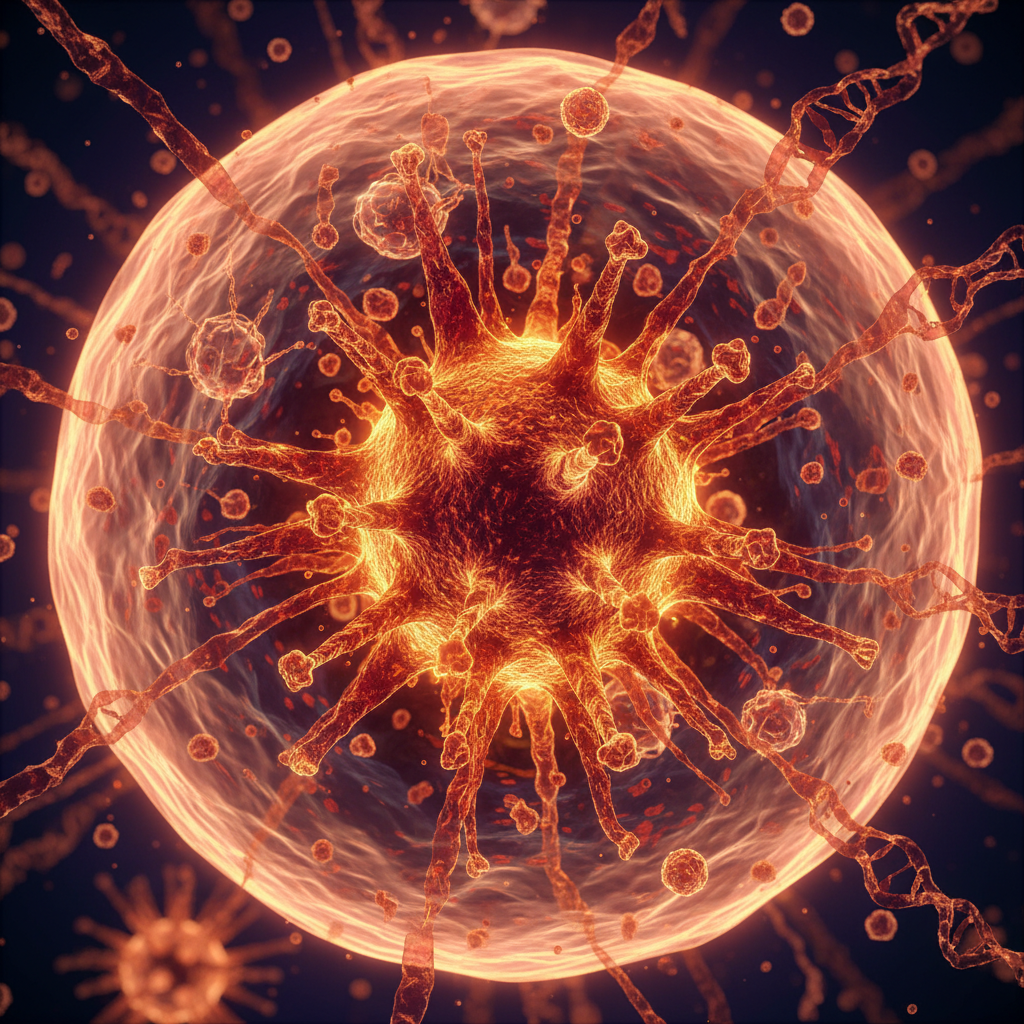
I remember being terrified when I first heard about FCoV. I thought, 'Oh no, if one cat has it, they're all doomed.' But science tells a different story. About 80-90% of cats in multi-cat environments have Feline Enteric Coronavirus (FCoV). Most just get a bit of diarrhea or no symptoms at all.
FIP only happens when that common virus mutates inside an individual cat. It hijacks the macrophages—the immune system's 'clean-up crew'—and uses them to spread throughout the body. Because the mutation happens inside the cat, FIP itself isn't horizontally contagious. Your other cats likely already have the base FCoV, but whether it mutates depends on their own stress levels and genetics.
If you're worried about your cats in a multi-cat household, it's worth checking out the common cat diseases in Malaysia to understand the risks better.
Wet vs. Dry: Spotting the Difference
Think of FIP as a spectrum. The version your cat gets depends entirely on how their immune system reacts. It’s like a battle where the strategy goes wrong.
Wet FIP (Effusive): This is the fast-acting one. The immune system creates too many antibodies that clump with the virus, damaging blood vessels. Fluid leaks out into the chest or belly. You’ll see a 'pear-shaped' abdomen but a bony spine. It feels heavy, like a water bag.
Dry FIP (Non-effusive): The slow, silent killer. Instead of fluid, the body forms small lumps called granulomas on organs like the kidneys, liver, or brain. You might see cloudy eyes, seizures, or a wobbly walk (ataxia).
Diagnosis isn't simple. Vets look for a 'puzzle' of evidence. One of the biggest red flags is the Albumin/Globulin (A/G) ratio. If it's below 0.4, it's a huge warning sign. If your cat’s eyes look 'muddy' or change color, they might have ocular FIP, which is often confused with simple tear staining issues.
| Feature | Wet FIP (Effusive) | Dry FIP (Non-Effusive) |
|---|---|---|
| Pathological Core | Immune complex vasculitis (fluid leakage) | Pyogranuloma (tissue lesions) |
| Onset Speed | Acute/Subacute (days to weeks) | Chronic/Insidious (weeks to months) |
| Typical Body Shape | Emaciated spine, 'pear-shaped' enlarged abdomen | Severely emaciated, prominent bones |
| Respiratory System | Dyspnea, tachypnea due to pleural effusion | Usually asymptomatic (unless lung granulomas) |
| Neurological Symptoms | Rare | Common: Ataxia, nystagmus, seizures |
| Ocular Symptoms | Rare | Common: Uveitis, turbid anterior chamber, KPs |
| Effusion Nature | High protein, viscous, Rivalta test (+) | Usually no effusion for sampling |
| A/G Ratio | Typically < 0.4 (highly diagnostic) | More variable, typically < 0.6 |
The Time I Panicked Over a Titer Test
I’ll be honest—I used to think a positive coronavirus titer test meant my cat was a walking time bomb. I remember staring at the lab report, heart hammering, thinking the end was near. I even started looking up isolation protocols.
But the vet sat me down and explained that a high titer just means the cat has been exposed to the regular FCoV at some point. It doesn’t mean they have FIP. I spent three weeks crying over a cat that was perfectly healthy, just because I didn't understand the difference between exposure and mutation. Sometimes, our anxiety as cat parents makes things scarier than they are. If you're stressed about vet bills, you might want to look at cat insurance options in Malaysia to ease that part of the worry.
Wait, Is It Really FIP? The Mimics
FIP is a master of disguise. In Malaysia, we have other 'monsters' that look similar. For example, Sporotrichosis (Sporo) can cause hard skin nodules that people mistake for Dry FIP. But Sporo is a fungus, and treating it with the wrong meds can be dangerous. You can track fungal treatments with a specialized tracker if your cat is fighting that battle instead.
Another common mix-up? Epiphora (watery eyes). In flat-faced cats like Persians, those red-brown stains are often just anatomy, not FIP-related vasculitis. If you see 'muddy' eyes, check for other symptoms like persistent fever before jumping to conclusions.
The 84-Day Marathon: GS-441524
The good news? FIP is no longer 100% fatal. The nucleoside analog GS-441524 has changed everything. But it’s not a quick fix. It’s an 84-day marathon.
Why 84 days? Because the virus hides in 'immune-privileged' areas like the brain and eyes. If you stop treatment too early, the remaining virus can flare up, often with drug resistance. It’s a huge financial and emotional commitment—sometimes costing upwards of RM5,000—but the survival rates are now over 80-90% for many cases.
During treatment, support their body with good nutrition. High-protein, calorie-dense food is key as FIP is a wasting disease. Just keep their environment low-stress. Stress is what caused the mutation in the first place!
FIP is terrifying, but knowledge is the best antidote to panic. If your cat is acting off, don't just Google and despair. Get that bloodwork done and look at the whole picture—not just one test result.
Your Monday Morning Action: Dig out your cat's last blood test report. Find the Albumin and Globulin numbers. Divide Albumin by Globulin to get your A/G ratio. If it's above 0.8, breathe a sigh of relief. If it's trending low (below 0.6), keep a close eye on their appetite and temperature this week.
| Feature | Injections (Subcutaneous) | Pills (Oral) |
|---|---|---|
| Advantages | High bioavailability, stable absorption; only option for severe cases (vomiting, anorexia) | Painless, less stress; suitable for cats with recovered appetite/digestion |
| Disadvantages | Acidic pH, painful injections; potential for skin ulcers/granulomas at injection sites | Absorption affected by GI environment; higher dose often needed due to first-pass effect and absorption loss |