Differentiate between normal shedding and pathological hair loss (alopecia).
Understand that cats lack Delta-6 desaturase, making plant oils like flaxseed useless.
Learn the specific 30-50mg/kg Omega-3 dosage for coat maintenance.
Use Liger Tofu Cat Litter to monitor fat absorption via stool consistency.
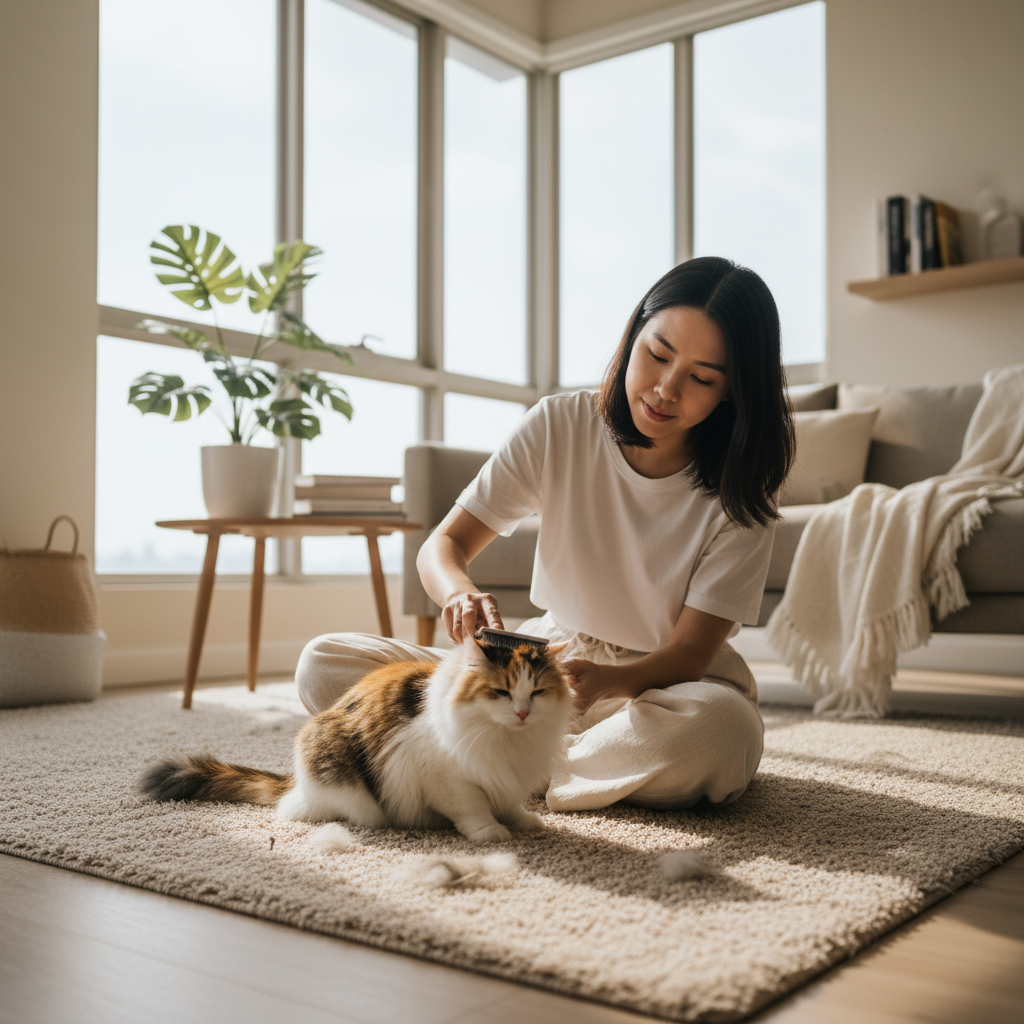
You just finished cleaning the house. Everything looks perfect. Then, you sit down for a bowl of Laksa, only to find a long, grey strand of fur floating in the broth. Sound familiar? If you live with a cat in Malaysia, you probably spend half your life picking fur off your clothes and the other half wondering if your cat is going bald.
Shedding is part of the package, but in our tropical climate, it can feel like a never-ending blizzard. Whether it's the 32°C afternoon heat or the dry air from your 24/7 air-con, your cat's skin is constantly under attack. But before you buy every "magic cream" on Shopee, let's look at what's actually happening under that coat.
Shedding vs. Alopecia: Is It Normal?
There is a massive difference between normal shedding and clinical hair loss. Most owners blame everything on "hot weather," but we need to be smarter. Normal shedding (Shedding) happens when old hairs reach the end of their life cycle. However, Alopecia is when you start seeing bald patches or skin redness.
In Malaysia, the humidity is a double-edged sword. It keeps the skin from drying out, but it also creates a breeding ground for Malassezia fungus. If your cat is scratching like crazy, it might not be just shedding—it could be a fungal infection. You can use our Skin Condition Checker to see if those red spots are a concern.
Telogen (Resting phase): This is when the hair is just waiting to fall out.
Malaysian Factor: Indoor cats exposed to 24/7 artificial light lose their seasonal rhythm, leading to year-round shedding.
The Omega-3 Secret: Why Plant Oils Fail
I used to give my cats a teaspoon of coconut oil every morning. I thought "natural is best," right? Wrong. Cats are "obligate carnivores." One biological reason is that their livers lack functional Delta-6 desaturase activity, according to AVMA Journals: Timely Topics in Nutrition.
This means they cannot convert plant-based Alpha-Linolenic Acid (ALA) from flaxseed or chia seeds into the EPA and DHA their skin desperately needs. To repair the "mortar" between their skin cells—which is 50% ceramides—they need direct animal-sourced Omega-3 like fish oil.
Feature | TG (Natural) | EE (Synthetic) | rTG (Premium) |
|---|---|---|---|
Purity | Low (~30%) | High (50-70%) | Ultra-High (85%+) |
Absorption | Good | Poor/Delayed | Excellent |
Malaysian Price | Budget | Mid-range | Premium |
The Mistake That Led to 'Yellow Fat Disease'
I'll admit, when I first started using fish oil, I went overboard. I thought if 1 pump is good, 5 pumps must be amazing. Big mistake. Steatorrhea (fatty stool) in cats started happening—oily, clay-colored poop that didn't clump in the litter box. My cat was literally pooping out the expensive oil I was feeding her.
Even worse, high doses of fish oil without Vitamin E can lead to Pansteatitis (Yellow Fat Disease). According to AAFCO Nutrient Profiles, for every 1g of fish oil, you need at least 10 IU of Vitamin E. I learned the hard way that balance is everything. If you see your cat's poop getting oily, stop the oil immediately and check their poop frequency.
Monitoring Health with Liger Tofu Cat Litter
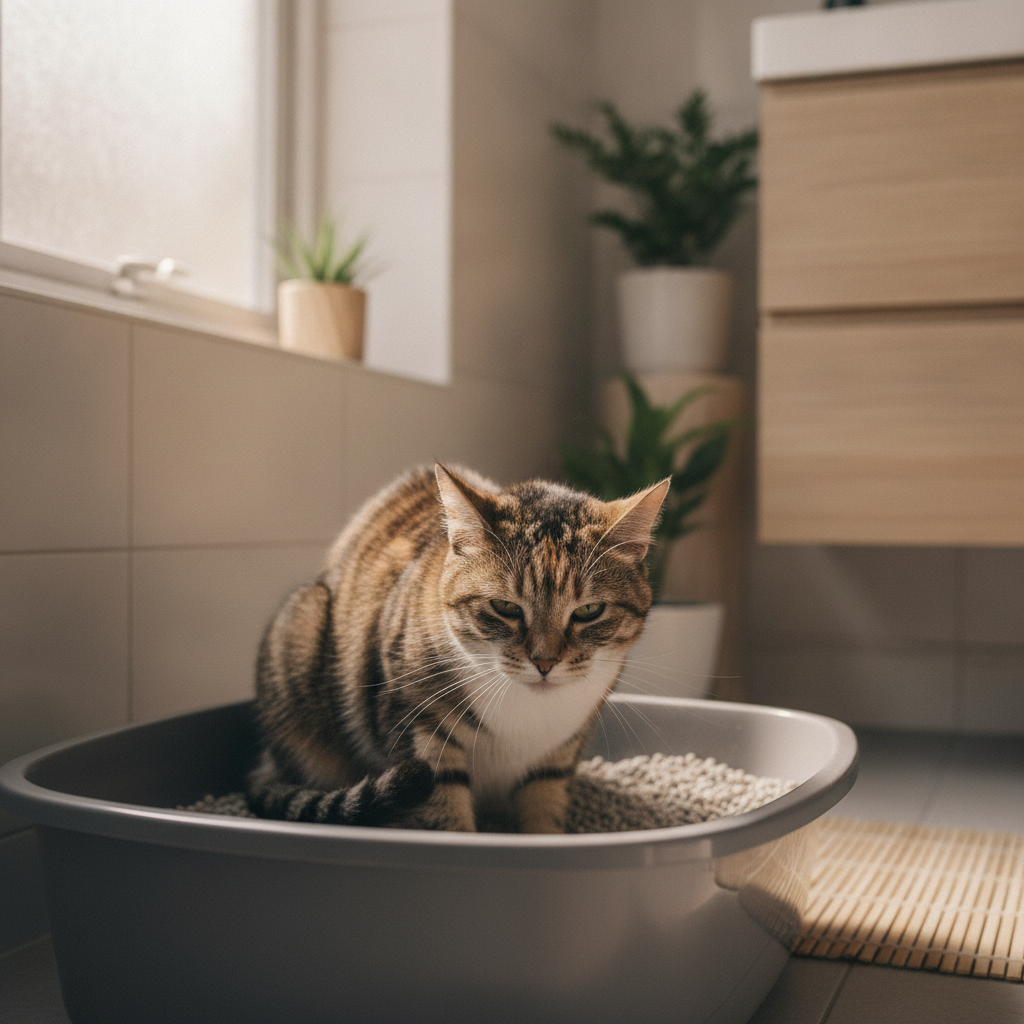
How do you know if that expensive rTG fish oil is actually working? Don't just look at the fur; look at the poop. Because Liger Tofu Cat Litter uses natural soy fiber with a mild milk fragrance, it clumps fast when it hits moisture. However, oils are hydrophobic—they repel water.
If your cat has poor oil absorption, the poop will have an oily film that interferes with the clumping reaction of the tofu litter. Instead of a hard, "fried chicken"-like clump, you'll get a loose, greasy mess. This is your cue to reduce the dosage. Plus, the low-dust formula is crucial because dusty litters can irritate a cat already struggling with skin inflammation.
Shedding in Malaysia is a battle, but it's one you can win. Focus on high-quality animal Omega-3, ignore the plant oil marketing, and use your litter box as a daily health monitor. You don't need a medical degree—you just need to pay attention to the details.
Your Monday Morning Action: Check your cat's favorite sleeping spot tomorrow morning. If the fur accumulation looks like a second cat is living there, it's time to start a titration protocol with a good rTG fish oil. Start with just 25% of the recommended dose and watch for oily poop in the Liger litter box.