Here's a fact that surprises most cat parents: a cat that simply stops eating for a couple of days can develop a life-threatening liver disease — even if nothing was wrong with its liver to begin with. It's called hepatic lipidosis, or fatty liver disease, and it's the most common severe liver disease in cats. The good news is it's largely preventable and, caught early, very treatable. The bad news is it moves fast. This vet-sourced guide explains why a cat not eating is an emergency, what the signs are, and how it's treated.
Please note: this is educational, not a diagnosis. The single most important takeaway: a cat that won't eat for more than 24–48 hours needs a vet, not a "let's wait and see".
The Disease That Starts When a Cat Stops Eating
Hepatic lipidosis happens when fat floods into the liver faster than the liver can handle, clogging up the liver cells and causing them to fail. Per VCA Hospitals, it's the most common severe liver disease in cats — and unlike most liver diseases, the trigger isn't a toxin or an infection. It's simply not eating.
When a cat goes without food, its body starts breaking down body fat for energy and shipping it to the liver. In cats, the liver gets overwhelmed and the fat gets stuck inside the liver cells — tipping into acute liver failure. This is why even a brief hunger strike can spiral into a crisis.
Why Cats Are Uniquely Vulnerable (Obligate Carnivores)
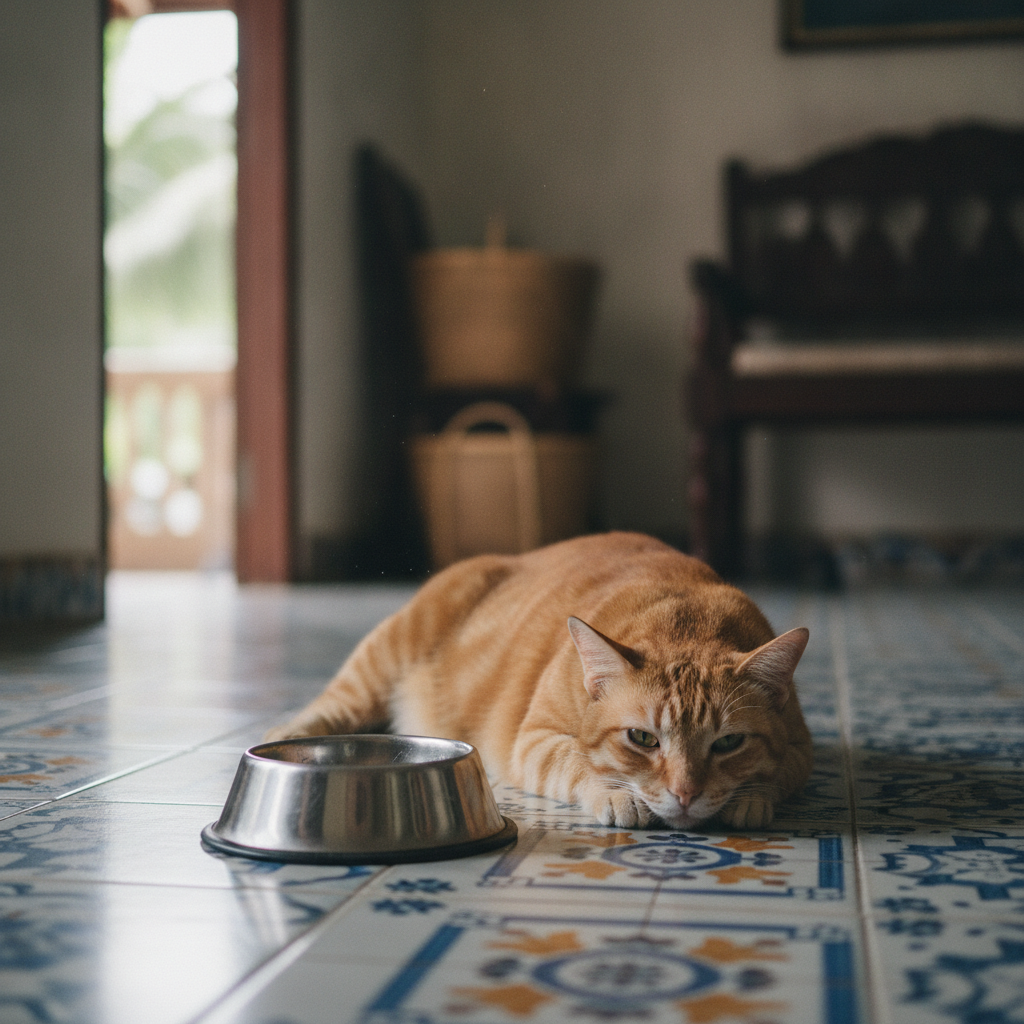
Cats are obligate carnivores — their metabolism is built for a high-protein diet and is uniquely bad at coping with starvation, per the Merck Vet Manual. To ship fat back out of the liver, the body needs proteins built from dietary amino acids. When a cat isn't eating, it can't make enough of these "transport trucks", so the fat just piles up.
Cats also can't spare protein during starvation the way other animals can, and they quickly run short of essential nutrients like arginine, taurine and carnitine — which further cripples the liver and can lead to dangerous ammonia build-up (hepatic encephalopathy). It's a metabolic trap that dogs and humans simply don't fall into the same way.
The Trigger: Anorexia, and Why Fat Cats Are at Most Risk
The defining trigger is anorexia — not eating — for as little as two to three days. And here's the cruel irony: overweight and obese cats are at the highest risk, because they have the largest fat reserves to flood the liver. The classic patient is a chubby, middle-aged cat that hit a rough patch (illness, stress, a diet change) and went off its food.
That makes weight management genuinely protective. If your cat is carrying extra weight, our guide on helping a chonky cat slim down safely matters here — but note that crash-dieting is dangerous, because rapid weight loss can itself trigger lipidosis. Weight loss must be slow and vet-guided — a sensible target is gradual, and never the kind of dramatic drop that comes from a cat suddenly refusing a new diet.
What Makes a Cat Stop Eating in the First Place
Over 90% of cases are secondary — meaning something else caused the cat to stop eating, and lipidosis piled on top. Finding that root cause is part of treatment. Common triggers include:
- Pancreatitis, IBD and cholangitis — the "triaditis" gut/liver/pancreas cluster.
- Diabetes and hyperthyroidism — endocrine diseases that disrupt appetite and metabolism.
- Dental disease, kidney disease, cancer — anything causing pain or nausea.
- Stress — moving house, a new pet, boarding, or an abrupt diet change can be enough to make a sensitive cat refuse food.
This is exactly why the appetite-loss conversation matters so much — our guide on why won't my cat eat digs into the causes and the danger window in detail.
The Signs: Jaundice, Drooling and Rapid Weight Loss
Watch for this progression, per the Cornell Feline Health Center:
- Marked loss of appetite and rapid weight loss — the starting point
- Jaundice — yellowing of the gums, the whites of the eyes, and the skin (especially inside the ears). This is a major red flag.
- Drooling, vomiting and nausea
- Weakness, lethargy, hunched posture, muscle wasting
- Hepatic encephalopathy in advanced cases — when the failing liver can't clear ammonia, toxins reach the brain and cause drooling, head-pressing, disorientation or seizures, as VCA describes
The typical patient is a previously chunky, middle-aged cat (median around 7 years) that's dropped weight fast over days to a couple of weeks. The speed of the weight loss is itself a clue — this isn't the slow fade of old age.
Jaundice in a cat is never normal — if your cat's gums or eye-whites look yellow, that's an emergency. Cross-check our 12 warning signs your cat is sick.
How Vets Diagnose It
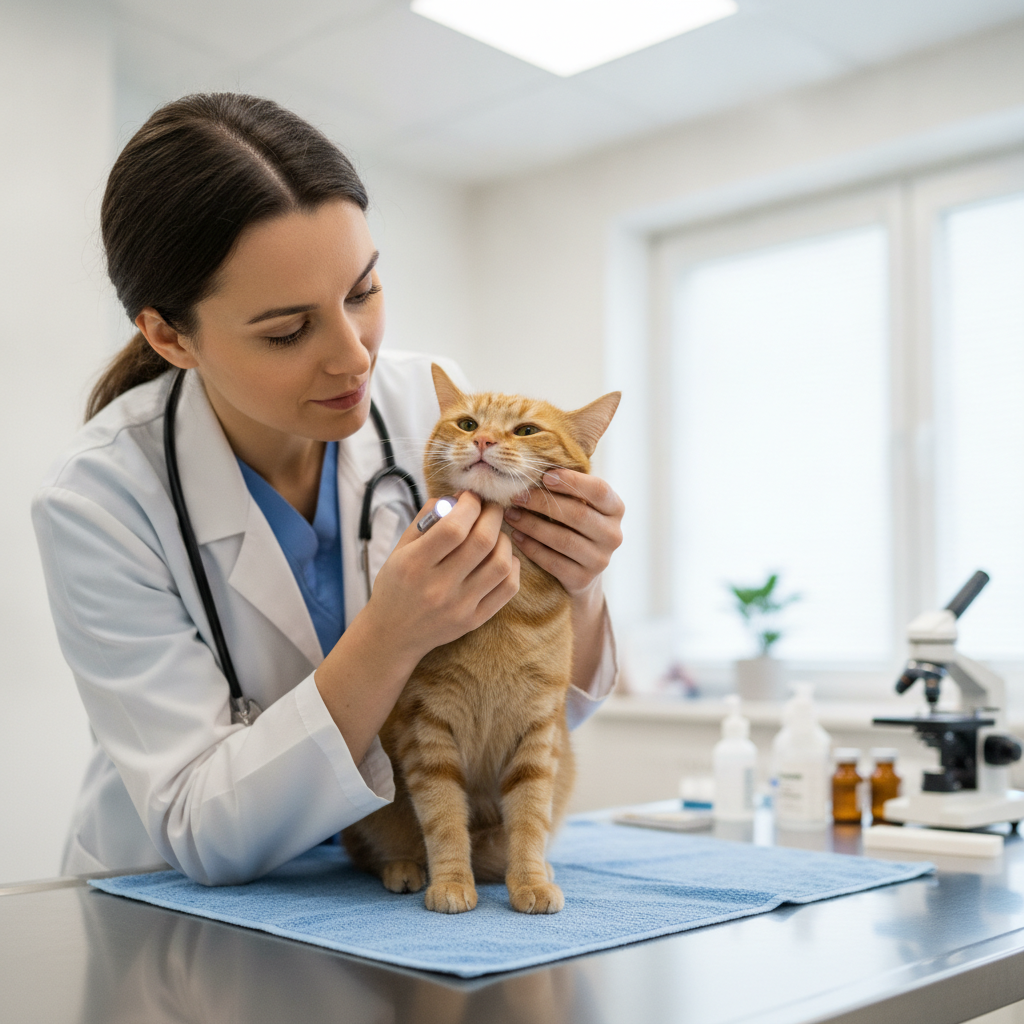
Diagnosis combines history, bloodwork and imaging:
- Bloodwork — a distinctive pattern of markedly raised ALP (a liver enzyme) with normal-to-mild GGT, plus high bilirubin, strongly suggests lipidosis.
- Ultrasound — typically shows an enlarged, uniformly bright ("hyperechoic") liver.
- Fine-needle aspirate — a tiny liver sample confirming fat-laden cells gives the definitive answer.
- Tests for the underlying cause — because over 90% are secondary, vets look for the trigger (pancreas, gut, teeth, kidneys, hormones).
Treatment: Feeding Is the Cure
This is the part that surprises people: the treatment is food. Because the disease is caused by not eating, recovery depends on getting consistent, complete nutrition back into the cat — and you cannot reliably do that by coaxing a nauseous cat with treats.
The cornerstone, per veterinary guidance, is aggressive nutritional support, usually via a soft esophagostomy feeding tube placed in the neck. It sounds drastic, but cats tolerate these tubes remarkably well, and it lets you deliver a precise, high-protein, calorie-dense diet without stressing the cat — for the weeks it takes the liver to recover. Treatment also includes IV fluids, anti-nausea medication, sometimes specific supplements, and treating the underlying cause.
Critical — never "force a fast": the old instinct to "let a sick cat rest its stomach" is exactly wrong here and can be fatal. And we don't give home doses or tube-feeding instructions — this is intensive, vet-managed care. With early, aggressive feeding, survival rates are encouraging (reported around 80–90%); untreated, it's almost always fatal.
Recovery is a marathon, not a sprint — the tube often stays in for several weeks until the cat eats willingly on its own again, and owners usually learn to feed through it at home. One reassuring milestone vets watch for is the bilirubin (the pigment causing jaundice) dropping by about half within the first 7–10 days of proper feeding — a good sign the liver is turning the corner. Patience and consistency at the feeding tube are genuinely what save these cats.
Prevention: Never Let a Cat Skip Meals
This is one of the most preventable serious feline diseases, and it comes down to two habits:
- Keep your cat lean. Healthy body weight shrinks the fat reserves that fuel lipidosis. Use the cat weight calculator to check, and pursue weight loss slowly and under vet guidance.
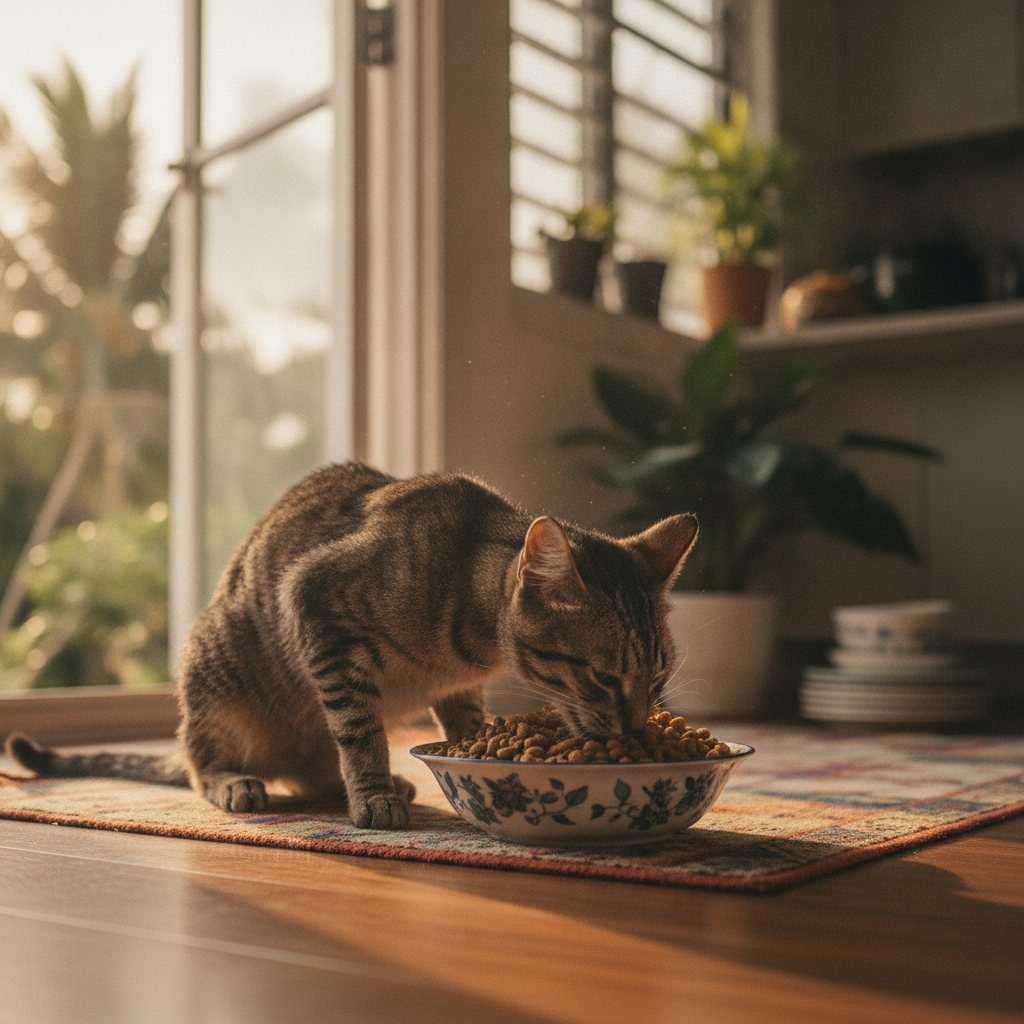
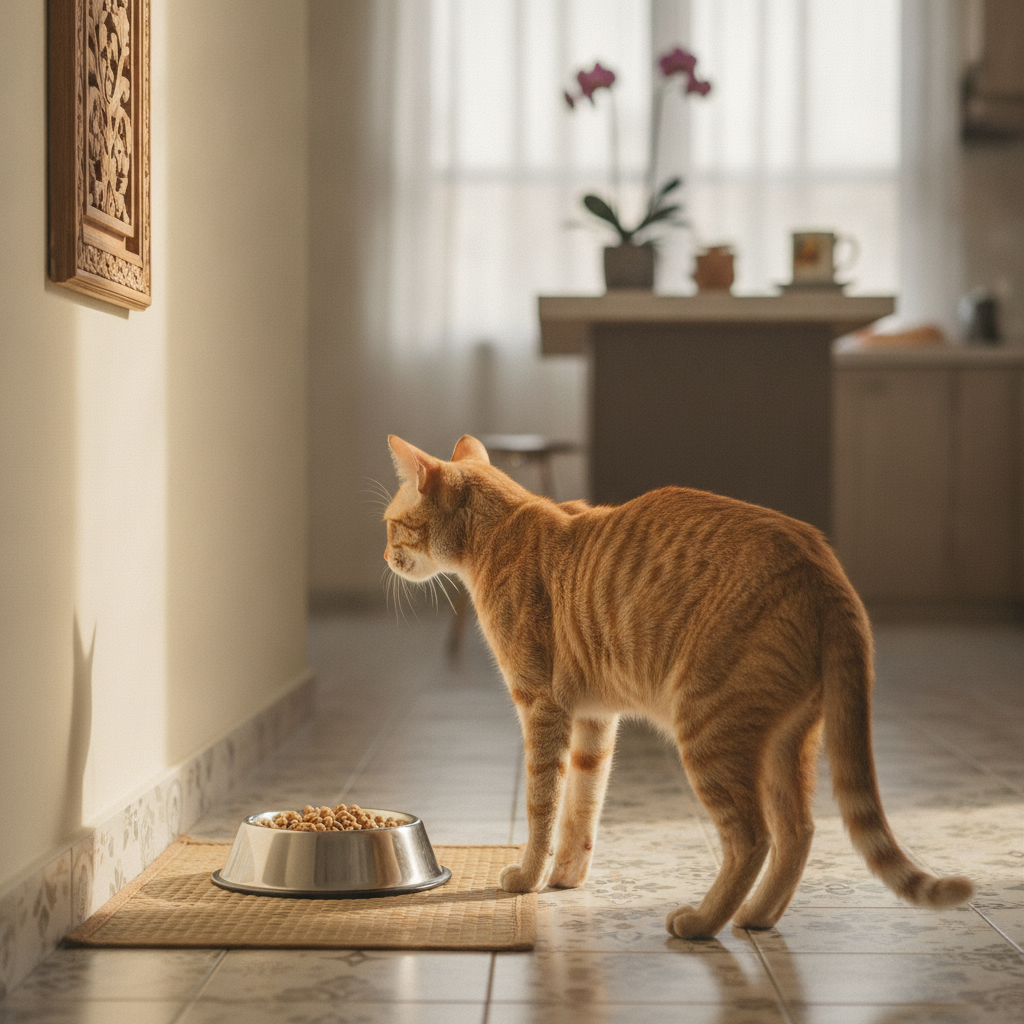
- Treat any appetite loss as urgent. Know what your cat normally eats, and act if it stops — 24–48 hours without food is the danger line, sooner for an overweight cat. Watch for partial anorexia too: a cat that's eating only a fraction of normal for several days is still at risk, even if the bowl isn't totally untouched.
- Manage stress around change. Since moving house, a new pet, or an abrupt food switch can all kill appetite, introduce changes gradually and transition diets over a week or more rather than overnight.
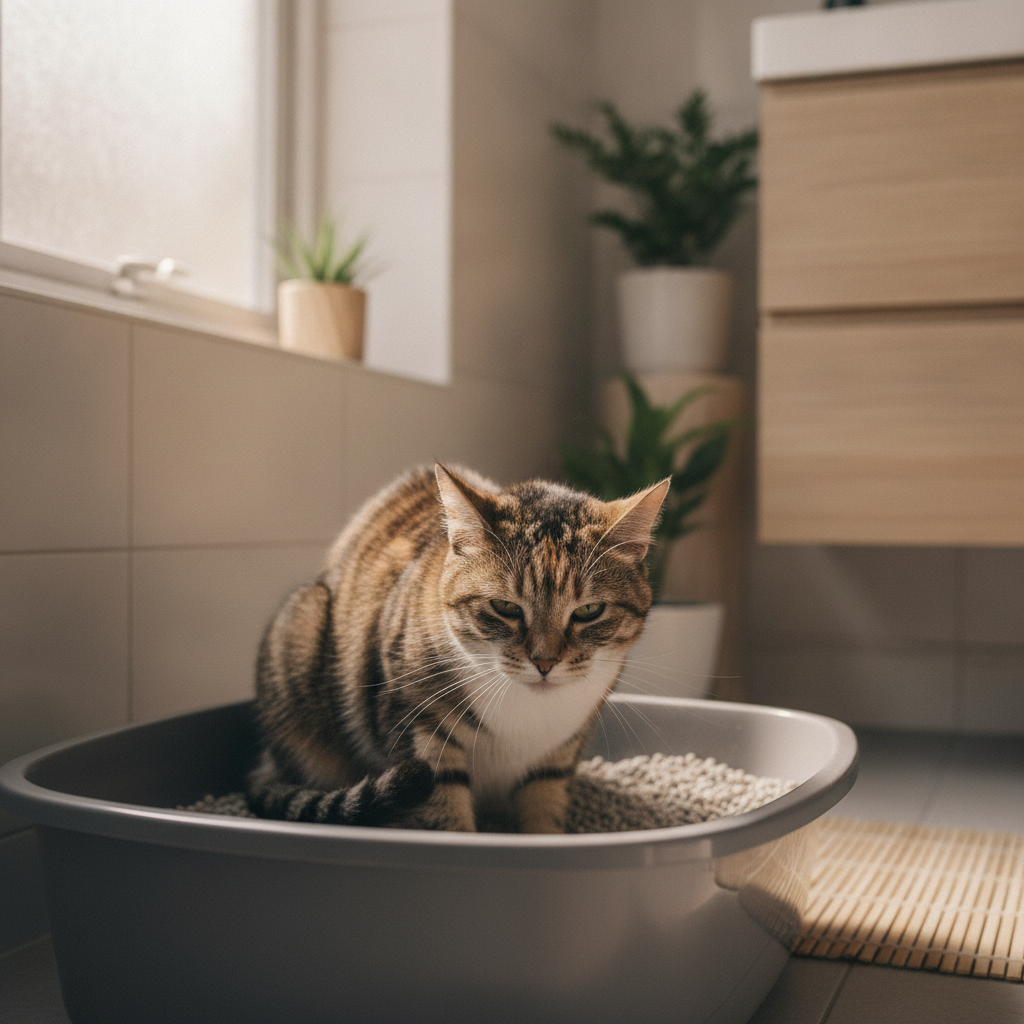
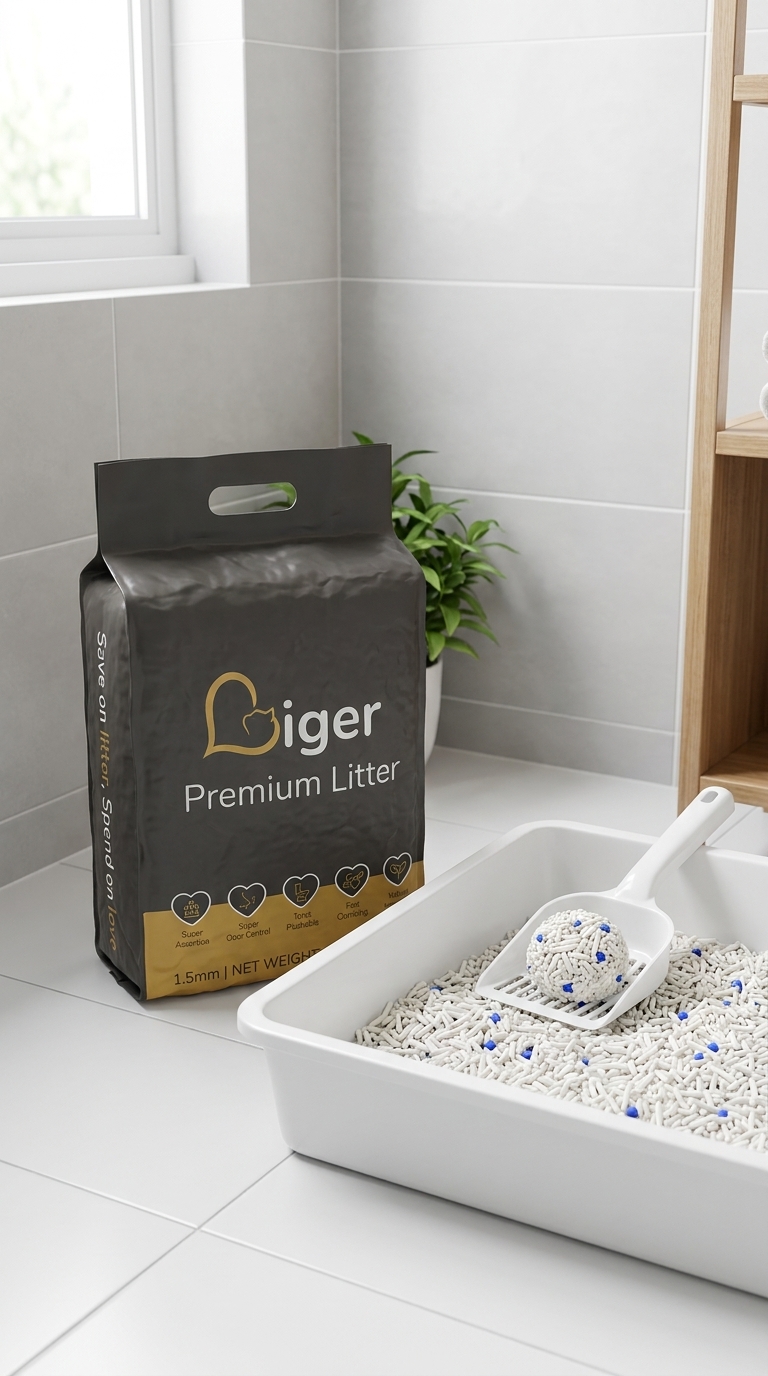
Here's a practical monitoring tip most people miss: the litter box is a mirror of the food bowl. A cat that has quietly stopped eating also stops producing normal waste — so a sudden drop in urine clumps or stool is an early, objective signal that intake has fallen, sometimes before you've noticed the bowl staying full. A clean, easy-to-read litter setup makes that change obvious.
That's where Liger Premium Tofu Cat Litter quietly helps. It's a soy-based, low-dust, flushable tofu litter that clumps firmly, so a drop in output is easy to spot day to day — Halal-certified and priced from RM21.90 for a 2 kg pack down to RM8.45/kg on the 10-pack. It won't prevent fatty liver, but a clean box you check daily — alongside watching the food bowl — turns you into an early-warning system, which is everything with this disease. Size your supply with the litter calculator.
Bottom line: in cats, "not eating" is itself a medical emergency in the making, because of this exact disease. Keep your cat lean, watch the bowl and the box, and never let a refusal to eat slide for more than a day or two. For the wider picture, see our overview of common cat diseases in Malaysia.