Walking a cat on a leash looks idyllic on Instagram — a calm cat padding through a park, harness snug, owner trailing behind. Done right, it's genuine enrichment: new smells, sights and textures for a bored indoor cat. Done wrong, it's a fast route to a bolted, lost or injured cat. And here's the honest part most "how to walk your cat" posts skip: leash-walking suits some cats and is a bad idea for others, and in Malaysia the outdoor hazards are real.
This guide covers how to choose the gear, fit it so your cat can't escape, judge whether your cat is even a candidate, train it properly, and weigh the local risks. If after reading you decide outdoor walks aren't worth it, that's a perfectly good outcome — a balcony catio gives many of the same benefits with far less risk.
Never Walk a Cat on a Collar — Here's the Anatomy
Start with a hard rule: never clip a leash to a cat's collar. A cat's neck packs the windpipe, oesophagus and cervical spine into a small, delicate space that simply isn't built to take the focused yank of a leash. If a collared cat lunges or you pull it back, all that force lands on the throat — risking tracheal damage, choking, even spinal injury.
There's a second trap. Good everyday cat collars are breakaway models designed to pop open if snagged — a life-saver against strangulation, but useless for walking, because any real pull releases them and your cat is loose. A non-breakaway collar fixes the escape problem but reintroduces the strangulation risk. A snagged collar can also catch a paw or the lower jaw as the cat struggles, causing fractures. Either way, collars lose; VCA Hospitals and welfare bodies are clear that a harness is the only safe attachment point. The veterinary and welfare consensus, from the ASPCA onward, is unanimous: walk a cat in a properly fitted harness, which spreads leash pressure across the strong chest and shoulders instead of the throat.
H-Style vs Vest: Choosing the Harness
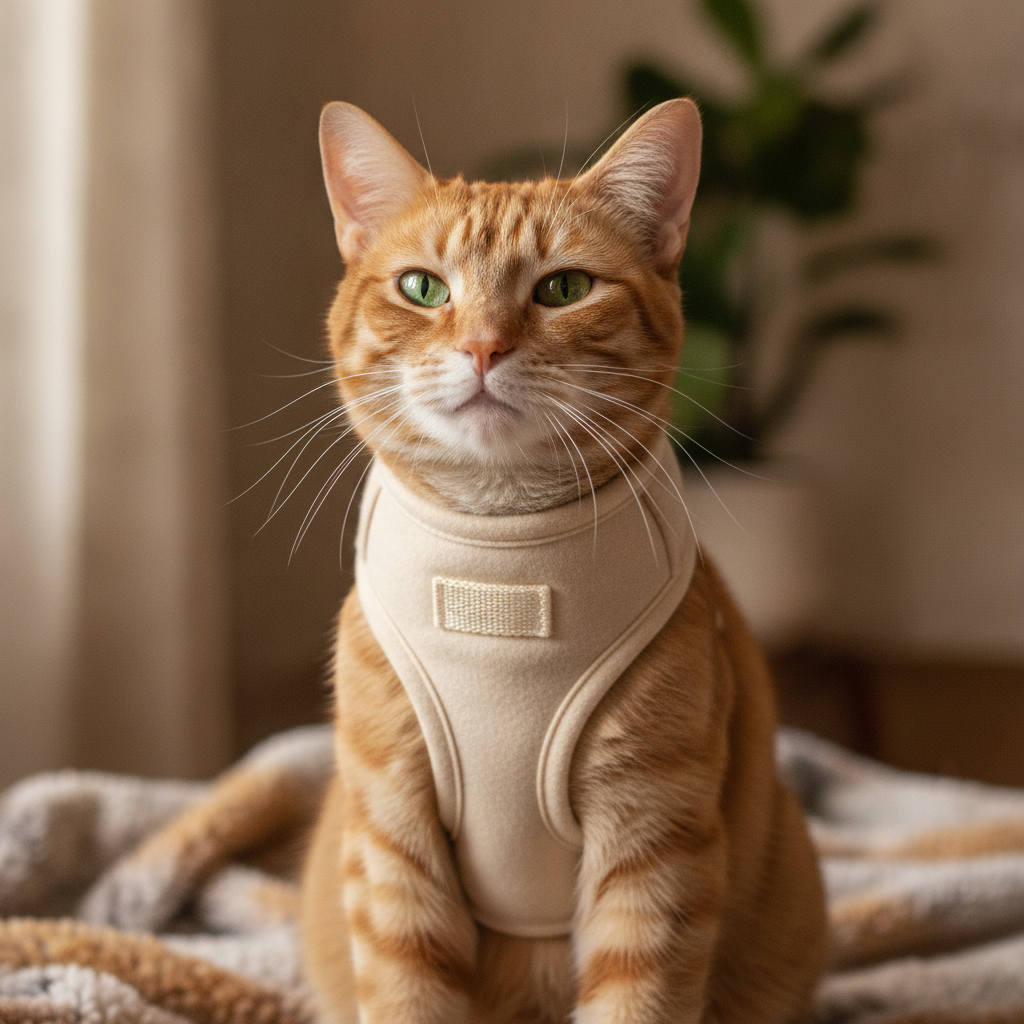
Two designs dominate, and the right pick depends on your cat.
- H-style harness: minimalist straps forming an "H" along the back. Highly adjustable and lightweight — cooler in our climate and good for odd proportions or growing cats. The downside: less coverage, so a determined, bendy cat can sometimes reverse out of a poorly fitted one.
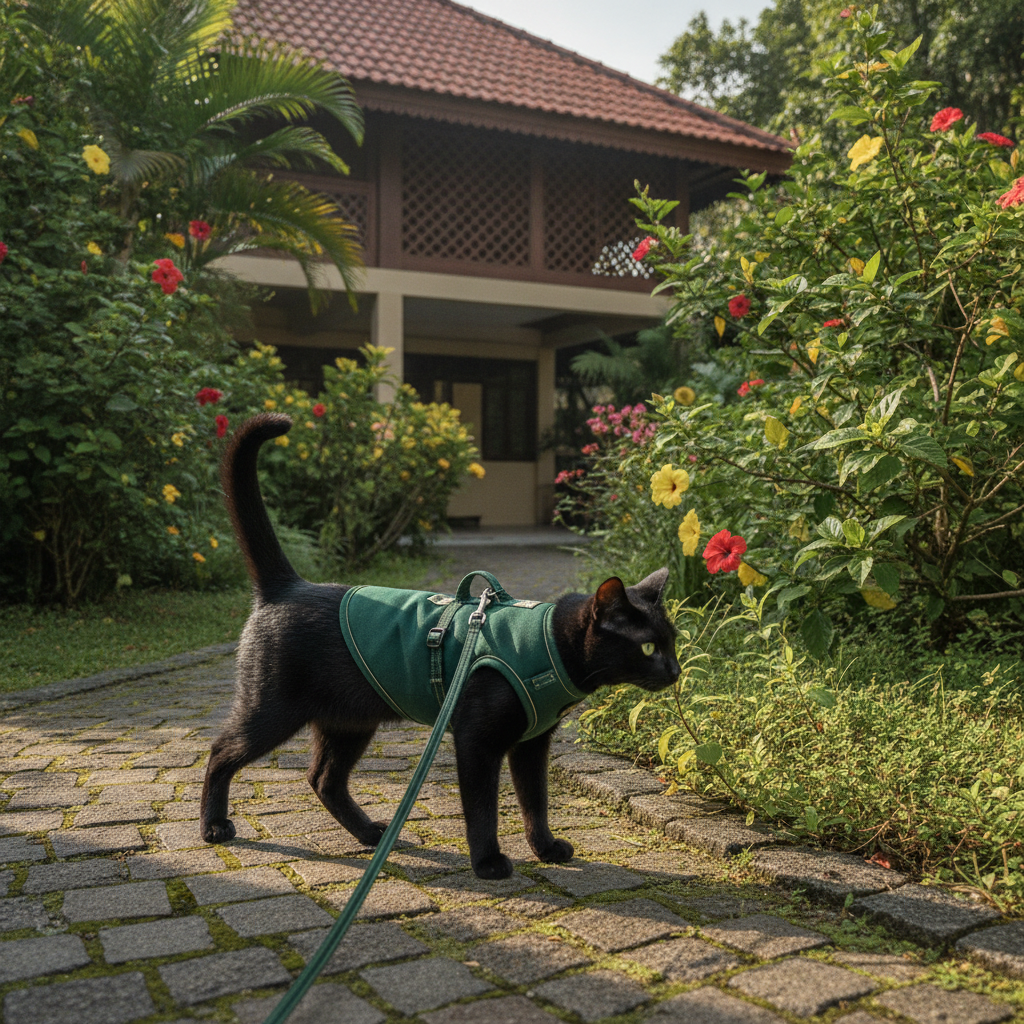
- Vest (jacket) harness: wraps more of the chest and shoulders, spreading pressure evenly and making it much harder to wriggle free. Generally the more escape-proof choice, which is what most owners actually need. Trade-offs: it can feel warmer, and with fewer adjustment points the initial size has to be right.
For most Malaysian cats, a well-fitting vest harness in a breathable fabric is the safer default. Pair it with a lightweight fixed-length leash (not a retractable, which gives a panicking cat too much runway and can snap). As International Cat Care notes, the equipment is only as good as the fit and the training behind it.
The Fit That Stops Escapes: The Two-Finger Rule
A cat can collapse its shoulders and reverse out of anything too loose — and a loose harness is the single most common way leashed cats escape. Use the two-finger rule: once fitted, you should be able to slip exactly two fingers (snugly) between the harness and your cat's body, no more. Tighter and it chafes; looser and it's an escape hatch. Check it every single time, because cats lose and gain coat and weight, and straps slip.
Measure your cat's chest girth before buying and follow the maker's size chart rather than guessing. After fitting, do a supervised test indoors: if the cat can back a leg out or twist free, re-adjust before you ever open the door. Reflective stitching is a worthwhile bonus for low-light Malaysian evenings. One more practical point: choose a harness you can put on with minimal fuss — designs that require threading legs through tight loops or doing up fiddly buckles over a squirming cat get abandoned, while a simple step-in or wrap-and-clip design you can fit in seconds is one you'll actually keep using.
Is Your Cat Even a Walking Cat?
This is the question that saves a lot of grief. Leash-walking is enrichment for confident, curious, bold cats — the ones who march to the door, investigate strangers and stay relaxed in new places. For shy, anxious or easily startled cats, the outdoors is sensory overload: traffic, dogs, strangers and open space can tip them into pure panic, and a frightened cat on a leash is both miserable and a flight risk.
Watch your cat's body language honestly. Curiosity at the window and calm exploration are green lights; crouching, flattened ears, a puffed tail or freezing are clear no's. Kittens socialised early tend to take to it better than nervous adults, though even a bold kitten still needs the full training build-up below. Remember too that cats, unlike dogs, weren't bred to follow human direction — a sense of control is central to their welfare, so a walk should feel like the cat choosing to explore with you, not being marched along a route. There's no shame — and a lot of wisdom — in deciding your particular cat is happier as an indoor cat with a catio. Walking is a partnership led entirely by the cat's comfort, never forced.
Training Indoors First: A Step-by-Step Plan
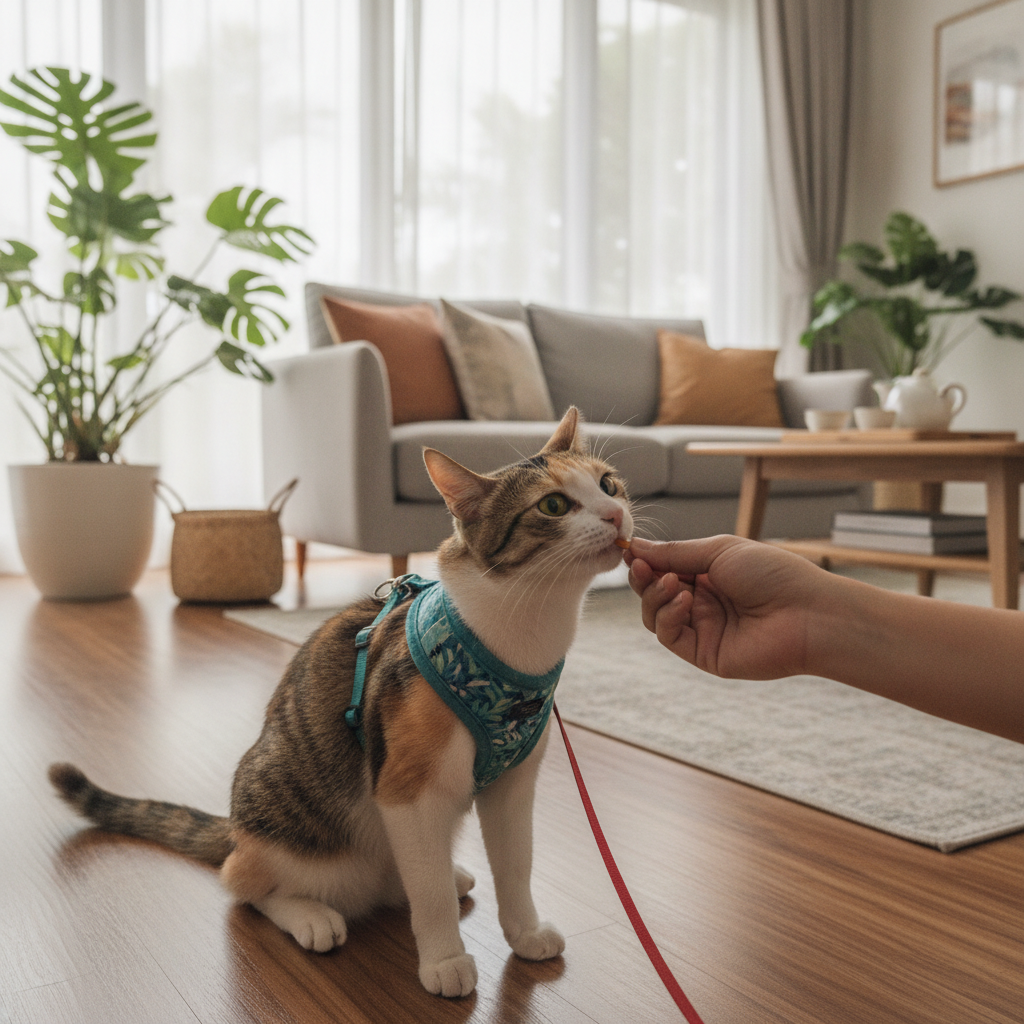
You cannot skip straight to the park. Build it up indoors over days or weeks, at the cat's pace, using treats and praise:
- Introduce the harness as furniture: leave it near the food bowl so it smells safe; reward any sniff.
- Wear it briefly indoors: put it on for a few minutes during a meal or play, then remove. Slowly extend the time over days until the cat ignores it.
- Add the leash indoors: let the cat drag it under supervision, then practise gentle following — never pulling.
- Step outside in a quiet, enclosed spot: a calm balcony or quiet garden corner first, short sessions, always letting the cat set the pace and retreat home when it wants.
If at any stage the cat freezes or panics, back up to the previous step. Positive, gradual exposure — the approach PetMD outlines, and the kind of low-stress, reward-based method championed by Fear Free — is what builds a cat that genuinely enjoys it rather than tolerates it. Rushing this stage is how you end up with a cat that associates the harness with dread and fights it every time. Patience here pays off for years; the whole process can take a few weeks, and that's normal, not a sign you're doing it wrong.
Malaysian Outdoor Hazards: Parasites, Heat, Traffic, Dogs
Our environment adds risks that temperate-climate guides ignore. Parasites top the list: a 2022 study of urban cats in the Klang Valley found a striking 73% carried intestinal parasites, with hookworm in around 63%. Grass, soil and drains are full of them, so year-round parasite prevention is essential for any cat that goes out — check your cat's status with our flea & worm checker and keep prevention current.
Heat is the next danger: midday sun and humidity can push a cat toward heatstroke fast, so walk only in the cool of early morning or evening, never on hot tarmac that can burn paw pads, and keep it short. Cats don't sweat to cool down the way we do, so they overheat quickly — watch for heavy panting, drooling or lethargy and head straight home if you see them. Then there's traffic and free-roaming dogs — a startled cat near a road is a tragedy waiting to happen, and an off-leash dog can turn a walk lethal in seconds. Stick to quiet, enclosed green spaces, never busy roadsides. And the absolute rule below.
The Golden Rule and the Safer Setup at Home
Never tie a leashed cat outside and walk away — not for a minute. A tethered, unsupervised cat can tangle and strangle itself, can't flee a dog or a person, and may bolt and hang itself on the lead. Leash time is always hands-on, eyes-on time.
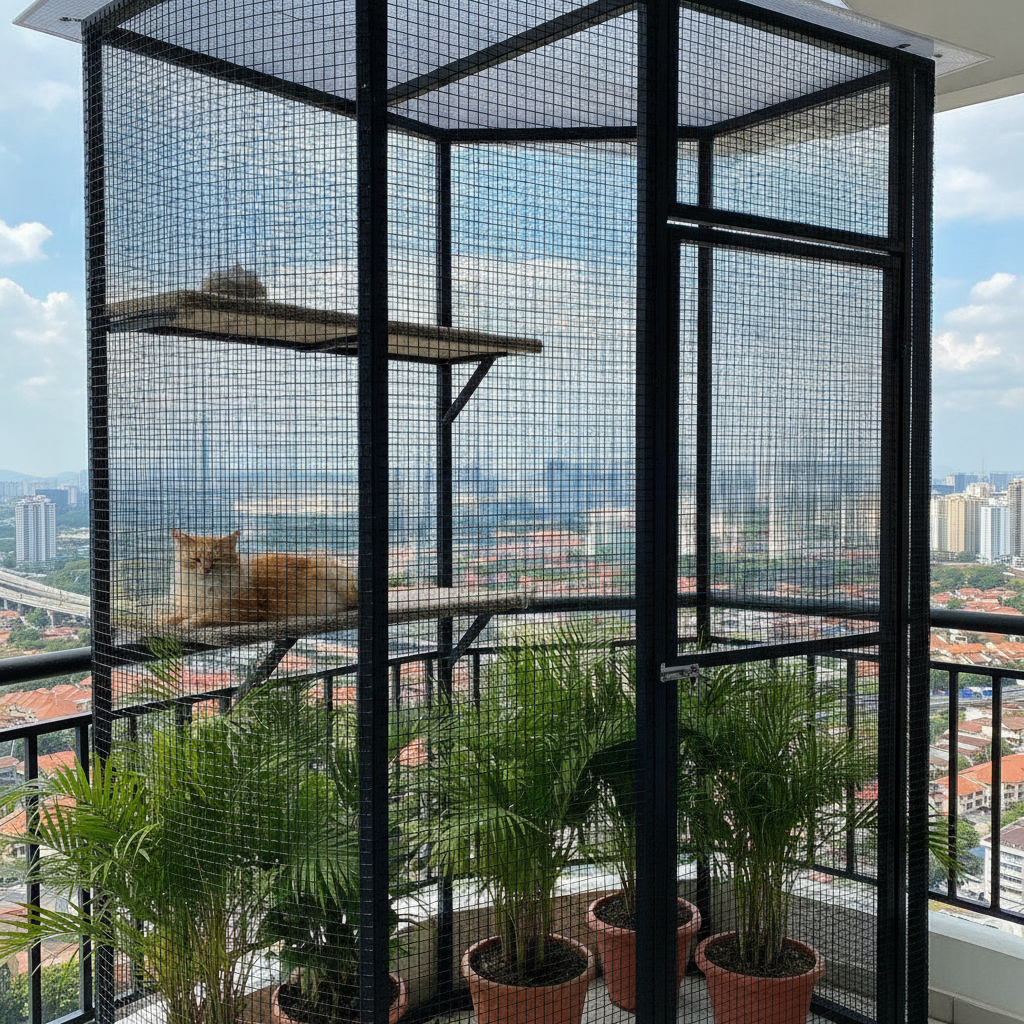
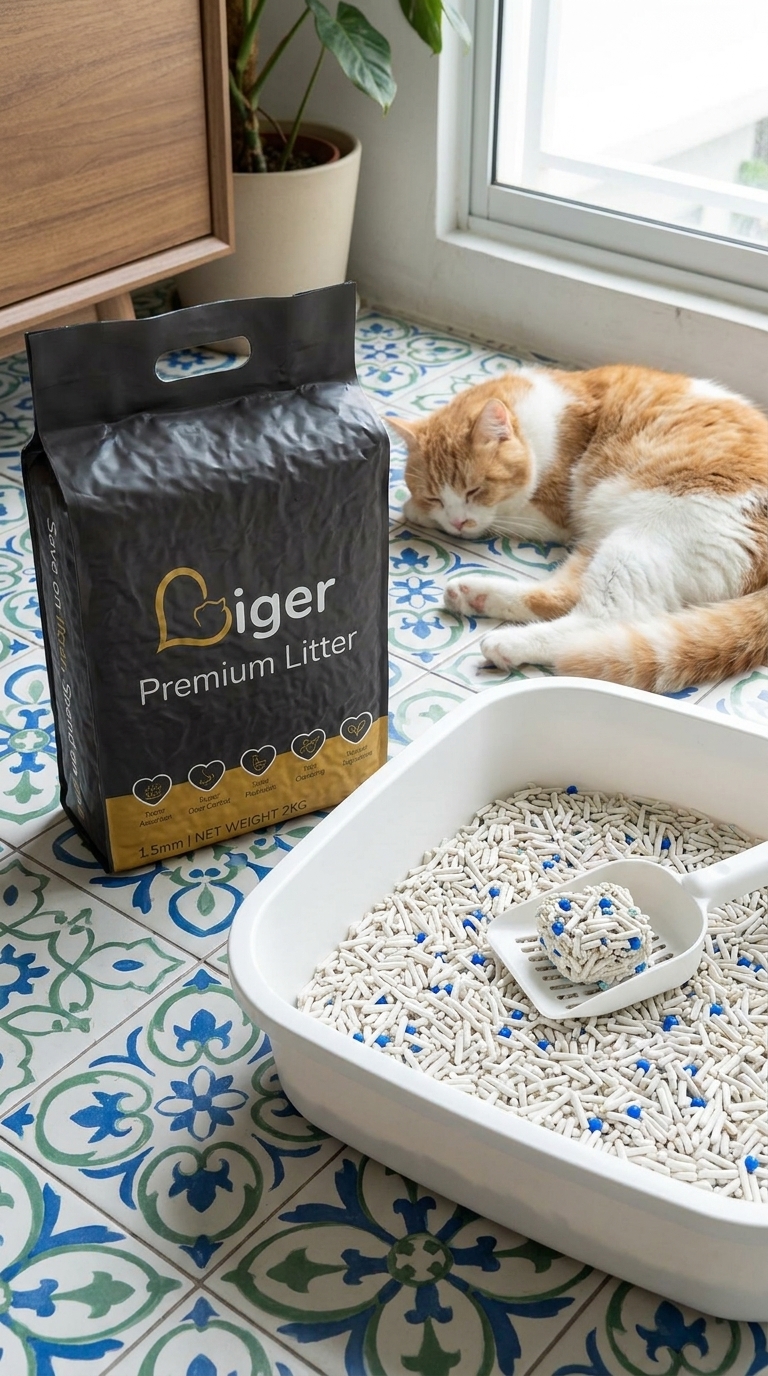
Honestly, for many Malaysian cats the smartest "outdoor" setup is one that needs no leash at all: a secure balcony catio delivers fresh air and stimulation without the parasite, traffic and escape risks. Whichever you choose, an outdoor-curious cat still spends most of its life indoors — so the home basics matter most, starting with a clean, low-stress litter setup. Liger Premium Tofu Cat Litter keeps a humid home liveable with low dust, firm clumping and odour-control beads, and it's flushable and Halal-friendly; as of 2026 it's RM21.90 for a 2 kg starter pack up to RM169 for the 20 kg bundle (RM8.45/kg, about 23% cheaper per kilo than singles, free shipping in West Malaysia). The litter calculator sizes your supply, and our cat essentials buying guide covers the rest of the kit.