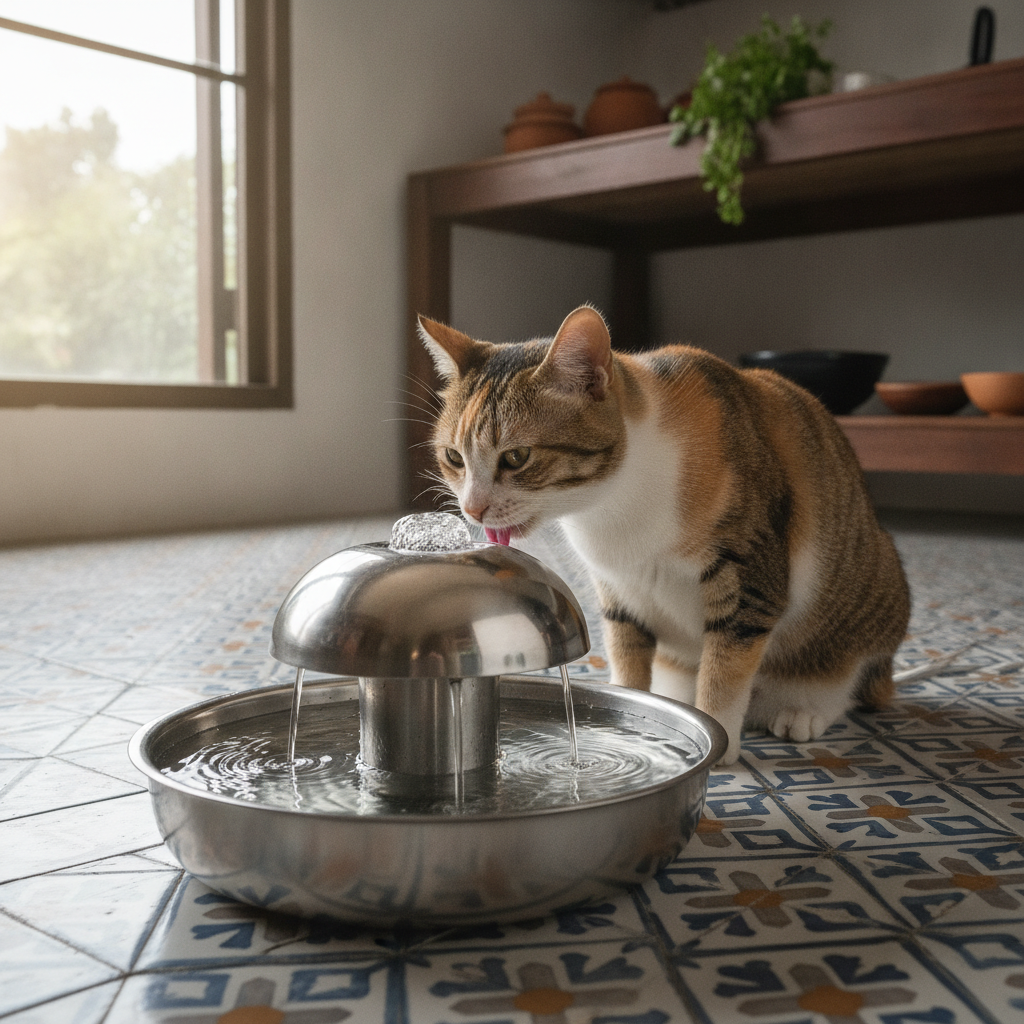
Cat water fountains are everywhere now — glowing, burbling, sculptural, and not cheap. The pitch is always the same: cats love running water, so a fountain makes them drink more and stay healthy. It's a tidy story, repeated on every product page and in countless reviews. It's also only half true, and the gap between the marketing and the actual veterinary evidence is worth understanding before you spend RM150 on a glowing gadget.
The honest version: hydration matters enormously for cats, but a fountain is a maybe, not a must. This guide walks through the actual veterinary evidence, who genuinely benefits, and — if you do buy one — how to pick a model that doesn't turn into a noisy, mouldy headache. If you're here because you're worried your cat isn't drinking enough, start with our guides on whether your cat is drinking enough water and the broader cat hydration guide.
Why Hydration Is a Bigger Deal Than the Bowl Suggests
Cats are bad drinkers by design. They descend from the African wildcat, a desert species that got almost all its water from prey and never evolved a strong thirst drive. That worked fine on a diet of mice (about 70% water). It works badly on modern dry kibble (6–10% moisture), leaving many cats in a state of chronic, low-grade dehydration.
The consequences land on the urinary system. Persistently concentrated urine is a key risk factor for Feline Lower Urinary Tract Disease (FLUTD) — crystals, painful cystitis, and in male cats a life-threatening urethral blockage. A blocked male cat is a true emergency: the obstruction stops urination and can cause kidney failure within a day or two, so anything that keeps urine more dilute genuinely matters. Adequate water also keeps urine flowing enough to flush out bacteria, lowering urinary-infection risk, as International Cat Care explains.
Over years, the strain also contributes to Chronic Kidney Disease (CKD), which affects an estimated 30–50% of cats over 15. According to the Cornell Feline Health Center, CKD is one of the most common conditions in older cats — and it's sneaky: cats can lose two-thirds or more of their kidney function before any symptom shows. That silent progression is exactly why pushing water intake throughout life is preventive medicine, not fussiness.
Do Fountains Actually Work? The Honest Answer
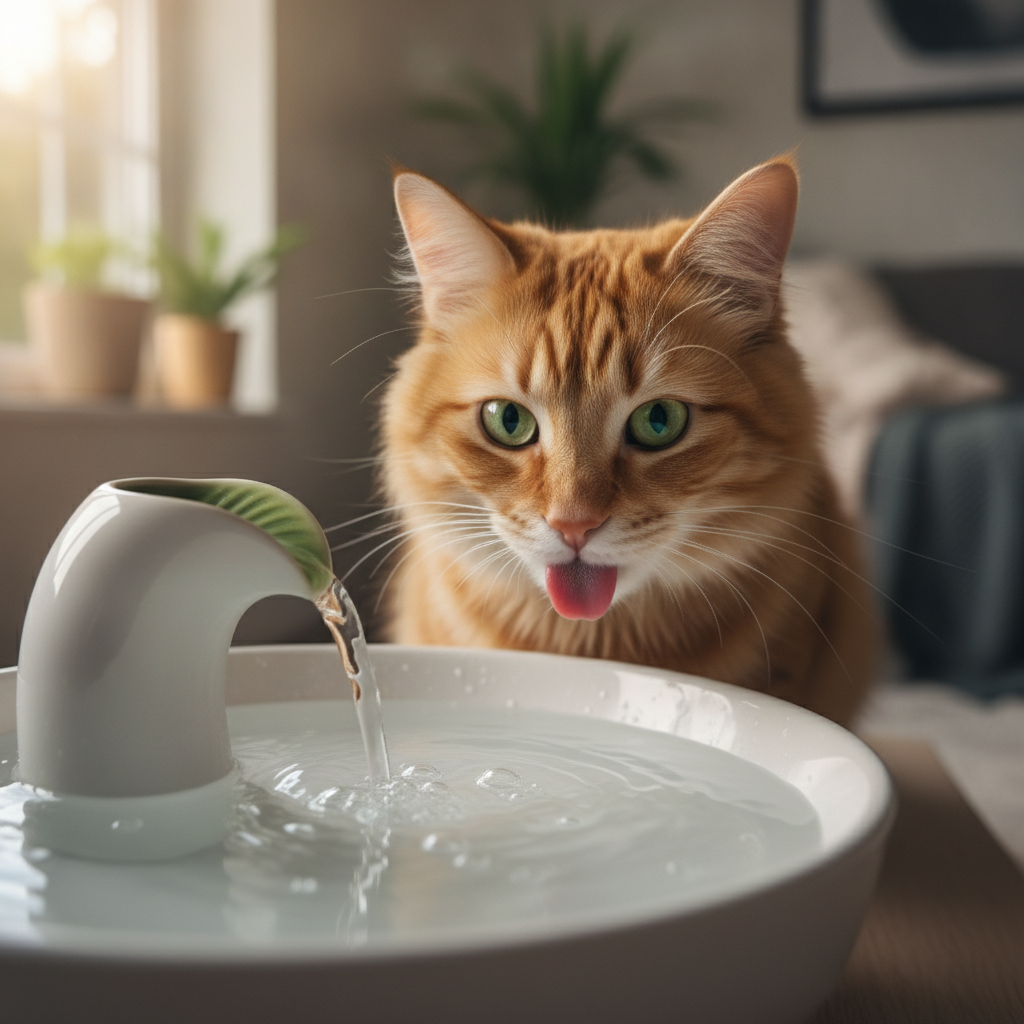
Here's where the marketing gets ahead of the science. The peer-reviewed evidence that fountains improve hydration is genuinely mixed. A 2010 study in the Journal of Feline Medicine and Surgery found cats drank more from a fountain than a bowl — but their urine concentration didn't meaningfully improve, so the author concluded the effect on actual hydration was "unlikely to be substantial." A 2019 crossover study comparing still, circulating and free-falling water found no significant difference in intake at all.
The thread tying these together is individual preference. Some cats are clearly drawn to moving water and will drink more from a fountain; others are timid or noise-sensitive and actually drink less. So a fountain isn't a guaranteed upgrade — it's a tool that helps some cats. Don't buy one expecting magic; buy it as an experiment and watch whether your particular cat takes to it.
If you do trial one, give it a fair chance. Introduce it alongside the existing bowl rather than removing the bowl outright, so a wary cat isn't forced to choose between a scary new machine and dehydration. Run it for a couple of weeks and watch for real signals — more visits, drinking sessions, urine output — not just the novelty of a cat batting at the stream once. If after a fair trial your cat ignores it, that's your answer, and a clean bowl refreshed daily is perfectly fine.
The Best Hydration Fix Isn't a Fountain — It's Wet Food
If your real goal is a better-hydrated cat, the single most effective move is dietary, not a gadget. Canned and pouched wet food is roughly 70–80% moisture — close to natural prey — so it delivers water with every meal, regardless of whether your cat can be bothered to visit a bowl. Veterinary consensus is consistent on this: increasing the proportion of wet food is the most reliable way to raise total fluid intake.
This reframes the whole question. A fountain encourages voluntary drinking (unreliable); wet food builds water into the diet (reliable). For most cats, a partial or full switch to wet food does more than any fountain. A fountain then becomes a useful add-on, not the headline act.
Switching isn't all-or-nothing. Even adding one wet meal a day, or stirring a little warm water into food, raises total intake. Go slowly — cats are creatures of habit and an abrupt food change can backfire — mixing increasing amounts of wet into the usual food over a week or two. Other low-tech wins: keep water bowls away from the food (cats instinctively avoid drinking next to where they eat), offer water in more than one spot around the home, and refresh it daily in our heat so it stays cool and appealing.
Which Cats Actually Benefit From a Fountain
A fountain earns its keep for specific cats rather than all of them. Consider one if your cat:
- has a history of FLUTD, crystals or bladder issues, where every extra millilitre of dilution helps;
- has CKD or is a senior (7+), where maintaining intake is part of management;
- refuses wet food entirely, so the diet route is closed;
- or simply shows a clear, observable preference for running water (drinks from taps, batting at the bowl).
For these cats, talk to your vet, and use the urinary health checker to think through symptoms. For a healthy young cat that already eats some wet food and drinks normally, a fountain is optional — a nice-to-have, not a need. The point isn't that fountains are useless; it's that the benefit is conditional. Spend the money where the evidence is strongest first (diet and multiple fresh water spots), then add a fountain if your individual cat clearly takes to it. Buying a fountain and feeling you've "handled hydration" while the cat still eats only dry kibble is the trap to avoid.
How to Choose a Fountain That Won't Become a Mouldy Problem
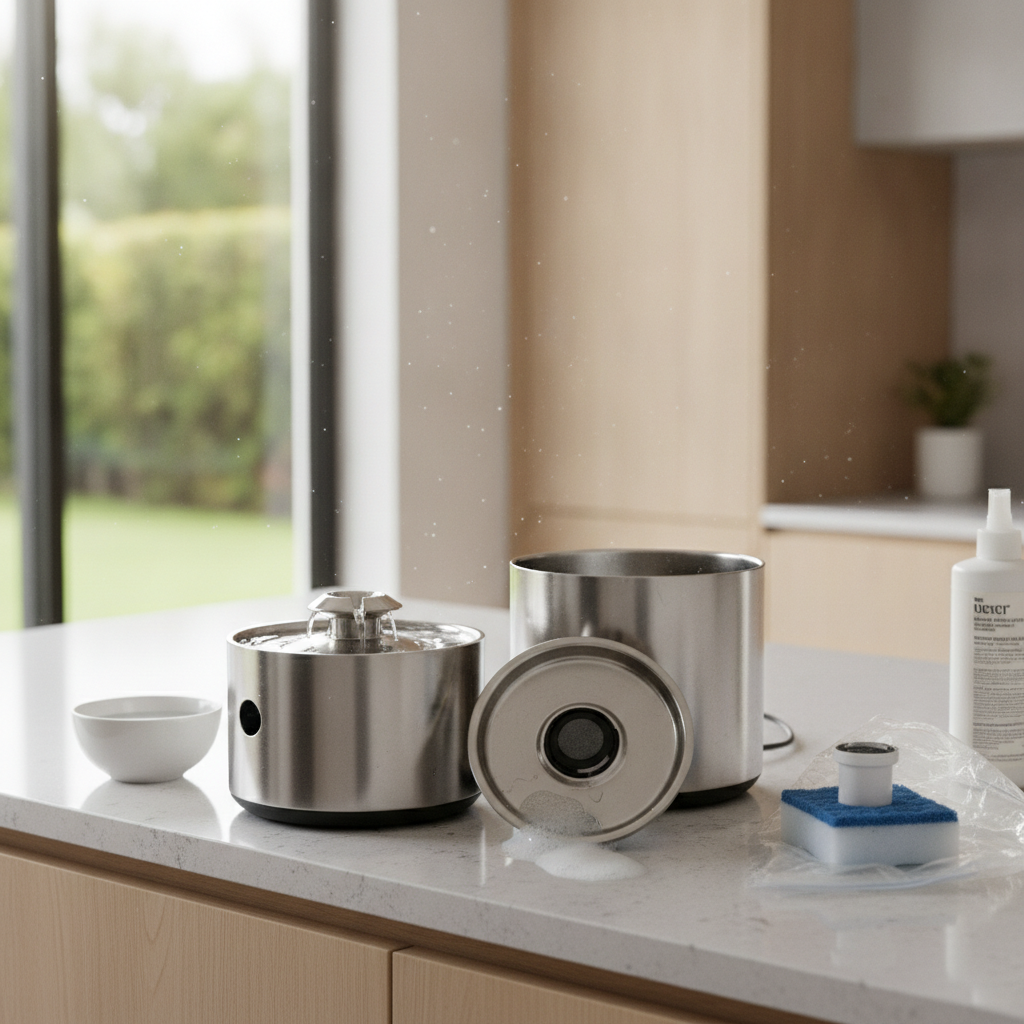
If you're getting one, these are the specs that matter:
- Material: skip plastic. Like plastic bowls, it scratches and harbours bacteria — a known trigger of feline chin acne. The Texas A&M College of Veterinary Medicine specifically advises switching to metal or ceramic dishes for this reason. Choose stainless steel or ceramic: non-porous, easier to sanitise. (Bin any ceramic that chips or cracks, since the crack itself becomes a bacteria pocket.)
- Noise: a rattly pump scares off the very cats you're trying to help. Look for a quiet pump and keep the reservoir topped up — most fountain noise comes from a low water level.
- Filters and flow: filters keep the water palatable; have replacements on hand and change them on schedule. A gentle flow suits more cats than a dramatic waterfall.
- Cleaning: this is the dealbreaker most owners underestimate. A fountain must be fully disassembled and scrubbed weekly — biofilm (that slimy film) builds up fast in our warm climate and turns a health tool into a bacteria farm. The pump in particular hides gunk in its crevices and needs a dedicated brush. If you won't commit to weekly cleaning, a couple of stainless bowls refreshed daily is the safer choice.
- Placement and size: set the fountain away from the food and the litter box, in a quiet but accessible spot the cat already passes. Match the reservoir size to your household — a bigger tank means fewer dry-pump moments, but only if you're actually cleaning it weekly regardless of how full it is.
None of this is meant to talk you out of a fountain. It's to make sure that if you buy one, it stays a genuine health asset rather than an expensive ornament the cat avoids and the algae enjoys.
Reading Hydration From the Litter Box
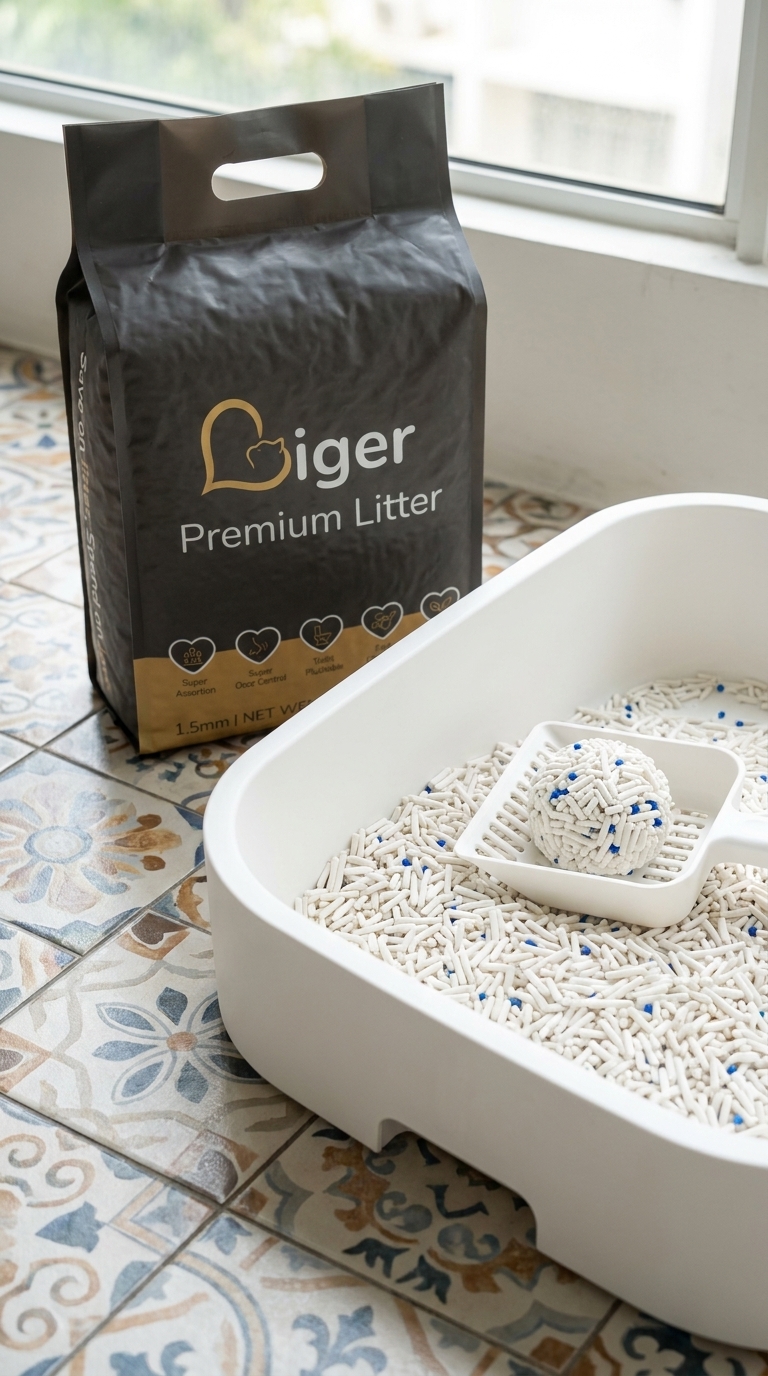
Whatever you decide about a fountain, your best day-to-day hydration monitor is already in the house: the litter box. Urine clump size and how often your cat pees are a direct readout of fluid balance — shrinking, infrequent clumps can signal a cat drinking too little, while a sudden jump in volume can flag early kidney or diabetes issues worth a vet visit.
That monitoring only works if your litter clumps cleanly enough to read. Liger Premium Tofu Cat Litter forms firm, distinct clumps that make tracking urine output genuinely easy — plus low dust for sensitive airways, blue deodorising beads, flushable and Halal-friendly. As of 2026 it's RM21.90 for a 2 kg starter pack up to RM169 for the 20 kg bundle (RM8.45/kg, about 23% cheaper per kilo than singles, free shipping in West Malaysia); the litter calculator shows how long a bag lasts, and the cat hydration calculator estimates how much water your cat actually needs each day. For the rest of the kit, see our cat essentials buying guide.