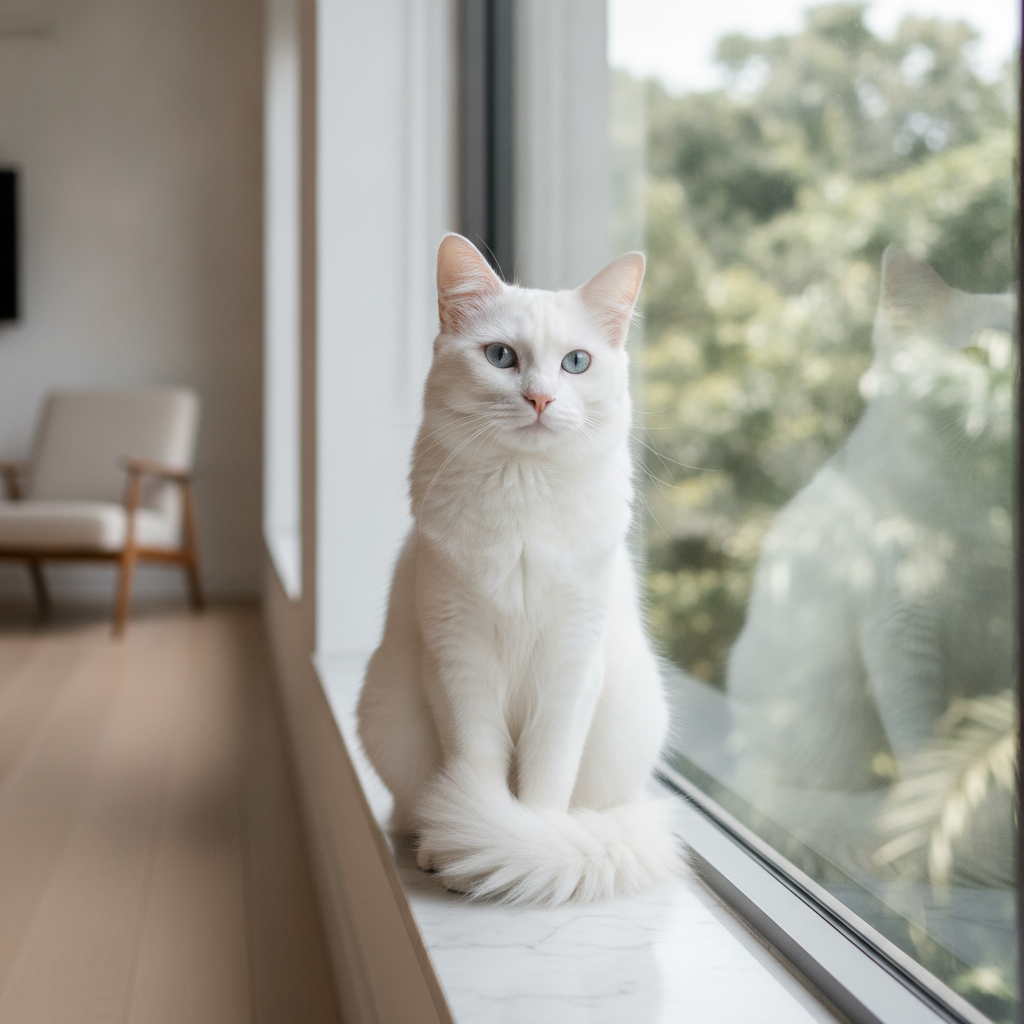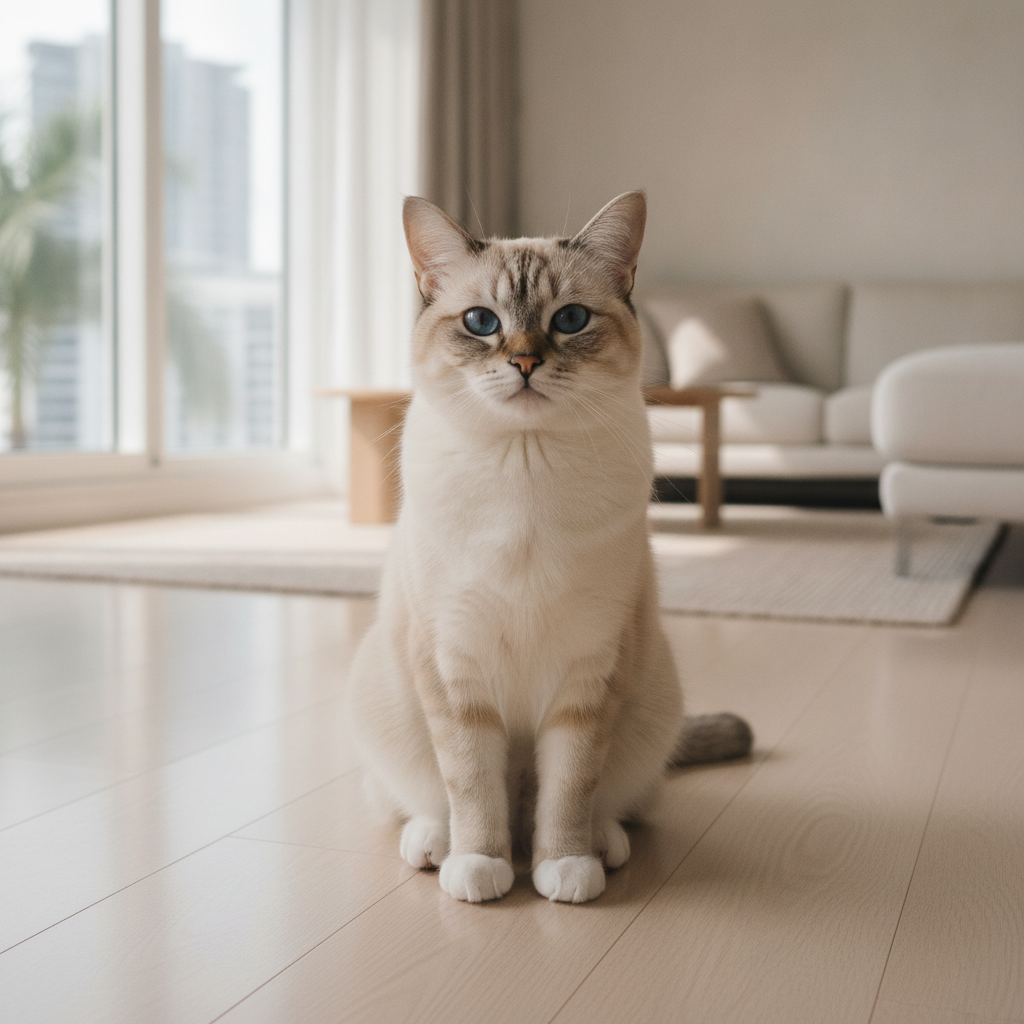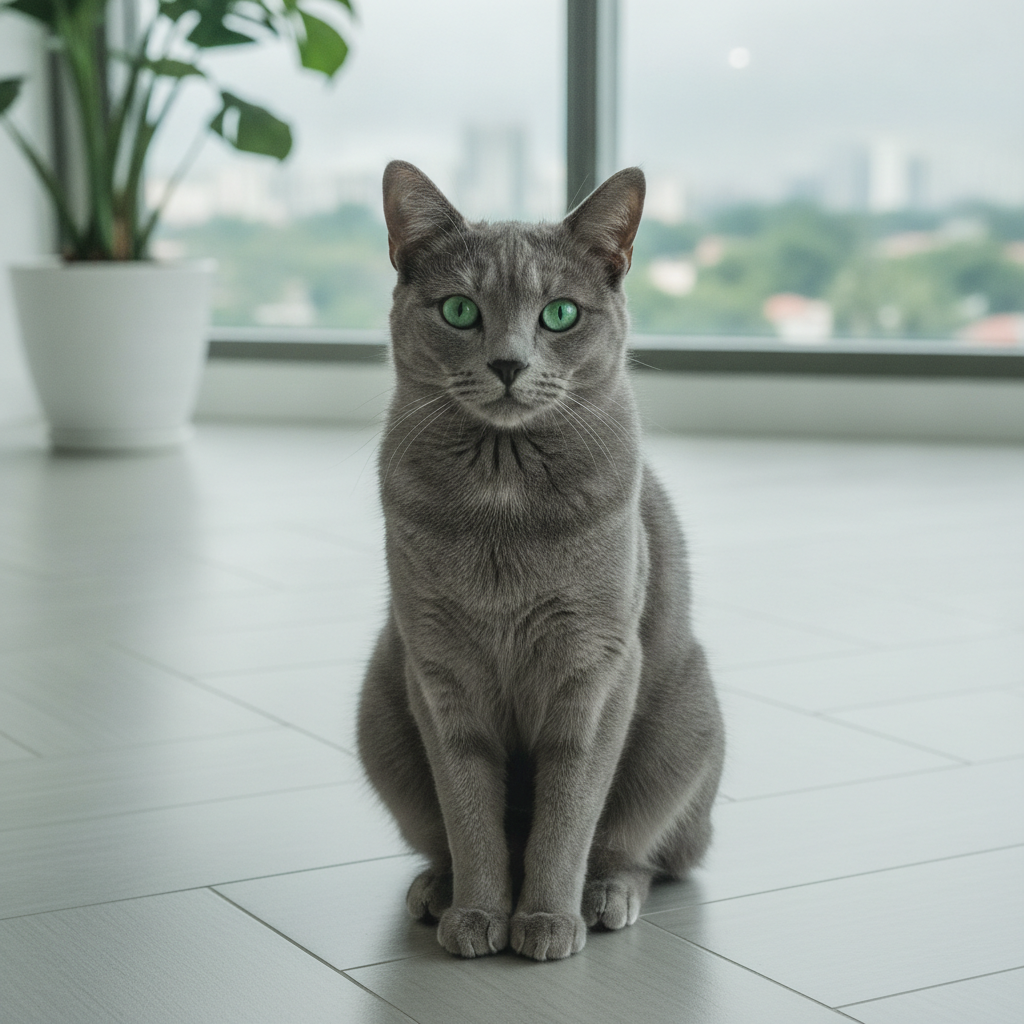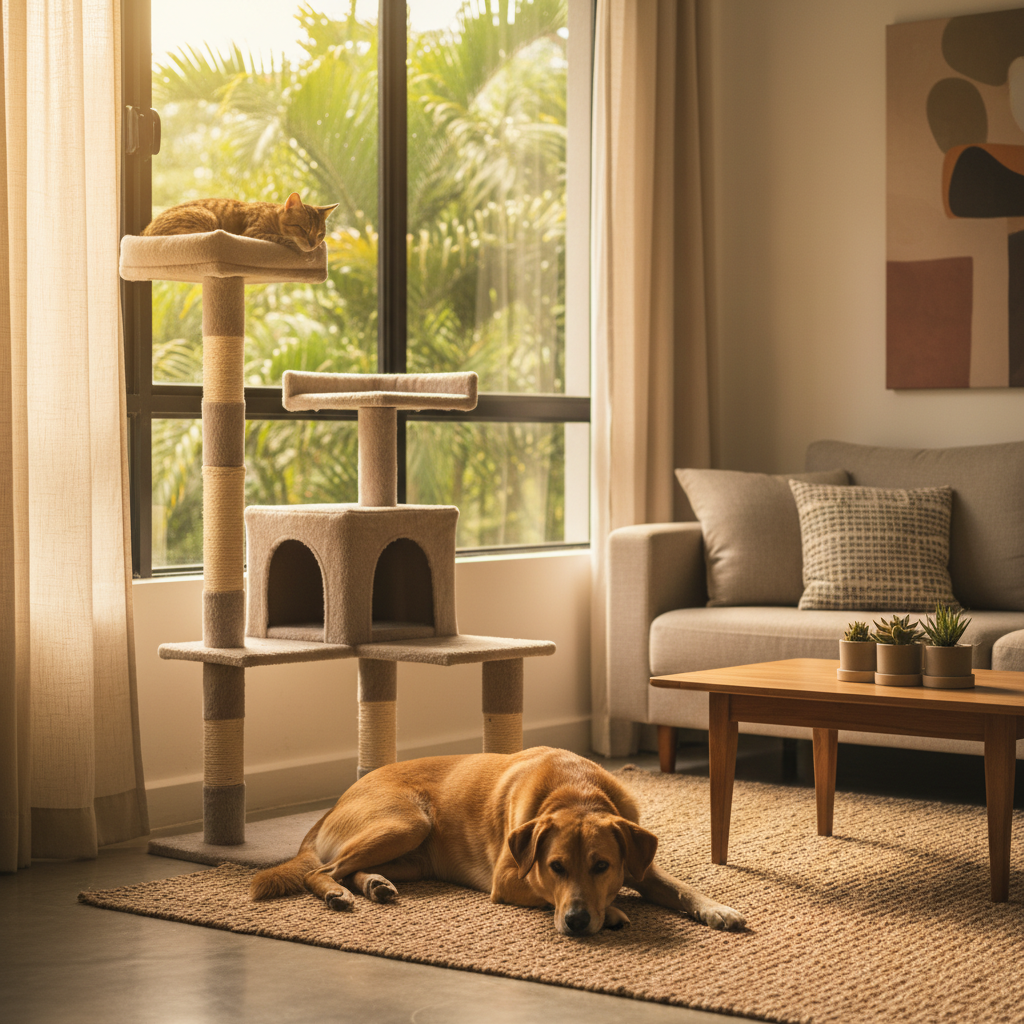
It's one of the oldest stereotypes in the book: cats and dogs are sworn enemies. But walk into enough Malaysian homes and you'll see the truth — a snoozing kucing draped over the sofa while the family dog dozes on the floor below, completely at peace. The "fighting like cats and dogs" idea is mostly myth. The reality is that most cats and dogs can live together happily, as long as you manage the introduction properly and respect what each animal needs.
The hard part isn't whether it's possible. It's the first few weeks — and a few safety traps unique to a cat-and-dog household that almost nobody warns first-time owners about. This guide walks you through it the realistic way, from the science of a slow introduction to the litter-box danger that can land a dog in emergency surgery.
Can Cats and Dogs Really Live Together?
Yes — and far more often than the stereotype suggests. According to International Cat Care, plenty of cats and dogs end up genuinely bonded, while others simply learn to coexist with a polite "you stay on your side" arrangement. Both outcomes are wins. You're not aiming for best friends; you're aiming for a calm home where neither pet feels threatened.
Success depends less on the species and more on the individuals. A laid-back senior dog and a confident adult cat might settle in days. A high-prey-drive working breed and a timid rescue kitten will need much more patience. The American Kennel Club notes that a dog's individual temperament and training matter more than its breed label — a well-managed introduction beats good genetics every time.
It helps to be honest about the pairing you actually have. A dog with a strong chase instinct — many terriers and some of the local mixed breeds you'll meet at Malaysian shelters — isn't impossible, but it raises the difficulty and means leashes and gates stay in play longer. Age matters too: a kitten introduced to a gentle adult dog often grows up thinking the dog is just part of the furniture, whereas two set-in-their-ways adults need more diplomacy. None of this is a dealbreaker. It just tells you how much runway to give the process before you expect calm.
There's also a very Malaysian layer to this: space. Many of us are doing this in a condo or apartment, not a landed house with a garden buffer. The good news is that under Malaysia's Strata Management Act 2013 (By-Law 14), pets are generally permitted in stratified properties subject to the management's conditions — so a multi-pet home is legal, but you'll want to keep noise and territory under control to stay on good terms with neighbours. Tight square footage just means you have to be smarter about giving the cat its own vertical world (more on that below).
Before the Two Worlds Collide: Setting Up for Success
The single biggest mistake is the "let's just put them in the same room and see what happens" approach. That first chaotic meeting can set the tone for months. Do the prep work first.
1. Vet check before anything else. The Animal Humane Society recommends confirming the newcomer is healthy and parasite-free before any contact. In our climate, that means fleas, ticks and worms specifically — a new dog can easily bring Rhipicephalus sanguineus brown dog ticks, which are extremely common in Malaysian dogs, straight into a previously tick-free cat household.
2. Build a sanctuary room. Pick a room — usually for the cat — with a closed door where the resident or newcomer can decompress. Stock it with food, water, a bed, and crucially a litter box the dog cannot reach. This is home base.
3. Sort out vertical space. Cats feel safe when they can get up. A cat tree, a few wall shelves, or even a cleared-off cupboard top gives your cat escape routes a dog can't follow. In a small condo this isn't a luxury — it's the difference between a cat that feels cornered and one that feels in control.
4. Plan the litter box location now. This is the step everyone skips, and it's the one that causes the most trouble later. Your cat's litter box must be somewhere the dog physically cannot get to it — behind a baby gate, on a raised surface, or in a room with a cat-only door. If you're not sure where it should go in a compact home, our guide on where to put a cat litter box in a Malaysian condo walks through the options.
The Step-by-Step Introduction (Don't Rush This)
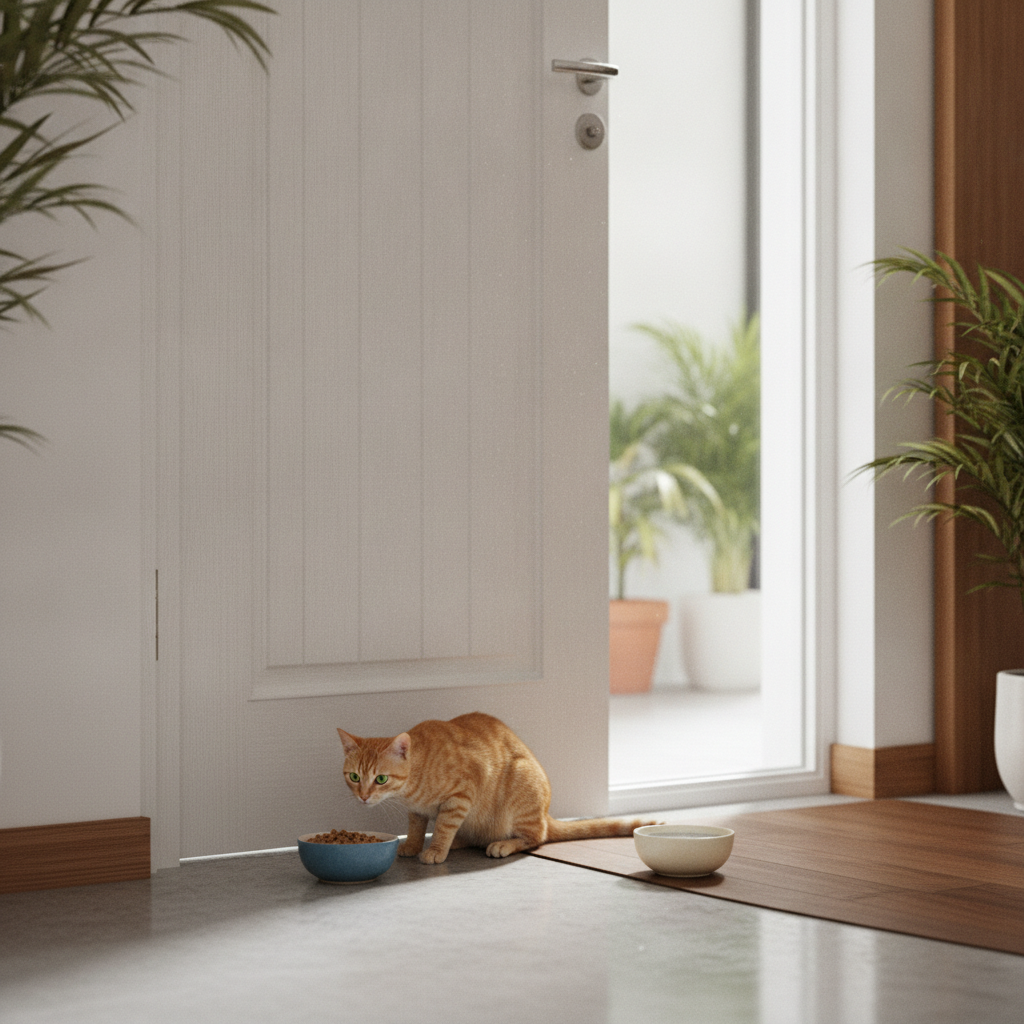
Here's the protocol vets and shelters consistently recommend. Most cats and dogs adapt within two to four weeks when you move at this pace; some take a couple of months. Let the pets set the speed, not your schedule.
Stage 1 — Scent swapping (days 1-4). Keep them fully separated. Swap a blanket or bed between the two so each gets used to the other's smell before they ever see each other. Feed both pets near the closed door so they start to associate that scent with something good — dinner.
Stage 2 — Sight without contact (days 4-10). Use a baby gate or a cracked door so they can see each other briefly without physical access. Keep sessions short and end them while everyone is still calm. Reward calm behaviour from both sides with treats.
Stage 3 — The first real meeting. Take the dog for a long walk first so it's tired and less excitable. Keep the dog on a leash, choose a neutral spot rather than the cat's safe zone, and let the cat roam free so it can leave whenever it wants. Never corner the cat or hold it up to the dog's face. Keep it to a few minutes, then separate.
Stage 4 — Supervised freedom. Gradually extend the time they share a space, always supervised. The golden rule, echoed by vets writing for PetsRadar: never leave a new cat and dog alone together until you are completely confident in how they behave, which can take weeks or months.
If you're also juggling a second cat in the mix, the same slow-and-steady philosophy applies — our cat-to-cat introduction timeline covers that scenario in detail.
The Litter-Box Danger Nobody Warns You About
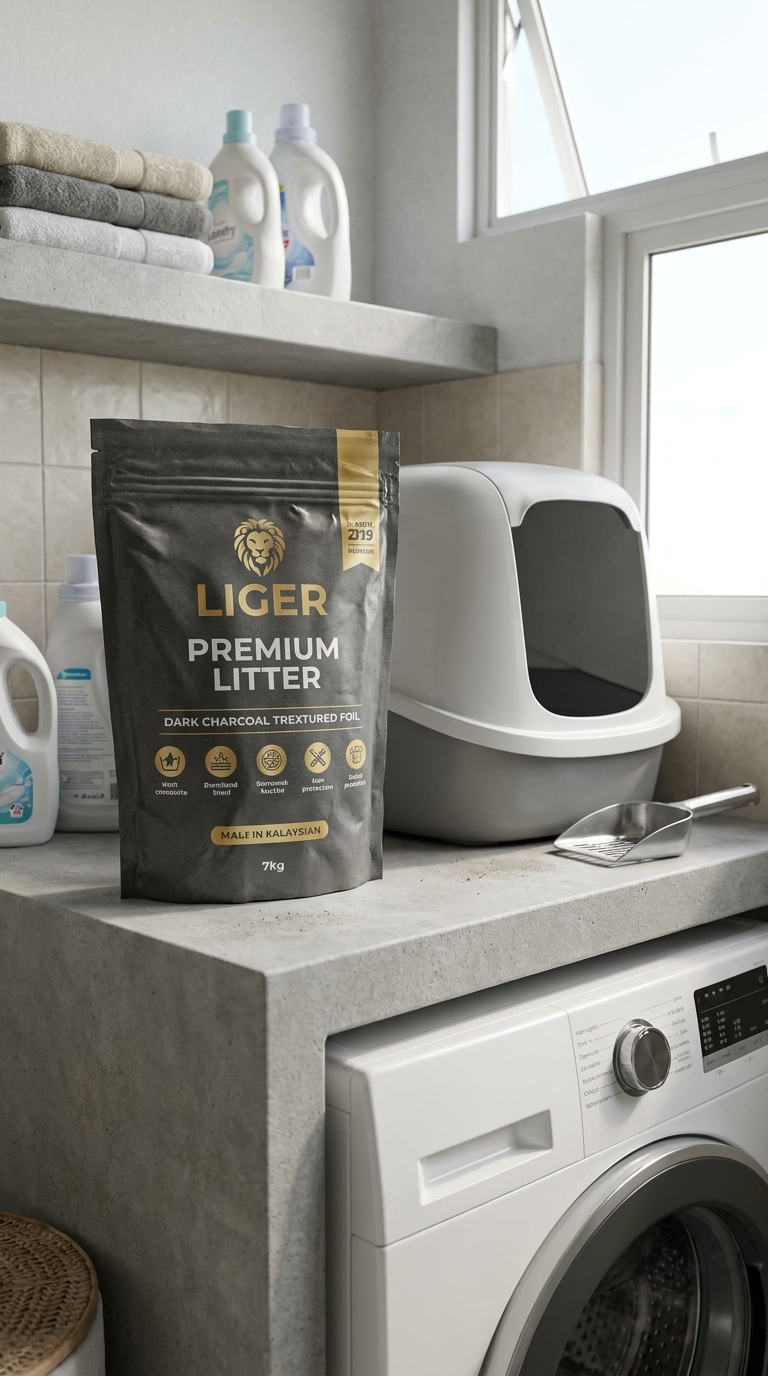
Here's the part that genuinely surprises new multi-pet owners. Dogs, for reasons only a dog could love, find the litter box fascinating — they'll happily snack on cat faeces and the litter itself. It's gross, but more importantly, it can be dangerous.
The serious risk is clumping bentonite (mineral clay) litter. Bentonite is engineered to absorb liquid and swell to many times its original volume on contact with moisture — which is the whole point in a litter box, but a nightmare inside a dog. As PetPlace's veterinary team explains, a dog that eats clumping litter can have it expand and set into a firm internal mass, leading to a complete intestinal blockage — a surgical emergency. Small breeds and puppies are at highest risk because their digestive tracts are narrower. On top of that, cat faeces can carry Toxoplasma gondii, roundworms and hookworms, so litter-snacking is a parasite route too.
This is where your choice of litter genuinely matters in a cat-dog home — and it's why we point multi-pet families toward plant-based tofu litter.
Liger Premium Tofu Cat Litter (奶香味豆腐猫砂) is made from natural soybean fibre, not mineral clay. If a curious dog does sneak a mouthful, it doesn't set into the same rock-hard bentonite mass — tofu litter is food-grade plant material designed to break down (it's even flushable in small amounts, though note that Indah Water Konsortium reminds us sewer systems are built for human waste, so flush sparingly). Liger also runs ultra-low on dust, which matters when a dog's nose is constantly down at floor level stirring everything up. It clumps firmly (a certified 97% clump strength) so you can scoop cleanly and leave less behind for the dog to find, and the milky scent keeps a small Malaysian apartment from smelling like a litter box.
So how do you actually dog-proof the box? A few things work well in Malaysian homes: a top-entry litter box that a dog's snout can't fit into; a baby gate with a small cat flap or a gap propped just wide enough for the cat but not the dog; placing the box on a sturdy raised surface or inside a cabinet with a cat-sized opening; or simply dedicating a small room (a bathroom or store room) with the door wedged open just a few centimetres on a hook-and-eye latch. The goal is the same in every case — the cat strolls in freely, the dog gives up.
To be clear: no litter is meant to be eaten, and the real fix is placement (keep that box dog-proof). But if you're choosing between a clay litter that turns into cement inside a dog and a natural plant-based one that doesn't, the safer pick in a multi-pet home is obvious. It's also kind on the wallet over time — a Liger 10-pack runs RM169 (20kg, working out to RM8.45/kg, as of May 2026), with the 5-pack at RM89 and a single 2kg pack at RM21.90, free shipping within Peninsular Malaysia. You can size your household's needs with our litter calculator, and if you're weighing tofu against clay in more detail, our clumping vs non-clumping guide breaks it down.
Multi-Pet Health and Safety in the Malaysian Climate
Beyond the litter box, a few safety points are easy to miss when you suddenly have both species under one roof.
Never use permethrin near cats. This is the big one. Many dog flea-and-tick spot-ons and sprays contain permethrin, a pesticide that is safe for dogs but highly toxic to cats — even secondhand contact from grooming a freshly treated dog can poison a cat. The US EPA's review of organophosphate pet pesticides underlines how seriously these ingredients must be handled. Always read the label, separate the pets after a dog treatment, and ask your vet for cat-safe parasite control for the whole household. If your cat's already dealing with fleas, our flea guide for Malaysian cats has the safe options.
Watch for chronic stress in the cat. Cats hide stress well. One red flag is open-mouth breathing — unlike dogs, panting in a cat signals real distress or overheating, not happy tiredness. Hiding all day, not eating, over-grooming, or suddenly avoiding the litter box are all signs the new arrangement is overwhelming.
Manage resource guarding. Feed the pets in separate spots, give each its own water and bowls, and never make them compete. Two of our own crew, Tiger and Lion, eat at opposite ends of the kitchen for exactly this reason — while Ping'An and Lucky have learned the dog simply isn't worth the drama at dinner time.
Mind the heat. A dog that's been outside in Malaysian humidity comes back warm and panting, which can stress a resting cat. Give the cat cool, quiet, elevated spots to retreat to during the hottest part of the day.
When It's Not Working: Red Flags and When to Call the Vet
Most introductions settle with patience. But some need professional help, and there's no shame in asking. Call your vet or a qualified behaviourist if you see: persistent aggression after several weeks, a cat that stops eating or using its (dog-proof) litter box, injuries from a scuffle, a dog with an obsessive fixation on chasing the cat, or any sign your dog may have eaten clumping litter — vomiting, a tense painful belly, lethargy or constipation, all of which warrant an immediate vet visit.
Bringing a cat and dog together in a Malaysian home is absolutely doable — thousands of families do it happily. Go slow, respect the cat's need to escape upward, keep that litter box out of the dog's reach, and choose a litter that won't hurt a curious snout. Do that, and "fighting like cats and dogs" becomes just an old saying you no longer believe.