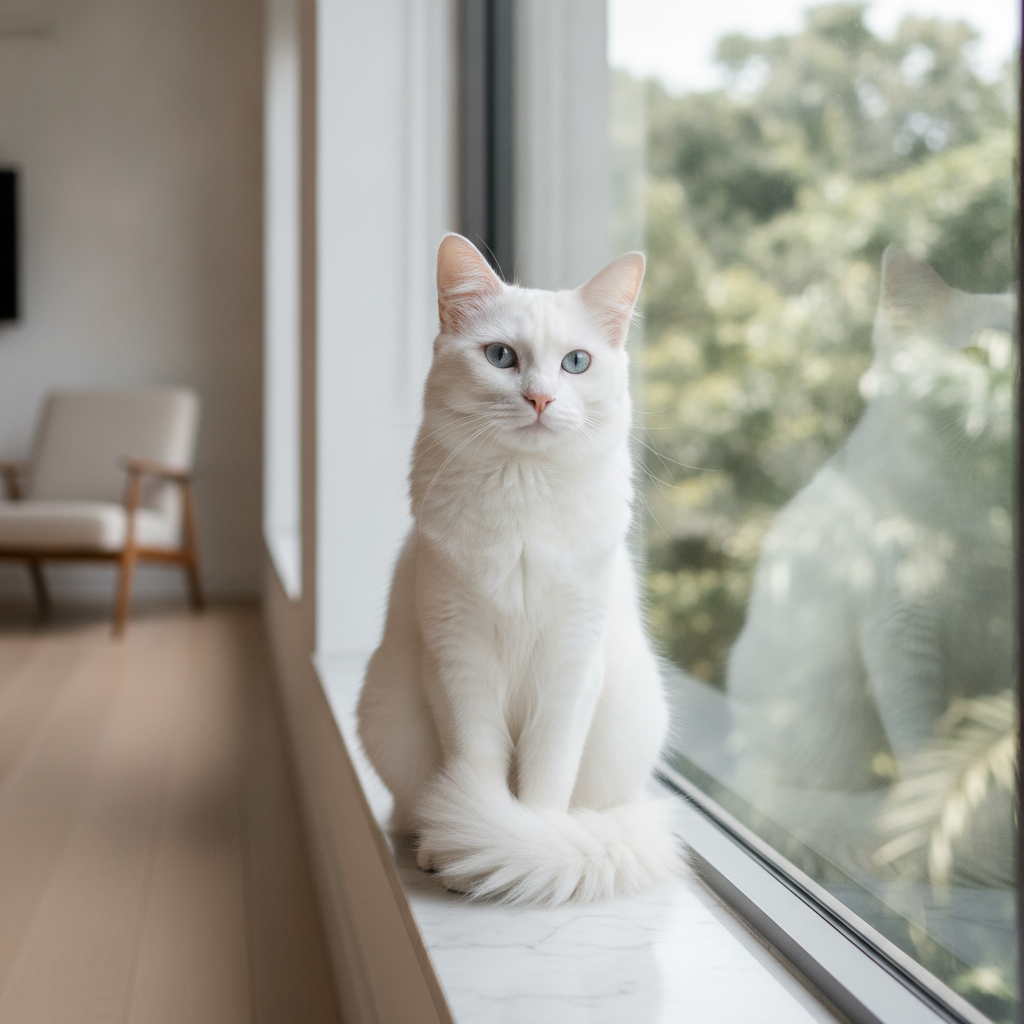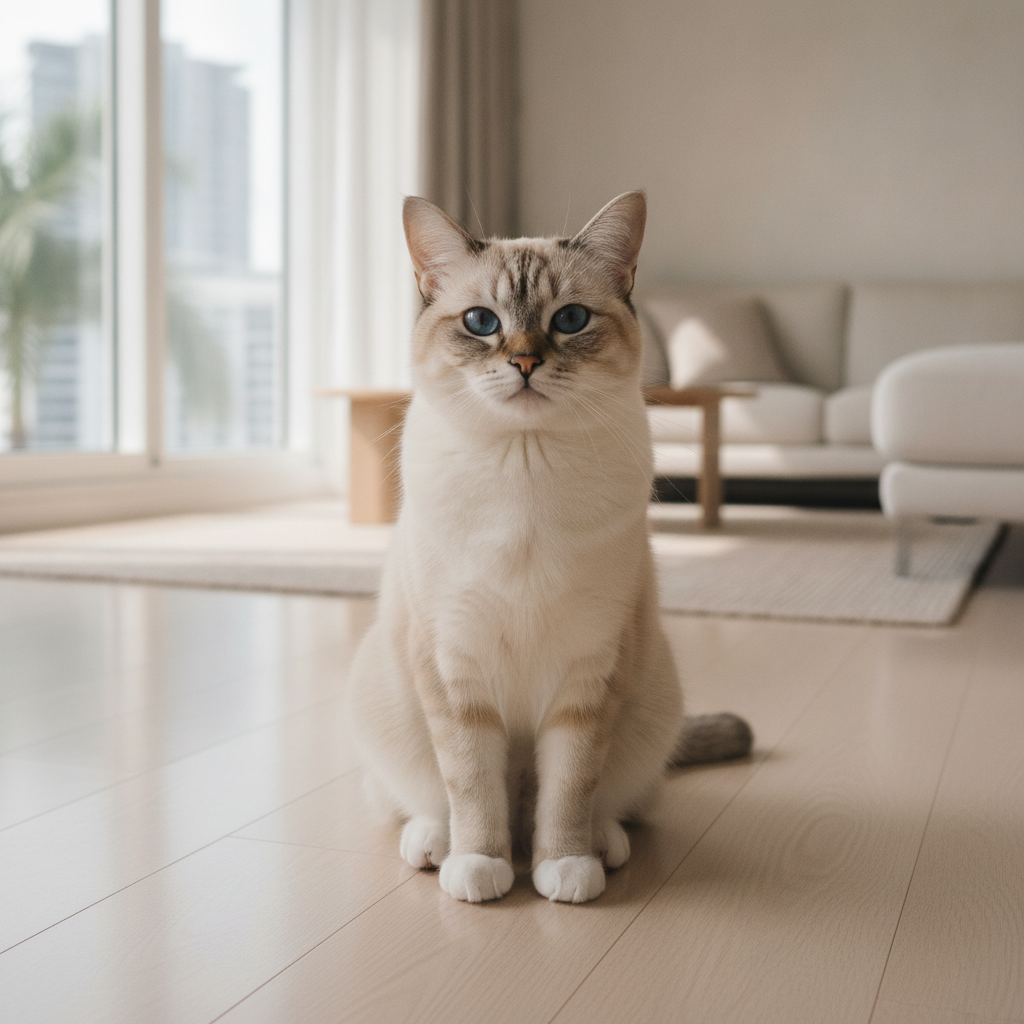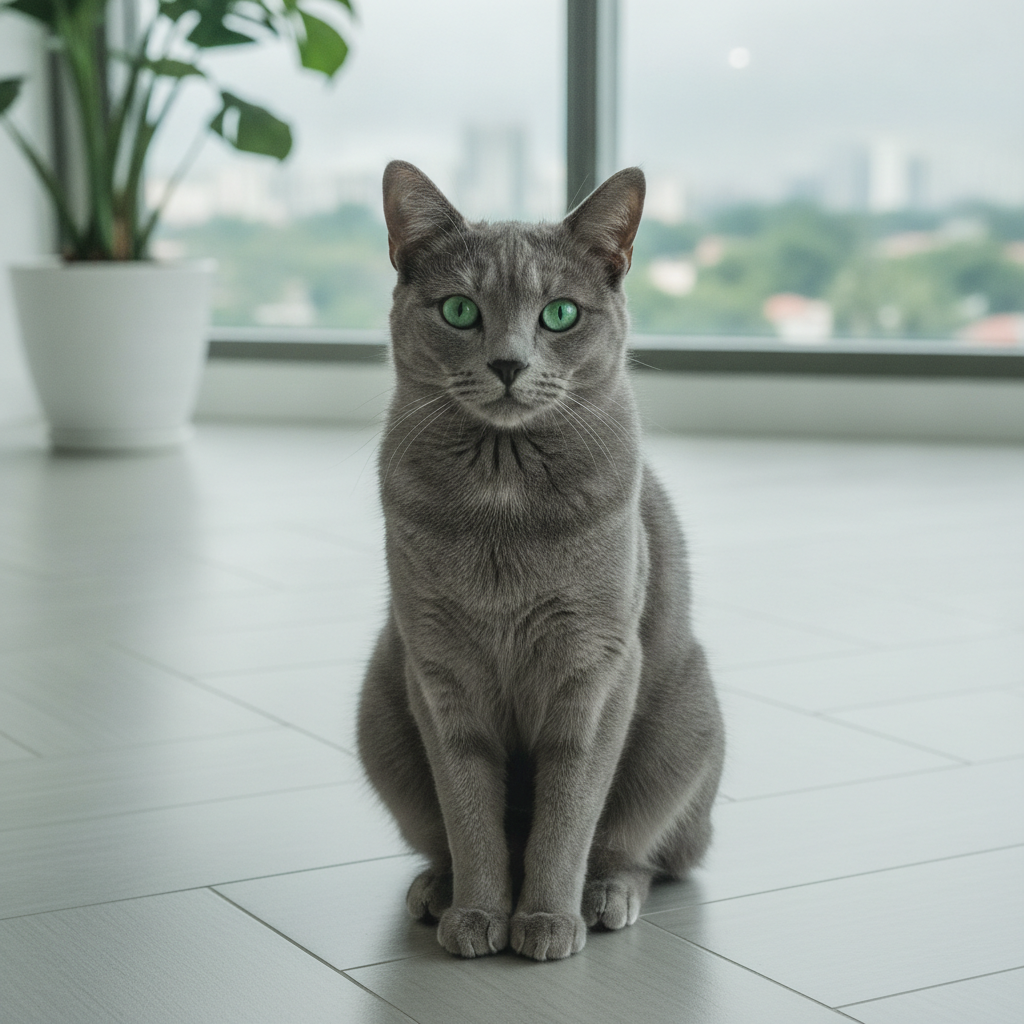
Cats have lived alongside us for thousands of years, and somewhere along the way we collected a whole drawer full of "facts" about them that simply aren't true. Some are harmless fun. Others quietly lead to bad decisions — skipped vet visits, surrendered pets, even cats put down for the crime of being the wrong colour. So let's do some myth-busting properly, with the science behind each one.
This is part of our How Cats Work science hub. A few of these myths are big enough to have their own full guides, which we'll point you to; the rest we'll settle right here, one stubborn fib at a time.
Myth: Cats Always Land on Their Feet
Cats do have an extraordinary righting reflex — an automatic, inner-ear-driven move that lets them rotate mid-air and orient feet-first. It appears in kittens by 3-4 weeks old and works because a cat's spine is unusually flexible and it has no rigid collarbone, so the front and back halves can twist independently. Genuinely impressive physics, and it's the reason cats survive tumbles that would badly hurt most animals their size.
But "always land safely" is a dangerous half-truth. Vets see so many fall injuries they have a name for it: high-rise syndrome — chest trauma, shattered jaws, broken legs from falls of two storeys or more. Survival with treatment is around 90%, but "survived" is not "unharmed," and the vet bills are real. Worse, very short falls can be more dangerous because the cat doesn't have the roughly two-and-a-half feet it needs to flip. There's a famous wrinkle here: a 1987 veterinary study of 132 fallen cats found injuries climbed with height up to about seven storeys, then oddly eased off for higher falls. The theory is that a cat hits terminal velocity (around 60 mph) after roughly seven floors, stops accelerating, relaxes and splays out like a flying squirrel, spreading the impact. Later studies disputed this, and it certainly isn't a reason to relax — plenty of cats die from high falls. In a country full of high-rise condos, the lesson is blunt: cats don't have nine lives, they have one, and unscreened windows and balconies kill them. Screen your windows.
Myth: One Cat Year Equals Seven Human Years
The "times seven" rule is tidy and wrong. Cats grow up fast and then slow down. Veterinary bodies put a cat's first year at about 15 human years, the second year adds roughly nine more (so a two-year-old is about 24), and after that each year is worth about four. That makes a 10-year-old cat a 56-year-old human — middle-aged, not elderly — and most vets call a cat "senior" from around age 10.
This matters because age-appropriate care depends on getting the number right. Vets group cats into life stages — kitten, young adult, mature adult, senior and end-of-life — and each stage has different needs, from a kitten's vaccinations to a senior's screening for kidney disease and arthritis. Treating an 11-year-old as "middle-aged" instead of a senior citizen means missing the subtle early changes that matter most. Rather than reprint the whole chart here, we've built it into a dedicated tool and guide: see Cat Years to Human Years and the cat age calculator to find your cat's real human-equivalent age.
Myth: Pregnant Women Must Give Up Their Cat
This one breaks up families needlessly. The fear is toxoplasmosis, but according to the US Centers for Disease Control and Prevention, the most common way people catch it is from undercooked meat and unwashed produce — not from a pet cat. Crucially, the parasite shed in cat faeces isn't even infectious until it has sat in the environment for 1-5 days, so scooping the litter box daily removes the risk before it exists.
Keep the cat indoors, feed it cooked or commercial food, and ideally have a non-pregnant housemate scoop — and there's no medical reason to rehome anyone. We cover the exact (and Halal-friendly) routine in our full guide: Pregnant + Cat: Litter Box Safety for Malaysian Families.
Myth: Black Cats Are Bad Luck
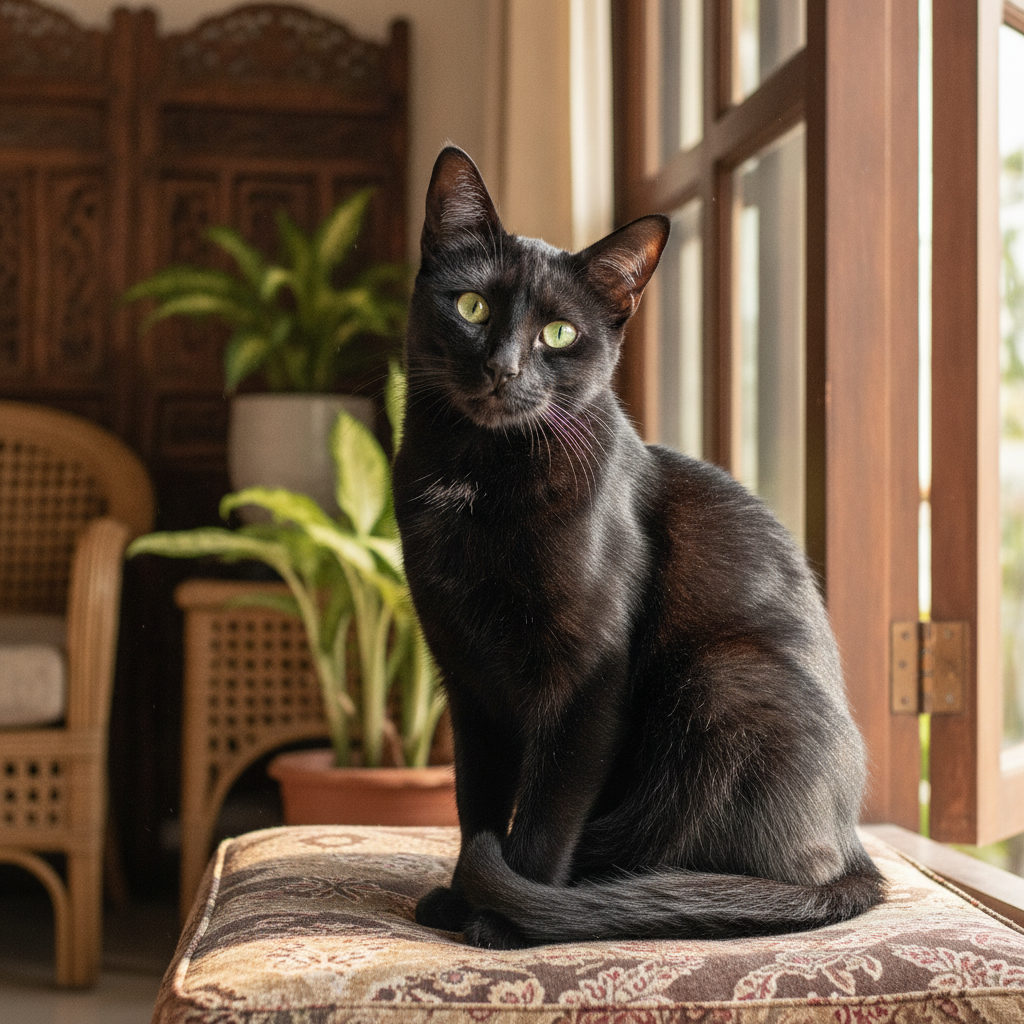
This is the myth with a body count. The superstition traces back to medieval European witch-panic, but its modern cost shows up in shelters as "Black Cat Syndrome." A 2020 study in the journal Animals, analysing a large US shelter's data, found black cats had the lowest adoption rate and highest euthanasia rate of any coat colour. It isn't supernatural — black cats are harder to photograph well, their expressions are harder to read in a cage, and the dominant black-fur gene means there are simply more of them competing for the same limited number of homes.
None of which is the cat's fault, and none of which has anything to do with luck.
Even where outcomes have improved, black cats tend to wait longer for a home — some shelters report average stays of around 21 days versus 14 for other cats — which means more time in a stressful cage. Many welfare groups now run black-cat adoption drives and awareness months specifically to counter the bias. In Malaysia, where kucing kampung come in every colour, a glossy black cat is exactly as loving, healthy and lucky as any other. If you're adopting, a black cat is often the one most overlooked and most in need — and they photograph beautifully in good daylight. Don't let a 500-year-old superstition pick your family member for you.
Myth: A Warm, Dry Nose Means a Sick Cat
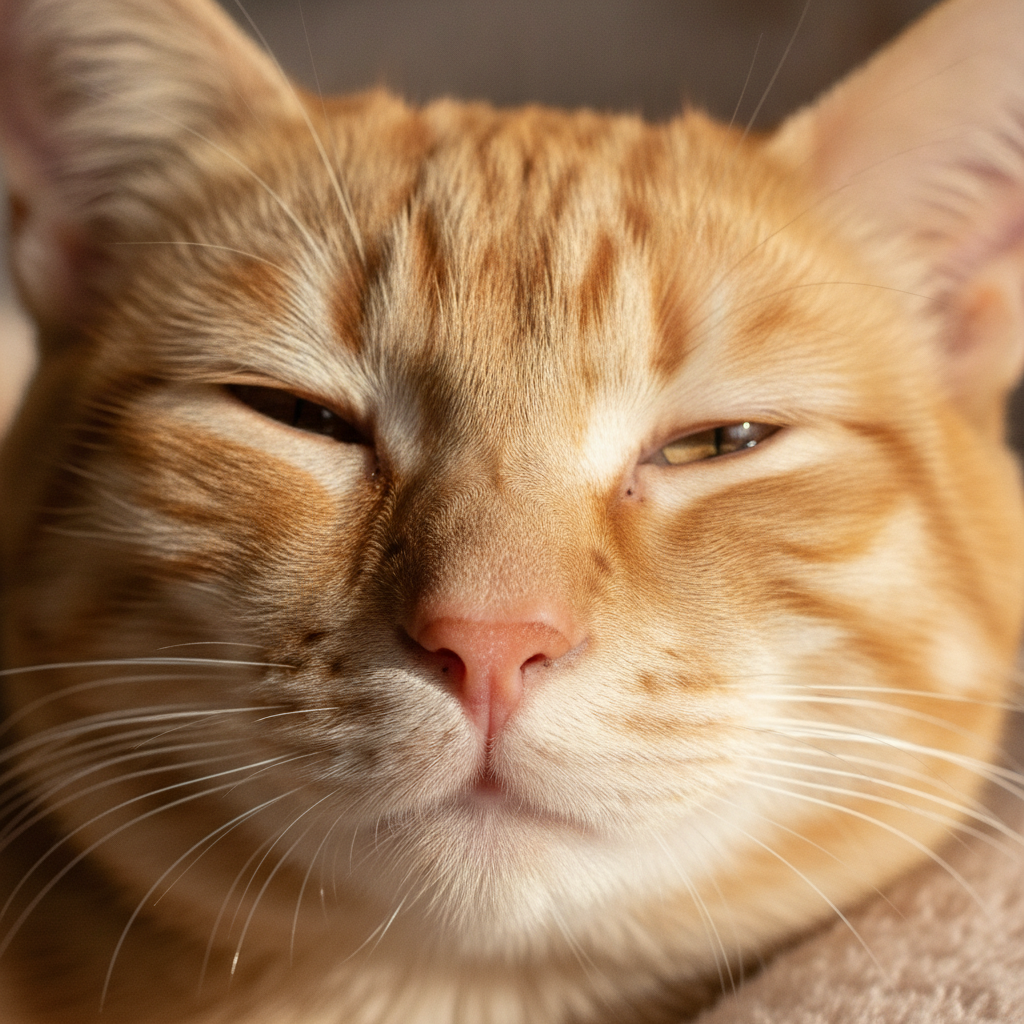
A cat's nose changes temperature and moisture all day long. A cat that just woke from a nap in a sunny window will have a warm, dry nose; one that just had a drink will have a wet one. As Cats Protection explains, nose condition is a terrible health gauge.
What actually tells you a cat is unwell, per VCA Hospitals, are changes in behaviour: appetite or thirst shifts, lethargy, hiding, changes in litter box habits, vomiting or diarrhoea, or any trouble breathing. Watch the whole cat, not the nose. The litter box in particular is one of your best early-warning systems — changes in pee or poo volume and frequency often show up there first, which is one underrated reason a clean, easy-to-read box earns its keep. If a normally active cat goes quiet, hides, or stops eating, that tells you far more than any nose check ever could.
Myth: Cats Are Nocturnal
Cats aren't truly nocturnal — they're crepuscular, wired to be most active at dawn and dusk. The word comes from the Latin crepusculum, "twilight." It's an inherited hunting strategy: their prey is active then, the half-light hides them from bigger predators, and their low-light eyes give them the edge.
That's why your cat detonates into the "5am zoomies" right as you're trying to sleep — it's running on an ancestral clock, not being naughty. The fix isn't to fight the biology but to work with it. Indoor cats express that twilight drive through play that mirrors the full hunting sequence — stalk, chase, pounce, "kill" — so a wand toy worked through that whole arc in the evening, followed by a meal, satisfies the instinct far better than a cat left to invent its own 5am entertainment on your feet. Indoor cats can partly shift their schedule to match yours, but that twilight predatory drive never fully switches off.
Two Final Myths: Milk and Litter
The saucer of milk is pure cartoon. Most adult cats are lactose intolerant — they stop making enough of the enzyme lactase to digest milk sugar after they're weaned — so cow's milk often means an upset stomach and diarrhoea, with no nutritional upside. It's surprisingly calorific, too: one UK charity likens a saucer of milk for a cat to a human polishing off a whole pizza. Fresh, clean water is genuinely all a cat needs; we unpack the full story in the truth about cats and milk.
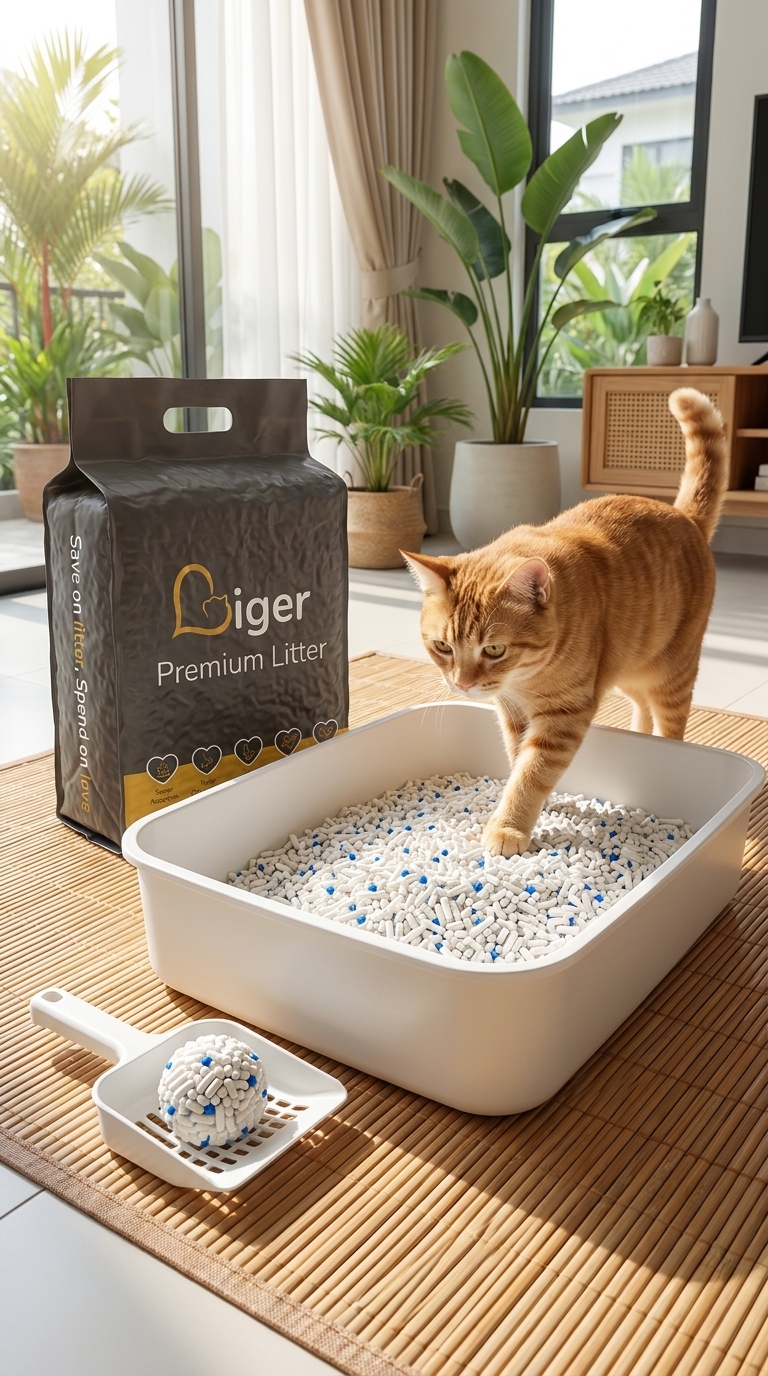
And one myth from our own backyard: that all cat litter is basically the same. It isn't. Litters differ enormously in dust, clumping, odour control and how they're scented — and because a cat's senses are far sharper than ours, those differences matter to them more than to us. That's why we make Liger Premium Tofu Cat Litter from food-grade soy fibre: low dust, fast firm clumps, a light natural scent instead of heavy perfume, and small amounts are flushable. Current Liger pricing (as of May 2026) is RM21.90 for a single 2kg pack, RM53.90 for 3 packs, RM89 for 5 packs and RM169 for 10 packs — RM8.45/kg on the 10-pack, with free shipping across Peninsular Malaysia. Compare the differences yourself with our dust-level comparison tool, and size your supply with the litter calculator. For more evidence-based feline facts, head back to the How Cats Work hub — your cat is far more interesting as it really is than as the myths pretend.