- Fine cat litter dust is a significant respiratory irritant distinct from cat dander, impacting both humans and felines in Malaysia's humid, urban homes.
- Tofu and other plant-based litters are generally the lowest in dust, but 'natural' does not always mean 'allergy-free' for all cats.
- Many 'flushable' litters are problematic for Malaysian plumbing and pose public health risks by potentially spreading *Toxoplasma gondii*.
- Solving litter dust allergies requires a holistic approach: choosing a genuinely low-dust, unscented litter, improving home ventilation, using HEPA air purifiers, and refining litter handling techniques.
- Always transition your cat to new litter gradually over 10 days to prevent stress and litter box aversion.
That little cough, the itchy nose, the subtle wheeze after your beloved 'anak bulus' finishes their business. You're not alone. Many Malaysian cat parents find themselves battling a persistent enemy in their homes: cat litter dust. It's a problem amplified by our urban, often compact living spaces in places like Kuala Lumpur, and compounded by our year-round hot, humid climate that makes airborne particles linger longer and dust mites thrive. The good news? You don't have to choose between your furry family member and a sneeze-free home. This guide is your complete roadmap to understanding, tackling, and finally conquering cat litter dust allergies in Malaysia, ensuring a healthier environment for everyone.
Are You Allergic to Your Cat's Litter? Understanding the Problem ⭐
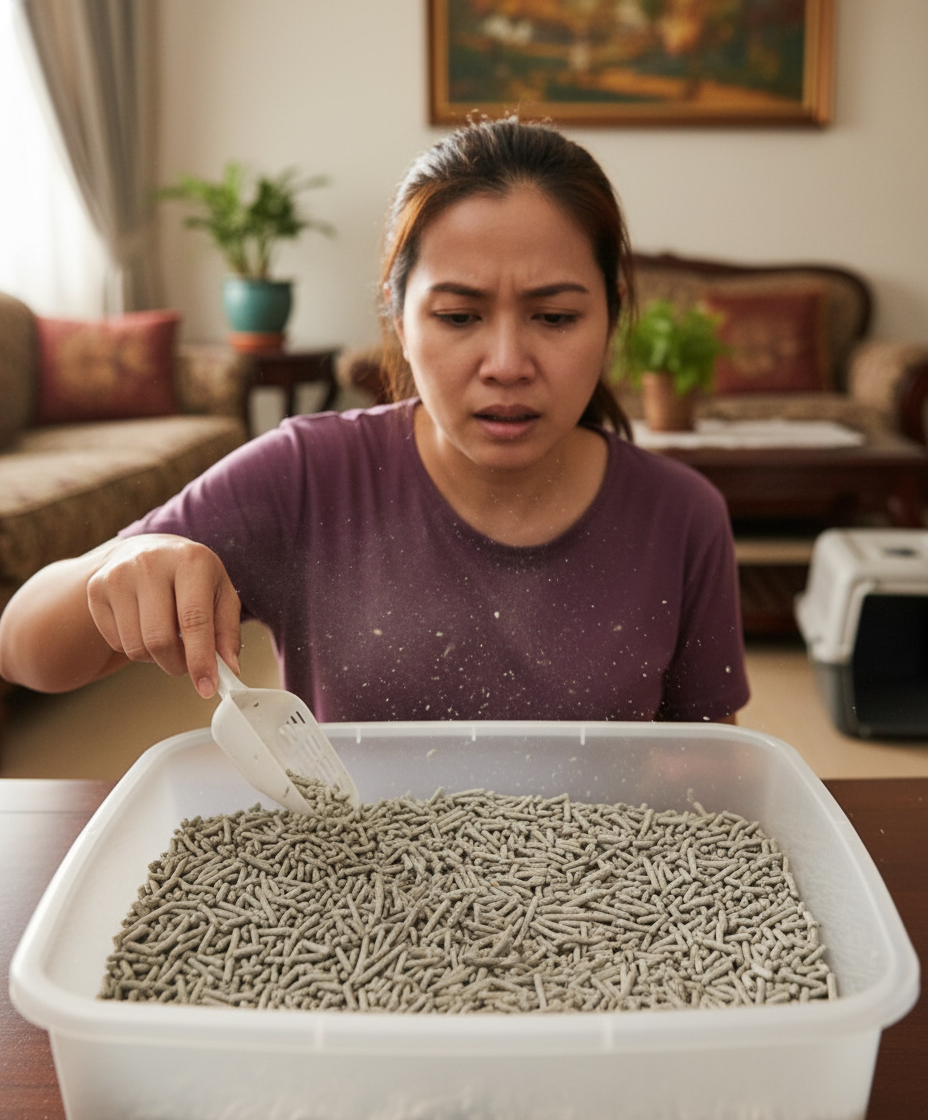
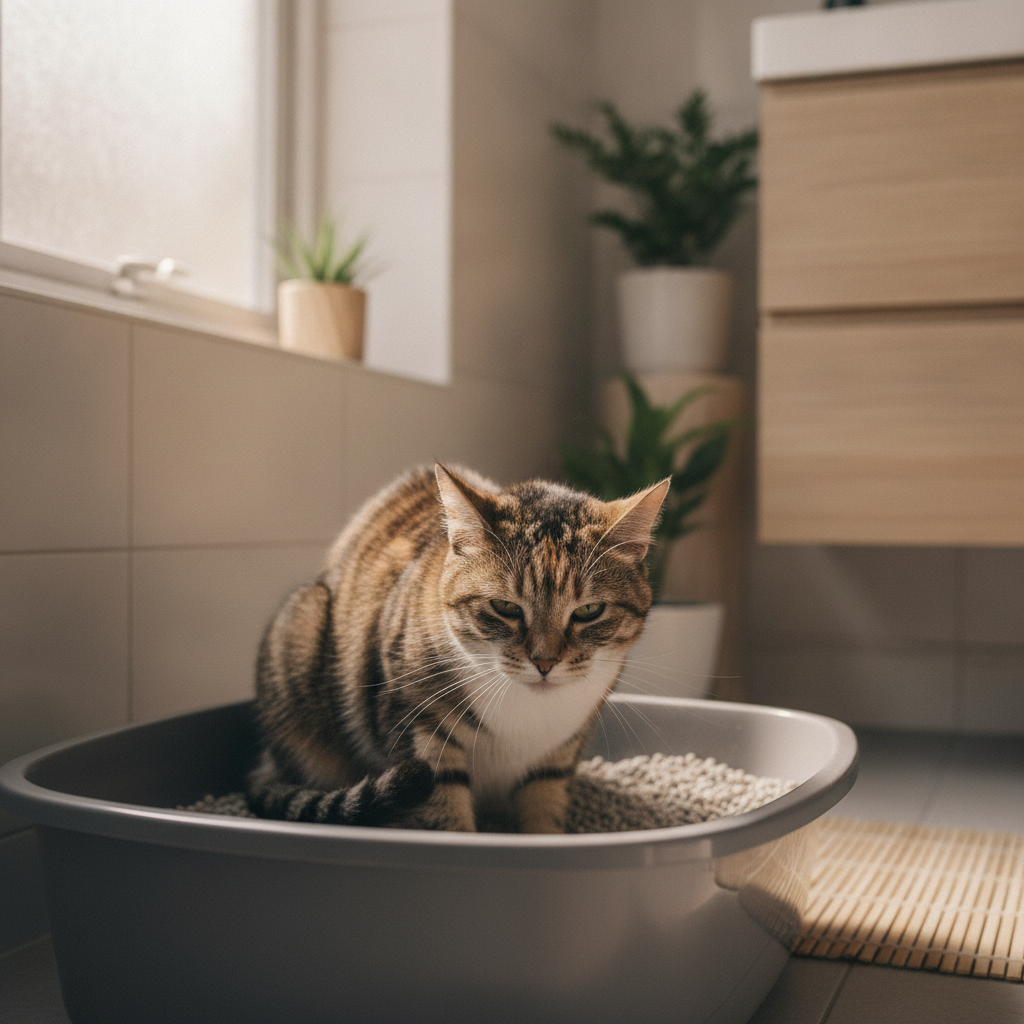
It's easy to blame your cat's fur for your sniffles, but often, the real culprit is hiding in plain sight: the fine dust from their litter. This dust isn't just annoying; it's a significant respiratory irritant for both humans and cats, causing symptoms that can range from mild irritation to serious breathing issues. In fact, cat dander is identified as one of the most common indoor aeroallergens in Malaysia by the Malaysian Society of Allergy and Immunology (MSAI), and litter dust just adds to that overall allergen load, making a healthy home environment crucial.
What's in Cat Litter Dust?
Most conventional cat litters, particularly those made from bentonite clay, can produce a surprisingly high amount of fine dust. This dust often contains crystalline silica, which is a known respiratory irritant. Studies have even linked long-term exposure to high-dust bentonite cat litter in enclosed spaces to severe conditions like. Plus, if a kitten accidentally ingests bentonite litter, it can cause fatal intestinal obstruction, as detailed in a. Silica gel (crystal) litters, while often less dusty than clay, can still release fine particles that irritate airways. In Malaysia's humid climate, damp clumps can stick, causing you to scoop more vigorously, which then releases even more dust into your home.
Symptoms of Litter Dust Allergy in Humans vs. Cats
It helps to know what to look for. Recognizing the difference between a true cat dander allergy and a litter dust irritation is important for finding the right solution. Here’s a quick overview of what you might observe:
| Symptom | In Humans (Litter Dust Irritation) | In Cats (Litter Dust Irritation) |
|---|---|---|
| **Respiratory** | Sneezing, coughing, wheezing, shortness of breath, itchy nose, sinus irritation, exacerbation of asthma. | Sneezing, coughing (often mistaken for hairballs), wheezing, runny nose. |
| **Ocular** | Itchy, watery, or red eyes. | Watery or irritated eyes, squinting. |
| **Skin** | Rarely direct skin issues from dust, but general allergy can cause hives. | Paw irritation (licking, chewing), skin redness, itching around face. |
| **Behavioral** | Discomfort, avoiding the litter area, general feeling of unwellness. | Avoiding the litter box, digging excessively, trying to 'shake off' dust, increased grooming after using the litter box. |
Even our own Ping'An, with her sensitive nose, sometimes sneezes when certain dusty litters are around. If you or your cat show these signs consistently, it's definitely time to change your litter strategy.
The Solution: Exploring Types of Low-Dust & Dust-Free Cat Litter ⭐
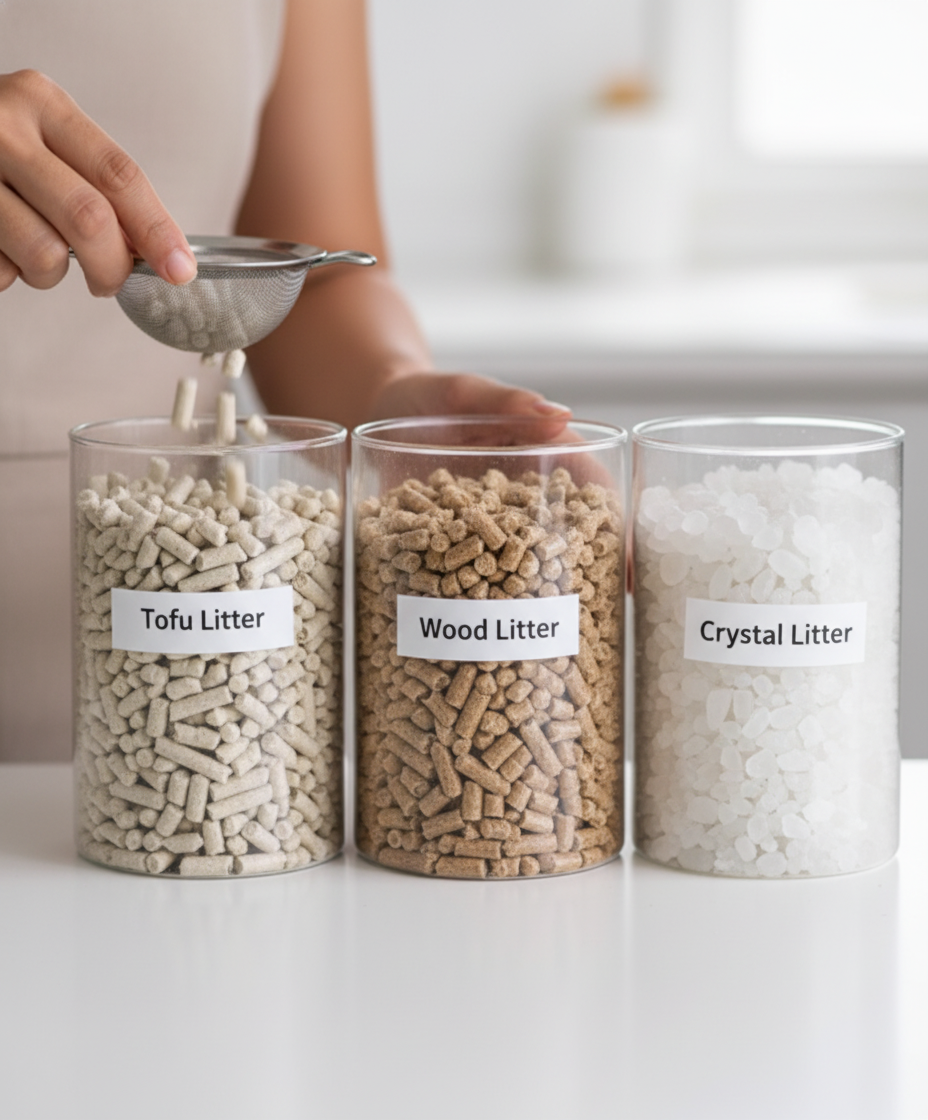
The good news? There are plenty of fantastic low-dust litter options available in Malaysia. Moving away from traditional high-dust bentonite clay can make a huge difference. The Malaysian cat litter market is even projected to grow at a robust 8.4% annually through 2030, showing a clear consumer shift towards healthier options. When you're searching, remember that 'dust-free' is almost always 'ultra-low dust'—it’s near impossible to have zero dust—but the reduction can be life-changing. Here’s a breakdown of common low-dust materials:
| Litter Material | Pros | Cons | Dust Level | Odor Control | Clumping Ability | Approx. Price (RM/L) |
|---|---|---|---|---|---|---|
| **Tofu / Soybean** | Biodegradable, flushable, safe if ingested, natural mild milk fragrance (like Liger Tofu Cat Litter). | Can be pricier, some tracking. | Ultra-Low (99%+) | Excellent | Fast & Firm | RM 4-6 |
| **Corn / Wheat** | Natural, biodegradable, usually low dust. | Odor control can vary, attracts pests if not stored well. | Low | Good | Good | RM 3-5 |
| **Wood / Pine Pellets** | Natural scent, low tracking, often very low dust. | Some cats dislike texture, non-clumping versions are messier. | Low | Good | Variable | RM 2-4 |
| **Low-Dust Clay** | Familiar texture, good clumping. | Still produces *some* dust, non-biodegradable. | Low (99%+) | Good | Very Good | RM 2-3 |
| **Silica Gel (Crystal)** | Excellent moisture absorption, good odor control. | Can be sharp on paws, non-biodegradable, can still release fine dust. | Very Low | Excellent | N/A (absorbs) | RM 5-7 |
Tofu / Soybean Litter
Tofu litter, made from natural soybean pulp, is a top choice for allergy sufferers. It's truly a game-changer for many Malaysian cat parents, including us! Most tofu litters, like Liger Tofu Cat Litter, boast an ultra-low dust formula, often marketed as '99.9% dust-free'. They form fast, firm clumps, which means less effort when scooping and less dust kicked up. Another big plus: they're biodegradable and often flushable (though we'll talk about that more later!). Our Liger Tofu Cat Litter even has a natural mild milk fragrance, a pleasant alternative to artificial perfumes that can irritate sensitive noses, and lab results show a certified clumping strength of 97%. When you consider the overall value and health benefits of tofu litter in Malaysia, it's easy to see why it's gaining popularity.
Corn or Wheat Litter
These natural, grain-based litters are another low-dust option. They're biodegradable and generally safe for cats. The main challenge can be odor control, as some users find it less effective than tofu or clay. They can also attract pantry pests if not stored properly in Malaysia's warm climate. Plus, while generally low-dust, some brands might still produce a small amount of fine powder.
Wood / Pine Pellet Litter
Made from compressed wood fibers, pine pellets offer a natural, fresh scent that can help with odor control without added fragrances. They are typically very low in dust and are biodegradable. However, some cats dislike the coarse texture of the pellets, and non-clumping versions can break down into sawdust, which requires more frequent changing of the entire litter box.
Low-Dust Clay & Crystal Litters
If your cat is particular about texture and only accepts clay, don't despair! Some brands have innovated to offer clay litters specifically formulated for ultra-low dust. These products often come with claims like '99.9% dust-free' and use advanced processing to minimize airborne particles. Silica gel (crystal) litters also tend to be very low in dust and are excellent at moisture absorption, making them great for odor control. However, they are not biodegradable, and their sharp texture can be uncomfortable for some cats' paws. They also sometimes release a fine silica powder over time.
Top 5 Dust-Free Cat Litter Brands for Malaysians in 2026
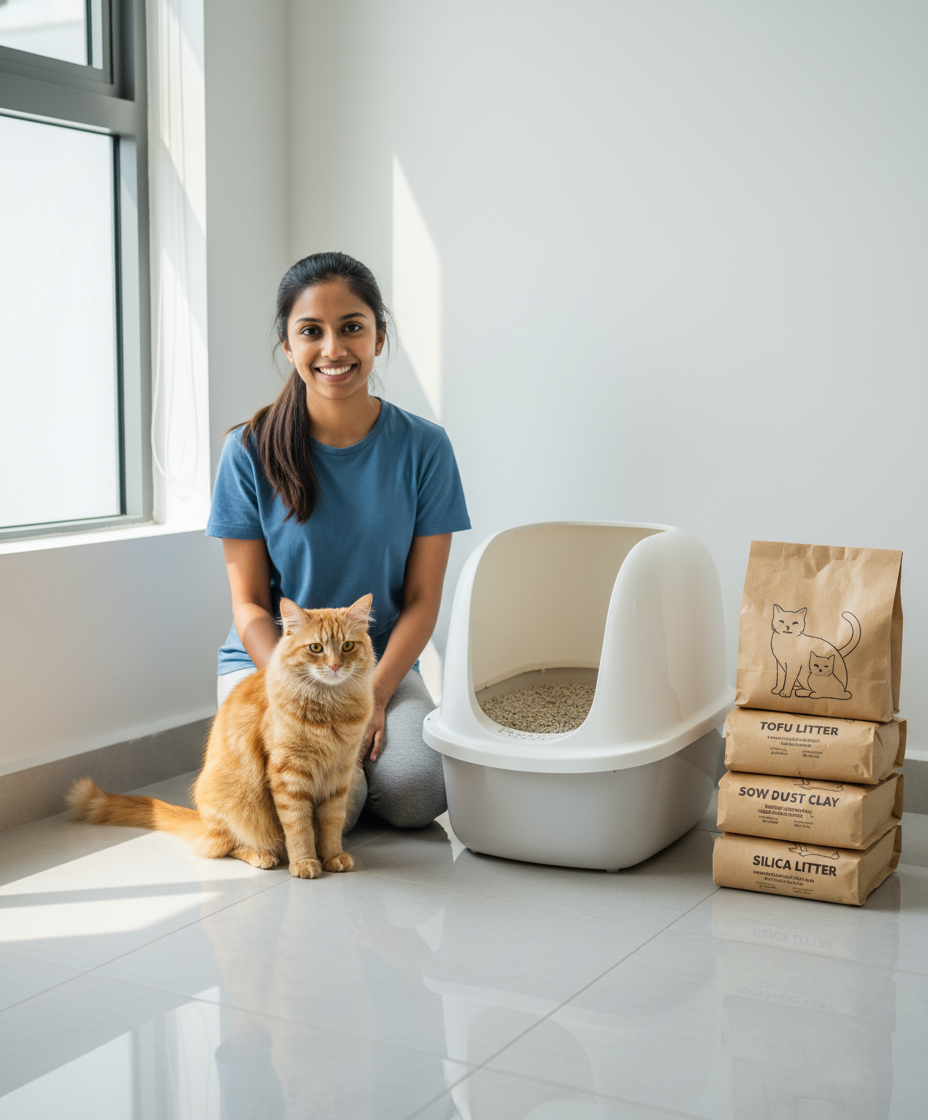
Choosing the right brand for your Malaysian home means looking for reliable dust control, good odor absorption (especially in our humid climate), and availability. Here are some of the top picks:
1. Pottycats Tofu Litter
Pottycats is a well-known Malaysian brand for a reason. Their tofu litter is highly praised for being genuinely low-dust and flushable. It's made from natural ingredients, making it a safe choice for cats and owners with sensitivities. Many local cat parents rave about its odor control, which is essential for our tropical weather.
2. Fussie Cat Soybean Litter
Fussie Cat offers a range of litters, and their soybean option is a strong contender in the low-dust category. It’s frequently marketed as '99.9% dust-free' and biodegradable. It provides good clumping and absorbency, which are crucial features in Malaysia's humidity, making it a good investment for apartment dwellers.
3. Odourlock Clay Litter
If you prefer the familiar feel of clay but need superior dust control, Odourlock is a fantastic premium option. It's specifically formulated to be ultra-low dust and excels in odor elimination, often using activated carbon or other advanced technologies. This brand appeals to those who want the best of both worlds: clay performance without the dust.
4. Dr. Elsey's Precious Cat Ultra Unscented
Dr. Elsey's is a vet-recommended brand, popular globally for its '99.9% dust-free' and 'hypoallergenic' claims. It's unscented, which is a major benefit for sensitive respiratory systems, and its hard-clumping action helps keep the litter box fresh. While a premium product, its effectiveness makes it a worthwhile choice for allergy sufferers.
5. Local Marketplace Finds (Lazada/Shopee)
Malaysia's online marketplaces like Lazada and Shopee are treasure troves for cat supplies. You'll find many smaller local brands and repackaged tofu litters. When browsing, always look for explicit 'dust-free' claims in the product title and, more importantly, check user reviews. Look for comments like 'tak berdebu' (no dust) and photos that show the actual pellet size and texture. Be wary of overly cheap options that might compromise on dust control or quality.
Beyond the Litter: 4 More Tips to Create a Dust-Free Environment
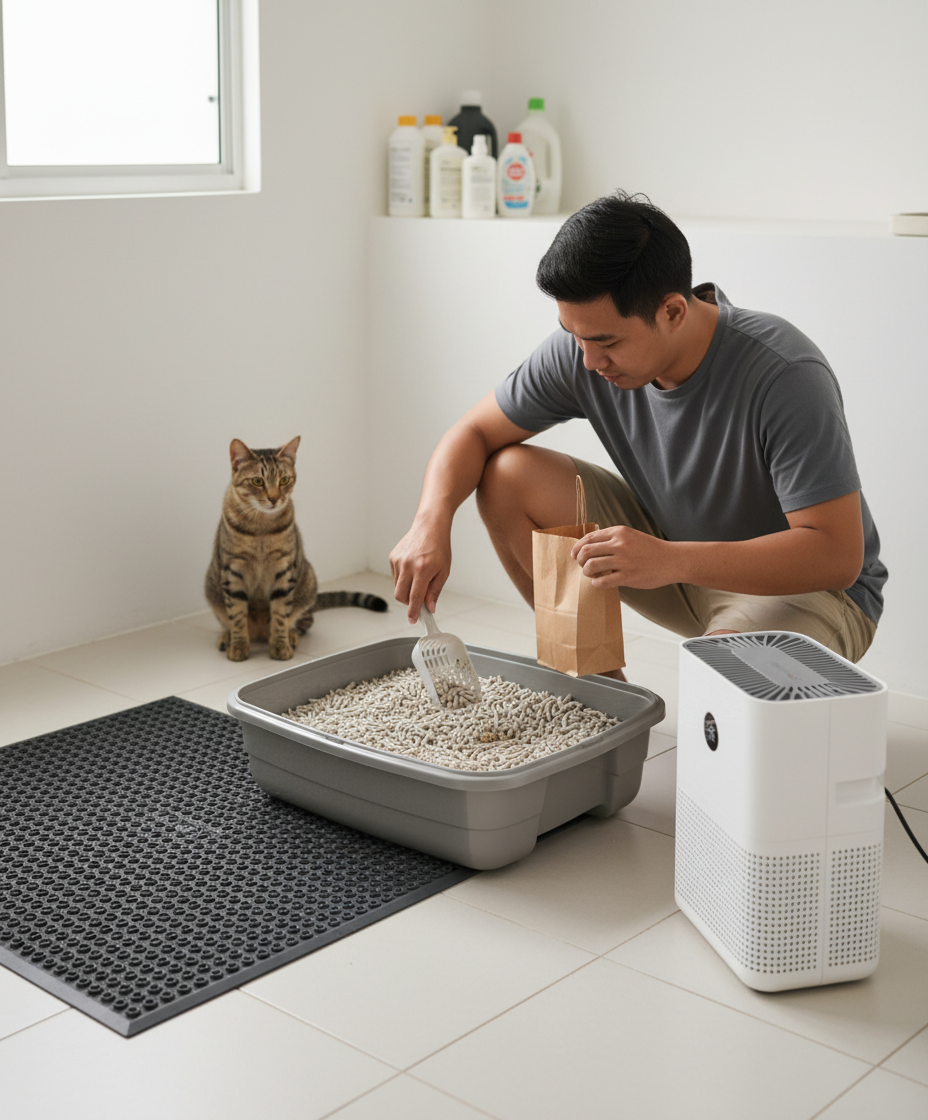
Even the best low-dust litter won't do all the work alone. Creating a truly sneeze-free home needs a holistic approach. It’s about managing the environment around the litter box as much as the litter itself. This is especially true in Malaysian urban homes, where airflow can be limited.
1. Choose the Right Litter Box
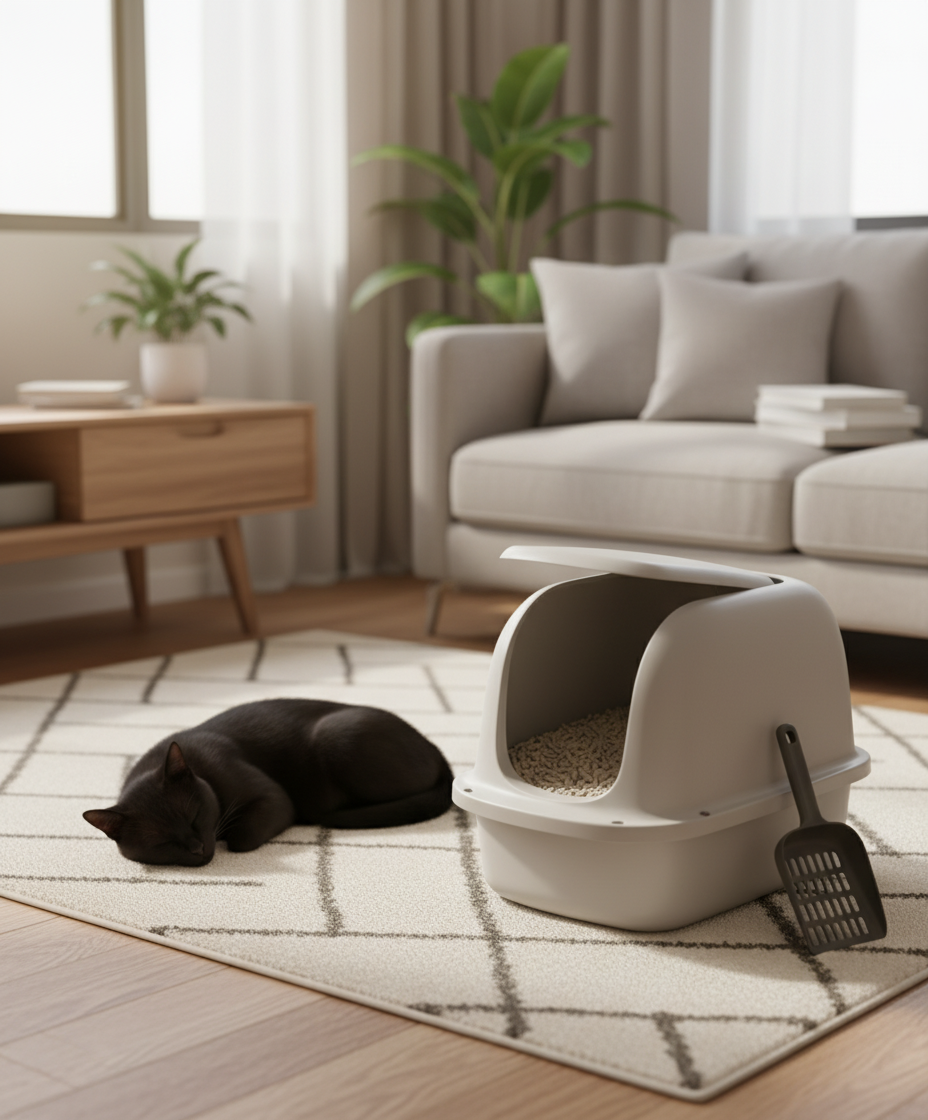
Opt for a high-sided or covered litter box. These designs naturally contain more of the litter and, consequently, more of the dust within the box area. A covered box, in particular, acts as a mini-containment system. Make sure it's not too small, though; your cat should be able to turn around comfortably. If you're struggling to find the right size, our Litter Box Size Calculator can help.
2. Use a Litter Mat
This is a non-negotiable for dust control! Place a high-quality litter-trapping mat (like a honeycomb or textured rubber mat) directly outside the litter box. These mats are designed to catch stray litter granules and, crucially, the fine dust particles that cling to your cat's paws after they exit the box. Regular vacuuming or shaking out this mat will drastically reduce dust spread throughout your home.
3. Ensure Good Ventilation
Good airflow is key, especially in Malaysia's humid climate where airborne allergens linger longer. Place the litter box in a well-ventilated area, like a utility room with an exhaust fan or near a window you can open (if safe and shaded). For enclosed urban spaces, a HEPA air purifier positioned near the litter box can work wonders. These filters capture ultra-fine particles, including dust and dander, significantly improving your indoor air quality. It's a small investment that makes a big difference in the battle against allergens.
4. Perfect Your Scooping Technique
I know, more rules for cat parenting! But trust me, how you scoop matters. Instead of vigorously digging or pouring new litter from a height, which creates a visible dust cloud, learn to scoop gently and pour new litter slowly, keeping the bag or container as close to the litter box as possible. This minimizes the amount of dust that gets kicked up and distributed into the air. Daily scooping also helps, as it removes wet clumps before they can break down and create more dusty mess. If you're curious about different litter options, our Dust Level Comparison tool can help you pick the best one.
Conclusion: Making the Best Choice for a Sneeze-Free Home
Dealing with cat litter dust allergies in Malaysia can feel like an endless battle, especially with our unique climate and urban living challenges. But by understanding the specific irritants and adopting a proactive, multi-pronged strategy, you can create a genuinely healthier and happier home for both you and your beloved 'anak bulus.' The journey starts with choosing the right low-dust litter, like a high-quality tofu option, but it doesn't end there. Integrating smart litter box management and improved home ventilation is just as important.
Remember, while many natural litters are marketed as 'flushable,' always consider your local plumbing. Thein Malaysia explicitly state that flushing solid waste, including non-human excrement, is prohibited to prevent blockages and environmental contamination. This is a common misconception, but a very important one to clear up!
For us cat parents, the ultimate goal is a home where everyone can breathe easy, free from sneezes and worries. So, take that first step today. Start by carefully observing your cat's response to their current litter and be ready to make a change.
Your Monday morning action: This week, pick one new low-dust litter from our recommendations and commit to a gradual 10-day transition with your cat. We even have a full guide on how to switch cat litter without stress. Watch for changes in your cat's comfort and your own allergies. Small, consistent steps will lead to a big improvement in your home's air quality and overall well-being. Here's to a future of happy purrs and fewer sneezes!