- Tofu litter biodegrades rapidly (2-5 weeks) due to low lignin, unlike clay/silica litters which are non-compostable.
- Hot composting at 74°C (165°F) is essential to inactivate *Toxoplasma gondii*; never use cat feces compost on edible plants.
- Liger advocates for a 'Poop-Free Composting' framework, where only urine-soaked litter is composted, and solid waste is binned.
- Malaysia's tropical climate accelerates decomposition but requires careful moisture, pest, and monsoon management.
- Finished compost from cat litter should only be used on ornamental plants after a minimum 6-18 month curing period.
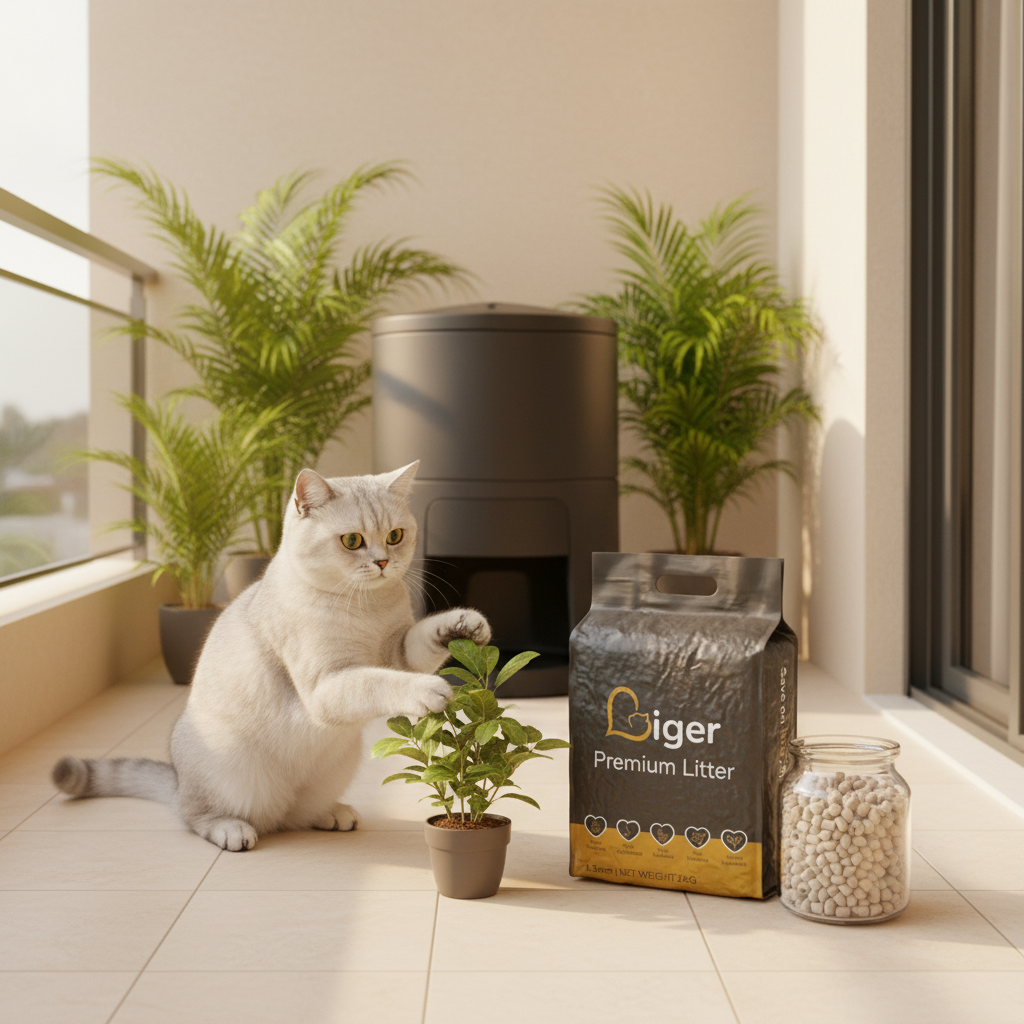
You scoop, you bag, you toss. It’s the daily ritual for every cat parent. But what if that used cat litter, instead of heading to a landfill, could become something wonderful? For most traditional litters, that's a pipe dream. But for Liger's tofu cat litter, it’s a reality waiting to happen. Made from 100% natural soybean fiber, our litter is designed not just for your cat's comfort and health—like Lion's picky paws and Ping'An's sensitive nose, which appreciate our ultra-low dust, natural mild milk fragrance formula—but also for the planet.
This isn't just about being eco-friendly; it's about being responsible. Malaysia's landfills are under pressure, and with cats being the preferred pet in over 55.3% of Malaysian households in 2022, the sheer volume of cat waste is significant. So, if you've been wondering how to give your used litter a new life, you're in the right place. This complete tofu cat litter composting guide will walk you through the safe and effective methods, specifically tailored for our unique tropical climate.
Why Tofu Cat Litter Is Compostable (And Most Litters Aren't)
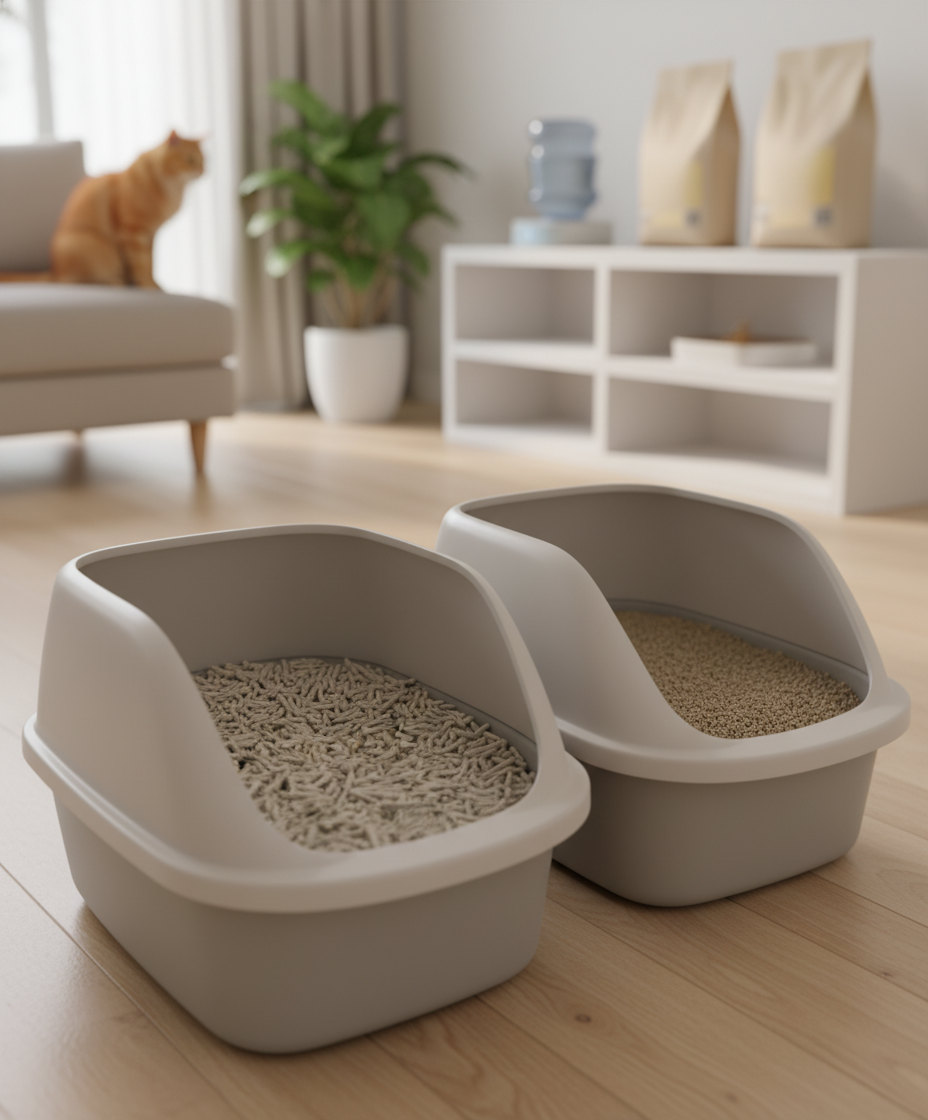
Most cat owners simply dispose of used litter without a second thought, unaware that some types—like Liger's tofu litter—offer a sustainable alternative. The difference between compostable and non-compostable litters comes down to their fundamental materials. Traditional bentonite clay and silica gel litters are sourced through extractive mining and are, at their core, non-biodegradable minerals. Once they enter a landfill, they can persist for centuries, sometimes even millennia.
Liger tofu cat litter, on the other hand, is born from nature. Crafted from 100% natural soybean fiber, it's designed from the ground up to return to the earth. This isn't just a marketing claim; it's a scientific fact rooted in its organic composition. Understanding what makes it compostable, and how it stacks up against other options, is the first step towards transforming your cat's waste into garden gold.
What Makes Tofu Litter Biodegradable
The biodegradability of Liger's tofu cat litter stems directly from its primary ingredient: soybean fiber. This plant-based material is rich in nitrogen and has an exceptionally low lignin content, typically between 1% and 5%. Lignin, a complex polymer found in plant cell walls, is the primary structural component that resists decomposition. Its low presence in tofu litter allows decomposer microorganisms to break it down quickly and efficiently. Our litter also uses natural cornstarch binders, which are also readily biodegradable, avoiding synthetic chemicals that would hinder the composting process.
In contrast, mineral-based litters like bentonite clay and silica gel are non-starters for composting. Bentonite clay is a stable mineral that, even after mining, remains chemically inert and does not biodegrade. Silica gel, a synthetic absorbent, likewise offers no pathway for microbial breakdown. When these materials end up in landfills, they occupy space indefinitely, contributing to environmental strain without breaking down. Tofu litter offers a direct solution by transforming waste into a valuable soil amendment.
Tofu Litter vs Other Compostable Litters
While other plant-based litters also claim compostability, their decomposition rates and characteristics vary significantly, mainly due to differences in lignin content and carbon-to-nitrogen (C:N) ratios. Liger's tofu litter, derived from soybean fiber, boasts a particularly advantageous profile for composting.
A Biodegradability comparison study highlights that soybean fiber (tofu litter) has a low lignin content of 1-5% and decomposes rapidly, often within 2-5 weeks in tropical hot composting. This is a stark contrast to high-lignin materials like wood pellets, which can take 3-6+ months due to their 20-30% lignin content. Here's a quick comparison:
| Litter Type | Primary Material | Lignin Content (Approx.) | C:N Ratio (Approx.) | Hot Composting Timeline (Tropical) |
|---|---|---|---|---|
| Tofu (Liger) | Soybean Fiber | 1-5% | 33:1 | 2-5 weeks |
| Wood Pellets | Sawdust/Wood Pulp | 20-30% | 200:1 to 500:1 | 3-6+ months |
| Corn Litter | Ground Corn | Low | 30-40:1 | 1-3 months |
| Wheat Litter | Ground Wheat | Low | 25-35:1 | 1-3 months |
| Clay/Silica | Bentonite/Silica Gel | N/A | N/A | Non-biodegradable |
As you can see, tofu litter stands out for its quick decomposition, making it a stellar choice for efficient home composting. Want to compare other litter types? Check our Litter Comparison tool.
Safety First — Understanding the Risks
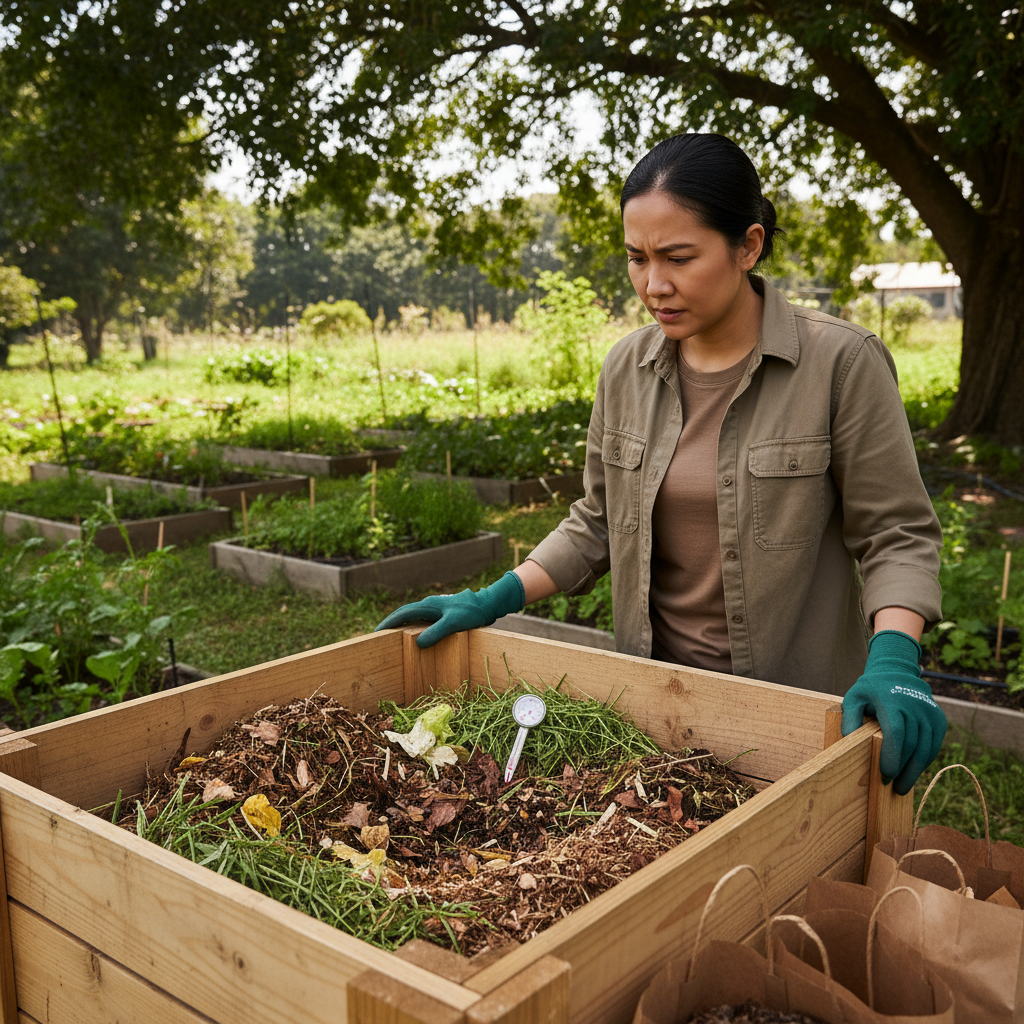
Before we dig into the 'how-to' of composting, we must talk about safety. This isn't just about creating good soil; it's about protecting ourselves, our families, and our environment. While Liger tofu litter is perfectly compostable, the cat waste it contains introduces a unique set of challenges that simply cannot be ignored. The primary concern is parasitic and bacterial pathogens that can be present in feline feces.
Understanding these risks and putting strict protocols in place isn't just a recommendation; it's absolutely essential. Ignoring these warnings can turn an eco-friendly practice into a serious health hazard. So, let’s get into the specifics.
Toxoplasma Gondii and Other Pathogens
The biggest, scariest monster in the composting closet when it comes to cat waste is *Toxoplasma gondii*. This parasite, shed in cat feces, can cause toxoplasmosis, an infection that's often asymptomatic in healthy adults but can be severely dangerous for pregnant women and immunocompromised individuals. According to the CDC Toxoplasmosis lifecycle, its oocysts become infectious in the environment after just 1 to 5 days. These oocysts are incredibly resilient, surviving in soil for months, sometimes over a year.
For guaranteed inactivation in compost, *Toxoplasma gondii* oocysts require sustained temperatures of 74°C (165°F). This is a high bar, and many home composting systems struggle to consistently reach and maintain it throughout the entire pile. Beyond *Toxoplasma*, cat feces can also carry bacteria like *Salmonella* and *E. coli*, and other parasites like *Giardia* and *Cryptosporidium*, though these are generally less heat-tolerant than *T. gondii*.
The Poop-Free Composting Safety Framework
Given the risks, especially from *Toxoplasma gondii*, Liger champions a clear, science-backed approach: our Poop-Free Composting safety framework. This framework draws a firm line in the sand (or, well, the litter box): **Never compost cat feces in your home composting system.**
Instead, the framework suggests separating the pathogen-carrying solid waste from the nitrogen-rich, urine-soaked litter. Cat urine, while strong initially, is a valuable 'green' material for compost, providing essential nitrogen. By diligently scooping all solid waste (feces) and disposing of it in your regular municipal trash, you dramatically reduce the pathogen load. This allows for the safer composting of the remaining urine-soaked tofu litter, transforming it into a beneficial soil amendment for non-edible plants without the elevated risk of zoonotic disease transmission.
Think of it as a decision flowchart for safe composting:
Poop-Free Composting Decision Flow:
1. Is your cat healthy and not on medication?
2. Do you reliably scoop all solid feces into the trash immediately?
3. Will the finished compost ONLY be used on ornamental plants, never edibles?
4. Are there no pregnant, immunocompromised individuals, or small children regularly exposed to the compost area or directly handling the compost?
If you can answer YES to all these questions, then proceed with composting urine-soaked Liger tofu litter. If any answer is NO, it's safer to dispose of all used litter in the trash.
When NOT to Compost Cat Litter
Even with the 'Poop-Free' framework, there are specific situations where composting any cat litter—even the urine-soaked kind—is simply not worth the risk. Prioritizing health means knowing when to stop.
- Sick or Medicated Cats: If your cat is unwell, receiving veterinary treatment, or on any medications (especially antibiotics or dewormers), their urine and feces might contain pathogens or chemical residues you don't want in your compost. When Tiger was recovering from his heart condition, we wouldn't have even considered composting his litter during that time. Dispose of all litter from sick or medicated cats in the regular trash.
- Scented Litter: While Liger's tofu litter has a natural mild milk fragrance, heavily artificially scented litters (which Liger avoids) can introduce unwanted chemicals into your compost, potentially harming beneficial microorganisms or leaving chemical residues in your soil.
- Clay-Mixed Litter: If you're mixing tofu litter with clay litter, the clay will not break down, contaminating your compost. Stick to pure, 100% plant-based litter for composting.
- Edible Garden Use: This is a non-negotiable rule. Compost containing *any* cat waste byproduct must never be used on edible plants—vegetables, fruits, herbs, or anything you plan to eat. The risk of pathogen transfer, however small, is simply too high. This includes compost from urine-only litter, as a strict precautionary measure.
- Immunocompromised Individuals or Pregnant Women: If anyone in your household is pregnant, immunocompromised, or if small children might come into contact with the compost pile or finished product, it is best to avoid composting cat waste altogether. Their health is paramount.
5 Methods to Compost Tofu Cat Litter
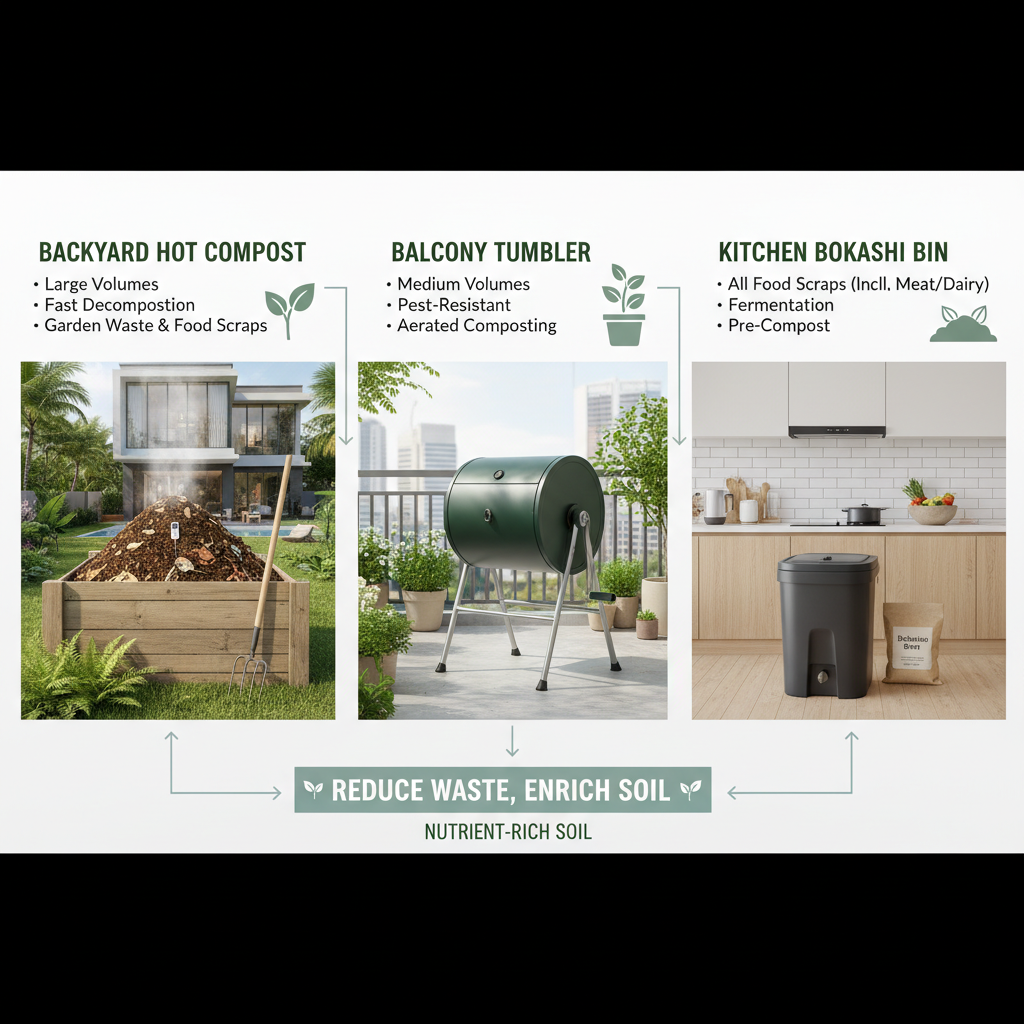
Once you’re committed to the 'Poop-Free Composting' framework, choosing the right method depends on your living situation, available space, and dedication to the process. For Malaysian cat parents, considering our tropical climate is key. Here are five ways to turn urine-soaked Liger tofu litter into a valuable resource, ranked roughly by complexity and space requirements.
Remember, the goal is always to create an active, hot pile when possible to ensure thorough decomposition and, if any fecal matter were accidentally included (which we strongly advise against), to maximize pathogen reduction.
Method 1 — Backyard Hot Composting (Recommended)
For landed homes with outdoor space, hot composting is the gold standard. It's the most effective method for rapid decomposition and, if applicable, significantly reducing pathogen loads by reaching high temperatures. The Pathogen inactivation temperatures highlight the need for 74°C (165°F) for *T. gondii*.
Step-by-Step Guide:
- Build Your Pile: You need a minimum volume of one cubic meter (3x3x3 feet) for a pile to generate and retain sufficient heat. Layer your urine-soaked Liger tofu litter (a 'green' material, rich in nitrogen, with soybean meal having a C:N of ~7:1) with about 4-5 times its volume of carbon-rich 'brown' materials. This could be dry leaves, shredded cardboard, or wood chips. An ideal C:N ratio for composting is between 25:1 and 30:1.
- Moisture is Key: As you build, moisten the layers. The pile should feel like a wrung-out sponge—damp but not dripping. In Malaysia's humidity, you might need less added water than in drier climates.
- Monitor Temperature: Use a long-stem compost thermometer. Within days, the core should heat to 55-75°C (131-167°F).
- Turn Regularly: Once the temperature peaks and begins to drop, turn the pile thoroughly. This aerates it and moves cooler outer material to the hot center. Repeat this heating and turning process 3-5 times over several weeks.
- Cure: After the final hot cycle, let the compost cure for a minimum of 6 to 18 months. This longer curing period, as advised in composting guides, provides an additional safety buffer for any remaining pathogen die-off.
Method 2 — Bokashi Composting (Best for Apartments)
Bokashi is a fermentation process, not true composting, but it's brilliant for urban dwellers due to its odor control and compact nature. It’s particularly well-suited for apartments and handling the initial breakdown of urine-soaked litter.
How It Works: You layer urine-soaked tofu litter in an airtight Bokashi bin with a special inoculated bran. The anaerobic environment ferments the waste, pickling it and suppressing odors and harmful bacteria. This creates a highly acidic, pathogen-reduced material, but it's not finished compost yet. After 2-3 weeks of fermentation, the 'pre-compost' needs to be buried in soil (a dedicated non-edible garden bed, a large planter, or added to an outdoor hot compost pile) to complete its breakdown. For apartment dwellers without a garden, you might need to coordinate with community gardens or friends with yards. While the initial fermentation reduces the pathogen risk significantly, we still recommend keeping the final buried product away from edible plants.
Method 3 — Tumbler Composting (Balcony-Friendly)
Compost tumblers are excellent for those with limited space, like condo balconies in Malaysia. They are sealed, pest-resistant, and easy to turn, making aeration simple and speeding up decomposition. The smaller volume might make achieving very high thermophilic temperatures more challenging than a large pile, but regular turning helps significantly.
Setup & Management: Choose a sturdy, enclosed tumbler with good ventilation. Add urine-soaked Liger tofu litter (your 'greens') and an equal or slightly greater volume of 'browns' (shredded paper, cardboard, coco coir) to maintain a healthy C:N ratio. Ensure proper moisture—like a damp sponge. Rotate the tumbler every 2-3 days to aerate the material. In Malaysia's warm climate, you'll see faster results, with usable compost potentially ready in 4-8 weeks, though a curing period is still important.
Method 4 — Vermicomposting (Advanced)
Vermicomposting, or worm composting, is generally **not recommended** for raw cat waste due to pathogen concerns and the high ammonia content of fresh urine, which can harm worms. However, for the advanced and cautious composter, urine-soaked tofu litter that has first undergone the Bokashi pre-treatment (Method 2) can potentially be added to a dedicated worm bin, completely separate from any other vermicomposting system. This pre-treatment reduces ammonia and pathogens to a safer level for the worms.
If attempting this, only introduce small amounts of Bokashi-treated, urine-soaked litter, ensure the bin is robustly sealed against pests, and *always* use the resulting vermicompost exclusively on ornamental plants. This method requires a deep understanding of worm composting and a strong commitment to safety protocols.
Method 5 — Municipal/Commercial Composting
Ideally, municipal or commercial composting facilities could handle all pet waste due to their ability to maintain high, consistent temperatures for extended periods, reliably killing pathogens. However, the reality in Malaysia, and much of the world, is different.
A review of Malaysian waste management regulations reveals that commercial composting facilities typically do not accept pet waste due to the risk of pathogen contamination in the final product. Facilities like MAEKO focus on food and agricultural waste, and national guidelines do not include provisions for co-composting pet feces. This mirrors the situation internationally, where most municipal organic waste programs explicitly prohibit pet waste from their streams. Until specialized facilities emerge that can handle pet waste safely on a large scale, home composting (following strict 'Poop-Free' guidelines) remains the most viable diversion strategy for Liger customers.
Composting in Tropical Climates — Malaysian Guide ⭐
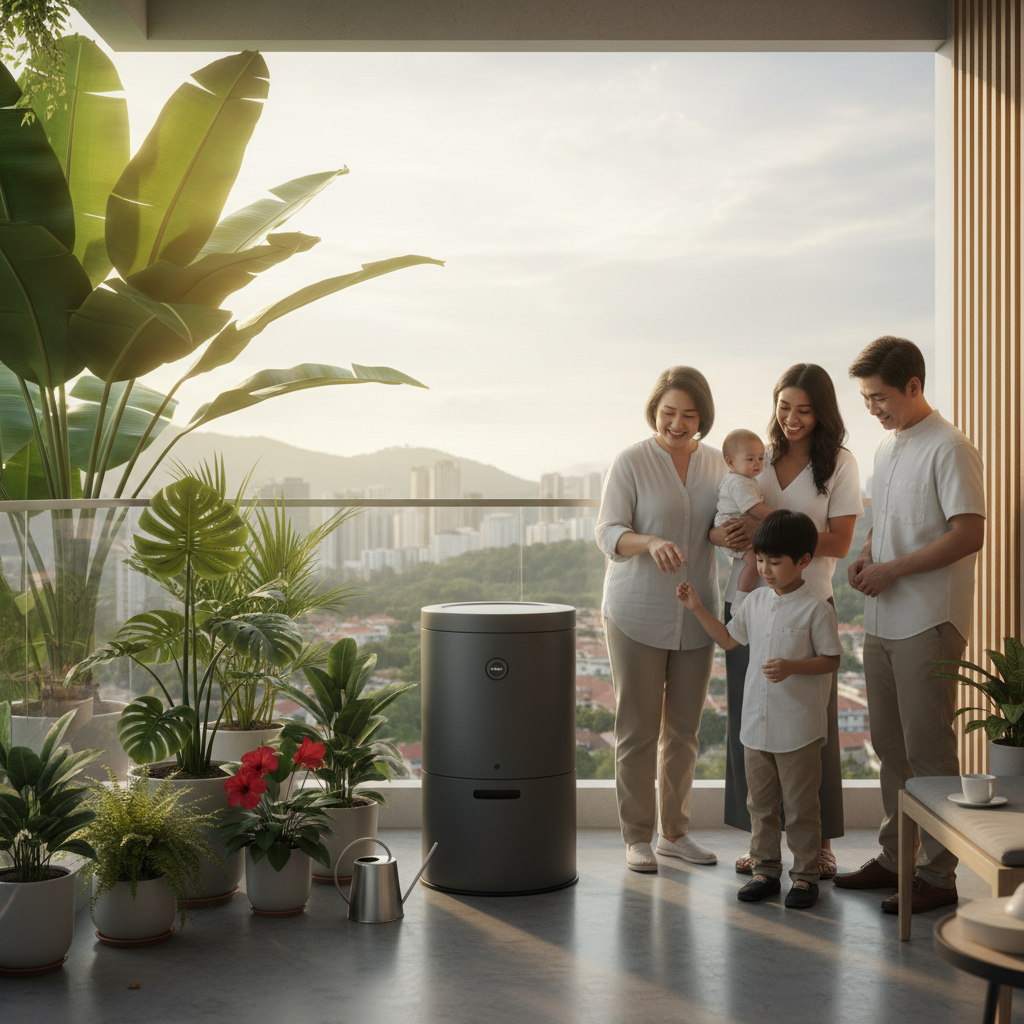
Composting in Malaysia isn't like composting in temperate zones; our climate brings both turbocharged decomposition and specific challenges. With ambient temperatures typically between 30-35°C and humidity often ranging from 70-90%, microbial activity in your compost pile is naturally supercharged. This means faster conversion of waste into nutrient-rich soil. However, these conditions also demand proactive management of moisture, pests, and the ever-present monsoon season.
For us Malaysian cat parents, understanding these nuances is what makes the difference between a thriving compost pile and a smelly, pest-ridden mess. This unique tropical insight ensures your composting journey with Liger tofu litter is smooth, safe, and efficient.
How Heat and Humidity Affect Decomposition
Malaysia's year-round warmth is a natural ally for composters. High ambient temperatures mean your pile doesn't need to work as hard to reach the thermophilic (hot) phase, where decomposition is most active and pathogens are most effectively neutralized. A Tropical composting guide suggests that the initial latency and thermophilic phases can be completed in approximately four weeks under ideal conditions here.
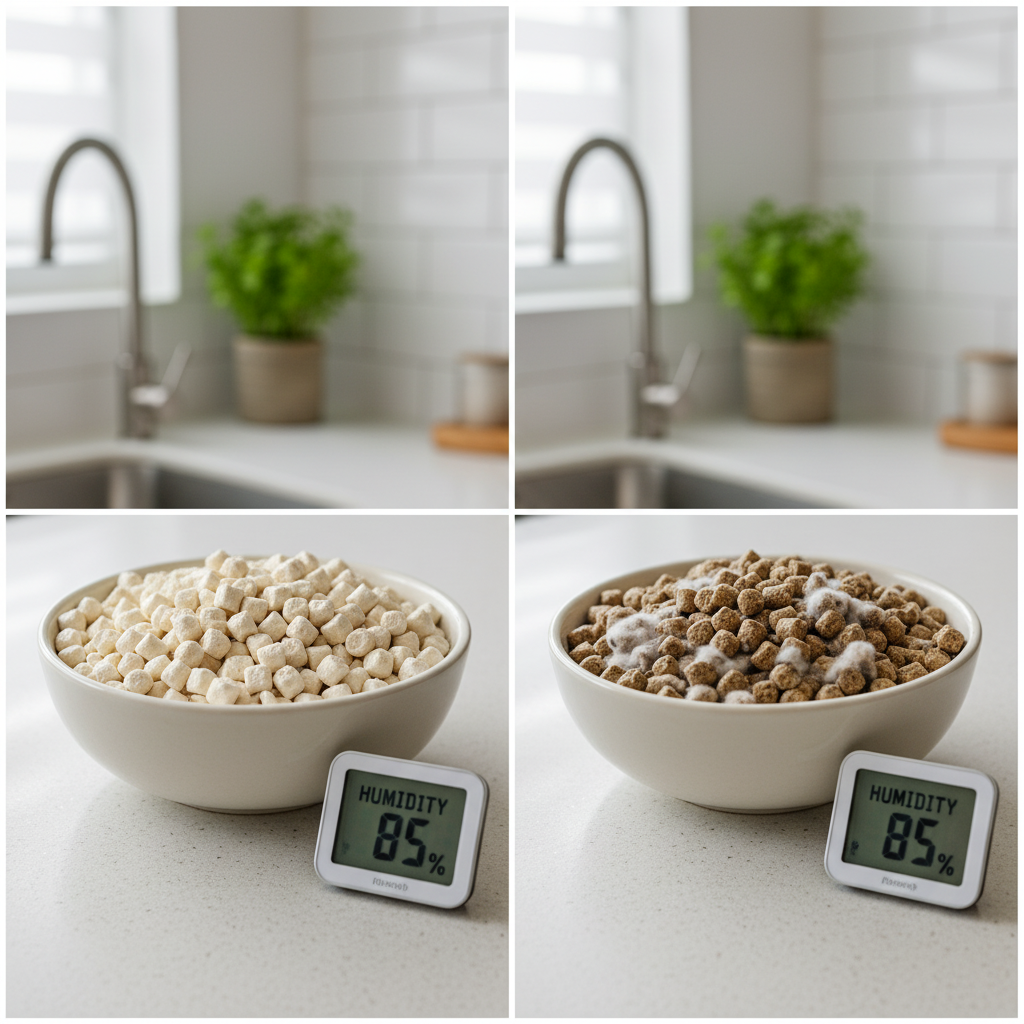
However, the pervasive humidity (often above 70%) is a double-edged sword. While it helps maintain the moisture microorganisms need, too much humidity in the pile—exceeding 80%—can quickly lead to anaerobic conditions, causing foul odors and, importantly, a proliferation of flies. You might notice flies swarming when the pile gets too damp, a clear sign that moisture needs to be addressed. Balancing this moisture is a constant dance, ensuring the pile is damp like a wrung-out sponge, but never waterlogged.
Monsoon Season Adjustments
The monsoon season can feel like a direct assault on outdoor compost systems. Heavy, sustained rainfall is the enemy of a happy pile, quickly leading to waterlogging, loss of oxygen, halted decomposition, and nutrient leaching. It's a classic Malaysian composting challenge that can turn a productive bin into a soggy, smelly mess.
To protect your pile during these wet months:
- Cover Your Compost: This is non-negotiable. Use a breathable cover like a wooden lid, a shade net, or specialized composting fabric to shield the pile from direct rain. Avoid impermeable plastic tarps, which can trap too much moisture and restrict crucial airflow.
- Elevate and Drain: Position your compost bin on higher ground to prevent water pooling around the base. For bins placed directly on soil, a base layer of coarse wood chips or thick branches can dramatically improve drainage.
- Stockpile Browns: Have a stash of dry, carbon-rich 'browns' readily available—shredded newspaper, cardboard, or dried leaves. If your pile becomes too wet, incorporate a generous amount of these materials. They'll absorb excess moisture and restore air pockets vital for aerobic decomposition.
- Strategic Turning: Resist the urge to turn a waterlogged pile during active rainfall. This just introduces more water into the core. Wait for a dry spell to turn, allowing the pile to naturally shed some moisture first.
Best Composting Setup for Malaysian Homes
The ideal composting setup in Malaysia needs to be robust enough to handle the climate while fitting the local lifestyle, whether you live in a landed house or a high-rise condo. For many cat parents, especially those in urban apartments like Ping'An's mum, space is at a premium.
- For Landed Homes (Backyard Bins): A large, robust, three-compartment bin system is excellent. It allows you to have one section for active composting, one for curing, and one for new additions. Ensure it has a tight-fitting lid to deter pests and a roof or cover to protect from sun and rain. Placing it in partial shade helps regulate temperature and moisture.
- For HDB/Condo Balconies (Tumblers & Bokashi): Enclosed compost tumblers are a top pick for balconies. Their sealed design and easy rotation make them pest-proof and efficient. For even smaller spaces, the Bokashi system is a fantastic pre-treatment option, handling waste discreetly indoors before needing burial elsewhere. Remember, a condo cat owner's guide to choosing litter also highlights odor control, which Liger excels at.
- Community Garden Options: As composting gains traction in Malaysia, look for community garden initiatives that might have dedicated, centrally managed pet waste composting programs. This could be a fantastic way to contribute to a larger circular economy, turning your urine-soaked tofu litter into a resource for communal landscaping projects.
Using Your Finished Compost
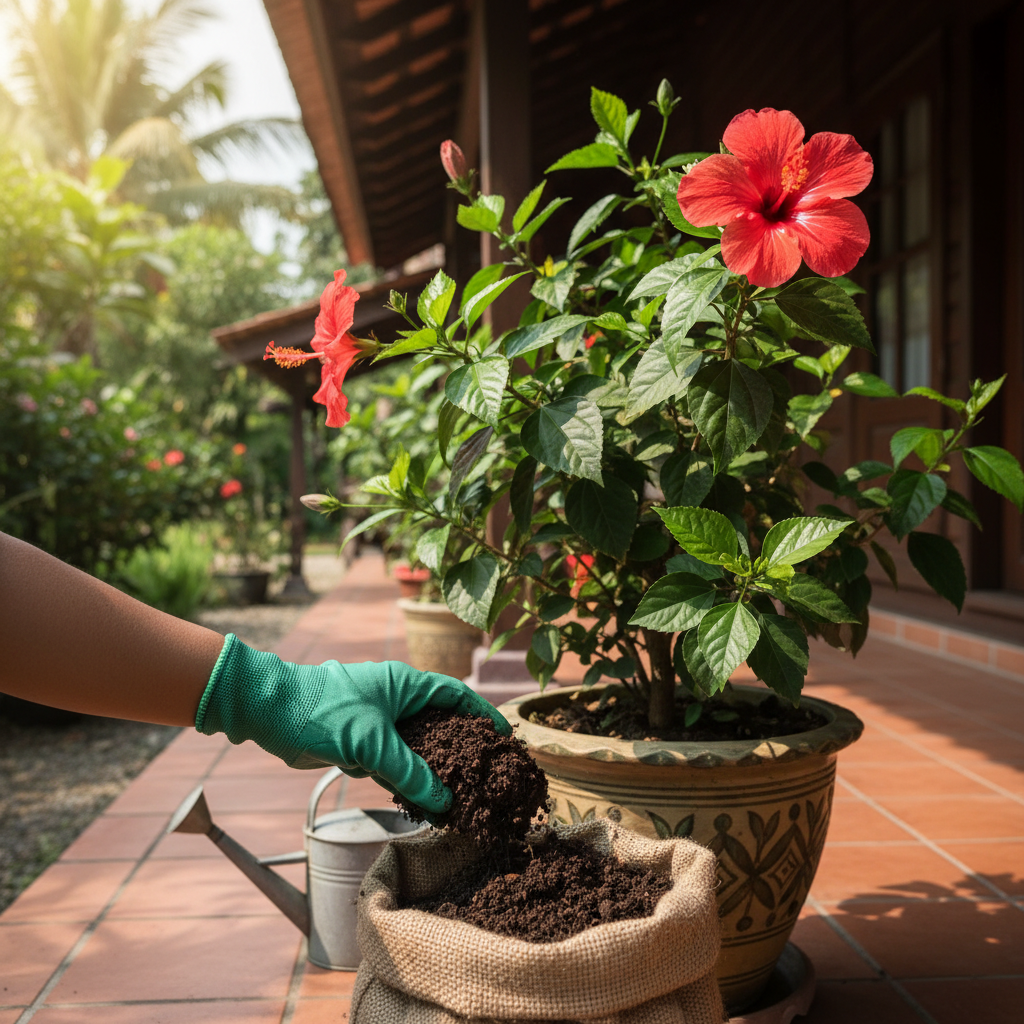
You've put in the work: diligently scooped, balanced your browns and greens, turned the pile, and patiently waited through the curing phase. Now, the moment of truth! Your finished compost is a dark, earthy, crumbly material, a testament to nature's incredible transformative power. But remember, the strict rule remains: cat feces compost must never be used on edible plants. This ensures maximum safety for your family and community.
This valuable amendment is perfect for enriching the soil around non-edible plants, boosting their health and vibrancy. Let's explore how to use it safely and effectively.
Safe Plants for Cat Litter Compost
This is the most crucial takeaway for applying finished cat litter compost: it is strictly for **ornamental plants ONLY**. This includes:
- Flower beds and borders
- Shrubs and bushes
- Non-fruiting trees
- Potted ornamental plants (like those beautiful orchids or hibiscus common in Malaysian homes)
- Lawns (as a top dressing)
- Landscaping around your home
By restricting its use to these areas, you create a vital safety buffer against any residual pathogens, ensuring that no potential contaminants come into contact with food sources. This aligns with the 'Poop-Free Composting' framework and reinforces responsible pet waste management. Think of your beautiful landscape getting a nutrient boost, safely.
Mixing Ratios and Application
Using your finished compost effectively means getting the ratios right. This rich, organic matter is potent, and too much can actually be detrimental to plants. For ornamental gardens, fully cured cat litter compost should be mixed with soil at a ratio of approximately one part compost to four parts soil. This provides ample nutrients without overwhelming the plants or altering soil chemistry too drastically.
When applying, you can blend it into the top few inches of soil in flower beds, around shrubs, or into potting mixes for ornamental containers. Alternatively, it works wonderfully as a surface mulch or top dressing. Apply a thin layer, no more than 1/2 inch (about 1 cm) thick, around the base of established ornamental plants and on lawns. Lightly rake it in and water the area to help the nutrients filter down into the soil. Consider applying compost seasonally, perhaps at the beginning of the dry season or after heavy monsoons, to rejuvenate soil health.
How to Tell When Compost Is Ready
Knowing when your compost is truly 'finished' is an art and a science. While sophisticated pathogen testing isn't practical for home composters, several sensory and simple tests can confirm maturity and safety. And remember, the longer the better for safety.
- Sensory Checks: A mature compost pile should be dark brown or black, with a uniform, crumbly texture similar to rich earth. There should be no recognizable pieces of original litter or other components. Most importantly, it should smell pleasant and earthy, like a forest floor after rain. Any lingering ammonia, sour, or putrid smells mean it needs more time. The pile should also have cooled to ambient temperature, indicating the active decomposition phase is complete.
- The Curing Period: After your active hot composting phase is complete, the compost must undergo a crucial curing period. While the hot phase kills most pathogens, a minimum curing time of 6 to 18 months provides an essential, secondary layer of safety, allowing for the natural die-off of any lingering resilient pathogens. For maximum peace of mind, some even suggest extending this to 24 months.
- Simple Bioassay (Germination Test): To test for phytotoxicity (substances harmful to plants), fill a small pot with your finished compost and another with commercial potting soil (your control). Plant fast-germinating seeds like radish or cress in both. If seeds in the compost germinate and grow as well as those in the control, your compost is likely mature and safe. Poor germination or stunted growth means it needs more curing time.
Tofu Litter Disposal Alternatives (If Composting Isn't For You)
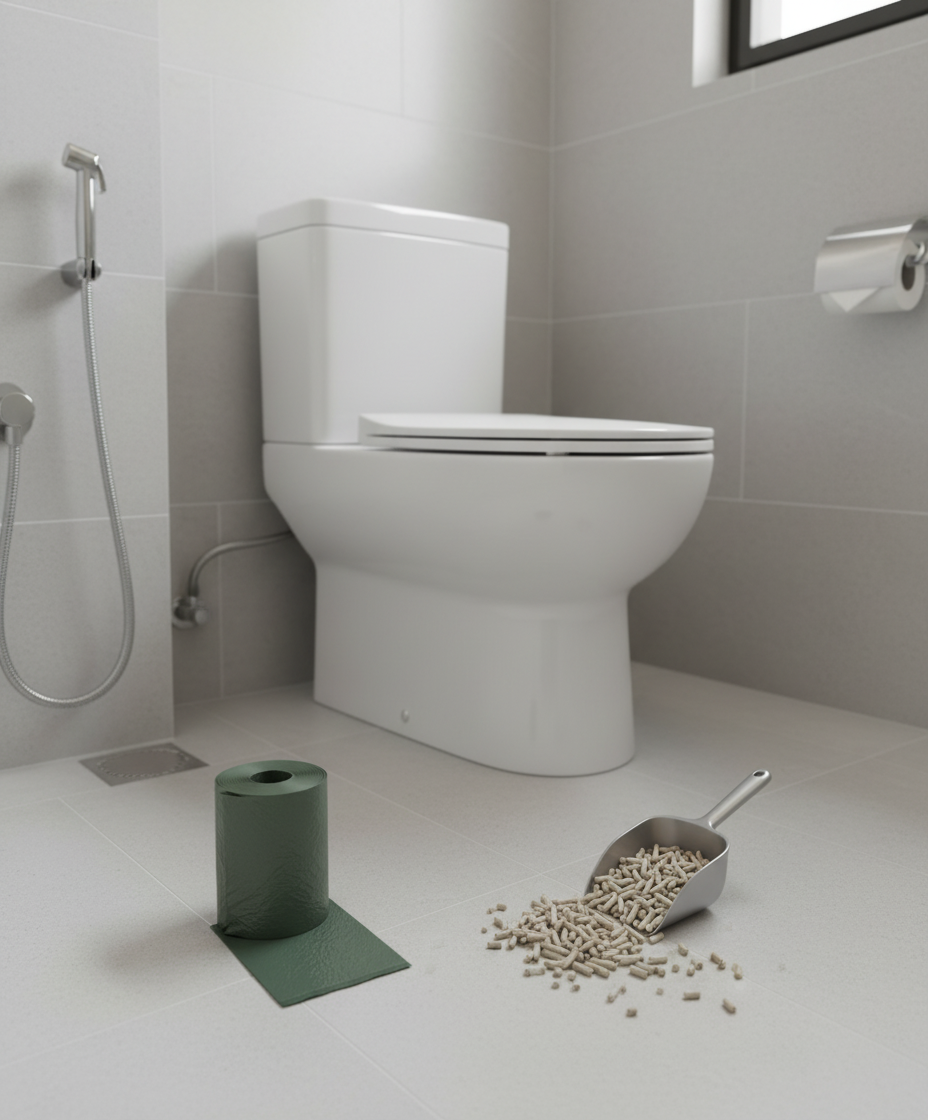
While composting Liger tofu cat litter offers fantastic environmental benefits, it's totally okay if it's not the right fit for every cat parent. Maybe you're short on space, or perhaps the idea of handling cat waste in this way just isn't for you. That's perfectly fine! The good news is that Liger tofu litter still offers more eco-friendly disposal options than traditional clay or silica litters. Remember, Lion is super particular about his litter, so we always ensure his box is kept pristine, no matter the disposal method.
Even if composting isn't in your cards, choosing a flushable, biodegradable litter like Liger's still significantly reduces your environmental impact compared to litters that contribute to landfill strain.
Flushing — Pros, Cons, and Plumbing Risks
One of the standout features of Liger tofu cat litter is its flushability. Made from food-grade soybean fiber, it's designed to disintegrate in water, making it a convenient and eco-friendly alternative to bagging and binning. This reduces plastic waste and keeps soiled litter out of landfills. For those who frequently use our Malaysia schedule for changing tofu cat litter, flushing small clumps daily is especially appealing.
However, there are caveats. While generally safe, flushing large clumps or excessive amounts at once can still strain older or narrow plumbing systems. It's always wise to test small amounts first and check with your local water authority. Some older septic systems might also struggle with continuous pet waste, so consider your home's specific plumbing setup. We always recommend flushing small amounts at a time, allowing each clump to break down before flushing the next.
Biodegradable Bag Disposal
If flushing isn't an option or you prefer not to, disposing of soiled tofu litter in biodegradable bags is another excellent alternative. Since the litter itself is biodegradable, bagging it in a compostable or biodegradable bag means that once it hits the landfill, at least the plastic part of the waste will eventually break down, unlike conventional plastic bags. This is a step up from using standard plastic bags, which can take hundreds of years to decompose.
Look for bags certified compostable (e.g., ASTM D6400 or EN 13432 standards). These are designed to break down in industrial composting facilities or, over a much longer time, in landfills. Simply scoop the soiled litter into these bags, tie them securely to contain odors, and place them in your regular household waste bin.
Green Waste Collection Programs
While municipal composting programs in Malaysia generally do not accept pet waste (as discussed earlier), it's always worth checking with your local council or private green waste collection services. Some forward-thinking programs might, in the future, develop specialized systems for pet waste, or they may accept *clean, unused* biodegradable litters as part of general garden waste (though this is rare).
The current reality means that for most Malaysian cat owners, options like flushing or biodegradable bagging for the landfill are the primary alternatives to home composting. However, staying informed about local environmental initiatives is a good practice, as regulations and services can evolve over time to better accommodate sustainable pet care solutions.
Composting Liger tofu cat litter isn't just a trend; it's a powerful step towards a more sustainable future for Malaysian cat parents. By embracing our 'Poop-Free Composting' framework, you transform a daily waste product into a valuable resource for your ornamental garden, reducing landfill burden and enriching your soil.
Remember, safety is paramount. Always hot compost, commit to the long curing period, and strictly use your finished compost only on non-edible plants. The tropical climate of Malaysia offers a unique advantage for faster decomposition, but also demands vigilant management of moisture and pests. Whether you have a sprawling garden or a cozy apartment balcony, there's a method for you.
Ready to make a real difference? Your Monday morning action is simple: start researching enclosed compost tumblers for your balcony or a dedicated hot compost bin for your yard. Begin separating your cat's solid waste from the urine-soaked Liger tofu litter right away, and take that first step towards closing the loop on your pet's environmental footprint. Your plants (and the planet) will thank you!