Scoop tofu litter daily, top up weekly, and aim for a full change every 2-4 weeks, adjusted for Malaysia's humidity.
Recognize the 5-Sense Check: visual cues, smell, texture changes, your cat's behavior, and a time-based schedule are key indicators.
Malaysia's tropical humidity significantly impacts tofu litter, increasing mold risk and requiring more frequent changes.
Factor in monthly costs in RM, which can vary widely based on cat count and litter type, but tofu litter often proves cost-effective long-term.
Ever wondered if you're changing your cat's tofu litter too often, or perhaps not enough? It's a question many Malaysian cat parents grapple with, especially when balancing a busy schedule with providing the best for our furry family. Keeping the litter box pristine isn't just about smell; it's vital for your cat's health and happiness. As fellow cat parents, we know the struggle is real!
Unlike traditional clay litter, tofu cat litter, made from natural soy, behaves a little differently. Its unique composition, fast clumping, and ultra-low dust nature offer distinct advantages. But how do these features translate into a practical cleaning schedule for our tropical climate? We're going to break down the exact regimen, from daily scoops to monthly overhauls, tailored for Malaysian households.
The Quick Answer: Tofu Cat Litter Change Frequency
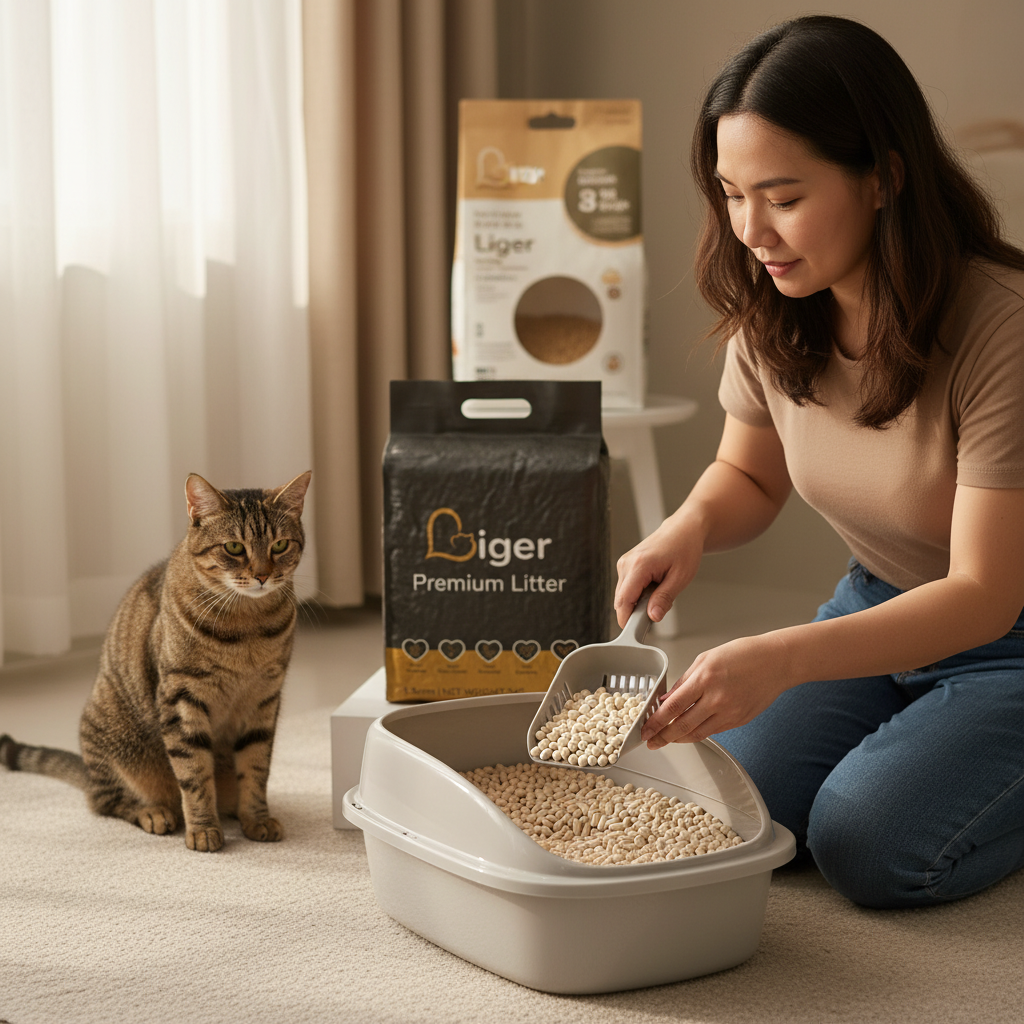
Alright, let's get straight to it. For most Malaysian cat parents, the golden rule for tofu cat litter is a consistent daily scoop, a weekly top-up, and a full, thorough litter change about once a month. This general guideline ensures your cat's comfort and maintains hygiene. However, factors like the number of cats, litter box size, and our unique tropical humidity will definitely tweak this schedule.
Here’s a quick reference table to get you started:
Action | Frequency (Single Cat) | Frequency (Multi-Cat) |
|---|---|---|
Scoop solid waste & urine clumps | Daily (1-2 times) | Daily (2-3+ times) |
Top up with fresh litter | Weekly (or as needed) | Every 3-5 days |
Full litter replacement & box cleaning | Every 3-4 weeks | Every 1-2 weeks |
Daily Maintenance — The 2-Minute Routine
Daily scooping is probably the most impactful thing you can do to keep your cat's litter box fresh and inviting, extending the life of your tofu litter. Neglecting this routine, even for a day, allows odors to set in and can make your cat reluctant to use the box. Trust me, it’s far easier to scoop daily than to deal with an unhappy cat seeking alternative 'facilities'.
How to Scoop Tofu Cat Litter Properly
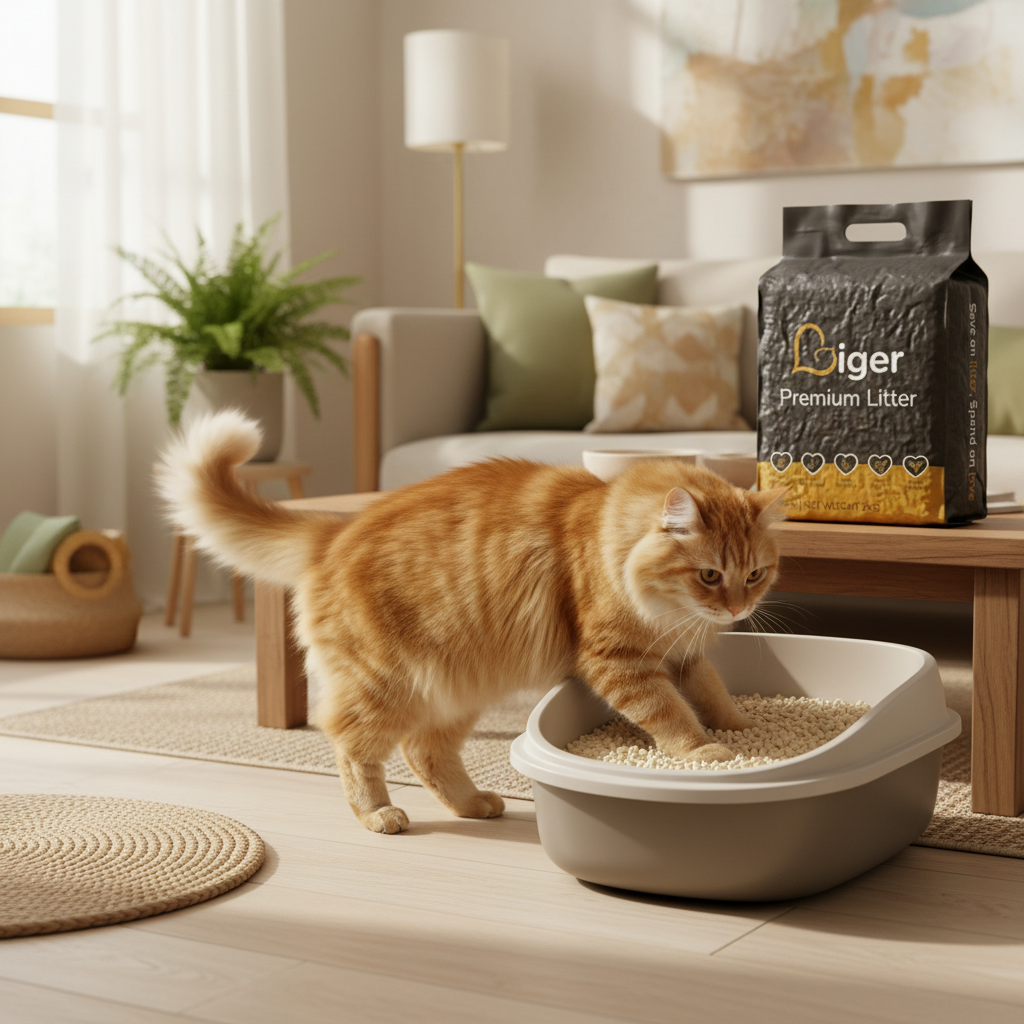
Tofu litter, like Liger Tofu Cat Litter, is designed for fast and firm clumping, making daily scooping a breeze. When your cat pees, the liquid is absorbed almost immediately, forming a solid, scoopable clump within seconds. This is a huge advantage over some traditional litters that can disintegrate or leave a muddy residue.
Here’s the trick: use a scoop with holes sized perfectly for tofu pellets. Gently sift through the litter, removing all solid waste and urine clumps. Don't dig too aggressively, as this can break up forming clumps. Once scooped, dispose of the waste appropriately. If you're looking for more detailed tips, check out our complete guide on using tofu cat litter.
How Deep Should Tofu Cat Litter Be?
Maintaining the right depth of litter is essential for optimal performance. We recommend keeping about 5-7cm (2-3 inches) of tofu litter in the box. This depth allows your cat to dig comfortably and bury their waste effectively, which is a natural feline instinct. Too little litter means clumps can stick to the bottom, making them hard to remove and leading to stubborn odors.
It also helps with tracking. When there's enough litter, the pellets have a better chance of staying in the box, and Liger Tofu Cat Litter is already formulated for minimal tracking. If you're unsure about the right litter box size for your cat, our litter box size calculator can help you find the perfect fit.
Weekly Check-Ins — Top Up and Stir
While daily scooping is non-negotiable, a weekly check-in allows you to assess the overall litter level and quality. Over time, even with regular scooping, the total volume of litter decreases, and residual dust or smaller broken clumps can accumulate. This is where topping up comes in.
When to Add More Litter vs. When to Change Everything
Knowing when to add fresh litter versus when to perform a full change can save you money and keep your cat happier. You should top up with new litter when the depth falls below the recommended 5-7cm mark. This typically happens weekly in a single-cat household, or every few days with multiple cats.
However, topping up isn't a substitute for a full change. If you notice a persistent underlying odor despite scooping, or if the remaining pellets start to crumble easily and lose their firm texture, it's a clear sign that a complete overhaul is due. Think of it like adding milk to coffee: you can do it many times, but eventually, you need a fresh cup.
The Full Change — How Often and How to Do It
The full litter change is like a reset button for your cat's bathroom. It involves emptying out all the old litter, thoroughly cleaning the box, and refilling it with entirely fresh pellets. This deep clean is crucial for maintaining ultimate hygiene and preventing the buildup of bacteria and ammonia that daily scooping alone can't tackle.
Single Cat Households (Every 3-4 Weeks)
For a single cat, a full litter change every 3-4 weeks usually hits the sweet spot. This frequency strikes a balance between keeping the box clean and preventing waste. With Liger Tofu Cat Litter's superior odor control and tight clumping, you might even be able to stretch it to four weeks if your cat has impeccable litter habits. Always prioritize cleanliness over stretching the budget too far, though!
Multi-Cat Households (Every 1-2 Weeks)
More cats mean more traffic, and that translates to more frequent full litter changes. For multi-cat households, you're looking at a full change every 1-2 weeks. This is non-negotiable. Cats, like our Ping'An who has a sensitive nose, are very particular about their litter boxes. A dirty box in a multi-cat home can quickly lead to behavioral issues, like peeing outside the box, simply because the preferred 'toilet' is just too gross for them. Remember the 'N+1' rule for litter boxes: you should have one more litter box than the number of cats you own.
How to Clean the Litter Box Itself
When it's time for a full change, don't just dump and refill. Empty all the old litter, then scrub the litter box thoroughly with warm water and a mild, unscented soap. Rinse it well until no soapy residue remains. Air-dry the box completely before adding fresh tofu litter. Avoid strong chemical cleaners like bleach, as their lingering scents can be off-putting or even harmful to your cat. A good scrub with dish soap is usually more than enough.
The 'Is It Time?' Checklist — 5 Signs Your Tofu Litter Needs Changing ⭐
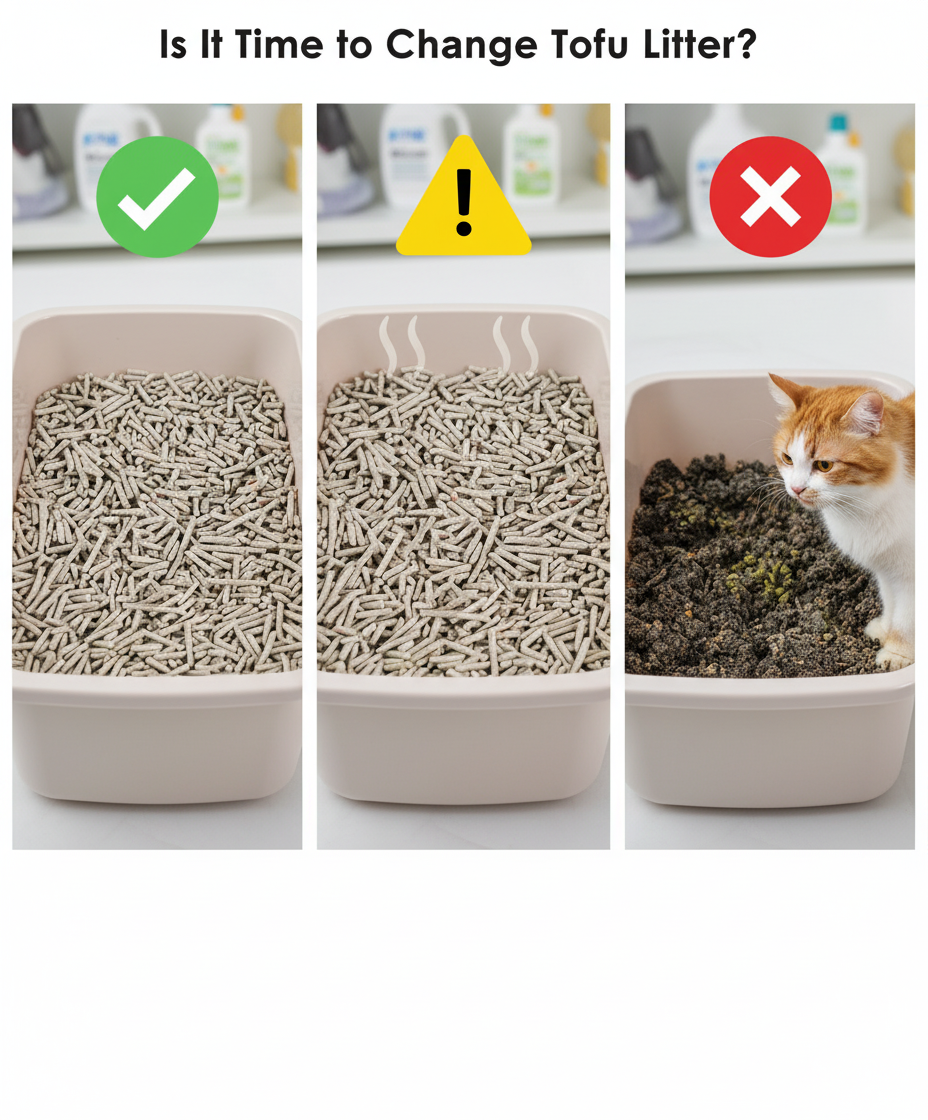
Sometimes, simply looking at the calendar isn't enough. Your litter box, and your cat, will often give you clear signals that it's time for a refresh. This isn't just about smell; it's a multi-sensory evaluation. As cat parents, we learn to pick up on these subtle cues. Here's our '5-Sense Check' framework to help you decide:
Visual Cues (See it): Look for excessive discoloration, crumbling clumps that don't hold together, or a noticeable reduction in the overall litter volume. If the once pale beige pellets are now a uniform dingy grey, that's a yellow light. If you see actual mold spots, it's a red light – change immediately!
Odor (Smell it): Even after scooping, if you detect a persistent, sharp ammonia bite in the air or a general stale 'litter box' smell, it means bacteria are thriving. A faint smell might be a yellow light, but a strong, eye-watering odor is definitely a red light.
Texture (Feel it): Scoop a fresh batch. Does the litter feel unusually dusty, gritty, or crumbly? Tofu litter should have a relatively firm, smooth pellet texture. If it feels like a fine, muddy powder or doesn't clump as firmly as usual, that's a yellow light.
Cat Behavior (Watch them): Pay attention to your cat's habits. Are they hesitant to enter the box? Do they perch on the edge? Are they digging less, or worse, starting to pee or poop outside the box? Lion, our clean-freak cat, will absolutely refuse to use a box that's even slightly below his standards. These are red flags, signalling displeasure with their current toilet conditions. Such behavior can also point to underlying health issues like Feline Lower Urinary Tract Disease (FLUTD), which can be exacerbated by dirty litter boxes, as noted by research on FLUTD Risk Factors Evaluation.
Time (Track it): Even if it passes the other checks, if it's been 3-4 weeks for a single cat (or 1-2 weeks for multi-cat households), it’s probably time. Don't stretch it too far; even seemingly clean litter can harbor invisible bacteria.
Verdict: One or two yellow lights mean it's time to start planning for a change. Any red light means: Stop reading, go change the litter box immediately!
Malaysia's Humidity Factor — Why Tropical Cat Parents Change Litter Differently ⭐
Living in Malaysia means dealing with heat and notoriously high humidity, often exceeding 80%. This isn't just uncomfortable for us; it significantly impacts your tofu cat litter and your cat's health. What works for cat parents in drier climates simply won't cut it here. We've learned this the hard way!
How Humidity Affects Tofu Cat Litter
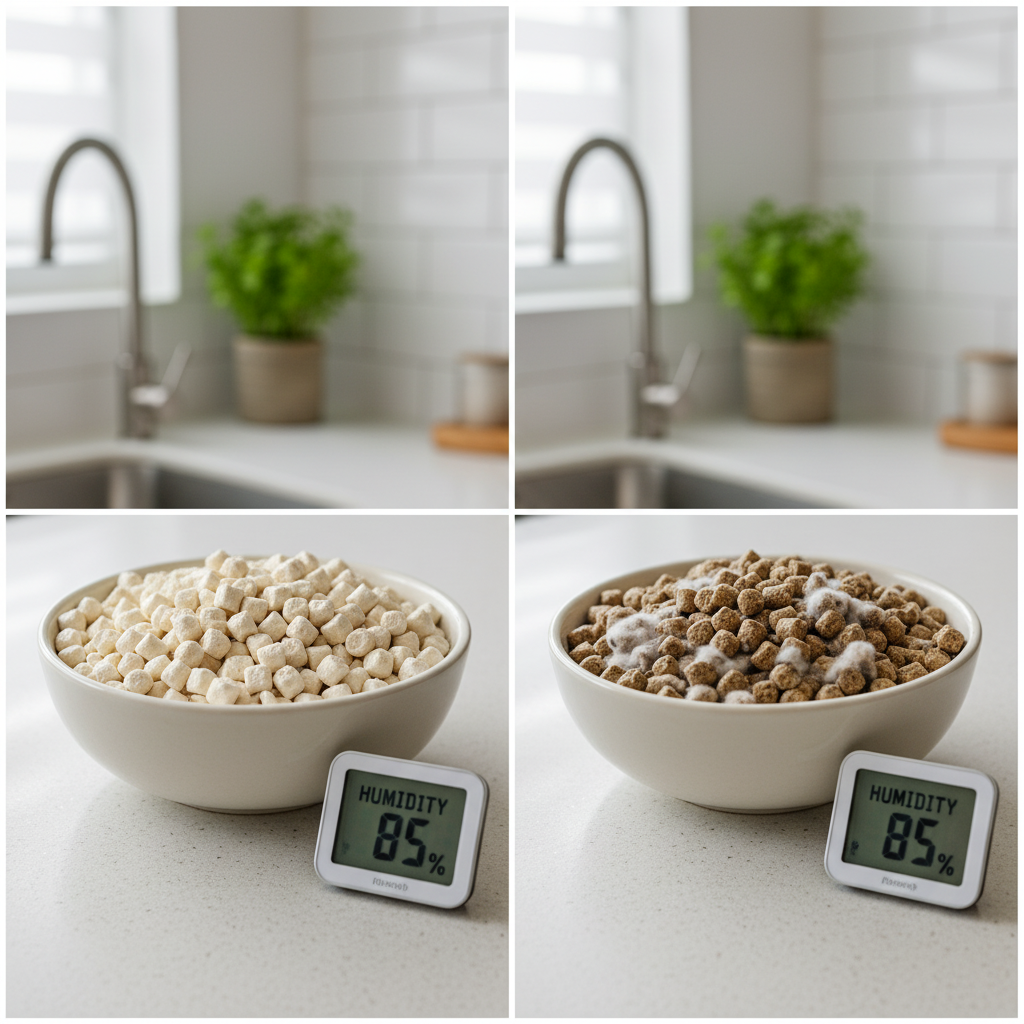
Tofu litter, being an organic, plant-based material, is highly absorbent. While this is great for clumping waste, it also means it can readily absorb moisture from the air. High humidity causes the pellets to swell, break down faster, and lose their structural integrity, leading to poorer clumping and increased dust over time. The 'natural mild milk fragrance' of Liger Tofu Cat Litter can even be dulled by excessive moisture.
More critically, humidity creates an ideal breeding ground for bacteria and mold. Specifically, fungi like Aspergillus flavus, which produce dangerous aflatoxins, thrive in temperatures of 28-32°C and relative humidity above 85% – conditions perfectly mirroring Malaysia's climate. The FDA warns about aflatoxin poisoning in pets, a serious concern if mold grows in your litter. Ping'An, with her sensitive respiratory system, sneezes at anything too dusty or musty, making humidity control especially important.
Rainy Season vs. Dry Season Schedule
You'll likely need to adjust your litter change schedule according to our seasons. During the rainy season (roughly October to March, varying by region), when humidity levels are consistently higher, you might find yourself needing to perform full litter changes more frequently – perhaps every 2-3 weeks for a single cat, and weekly for multi-cat homes. The dry season, with slightly lower humidity, might allow you to stretch it closer to the 4-week mark for single cats.
It's all about observation. If your litter is breaking down faster, clumping less effectively, or showing any signs of mold, regardless of the calendar, it's time for a change.
Storage Tips to Prevent Mold
Proper storage of your unused tofu litter is just as vital as managing the litter in the box. Opened bags of Liger Tofu Cat Litter should always be sealed tightly after use. Transferring the litter to an airtight container (like a plastic storage bin with a secure lid) can work wonders. Keep it in a cool, dry place, away from direct sunlight or humid areas like bathrooms or laundry rooms.
Consider placing a small desiccant packet inside the storage container or even running a dehumidifier in the room where your litter is stored and the litter box is located. This extra step helps combat Malaysia's relentless humidity and extends the shelf life of your litter, preventing premature breakdown and mold growth.
Monthly Cost Breakdown — How Much Tofu Litter Do You Really Need? ⭐
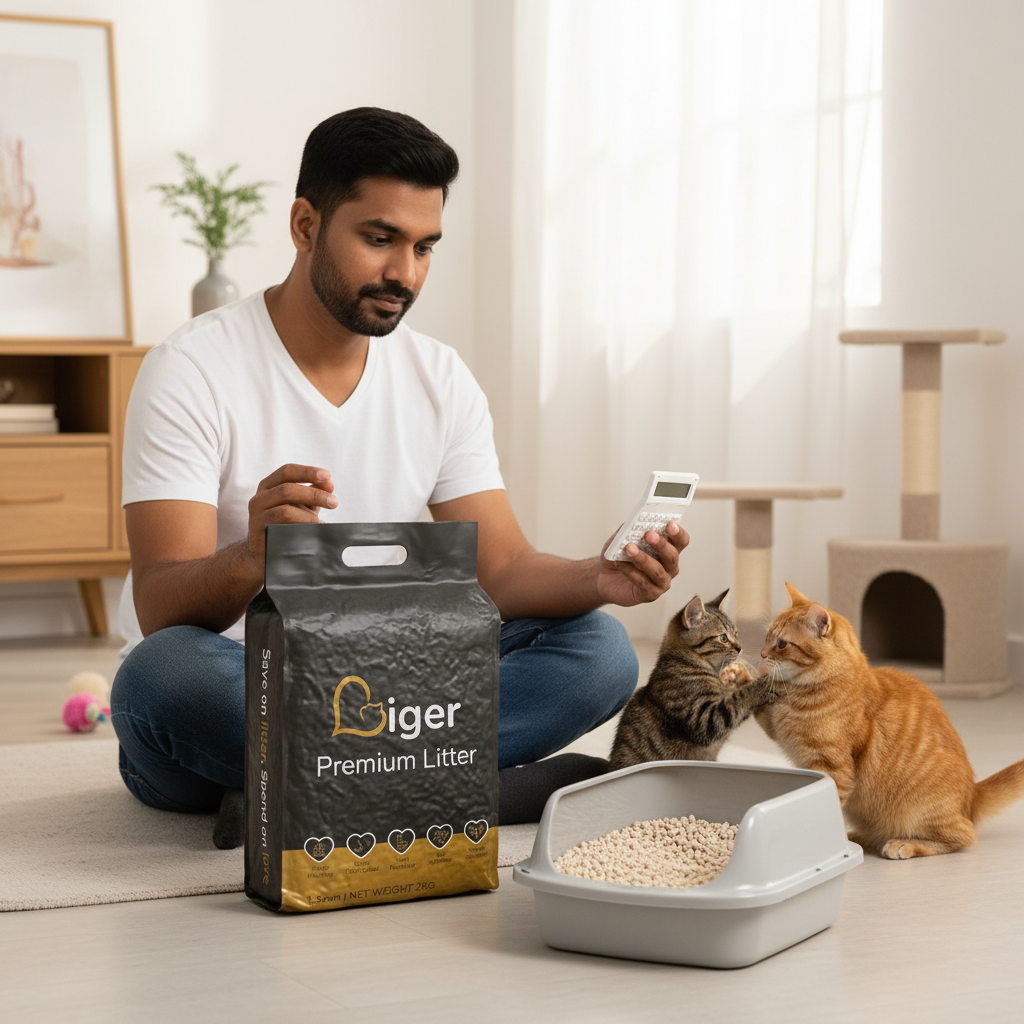
Let's talk money, ringgit and sen! Investing in quality tofu cat litter like Liger isn't just about your cat's comfort; it can also be surprisingly cost-effective in the long run due to its superior clumping and odor control. Many cat parents often underestimate how much litter they truly need, especially for multiple cats. Calculating your monthly budget helps you plan better and avoid unexpected trips to the pet store.
Here’s an estimated monthly cost breakdown in RM, comparing Liger Tofu Cat Litter with some common alternatives, based on average usage in Malaysian homes. Remember, these are estimates, and actual prices may vary.
Cat Count | Liger Tofu Litter (RM/month) | Generic Bentonite Clay (RM/month) | Generic Silica Gel (RM/month) |
|---|---|---|---|
1 Cat | RM 25 - 35 | RM 30 - 45 | RM 35 - 50 |
2 Cats | RM 45 - 60 | RM 60 - 80 | RM 70 - 100 |
3 Cats | RM 65 - 90 | RM 90 - 120 | RM 100 - 150+ |
Estimated Monthly Cat Litter Costs in Malaysia (RM) |
As you can see, while the initial price per bag might seem comparable, the efficiency of tofu litter often means you use less, especially if it clumps really well like Liger. This translates to fewer full changes and less topping up. For a more precise calculation tailored to your specific situation, try our interactive Litter Calculator!
Tofu vs. Clay vs. Crystal — Change Frequency Comparison
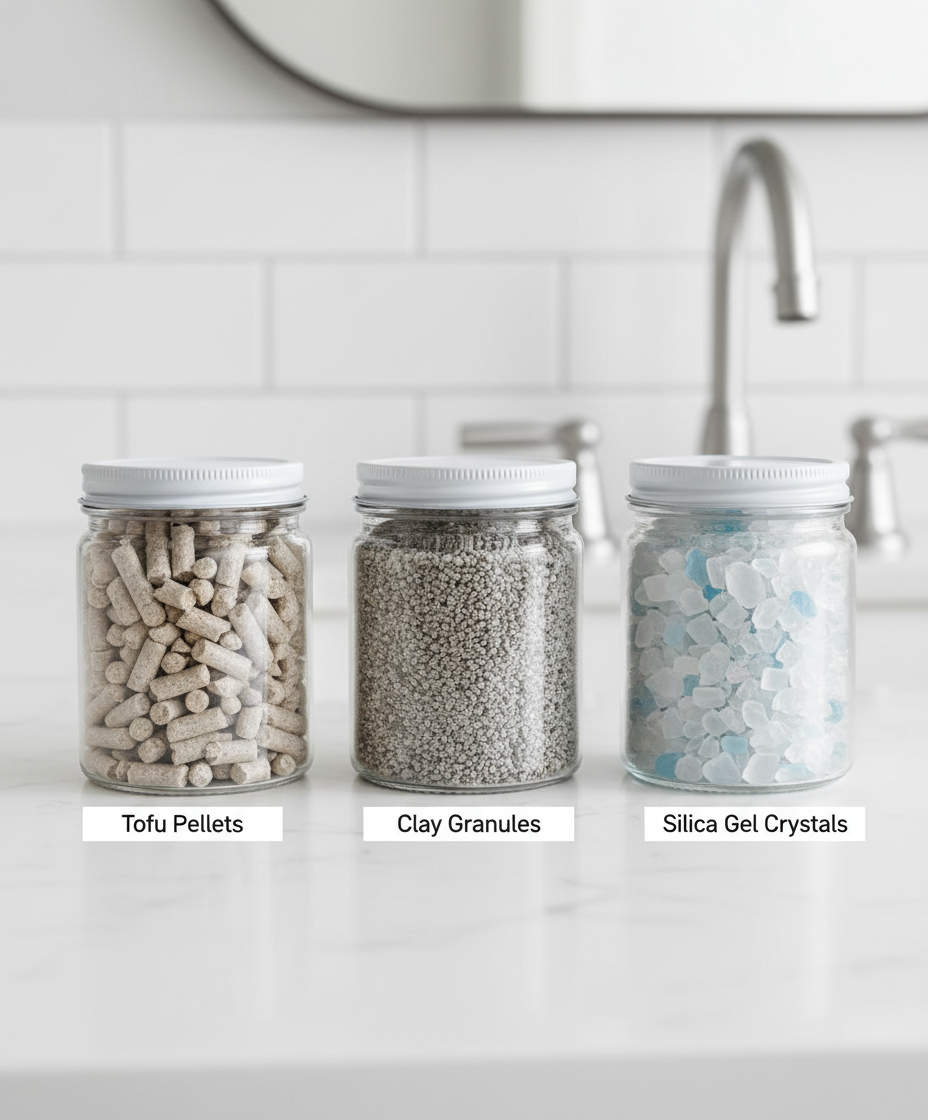
When choosing cat litter, the type profoundly affects how often you'll need to clean and change it. Tofu, bentonite clay, and silica gel (crystal) litters each have distinct characteristics that dictate their maintenance schedules. Understanding these differences can save you a lot of hassle and help you pick the best option for your home, especially given Malaysia's unique climate. We've even discussed this in detail in our article, Tofu vs. Bentonite: The Great Malaysian Litter War.
Litter Type | Scooping Frequency | Full Change Frequency (Single Cat) | Dust Level | Odor Control | Clumping | Flushable (IWK Warning) |
|---|---|---|---|---|---|---|
Tofu Cat Litter (e.g., Liger) | Daily | Every 3-4 weeks (more in high humidity) | Ultra-low | Excellent (natural mild milk fragrance) | Fast, firm | Biodegradable, but ⚠️ IWK prohibits flushing solid waste. |
Bentonite Clay Litter | Daily | Every 2-3 weeks | High to Medium | Good (often fragranced) | Firm | No |
Silica Gel (Crystal) Litter | Daily (solids), stir daily | Every 2-4 weeks (often less in high humidity) | Very Low | Good (until saturated) | Non-clumping (absorbs liquid) | No |
Cat Litter Type Comparison & Change Frequencies |
It's important to be aware of local regulations. While tofu litter is biodegradable and often marketed as flushable, the Indah Water Konsortium (IWK) in Malaysia specifically prohibits flushing solid waste, including any cat litter, into the toilet system. As per IWK domestic sewerage guidelines, only human waste and toilet paper are permissible. This is a crucial detail for Malaysian cat parents, even if the litter itself breaks down in water.
Maintaining a clean litter box, especially with tofu cat litter, is a continuous commitment, not just a chore. It directly impacts your cat's health, happiness, and your home's freshness. By following a consistent daily scooping, weekly topping-up, and monthly full change schedule – always adjusted for Malaysia's unique humidity – you're truly providing the best for your furball.
Remember, your cat relies on you for a clean environment. Don't be afraid to adjust these guidelines based on your cat's specific needs and the signals they give you. For instance, Tiger, our young cat with congenital heart disease, needs an especially clean environment to reduce any potential respiratory irritants. So, by tomorrow morning, make it a point to do your full '5-Sense Check' on your litter box. Your cat will thank you for it, even if they don't say it in words!