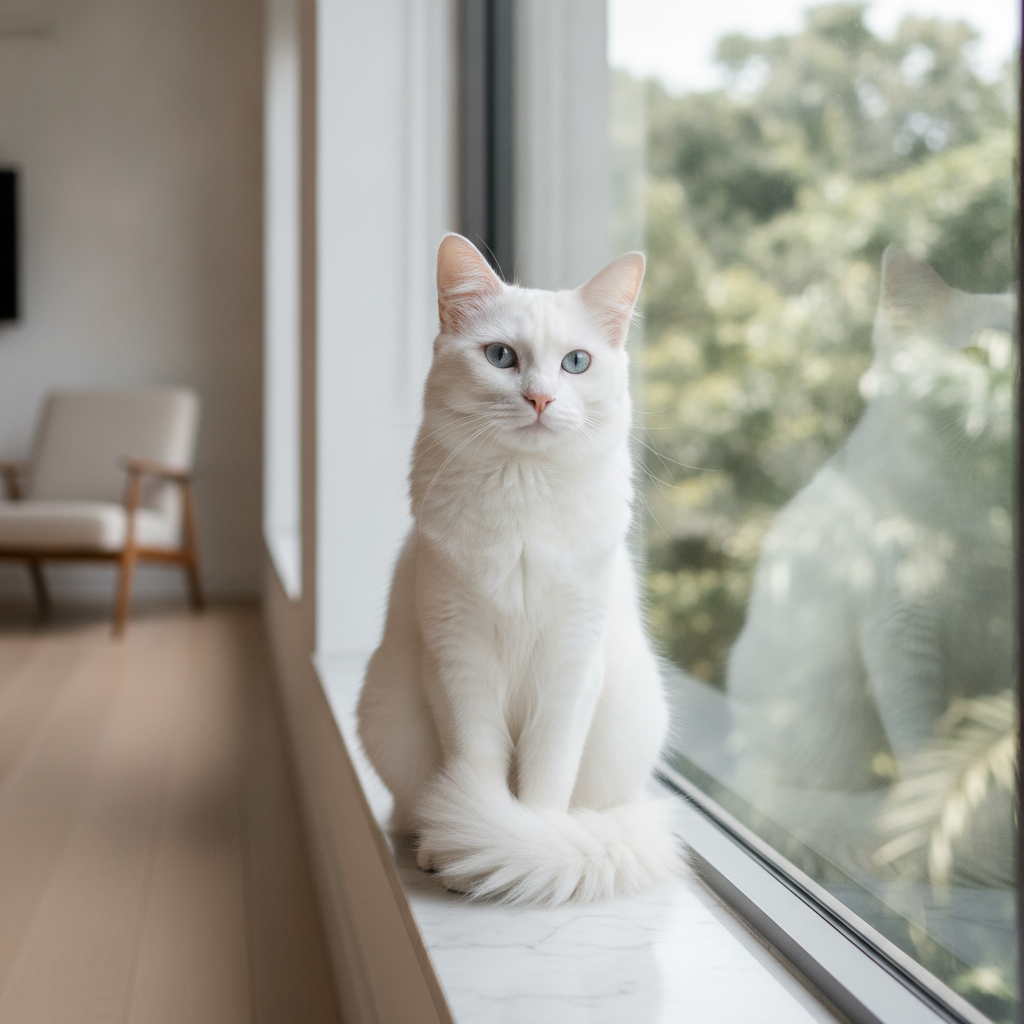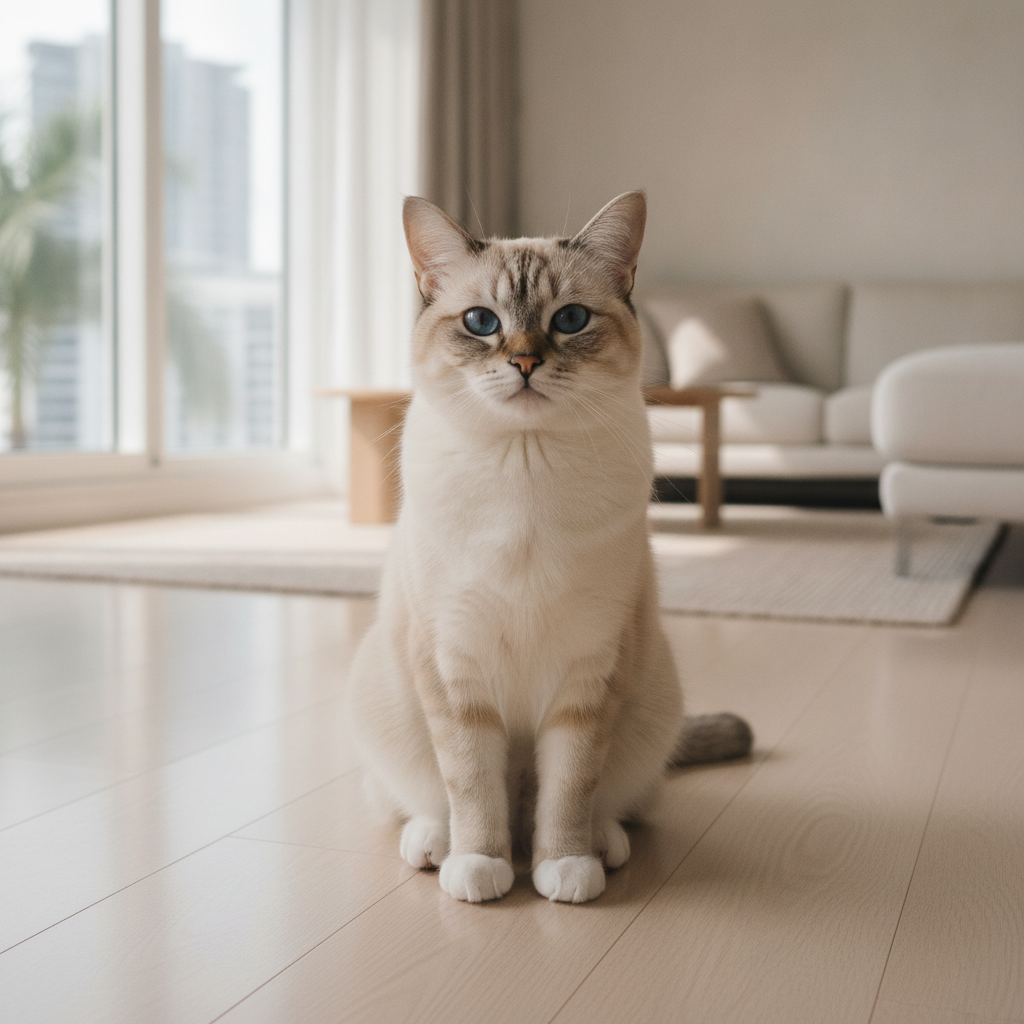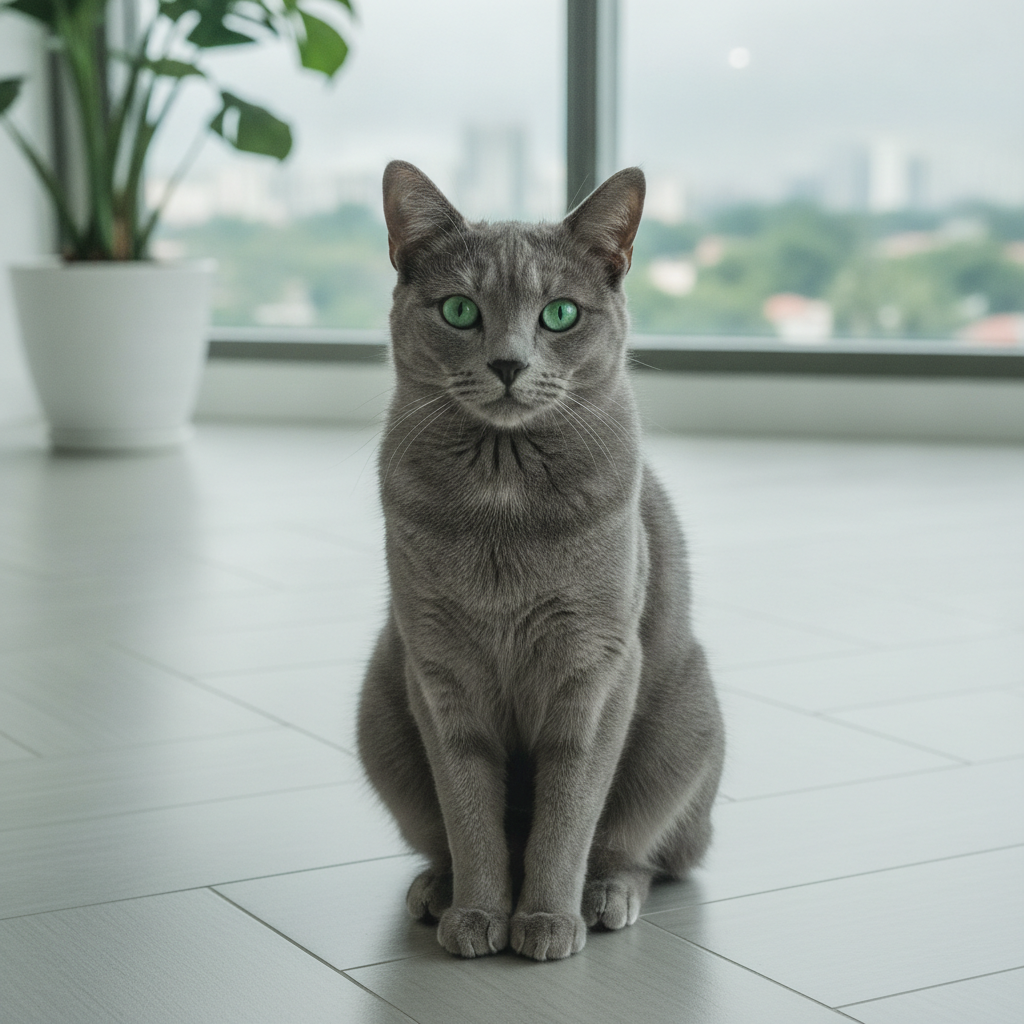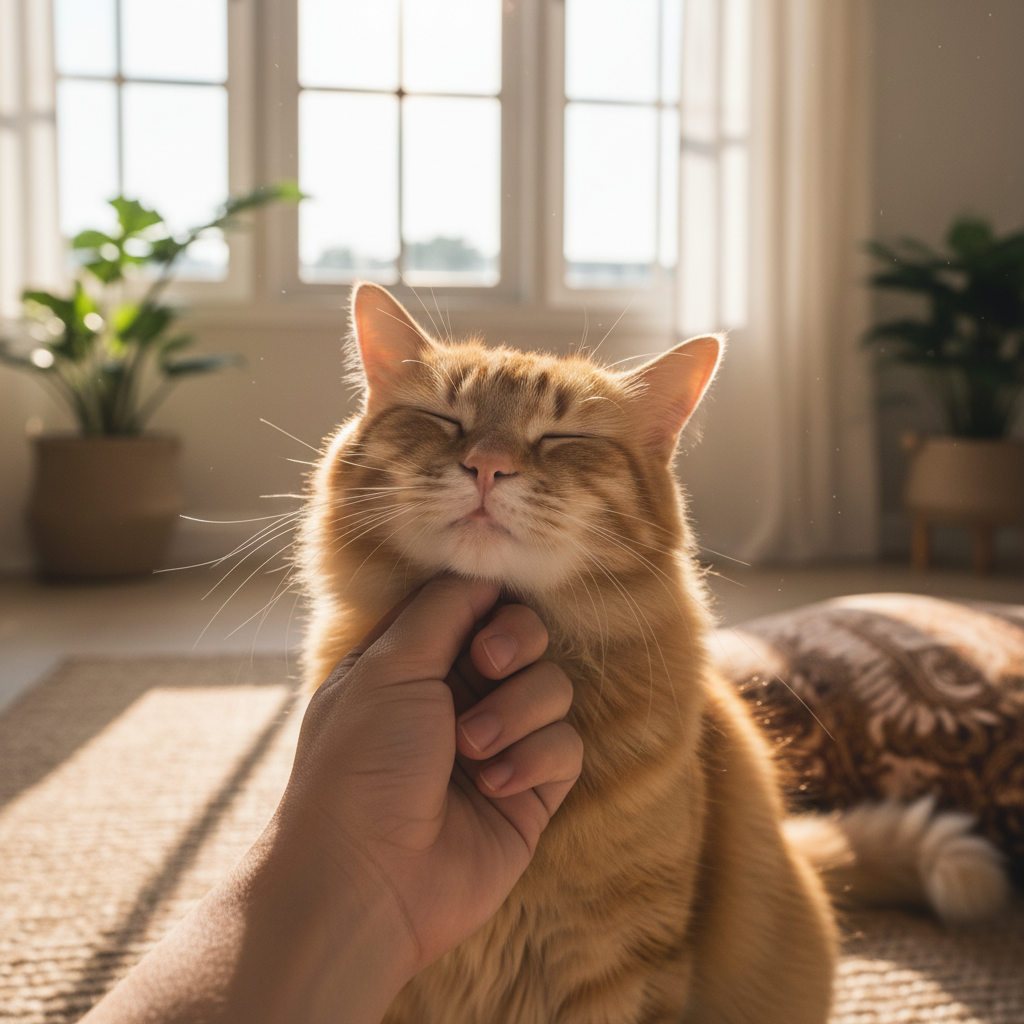
The 'Feline Five' model categorizes personalities into Neuroticism, Extraversion, Dominance, Impulsiveness, and Agreeableness.
Dr. Lauren Finka's archetypes help explain how cats relate specifically to humans and their environment.
Coat color myths (like 'orange cat energy') aren't backed by genetics, despite popular internet memes.
Understanding your cat's specific type helps reduce stress and improve your bond.
You ever look at your cat staring at a blank wall and think, "There is absolutely nothing going on behind those eyes"? Or maybe they go from a purring pile of fluff to a feathered fury in 0.5 seconds because you touched their belly? It’s easy to just label them as "moody" or "weird lah," but science actually has some answers.
It turns out our feline overlords aren't just random chaos agents. Researchers have spent a lot of time (and probably a lot of band-aids) figuring out that cats have distinct personality structures. Whether you have a "Human Cat" who follows you to the toilet or a "Hunter Cat" who brings you "gifts" from the kitchen floor, knowing their vibe changes how you should care for them.
The Science: The 'Feline Five' Model
Forget the zodiac; cats have the 'Feline Five.' This isn't just internet talk. "The 'Feline Five': An exploration of personality in pet cats", a major study involving thousands of cats, identified five core traits: Neuroticism, Extraversion, Dominance, Impulsiveness, and Agreeableness.
Take our cat **Lion**, for example. He’s the definition of a clean freak. If his litter box has even a faint smell, he’ll stand outside it and scream. That’s a mix of Dominance (demanding standards) and maybe a bit of Neuroticism. If your cat is constantly hiding under the sofa when guests arrive, they might score high on the Neuroticism scale. For these shy types, providing vertical space and hiding spots is key to making them feel safe in your home.
Wondering where your cat fits? You can try our Cat Personality Quiz to see which trait leads the pack.
The 5 Archetypes by Dr. Lauren Finka
Beyond the data points, Dr. Finka simplified things into five relatable archetypes in her research:
**The Human Cat:** Your shadow. They love being handled and will probably try to eat your nasi lemak when you aren't looking.
**The Hunter Cat:** Driven by instinct. They spend hours stalking lizards or that one fly that got into the house.
**The Cat’s Cat:** They prefer feline company over humans. Great for multi-cat households!
**The Cantankerous Cat:** Needs space. They like you, but only on their terms.
**The Inquisitive Cat:** The explorer. Always in cupboards, boxes, or high shelves.
The Time I Tried to Force a 'Human Cat' Moment
I’ll be honest—I used to think that because I fed my cat the best food and gave her the softest bed, she *owed* me cuddles. I’d pick her up whenever I wanted a hug, ignoring her flat ears and flicking tail. I thought she was just being difficult. One day, she gave me a sharp nip that actually drew blood. I was hurt—not just physically, but because I felt like she didn't love me.
I realized then that she wasn't a 'Human Cat'; she was a classic 'Hunter Cat' with a bit of 'Cantankerous' mixed in. She shows love by sitting in the same room as me, not on my lap. Once I stopped forcing the hugs and started respecting her space, she actually started coming to me more often. Sometimes the best way to show love is to leave them alone lah.
If your cat is also a bit of a grump during grooming, you might want to check out our guide on how to trim cat nails safely without starting a war.
The Truth About 'Orange Cat Energy'
We've all seen the memes about orange cats sharing one single brain cell. But is coat color actually linked to personality? Surprisingly, science says no. Stanford researchers found that the Arhgap36 gene mutation responsible for orange fur doesn't affect the brain or neurotransmitters.
So why do we *think* orange cats are chaos monsters and calicos are spicy? It's mostly human bias. However, a study from UC Davis did find that calico and tortoiseshell cats tended to score slightly higher on aggression during daily interactions, though the difference was tiny. Most of the time, what we call 'tortitude' is actually just sensory overload. Understanding the science of cat behavior helps us realize they aren't being mean on purpose.
At the end of the day, your cat is an individual. Whether they are a shy 'Neurotic' type or a bold 'Extravert,' the best thing you can do is meet them where they are. Respect their boundaries, keep their environment clean (shout out to my clean-freak **Lion**), and they'll love you in their own weird way.
Your Monday Morning Action: Tomorrow, try the 'C.A.T.' method. Don't approach your cat. Sit on the floor nearby and wait for them to choose to approach you. When they do, limit your pets to their head and cheeks only. Notice if their reaction changes compared to your usual "grab and hug" routine.
| Dimension | 'Feline Five' (Litchfield) | Finka's Behavioral Archetypes | Core Difference |
|---|---|---|---|
| Social Interaction | Separates human and cat sociality (Agreeableness for humans, Dominance for cats) | Integrates cat-human and cat-cat sociality (Human Cat, Cat's Cat) | 'Feline Five' distinguishes social targets; Finka emphasizes relationship modes. |
| Energy Expression | General Extraversion | Subdivides energy into hunting and exploration drives (Hunter Cat, Inquisitive Cat) | Finka categorizes specific behavioral manifestations of energy. |
| Emotional Threshold | Neuroticism (sensitivity to threats) | Cantankerous Cat (behavioral manifestation of high sensitivity/low tolerance) | 'Cantankerous' is a specific behavioral expression of high Neuroticism. |
| Primary Use | Quantitative assessment of mental health & welfare | Practical guide for environmental enrichment & interaction strategies | 'Feline Five' as a diagnostic tool; Finka as a behavioral framework. |
| Coat Color | Popular Belief / Myth | Scientific Finding / Reality | Explanation |
|---|---|---|---|
| Orange Cats | 'Orange cat energy' (chaotic, foolish but friendly) | Arhgap36 gene mutation on X chromosome; ~80% are male. | Gene doesn't affect brain structure or neurotransmitters; perceived personality often linked to magnified male cat traits (more outgoing, bold). |
| Calico/Tortoiseshell Cats | 'Tortitude' (spicy, aggressive, unpredictable) | X-inactivation; UC Davis study noted slightly higher aggression scores. | Difference was minimal and often attributed to human bias or sensory overload, not a direct genetic link to a 'mean' personality. |
| General Coat Color | Coat color directly determines personality traits | No direct genetic link between coat color and complex personality traits. | Personality is complex, influenced by a combination of genetics, environment, and socialization; coat color genes are primarily for pigment. |