Cats are 'near-sighted' and struggle to see static water, leading them to prefer moving water sources.
Whisker fatigue is real; narrow bowls cause sensory overload, making cats seek wider containers like toilets.
Malaysian tap water often smells like chlorine, which some cats confuse with pheromones due to chemical mimicry.
Monitoring urine output is easier than tracking water intake—clump size and frequency are key health indicators.
My cat just finished a bowl of premium wet food. Two minutes later, I hear it—the rhythmic lap-lap-lap coming from the bathroom. I walk in, and there she is: head deep in the toilet bowl, drinking like it's a fountain of youth. Seriously, why do they do this? I spent RM200 on a ceramic water fountain, and she prefers the porcelain throne.
It turns out, your cat isn't just being a weirdo to annoy you. This behavior is a mix of desert survival instincts, specialized anatomy, and a healthy dose of sensory overload. If you’ve ever felt like your cat is silently dehydrating because they refuse to touch their water bowl, you aren’t alone. Understanding the 'why' is the first step to protecting their kidneys.
The Desert Ghost: Why Cats Don't Feel Thirsty
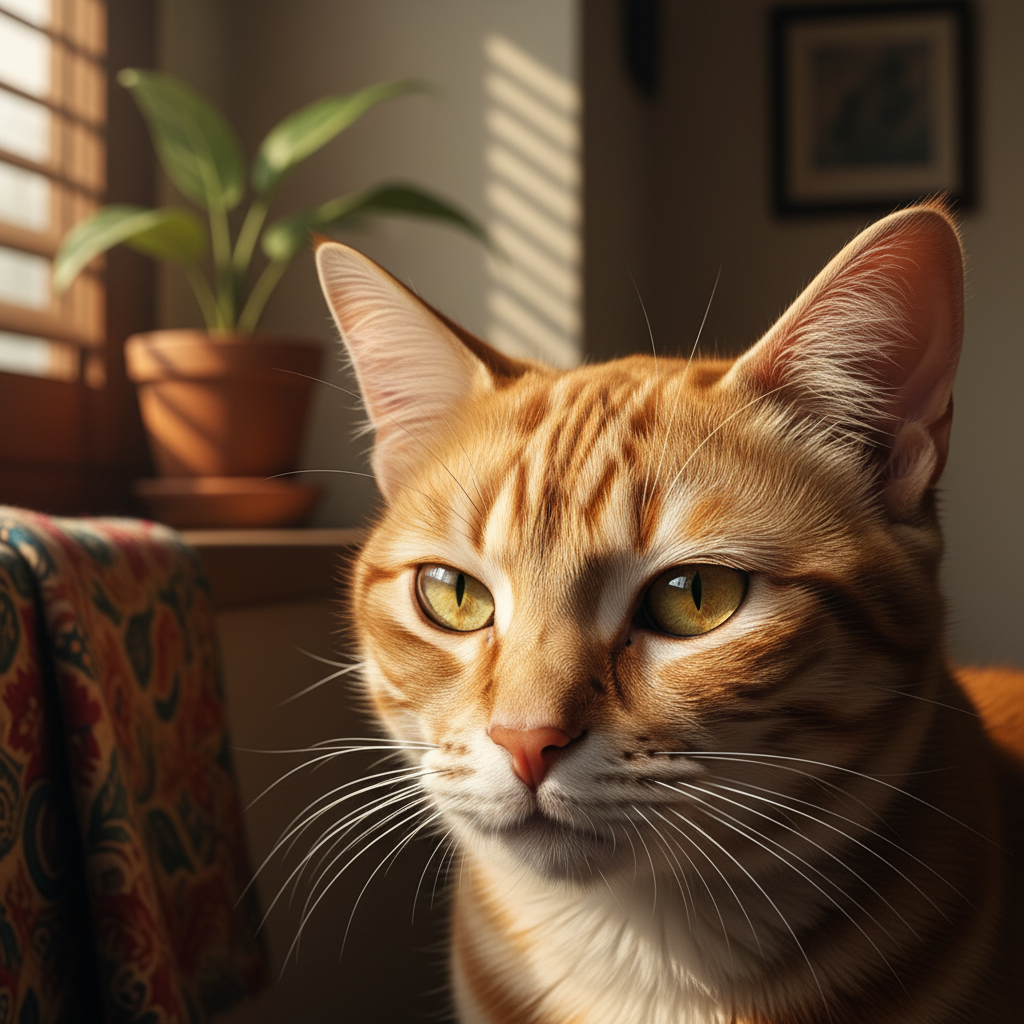
Our house cats descended from the African Wildcat, a creature built for dry environments. Because of this, their kidneys are incredibly efficient at concentrating urine. While a human's urine specific gravity (SG) usually sits around 1.002 to 1.030, a healthy cat's urine SG is often 1.035 or higher. They are designed to get water from their prey, not from drinking.
In a modern home, especially in Malaysia where we often feed dry kibble, this 'low thirst drive' is a trap. If your cat isn't drinking enough, that highly concentrated urine turns into crystals. You can use our hydration calculator to see if your cat is meeting its daily goals. If they aren't, those crystals can lead to painful blockages—an emergency no cat parent wants to face.
The Science of Whisker Fatigue
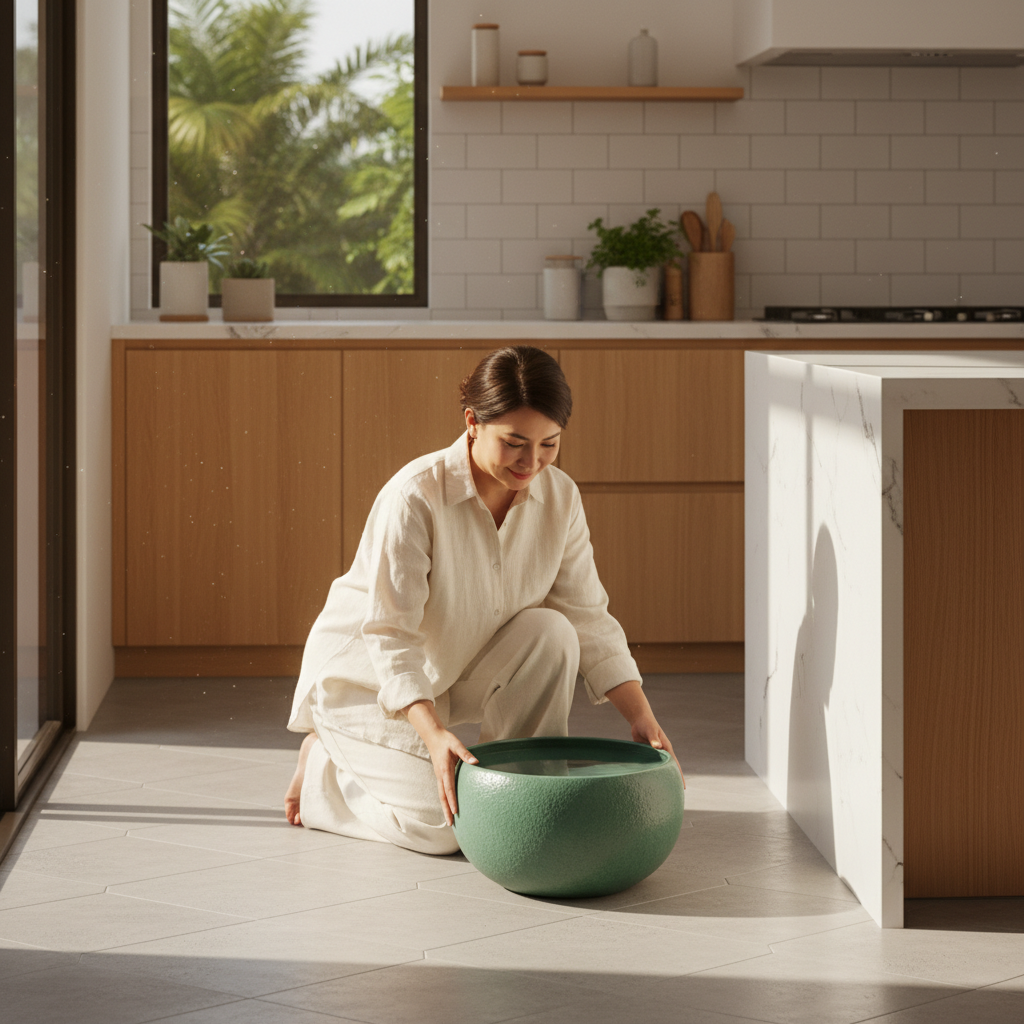
Have you noticed your cat scooping kibble out of the bowl with their paw? Or refusing to drink unless the bowl is overflowing? This isn't just a quirk; it’s likely 'Whisker Fatigue.' A study by Washington State University found that 63% of cats preferred whisker-friendly plates over standard deep bowls.
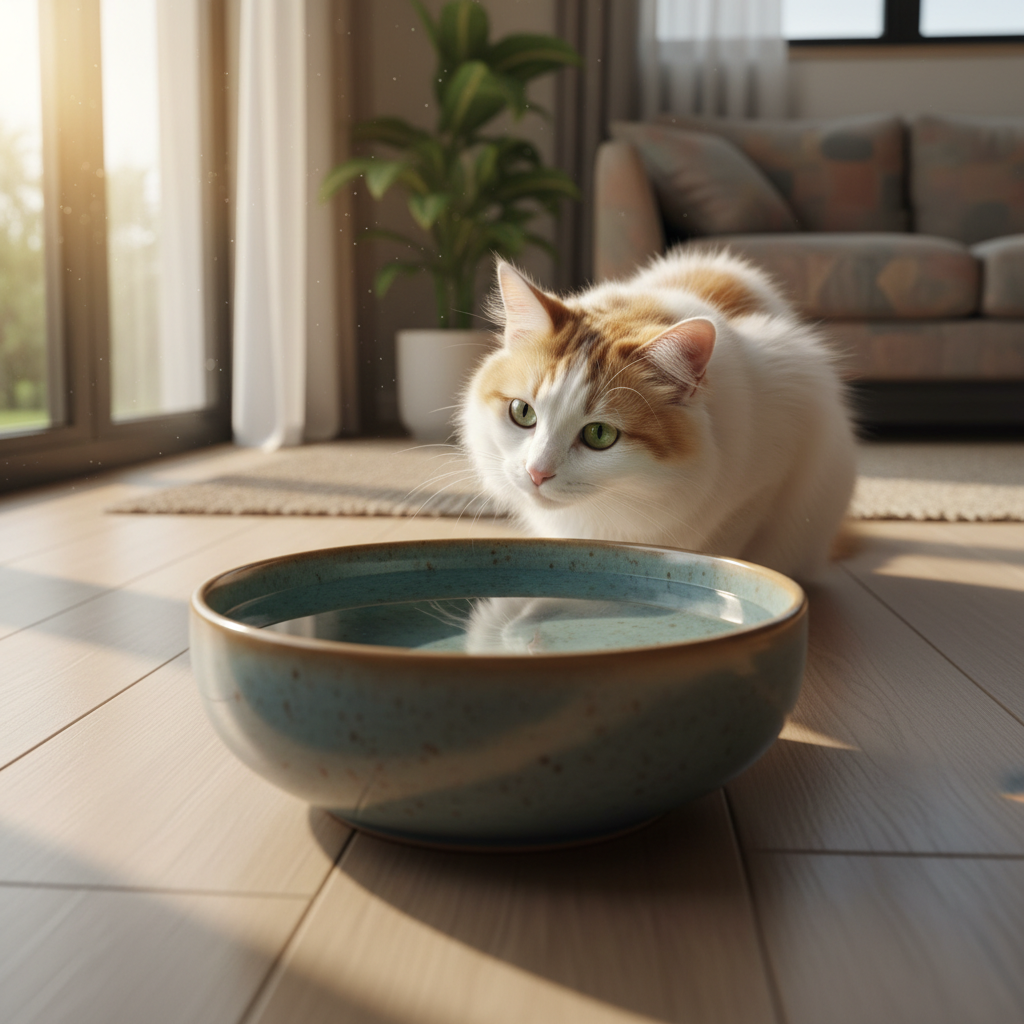
Cat whiskers are incredibly sensitive sensory organs connected to the brain's barrel cortex. Every time they touch the side of a narrow bowl, it’s like a constant 'noise' in their head. The toilet bowl, despite being gross to us, is wide and open—no whisker touching allowed. To help them out, try using a flat plate or a wide ceramic bowl at least 15cm in diameter.
The Chlorine Trap & Biofilms
In Malaysia, our tap water is heavily chlorinated. To our human noses, it's faint. To a cat with 200 million olfactory receptors, it can be overwhelming—or oddly enticing. Interestingly, some cats are attracted to the smell of bleach because it contains chemicals that 'mimic' feline pheromones. This is why some cats roll around on freshly mopped floors!
But the real danger in Malaysian heat (30°C+) is biofilm. Bacteria like Pasteurella can form a slippery film on the bowl's surface in just 24 hours. To a cat, that smells like 'poisoned water.' They'd rather drink the frequently flushed (and therefore fresher) toilet water. If your cat is showing signs of urinary distress, use our Urinary Health Checker immediately.
Source | Cat's Perspective | Risk Level |
|---|---|---|
Still Bowl | Old, smelly, whisker pain | High (Crystals) |
Fountain | Moving, oxygenated | Low (If cleaned) |
Toilet | Cold, wide, fresh flow | Critical (Toxic) |
The Time I Tried to 'Force' Drinking
I'll be honest—I used to be that person who put the water bowl right next to the food. It makes sense, right? Kitchen for eating, kitchen for drinking. But my cat, Lion, kept ignoring it and drinking from the leaky tap in the bathroom instead. I thought he was just being difficult.
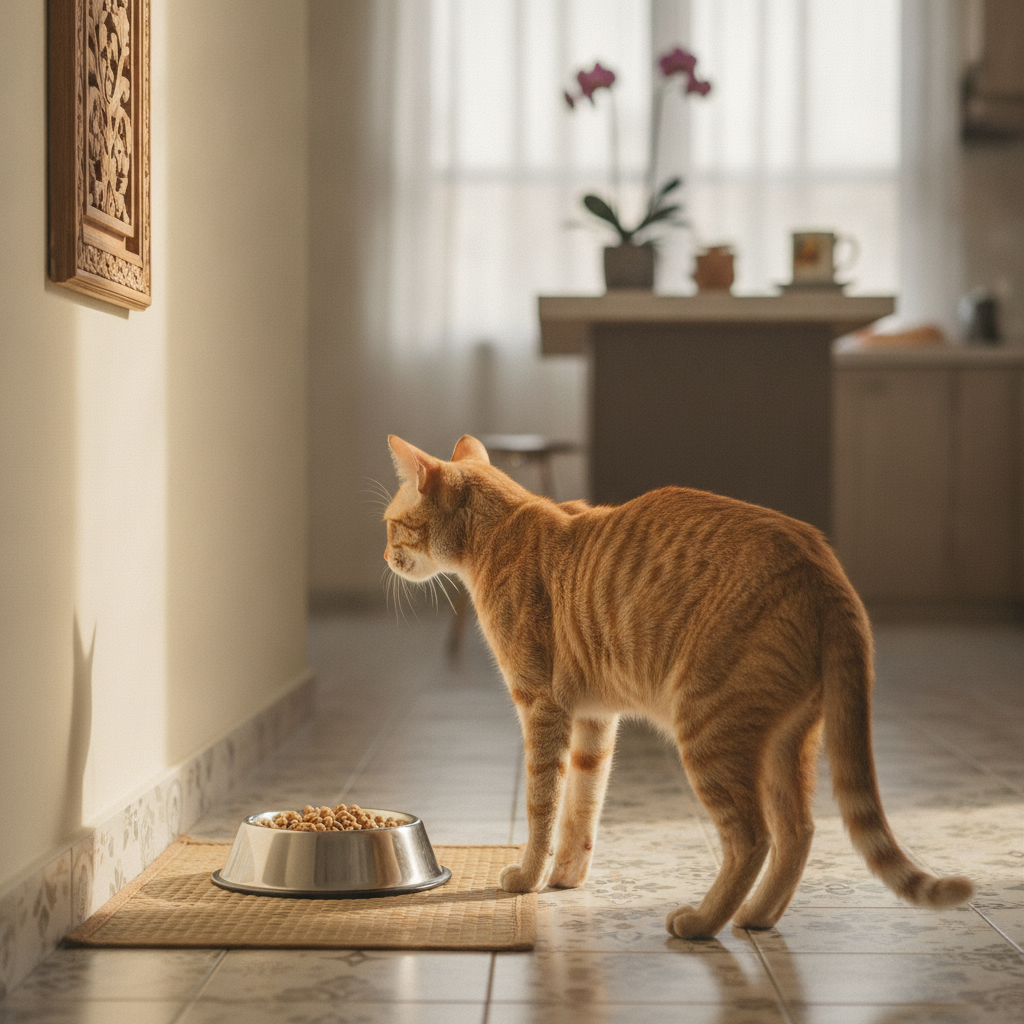
Then I learned about their 'puddle' instinct. In the wild, cats avoid water near their kill because it might be contaminated by the carcass. By putting the water next to the food, I was telling Lion's brain that the water was 'dirty.' The moment I moved the bowl to the hallway, two meters away from the food, he started drinking. Sometimes, we're the ones who need training, not the cats.
Stop Counting Sips, Start Counting Clumps
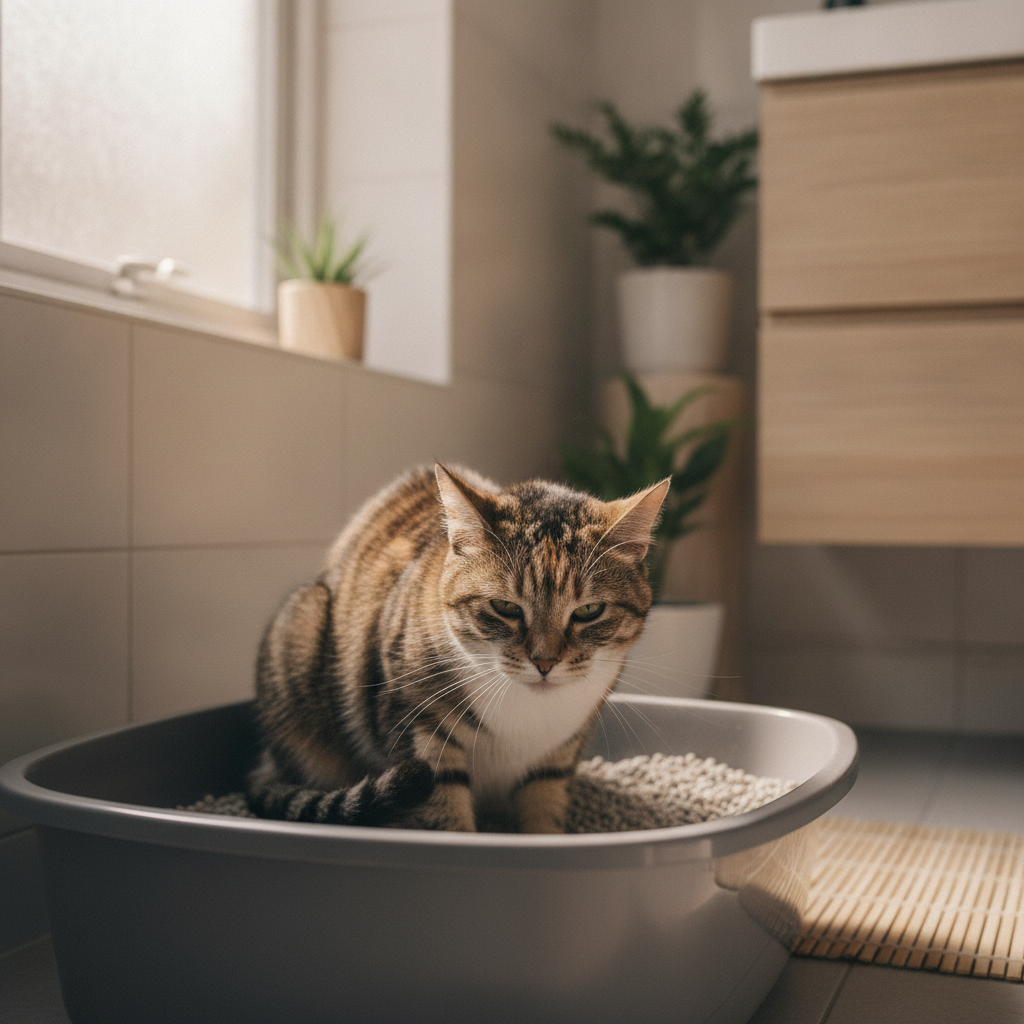
Since we can't follow our cats around with a measuring cup, we have to look at the 'output.' A healthy cat should produce about 2-4 tennis-ball-sized clumps per day. If the clumps are getting smaller, your cat is silently dehydrated.
This is where litter choice matters. Ping'An is super sensitive to dust, but we also needed something that would show us problems early. That’s why we created Liger Tofu Cat Litter with occult blood detection. If your cat develops microscopic bleeding from low-water-related bladder irritation, the particles turn blue. It’s an early warning system that saved us a trip to the emergency vet more than once. Plus, it has a mild milk scent that masks smells without irritating sensitive noses like Ping'An's.
Drinking from the toilet isn't a sign of a 'broken' cat; it's a cry for fresh, wide, and cold water. By respecting their whiskers and their desert DNA, we can prevent serious kidney issues before they start. Keep the toilet lid closed, but keep the water options open.
Your Monday Morning Action: Put a wide ceramic water bowl in a completely new spot tonight—like your bedroom or the hallway corner. Watch if your cat visits it more often than the old spot near their food.