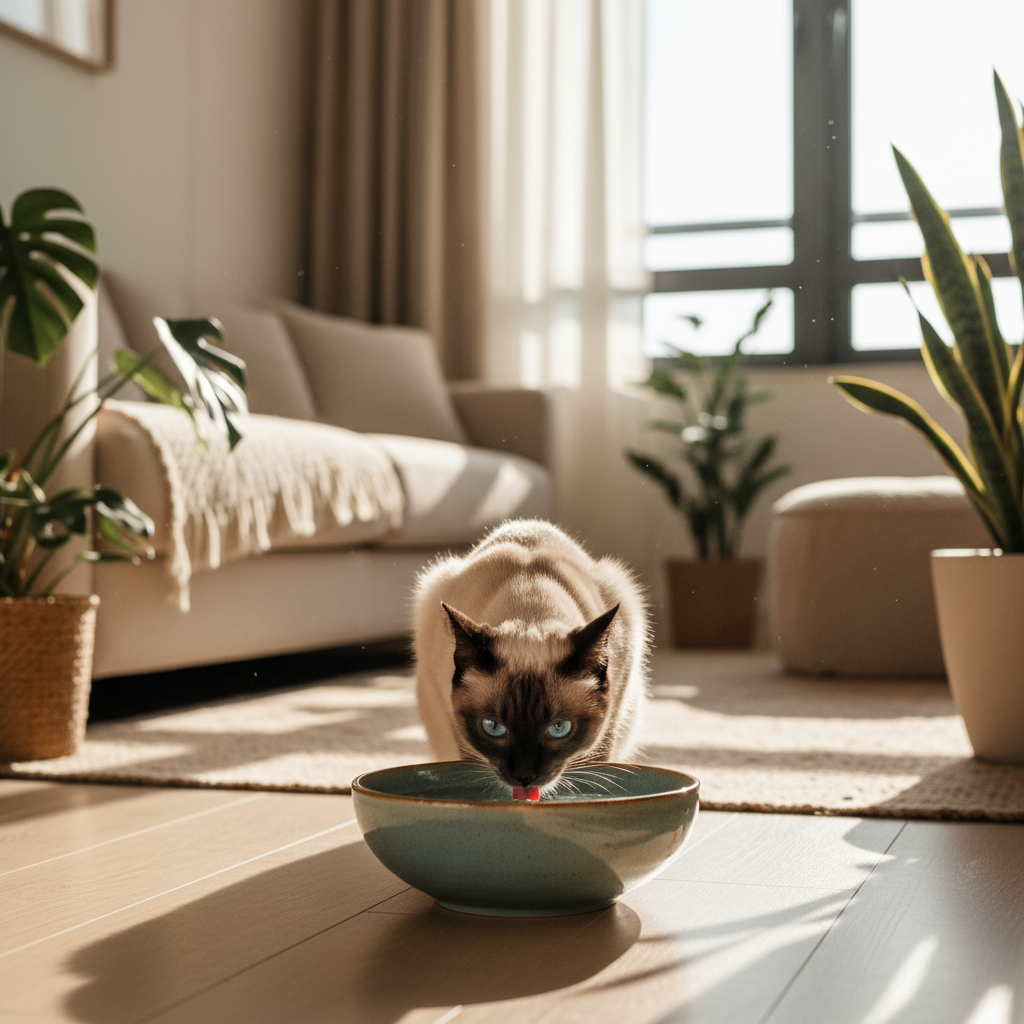
Most cats need 50-60ml of water per kg of body weight daily.
By the time a cat feels 'thirsty,' they are already 3-5% dehydrated.
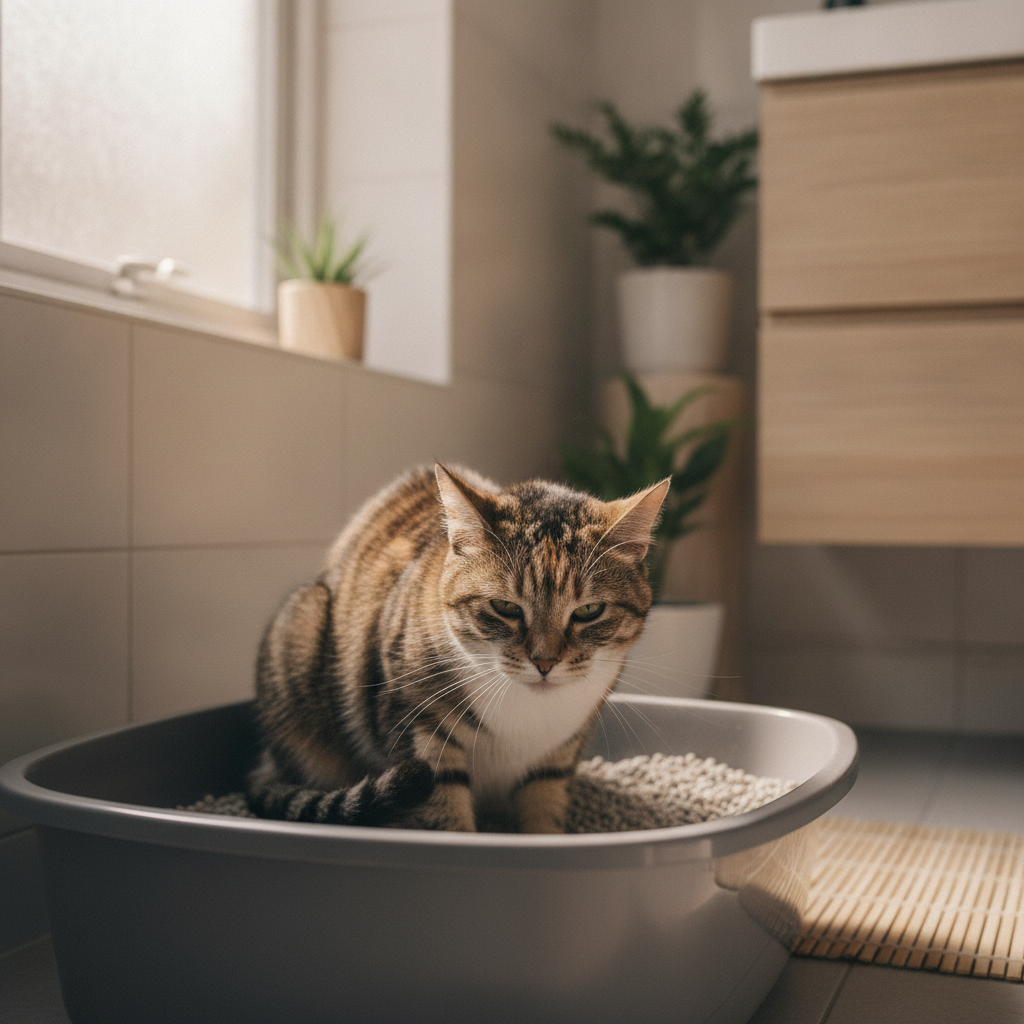
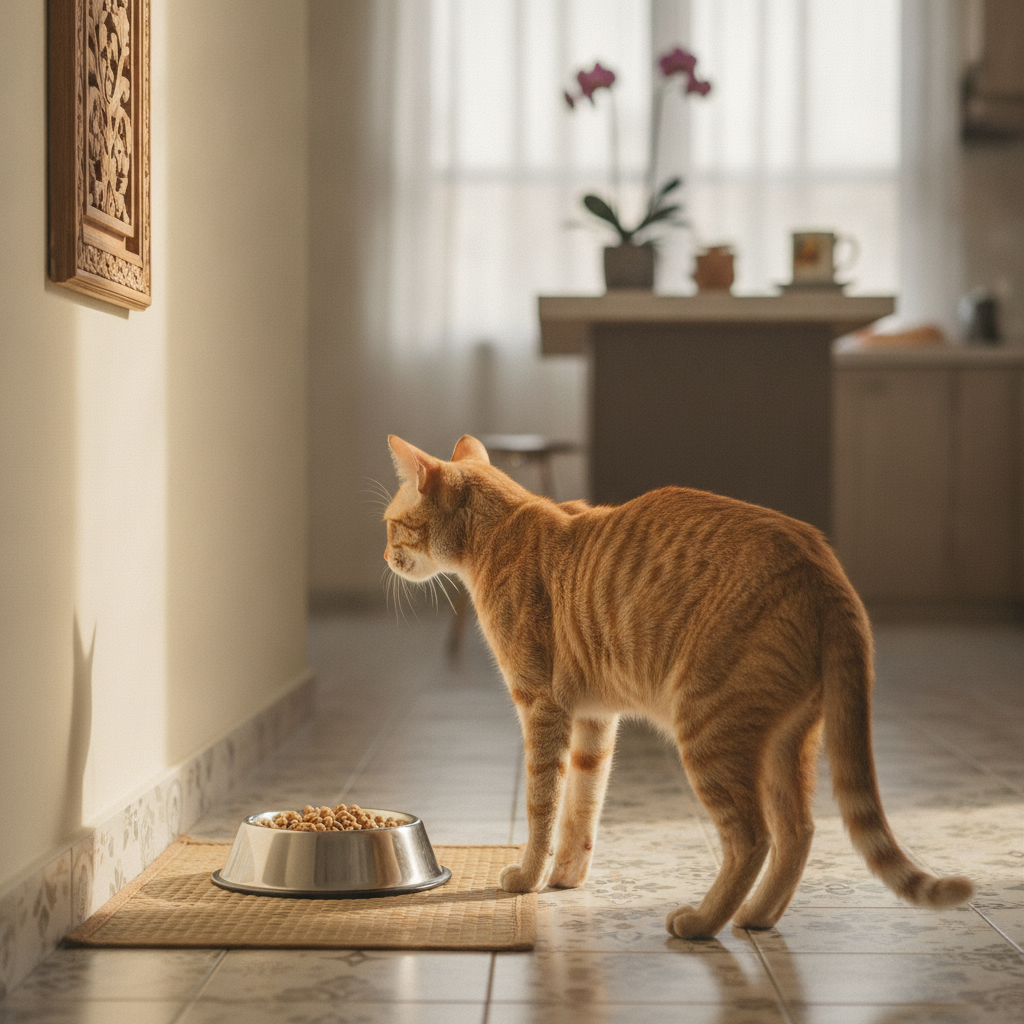
Never place water bowls next to food or litter boxes (it's an instinct thing).
Monitor hydration by checking for 'tacky' gums or slow-rebounding skin.
Your cat’s kidneys are failing. Right now. Silently. By the time you notice your cat acting 'a bit tired,' they might have already lost 75% of their kidney function. It’s a terrifying thought, especially for us here in Malaysia where the tropical heat turns water bowls into lukewarm bacterial tea within hours.
Cats are desert creatures by design. They have an incredibly low thirst drive, meaning they don't feel thirsty until it's almost too late. If you're relying on your cat to 'just go drink when they need it,' you're playing a dangerous game with their health.
The Math: Exactly How Much Should They Drink?
Forget the 'one bowl is enough' rule. It’s a myth. Most adult cats need roughly 50-60ml of water per kilogram of weight. So, if your cat is a healthy 4kg, they need 240ml of water a day. That's about one full standard mug.
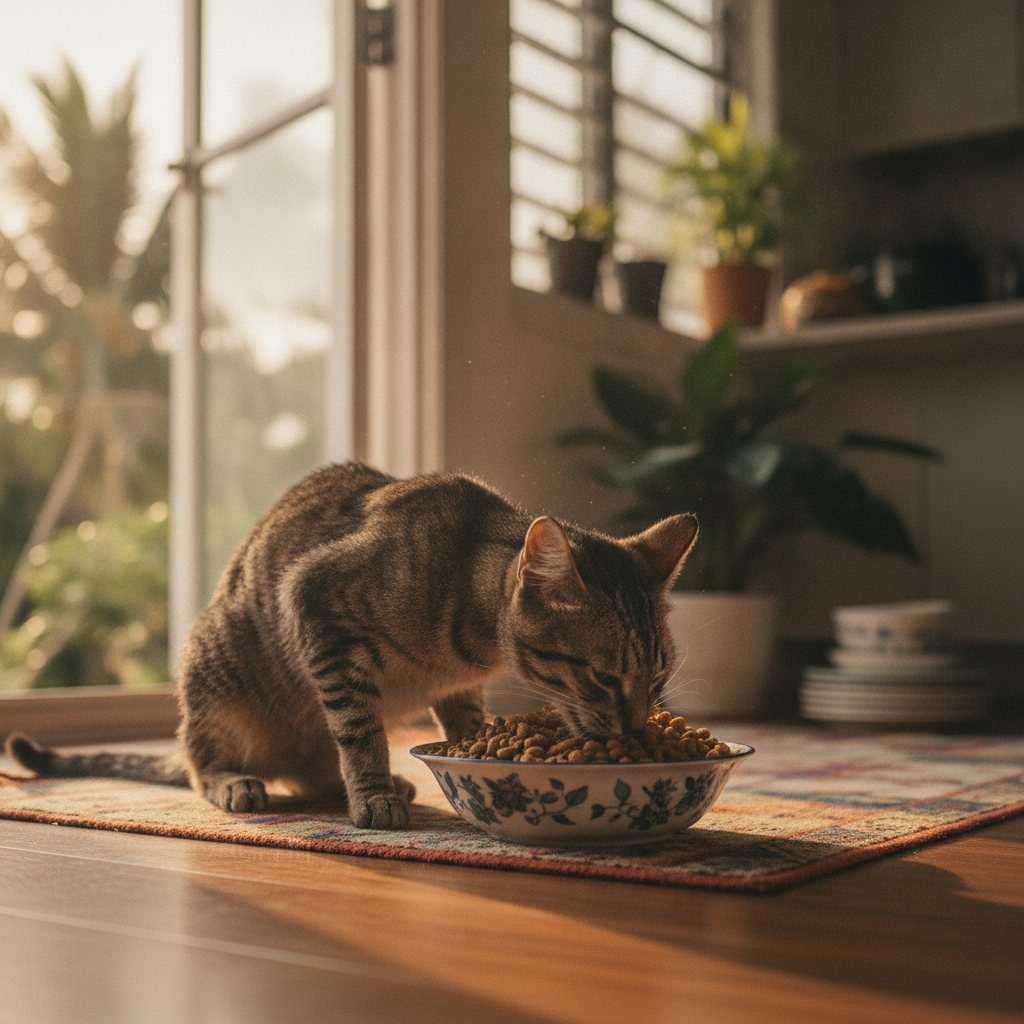
The problem? If you feed dry kibble, they only get about 6ml of water from their meal. The remaining 234ml? That’s up to them (and you). You can calculate your cat's exact water needs using our hydration tool to see how much they're missing.
| Cat Body Weight | Total Daily Water Requirement | Approx. Volume |
|---|---|---|
| 3 kg | 180 ml | ~ 0.7 cups |
| 4 kg | 240 ml | ~ 1 cup (standard mug) |
| 5 kg | 300 ml | ~ 1.2 cups |
| 6 kg | 360 ml | ~ 1.5 cups |
| 7 kg | 420 ml | ~ 1.7 cups |
Whisker Fatigue and Placement Feng Shui
Why does your cat ignore the expensive ceramic bowl you bought? It might be 'Whisker Fatigue.' Imagine someone poking your face every time you tried to take a sip of coffee. That’s how a deep, narrow bowl feels to a cat. Their whiskers are sensitive radars; if they hit the sides of the bowl, it’s stressful.
Also, stop putting the water next to the food. In the wild, cats avoid water near their 'kill' because of potential contamination. Move the water station at least 1 meter away. And please, keep it far from the litter box—nobody wants to drink next to their toilet. Speaking of toilets, if your cat's chin looks messy, check if you're using plastic bowls which harbor bacteria, leading to feline chin acne.
| Feature | Recommended (Good) | To Avoid (Bad) | Reason (Why?) |
|---|---|---|---|
| Material | Ceramic / Glass / 304 Stainless Steel | Plastic | Plastic easily scratches, harbors bacteria (leading to Feline Acne), and absorbs odors which cats dislike. |
| Shape | Wide & Shallow | Deep & Narrow | Prevents whisker fatigue. Deep bowls press against sensitive whiskers, causing discomfort and stress. |
| Height | Elevated (with stand/high feet) | Floor Level | Slightly elevated (at elbow height) protects the cervical spine, especially beneficial for older cats, and helps prevent reflux. |
| Cleaning | Daily cleaning + water change | Just topping up water without cleaning | The slippery film on bowl walls is biofilm, full of bacteria. Must be scrubbed daily. |
The Time I Almost Missed the Signs
I’ll be honest—I used to think my cat was just a 'light drinker.' I was proud of how little mess she made. Then, during a routine vet visit, the doctor lifted her lip and touched her gums. They were tacky. Like the back of a Post-it note. My heart sank. I'd been bragging about her 'good behavior' while she was actually suffering from mild, chronic dehydration. I realized that as a cat parent, my job wasn't just to provide water, but to make it irresistible. If your cat is picky about food too, you might want to look at the pros and cons of wet food to boost their intake.
Malaysian 'Cheat Code' Hydration Hacks
Since we live in a giant sauna, use it to your advantage. Here are three things I do:
The Ice Cube Play: Drop 2-3 ice cubes in a wide bowl. The clinking sound and the floating movement trigger their hunting instinct. They’ll lick and paw at it, drinking a ton of water in the process.
Chicken Soup Ice Blocks: Boil some chicken breast (NO salt, NO onions). Freeze the broth in trays. Throw one cube into their water daily. It’s like a flavored Slurpee for cats.
The Multi-Station Strategy: Don't make them travel to find water. Place cups near their favorite sleeping spots. If they wake up and see water 10cm away, they’re much more likely to take a sip.
For monitoring, I personally use Liger Tofu Cat Litter. Because it clumps so well, I can actually count the 'pee balls' every morning. A healthy cat should produce 2-3 tennis-ball-sized clumps. If they're small like grapes, I know I need to step up the hacks.
Water is the cheapest medicine for your cat's kidneys. You don't need a fancy expensive fountain (though it helps!), you just need to understand their biological quirks and outsmart them.
Your Monday Morning Action: Gently lift your cat's lip and press your finger against their gums for 2 seconds. If it feels sticky or 'tacky' like tape, they are dehydrated. Start the Ice Cube Hack immediately.