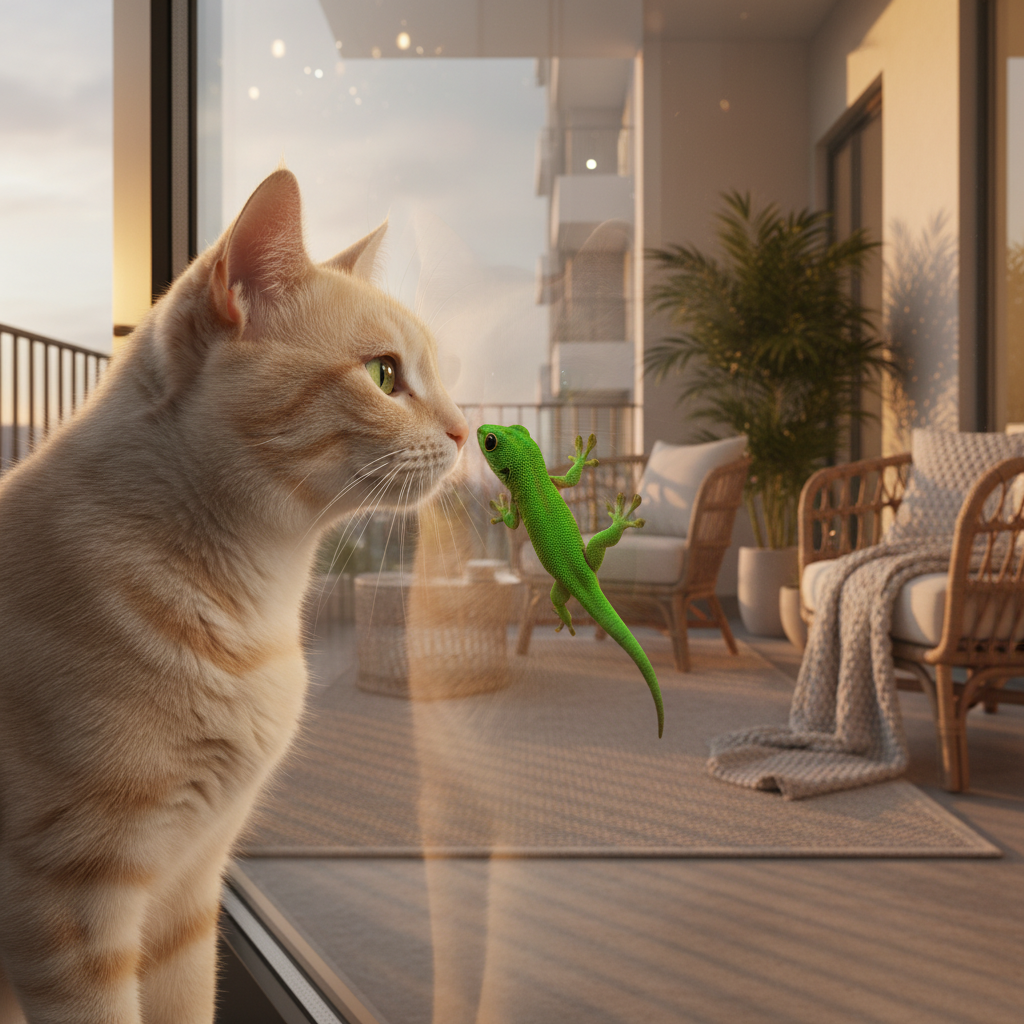
Geckos are the primary vector for liver flukes, which can cause fatal liver failure in cats.
Cockroaches often carry high concentrations of insecticides that cats cannot naturally detoxify.
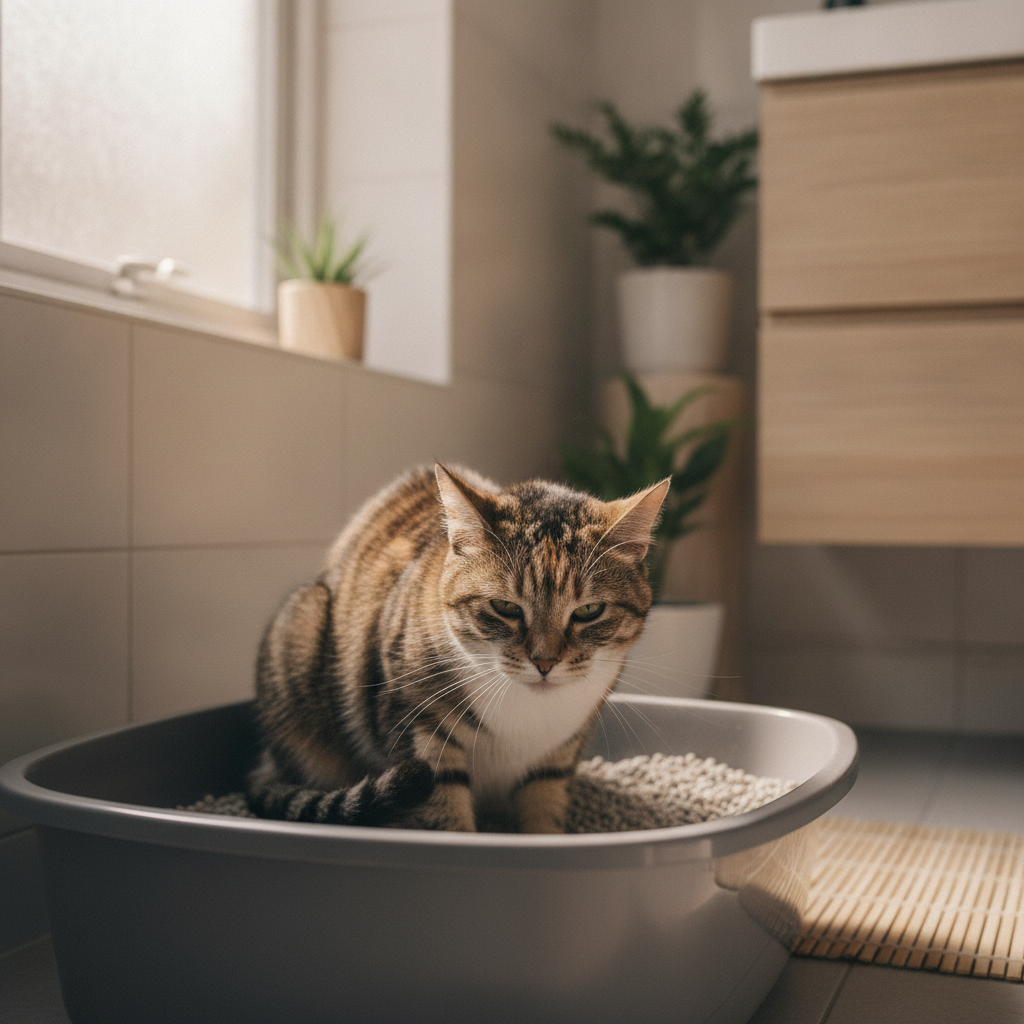
Bilirubinuria (orange urine) is an early warning sign of liver damage that is easier to spot on light-colored tofu litter.
Routine deworming with specific high-dose protocols is necessary if your cat is an active hunter.
It’s 2 AM. You hear a sharp crunch coming from the kitchen. You flip the lights and find your cat proudly standing over a headless common house gecko (cicak). For many Malaysian cat owners, this is just another night. We’ve been told cats are natural hunters, and a few bugs are just 'extra protein,' right?
Actually, that tiny gecko or twitching cockroach is more like a biological landmine. From devastating liver parasites to secondary insecticide poisoning, these household pests pose risks that go far beyond a messy floor. Understanding these threats is the first step in moving from reactive vet visits to proactive care.
The Cicak Trap: Liver Flukes and 'Lizard Poisoning'
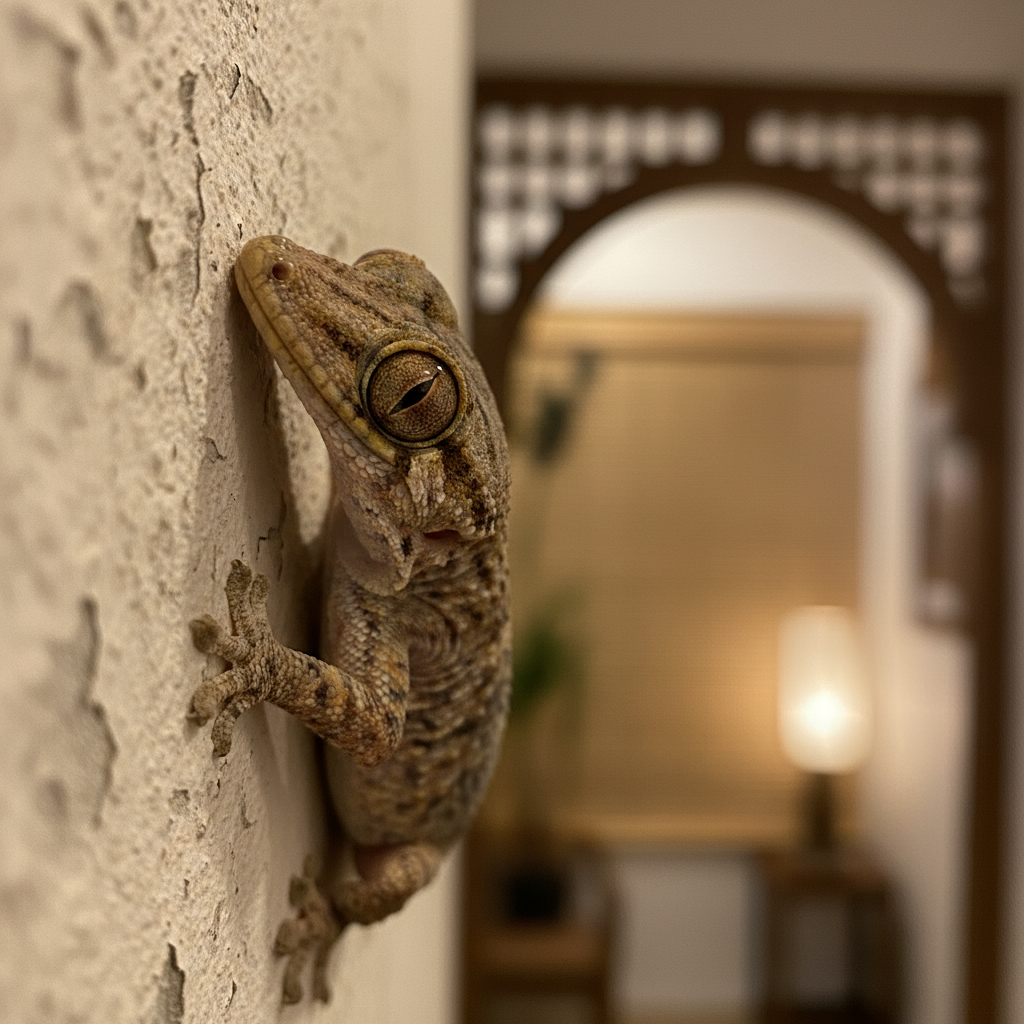
In the Malaysian urban ecosystem, the common house gecko is the ultimate 'Trojan Horse.' While the gecko itself isn't toxic, it is a carrier for Platynosomum fastosum, a liver fluke that thrives in our tropical humidity. Studies in Southeast Asia show that Wild geckos as Salmonella reservoirs are common, but the fluke is the real silent killer.
When your cat eats an infected gecko, the parasite larvae migrate from the stomach straight to the bile ducts. Once there, they cause a slow-motion disaster: Biliary Hyperplasia. The bile ducts thicken, the liver stiffens (cirrhosis), and eventually, bile cannot exit the liver. This leads to jaundice—that scary yellow tint in the eyes and gums.
Because Tiger has congenital heart disease, we've learned to be hyper-vigilant about any stress on his internal organs. A parasite infection like this would be catastrophic for a cat whose system is already working overtime. If your cat is an outdoor hunter, you should consult our flea and worm checker to assess their risk profile.
The 'Acholic Stool' Indicator
One of the weirdest signs of a heavy liver fluke infection is pale, clay-colored stool. Because bile pigments are blocked from entering the intestines, the poop loses its normal brown color. This is why we tell people to actually look at what they are scooping! You can read more in our feline poop guide to see what 'normal' should look like.
Cockroaches: The Sponge for Insecticides
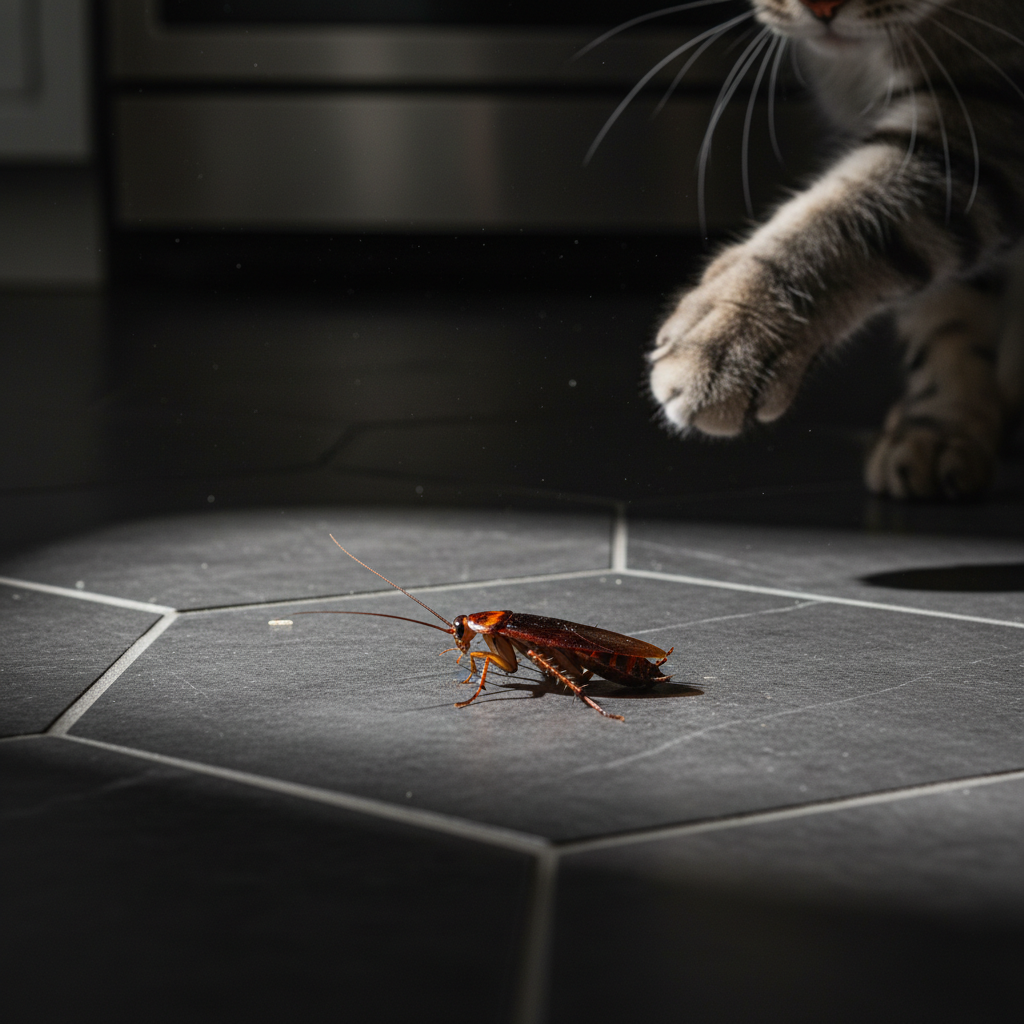
Cockroaches are resilient, but the sprays we use to kill them are lethal to cats. Most Malaysian households rely on aerosol sprays containing synthetic pyrethroids (like Permethrin or Cypermethrin). Here is the kicker: Feline pyrethroid sensitivity is a genetic reality. Cats possess a defective gene (UGT1A6) that makes it nearly impossible for their livers to detoxify these chemicals.
When a cockroach is sprayed, it doesn't die instantly. It twitches. That twitching movement triggers a cat’s predatory drive. They catch the 'soaked' roach, ingest the toxin from the exoskeleton, and within hours, they can experience tremors, seizures, or profuse drooling.
Control Method | Risk Level | Mechanism of Danger |
|---|---|---|
Aerosol Sprays | CRITICAL | Roaches are 'wet' with toxin; cats ingest concentrated liquid. |
Bait Stations | MODERATE | Lower toxin concentration, but cats may try to eat the bait itself. |
Boric Acid Powder | HIGH | Cats walk through powder and groom it off their paws (renal risk). |
I Thought Orange Pee Was 'Just Dehydration'
I'll be honest—I used to be a very casual cat parent. Years ago, I saw an orange-ish tint in my cat's litter box and just thought, "Oh, he needs to drink more water." I even looked up a hydration calculator to try and fix it myself. I had no idea that bilirubinuria (bilirubin in the urine) is always pathological in cats. Unlike dogs, a cat's urine should never be orange. By the time I took him to the vet, his liver enzymes were off the charts. It was a stressful, expensive month of treatment that could have been avoided if I'd known that color change was a red flag for liver flukes. Now, I obsess over the color of what’s in the litter box.
The Power of Visual Diagnosis
This is where your choice of litter becomes a medical tool. Standard grey clay litter hides everything. But a light-colored substrate, like Liger’s tofu-based cat litter, acts like a diagnostic canvas. Because it's made from 100% natural tofu, it's safe if a nauseous cat (who might exhibit pica) tries to nibble it.
More importantly, the built-in health indicators can signal early urinary pH changes or microscopic blood (hematuria). If your cat has been hunting roaches and develops 'toxic cystitis,' the litter turning blue or green gives you a 48-hour head start before the situation turns critical. Ping'An, who is extra sensitive to dust, loves it because it's 99% dust-free, which is vital if a cat is already struggling with insecticide-induced respiratory distress.
Your cat isn't hunting geckos to be naughty; they are following an involuntary biological imperative. However, in the Malaysian urban 'jungle,' these hunts have high stakes. By keeping cats indoors during dawn and dusk (peak gecko hours) and switching to non-toxic pest control like glue traps, you can break the cycle of infection and toxicity.
Your Monday Morning Action: Tonight, after your cat uses the litter box, don't just scoop and flush. Take five seconds to look at the color of the clump. If it looks orange or if the stool is unusually pale, call your vet. Don't wait for them to stop eating.