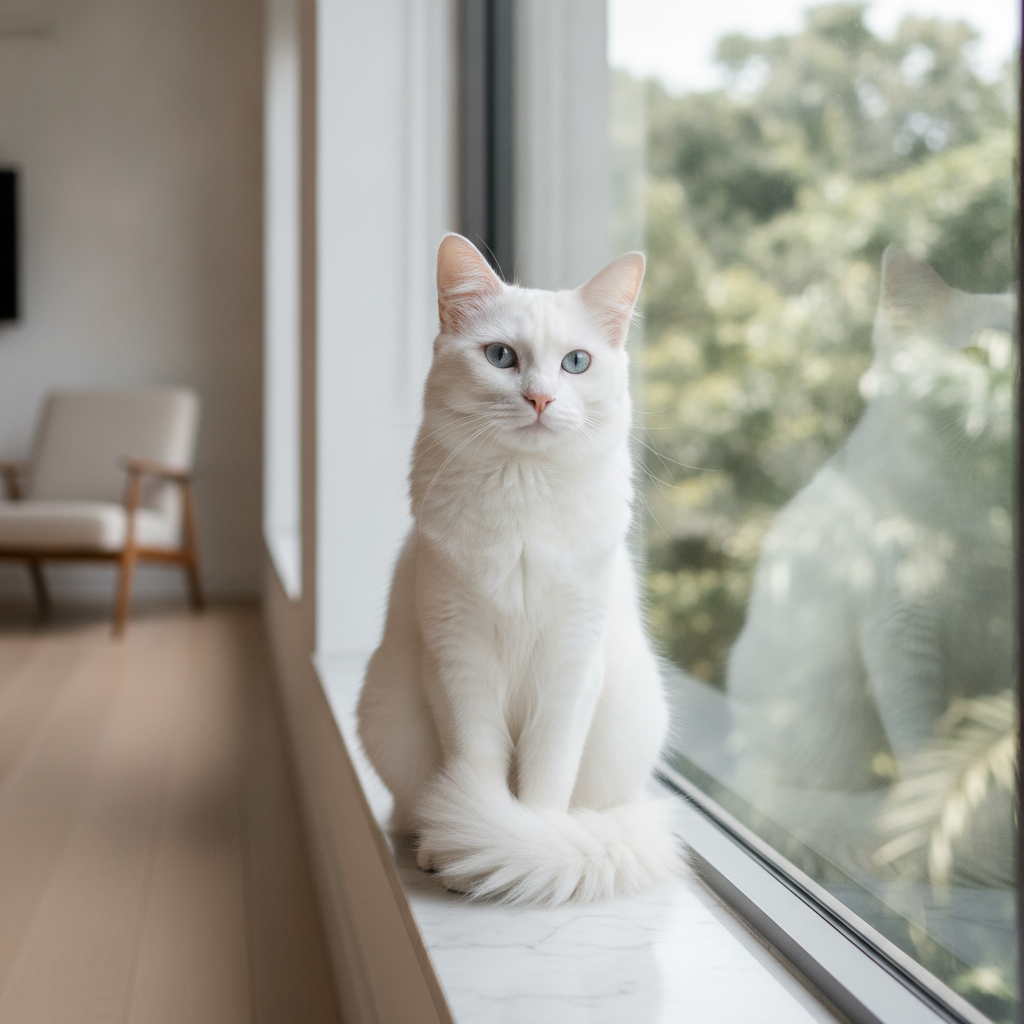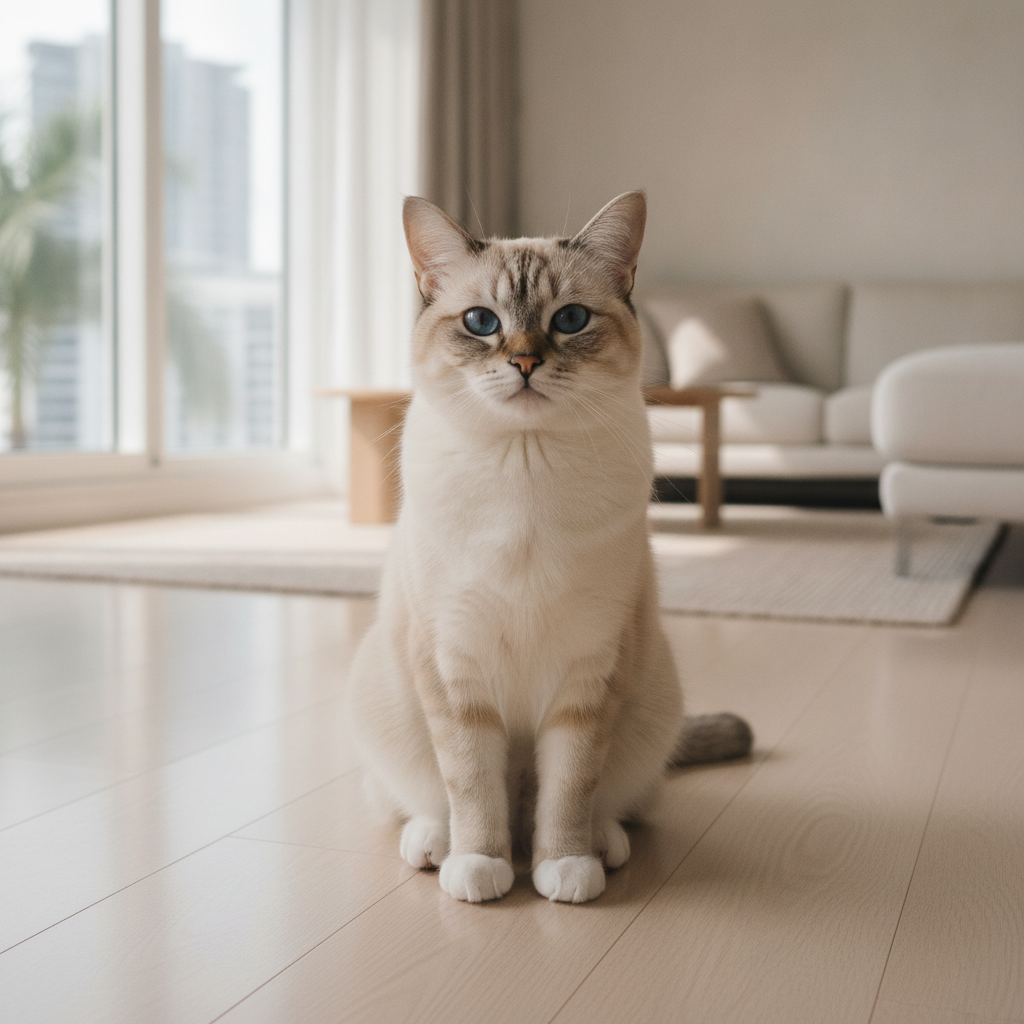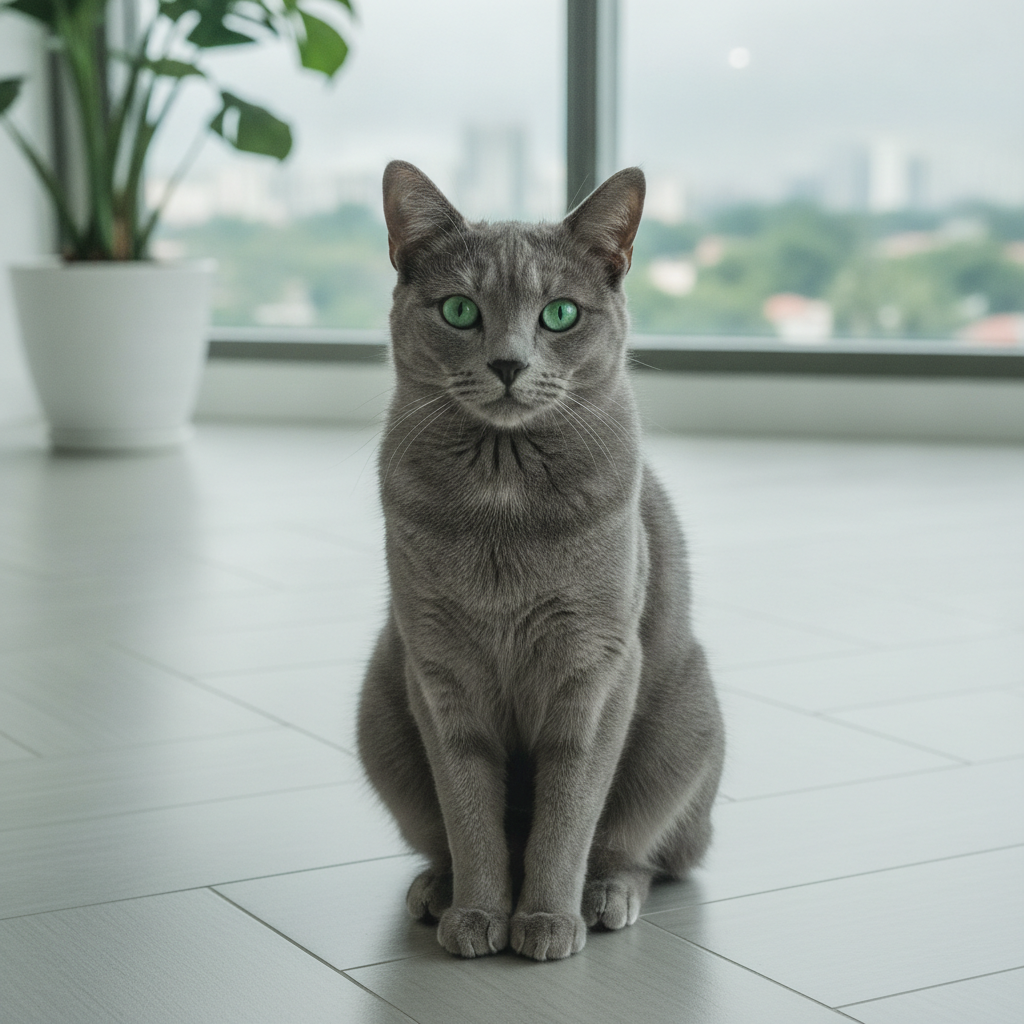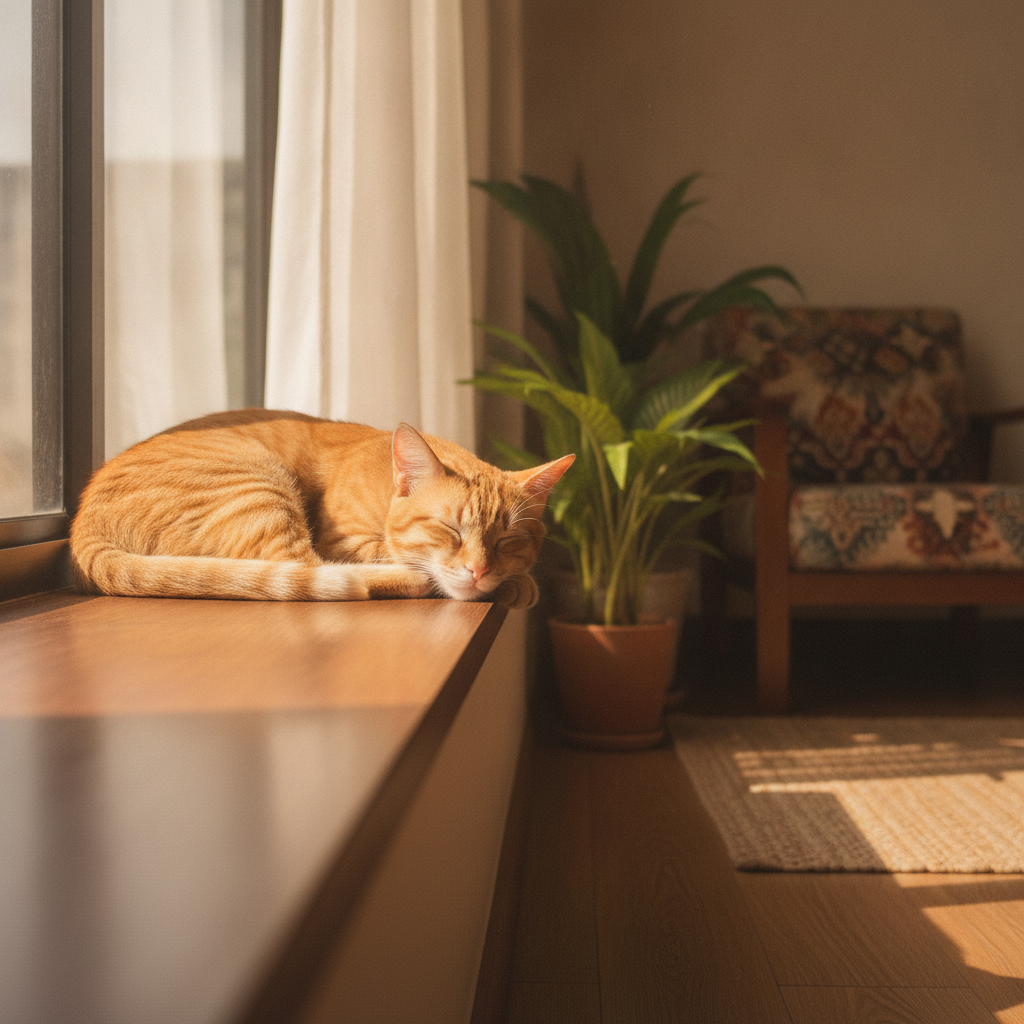
You work from home and your cat has, by your count, been asleep since breakfast. It's now mid-afternoon. Is something wrong? Almost certainly not — cats are world-champion sleepers by design, and a snoozing cat is usually a perfectly healthy one. But sleep is also one of the most reliable health dashboards a cat owner has, so knowing what's normal — and what isn't — genuinely matters.
This guide covers how much sleep is normal at every age, why cats sleep so much, and the warning signs that tip "healthy rest" into "see a vet." It's part of our Malaysian guide to cat behaviour. (If your problem is the opposite — a cat that won't let you sleep — head to the 3am midnight crazies instead.)
Your Cat Isn't Lazy — It's an Obligate Carnivore
All that sleeping isn't indulgence; it's biology. Cats are obligate carnivores, built to run on a very high-protein diet and to hunt in short, explosive bursts — stalk, chase, pounce, kill. That hunting style is metabolically expensive, so evolution wired cats to bank energy the rest of the time by sleeping. As PetMD explains, those long naps are an energy-conservation strategy inherited from wild ancestors who couldn't waste a single calorie between hunts.
So the "lazy cat" stereotype gets it backwards. A cat sleeping 14 hours a day isn't being slothful — it's doing exactly what a small, efficient predator is supposed to do, even when its only "prey" is a feather wand and dinner comes from a pouch.
How Much Sleep Is Normal?
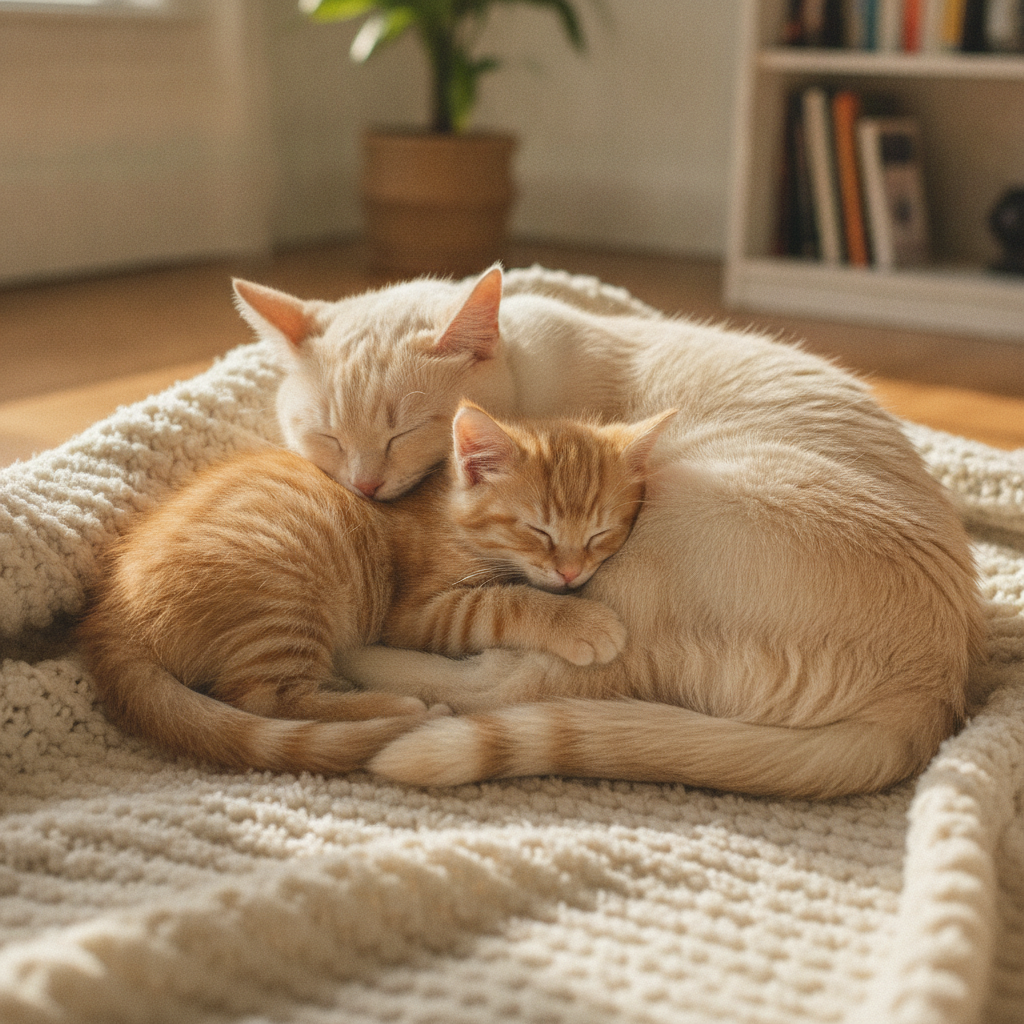
The honest answer: a lot, and it changes across a cat's life. The very young and the very old sleep the most.
| Life stage | Age | Average daily sleep |
|---|---|---|
| Newborn kitten | 0–2 weeks | ~22 hours |
| Kitten | 3–6 months | 18–20 hours |
| Adult | 1–10 years | 12–16 hours (up to 18) |
| Senior | 11+ years | 16–20 hours |
Newborn kittens sleep almost the entire day because that's when their bodies build bone, muscle and immunity. Healthy adults settle into a 12–16 hour baseline. Then in the senior years sleep creeps back up as metabolism slows. The key word is baseline: there's no single "correct" number, so what matters is your individual cat's normal — and any big change from it.
Crepuscular, Not Nocturnal
Here's a myth worth busting: cats are not nocturnal. They're crepuscular — hardwired to be most active at dawn and dusk. As veterinary sources explain, this is a hunting adaptation: their prey (rodents, birds) is busiest at twilight, and the low light suits a cat's eyes while sparing it the midday heat — a real advantage in Malaysia's climate.
This is why your cat naps through the lazy afternoon and then detonates into a sprint around the flat at 6pm or 6am. Those "zoomies" are the crepuscular hunter waking up. Indoor cats can shift this rhythm somewhat to match your schedule — especially around consistent feeding and play times — but the underlying twilight clock never fully switches off. A cat sleeping all day and getting lively in the evening isn't broken; it's running ancient software.
Light Dozing vs Deep Sleep
Not all of that sleep is created equal. Most of a cat's "sleep" is actually light dozing — the famous catnap. In this state the body rests but the senses stay on guard: the ears still swivel toward sounds and the muscles are primed to launch instantly. It's how a creature that is both predator and prey rests without ever being truly defenceless.
Every so often a cat drops into genuine deep sleep — the REM stage where it fully relaxes, often rolling onto its side, with twitching paws and whiskers, flickering eyelids and the odd little chirp. Yes, as Purina notes, this is when cats almost certainly dream. This deeper sleep is the restorative kind, repairing the body and consolidating the brain, before the cat surfaces back into light doze. The constant cycling between the two is exactly why a "sleeping" cat can be wide awake and across the room in a heartbeat.
One thing also worth knowing for senior-cat owners: the quality of sleep changes with age, not just the quantity. Older cats get more total sleep but it's lighter and more fragmented, with less of that deep restorative REM — which is partly why an elderly cat can seem to nap constantly yet still be a little out of sorts. It's a normal part of ageing, but a sharp change is still worth a vet's attention.
When More Sleep Is a Red Flag
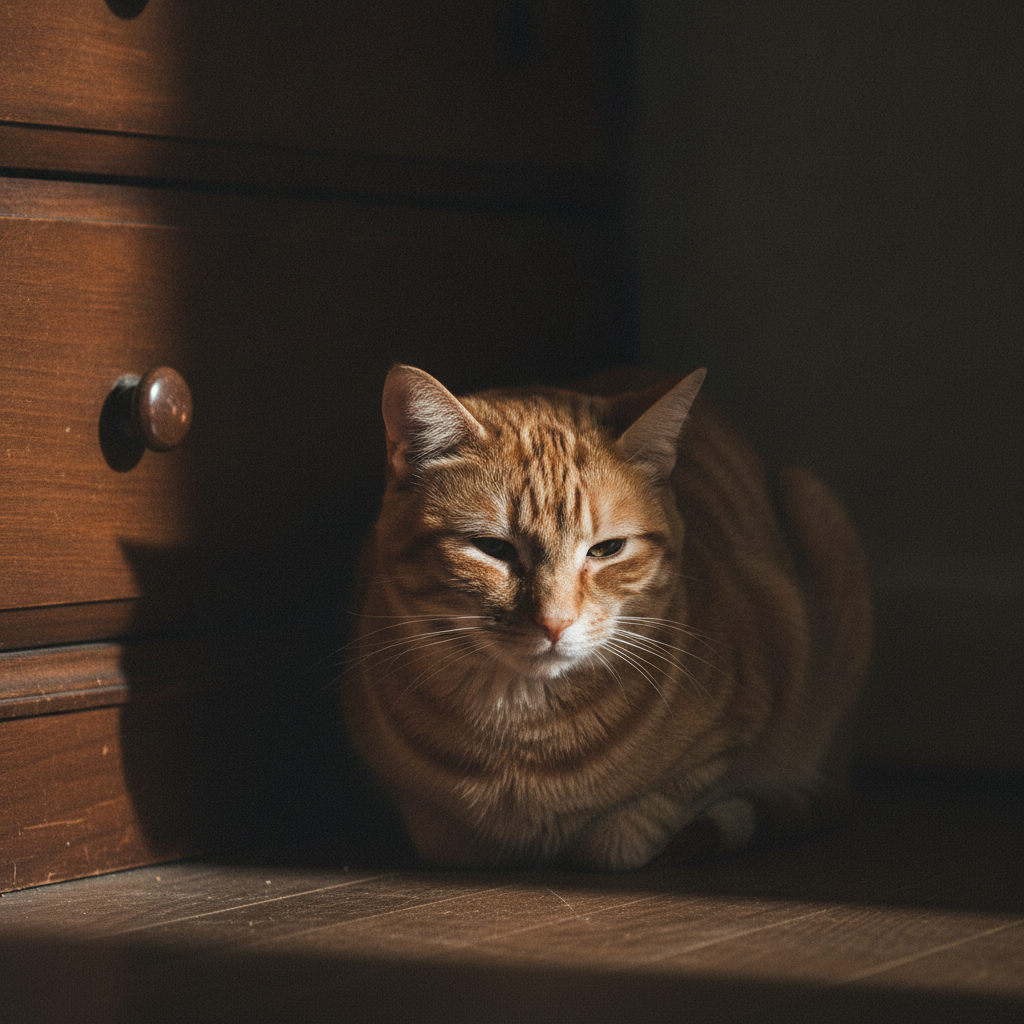
Because cats instinctively hide illness — a survival reflex from the wild — a change in sleep is often the first sign that something is wrong. The thing to watch isn't the raw number of hours; it's a sudden, sustained change from your cat's baseline, especially one lasting more than 24–48 hours. The crucial test, per MedVet, is how engaged your cat is when it is awake. True lethargy is different from being well-rested:
- Ignoring a favourite toy, treat, or the sound of the food bag — things that normally get an instant reaction
- Not greeting you at the door as it usually would
- Hiding away in new, isolated spots (a closet, under the bed) rather than its usual perch
- Sleeping tense and hunched in a "meatloaf" position, or constantly shifting as if it can't get comfortable — a classic sign of pain
- Sleep changes paired with reduced appetite, vomiting, changes in thirst, weight loss, or pale gums
A cat that's simply rested will perk up for a toy or a treat. A lethargic cat won't — and that apathy, more than the hours asleep, is your signal to call the vet.
The Hidden Illnesses Behind Too Much Sleep
When excess sleep is medical, it's usually one of a handful of culprits — most of which cats are expert at concealing until the sleeping gives them away:
- Chronic pain (arthritis). The single most common reason a cat slows down and rests more. It may also stop jumping to high spots and groom less. See our guide to spotting arthritis in senior cats.
- Obesity. A vicious cycle that Cornell's feline experts describe well — extra weight strains the joints, which discourages movement, which adds more weight. The cat isn't lazy; it's stuck in a loop. Our chonky cat slim-down guide helps break it.
- Depression and boredom. Environmental stress or an under-stimulating home can cause a cat to sleep more and withdraw from things it once enjoyed.
- Hyperthyroidism. Usually this makes cats hyper, but in around 10% of cases — "apathetic hyperthyroidism" — the strain on the heart and muscles instead leaves the cat exhausted and lethargic.
- Anaemia. Too few red blood cells means too little oxygen reaching the muscles and organs, causing profound weakness and a big increase in sleep. Per the Merck Veterinary Manual, it needs prompt investigation.
In senior cats, a flipped day-night cycle — sleeping deeply by day, then pacing and yowling at night — can also point to feline cognitive dysfunction (dementia) and is worth a vet chat.
Sleep Is a Health Dashboard — and So Is the Litter Box
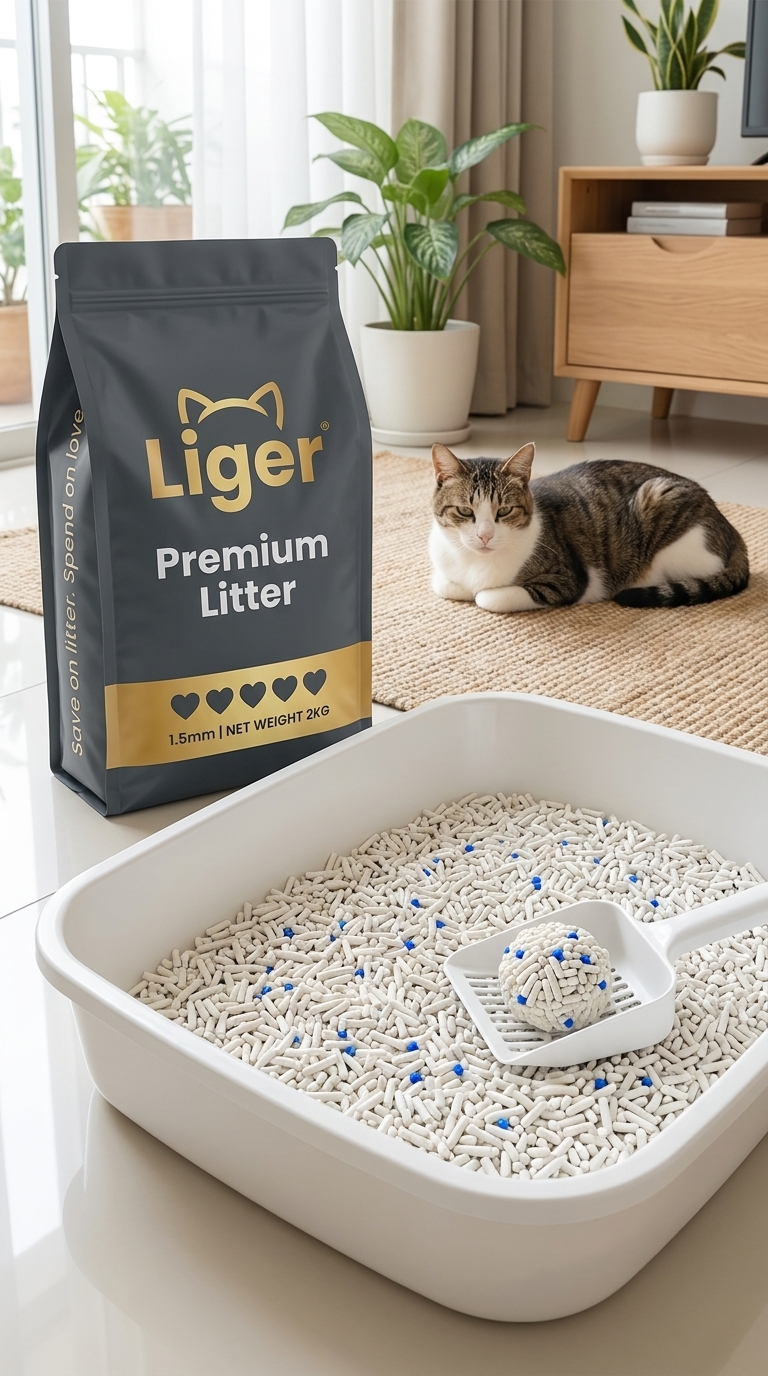
The practical takeaway is to treat your cat's sleep as a vital sign. You know its baseline better than anyone, so trust your gut when something shifts. And here's the useful part: sleep doesn't change alone. The same illnesses that make a cat sleep more — kidney disease, diabetes, hyperthyroidism, urinary problems, arthritis — almost always change its litter-box habits too. A lethargic cat that's suddenly weeing far more (or less), straining, or going outside the box is handing you a second, corroborating clue.
That's where a clean, monitorable litter setup earns its keep. A low-dust, firmly clumping litter like Liger Premium Tofu Cat Litter makes it easy to actually see changes in urine clump size and frequency — the early warning that pairs with the sleep change to get your cat to the vet sooner. Made from natural plant starch, it's also gentle and soft underfoot, which matters for the stiff, achy older cats who do most of the extra sleeping; pair it with a low-entry tray so a sore-jointed cat isn't put off using the box (more in best litter for senior cats). Liger runs from RM21.90 (2 kg) to RM169 for the 10-pack (about RM8.45/kg, free shipping in Peninsular Malaysia, current pricing as of May 2026); size your usage with the litter calculator.
So let your cat sleep — gloriously, unapologetically, fourteen hours a day. It's being the efficient little desert predator it was born to be, not the lazy layabout the stereotype suggests. Just keep a quiet eye on its personal baseline, pay attention to how it behaves in its waking hours, and glance in the litter box now and then. Healthy, easy rest is one of the best signs of a content cat; a sudden, unexplained change in it — in the sleep or in the tray — is one of the earliest signs that it's time to act.