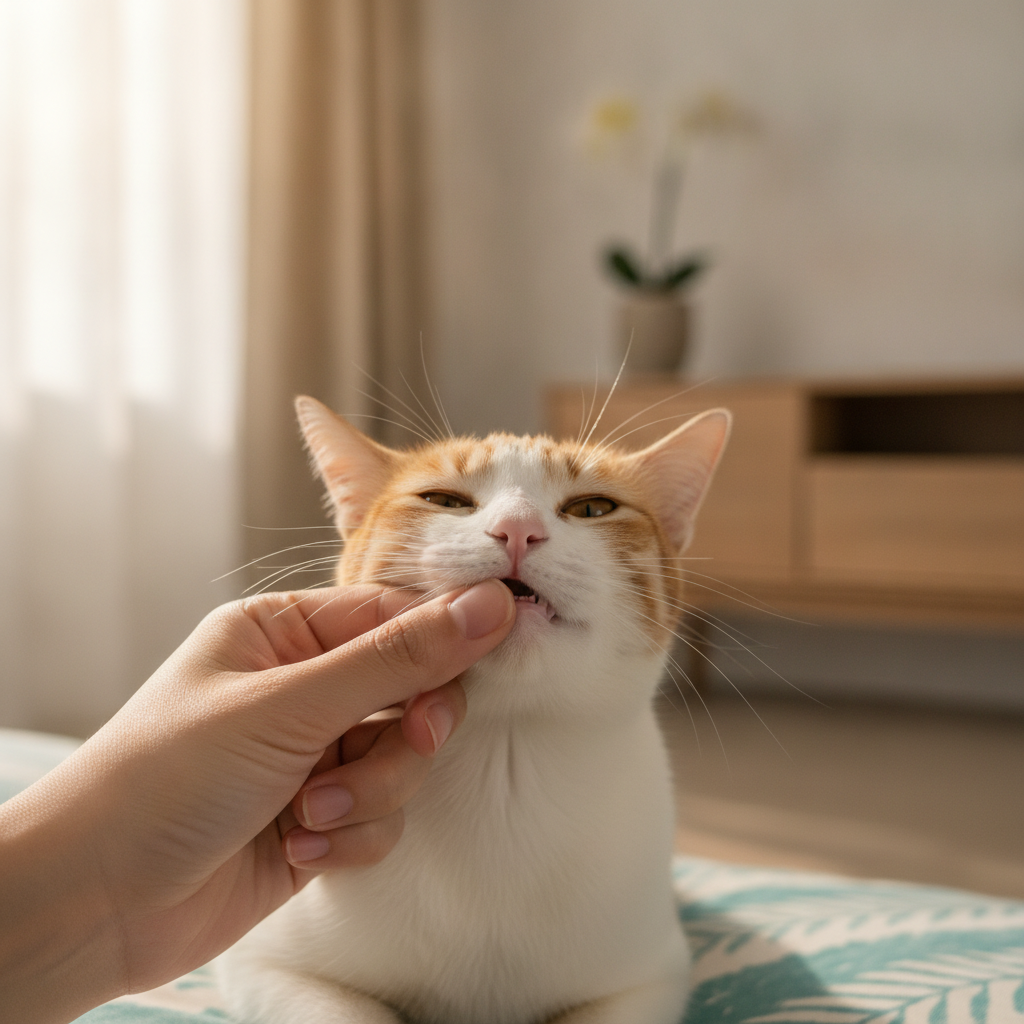
You lift your cat's lip and the gums look pale — whitish-pink instead of healthy bubblegum. Maybe it's been sleepier than usual, or breathing a little fast. Those can be signs of anaemia: not enough red blood cells to carry oxygen around the body. The crucial thing to understand is that anaemia is never the whole story — it's a flashing warning light for some other problem underneath, and a few causes (a single human painkiller, a plate of onions) can turn deadly fast. This vet-sourced guide explains what anaemia is, what causes it in Malaysian cats, and when it's an emergency.
Please note: this is educational, not a diagnosis. Pale gums plus weakness can be a true emergency — if you see them, ring your vet now rather than reading on.
What Anaemia Actually Means (It's a Symptom, Not a Disease)
Anaemia is a drop in red blood cells (RBCs) or haemoglobin, the molecule that ferries oxygen from the lungs to every tissue. Vets measure it with the packed cell volume (PCV) — the percentage of blood made up of red cells. Per VCA Hospitals, a healthy cat sits around 25–45%; below that is anaemia.
The mantra to remember, from the Cornell Feline Health Center: anaemia is a sign, not a diagnosis. Treating it well means finding and fixing the disease causing it. There are three basic ways a cat becomes anaemic: it loses blood, it destroys red cells faster than it makes them (haemolysis), or its bone marrow fails to make enough.
Regenerative vs Non-Regenerative: Why Vets Classify It
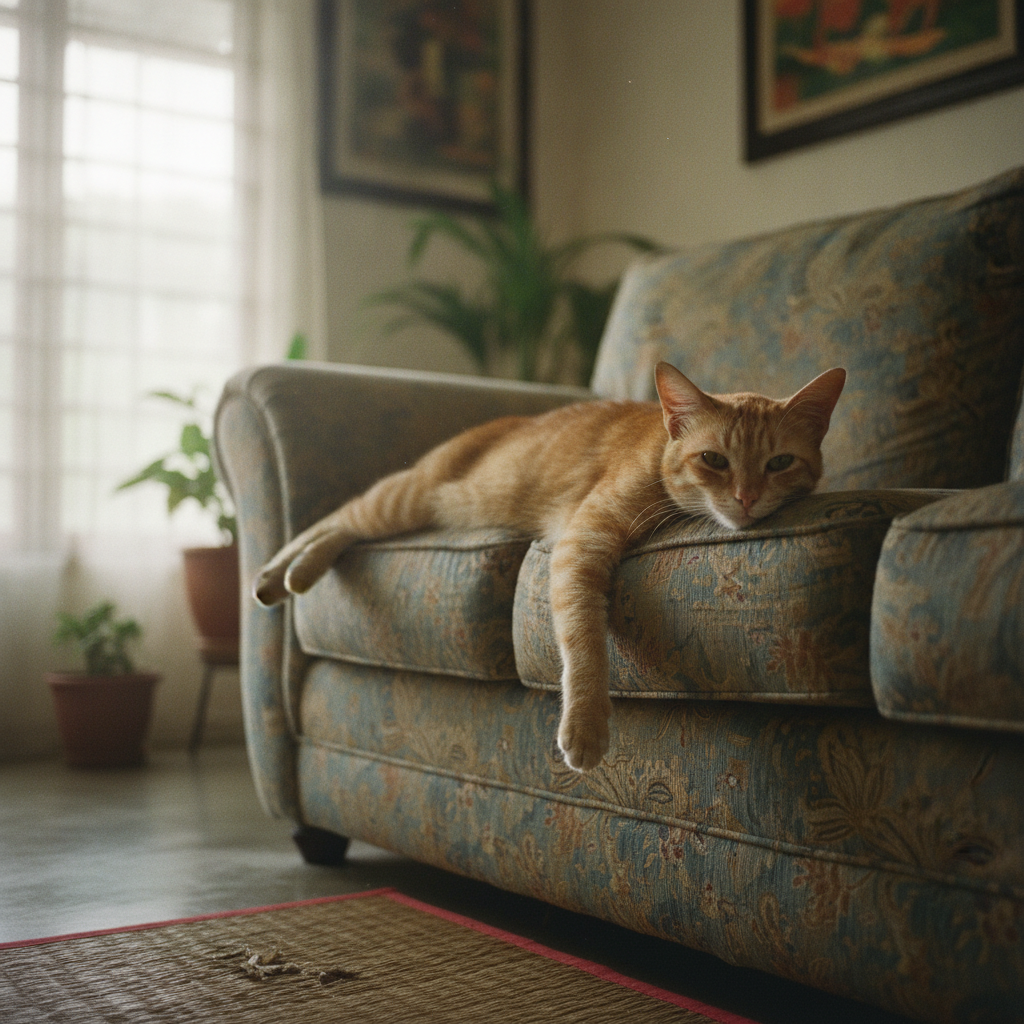
The first question a vet asks is whether the bone marrow is responding. This split shapes everything that follows:
- Regenerative anaemia — the marrow is pumping out new red cells (seen as a high reticulocyte count, above ~60,000/uL in cats). This points to blood loss or destruction as the problem.
- Non-regenerative anaemia — the marrow isn't keeping up. This points to a production problem — chronic disease, certain viruses, or marrow disorders.
One catch worth knowing: after a sudden bleed or crisis, the marrow takes about 3–5 days to ramp up, so a very fresh case can look non-regenerative at first and need re-testing. This is exactly why your vet may want to repeat bloodwork — it's not indecision, it's how the biology works. Cats add their own quirk here: they have two types of reticulocytes (aggregate and punctate), and only the younger aggregate type reflects the marrow's current effort — one reason feline blood results need an experienced eye to interpret, as International Cat Care explains.
The Many Causes: Blood Loss, Destruction, Production Failure
Anaemia has a long list of culprits, per the Merck Vet Manual:
- Blood loss: trauma (road accidents, fights), some rat poisons that stop clotting, slow-bleeding tumours or ulcers, and — very importantly in our climate — heavy flea, tick or worm burdens, which can drain enough blood to make kittens dangerously anaemic.
- Destruction (haemolysis): the blood parasite Mycoplasma haemofelis (feline infectious anaemia), immune-mediated destruction, and oxidative toxins (next section).
- Production failure: chronic kidney disease is the single most common cause of non-regenerative anaemia (sick kidneys make less of the hormone that tells marrow to produce red cells), plus Feline Leukaemia Virus (FeLV) and FIV, which suppress the bone marrow, and marrow cancers like lymphoma.
Two extra nuances vets weigh: long-standing inflammation or cancer can cause "anaemia of chronic disease", where the body locks away iron and shortens red-cell lifespan; and slow, chronic bleeding (a quiet GI ulcer, a heavy parasite load) gradually drains iron stores, tipping a cat into iron-deficiency anaemia over weeks. Even immune-mediated destruction (IMHA), usually a regenerative cause, confusingly shows up as non-regenerative in roughly half of affected cats — another reminder that feline anaemia rarely reads off a single number.
Because viruses like FeLV and FIV are such important causes, testing for them is a routine part of the work-up — we cover those conditions in their own guides (linked above), so this article focuses on the anaemia itself.
Dangerous Toxins: Onion, Garlic and Paracetamol
This section deserves its own spotlight because these are everyday household items that Malaysian cat parents handle daily — and cats are uniquely vulnerable to them. They cause oxidative damage that warps red blood cells (forming so-called Heinz bodies), which the body then clears out — emptying the tank faster than the marrow can refill it. Per the Merck Vet Manual:
- Paracetamol (acetaminophen, e.g. Panadol): toxic at doses as low as ~10 mg/kg — a single regular tablet can poison an average cat. Never give human painkillers to cats.
- Onion: toxic around ~5 g/kg, in any form — raw, cooked, or powdered.
- Garlic: even more potent, roughly 3–5 times stronger than onion. Powders (in stocks, sauces, seasoning) are the most concentrated and dangerous.
That means table scraps from a curry, a bit of fried rice, or garlic bread are genuinely risky. If your cat ever eats these — or any human medication — treat it as an emergency and call your vet or a poison line immediately.
The Signs: Pale Gums and Beyond
Signs depend on how severe and how fast the anaemia developed:
- Pale gums (whitish or very pale pink instead of healthy pink) — the classic at-home clue
- Lethargy and weakness, sleeping more, reluctance to play
- Rapid breathing or rapid heartbeat as the body tries to move more oxygen
- Reduced appetite and weight loss
- Pica — eating odd non-food things like litter (which can also overlap with other issues — see why does my cat eat litter)
- In severe cases: collapse
For a broader sense of feline red flags, our 12 warning signs your cat is sick guide is a handy reference.
How Vets Diagnose It
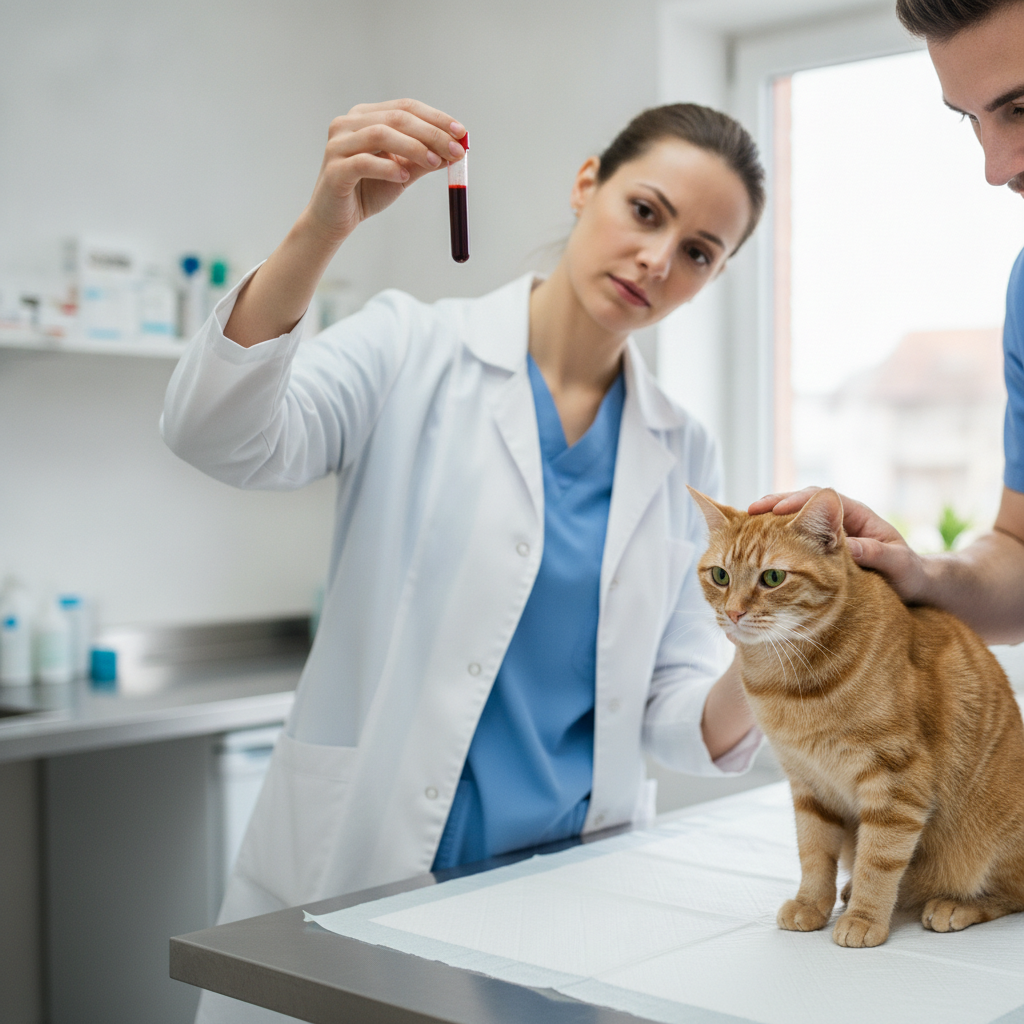
Confirming anaemia is easy; finding the cause is the real work. Expect:
- PCV/haematocrit — confirms anaemia and grades its severity.
- Blood smear — looks at red-cell shape, parasites (like Mycoplasma), and signs of regeneration (polychromasia).
- Reticulocyte count — the gold standard for regenerative vs non-regenerative.
- Targeted tests — FeLV/FIV testing, kidney values, and others depending on the clues, per PetMD.
Treatment and When It's an Emergency
Because anaemia is a symptom, the real treatment is fixing the underlying cause — flea control, treating the infection, managing kidney disease, removing the toxin, and so on. Supportive care bridges the gap.
How fast it came on matters enormously. A cat whose anaemia developed slowly (say, from chronic kidney disease) can adapt and tolerate a surprisingly low red-cell count, while the same level appearing suddenly — after a bleed or acute toxin — can be catastrophic because the body has had no time to compensate. That's why a "mild-looking" cat and a collapsing one can have similar numbers but very different urgency.
When it's an emergency: severe, rapid-onset anaemia is life-threatening. A blood transfusion is often needed when the PCV falls below roughly 15–20% in a cat showing signs like collapse or laboured breathing. Critically, blood typing is mandatory before any feline transfusion — cats have natural antibodies, so an incompatible transfusion can be rapidly fatal. This is firmly hospital territory.
We don't list any home treatments or doses — some "remedies" (like iron or human medicines) can do harm, and the priority is always identifying the cause. Your vet leads; you observe and act fast.
Prevention and Home Monitoring
You can genuinely lower the odds of the most common preventable causes:
- Year-round parasite control. Flea and worm prevention is huge — especially for kittens, where flea-driven blood loss can be life-threatening. Our flea & worm checker helps you stay on schedule.
- Toxin-proof your kitchen. Keep onion, garlic and all human medication well away from cats, and skip the table scraps.
- Regular vet check-ups to catch chronic kidney disease and viral infections early, ideally with routine bloodwork for senior cats so a slow decline is caught before it becomes a crisis.
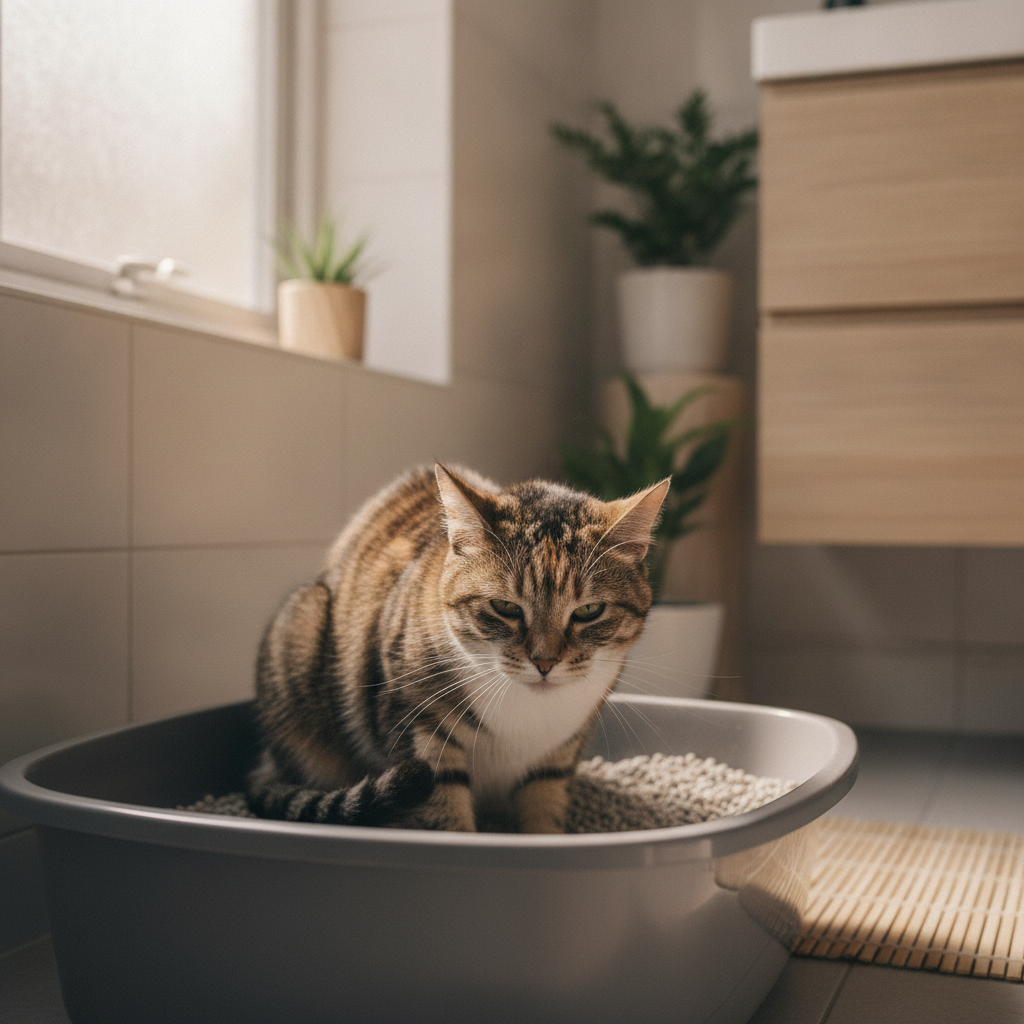
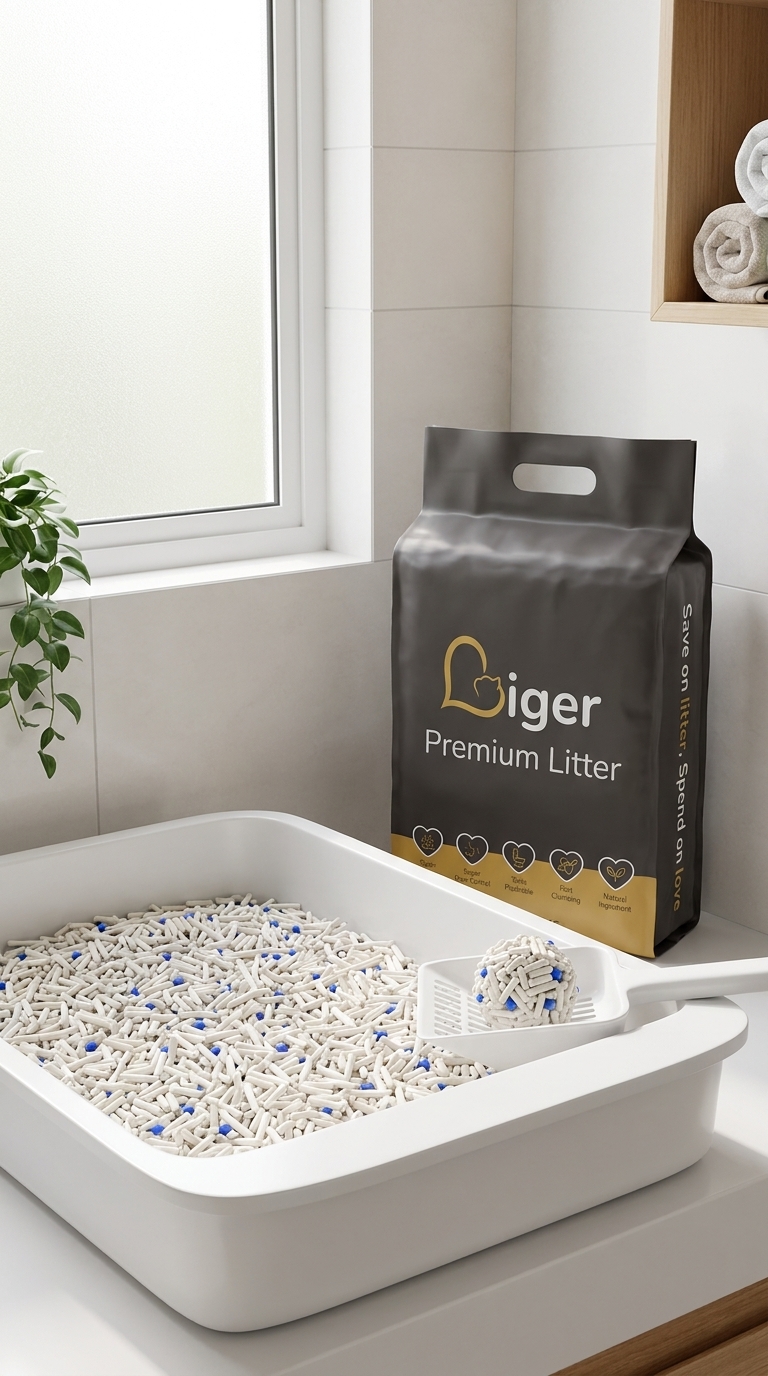
- Watch the litter box. Dark, black, tarry stools (melena) can signal digested blood from GI bleeding — a cause of chronic anaemia you can sometimes spot first in the tray. A clean, low-dust litter that clumps clearly makes those changes obvious.
That last point is where a good litter quietly pulls its weight. Liger Premium Tofu Cat Litter is a soy-based, low-dust, flushable tofu litter that clumps firmly so stool colour and consistency are easy to read — Halal-certified and priced from RM21.90 for a 2 kg pack down to RM8.45/kg on the 10-pack. It won't prevent anaemia, but a clean box you check daily turns you into an early-warning system for GI bleeding. Size your supply with the litter calculator.
Anaemia ranges from a slow, manageable consequence of chronic disease to a sudden, fatal crisis — and pale gums plus weakness always deserve a same-day vet visit. For the wider picture of feline illness here, see our overview of common cat diseases in Malaysia. When in doubt, check the gums and pick up the phone without delay.