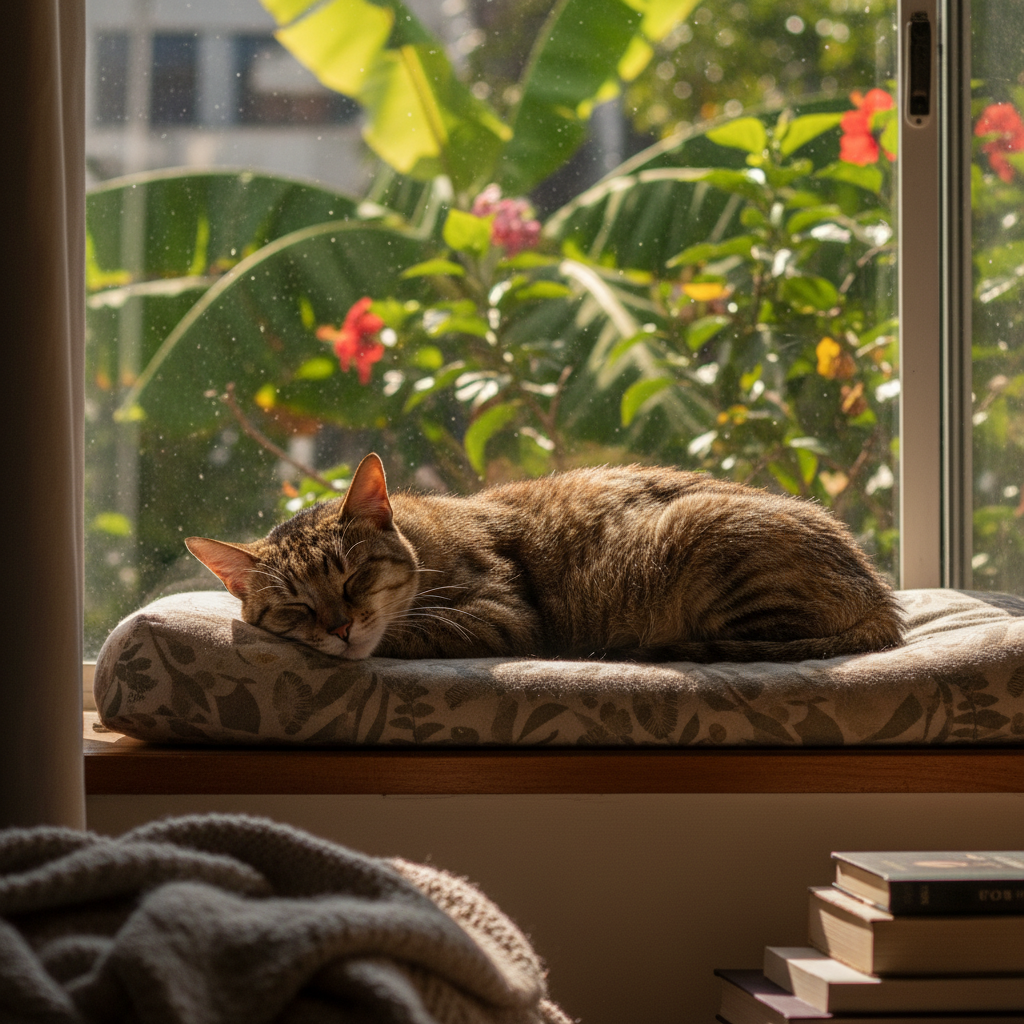
Every cat parent eventually does the math. You look at your cat dozing in a sunbeam and a quiet question creeps in: how many of these afternoons do we actually get? It's the question we asked ourselves the day our vet first heard something off in Tiger's heartbeat. The honest answer is that a cat's lifespan isn't one fixed number - it's a range you can nudge, sometimes by years, depending on breed, lifestyle, and how early you catch the things that go wrong.
This guide breaks down realistic lifespan figures for the cat breeds you actually see in Malaysian homes - Persians, British Shorthairs, Ragdolls, Maine Coons, and our beloved kucing kampung (Malaysian domestic shorthair). We'll give you a proper cat-years-to-human-years table, explain the breed-specific health risks that matter here in our tropical climate, and show you which everyday choices genuinely move the needle. No fluff, no scary marketing - just what we've learned living with four cats and reading the vet science.
So, How Long Do Cats Actually Live?
Here's the short version: a well-cared-for indoor cat in Malaysia typically lives 12 to 18 years. Plenty reach 18-20, and a lucky, well-looked-after minority push past 20. The world record holder, Creme Puff, famously lived to 38 - but treat that the way you'd treat a human living to 120: real, but not a planning assumption.
The single biggest fork in the road is indoor versus outdoor living. According to the ASPCA, indoor cats commonly live into their mid-teens and beyond, while free-roaming outdoor cats often average just 2-5 years because of traffic, disease, fights, and predators. In a Malaysian context that gap is even starker - busy roads, dengue-era mosquito fogging, stray-cat disease pressure, and the heat all stack the odds against an outdoor life.
Three numbers worth holding in your head:
- Average indoor lifespan: 12-18 years
- "Senior" begins: around age 10-11 (some vets say 7+ for screening purposes)
- "Geriatric": 15+ years
Knowing where your cat sits on that timeline matters because senior care - twice-yearly checkups, kidney screening, dental attention - is what turns "average" into "above average."
Cat Years to Human Years: The Real Conversion
Forget the old "multiply by 7" myth. It was never accurate. Cats mature explosively in their first two years, then age more gently after that. The widely accepted framework from the American Association of Feline Practitioners (AAFP) and International Cat Care works like this: a 1-year-old cat is roughly a 15-year-old human, a 2-year-old is about 24, and each year after that adds approximately 4 human years.
| Cat Age | Human Age (approx.) | Life Stage |
|---|---|---|
| 6 months | 10 years | Kitten |
| 1 year | 15 years | Junior |
| 2 years | 24 years | Young adult |
| 3 years | 28 years | Adult |
| 5 years | 36 years | Prime adult |
| 7 years | 44 years | Mature |
| 10 years | 56 years | Senior begins |
| 12 years | 64 years | Senior |
| 15 years | 76 years | Geriatric |
| 18 years | 88 years | Super senior |
| 20 years | 96 years | Centenarian-class |
This is exactly the question behind one of the most-searched phrases in Malaysia - "X tahun kucing berapa tahun manusia" (how many human years is an X-year-old cat). Instead of memorising the table, you can drop your cat's age into our free cat age calculator and get the human-year equivalent plus a life-stage label in one click. We built it precisely because the "times 7" rule keeps misleading owners about when to start senior screening.
Cat Lifespan by Breed (Malaysia Reference Table)
Breed influences lifespan in two ways: the genetic baseline, and the breed-specific diseases that can cut a life short if undetected. Here's a consolidated reference for the breeds common in Malaysian homes, with figures drawn from veterinary breed profiles including Cornell Feline Health Center and VCA Hospitals.
| Breed | Average Lifespan | Key Health Risks | Longevity Tip |
|---|---|---|---|
| Kampung cat / Domestic Shorthair | 15-20 years | Few inherited issues; FLUTD, dental disease | Neuter + indoor living unlocks full potential |
| British Shorthair | 12-17 years | HCM (heart), obesity, PKD | Annual heart screening from age 3 |
| Persian | 12-17 years | PKD (polycystic kidney), brachycephalic breathing, eye drainage | Genetic PKD test; daily face cleaning |
| Ragdoll | 12-17 years | HCM, bladder stones, obesity | Echo screening; weight control |
| Maine Coon | 10-15 years | HCM, hip dysplasia, spinal muscular atrophy | Reputable breeder + cardiac genetic test |
| Siamese / Oriental | 15-20 years | Amyloidosis, dental, asthma | Often very long-lived; watch breathing |
| Scottish Fold | 11-15 years | Osteochondrodysplasia (joints), HCM | Joint monitoring; pain management |
| Munchkin | 12-15 years | Lordosis, joint strain | Keep lean; low-jump furniture |
| Sphynx | 9-15 years | HCM, skin issues, temperature sensitivity | Cardiac screening; skin care |
Two patterns jump out. First, the humble kampung cat and the Siamese tend to top the longevity charts. Second, several popular pedigree breeds share the same cardiac villain: hypertrophic cardiomyopathy (HCM), the most common heart disease in cats. That's not a reason to avoid these breeds - it's a reason to screen early, which we'll come back to.
Breed-by-Breed: Lifespan & Health Risks
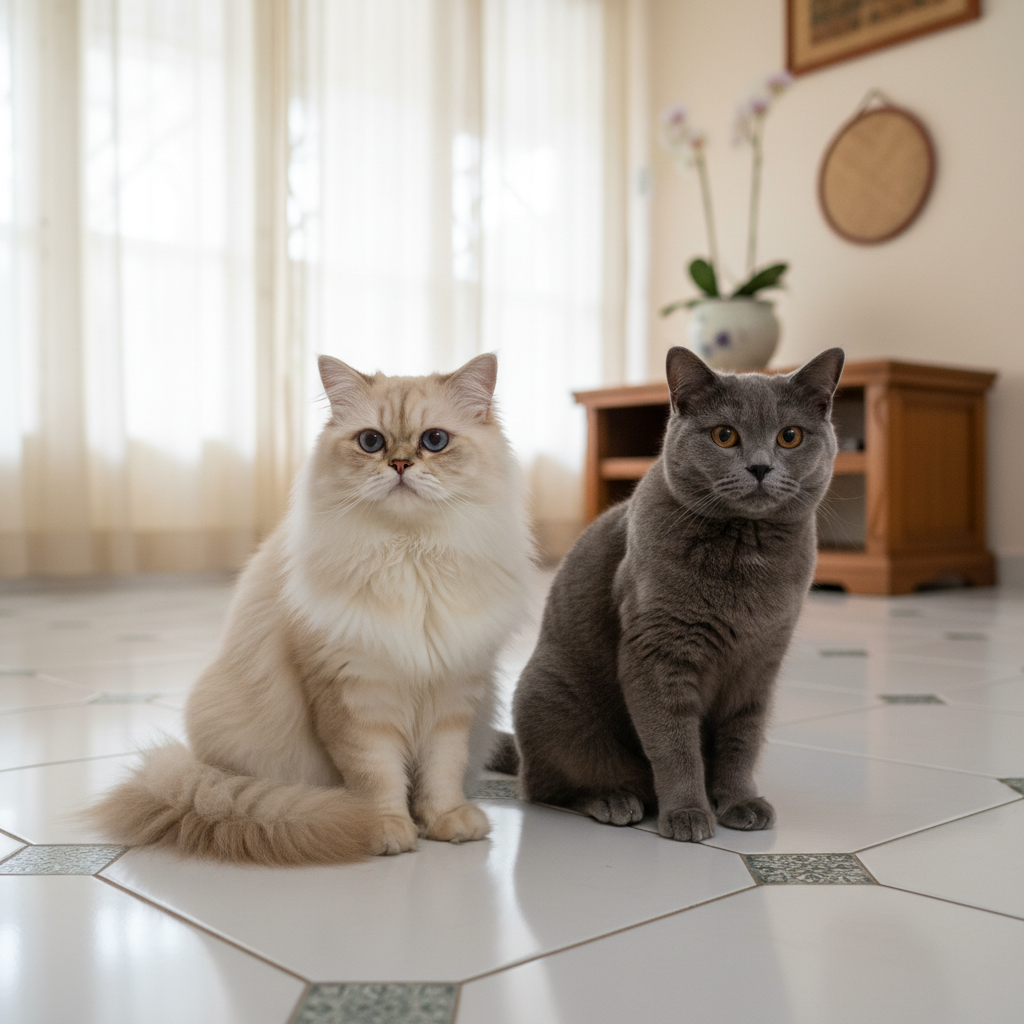
British Shorthair (12-17 years)
The plush teddy-bear of Malaysian cat groups. Sturdy and generally healthy, but two things shorten British Shorthair lives: obesity (they're food-motivated couch potatoes) and HCM. The breed has a known genetic predisposition to HCM, and because the disease is silent until it's advanced, the only real defence is a vet echocardiogram. We wrote a full guide on heart health in Malaysian British Shorthairs after our own scare. Keep them lean, screen the heart from age 3, and a Brit can comfortably hit the mid-to-late teens.
Persian (12-17 years)
Persians carry the heaviest genetic load of the popular breeds. Polycystic kidney disease (PKD) affects a significant share of unscreened Persian lines, and their flat (brachycephalic) faces cause breathing strain and chronic eye drainage. The good news: a simple genetic PKD test on breeding cats has dramatically reduced incidence, and daily face-fold cleaning plus a humid-but-not-hot environment keeps the eyes and airways comfortable. A well-bred, screened Persian living indoors can absolutely reach 16-17.
Ragdoll (12-17 years)
Big, docile, and another HCM-prone breed - Ragdolls actually have a specific gene mutation (MyBPC3) associated with the disease. Pair that with their tendency to gain weight and you have a breed that lives long if you stay on top of cardiac screening and portion control. Their calm temperament makes them ideal indoor cats, which already adds years.
Maine Coon (10-15 years)
The gentle giant. Maine Coons have the shortest typical lifespan on our list, partly because their size brings hip dysplasia and HCM (again, with an identified MyBPC3 mutation). Buying from a breeder who genetically tests for cardiac and hip issues is the single biggest lever here. Keep them at a healthy weight to protect those joints.
Siamese & Oriental (15-20 years)
Often the longevity champions among pedigrees. Their main risks are dental disease and a higher rate of asthma - relevant in Malaysia where dusty environments and litter dust can trigger flare-ups. Choosing a low-dust litter and keeping up with dental care lets these talkative cats live well into their late teens.
Scottish Fold (11-15 years)
Those famous folded ears come from a cartilage mutation that also affects joints throughout the body (osteochondrodysplasia). Every Scottish Fold will develop some degree of this, so lifelong joint monitoring and pain management matter more than for any other breed. They can still live happy lives, but go in with eyes open.
Munchkin & Sphynx (the niche ones)
Munchkins, with their short legs, are surprisingly healthy on average (12-15 years) but the dwarfism gene puts strain on the spine and joints - keep them lean and skip the high jumps. The hairless Sphynx has the widest lifespan range (9-15 years) of any breed here: they're HCM-prone, need their oily skin wiped regularly, and in air-conditioned Malaysian homes they actually get cold easily despite our climate. Both reward attentive owners and punish neglect more than a hardy domestic shorthair would.
A note on "designer" and imported kittens
Malaysia's pet trade includes plenty of imported and casually-bred pedigree kittens sold without health testing. A pedigree certificate is not a health guarantee. The breeds with HCM and PKD risks above only stay long-lived when the parents were genetically screened. If you're buying a breed on this list, ask the breeder directly for cardiac and kidney test results on the parents - a responsible breeder will have them, and that single question can add years to your cat's life.
Why Kampung Cats Often Live Longest
Ask any long-time Malaysian cat owner and they'll tell you the same thing: the scrappy kucing kampung they adopted off the street outlived every fancy pedigree friend. There's real science behind it. It's called hybrid vigour - the wide genetic diversity in mixed-breed cats means harmful recessive mutations rarely double up, so they dodge most of the inherited diseases (PKD, HCM, joint disorders) that haunt pedigree lines.
Kampung cats are also, generation after generation, naturally selected for survival in Malaysia's exact climate - the heat, the humidity, the local disease load. We dug into this in our piece on kampung cat vs purebred immunity. A neutered, vaccinated, indoor kampung cat fed properly is, statistically, one of the longest-lived cats you can own - 15 to 20 years is genuinely normal.
That said, "robust genes" doesn't mean "skip the vet." Kampung cats still get FLUTD, dental disease, and - if they spent time outdoors before adoption - they may carry FeLV or FIV. Research on cats in Peninsular Malaysia found FeLV and FIV prevalence of roughly 12% and 31% respectively, so a simple snap test at adoption is worth every ringgit.
What Actually Extends Your Cat's Lifespan
If breed sets the baseline, these are the levers that move it. None of them are exotic or expensive - they're just consistent.
1. Keep them indoors (or safely enclosed)
This is the biggest single factor, full stop. Indoor cats avoid traffic, fights, infectious disease, and the parasites that thrive in our climate. If your cat craves outdoor time, a "catio" or harness walks give the enrichment without the lethal risk.
2. Neuter or spay
Beyond population control, neutering eliminates the risk of certain reproductive cancers and pyometra, and drastically reduces roaming, fighting, and disease transmission. Spayed and neutered cats live measurably longer on average.
3. Annual (then twice-yearly) vet checks
Cats are masters at hiding illness - an evolutionary holdover. By the time symptoms show, disease is often advanced. Annual exams catch problems early; once your cat hits 10, switch to every six months. Many Malaysian clinics now offer senior wellness panels that screen kidney and thyroid function before symptoms appear.
4. Dental care
Dental disease is one of the most under-treated conditions in cats, and chronic mouth infection stresses the kidneys and heart. Regular dental checks and cleanings genuinely add years.
5. Healthy weight and hydration
Obesity drives feline diabetes, joint disease, and a shorter life. On the flip side, cats are chronically under-hydrated because they evolved from desert animals - and in Malaysia's heat that raises the risk of urinary disease and kidney strain. You can check whether your cat is drinking enough with our cat hydration calculator, and track ideal body weight with the cat weight calculator. If your cat is already diabetic, remission is possible with the right plan - see our Malaysian guide to feline diabetes.
6. A clean, low-dust litter setup
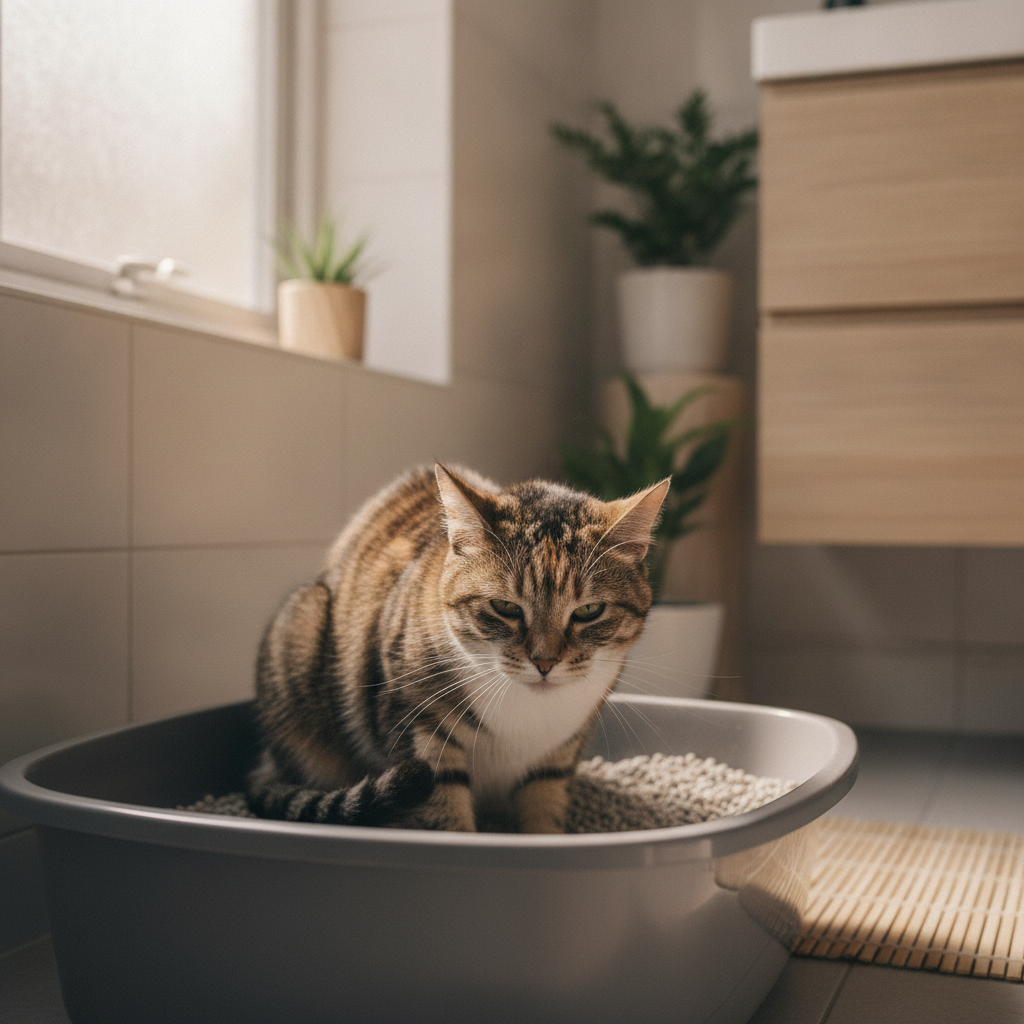
It sounds minor, but a clean litter box prevents the urinary and respiratory problems that quietly erode lifespan. Senior and arthritic cats especially benefit from a soft, low-tracking, dust-free litter and an easy-entry box - we cover this in our guide to the best litter for senior cats. Stiff older cats will sometimes stop using a box that's too tall or too far away, and "accidents" are often the first sign of arthritis rather than bad behaviour - which is exactly why mobility matters too (more below).
7. Mobility and a stimulating environment
Cats that stay active and mentally engaged age better. Arthritis is wildly under-diagnosed - most cats over 12 have some joint degeneration, but because cats don't limp the way dogs do, owners miss it. Watch for a cat that stops jumping to its favourite high spot, hesitates at stairs, or grooms less. Our guide to spotting arthritis in senior cats walks through the subtle signs. Catching and managing joint pain keeps a senior cat moving, eating, and engaged - all of which protect lifespan. Puzzle feeders, climbing furniture, and daily play keep both body and brain younger.
8. Reduce stress
Chronic stress suppresses immunity and is a known trigger for FLUTD flare-ups and over-grooming. In multi-cat homes - and we have four - that means enough resources to go around: separate feeding stations, multiple litter boxes (one per cat plus one), and vertical space so cats can avoid each other when they want to. A calm cat is, over a lifetime, a healthier and longer-lived cat.
Tropical Malaysia: The Local Factors That Shorten (or Lengthen) Lives
Generic Western cat advice misses our reality. A few things hit Malaysian cats differently:
- Urinary disease (FLUTD): Our heat plus dry-kibble diets and low water intake make feline lower urinary tract disease a frequent and sometimes life-threatening problem. Research links dry diets and dehydration to higher FLUTD risk - wet food and good hydration are protective.
- Chronic Kidney Disease (CKD): The leading killer of senior cats worldwide, and a study found CKD prevalence of 20-50% in Malaysian cats aged 10+. Early kidney screening from age 7-10 is the difference between managing it for years versus a late, sudden crisis.
- Infectious disease pressure: Humidity and stray populations keep viral and parasitic disease circulating. Core vaccines (FVRCP) and parasite control aren't optional here.
- Toxin exposure: Many owners use essential-oil diffusers and "natural" cleaners. Cats lack a liver enzyme to process certain compounds - the MSD Veterinary Manual notes essential oils can be toxic to cats. Avoid tea tree, eucalyptus, and peppermint around them.
The encouraging flip side: Malaysian cats live indoors in air-conditioned comfort, have access to a growing network of good vets, and rarely face the harsh winters that stress cats elsewhere. Our climate isn't a death sentence - it's just a different set of variables to manage.
Our Story: How Catching Tiger's Heart Murmur Early Changed Everything
We have four cats - Tiger, Lion, Ping'An, and Lucky. A few years ago, during a routine checkup, our vet paused on Tiger's chest a little too long. A faint murmur. An echocardiogram confirmed early-stage hypertrophic cardiomyopathy - the same silent heart disease that stalks British Shorthairs, Ragdolls, and Maine Coons.
If we'd waited for symptoms - laboured breathing, sudden collapse - we might have lost him with no warning, the way HCM tragically takes many cats. Instead, because we caught it on a routine visit, Tiger went on medication, gets regular cardiac monitoring, and is living a full, normal, sun-puddle-napping life. That experience is exactly why we hammer on early screening. It's not paranoia - it's the literal difference between a 6-year lifespan and a 16-year one.
The lesson we'd pass to any Malaysian cat parent: don't wait for your cat to "act sick." Book the annual check. Ask for a heart listen and a senior blood panel. Pop your cat's age into the cat age calculator so you know exactly when to step up to twice-yearly visits. The years you add aren't theoretical - they're more afternoons in the sunbeam.
Frequently Asked Questions
How long do cats live on average in Malaysia?
A well-cared-for indoor cat typically lives 12-18 years, with many reaching 18-20. Outdoor and free-roaming cats average far less - often just 2-5 years - because of traffic, disease, and environmental risks.
Which cat breed lives the longest?
Among common breeds, the kampung cat (domestic shorthair) and Siamese tend to live longest, often 15-20 years, thanks to genetic diversity and fewer inherited diseases.
How old is a 1-year-old cat in human years?
About 15 human years. A 2-year-old cat is roughly 24, and each year after adds about 4 human years. Use our cat age calculator for an exact figure and life-stage label.
Do indoor cats really live longer than outdoor cats?
Yes, significantly. Indoor cats avoid traffic, fights, predators, and many infectious diseases, often living more than three times longer than free-roaming outdoor cats.
What is the most common cause of death in older cats?
Chronic kidney disease and cancer are leading causes in senior cats, with hypertrophic cardiomyopathy (HCM) a major cause of sudden death in certain breeds. Early screening from age 7-10 helps catch these in time.
Does neutering my cat affect its lifespan?
Yes, positively. Neutered and spayed cats avoid reproductive cancers and pyometra, roam and fight less, and live measurably longer on average than intact cats.