Preventive care is the difference between catching a problem early and paying for it later — in money, stress and your cat's wellbeing. It's the whole proactive package: core vaccines, year-round parasite control, timely neutering, routine check-ups and everyday monitoring. And in Malaysia, where a tropical climate keeps parasites breeding all year and rabies remains a real public-health issue, that package matters more than in most countries. This is the hub guide that ties it all together; each section links to a full deep-dive on the topic.
Think of preventive care as the opposite of our many cat disease guides: those explain what goes wrong, while this one is about stopping it from happening in the first place.
Why Preventive Care Matters More in Malaysia
Two local realities raise the stakes. First, the climate: consistent heat and humidity above 80% mean there is no "parasite season" — fleas, ticks and intestinal worms are a year-round threat, even for indoor cats. Second, history and public health: Malaysia's Department of Veterinary Services grew out of disease control, and the 1952 Kuala Lumpur rabies outbreak led directly to the Animal Act 1953 and routine vaccination becoming the norm. Cats here also live alongside a large free-roaming population that acts as a disease and parasite reservoir. Preventive care isn't optional polish — it's the baseline for a cat to live a long, healthy life. Cats hide illness instinctively, so the structured schedule below is how you stay ahead of problems you can't yet see.
There's a simple economic logic too: the cost of a vaccine series, routine deworming and an annual check-up is small next to the bill for treating panleukopenia, a tick-borne anaemia or an advanced kidney problem caught too late. Prevention buys you cheaper, calmer years — and a cat that's around for more of them. The encouraging part is that none of this is complicated once it's on a schedule; it just needs to be consistent rather than reactive.
Vaccinations: Your Cat's Core Shields

Vaccines fall into core (every cat) and non-core (risk-based). Per WSAVA and AAHA/AAFP, the core for Malaysian cats is the FVRCP combination (protecting against panleukopenia, herpesvirus and calicivirus) plus rabies, which is endemic here. Kittens start FVRCP at 6–8 weeks with boosters every 3–4 weeks to 16–20 weeks, plus a newer 6-month booster; healthy adults then move to a 3-year (triennial) schedule — not the annual booster still common locally. FeLV is core for all kittens given Malaysia's ~12% prevalence, then risk-based in adults.
Two topics deserve their own read: the full cat vaccination schedule (which shot, when, and what it costs), and the rabies vaccine question — including the law, the ongoing Sarawak situation, and why even indoor cats need it. Vaccines are also how you prevent the very diseases we cover in depth, like feline panleukopenia and feline leukaemia — far better to prevent than to treat. Plan the timing with the vaccine schedule tool.
Parasite Control: Worms, Fleas and Ticks
This is where Malaysia's climate hits hardest, so year-round, broad-spectrum protection is non-negotiable — the Companion Animal Parasite Council recommends it for every pet, every month. There are two fronts. Internal parasites (roundworms, hookworms, tapeworms) call for a deworming calendar: every 2 weeks for young kittens, tapering to at least quarterly for indoor adults and monthly for outdoor cats — the full plan and dewormer types are in our deworming schedule guide. External parasites (fleas, ticks) need a continuous monthly preventive; our flea and tick prevention guide covers products and the critical warning never to use dog products on cats.
The two fronts are linked: the common tapeworm spreads through fleas, so flea control is tapeworm control. To see what these parasites actually look like, our guide to identifying cat parasites is a useful companion, and the flea and worm checker helps you stay on schedule. The MSD Veterinary Manual highlights praziquantel for tapeworms and topical selamectin as an effective broad-spectrum option — your vet will pick the right product for your cat. Many modern preventives bundle flea, tick and worm protection into one monthly dose, which makes staying consistent far easier than juggling separate treatments.
Spaying and Neutering
Sterilisation is preventive medicine in its own right. The modern consensus from International Cat Care and AAHA's "Fix Felines by Five" is to neuter by around 4–5 months — before females can get pregnant (possible from four months). Spaying before the first heat dramatically lowers the risk of mammary tumours (malignant in ~90% of cats) and removes the risk of pyometra; neutering males curbs spraying, roaming and fight-related disease spread. Beyond the individual cat, neutering is also the single most effective, humane response to Malaysia's stray-overpopulation challenge — one reason DVS, SPCA and subsidised Klinik Kembiri programmes make it so accessible. Done early, the surgery is quick and recovery is fast.
If you're still deciding whether to do it at all, read our honest take on whether to neuter your cat. Once you've decided, the practical side — cost in Malaysia, the surgery day and the 10–14 day recovery — is covered in our spaying and neutering guide.
Vet Visits by Life Stage

How often your cat sees a vet should rise with age, following the AAHA/AAFP life-stage guidelines:
| Life stage | Age | Vet visits |
|---|---|---|
| Kitten | Birth to 1 year | Several visits for the vaccine series, deworming and neutering |
| Adult | 1 to 10 years | At least one wellness exam a year |
| Senior | Over 10 years | Every 6 months, often with bloodwork and urinalysis |
That first appointment sets the baseline for everything; our guide on your cat's first vet visit walks through what to expect, ask and pay, and carrier-training makes the trip far less stressful. For a kitten, the whole first-year sequence of shots, worming and neutering is mapped month-by-month in our kitten first-year health timeline. Senior cats earn twice-yearly visits because age-related diseases — kidney disease, hyperthyroidism — are caught far earlier with routine screening, per VCA Hospitals.
Indoor vs Outdoor: Same Cat, Different Risks
Lifestyle changes the plan. An outdoor or free-roaming cat faces higher exposure to infectious disease, fights, ticks and prey-borne parasites, so it typically needs more frequent FVRCP/respiratory boosters, FeLV vaccination, and monthly (not quarterly) deworming. A strictly indoor cat is lower-risk — but "lower" is not "none". As the MSD/Merck Veterinary Manual and every guide above stress, core vaccines, rabies and year-round parasite prevention still apply indoors, because pathogens and parasites ride in on shoes, clothing and other pets. The right answer is always a risk assessment with your vet, not a blanket rule. A useful way to think about it: an indoor lifestyle lets you safely stretch some intervals (for example, triennial rather than annual respiratory boosters, or quarterly rather than monthly deworming), but it never lets you skip the core protections entirely. As a cat's circumstances change — a move, a new pet, a spell of outdoor access — the plan should be revisited rather than assumed.
What Preventive Care Costs in Malaysia
Cost varies widely by provider, and government clinics make care genuinely affordable. As rough ranges (always confirm locally): core FVRCP runs about RM40–RM120 at private clinics versus RM15–RM30 at DVS clinics; a first vet visit is roughly RM75–RM200 private or RM45–RM80 at DVS; and neutering ranges from RM100+ privately down to RM30–RM80 at DVS and subsidised SPCA/Klinik Kembiri programmes. The throughline: Department of Veterinary Services clinics and NGO programmes remove the cost barrier, and prevention is always cheaper than treating the disease it prevents. The exact figures for each item are broken down in the linked guides above.
Bringing It Together: Your Cat's Lifelong Plan
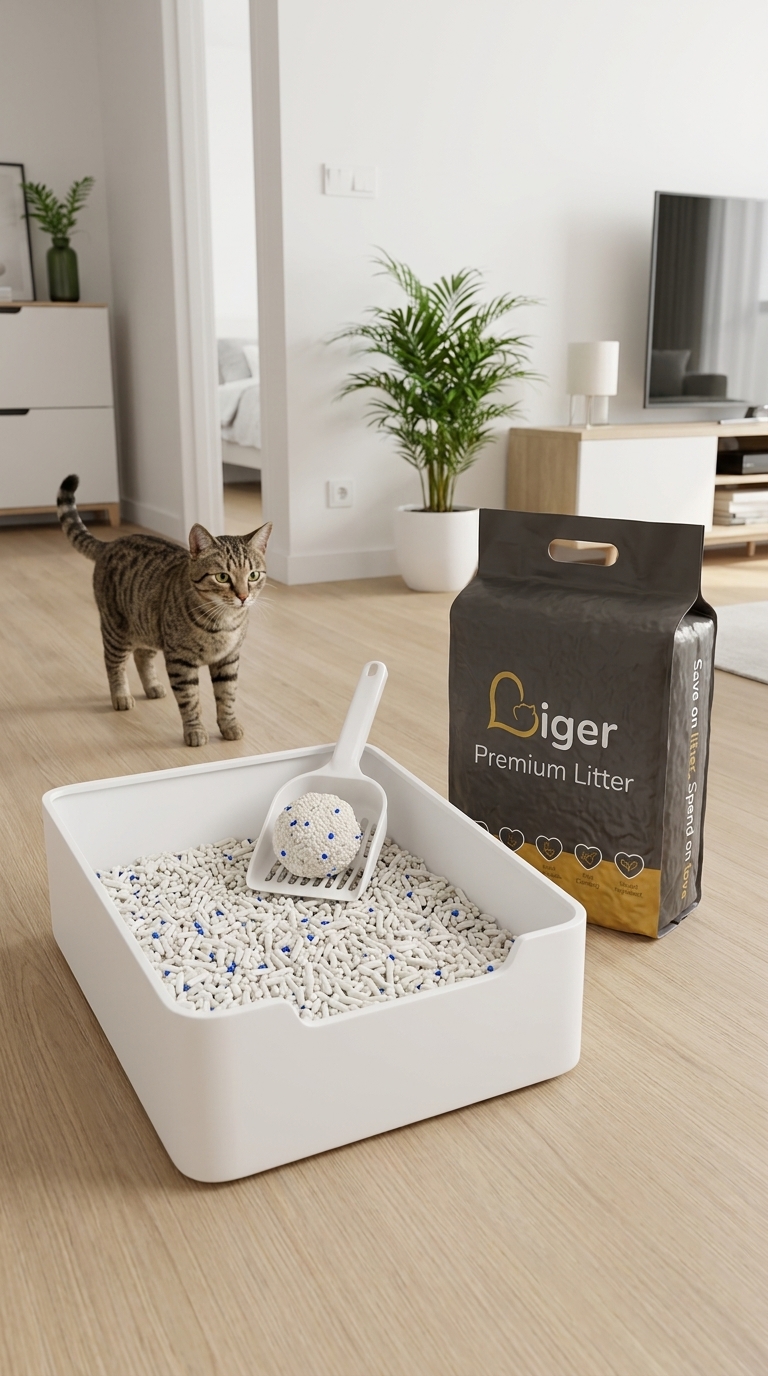
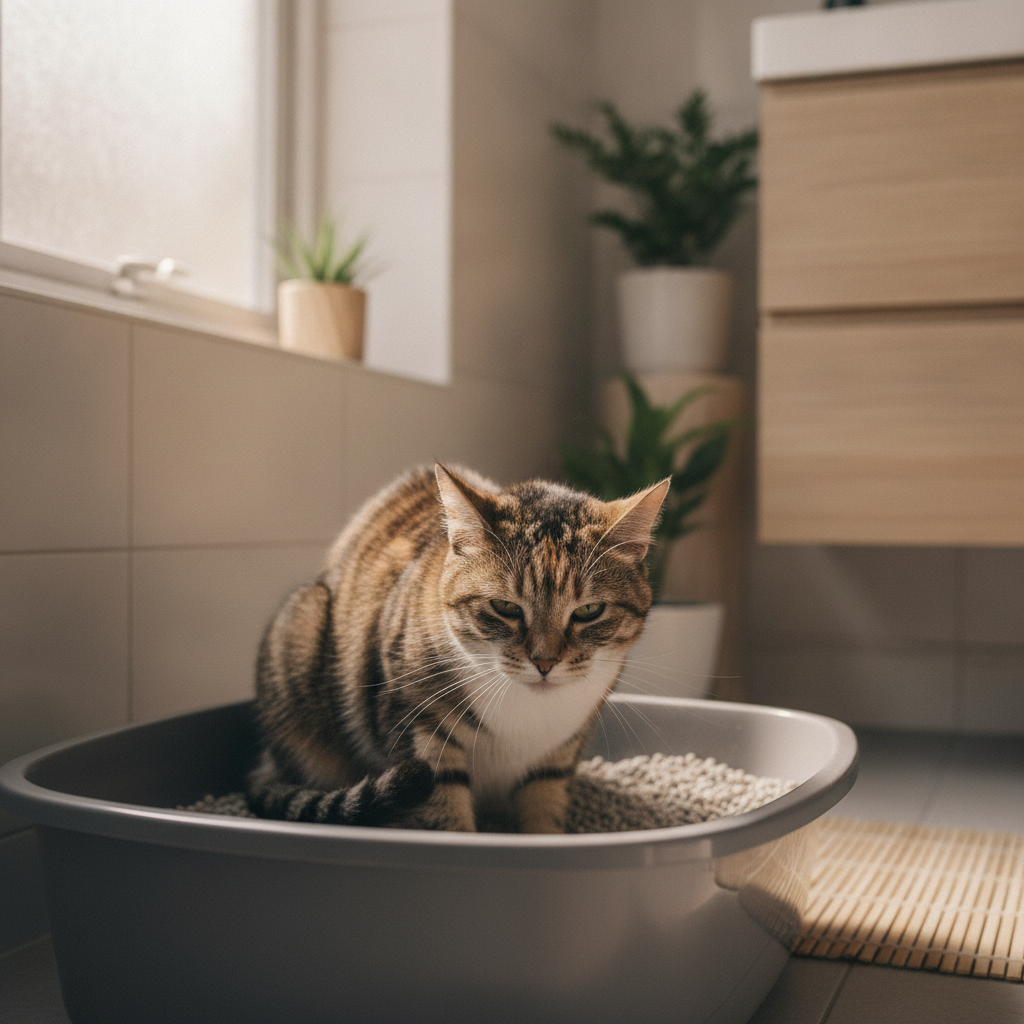
Preventive care isn't a checklist you finish — it's a rhythm: kitten series and neutering in year one, then annual (or triennial-vaccine) adult visits, year-round parasite prevention throughout, and twice-yearly senior checks later on. Between vet visits, you are the first line of defence, and your best daily tool is simpler than you'd think: the litter box. Changes in stool or urine — the kind that signal worms, urinary trouble or kidney disease — usually show up there long before a cat looks unwell, which is exactly why watching the warning signs a cat is sick pays off.
That daily check is easiest with a clean, low-dust, well-clumping litter. We use Liger Premium Tofu Cat Litter at home for that reason — the natural soybean pellets clump firmly so a quick scoop doubles as a health check, and the low dust is gentler on the airways of cats prone to respiratory flare-ups. A 2kg pack is RM21.90, scaling to RM169 for the 10-pack (RM8.45/kg) with free shipping in Peninsular Malaysia (current Liger pricing, as of May 2026). Size your supply with the litter calculator, and if you're just starting out, the new cat owner checklist gathers everything — vet booking included — in one place. Pick any spoke above to go deeper; together they're your cat's complete preventive plan.