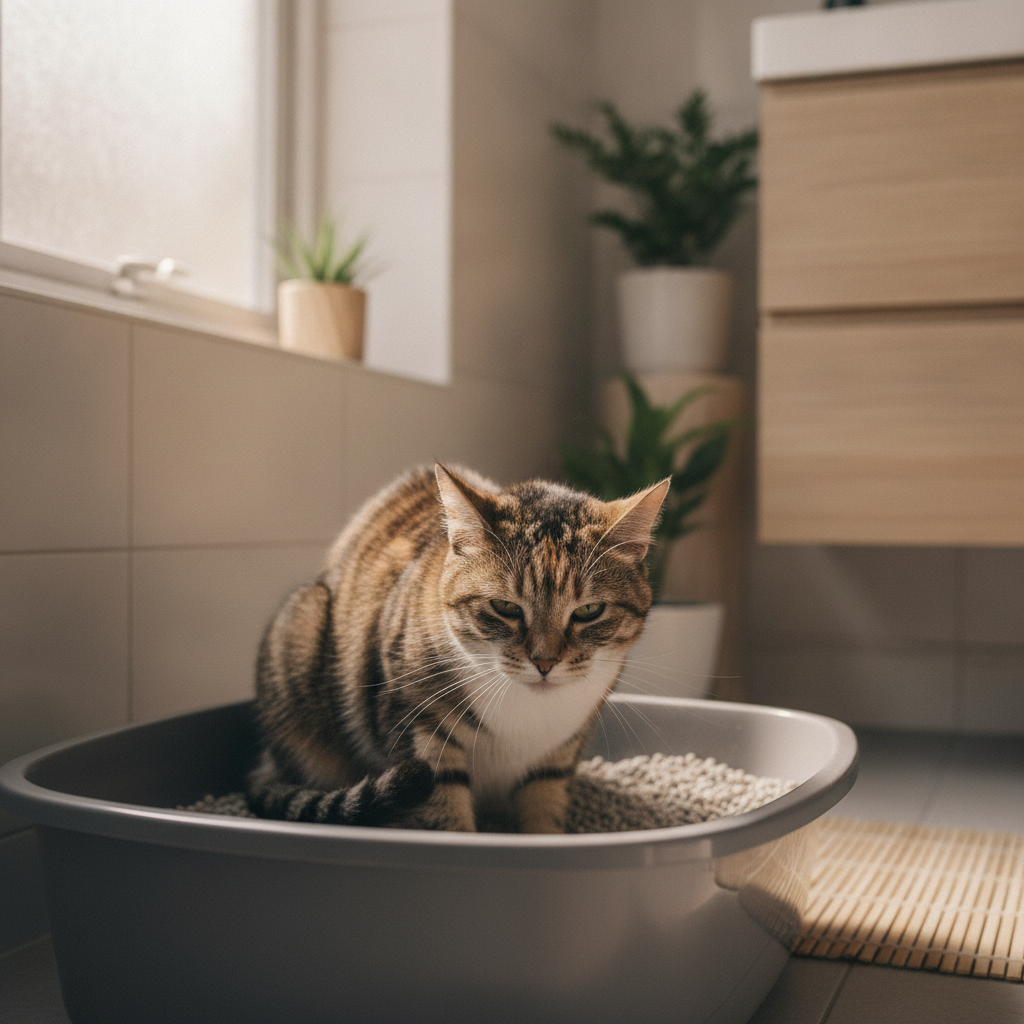
- Malaysia's high humidity significantly increases bacterial growth in litter boxes, elevating UTI risk for cats.
- Feeding a wet food diet is the most effective way to prevent UTIs by promoting dilute urine, reducing mineral concentration.
- Many urinary issues are stress-induced Feline Idiopathic Cystitis (FIC), not bacterial infections, especially in multi-cat homes.
- Regular home monitoring and prompt vet visits are crucial, as treatment costs for urinary blockages in Malaysia can exceed RM2,800.
- Cranberry supplements lack scientific evidence for UTI prevention in cats; focus on hydration and hygiene instead.
Imagine the warm, humid air that blankets Malaysia, a climate many of us adore. But for our feline friends, this same warmth and moisture can secretly create a perfect storm for painful urinary tract infections (UTIs) and other lower urinary tract issues. As cat parents, we understand the worry. Seeing your beloved cat strain in the litter box or hide away in discomfort is heartbreaking, and the vet bills for these conditions? They're no joke.
This guide cuts through the noise, offering clear, science-backed strategies specifically for Malaysian cat owners. We’ll look at how our tropical environment impacts urinary health, debunk common myths, and give you practical steps to protect your cat. A study by Universiti Putra Malaysia (UPM) even found that 52.45% of cats with Feline Lower Urinary Tract Disease (FLUTD) symptoms had a confirmed bacterial UTI, a rate significantly higher than many global reports. This means understanding and preventing UTIs is more critical than ever for our Malaysian furballs.
What Is a Cat UTI (and Why Should Malaysian Cat Parents Worry?)
A feline urinary tract infection (UTI) is a specific bacterial infection within the bladder or urethra. It's just one piece of a larger puzzle known as Feline Lower Urinary Tract Disease (FLUTD), an umbrella term for a range of conditions affecting a cat's bladder and urethra. Knowing the difference helps you understand the cause and the best way to help your cat.
UTI vs FLUTD — Know the Difference
Many cat parents use "UTI" to describe any urinary issue, but that's not quite right. FLUTD encompasses several conditions, and only some are true bacterial infections. The most common diagnosis under FLUTD, accounting for about two-thirds of cases, is Feline Idiopathic Cystitis (FIC). This is an inflammatory condition, not an infection, and it's heavily influenced by stress. Recognizing this distinction can save you from unnecessary worry and help your vet pinpoint the real problem faster. If you're concerned about your cat's urinary health, our Urinary Health Checker can help you understand potential symptoms.
Why Malaysia's Climate Increases UTI Risk
Malaysia’s tropical climate, with its consistently high humidity (often over 80%) and warm temperatures, adds extra layers of risk for our cats. The persistent moisture in the air directly impacts the cleanliness and efficacy of litter boxes. Humidity accelerates bacterial growth in all types of litter, turning a clean box into a breeding ground faster than you might expect. This increases the chances of harmful bacteria, like *E. coli*, traveling up your cat's urethra and causing an infection. Plus, our warm weather means cats can be at a higher risk of mild dehydration if their water intake isn't consistently high, leading to more concentrated urine—a perfect environment for crystal formation and infections. This is why standard litter management isn't enough here; we need a more vigilant approach.
Warning Signs Your Cat May Have a UTI
Spotting urinary issues early is your superpower as a cat parent. Our cats are masters of hiding discomfort, so knowing the subtle and obvious signs can make all the difference. Quick action can prevent a small problem from turning into a life-threatening emergency.
Obvious Symptoms (Blood, Crying, Litter Box Avoidance)
Some signs are hard to miss, and if you see them, it's time to call the vet immediately. These include:
- **Straining or frequent trips to the litter box:** Your cat might spend a long time trying to urinate, or go in and out repeatedly, producing little to no urine.
- **Vocalization or crying during urination:** Painful urination often causes cats to meow, howl, or even hiss in the litter box.
- **Urinating outside the litter box:** This is one of the most common and frustrating signs for owners, but it's your cat's way of telling you something is wrong with their usual toilet.
- **Blood in the urine (hematuria):** You might see pink or reddish urine, or sometimes just small reddish spots in the litter.
- **Excessive licking of the genital area:** This is a self-soothing behavior due to discomfort.
Don't wait if you notice these; seek veterinary care right away.
The Silent UTI — When Your Cat Shows Nothing
Now, here's a curveball: not all UTIs come with flashing red lights. This is the 'silent UTI,' or subclinical bacteriuria, where bacteria are present in the urine, but your cat shows absolutely no outward symptoms. I know, I know, just when you thought you had a handle on things! This phenomenon is far more common than many cat parents realize, especially in certain populations.
While rare in young, healthy cats (around 0.9% prevalence), the risk of subclinical bacteriuria shoots up significantly with age and other health conditions. For example, studies show it can affect 10-13% of older, non-azotemic cats, 12% of cats with hyperthyroidism, 12-13% of diabetic cats, and as high as 17-29% in cats with Chronic Kidney Disease (CKD). That's a huge jump! This data, supported by research on subclinical bacteriuria in cats, means that many older cats or those with existing health issues could be walking around with bacteria in their bladder without showing any obvious signs, potentially leading to more severe infections down the line.
This underscores why regular veterinary check-ups and routine urinalyses, especially for older or chronically ill cats, are so important. It's about catching those hidden issues before they become full-blown, symptomatic problems that are harder and more expensive to treat. Early detection, even when your cat seems perfectly fine, is a game-changer for long-term urinary health.
The Litter Box to Bladder Pipeline: How UTIs Really Start ⭐
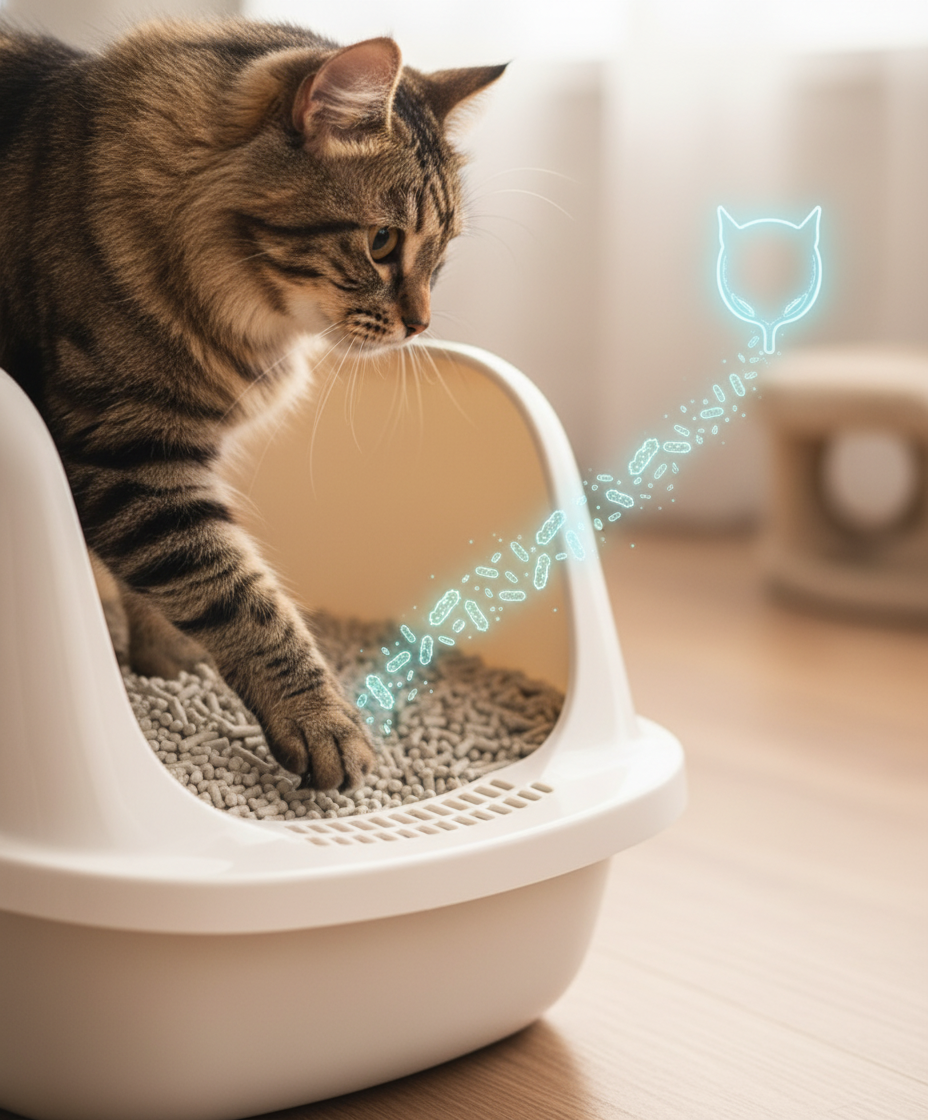
Many cat parents diligently scoop, but sometimes that's not enough to break the 'litter box to bladder pipeline' – the journey bacteria can take from a dirty environment right into your cat's urinary system. Understanding this pathway is key to truly preventing UTIs.
How Bacteria Travels from Litter to Bladder
The process is surprisingly simple: when a cat uses a dirty litter box, bacteria from their feces or lingering urine can stick to their paws, fur, or even directly contaminate their perineal area. As they walk around, or even just groom themselves, these bacteria are then in prime position to ascend the short urethra into the bladder. Once inside the bladder, these opportunistic bacteria, most commonly *E. coli*, begin to multiply. If the urine isn't dilute enough, or if the cat's immune system is compromised, these bacteria can quickly establish an infection, causing pain and inflammation. In severe cases, the infection can even travel up to the kidneys, leading to more serious health problems. This is why a pristine litter environment is not just about smell, but about blocking that bacterial pathway.
Litter Type Matters — Dust, Moisture, and Bacterial Growth
In Malaysia's high humidity, your choice of litter, and how you manage it, directly impacts bacterial growth and thus UTI risk. Different litter types react to moisture differently, affecting their ability to stay clean and control bacteria. For example, our own cat Ping'An, who has a sensitive nose, sneezes fiercely at dusty litters. A low-dust option makes a real difference in her comfort, which in turn reduces her stress – a known trigger for urinary issues.
Here's how common litter types fare:
| Litter Type | Humidity Performance in Malaysia | Bacterial/Mold Risk | Dust Level |
|---|---|---|---|
| Clay Litter | Weakens clumping, becomes damp, retains odor. | High (damp clumps provide breeding ground). | Often High (can irritate respiratory system, adding stress). |
| Tofu Litter | Absorbs well, can get mushy if not scooped frequently. Prone to mold if left damp for too long. | Moderate (organic nature, needs strict scooping to prevent mold). | Ultra-Low (minimal respiratory irritation). |
| Crystal (Silica Gel) Litter | Saturates quickly from ambient humidity, reducing urine absorption capacity. | Low initially, but increases if crystals become saturated and urine pools. | Low to Moderate (some dust can still be present). |
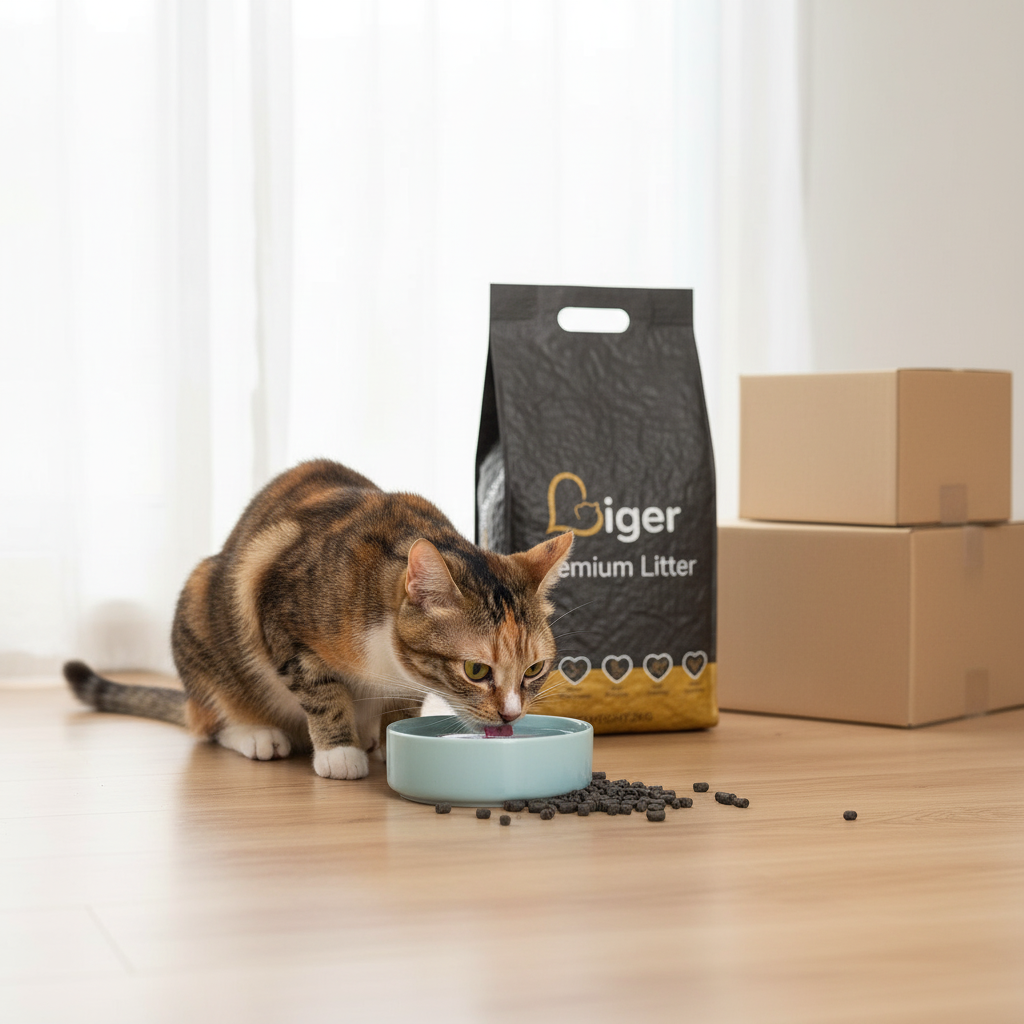
As cat parents, we chose to create Liger Tofu Cat Litter because we saw how crucial a truly clean and low-dust environment is. Our Liger Tofu Cat Litter offers an ultra-low dust formula, which is important for cats like Ping'An with sensitive respiratory systems, and minimal tracking. It also clumps fast and firm, making waste removal efficient and keeping the litter box cleaner, faster. Plus, its natural mild milk fragrance ensures a pleasant experience without artificial perfumes. Its flushable nature also means quick, hygienic disposal, reducing household bacterial load.
The Litter Box Hygiene Rules That Actually Prevent UTIs
Given Malaysia's unique climate and the bacterial pipeline, these hygiene practices are non-negotiable:
- **Scoop Twice Daily, Minimum:** This is the golden rule. Removing waste promptly prevents urea from breaking down into ammonia, which bacteria love. In humid conditions, this breakdown happens even faster.
- **Complete Litter Change & Wash Weekly:** Don't just top up the litter. Empty the entire box, wash it with a pet-safe disinfectant (or mild soap and water), dry thoroughly, and refill with fresh litter. For optimal hygiene in our climate, consider doing this every week, or even more often if your cat uses the box heavily or if you notice any lingering smells.
- **Ventilation is Your Friend:** Place litter boxes in well-ventilated areas, away from steamy bathrooms. Good airflow helps dissipate moisture and odors. An open litter tray generally promotes better air circulation than a covered one.
- **Consider a Dehumidifier:** If possible, using a small dehumidifier in the room where the litter box is located can significantly reduce ambient moisture, slowing bacterial growth and keeping litter fresher for longer.
For more detailed guidance on maintaining the perfect litter box, check out our Tofu Cat Litter Change Schedule tailored for Malaysia.
The Malaysian Cat Parent's UTI Prevention Calendar ⭐
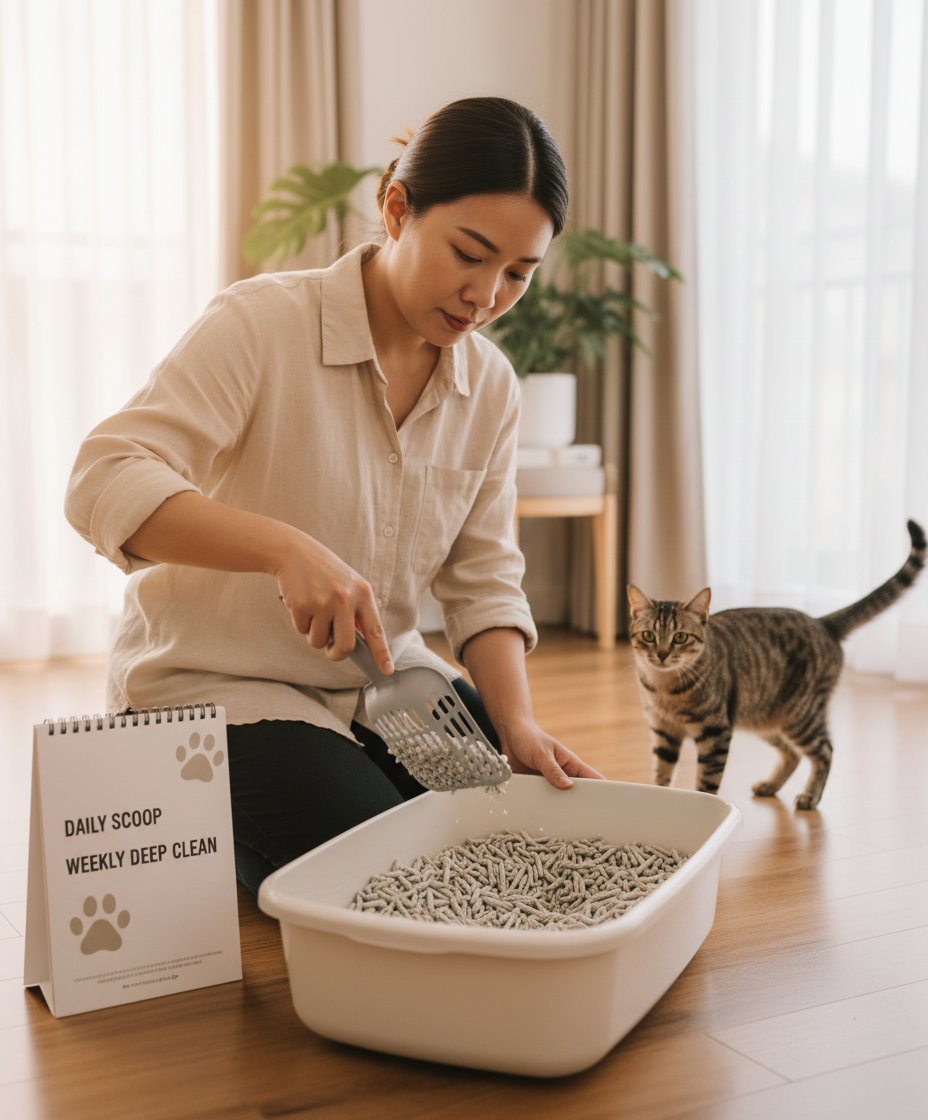
Instead of a scattershot approach, a structured prevention routine works wonders. For Malaysian cat parents, this means adjusting our habits to account for our tropical climate. Here’s a simple calendar to keep your furball's urinary tract happy and healthy, potentially saving you thousands in vet bills.
Daily Routine (5 Minutes That Save RM Thousands)
These quick tasks are your first line of defense:
- **Morning Scoop (2 minutes):** Start the day with a clean slate. Scoop all waste from the litter box immediately. This prevents bacteria from multiplying throughout the day in our warm, humid air. Note the amount of urine; a significantly smaller or larger clump than usual might be a subtle sign of an issue.
- **Evening Scoop & Check (3 minutes):** Before bed, scoop again. Take a moment to observe your cat's litter box habits: are they straining? Vocalizing? Urinating normally? Are there any signs of blood? These quick observations are the most effective home monitoring tools you have.
- **Water Refresh:** Always ensure fresh, clean water is available in multiple bowls. Consider a fountain to encourage more drinking, especially in our heat.
- **Wet Food Meal:** If not already, aim to include at least one wet food meal to boost hydration.
Weekly Deep Clean Protocol
Once a week, it’s time for a more thorough cleanse, especially crucial in our climate:
- **Empty & Wash:** Completely empty the litter box. Wash it thoroughly with warm, soapy water and a pet-safe disinfectant or a diluted vinegar solution. Avoid harsh chemicals or strong perfumes that can deter your cat.
- **Dry Completely:** This step is critical in Malaysia! Ensure the litter box is bone-dry before refilling it with fresh litter. Any residual moisture will only invite bacteria and mold, particularly with organic litters like tofu.
- **Assess Litter Levels:** Top up or completely replace litter as needed. For Liger Tofu Cat Litter, ensure a depth of at least 2-3 inches for optimal clumping.
- **Check Resource Availability (Multi-Cat Homes):** Confirm all cats have easy, stress-free access to their own designated litter boxes and feeding stations. Remember the 'n+1' rule: one litter box per cat, plus one extra, is ideal to reduce competition and stress.
Monthly and Quarterly Health Checks
These checks go beyond the litter box to holistic health:
- **Monthly Litter Box Audit:** Beyond the weekly clean, do a 'sniff test' and visual check for any persistent odors or issues. Replace old litter boxes if they are scratched or retain smells, as plastic can harbor bacteria over time.
- **Quarterly Hydration Review:** Re-evaluate your cat's water intake. Are they drinking enough? Are they showing any subtle signs of dehydration? Our Ultimate Hydration Hack Guide offers more tips.
- **Annual Vet Check-up (or Biannual for Seniors/At-Risk):** A routine visit to the vet for a full physical exam and, if recommended, a urinalysis is priceless. This helps catch silent issues like subclinical bacteriuria or early signs of other health conditions before they become serious. Remember, older cats and those with comorbidities face significantly higher risks.
Diet and Hydration — The First Line of Defense
When it comes to preventing feline urinary issues, nothing is more powerful than diet and hydration. It's truly the foundation of a healthy urinary system, and it's something we, as cat parents, have direct control over every single day.
Wet Food vs Dry Food and Urine Concentration
This is where the magic happens. Cats naturally have a low thirst drive, meaning they often don't drink enough water to compensate for a dry diet. Dry kibble typically contains only 6-10% moisture, a far cry from a cat's natural prey. Wet food, however, boasts 70-80% moisture content. The difference is stark and scientifically proven: a key study in the British Journal of Nutrition found that cats on a high-moisture diet (73.3%) consumed roughly 30% more total water than those on a dry diet. This led to a significantly higher urine volume and, crucially, a lower Urine Specific Gravity (USG) of 1.036 compared to >1.050 for dry-fed cats.
What does this mean for your cat? More dilute urine acts like a natural flushing system, making it much harder for minerals to concentrate and form painful crystals or stones. It also helps wash out bacteria, reducing the risk of infection. Simply put, feeding wet food is one of the kindest things you can do for your cat's bladder health.
Water Intake Goals for Malaysian Cats
In Malaysia's heat, keeping your cat hydrated isn't just a good idea; it's vital. A general guideline is for cats to consume about 60ml of water per kilogram of body weight per day. If your cat weighs 5kg, that's 300ml of water! Dry food provides very little of this. To encourage more drinking, try these tricks:
- Offer multiple water bowls in different locations.
- Use ceramic or stainless steel bowls, as some cats dislike plastic.
- Consider a feline water fountain; many cats prefer moving water.
- Add a splash of tuna water or bone broth to their wet food or water bowl.
- Keep water bowls away from their food and litter box.
Foods That Support Urinary Health (and What to Avoid)
Beyond moisture, the composition of your cat's diet plays a role. The ideal urine pH for cats is slightly acidic, typically between 6.0 and 6.5. This range helps deter the formation of both struvite crystals (which form in alkaline urine) and calcium oxalate crystals (which can form in overly acidic urine). While dietary moisture itself doesn't inherently control pH, many commercial diets, both wet and dry, are formulated with specific ingredients like DL-methionine to help maintain this target pH. Always consult your veterinarian if your cat has a history of urinary crystals, as they may recommend a prescription urinary diet tailored to their specific needs. Generally, avoid homemade diets unless guided by a veterinary nutritionist, as an imbalanced diet can inadvertently contribute to urinary issues.
Stress, Weight, and Other Hidden Risk Factors
Sometimes, urinary problems aren't just about diet or litter. Hidden factors like stress, especially in busy households, and excess weight can silently chip away at your cat's urinary health, making them more vulnerable to painful conditions.
Multi-Cat Households and Shared Litter Box Risks
If you live with multiple cats, you know the delicate balance of feline dynamics. While bacterial UTIs are not contagious and won't spread through shared litter, multi-cat homes are a primary risk factor for Feline Idiopathic Cystitis (FIC). Remember our earlier discussion? FIC is a stress-induced inflammatory condition, not an infection. Competition for resources like food, water, and crucially, litter boxes, can cause immense stress. Even our own Lion can get particular about his box! Veterinarians recommend the 'n+1' rule for litter boxes—one box per cat plus one extra—to reduce this stress. Place them in quiet, separate areas, and ensure multiple feeding and water stations to prevent any one cat from guarding resources and causing tension.
Obesity and UTI Connection
Being a 'chonky' cat might look cute, but obesity comes with serious health risks, including an increased likelihood of urinary issues. Overweight cats often have difficulty grooming themselves properly, especially around the perineal area. This can lead to a buildup of urine and fecal matter, creating a breeding ground for bacteria that can then ascend into the urinary tract. Plus, obesity is linked to other conditions like diabetes, which, as we saw, significantly increases the risk of subclinical bacteriuria. Maintaining a healthy weight is a simple yet powerful preventive measure for overall feline health.
Environmental Enrichment as Prevention
Since stress is such a major player in FIC, creating a calming, enriching environment is a potent form of prevention. Provide ample vertical space with cat trees and shelves, giving cats places to observe and retreat. Offer interactive toys, puzzle feeders, and dedicated playtime to stimulate their minds and bodies. Consistent routines, quiet resting spots, and even synthetic feline pheromone diffusers can help create a more harmonious home. Reducing environmental stress reduces the likelihood of an FIC flare-up, keeping their bladders happy.
When to Rush to the Vet — Emergency Signs
While prevention is always the goal, sometimes things go wrong. Knowing when a urinary issue becomes a life-threatening emergency can make the difference between a quick recovery and a devastating loss. There are certain signs that simply cannot wait.
Male Cat Blockage — A 24-Hour Death Sentence
This is the most critical emergency for cat parents, especially those with male cats. Due to their narrower urethras, male cats are highly prone to urethral blockages caused by urinary crystals, mucous plugs, or even small stones. If your male cat is straining to urinate, making frequent trips to the litter box with no or very little urine output, crying in pain, or becoming lethargic, do not wait. This is a medical emergency. A blocked cat cannot empty its bladder, leading to a buildup of toxins that can be fatal within 24-48 hours. Seriously, every minute counts. Rush to the nearest emergency veterinary clinic immediately.
Treatment Costs in Malaysia (RM Breakdown)
The financial burden of treating feline urinary issues in Malaysia can be substantial, highlighting why prevention is truly the more affordable path. While a routine, uncomplicated UTI might set you back a few hundred ringgit, an emergency can quickly escalate into thousands. Based on reports on pet emergency costs in Malaysia, here's an idea of what to expect:
| Service/Condition | Estimated Cost (RM) |
|---|---|
| Initial Consultation (Routine) | 35 - 80 |
| Emergency Consultation | 150 - 350 |
| Urinalysis | 80 - 150 |
| Urine Culture & Sensitivity (if needed) | 150 - 300 |
| Medication (Antibiotics, Anti-inflammatories) | 100 - 500 |
| **Total for Simple UTI (Estimate)** | **215 - 730** |
| Urinary Catheter Placement (Emergency) | 600 |
| IV Fluids (per day) | 300 |
| Hospitalization (per day) | 400 |
| **Total for Emergency Blockage (Estimate)** | **2,850+** |
| Surgical removal of bladder stones | 2,500 - 6,000 |
These figures can be daunting. It makes planning for potential emergencies, perhaps through pet insurance like those offered in Malaysia, or simply setting aside an emergency fund, a very smart move.
Home Monitoring — Catch It Before It's Too Late ⭐
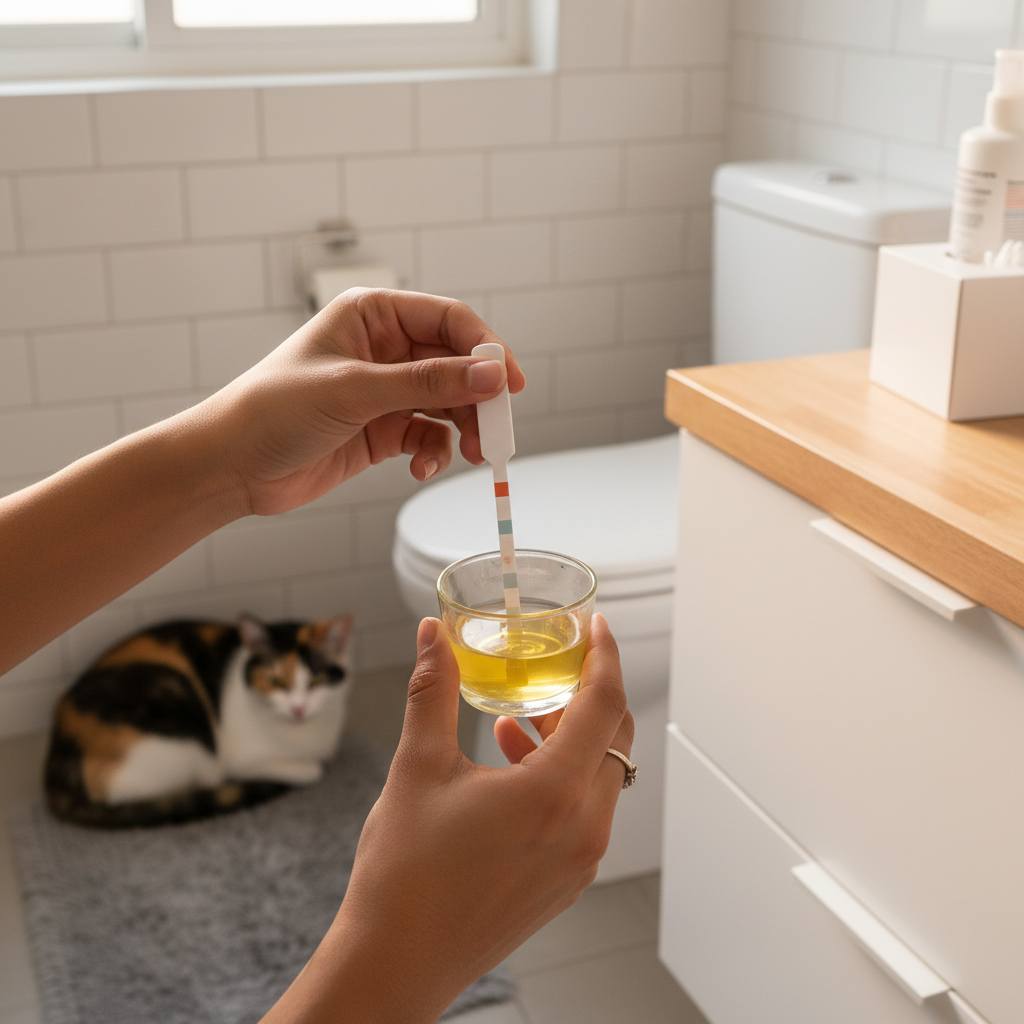
No one knows your cat better than you. That makes you the most important monitor of their urinary health. Daily observation, combined with a healthy dose of skepticism about trendy supplements, creates a powerful defense line against UTIs.
How to Check Your Cat's Urine at Home
While nothing replaces a professional urinalysis, home monitoring can give you early clues:
- **Observe Litter Box Habits:** As mentioned, watch for changes in frequency, straining, and vocalization. This is your primary tool.
- **Color and Clarity:** After your cat urinates, take a quick peek at the clump. Is the urine visibly red or pink? Is it unusually cloudy? Clear, pale yellow urine is generally a good sign.
- **Odor:** While cat urine naturally has an odor, a sudden, strong ammonia smell, especially after scooping, could indicate rapid bacterial proliferation.
- **pH-Indicating Litters/Granules:** These products change color based on urine pH or detect microscopic blood. They can provide an early alert, but they're not foolproof. Not all urinary issues affect pH, and their accuracy can be less reliable than lab tests. Use them as a screening tool, not a diagnostic one. If the color changes, or you see anything unusual, a vet visit is still essential.
Do Cranberry Supplements Actually Work?
This is a big one. Cranberry supplements are incredibly popular for human UTIs, and that popularity has spilled over into the pet world. The theory is that proanthocyanidins (PACs) in cranberries prevent *E. coli* from sticking to bladder walls. Sounds good, right? Well, for cats, the science simply isn't there yet.
As a fellow cat parent, I wish there was a magic pill. But a systematic review on cranberry pet UTI efficacy concluded there's "insufficient evidence" to recommend cranberry products for preventing cystitis in cats. The research has been limited, with small sample sizes and often a high risk of bias. So, while cranberry supplements are generally considered harmless, don't rely on them as your primary prevention strategy. Your efforts are far better spent on ensuring excellent hydration and rigorous litter box hygiene. Don't fall for the hype when fundamental care is what truly works.
Navigating the world of feline urinary health, especially in Malaysia's unique climate, can feel a bit overwhelming. But as cat parents, we've learned that consistent, thoughtful care makes all the difference. I remember feeling frustrated early on, thinking I was doing everything right with a clean litter box, only to realize the humidity was secretly sabotaging my efforts. It felt like a constant struggle to stay ahead of the smell and the worry. That insight led me to rethink everything, particularly litter choice and cleaning frequency. The lesson? Sometimes, the obvious solution isn't enough, and a deeper understanding of our local environment helps us truly care better for our cats.
Ultimately, preventing UTIs and other urinary issues for your Malaysian cat comes down to a tiered approach: prioritizing hydration through wet food, adopting a rigorous, humidity-aware litter box hygiene schedule, actively reducing stress, and being vigilant with home monitoring. By implementing these evidence-based strategies, you're not just preventing painful conditions; you're investing in your cat's long-term health and happiness.
Your Monday morning action: Go home today, grab your cat's wet food, and add a quarter cup of water to it before serving. Then, take a quick peek at the litter box and give it an extra scoop, even if you just did it. Those tiny steps really do add up!