- Cat litter can cause allergies in both cats and humans through dust, fragrances, and organic components.
- Symptoms in cats range from skin irritation (paws, perineum) to respiratory issues (sneezing, wheezing) and litter box aversion.
- For humans, cat litter dust can trigger respiratory problems like asthma or even serious lung conditions like sarcoidosis in rare cases.
- A 14-day litter elimination trial is an effective diagnostic tool to identify litter as the allergen for your cat.
- In tropical climates, biodegradable litters face increased mold and mycotoxin risks, while all litters can generate more airborne dust due to humidity.
That little sneeze. The persistent paw licking. The mysterious 'accidents' outside the litter box. As cat parents, we've all been there, wondering if these subtle changes are just quirks or cries for help. Sometimes, the culprit hides in plain sight: your cat's litter.
Cat litter allergies are more common than many of us realize, affecting not just our feline friends but often us, their human companions, too. It's a complex dance between dust particles, fragrances, and even mold, triggering everything from sniffles to serious respiratory issues. But how do you tell if that trusty bag of litter is secretly causing discomfort? This guide will walk you through the tell-tale cat litter allergy symptoms for both cats and their owners, offering a step-by-step approach to identifying the problem and finding a solution that brings peace to your home.
What Is a Cat Litter Allergy?
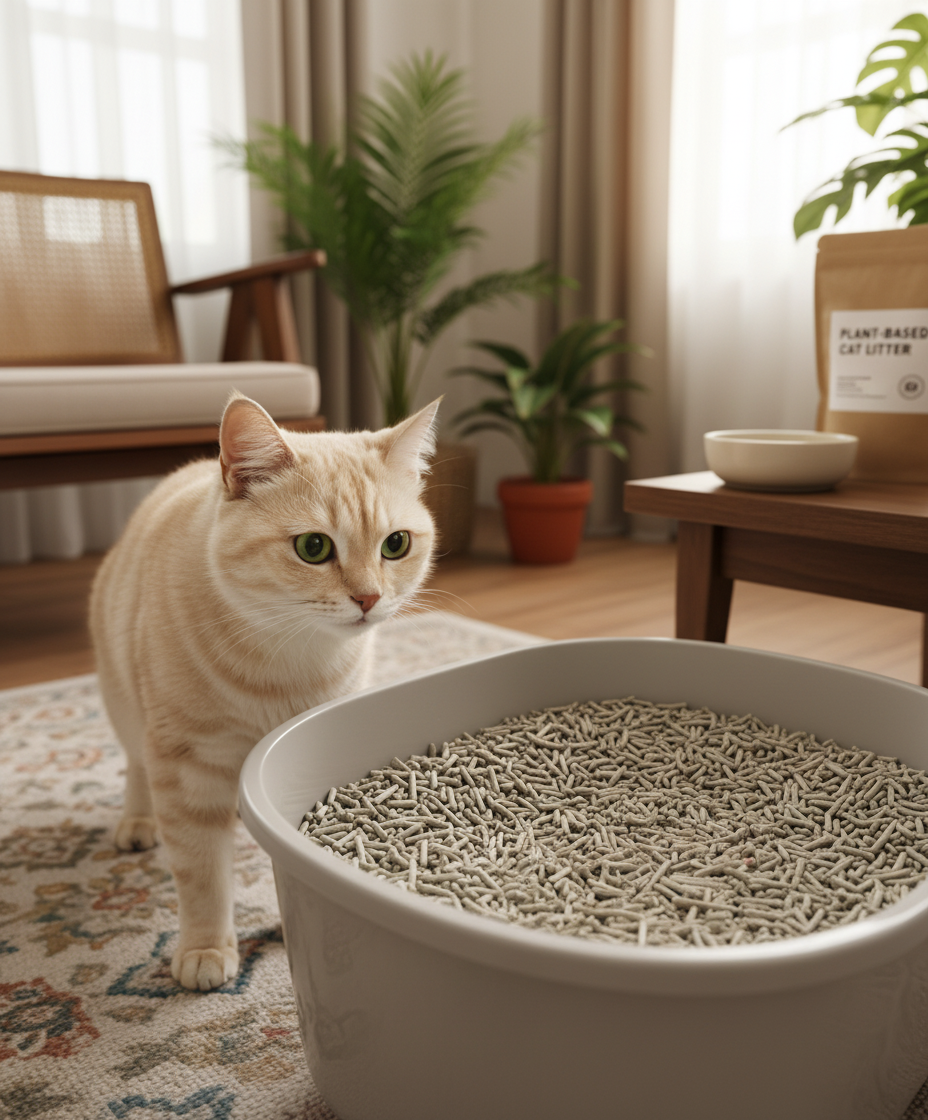
A cat litter allergy is an adverse immune response to specific components within the litter, such as dust particles, fragrances, or chemical additives. This reaction can manifest as skin irritation, respiratory distress, or even behavioral changes, making the litter box a source of discomfort rather than relief. Unlike immediate, severe allergic reactions, litter allergies often develop over time with repeated exposure, making them tricky to pinpoint.
How Cat Litter Causes Allergic Reactions
The scientific mechanisms behind cat litter allergies are quite fascinating and depend on the type of litter. Mineral-based litters, primarily bentonite clay and silica gel, are notorious for generating fine particulate matter. When alveolar macrophages—the lung's cellular defenders—phagocytose crystalline silica particles from these litters, it can trigger cellular damage. This damage activates the NLRP3 inflammasome, leading to a cascade of pro-inflammatory cytokines like Interleukin-1β. Chronic inflammation can eventually cause progressive lung fibrosis, a hallmark of conditions like silicosis in humans as seen in medical case reports.
On the other hand, plant-based litters (think pine, paper, tofu) typically cause a different type of reaction. These organic materials can introduce allergens such as mold spores or plant proteins. For susceptible cats and humans, these can trigger a classic Type I hypersensitivity reaction, mediated by IgE antibodies. When an allergen binds to IgE on mast cells, it releases histamine and, significantly for cats, serotonin—a potent bronchoconstrictor, leading to asthma-like symptoms or skin irritation as explained by veterinary clinics.
Why Some Cats Are More Susceptible
Just like humans, some cats are simply more prone to allergies. Kittens and senior cats often have less robust immune systems or more sensitive respiratory tracts, making them more vulnerable. Breeds predisposed to respiratory sensitivities, like certain brachycephalic (flat-faced) breeds, might also be at higher risk. Cats with pre-existing conditions like feline asthma (which affects 1-5% of cats globally) will find dusty or scented litters to be significant triggers, exacerbating their symptoms dramatically. Our Ping'An, for instance, has a very sensitive nose and sneezes quite a bit at dusty litters, which helps us choose litter carefully.
9 Cat Litter Allergy Symptoms to Watch For
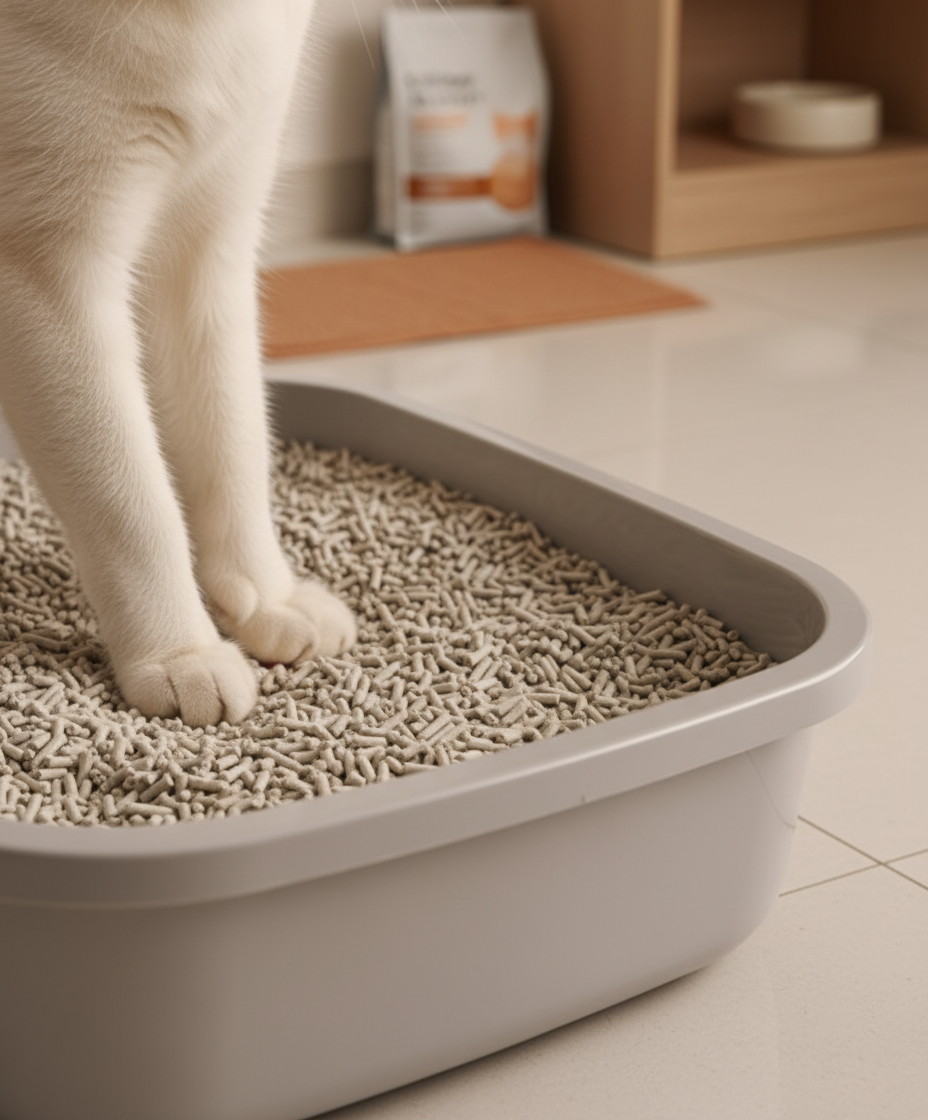
Recognizing the signs of a litter allergy in your cat can be tricky, as many symptoms overlap with other conditions. However, by observing a constellation of symptoms and their timing, you can start to piece together the puzzle. Here are the key indicators:
Skin Symptoms (Itching, Rash, Paw Irritation)
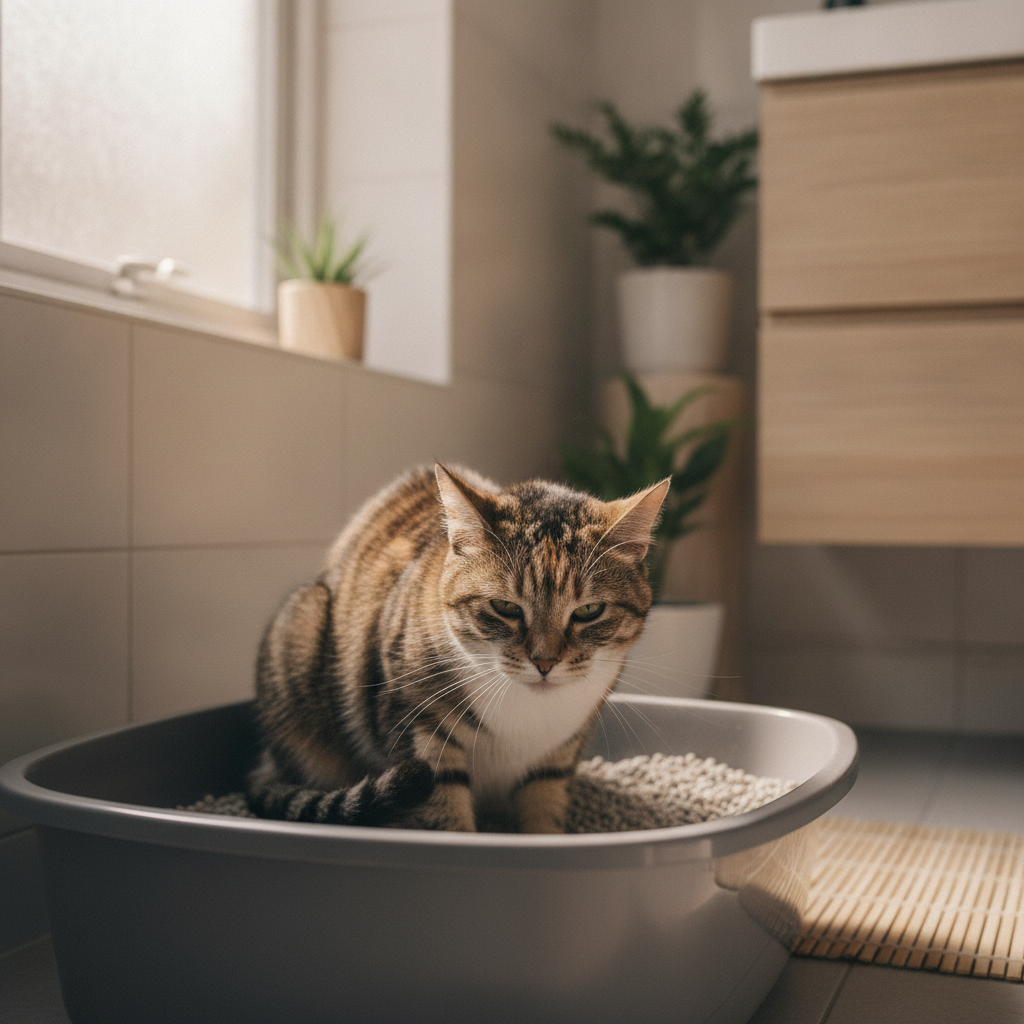
Skin reactions are a common way for cats to show a contact allergy to litter. You might notice your cat constantly licking, biting, or chewing their paws, especially between the toes. The skin on their paw pads or around their perineal (bum) area might appear red (erythema), inflamed, or even develop small bumps or scabs. Cats who spend a lot of time digging or resting in the litter box might also show irritation on their abdomen or hocks (ankles).
Respiratory Symptoms (Sneezing, Coughing, Wheezing)
Inhaling fine dust particles or strong artificial fragrances from litter can wreak havoc on a cat's delicate respiratory system. Common signs include frequent sneezing, which might be more noticeable after your cat uses the litter box. You might also hear your cat coughing, often sounding like a hairball cough but with nothing coming up. Wheezing, a high-pitched whistling sound during breathing, is a more serious sign of airway constriction, indicating potential asthma or bronchitis exacerbated by litter dust.
Eye Symptoms (Watery, Red, Swollen Eyes)
Litter dust and irritants can also affect a cat's eyes. You might observe watery eyes (epiphora), redness around the conjunctiva (the pink tissue surrounding the eye), or even swelling of the eyelids. Your cat might squint or rub their eyes frequently in an attempt to alleviate the irritation. These symptoms are similar to those seen in cats with upper respiratory infections, making careful observation crucial.
Behavioral Changes (Litter Box Avoidance, Excessive Grooming)
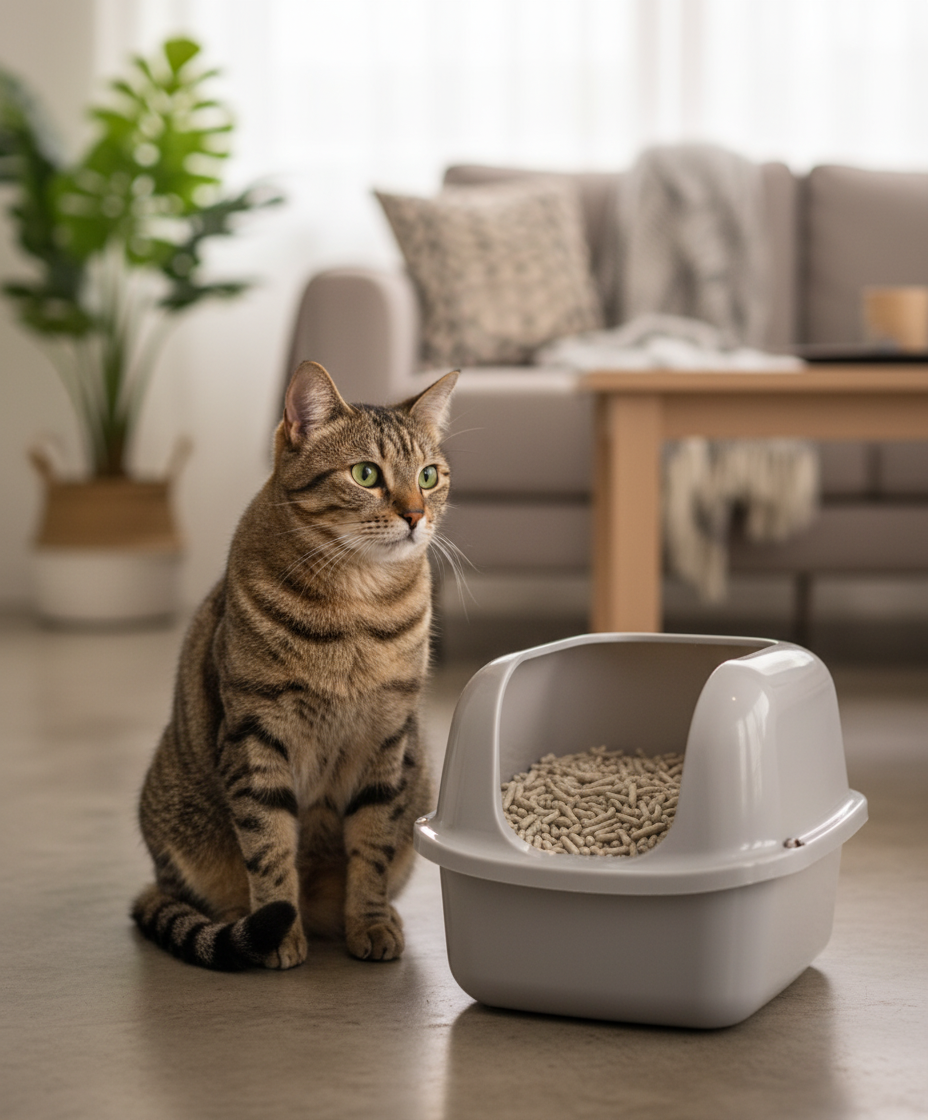
If the litter box becomes a source of discomfort, a cat will often try to avoid it. This can manifest as urinating or defecating outside the box, often on soft surfaces like carpets, laundry, or beds. This isn't 'revenge peeing'; it's a clear signal of distress. Additionally, excessive grooming (over-licking their fur) can be a stress response or an attempt to soothe irritated skin. If your cat spends an unusually long time meticulously cleaning themselves after using the litter box, it could indicate discomfort.
Emergency Warning Signs (Difficulty Breathing, Facial Swelling)
While most litter allergies present with mild to moderate symptoms, severe reactions can occur, requiring immediate veterinary attention. Watch for difficulty breathing (dyspnea), which might involve open-mouth breathing, rapid breathing, or their sides heaving. Facial swelling, particularly around the muzzle or eyes, can indicate a severe allergic reaction (anaphylaxis). Gums that appear pale or bluish are also a critical emergency sign. If you observe any of these symptoms, rush your cat to the nearest emergency veterinary clinic. These are life-threatening situations that require urgent medical intervention.
Cat Litter Allergy vs Other Allergies — How to Tell the Difference
Distinguishing a cat litter allergy from other common feline allergies is essential for effective treatment. Many allergic conditions in cats present with similar skin or respiratory symptoms, making a precise diagnosis a process of elimination. As cat parents, it often feels like we're playing detective, but understanding the subtle differences can guide your observations and help your vet.
Litter Allergy vs Food Allergy
Food allergies in cats typically manifest with intense itching around the head, face, neck, and ears, often accompanied by gastrointestinal signs like vomiting or diarrhea. In contrast, litter allergies usually cause skin irritation in areas that directly contact the litter—paws, perineal area, and hocks. A litter allergy can also cause respiratory symptoms. The key diagnostic method for food allergies is a strict 8-12 week food elimination trial using a novel or hydrolyzed protein diet, which is much longer than a typical litter trial.
Litter Allergy vs Flea Allergy
Flea Allergy Dermatitis (FAD) is the most common allergy in cats, even with minimal flea exposure. Symptoms include intense itching, miliary dermatitis (crusted scabs), and hair loss, primarily concentrated on the lower back, base of the tail, and back of the thighs—often described as the 'caudal half' of the cat. The presence of fleas or flea dirt, and a positive response to strict flea control, differentiate FAD from a litter allergy, where irritation is more localized to litter-contact areas.
Litter Allergy vs Environmental Allergy (Pollen, Dust Mites)
Environmental allergies, also known as atopic dermatitis, can present with symptoms almost identical to food allergies, affecting the head, neck, ears, feet, and abdomen. These allergies are often seasonal if triggered by pollen, but year-round if dust mites are the culprit. Diagnosing environmental allergies is often a diagnosis of exclusion, meaning your vet will first rule out fleas and food sensitivities. The distinction from litter allergy comes down to the specific contact areas for litter, versus more generalized itching for environmental allergens.
To simplify, here's a quick reference:
| Condition | Typical Lesion Location | Key Differentiating Signs | Primary Diagnostic Method |
|---|---|---|---|
| Litter Contact Allergy | Paws, perineal area, hocks, abdomen | Lesions confined to contact areas; potential respiratory signs and box aversion. | Positive response to a 14-day litter elimination trial. |
| Food Hypersensitivity | Head, face, neck, ears | Intense facial itching; may be accompanied by gastrointestinal signs. | 8-12 week strict elimination diet trial. |
| Flea Allergy Dermatitis (FAD) | Lower back, base of tail, back of thighs | Intense itching; classic 'racing stripe' pattern of hair loss; miliary dermatitis. | Presence of fleas/flea dirt and positive response to strict flea control. |
| Atopic Dermatitis (Environmental) | Head, neck, ears, feet, abdomen | Often seasonal itching; presentation can be identical to food allergy. | Diagnosis of exclusion after ruling out FAD and food allergies. |
Can Humans Be Allergic to Cat Litter? (Signs for Owners) ⭐
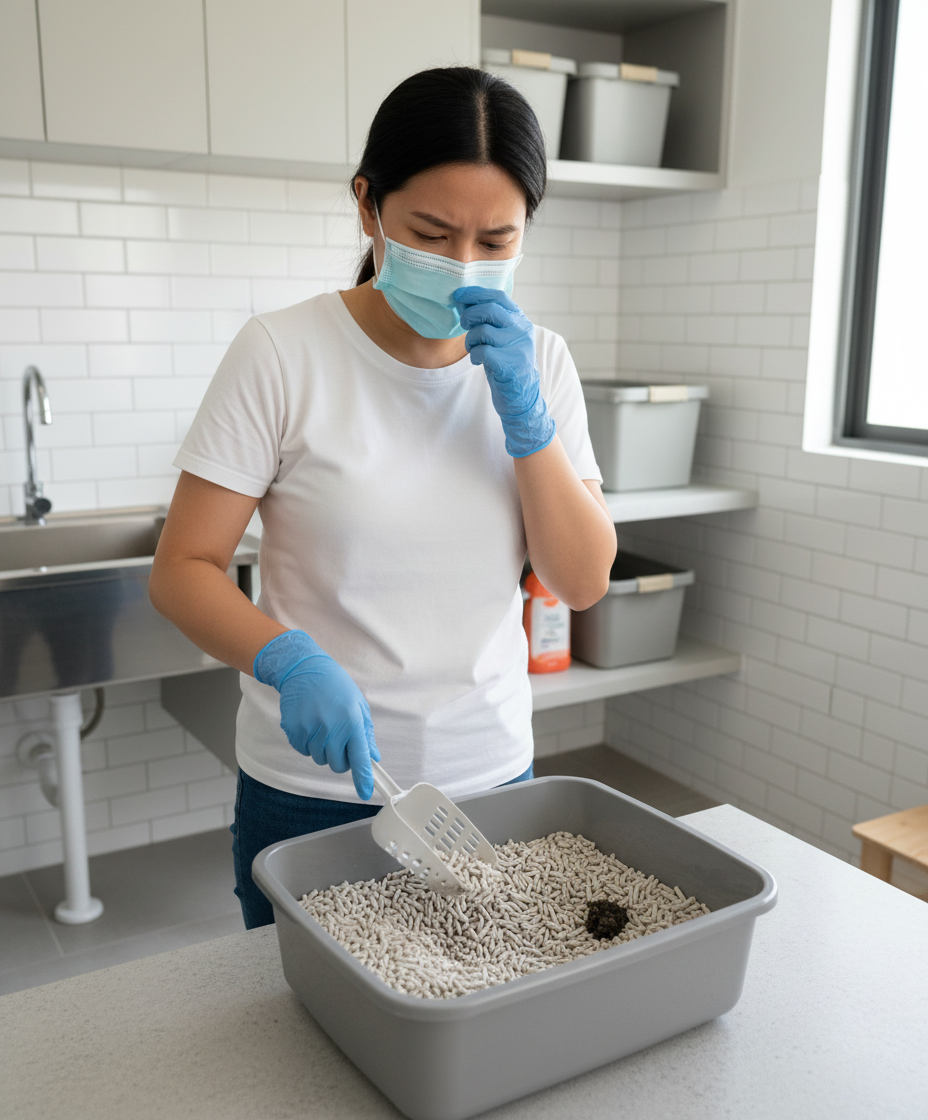
Absolutely! The question of 'cat litter allergy symptoms' often comes from cat owners who are experiencing the discomfort themselves. While we focus a lot on our feline companions, the fine particulate matter and chemicals in cat litter can pose significant health risks to humans too, sometimes more acutely. It’s a common misconception that if the cat seems fine, the litter is safe for everyone in the house. That's not always the case.
For years, occupational safety agencies like OSHA have set strict Permissible Exposure Limits (PEL) for respirable crystalline silica at 50 micrograms per cubic meter (µg/m³) over an 8-hour workday, acknowledging its risk for diseases like silicosis due to chronic exposure. While domestic exposure is typically lower than industrial settings, it's not non-existent. Some mineral litters, especially bentonite clay, can contain varying levels of crystalline silica (from 0.05% to 20%), which becomes airborne as fine dust during scooping or pouring.
Common Human Symptoms from Cat Litter Dust
For humans, the symptoms of a cat litter allergy or sensitivity often mirror common environmental allergies or respiratory irritation. You might experience:
- Respiratory Issues: Frequent sneezing, runny or stuffy nose, coughing, and throat irritation. For individuals with pre-existing conditions, it can trigger asthma attacks, leading to wheezing, chest tightness, and shortness of breath.
- Eye Problems: Itchy, watery, or red eyes, similar to hay fever.
- Skin Irritation: Itchy skin, hives, or rashes, particularly on hands if handling the litter without gloves.
- Headaches: Strong fragrances in some litters can trigger headaches or migraines in sensitive individuals.
While industry studies often conclude that consumer exposure to crystalline silica from clay litter is significantly lower than occupational limits—even up to 300 times lower in some European Bentonite Association analyses—medical case reports tell a different story. Several instances document individuals developing serious lung conditions, including sarcoid-like lung disease, where long-term domestic exposure to silica-containing bentonite cat litter was the only identifiable cause. One woman developed sarcoidosis after 18 years of using such litter, with silica particles found in both her lung tissue and the litter brand she used as reported by NCBI. This highlights a critical gap between theoretical exposure assessments and real-world health outcomes.
Who Is Most at Risk (Asthma, Existing Allergies)
Certain individuals are at a higher risk of experiencing adverse reactions to cat litter. This includes anyone with pre-existing respiratory conditions like asthma, COPD, or chronic bronchitis, whose airways are already hypersensitive to irritants. People with environmental allergies (to pollen, dust mites, mold) or sensitive skin may also find themselves more susceptible. Even without a formal diagnosis, persistent symptoms that improve when you're away from home or when someone else manages the litter box are strong indicators that the litter is the culprit. It's tricky, I know, to connect that lingering cough to something as mundane as scooping the litter, but for many cat parents, it's a genuine struggle.
The Litter Elimination Protocol — Finding the Right Litter ⭐
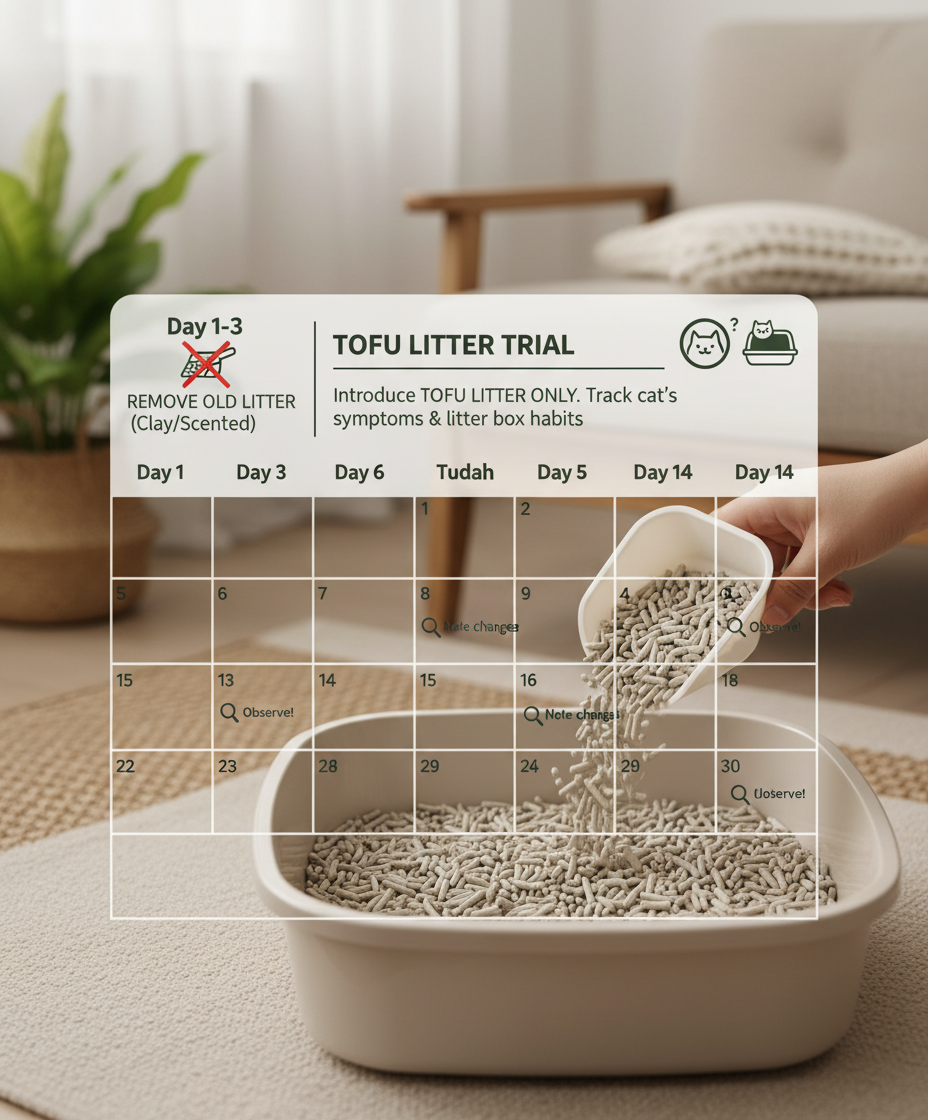
When you suspect your cat's litter is causing problems, simply switching brands randomly often doesn't give clear answers. Instead, veterinarians recommend a structured approach, similar to a food elimination trial but typically much faster. This 'Litter Elimination Protocol' is your best bet for isolating the trigger, and unlike the 8-12 week food trials, a litter trial can often yield results in just 14 days.
Step 1: Remove Scented and Clay-Based Litter
Start by removing the most common irritants from your cat's environment. This means saying goodbye to any highly scented litters (even those with 'natural' fragrances can be irritating) and traditional clumping clay litters, especially those known for high dust. Many clay litters contain bentonite, which creates fine dust, and sometimes crystalline silica, a known respiratory irritant. This initial step is crucial because it eliminates the biggest offenders right off the bat. Replace all existing litter with a truly inert, unscented, and ultra-low dust option. A good choice for this phase might be a basic, unscented paper-based litter or Liger Tofu Cat Litter with its ultra-low dust formula and natural mild milk fragrance.
Step 2: The 14-Day Single-Litter Trial
Once you've removed the initial culprits, introduce ONE new, hypoallergenic litter type. This is where the systematic trial begins. For 14 consecutive days, use *only* this new litter. Do not mix litters, do not introduce other new brands, and ensure all litter boxes in your home contain only this single test litter. The short duration (14 days) allows for sufficient exposure to the new litter while being brief enough to see improvements if the previous litter was the problem. This timeframe is a lot shorter than food elimination trials, which can take 8-12 weeks for symptoms to resolve. If your cat's symptoms significantly improve during these two weeks, you've likely found your trigger.
Step 3: Symptom Tracking Checklist
Consistent monitoring is key to the success of this protocol. Keep a daily log of your cat's symptoms, giving each a score from 1 (no symptoms) to 5 (severe symptoms). Track:
- Respiratory: Sneezing, coughing, wheezing, nasal discharge.
- Dermatological: Paw licking/chewing, body scratching, skin redness, hair loss.
- Ocular: Watery eyes, redness, squinting.
- Behavioral: Litter box use (in vs. out), excessive grooming post-litter.
If symptoms improve, you've identified a likely culprit. If not, the current litter isn't the issue, and you can try another hypoallergenic type or consult your vet for other diagnostic pathways. This systematic approach, rather than guessing, saves time and reduces stress for both you and your cat.
Best Litter Types for Allergy-Prone Cats (Comparison Table)
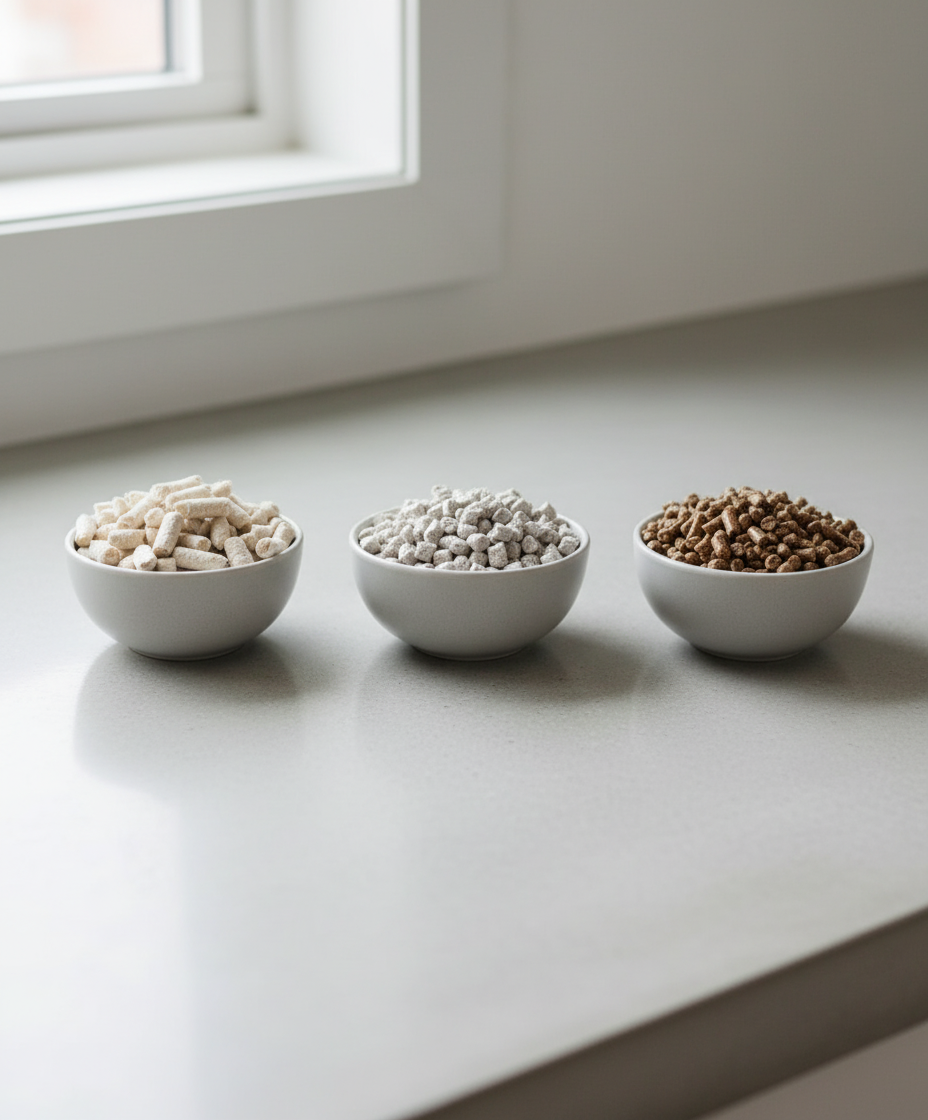
Choosing the right litter for an allergy-prone cat means prioritizing low-dust, unscented, and often natural materials. Many cat parents instinctively reach for 'natural' options, but even these have their nuances, especially when dealing with allergies. Let's break down the common types and their suitability:
| Litter Type | Key Material | Dust Level | Allergen Risk | Clumping | Odor Control | Suitability for Allergies |
|---|---|---|---|---|---|---|
| Bentonite Clay | Sodium bentonite clay | High (fine, respirable dust) | High (crystalline silica, fragrances) | Excellent | Good | Poor (often exacerbates respiratory issues) |
| Crystal/Silica Gel | Silica dioxide (porous) | Moderate (can still generate fine silica dust) | Moderate (fine silica particles, potential for fragrance) | None | Excellent | Moderate (better than clay for dust, but still silica risk) |
| Tofu/Soy-Based | Soybean dregs | Ultra-low | Low (natural proteins, mold risk in humidity) | Excellent, firm | Very good (natural mild milk fragrance options) | Excellent (ideal for respiratory/skin sensitivity) |
| Paper-Based | Recycled paper pulp | Very low | Low (ink/dye free, occasional mold risk) | Poor to Moderate | Moderate | Excellent (good for extreme sensitivity) |
| Pine/Wood Pellets | Pine/wood fibers | Low (some fine sawdust) | Moderate (pine oils, mold risk) | None (disintegrates) | Good (natural scent) | Good (less dust than clay, but pine oils can irritate) |
Tofu Cat Litter (Low-Dust, Biodegradable)
Made from natural soybean dregs, tofu cat litter stands out as an excellent choice for allergy-prone cats and their owners. Its extruded cylindrical pellets result in an ultra-low dust formula, significantly reducing airborne particulates that trigger respiratory symptoms. For example, Liger Tofu Cat Litter boasts a natural mild milk fragrance, which is usually well-tolerated and far less irritating than artificial perfumes found in other litters. It clumps fast and firmly, making scooping easy and minimizing tracking. Plus, its food-grade material means it's safe if accidentally ingested by curious cats or kittens.
Paper-Based Litter
Recycled paper-based litters are another strong contender for sensitive cats. They are virtually dust-free and often unscented, making them ideal for cats with severe respiratory issues or skin sensitivities. However, paper litter typically offers weaker clumping action and may not control odors as effectively as some other options. It's a great choice for short-term use during an allergy trial or for cats with extreme sensitivities, but daily maintenance is often required.
Pine and Wood Pellet Litter
Pine and other wood pellet litters offer a natural, biodegradable alternative. They are generally low in dust, though some fine sawdust can still be generated during use. The natural pine scent can be a double-edged sword: while it controls odors naturally, some cats (and humans) can be sensitive to the essential oils in pine. They don't clump like clay or tofu, instead disintegrating into sawdust upon contact with liquid, requiring more frequent sifting or full litter changes. Despite this, they are a better choice than dusty clay for many allergy sufferers.
Crystal/Silica Gel Litter
Often marketed as 'low-dust,' silica gel litters are made from a porous form of silicon dioxide. While their larger granules are less friable than clay, they can still generate fine, respirable silica particles, especially with aggressive digging or during manufacturing. They excel at liquid absorption and odor control, but the potential for silica dust and the harsh texture can be a concern for very sensitive cats. Some cats also dislike the feel of the crystals on their paws, leading to aversion.
Managing Cat Litter Allergies in Tropical Climates ⭐
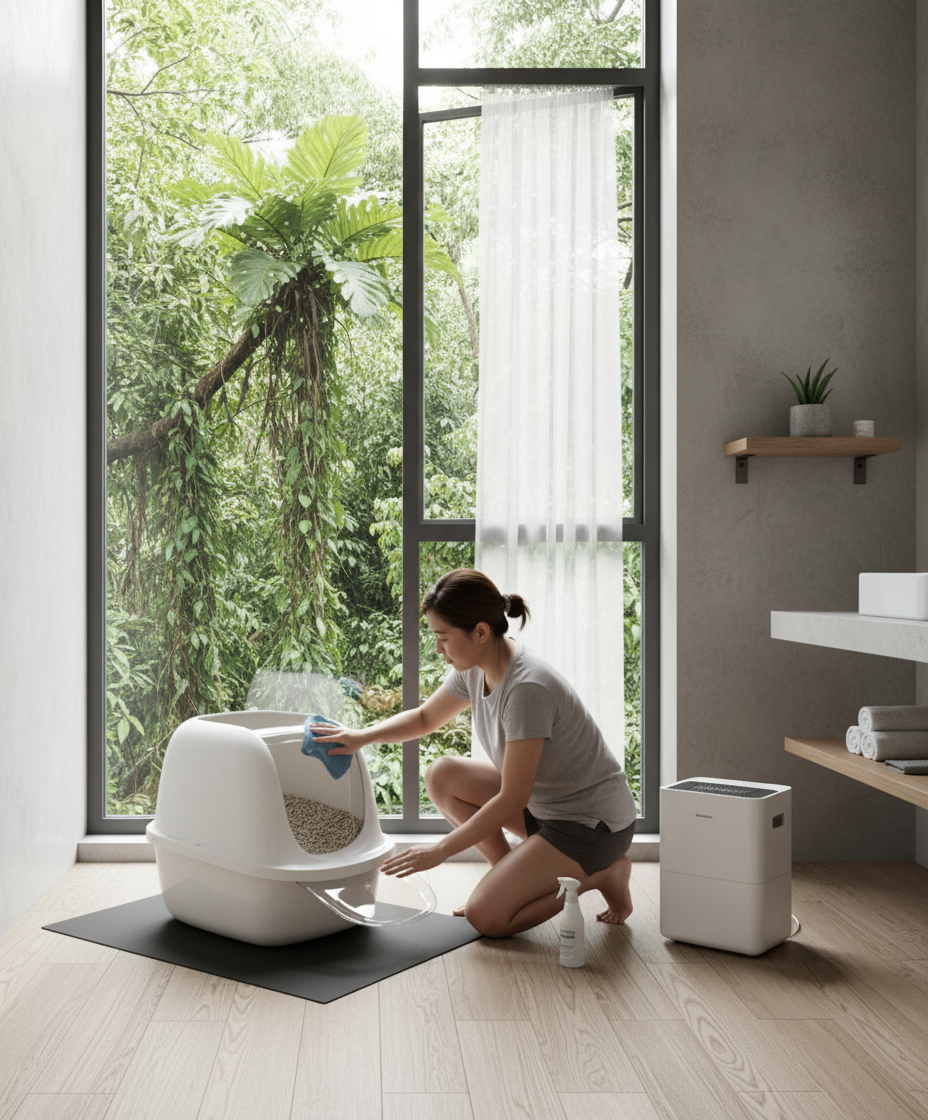
For cat parents in Malaysia and other Southeast Asian regions, managing cat litter allergies introduces an extra layer of complexity: tropical humidity. Our climate, with relative humidity often soaring above 60-70%, significantly impacts both dust behavior and the integrity of biodegradable litter types. This is a crucial factor that often goes unaddressed in Western-centric cat care advice.
Humidity and Dust Behavior
Counter-intuitively, high humidity can make litter dust *more* problematic. While moisture can sometimes cause heavier particles to settle faster, it also facilitates the suspension of finer, respirable particles for longer periods. The damp air can make lighter dust particles 'stickier,' creating a more persistent haze when the litter is disturbed. This means that even 'low-dust' litters can feel dustier in a humid environment. Proper ventilation, perhaps with an exhaust fan or strategically placed air purifier, becomes even more critical in Malaysian homes to disperse these airborne irritants. Our own cat, Ping'An, definitely sneezes more if the air isn't moving well in her litter area.
Mold Risk in Stored Litter
This is where biodegradable litters, despite their benefits, face a unique challenge in tropical climates. Litters made from corn, tofu, or pine are organic, fibrous, and highly hygroscopic, meaning they readily absorb moisture from the air. In environments with relative humidity consistently above 60%, these litters become a fertile breeding ground for mold, particularly species like *Aspergillus flavus*.
This mold thrives at temperatures of 28-32°C and humidity above 85%—conditions that perfectly overlap with Malaysia's climate as noted by the FDA. Proliferating mold can then produce harmful mycotoxins like aflatoxin, a potent liver and kidney toxin. There have been findings of aflatoxin in soy-based litters, posing a significant risk if inhaled or ingested (especially by cats during grooming). To combat this, always store biodegradable litter in airtight containers immediately after opening the bag. Place litter boxes in well-ventilated areas, away from sources of steam, and consider using a dehumidifier in highly humid rooms. Regular, diligent scooping and full litter changes are also crucial to prevent moisture buildup within the box itself. For more specific local advice, check our guide on How Often to Change Tofu Cat Litter — Malaysia Schedule.
Treatment and Long-Term Management
Once you've identified a cat litter allergy, the primary treatment is avoidance – remove the offending litter. However, depending on the severity and duration of symptoms, your veterinarian might recommend additional treatments to help your cat recover and manage chronic issues.
Veterinary Diagnosis and Allergy Testing
While a litter elimination trial is often the first step, a definitive veterinary diagnosis is always best. Your vet will conduct a thorough physical examination, review your cat's history and symptoms, and perform tests to rule out other conditions. This might include blood tests, skin scrapes for parasites, or cultures for fungal infections. For chronic respiratory issues, chest X-rays may be necessary to assess lung health. In some cases, advanced allergy testing (such as intradermal skin testing or blood serum tests for IgE antibodies) can help pinpoint specific environmental allergens, though these are less common for litter-specific reactions.
Medications (Antihistamines, Topical Treatments)
For acute or severe allergic reactions, your vet may prescribe medications. Antihistamines can help reduce itching and sneezing. Corticosteroids, administered orally or via injection, are potent anti-inflammatory drugs often used for severe skin reactions or asthma attacks. For localized skin irritation, topical creams or sprays might be used. It's crucial to never administer human medications without veterinary guidance, as many are toxic to cats.
Ongoing Prevention Routine
Long-term management focuses on prevention. This means consistently using an appropriate, hypoallergenic litter, like an ultra-low dust tofu litter. Ensure excellent litter box hygiene, scooping at least twice daily and performing full litter changes regularly. Consider increasing the number of litter boxes (the general rule is one box per cat, plus one extra). Placing litter boxes in well-ventilated areas, away from high-traffic zones, can also minimize dust dispersion. For humans, wearing a mask while scooping and using an air purifier near the litter box can significantly reduce exposure. Consistent air filtration, especially with HEPA filters, can capture airborne particulates and allergens, creating a healthier environment for both you and your feline companion. If you're struggling with frequent urinary issues, our Urinary Health Checker might also offer some insights, as stress from an uncomfortable litter environment can sometimes contribute to these problems.
Identifying and managing cat litter allergies requires a keen eye and a systematic approach. The dust, fragrances, and organic components in various litters can be hidden triggers, leading to discomfort for both our beloved cats and ourselves. By understanding the distinct symptoms—from irritated paws and persistent sneezing in cats to respiratory issues in humans—we can take proactive steps to create a healthier home environment. The Litter Elimination Protocol provides a practical framework, while choosing ultra-low dust, natural litters like Liger Tofu Cat Litter and adapting to tropical climate challenges are key for long-term well-being. Ultimately, a comfortable cat is a happy cat, and a healthy cat parent makes for a harmonious home.
Your Monday Morning Action: Check your current cat litter today. Is it scented? Is it dusty? Make a plan to switch to an unscented, ultra-low dust alternative for the next 14 days and start tracking your cat's symptoms. Your cat will thank you!