- The lowest upfront price often hides higher long-term costs due to frequent replacements or health issues.
- Tofu litter, while pricier per KG, often offers better long-term value for apartment dwellers in Malaysia due to low dust and flushability.
- Buying cat litter in bulk and using strategic additives like activated charcoal can significantly reduce monthly expenses.
- Prioritize your cat's health: dusty litters can lead to costly vet visits for respiratory problems.
- Always bag and bin used litter; flushing, even 'flushable' types, is discouraged for Malaysian plumbing and environmental safety.
Ah, the constant quest for the perfect balance: keeping our beloved cats happy and healthy, yet not breaking the bank on essentials like cat litter. As fellow cat parents, we totally get it. Malaysia's pet care market is booming, expected to hit RM2.08 billion by 2029, with cats making up over half the pet population. This means more of us are trying to figure out the best value for our furry family members.
Many of us fall into the trap of just grabbing the cheapest bag we see on the shelf. I know I’ve been there, thinking I was smart saving a few ringgit, only to realize the bag barely lasted a week, turning into a smelly, dusty disaster. It feels like a never-ending cycle, right? The truth is, the 'cheapest' litter by initial price often isn't the most economical in the long run. Factors like how long it lasts, how well it controls odor, and even its impact on your cat's health can quickly add up to unexpected costs. So, what if we could look beyond the sticker price?
This guide isn't just about finding the lowest price per kilogram; it’s about uncovering the *true* value. We'll pit different litter types against each other, dig into real-world Malaysian prices, and explore those hidden costs that often catch us off guard. We’ll also share practical tips and local insights so you can make an informed decision for your home, your wallet, and your cherished furball. Ready to become a savvy cat parent?
Understanding Cat Litter Types: What Are You Paying For?
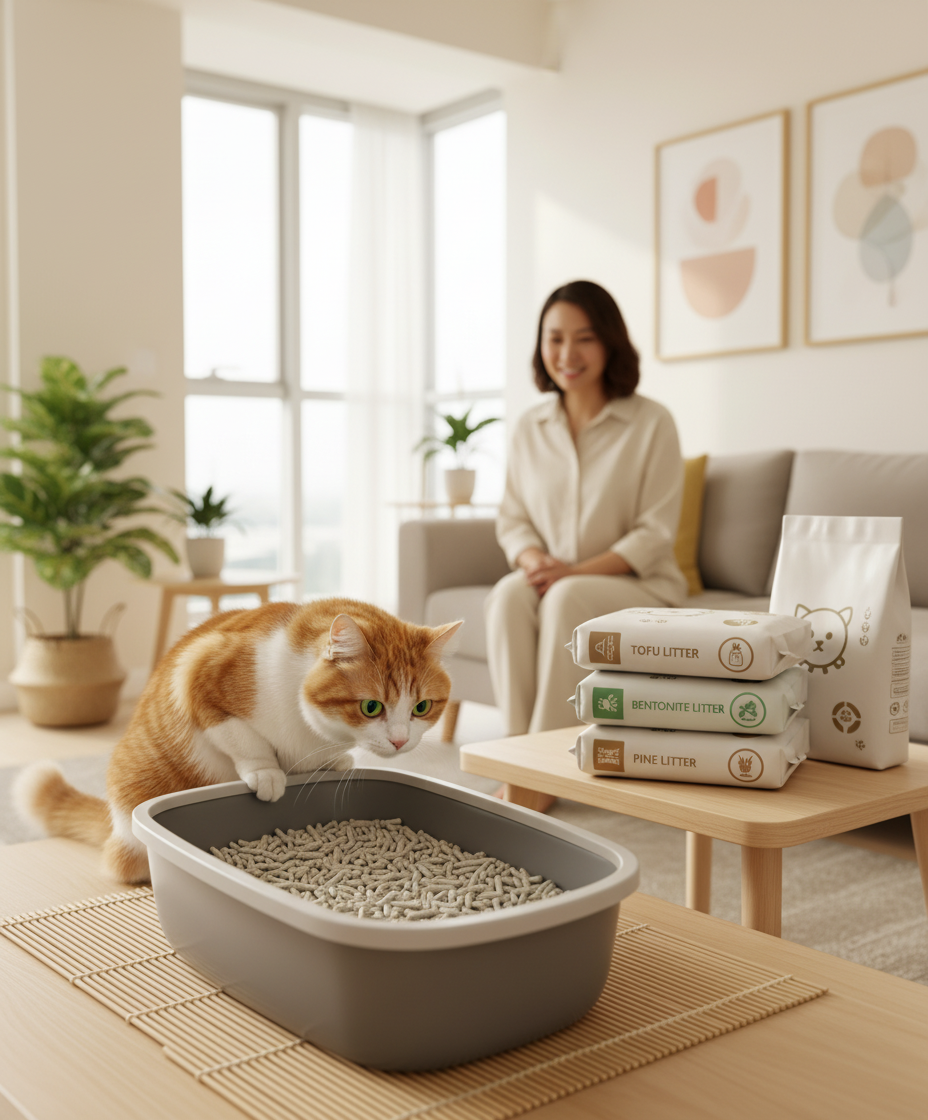
When you're standing in the pet store aisle or scrolling through Shopee, the sheer variety of cat litter can be overwhelming. Each type offers a different set of pros and cons, directly impacting its price point, performance, and suitability for Malaysian homes. Knowing the fundamental differences is the first step to making a smart budget choice.
Bentonite Clay: The Traditional Choice
Bentonite clay is the classic, most widely available cat litter in Malaysia. It's affordable, and its natural absorbent properties mean it clumps really well, making scooping solid waste a breeze. You’ll find countless brands offering bentonite, often with added scents or activated carbon for odor control.
However, bentonite has some significant downsides, especially in our tropical climate. It tends to be quite dusty, which can be a real problem for cats like our Ping'An, who often sneezes at dusty environments. This dust can irritate a cat’s respiratory system, potentially leading to issues like feline asthma. It's also heavy to lug around, and the clumps can turn into a sticky 'muddy mess' in high humidity, breaking apart and leaving behind odor-causing residue. Plus, clay isn't biodegradable, making disposal less eco-friendly.
Tofu/Soybean Litter: The Eco-Friendly Option
Tofu litter, made from compressed soybean pulp, has rapidly become a Malaysian favorite. In fact, it dominates 55% of online consumer discussions, largely thanks to its. It’s biodegradable, sustainably sourced, and boasts ultra-low dust, which is fantastic for cats with sensitive respiratory systems and for keeping your home cleaner. For apartment dwellers, the flushable nature – fondly called 'Boleh Flush' by Malaysian cat parents – is a massive selling point, eliminating trips to the dumpster with heavy, smelly bags.
Our Liger Tofu Cat Litter, for example, offers a natural mild milk fragrance and fast, firm clumping with minimal tracking. The main drawback? Tofu litter is typically more expensive per kilogram upfront than bentonite clay. However, many find its benefits outweigh the initial cost, offering better long-term value through less dust, better odor control, and superior convenience, especially in high-rise living.
Pine Wood Litter: The Natural Deodorizer
Pine wood litter is another natural, biodegradable option gaining traction. Made from compressed sawdust, it boasts a natural pine scent that helps with odor control and is highly absorbent. When wet, the pellets break down into sawdust, which you then scoop out. It’s often touted as eco-friendly and has low dust levels, making it a decent alternative to clay.
However, not all cats love the texture of the pellets, and some might find the strong pine scent off-putting. The breakdown into sawdust can also make cleaning a bit messier if you don't use a sifting litter box. It generally falls in the mid-range price-wise, making it a viable option for those seeking a natural alternative without the higher price tag of premium tofu litters.
Crystal (Silica Gel) Litter: The Low-Maintenance Champ
Silica gel litter, commonly known as crystal litter, is a highly absorbent option known for its excellent odor control and requiring less frequent changing. These tiny, porous crystals soak up urine and trap odors effectively, needing only solid waste scooping and occasional stirring. It also has very low dust, which is a big plus for respiratory health.
The trade-off? Crystal litter is generally the most expensive per kilogram upfront. While it lasts longer, some cats dislike the texture of the crystals, and if not changed regularly, it can become saturated and lose its odor-fighting power. In Malaysia's high humidity, its longevity can sometimes be compromised, making it less 'low-maintenance' than advertised for some households.
The Main Event: Cat Litter Price Comparison Malaysia (Per KG & Per Litre)
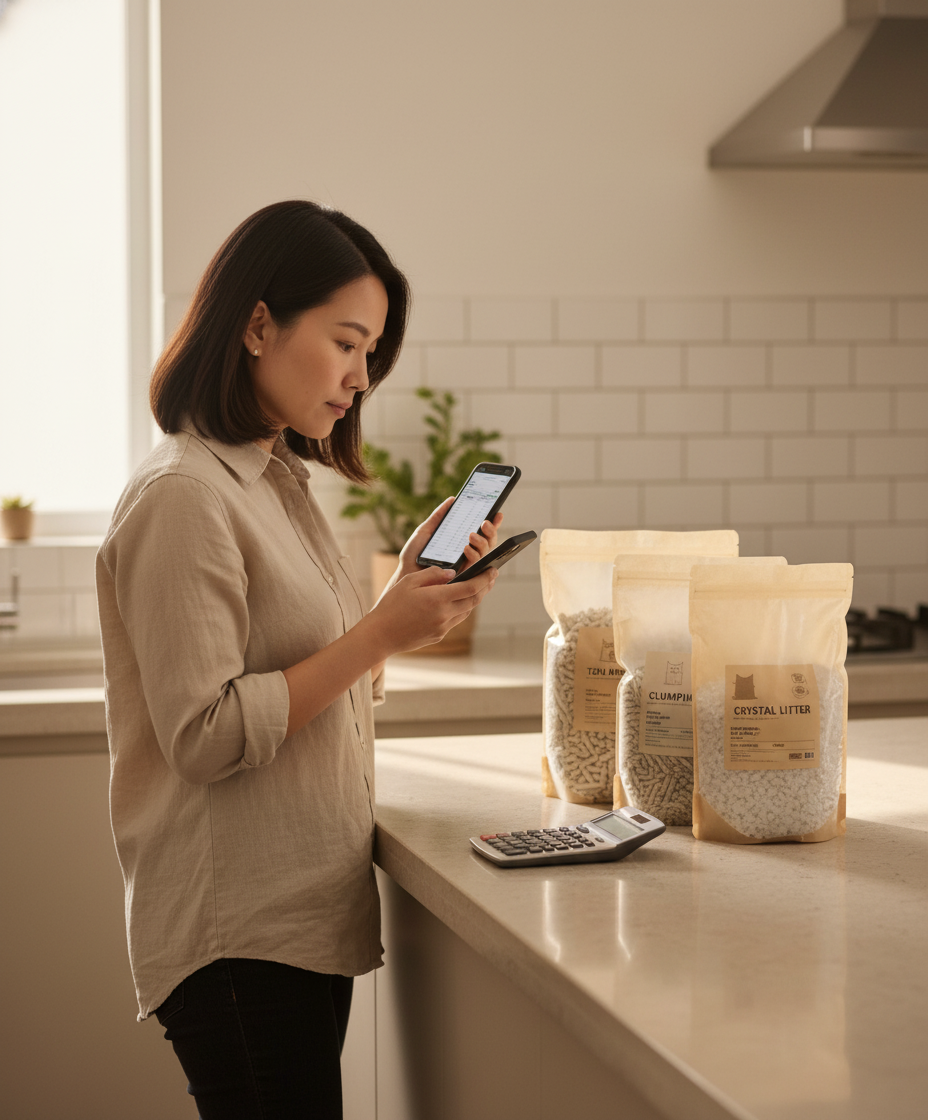
This is where the rubber meets the road. We've dug deep into popular Malaysian e-commerce platforms like Shopee and Lazada to bring you a straightforward price comparison. Instead of just looking at the price per bag, which can be incredibly misleading with varying sizes, we've broken it down to the essential metrics: price per kilogram (RM/kg) and an estimated price per litre (RM/L).
Remember, these prices are estimates based on common retail listings and can fluctuate with promotions or specific sellers. Our goal here is to give you a solid baseline for comparison, directly addressing the core of your search: what truly is the cheapest cat litter per kg in Malaysia.
Here’s a comparison of popular brands and types you'll find in the Malaysian market:
| Brand & Product | Material | Common Pack Size | Est. Price (RM) | Est. Price per KG (RM) | Est. Price per Litre (RM) |
|---|---|---|---|---|---|
| Cindy & Friends Original Bentonite | Bentonite Clay | 10L (~8.5kg) | RM 17.00 | 2.00 | 1.70 |
| CATSAN Clumping Litter | Bentonite Clay | 10L (8.2kg) | RM 18.00 | 2.20 | 1.80 |
| ProDiet Natural Clump | Bentonite Clay | 10L (~8.5kg) | RM 22.00 | 2.59 | 2.20 |
| Fussie Cat Bentonite Activated Charcoal | Bentonite Clay | 10L (~7kg) | RM 25.00 | 3.57 | 2.50 |
| Liger Tofu Cat Litter (Milk Scent) | Tofu/Soybean | 7L (~2.8kg) | RM 17.90 | 6.39 | 2.56 |
| Cindy & Friends Tofu Litter | Tofu/Soybean | 7L (~2.8kg) | RM 18.00 | 6.43 | 2.57 |
| Trustie Tofu Cat Litter | Tofu/Soybean | 10L (4.5kg) | RM 43.80 | 9.73 | 4.38 |
| Fussie Cat Original Soybean Litter | Tofu/Soybean | 7L (~2.3kg) | RM 31.00 | 13.48 | 4.43 |
| Pine Wood Pellets (Generic) | Pine Wood | 10kg | RM 25.00 | 2.50 | 1.38 (assuming 0.55kg/L) |
| Cindy & Friends Silica Gel Crystal | Silica Gel | 5L (~2.5kg) | RM 20.00 | 8.00 | 4.00 |
*Note: Estimated prices are based on typical online retail listings in Malaysia as of early 2026. Densities for per litre calculations are approximations: Bentonite ~0.85 kg/L, Tofu ~0.4 kg/L, Pine ~0.55 kg/L, Silica ~0.5 kg/L. Actual weights and prices may vary.
Cheapest Bentonite Clay Litters
From our analysis, basic bentonite clay litters like Cindy & Friends Original Bentonite and CATSAN Clumping Litter offer the lowest entry point, often falling between RM 2.00 to RM 2.20 per kilogram. These are your absolute budget champions for upfront cost. ProDiet and Fussie Cat's bentonite options are slightly higher, but still significantly cheaper than other material types. If your budget is the absolute tightest, and you're willing to manage the higher dust and more frequent full litter changes, these are your go-to.
The catch? While affordable per KG, their performance in Malaysia’s humid climate means more dust, weaker odor control over time, and a greater chance of clumps breaking apart. This can lead to you using more litter, more quickly, to maintain a clean environment. One cat parent on a local forum noted, "I used to buy the cheapest clay, but I ended up replacing the whole tray every week. The smell was just too much!"
Best Value Tofu Litters
When we talk about 'value' rather than just 'cheapest', tofu litter shines. Our Liger Tofu Cat Litter and Cindy & Friends Tofu Litter are among the more accessible options, priced around RM 6.39 - RM 6.43 per kilogram. This is roughly three times the cost of the cheapest bentonite.
However, this is where the long-term value truly comes in. Tofu litter’s superior odor control, ultra-low dust, and firm clumping mean you scoop less and the litter lasts longer. Many cat parents report that a bag of good quality tofu litter lasts two to four weeks for a single cat, compared to a budget bentonite litter that might need a full change weekly. This extended life can make the monthly cost comparable, or even lower, than constantly replacing cheaper bags of clay. Plus, the convenience of being flushable, a feature that 60% of positive online reviews highlight, is invaluable for urban apartment living.
Most Affordable Pine & Other Natural Litters
Pine wood pellets offer a compelling balance between price and natural benefits, often costing around RM 2.50 per kilogram. This puts them in a similar price bracket to mid-range bentonite litters but with the added advantage of being biodegradable and naturally scented.
Generic pine wood pellets, easily found in larger pet stores or online, are a great option for those who want to avoid clay but aren't ready for the higher initial cost of premium tofu or silica. Just keep in mind the texture might not be for every cat, and the 'sawdust' breakdown needs a sifting litter box for best maintenance. Other natural options like paper-based litters exist, but they are less common and often don't clump as effectively, increasing consumption rates.
Beyond Price: Other Factors to Consider
Choosing cat litter based solely on price per kilogram is like buying a car based only on its sticker price – you miss the crucial details that impact your daily life and wallet down the road. The 'Price vs. Performance' showdown reveals that true economy often lies in qualities beyond the initial cost. Here’s what else matters:
Odor Control
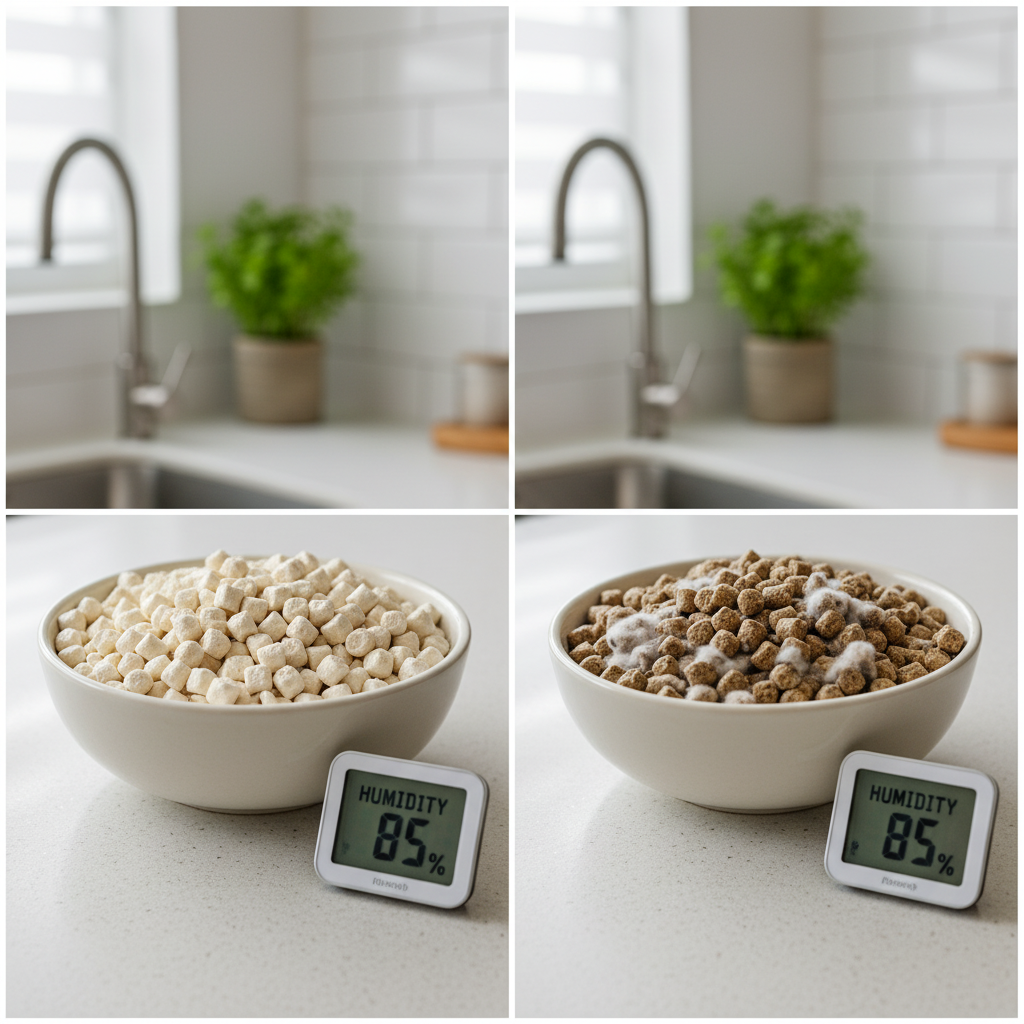
This is probably the biggest concern for Malaysian cat parents, especially in our small, often air-conditioned apartments. High humidity, consistently between 70% to 90%, accelerates bacterial growth and the breakdown of urine into smelly ammonia. A litter with poor odor control means you'll be constantly battling unpleasant smells, forcing more frequent full changes of the litter box, which directly negates any upfront savings.
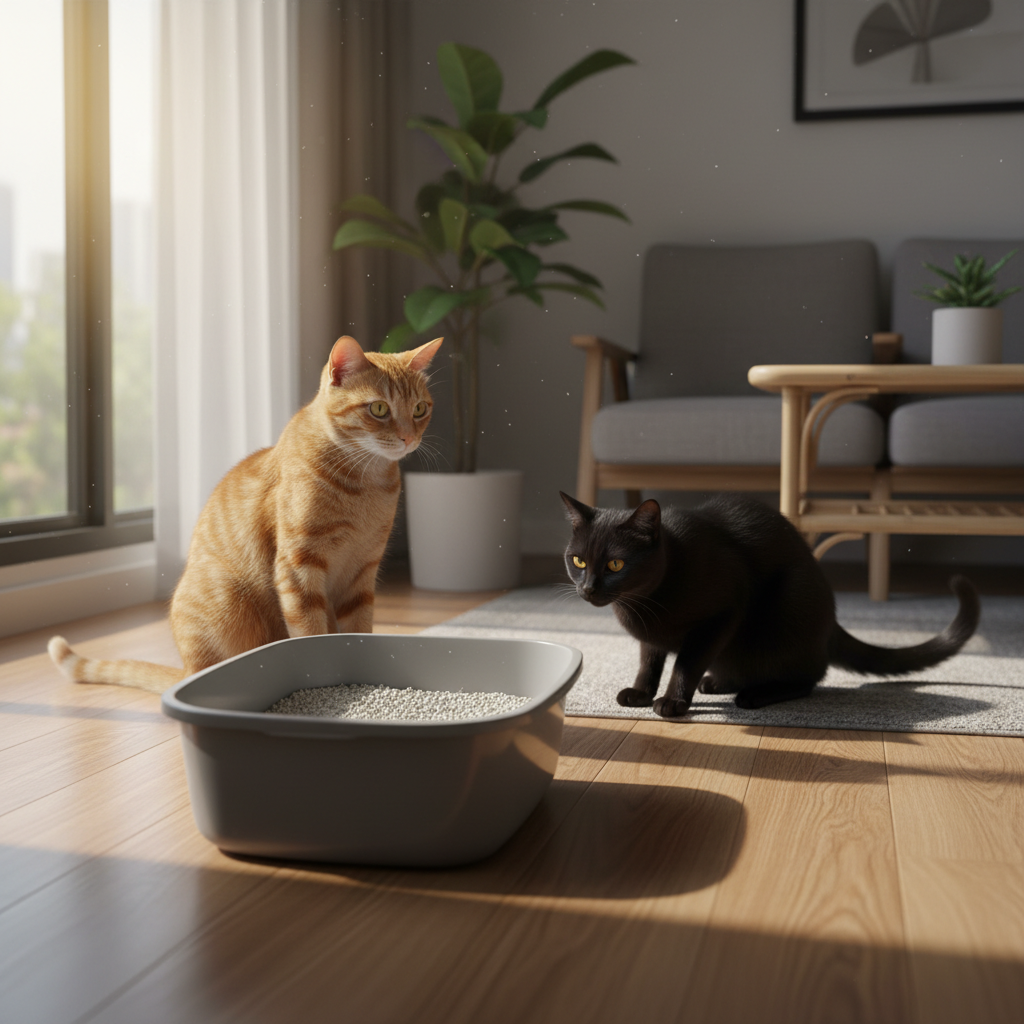
For me, a foul-smelling litter box is a non-negotiable headache. It’s not just about comfort; a stinky box can even make your cat avoid it, leading to inappropriate urination around the house. When Lion gets fussy about his litter box, he lets us know. Tofu litter, like our Liger Tofu Cat Litter with its natural milk fragrance, often excels here, trapping odors effectively and keeping the air fresh without artificial perfumes.
Clumping Strength
Strong clumping is a lifesaver for extending litter life. When urine forms a firm, solid clump, it's easy to scoop out completely, leaving the remaining clean litter fresh and uncontaminated. This means you only add new litter to top it off, rather than constantly replacing the entire box.
Budget non-clumping clay litters, or even poor-quality clumping litters, can create a soggy mess that breaks apart when scooped. This leaves behind urine-soaked granules, quickly leading to odor and the need for a full box change. Premium bentonite and quality tofu litters, which form hard clumps within seconds, often prove more economical over time simply because you use less product.
Dust & Tracking
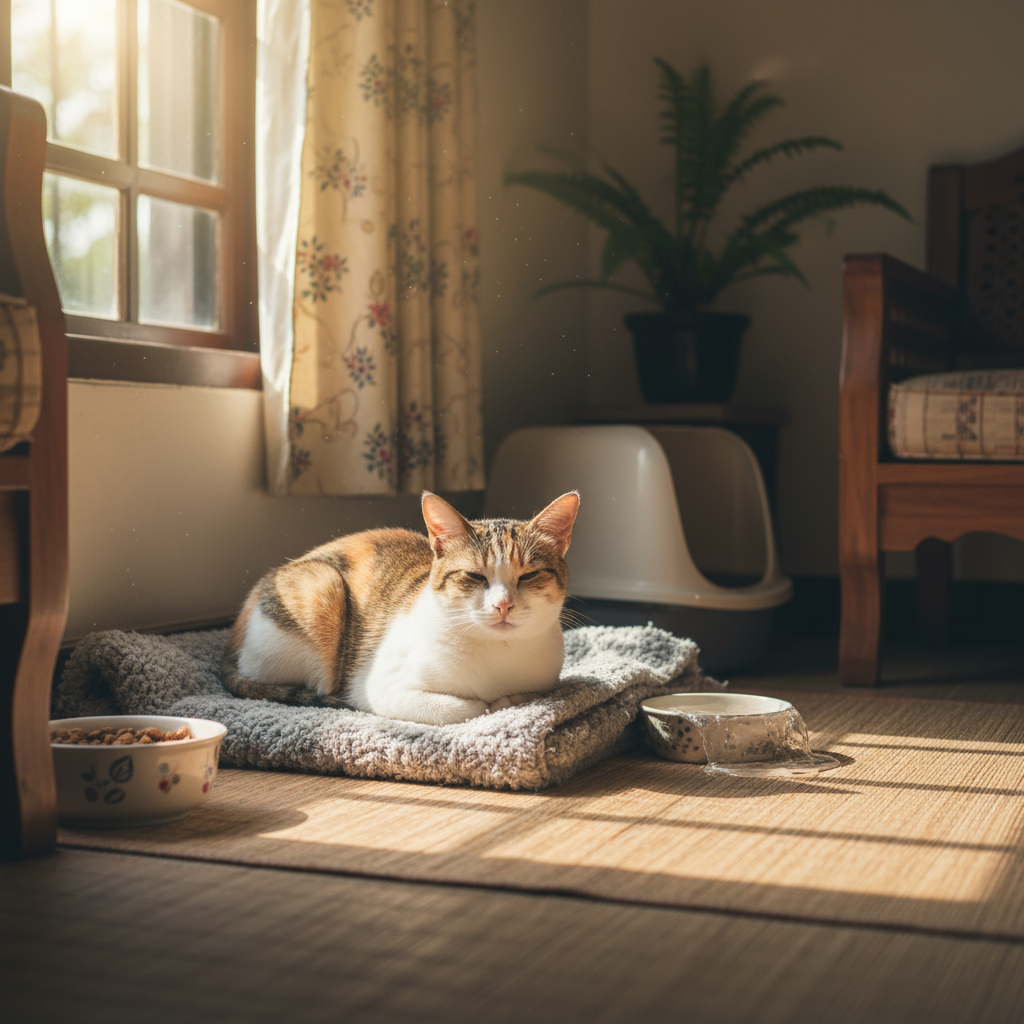
Dust levels are a critical, often overlooked factor that directly impacts both your cat's health and your home's cleanliness. Cheap clay litters are notorious for high dust, which can be inhaled by your cat, causing respiratory irritation or exacerbating conditions like asthma. We know this firsthand with Ping'An; she has a sensitive nose and sneezes like crazy with dusty litters. This can lead to costly vet visits, which in Malaysia can range from RM35 to RM80 for a consultation alone. Choosing a low-dust litter is an investment in your cat’s well-being.
Tracking, where litter particles stick to your cat’s paws and are carried around the house, is another annoyance. Fine-grained clay litters tend to track more than larger pellets like tofu. In an apartment, tracking is particularly bothersome. Look for litters with larger, smoother particles (like cylindrical tofu pellets) and consider placing a good litter mat outside the box. You can also use our Cat Litter Allergy Symptoms guide to see if your cat is reacting to their litter.
Our Verdict: The Best Budget Cat Litter in Malaysia
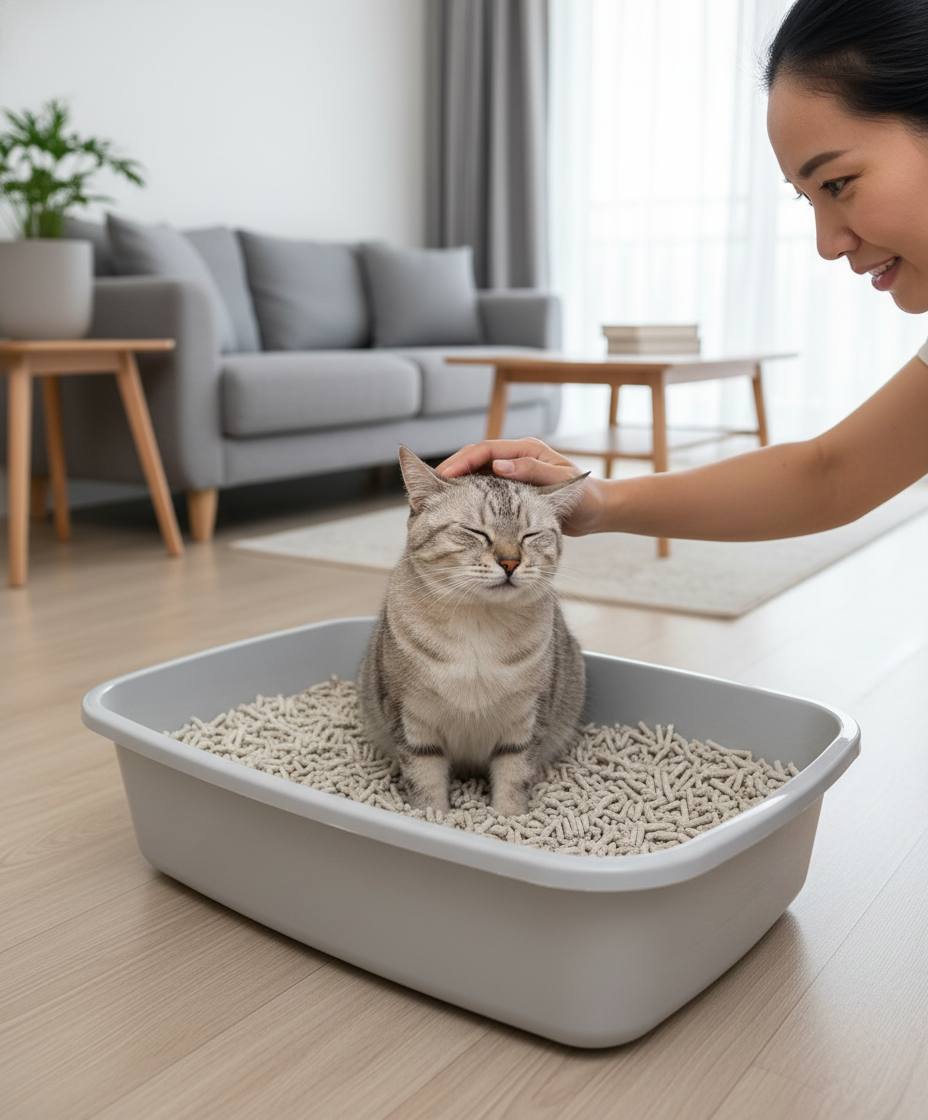
So, after weighing the raw price per kilogram against the crucial factors of performance, health, and convenience in the Malaysian context, what's the smartest choice for your wallet and your cat? It’s rarely about picking the absolute cheapest option.
The pet humanization trend means we want the best for our pets, but we also need to be financially smart. We've learned that a true 'budget-friendly' choice considers the total cost of ownership, not just the price tag on the bag. This shift in mindset from 'cost-per-bag' to 'cost-per-use' is the most impactful way to save money and ensure your cat's comfort.
The Absolute Cheapest (Per KG)
If your budget is extremely tight and upfront cost is the *only* driving factor, then **bentonite clay litter** remains the numerically cheapest option per kilogram. Brands like Cindy & Friends Original Bentonite and CATSAN Clumping Litter consistently offer prices around RM 2.00 to RM 2.20 per kilogram. These are widely available and can certainly help you stretch your ringgit on a week-to-week basis.
However, be prepared for the trade-offs: higher dust, potential respiratory irritation for sensitive cats (like our Ping'An), more tracking, and the need for more frequent full litter box changes to combat odors, especially with Malaysia's humidity. You might find yourself buying more bags in the long run than you initially anticipated.
The Best Overall Value for Money
For most Malaysian cat parents, especially those living in apartments or with cats sensitive to dust, the **best overall value for money** lies with **quality tofu litter**. While pricier per kilogram initially (around RM 6.00 to RM 13.00), its benefits create significant long-term savings and a healthier, cleaner home environment. Here's why:
- **Longevity:** Superior clumping and odor control mean one bag lasts 2-4 weeks, reducing overall consumption compared to cheap clay.
- **Health:** Ultra-low dust protects your cat's respiratory system and saves on potential vet bills, a point veterinarians increasingly emphasize.
- **Convenience:** Flushability and minimal tracking are game-changers for urban living, solving the dreaded 'litter disposal chore'. This is a huge factor for condo dwellers, as our condo living cat litter guide explains.
Our Liger Tofu Cat Litter embodies this value proposition, offering a premium experience that saves you time, worry, and money in the long run. It truly is 'By Cat Parents, For Cat Parents' – because we’ve been there, making the mistakes so you don’t have to.
The quest for the cheapest cat litter in Malaysia isn't just about scanning price tags. It's about a smarter approach to pet care, one that balances upfront costs with long-term value, your cat's health, and the practicalities of your home. The lowest price per kilogram is rarely the true 'budget-friendly' option when you factor in consumption rates, dust-related health issues, and odor control challenges in our humid climate. This is a lesson many of us learn the hard way.
Instead, focus on the total cost of ownership. Investing a little more in a quality litter like tofu can drastically reduce your monthly spending, minimize cleaning time, and, most importantly, create a healthier, happier environment for your feline companion. For example, using our Litter Calculator can help you visualize these savings over time. It’s a game-changer for budgeting. You can also find additional insights in our complete guide to tofu cat litter.
As fellow cat parents, our ultimate Monday morning action for you is simple: the next time you need to buy cat litter, don't just reach for the cheapest bag. Take a moment. Think about how long that bag will *actually* last, the dust it will create, and the peace of mind a clean, fresh-smelling home will bring. Sometimes, the true savings are found in making the slightly more expensive, yet ultimately smarter, choice.