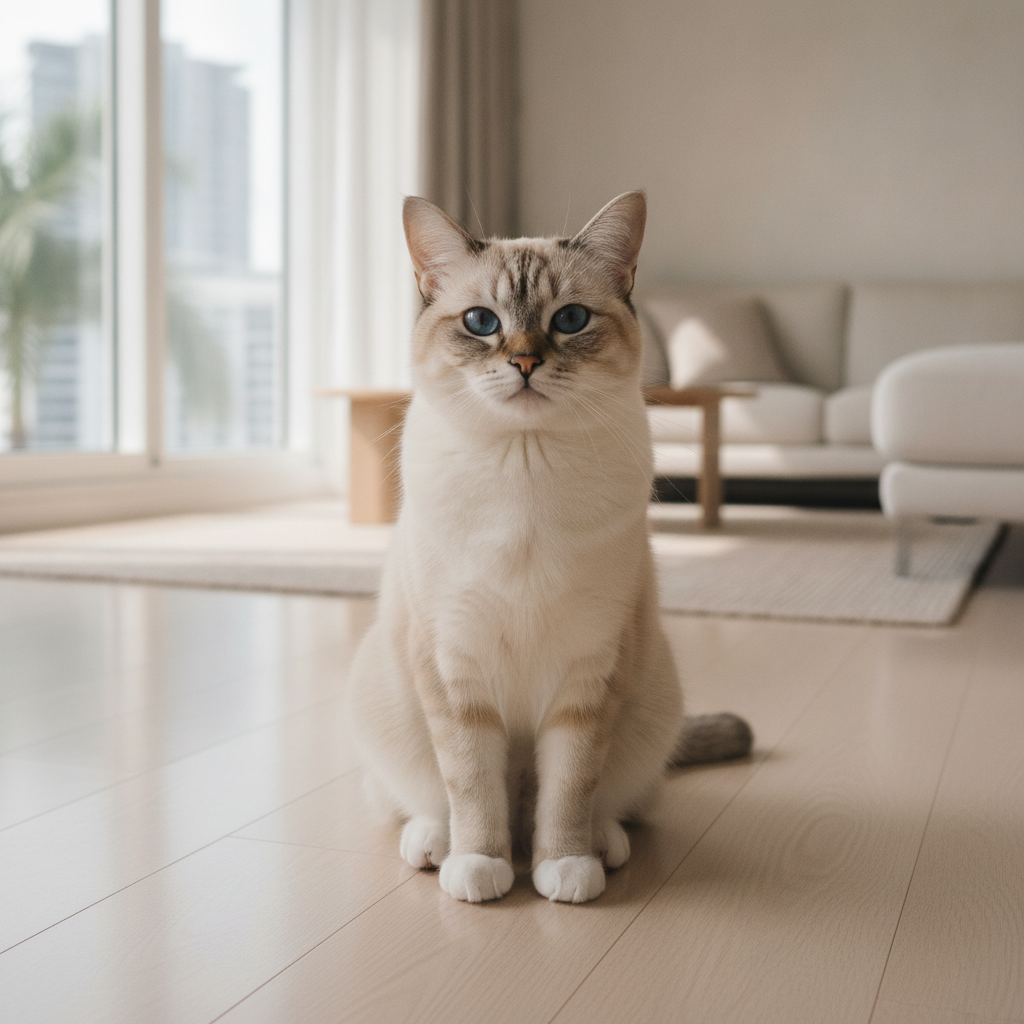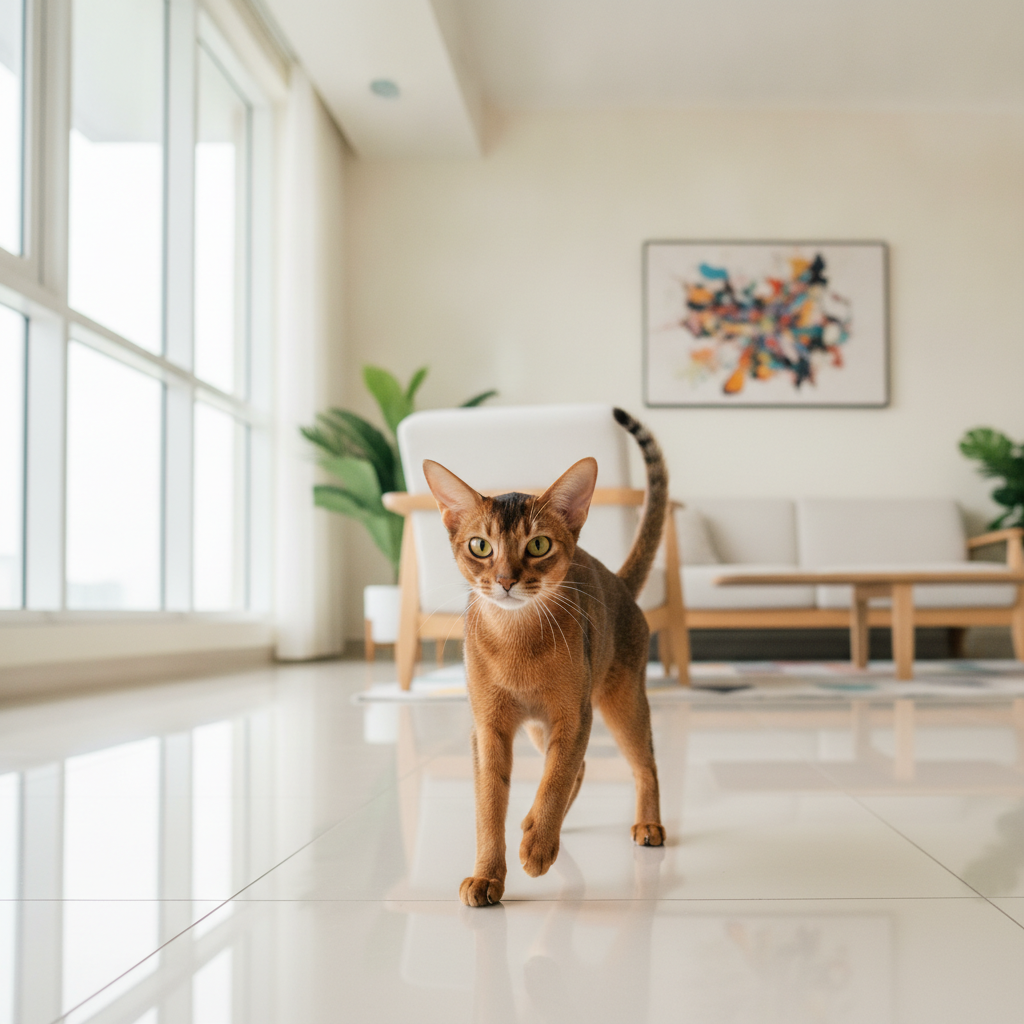
If you sneeze, itch and stream every time a cat walks past but still desperately want one, you've probably typed "hypoallergenic cat breeds" into Google more than once. Here's the honest, science-backed version most breeder ads won't give you: no cat is truly hypoallergenic — but some are genuinely easier to live with, and the right management can make cat ownership realistic even for many allergy sufferers. This guide separates the real low-allergen options from the marketing, explains what actually triggers your symptoms, and lays out exactly what works to keep them down in a warm, humid, often air-conditioned Malaysian home.
New to choosing a breed entirely? Start with our complete cat breeds in Malaysia guide, then come back here to filter for allergies.
First, the Hard Truth: No Cat Is Truly Hypoallergenic
Let's clear this up before you spend thousands on a "guaranteed" allergy-free kitten. The scientific consensus — including a 2024 research review — is blunt: there is no truly hypoallergenic cat breed. Every cat, furry or hairless, long-haired or short, produces the allergen. "Hypoallergenic" is a marketing word, not a medical one. What does exist is a spectrum of "low-allergen" cats and, crucially, enormous variation between individual cats — which, as you'll see, matters far more than breed.
It's Not the Fur — Meet Fel d 1
The thing you're actually allergic to isn't cat hair at all. It's a tiny sticky protein called Fel d 1, responsible for up to 90% of cat allergies. Cats make it in their saliva and skin glands; when they groom, they spread it across their coat, and as the saliva dries it rides off on flakes of dander and shed hair. These particles are minuscule — around 7 nanometres — so they float in the air for ages and slip straight into your airways, where your immune system overreacts and floods you with histamine. That's the sneezing, the itchy eyes, the congestion. Mechanically, your body builds IgE antibodies to Fel d 1; on later exposure those antibodies trigger mast cells to dump histamine, which is the reaction you feel — and in some people it tips into full asthma. The practical upshot: anything that reduces airborne particles in your home — dander, dust, and yes, litter dust — reduces your exposure. Hold that thought.
It's worth knowing the science is moving, too. Researchers are now using CRISPR gene-editing to try to "knock out" the genes that make Fel d 1, aiming at a cat that produces almost none. A Smithsonian report notes the protein appears non-essential to cats, which is encouraging — but a truly engineered hypoallergenic cat is still years away from your living room. For now, it's selection plus management.
The Low-Allergen Breeds Worth Considering
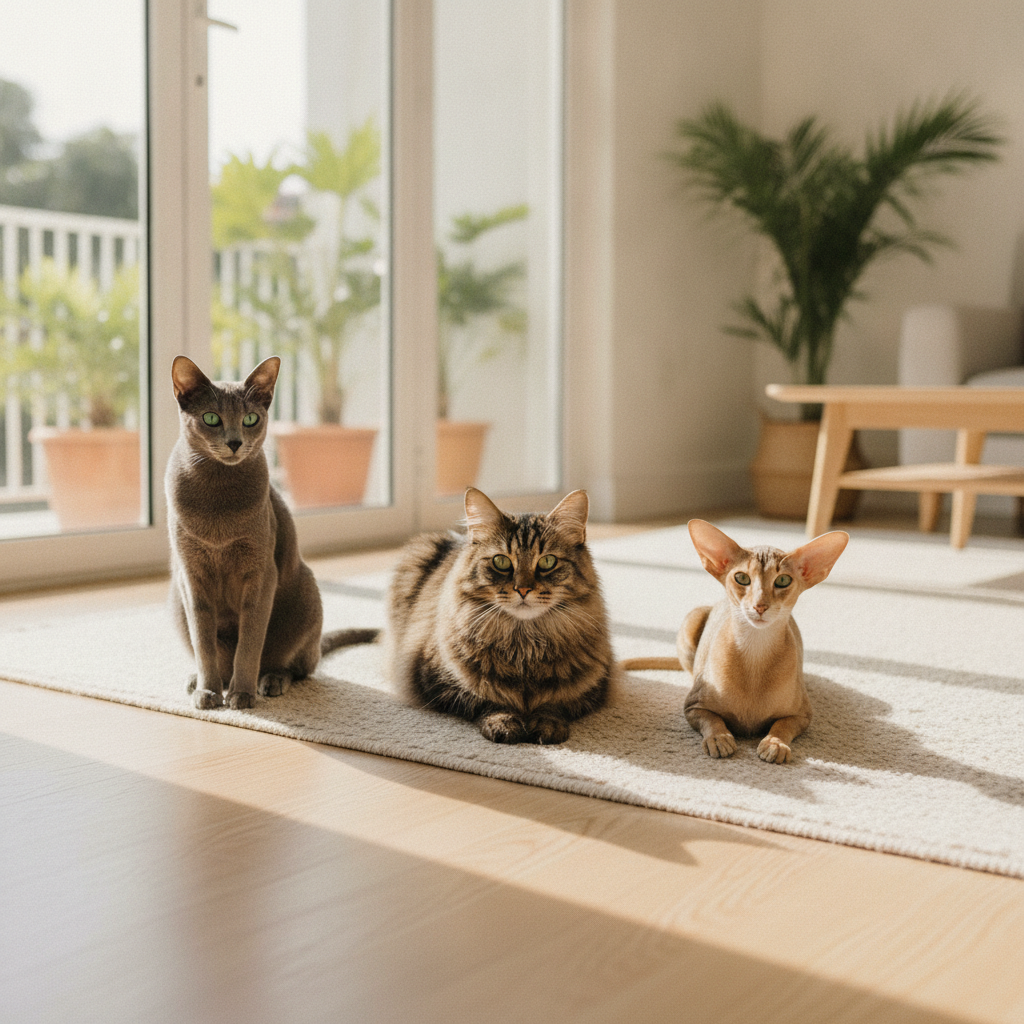
A handful of breeds have a real or reputed edge:
- Siberian — the only breed with actual data behind it. Studies of 300+ cats suggest roughly half produce lower-than-average Fel d 1, and about 15% produce very low levels. The catch: individual output ranges enormously (one lab measured 0.08 to 27 µg/mL within the breed), and silver-coated Siberians tend to run higher. A statistical edge, not a guarantee.
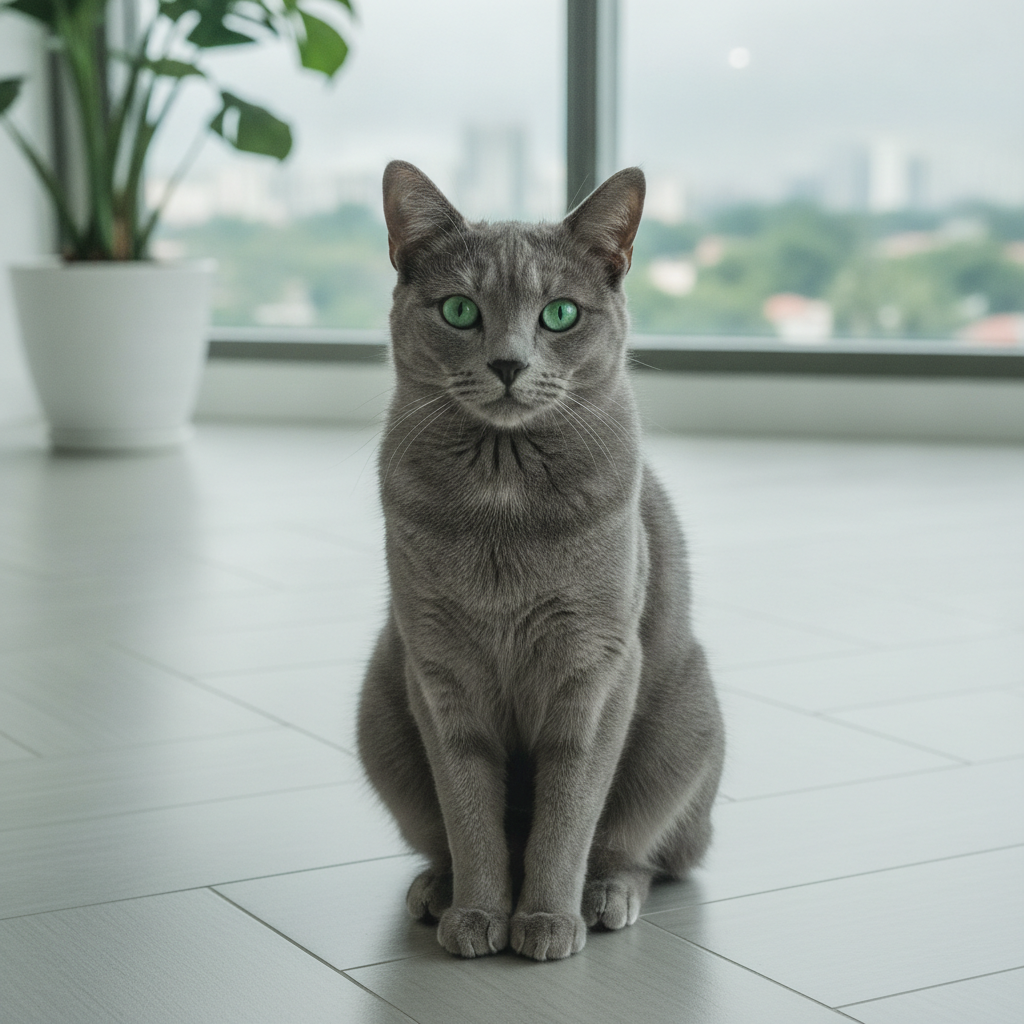
- Balinese, Russian Blue, Oriental Shorthair — all frequently listed as low-allergen, but their reputations rest on owner anecdotes rather than peer-reviewed measurement. PetMD notes the evidence simply isn't there yet to confirm they produce less Fel d 1.
Notice none of these is a sure thing. Even within the "best" breed, you could pick a high-shedding, high-Fel d 1 individual.
The Hairless and Rex Crowd: Less Shedding, Not Less Allergen
The Sphynx, Cornish Rex and Devon Rex get lumped in with hypoallergenic cats, but the logic is different — and important to understand. These breeds do not produce less Fel d 1. Their advantage is physics: with little or no fur to shed, they disperse far less allergen around your home. The trade-off is that the allergen instead builds up as an oily film on the cat's skin. As WebMD explains for the Rex breeds, their thin coats shed minimally, which lowers the allergen load in the air. A Sphynx, meanwhile, needs frequent — often weekly — bathing to wash that sticky residue off before it flakes away. So they can work for allergy sufferers, but only if you commit to the grooming.
Why the Individual Cat Beats the Breed Every Time
This is the single most useful thing in this article: which specific cat you pick matters more than its breed. Allergen output swings wildly between individuals, driven by a few factors. Hormones are the biggest — unneutered males pump out the most Fel d 1 because testosterone boosts it, and neutering can drop a male's levels to roughly those of a female. Kittens and senior cats generally produce less than healthy adults. And plain genetics scatter the numbers so widely that a random domestic shorthair can easily be lower-allergen than a randomly chosen Siberian. That's why the only reliable test is a personal "allergy trial" — spend one to two hours in a closed room with the actual cat you're considering, ideally more than once, and see how you react. Breed statistics can't tell you what that individual cat will do to your sinuses. One more reason this matters for Malaysian buyers: paying a premium for an imported "hypoallergenic" pedigree is a gamble if you haven't tested your reaction to that exact cat — you could spend thousands and still be reaching for the antihistamines, while a free shelter moggie down the road sits at the low end of the allergen range. The trial is free; the regret isn't.
Cut Allergens at Home: What Actually Works
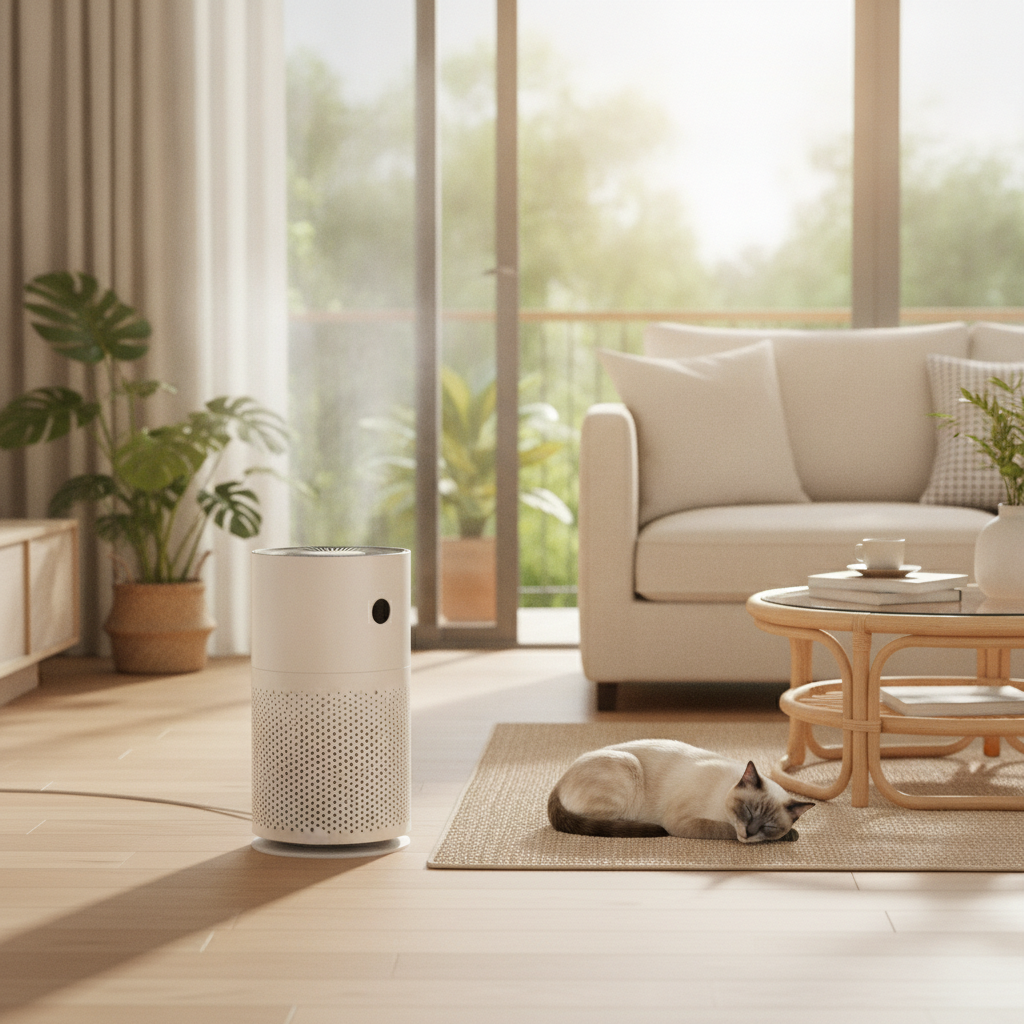
Breed aside, your environment does most of the heavy lifting. The evidence-backed tactics:
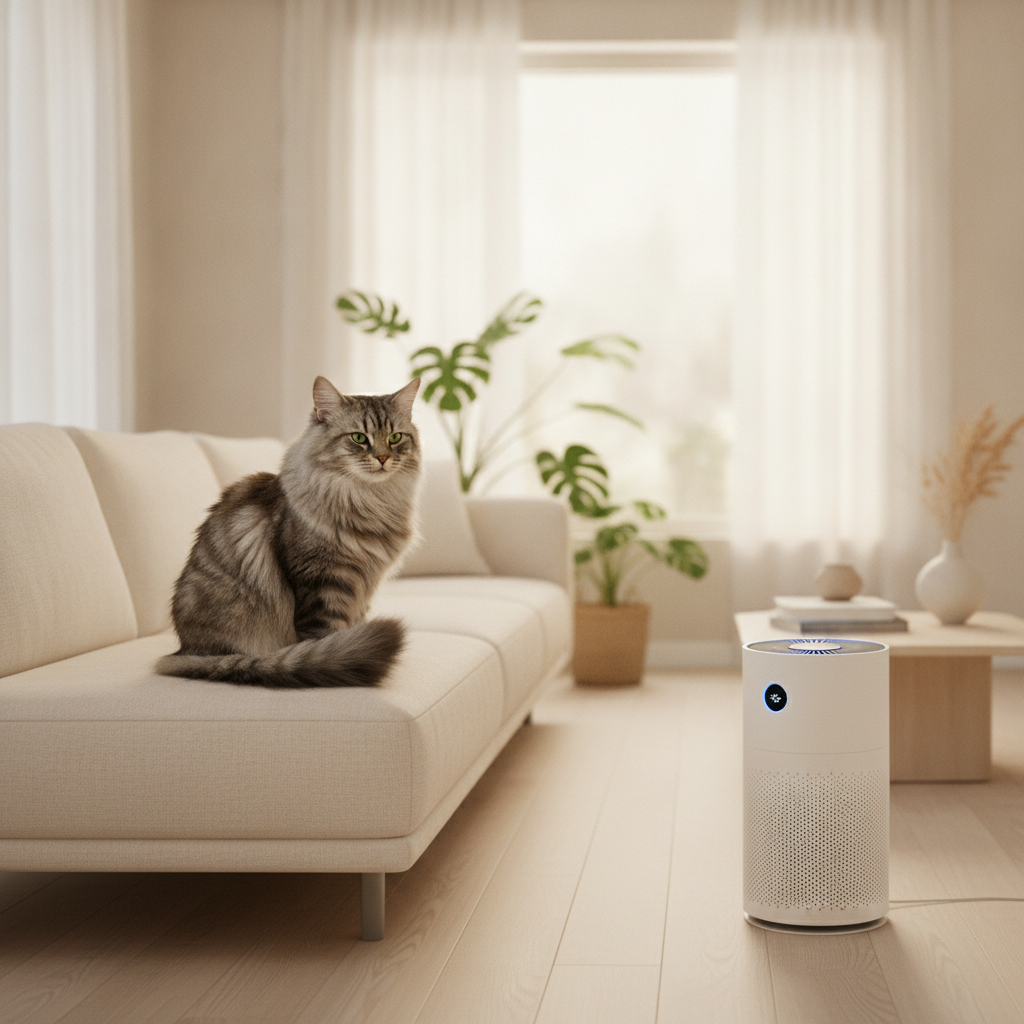
- HEPA air filtration. A proper HEPA purifier can slash airborne Fel d 1 dramatically — one clinical trial cut it by around 87% — and pairs well with air-con filters rated MERV 12 or higher. Research collected by the US National Institutes of Health backs filtration as a frontline measure.
- A cat-free bedroom. Keeping the cat out of where you sleep gives your airways eight hours of recovery a night.
- Clean for allergens, not just dirt. Damp-dust hard surfaces (dry dusting just relaunches the particles), vacuum with a HEPA machine, and wash bedding in hot water weekly. Note Fel d 1 is stubborn — it can linger up to 20 weeks after a cat leaves a home.
- Allergen-reducing food. Diets like Purina Pro Plan LiveClear use an egg-derived antibody that neutralises Fel d 1 in the cat's saliva; Purina's research reports about a 47% cut in active allergen on the cat's hair and dander after three weeks.
The Allergy Trigger Everyone Forgets: Litter Dust
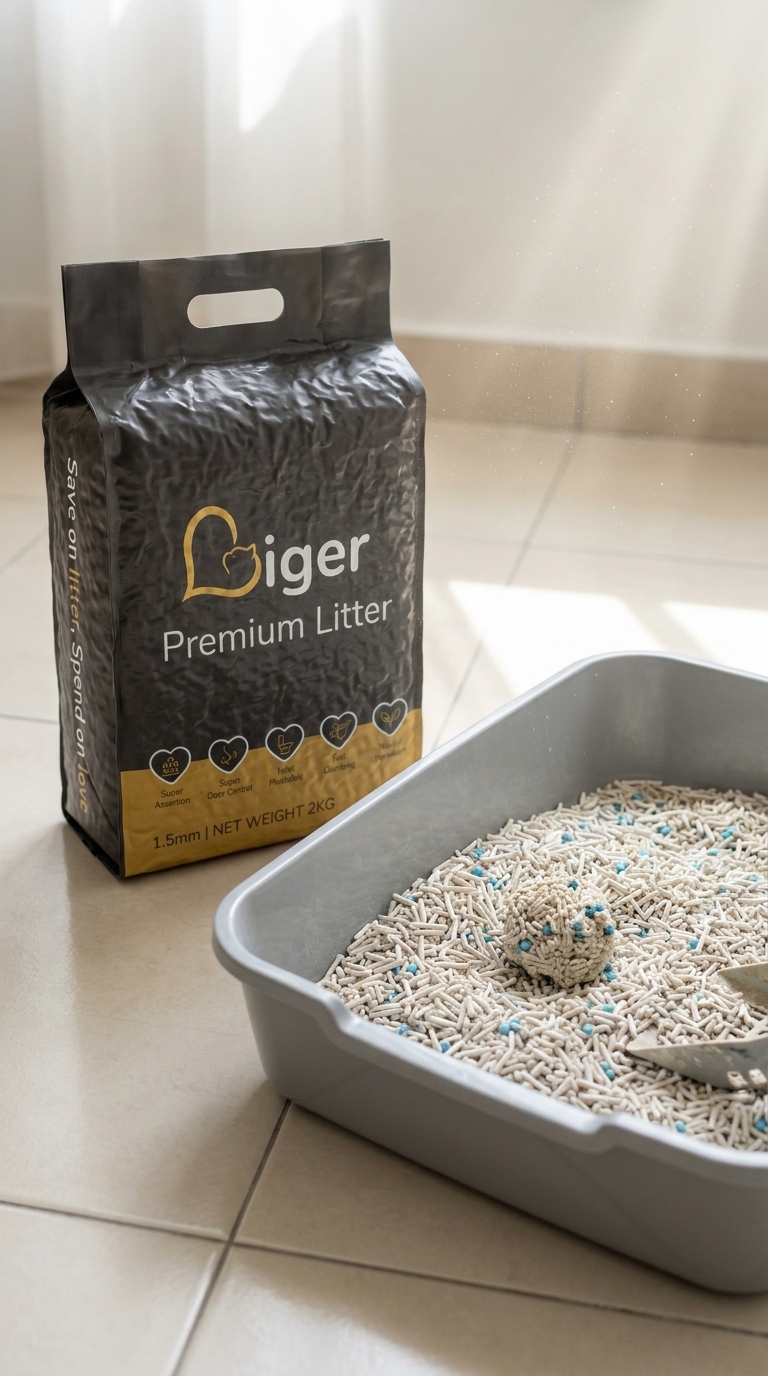
Here's the angle most "hypoallergenic cat" articles miss entirely. In a sealed, air-conditioned Malaysian home, the air recirculates — and a dusty litter throws fine particles into that same air you're already trying to keep clear of Fel d 1. For an allergy sufferer, clay litters that pouf up a cloud every time the cat digs are quietly making your symptoms worse. This is exactly where a low-dust litter pulls its weight. Liger Premium Tofu Cat Litter is made from natural plant starch and is genuinely low-dust, so far fewer particles end up airborne; it also clumps firmly and controls odour, which means less disturbance and less frequent full changes (each change kicks up dust). It's flushable and Halal too, handy for keeping a clean, low-irritant routine.
Cost-wise it's friendly: a single 2 kg pack is RM21.90, while the 10-pack (20 kg) works out to RM8.45/kg — about 23% cheaper per kilo, with free shipping across Peninsular Malaysia (current Liger pricing, as of 2026). Work out how much your household needs with the litter calculator before stocking up. Think of it as one more layer in your defence stack: you're already running a HEPA filter and damp-dusting, so it makes little sense to undo that effort with a litter that clouds the room every time your cat scratches. Cutting the litter dust is one of the cheapest, most overlooked wins an allergic cat owner can make.
The Realistic Path to Living With a Cat
So can an allergy sufferer keep a cat in Malaysia? For many people, yes — just not by trusting a "hypoallergenic" label. The winning formula stacks several modest wins: lean toward a genuinely lower-shedding or lower-allergen cat (a Siberian, a Rex, or simply a well-matched neutered domestic shorthair), run the all-important allergy trial before you commit, neuter your cat, and then control the environment hard with HEPA filtration, a cat-free bedroom, allergen-reducing food, diligent cleaning and a low-dust litter. No single step is magic; together they can take you from "can't be in the same room" to "comfortably sharing a home". Talk to your doctor too, especially if you have asthma — and then go meet some cats, because the only way to know if it'll work is to spend real, unhurried time with the one you're hoping to love.