- Tofu litter, despite a higher upfront cost (RM 4.13/kg), often offers a lower true monthly cost (RM 20-25) due to superior clumping and lower consumption.
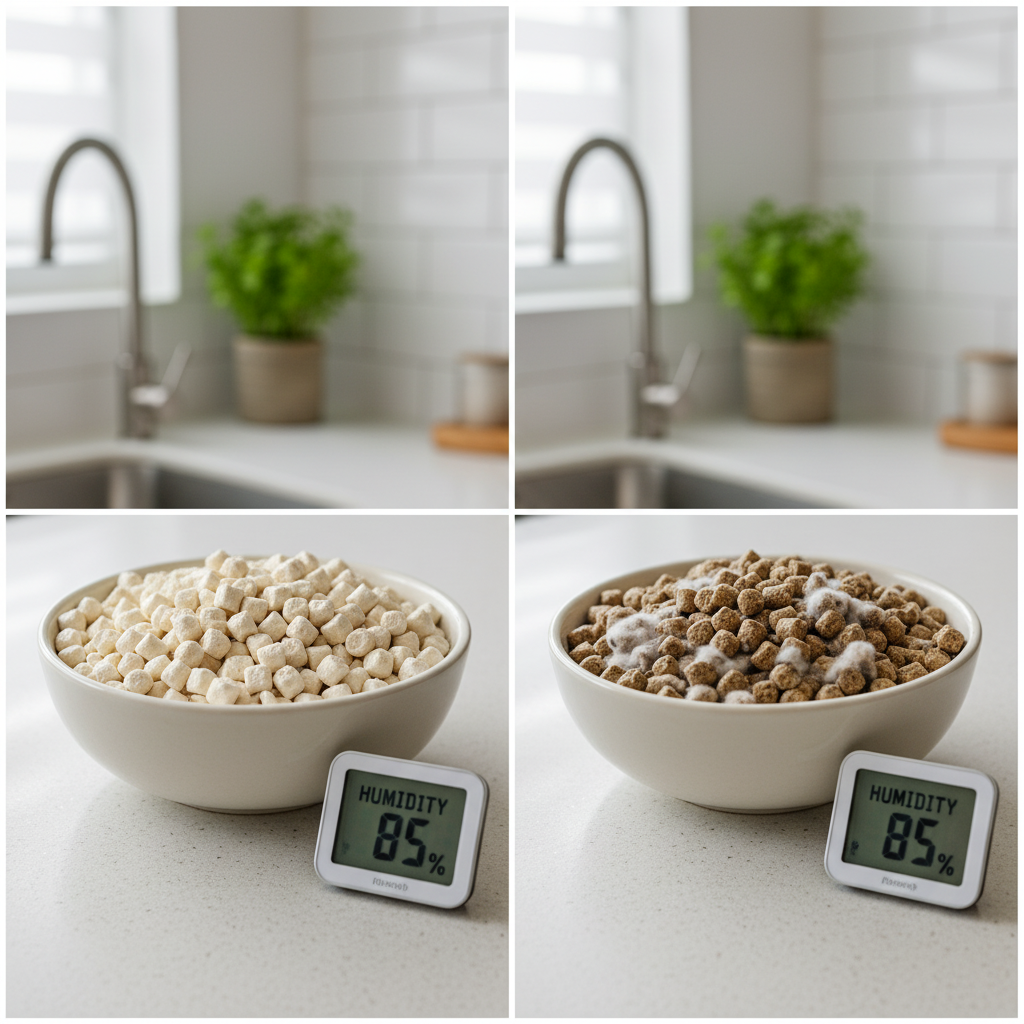
- Malaysia's high humidity (around 80%) significantly impacts litter performance, causing weaker clumps and accelerated ammonia odors in many budget options.
- Flushable tofu litter is a major convenience for condo dwellers, but national sewerage guidelines (IWK) advise caution against flushing any solid pet waste.
- Both tofu and crystal litters are generally low-dust, but tofu's soft pellets are often preferred by cats over crystal's harder texture.
- Making the 'cheapest' choice upfront often leads to higher long-term costs due to increased consumption and poor odor control in tropical climates.
Choosing the right cat litter in Malaysia often feels like picking between two equally appealing, yet vastly different, desserts. On one side, you have tofu litter, the eco-friendly darling with its promise of flushable convenience and natural scents. On the other, crystal litter, championed for its potent odor-absorbing power and low maintenance. For us Malaysian cat parents, especially those navigating the compact spaces of a condo, this decision isn't just about price; it's about combating humidity, managing smells, and keeping our homes clean.
So, which one truly reigns supreme in our tropical climate? We'll dive deep into a head-to-head comparison, looking beyond the marketing hype to uncover the real pros and cons of tofu versus crystal cat litter, specifically for your Malaysian home.
Is Tofu or Crystal Litter Better for a Malaysian Home? ⭐
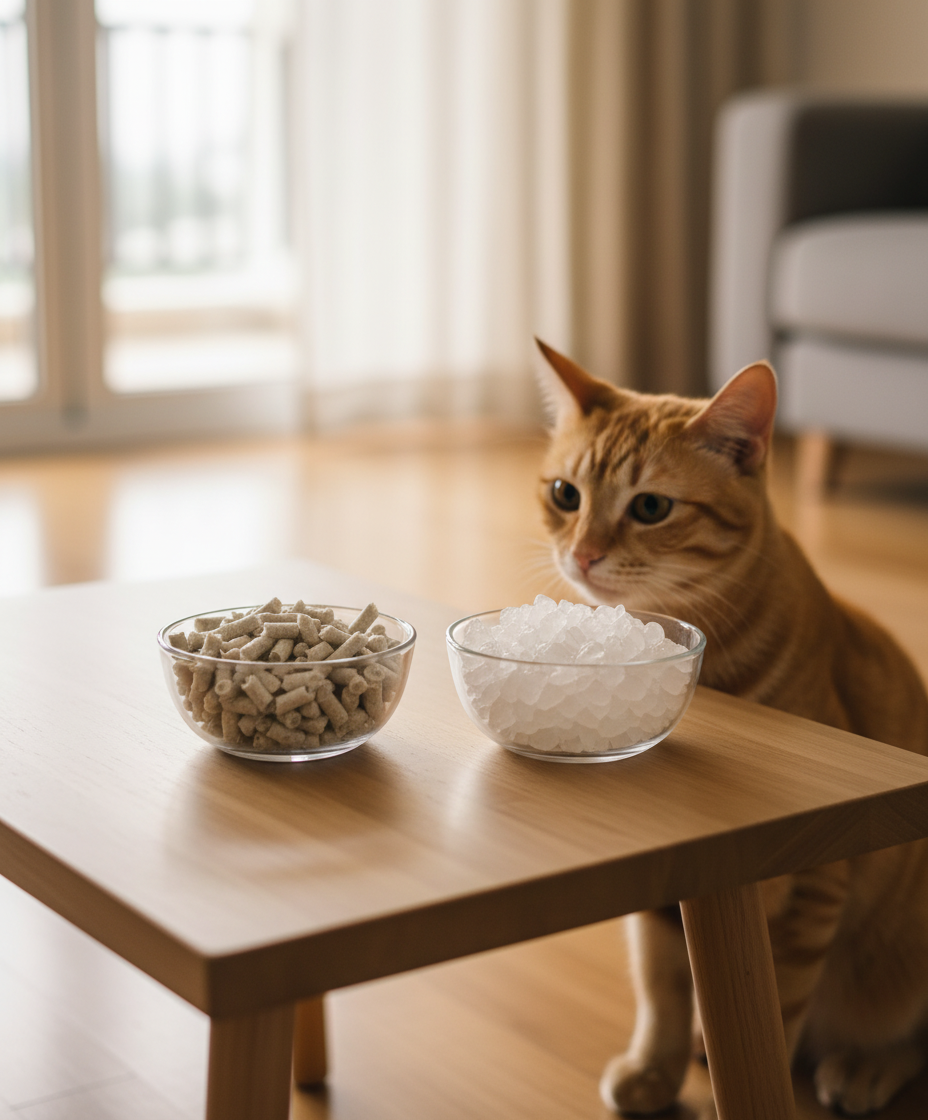
Determining whether tofu or crystal litter is superior for a Malaysian home boils down to a balance of odor control, convenience, environmental impact, and true cost-in-use. While crystal litter is often lauded for its initial odor absorption, our unique climate and condo-living trends strongly favor the clumping efficiency and flushable nature of tofu litter for many households. The goal here isn't to declare a single 'winner' for everyone, but to provide Malaysian cat owners with the specific insights needed to make an informed decision for their furry companions and living spaces.
Quick Comparison Table: Tofu vs. Crystal
Let's start with a quick overview of how these two popular litter types stack up against each other across the most important criteria for Malaysian cat parents. This table provides a snapshot to help you quickly assess their key differences before we dive into the details.
| Feature | Tofu Litter | Crystal Litter (Silica Gel) | Winner (for Malaysia) |
|---|---|---|---|
| **Odor Control** | Excellent, especially with natural scents like milk. Traps odors in clumps. | Excellent initial absorption, but can struggle in high humidity once saturated. | Tofu (more consistent in humidity) |
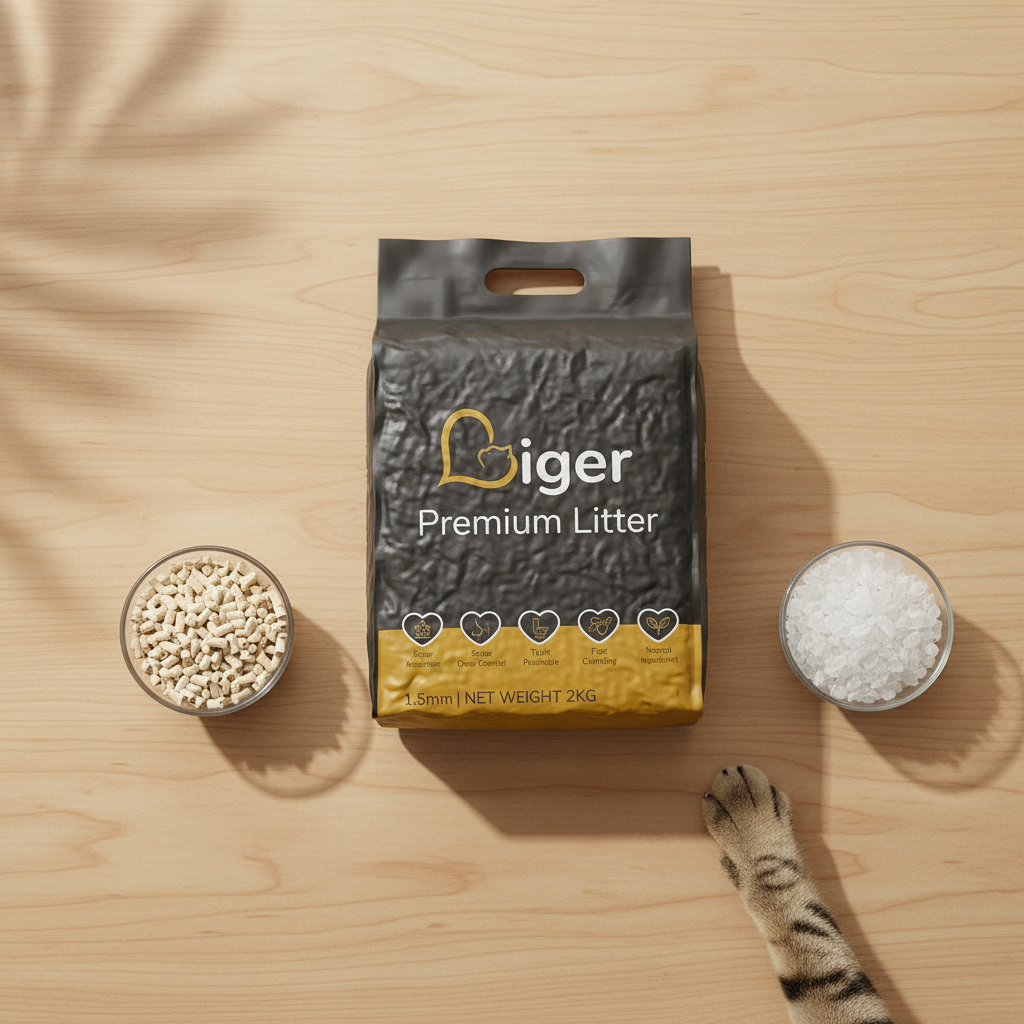
| **Clumping Ability** | Fast and firm clumping (Liger Tofu Cat Litter boasts a 97% certified clumping strength, as seen in. | Does not clump; absorbs urine, leaving solid waste to be scooped. | Tofu |
| **Dust Levels** | Ultra-low dust, safer for respiratory systems (like Ping'An's sensitive nose!). | Low dust, but some brands may produce fine particles. | Tofu |
| **Tracking** | Minimal tracking due to larger pellet size. | Can track fine crystals, especially if crushed. | Tofu |
| **Flushability** | Generally safe to flush in small amounts (check local plumbing/IWK guidelines). | Not flushable; can cause severe blockages. | Tofu |
| **Eco-Friendliness** | Biodegradable, made from renewable soybean fibers. | Non-biodegradable, mined material. | Tofu |
| **Cat Comfort** | Soft, gentle texture on paws. | Hard, coarse crystals, some cats may find uncomfortable. | Tofu |
| **Monthly Cost (MYR, est.)** | RM 20-25 (lower consumption) | RM 28-35 (higher initial cost, quicker saturation in humidity) | Tofu (true cost-in-use) |
| **Maintenance** | Daily scooping, monthly full change. | Daily solid waste removal, stir crystals, 2-4 week full change. | Tied (depends on preference) |
Head-to-Head: A Deep Dive into What Matters
Now, let's break down each crucial aspect to truly understand how tofu and crystal litter perform in the everyday life of a Malaysian cat household. This section gets into the nitty-gritty, helping you weigh the pros and cons where it really counts.
Odor Control: Who Wins the Smell Test?
Odor control is a top priority for any cat parent, especially in Malaysia's often-enclosed living spaces. Crystal litter, made from silica gel, works by absorbing urine and trapping odor molecules within its porous crystals. Initially, it's very effective, offering powerful absorption for a few weeks. However, once the crystals become saturated, their ability to neutralize odors diminishes rapidly, leading to a strong ammonia smell, especially in humid conditions. This can mean more frequent full changes than anticipated.
Tofu litter, on the other hand, excels in odor control through a different mechanism: superior clumping. When liquid waste touches tofu pellets, it forms a tight, firm clump within seconds, effectively encapsulating the odor. Removing these solid clumps daily means the source of the smell is physically removed from the litter box. Many tofu litters, including Liger's, also come with natural mild milk fragrances, green tea, or peach scents that subtly combat any lingering smells without being overpowering. This approach offers more consistent odor management over time, a major plus for maintaining a fresh home.
Clumping & Scooping: The Daily Cleanup
When it comes to daily litter box maintenance, the difference between tofu and crystal litter is stark. Tofu litter is a clumping champion. Its natural soybean fibers react with liquid to form hard, tight clumps that are easy to scoop out. This efficient clumping ensures that only soiled litter is removed, leaving the rest of the box clean and fresh. Less wasted litter translates to longer bag life and more consistent hygiene. Our, for example, is certified for 97% clumping strength, which really makes a difference in daily scooping ease. You can also explore our guide on using tofu cat litter properly to maximize its benefits.
Crystal litter, conversely, does not clump. Instead, its silica gel crystals absorb urine, allowing it to evaporate, while solid waste is scooped out. This means urine-soaked crystals remain in the box, requiring regular stirring to distribute moisture and prevent saturation in one spot. Over time, the entire batch of crystals turns yellow and loses its absorption capacity, signaling it's time for a full change. While this might seem lower maintenance initially, the lack of clumping can make it harder to tell which parts are truly clean, potentially leading to a less hygienic box overall if not managed diligently.
Dust & Tracking: Keeping Your Condo Clean
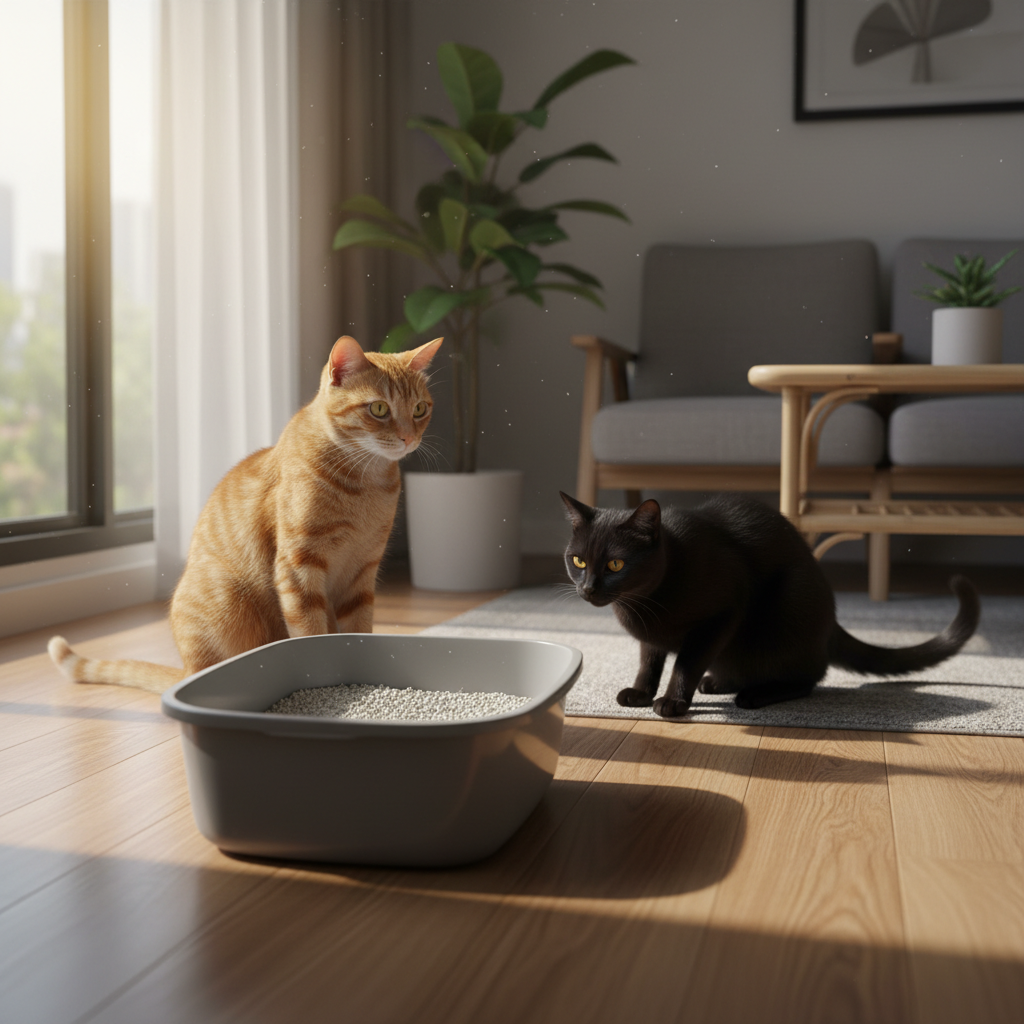
For condo dwellers with limited space, dust and tracking are often major frustrations. Nobody enjoys vacuuming up tiny granules from every corner, or worse, seeing their cat sneeze after a litter box visit. This is where both tofu and crystal litters generally outperform traditional clay.
Tofu litter is renowned for its ultra-low dust formula. Its larger, cylindrical pellets significantly reduce airborne particles, making it a safer choice for cats (like our Ping'An, who has a sensitive nose and sneezes at dusty litters) and humans with respiratory sensitivities. The pellet shape also means minimal tracking; they're less likely to stick to paws or be scattered far from the box. This makes maintaining a clean apartment floor much easier.
Crystal litter also boasts low dust levels compared to clay, as its crystals are heavier. However, some brands might still produce a fine powder, and as cats dig, the crystals can break down into smaller, trackable pieces. The hard, angular nature of silica gel can also feel harsh on some cats' paws, potentially leading them to jump out of the box more abruptly and track more. So, while better than clay, it might still create more mess than tofu litter.
Cat Comfort: What Do Cats Prefer?
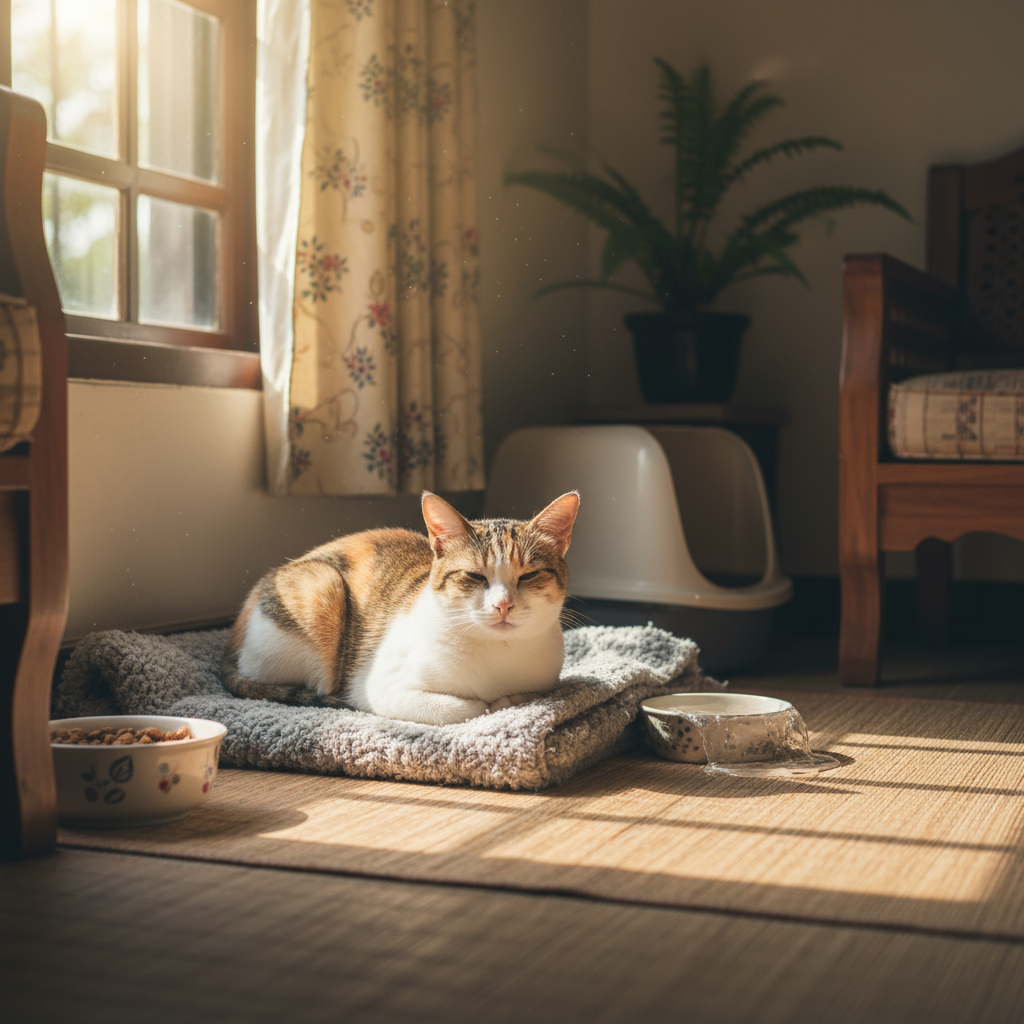
Ultimately, your cat has the final say in litter preference. Their comfort and acceptance are paramount, as a rejected litter can lead to stress-related accidents outside the box. The primary difference here lies in texture.
Tofu litter offers a soft, gentle texture due to its smooth, cylindrical pellets. Most cats find this comfortable underfoot, mimicking a natural digging experience. The consistency is generally appealing, and the natural scents are usually mild enough not to deter sensitive noses. Our own Lion, the family's clean freak, is very particular about his litter box and has always preferred the soft texture of tofu litter.
Crystal litter, with its hard, coarse silica gel crystals, presents a much different tactile experience. While some cats tolerate it, others might find it uncomfortable or even painful on their sensitive paws, especially if they have paw pad issues. This discomfort can lead to litter box aversion, where your cat avoids the box altogether or perches awkwardly to minimize contact. Observing your cat's behavior when introducing a new litter type is crucial. If they show hesitation, frequent shaking of paws, or sudden aversion, it might be a sign they simply don't like the feel of the crystal litter.
The Malaysian Factor: Climate and Lifestyle ⭐
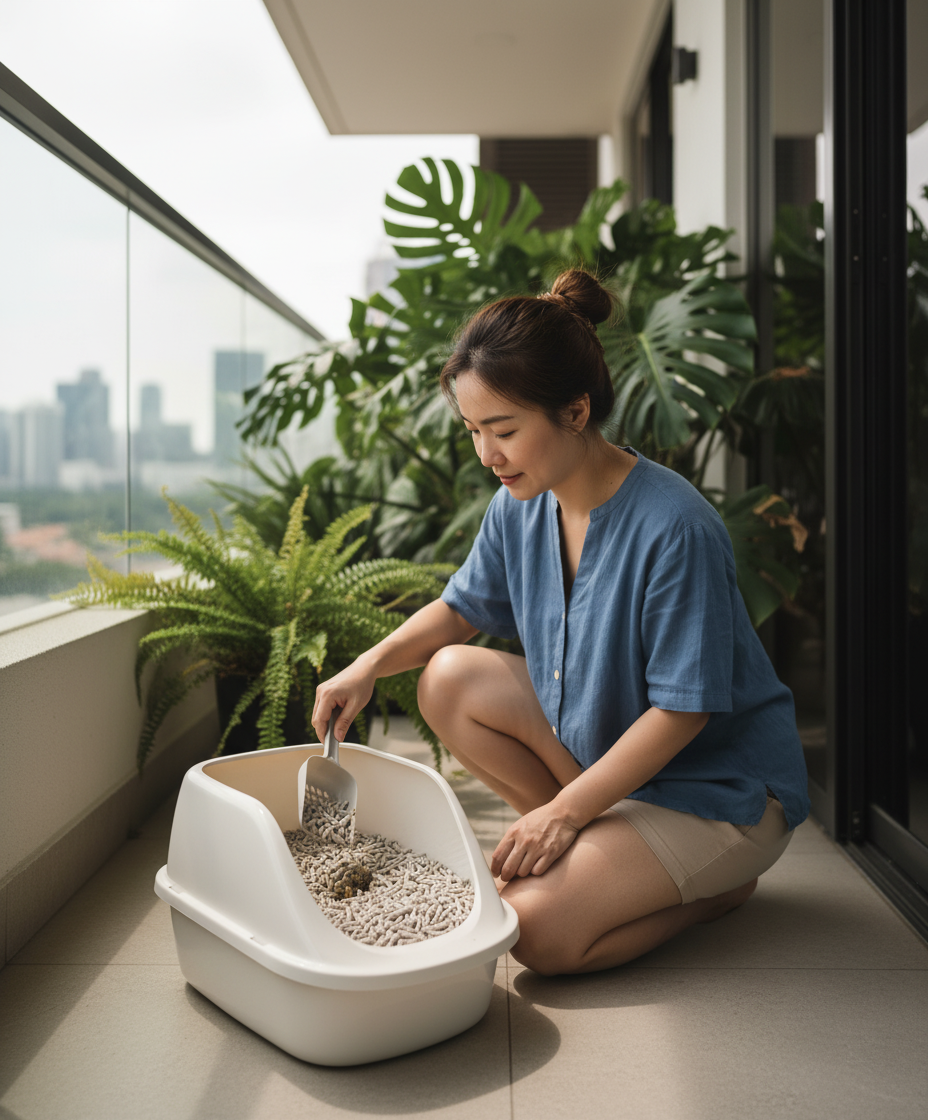
Beyond the basic features, choosing cat litter in Malaysia comes with unique challenges due to our tropical climate and prevalent urban living. These local factors can dramatically shift which litter type offers the best value and performance, transforming what seems like a simple choice into a strategic decision for cat parents.
The Humidity Challenge: How Does Each Litter Cope?
Malaysia's constant high humidity, often hovering around 80%, is a silent saboteur of cat litter performance. This pervasive moisture significantly impacts how effectively both tofu and crystal litters function in your home. For crystal litter, the high humidity can be a real problem. While it's designed to absorb moisture, a constantly humid environment means the crystals are working overtime, absorbing ambient moisture from the air even before your cat uses the box. This rapid saturation leads to diminished odor control and a quicker need for full litter changes, potentially shortening its lifespan and increasing monthly costs. The promised 'month of use' for crystal litter can quickly become a week or two under Malaysian conditions, leading to unexpected budget strain.
Tofu litter, while also susceptible to moisture, manages humidity better due to its clumping action. Good quality tofu litter forms tight clumps that encapsulate urine, preventing broad saturation of the entire box. While pellets can become slightly softer in extreme humidity if left exposed, daily scooping and proper storage (keeping the unused bag sealed) largely mitigate this issue. This localized absorption means the bulk of the litter remains dry and effective. This makes tofu a more reliable performer in our challenging climate, ensuring consistent odor control and clumping without the sudden drop-off in performance seen with saturated crystal litter.
The Condo Convenience: Is Flushable Litter a Must-Have?
For the growing number of Malaysian cat parents living in high-rise apartments and condominiums, the idea of flushable cat litter is a game-changer. Carrying heavy bags of soiled litter to communal bins or down multiple flights of stairs is a chore many would happily avoid. This is where tofu litter truly shines. Made from natural, biodegradable materials, it's designed to dissolve in water and can often be flushed in small amounts, offering unparalleled convenience for urban dwellers. It significantly reduces the hassle of litter disposal, freeing up precious time.
However, a crucial point of caution must be raised: while tofu litter is generally labeled 'flushable,' thein Malaysia advise against flushing anything other than human waste and toilet paper. This is due to concerns about potential blockages in older plumbing systems and the capacity of local wastewater treatment plants to filter out parasites like *Toxoplasma gondii*. It's a classic example of intention vs. infrastructure. Always test your plumbing first with small amounts, and when in doubt, disposing of it in biodegradable bags with general waste is a safer bet. Crystal litter, being non-biodegradable and absorbent, is absolutely not flushable and poses a significant risk of costly pipe blockages, making it a less convenient option for condo living.
Eco-Friendliness & Sustainability
As cat parents, many of us are becoming more conscious of our environmental paw print. When comparing tofu and crystal litter, their ecological impact couldn't be more different. Tofu litter is a clear winner in the sustainability race. It's made from 100% natural, renewable resources, specifically soybean pulp. This means it's biodegradable and can often be composted (though caution is needed for pet waste) or safely disposed of without lingering for centuries in landfills. Choosing tofu litter means supporting a more sustainable product cycle, aligning with growing eco-conscious values in Malaysia.
Crystal litter, made from silica gel (a form of silicon dioxide), is a mined material. While naturally occurring, it is not biodegradable. Once used, it ends up in landfills, where it will remain indefinitely. Its production also involves mining, which can have environmental impacts. For cat parents who prioritize reducing their carbon footprint and supporting environmentally friendly products, crystal litter is generally not the ideal choice. This aspect is becoming increasingly important for many Malaysian households looking for ways to contribute to a greener future.
Price & Availability in Malaysia (MYR)
When we talk about 'cheapest,' it's rarely about the sticker price alone in Malaysia. The true cost of litter is measured by how much you spend each month, a metric we call 'cost-in-use.' While the initial price per kilogram might make some options seem budget-friendly, their high consumption rates can quickly empty your wallet. Here's a realistic look at costs and availability in Malaysia:
| Litter Type | Average Price per kg (RM) | Avg. Monthly Consumption (1 Cat, kg) | Estimated True Cost Per Month (RM) |
|---|---|---|---|
| **Bentonite (for context)** | ~ RM 2.08 | 12.7 kg | ~ RM 26.40 |
| **Tofu** | ~ RM 4.13 | 2.5 kg | ~ RM 20.00 - 25.00 |
| **Silica Gel (Crystal)** | ~ RM 7.82 | 3.6 kg | ~ RM 28.15 |
As you can see from the table above, based on typical consumption rates (from the research report), tofu litter often emerges as the most economical choice on a monthly basis, costing around RM 20-25 for a single cat, despite its higher price-per-kilogram (RM 4.13). This contrasts sharply with bentonite, which, despite a low price of RM 2.08/kg, can cost RM 26.40 monthly due to much higher consumption (12.7 kg). Crystal litter, at RM 7.82/kg, works out to about RM 28.15 monthly. This data challenges the conventional wisdom that 'cheapest upfront equals cheapest overall,' showing that a higher initial investment can lead to significant savings over time. You can use our litter calculator to estimate your own savings!
Both tofu and crystal litters are widely available across Malaysia, easily found on popular e-commerce platforms like Shopee and Lazada, as well as in pet specialty stores. The sheer variety of brands means competitive pricing, so it's always a good idea to compare deals and check for bulk discounts to further improve your cost savings.
The Verdict: Which Litter Should You Choose?
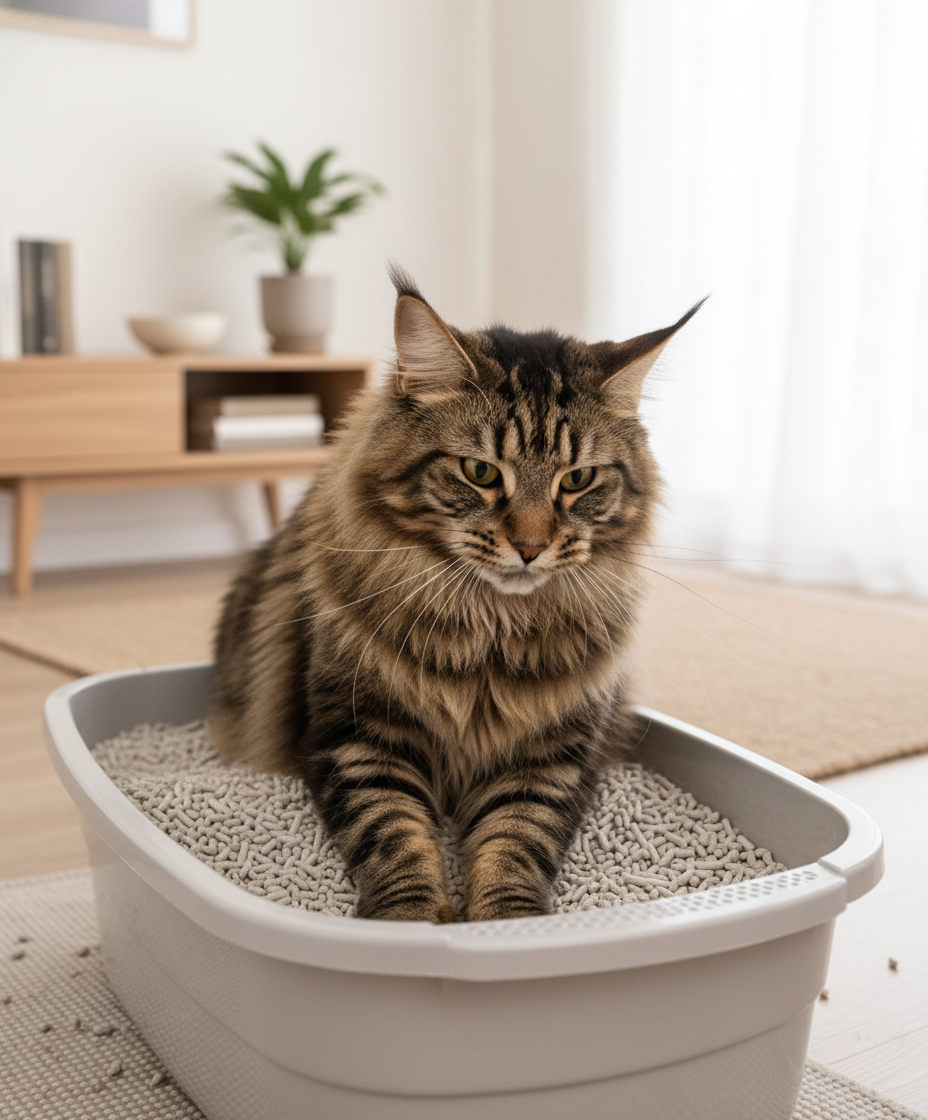
After weighing all the factors, there's no single 'best' cat litter for every Malaysian cat parent. Your ideal choice depends on your priorities, your cat's preferences, and your specific living situation. It's truly a personal decision, but hopefully, this guide has given you a clearer picture.
Choose Tofu Litter if...
- **You live in a condo or apartment and value convenience:** The flushable nature of tofu litter (use caution with plumbing, of course!) dramatically simplifies waste disposal, eliminating trips to outdoor bins.
- **Eco-friendliness is a priority:** Made from renewable soybean fiber, tofu litter is biodegradable and has a smaller environmental impact.
- **Your cat has respiratory sensitivities or delicate paws:** Its ultra-low dust formula protects sensitive lungs (like our Ping'An's!) and the soft pellets are gentle on paws.
- **You prefer consistent odor control and easy cleanup:** Tofu's superior clumping locks away smells, and daily scooping is a breeze. The natural milk fragrance of Liger Tofu Cat Litter helps maintain a fresh environment without strong, artificial perfumes.
- **You're looking for long-term value:** Despite a higher upfront price, tofu litter's lower consumption rate often makes it more economical over the month.
Choose Crystal Litter if...
- **Your absolute top priority is initial, short-term odor absorption:** Crystal litter can be very effective right after a change, soaking up moisture quickly.
- **You prefer less frequent full litter changes (though humidity can reduce this):** Theoretically, crystal litter can last longer between full changes, as long as saturation isn't reached too quickly.
- **Your cat doesn't mind the texture:** Some cats simply aren't bothered by the harder crystals under their paws.
As fellow cat parents, we know the struggle is real when it comes to finding the perfect balance between cost, cleanliness, and our cats' happiness. The journey to the 'cheapest' cat litter in Malaysia isn't about the lowest price tag; it's about understanding the true cost-in-use, how our unique climate affects performance, and what truly works for your cat. Hopefully, this detailed comparison has shed some light on whether tofu or crystal litter is the better fit for your Malaysian home.
Ultimately, the best choice is one that keeps your cat healthy, your home fresh, and your wallet happy in the long run. If you're still on the fence, grab a small bag of each and let your feline friend cast the final vote. Then, come Monday morning, take the plunge and commit to a litter that truly works for your household.