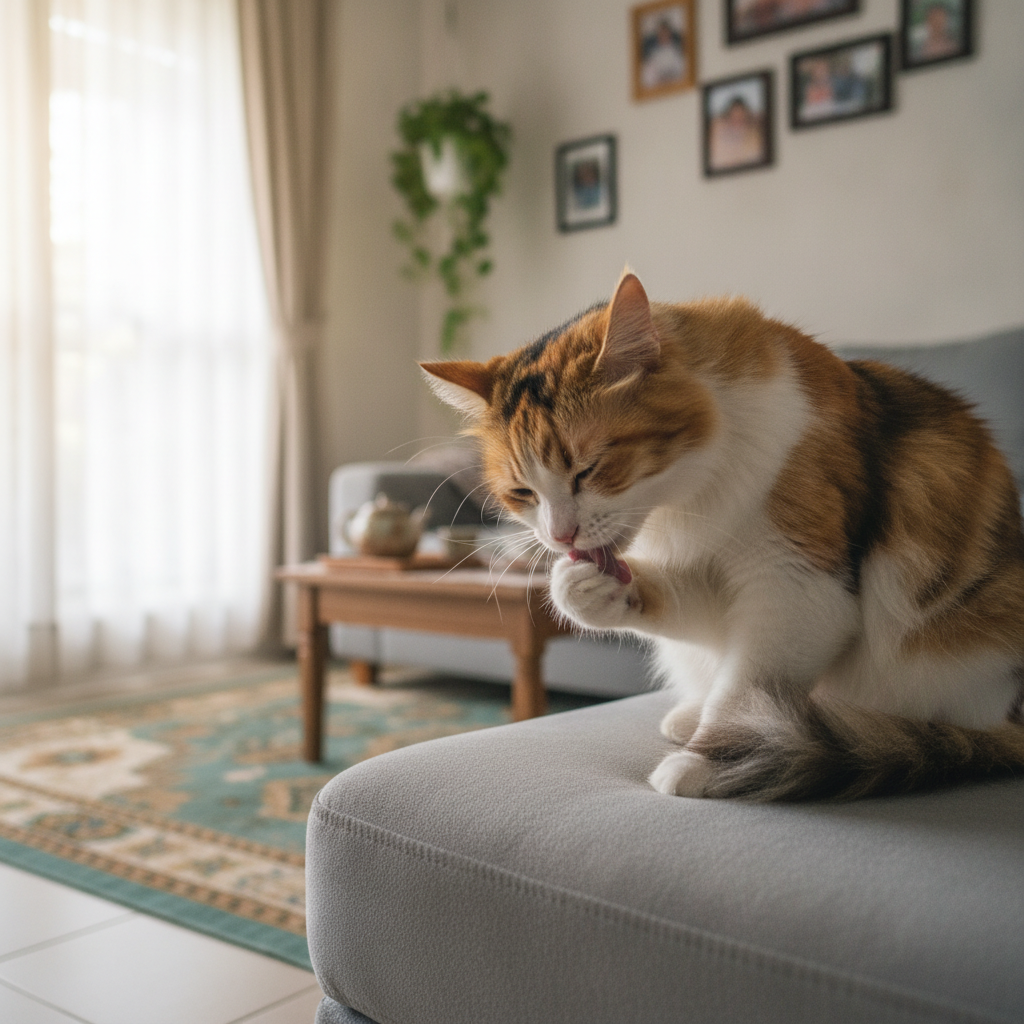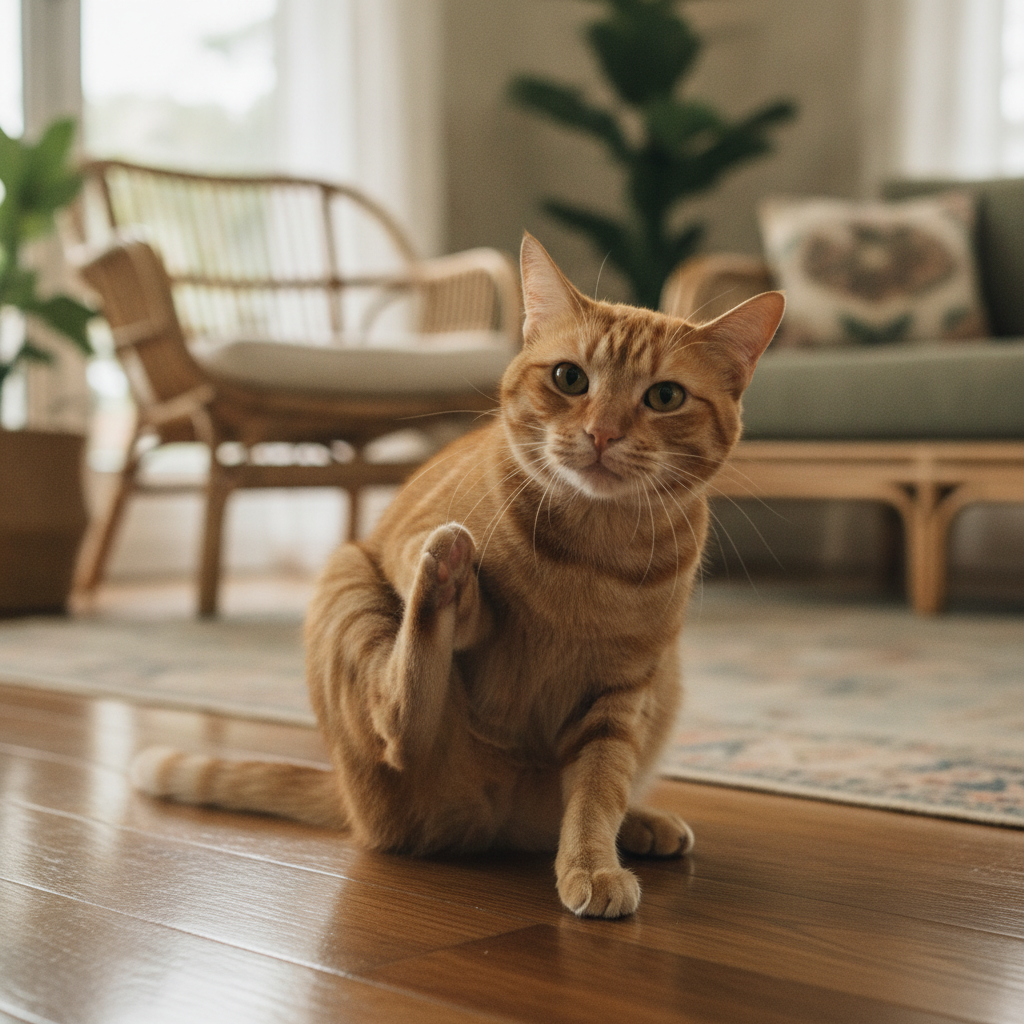
If your cat won't stop scratching, keeps throwing up, or has stubborn soft stool, "it must be something in the food" is a reasonable hunch — but the truth about cat food allergies is full of myths, and the wrong fix can waste months. This guide explains what's actually going on, why grain-free probably isn't your answer, and the one test that genuinely works. It pairs naturally with our Malaysian cat skin disease guide (since most food reactions show up on the skin) and our cat nutrition hub.
Allergy vs Intolerance: What's the Difference?
Both fall under "adverse food reactions", but they're different problems. A true food allergy is an immune-system error: the body wrongly flags a food protein as a threat and mounts an inflammatory response. It builds up over time — a cat can eat the same food happily for years, then develop an allergy to it — and once established, even a tiny amount triggers a reaction.
A food intolerance doesn't involve the immune system at all; the body just can't process something properly. The classic example is lactose intolerance, where a cat lacks the enzyme to digest milk sugar (the reason milk upsets most adult cats). Intolerances can hit on the very first exposure and are usually dose-dependent — a little is fine, a lot causes trouble. The distinction matters because it changes how you manage the problem.
The Signs: Mostly Skin, Sometimes Stomach
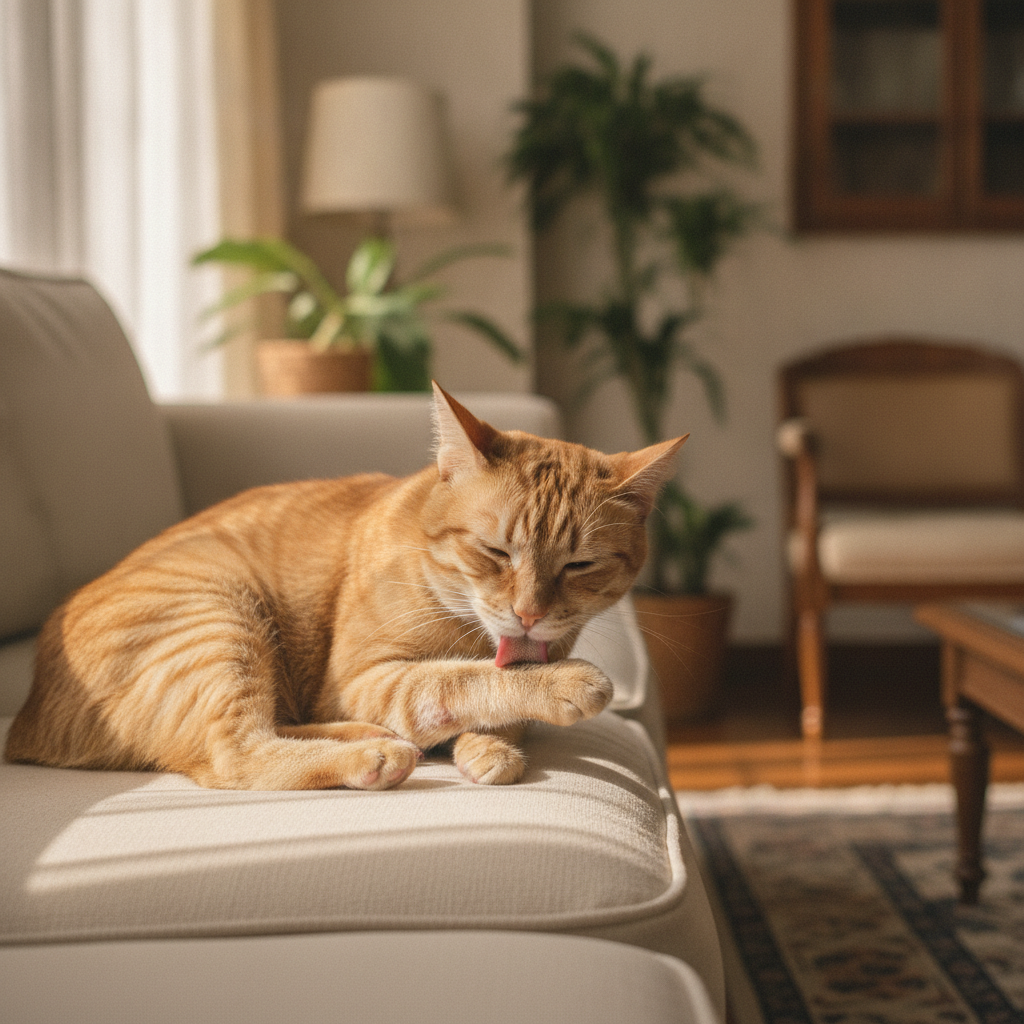
This surprises people: the number one sign of a feline food allergy is itchy skin, not an upset stomach. The itching is persistent and non-seasonal (unlike pollen allergies), and concentrates around the head, face, neck and ears — leading to over-grooming, bald patches, and recurring skin or ear infections. VCA Hospitals notes that digestive signs like vomiting or diarrhoea appear in only about 10–20% of food-allergy cats.
The skin reaction can take a few recognisable shapes, described by the Merck Veterinary Manual: miliary dermatitis (lots of tiny crusty bumps that feel like Braille along the back), or eosinophilic lesions like raised red plaques and the indolent ulcer often seen on the upper lip. None of it is seasonal, which is a useful clue — flea and pollen itching tends to come and go with the weather, while food-driven itching grinds on year-round. Food reactions can begin at any age, from kittens to cats in their teens, with an average onset around four years. And they're not rare in the itchy crowd: while only a small slice of the general cat population has a food reaction, the figure climbs to roughly 12–21% among cats taken to the vet specifically for itching.
Food intolerances, by contrast, are mostly a gut story: chronic or intermittent vomiting, soft or liquid stool, gas, straining, and rumbling tummies. Many cats show a bit of both. If skin is the main issue, run the symptoms through our skin condition checker — but remember a checklist points you toward the vet, it doesn't replace one.
The Real Culprits: Beef, Fish and Chicken
Here's the myth-buster. The most common feline food allergens aren't grains — they're animal proteins, specifically beef, fish and chicken. That makes sense when you think about it: these three are the staple proteins in most commercial cat food, so they're what cats are exposed to most, and exposure is what the immune system reacts to over time. Dairy, lamb, eggs, wheat and corn turn up too, but far less often. A systematic review of three decades of studies, and veterinary nutritionists at Tufts University, both land on the same conclusion: plant ingredients cause allergies far less frequently than animal proteins do.
Why Grain-Free Isn't the Answer
Grain-free cat food exploded in popularity on the promise of being more "natural" — but for an allergic cat it usually misses the point entirely. If your cat is allergic to chicken, a grain-free food built on chicken will keep it itching. Removing grains does nothing about the protein that's actually causing the reaction. One study even found that grain-free formulas contained common allergens like beef and dairy just as often as regular foods. So "grain-free" on the bag is a marketing claim, not an allergy solution. The science-based move isn't to cut grains — it's to identify and remove the specific protein, which only one method can do reliably. Switching blindly from one supermarket food to another rarely helps either, because the same handful of proteins shows up across most brands; you can change the bag a dozen times and still be feeding chicken.
The Only Reliable Test: The Elimination Diet
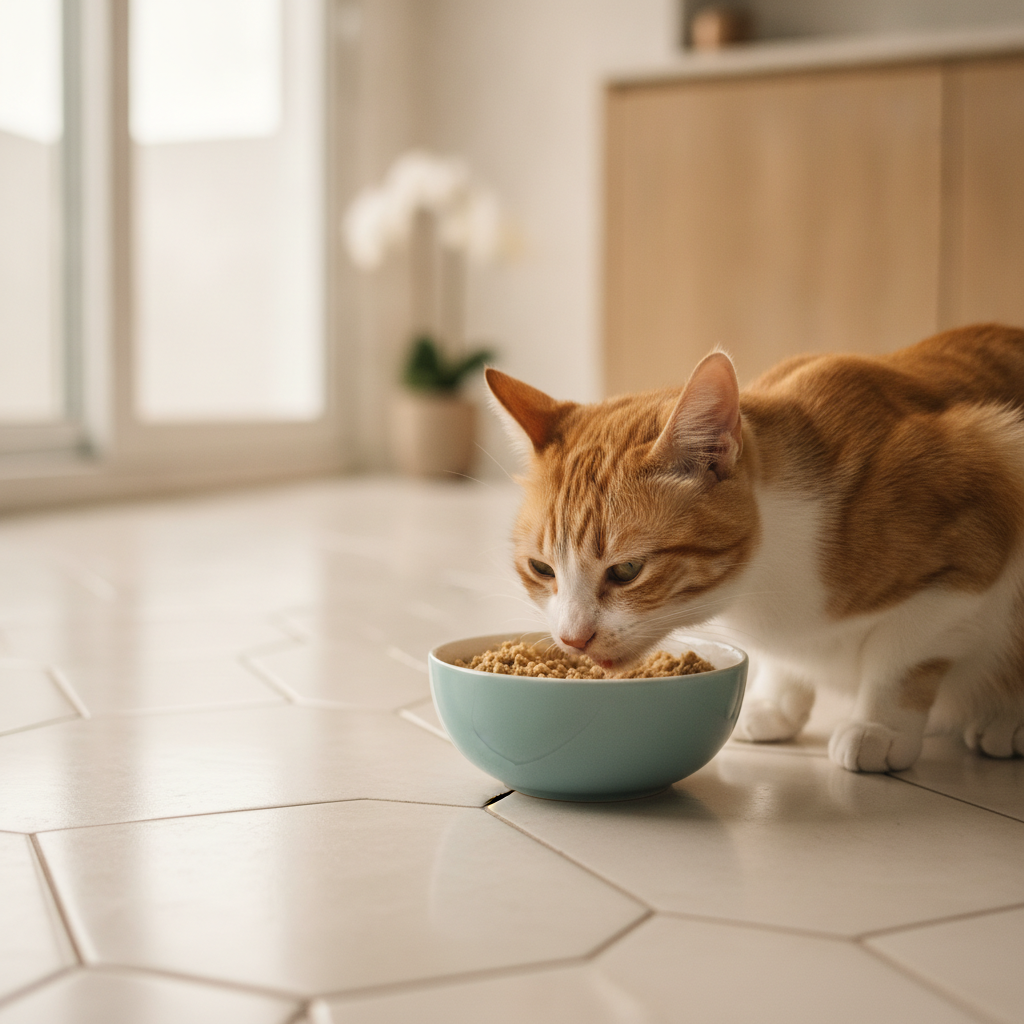
The gold standard — and genuinely the only reliable way — to diagnose a food allergy is a strict elimination diet trial of 8 to 12 weeks, supervised by your vet. Blood, saliva and hair "allergy tests" are not considered accurate by veterinary dermatologists; don't waste money on them. An 8-week trial correctly diagnoses over 90% of food-allergic cats.
First, your vet will rule out the more common causes of itching — especially flea allergy dermatitis, which a strict flea-control regime can settle (our flea & worm checker helps you think it through). If itching persists, the trial begins: the cat eats only the prescribed diet and water — no treats, no table scraps, no flavoured medicines, no raiding another pet's bowl. A single slip can invalidate the whole eight weeks. If signs clear, the vet reintroduces the old food (the "challenge"); symptoms returning within days confirms the diagnosis, and ingredients can then be added back one at a time to pinpoint the trigger. The International Cat Care guidance walks through the same protocol.
Novel vs Hydrolysed Protein Diets
Trial diets come in two types. A novel protein diet uses a single protein the cat has never eaten — duck, rabbit or venison — so the immune system has nothing to react to. A hydrolysed protein diet breaks the protein into pieces so small the immune system no longer recognises them; it's the go-to when a cat's food history is unknown or too varied to find a truly novel protein. Crucially, use a prescription veterinary diet, not a supermarket "limited ingredient" food: PetMD and veterinary dermatologists warn that over-the-counter options are often made on shared equipment and can be cross-contaminated with stray proteins — enough to ruin the trial. When you do switch foods, do it carefully, as in our guide to switching cat food.
Living with a Sensitive-Stomach Cat
Not every touchy tummy is a true allergy — plenty of cats simply have sensitive digestion. For these, the aim is a highly digestible, consistent diet and as little chopping and changing as possible. Feed smaller, more frequent meals, avoid a constant parade of new treats and flavours, and lean toward moisture-rich food, which many sensitive cats handle better; our wet vs dry guide covers the trade-offs. Check labels with the food ingredient checker, and once you find a food that agrees with your cat, resist the urge to keep switching — boring is good for a sensitive gut.
Malaysia's climate adds a couple of wrinkles worth knowing. The heat and humidity are hard on already-irritated skin: a cat that's over-grooming an itchy patch can quickly develop a secondary bacterial or fungal infection in our damp air, so an itch that looks minor today can turn into a vet visit by next week — don't let it run. Humidity is also rough on food: open bags of kibble go stale and can grow mould fast, and a spoiled batch will upset a sensitive stomach all on its own, with nothing to do with allergies. Store dry food sealed in an airtight container in a cool spot, buy sizes you'll finish in a few weeks, and toss anything that smells off. Small habits, but they remove two common triggers before you even get to the food itself.
The Litter Box: Your Window on the Gut
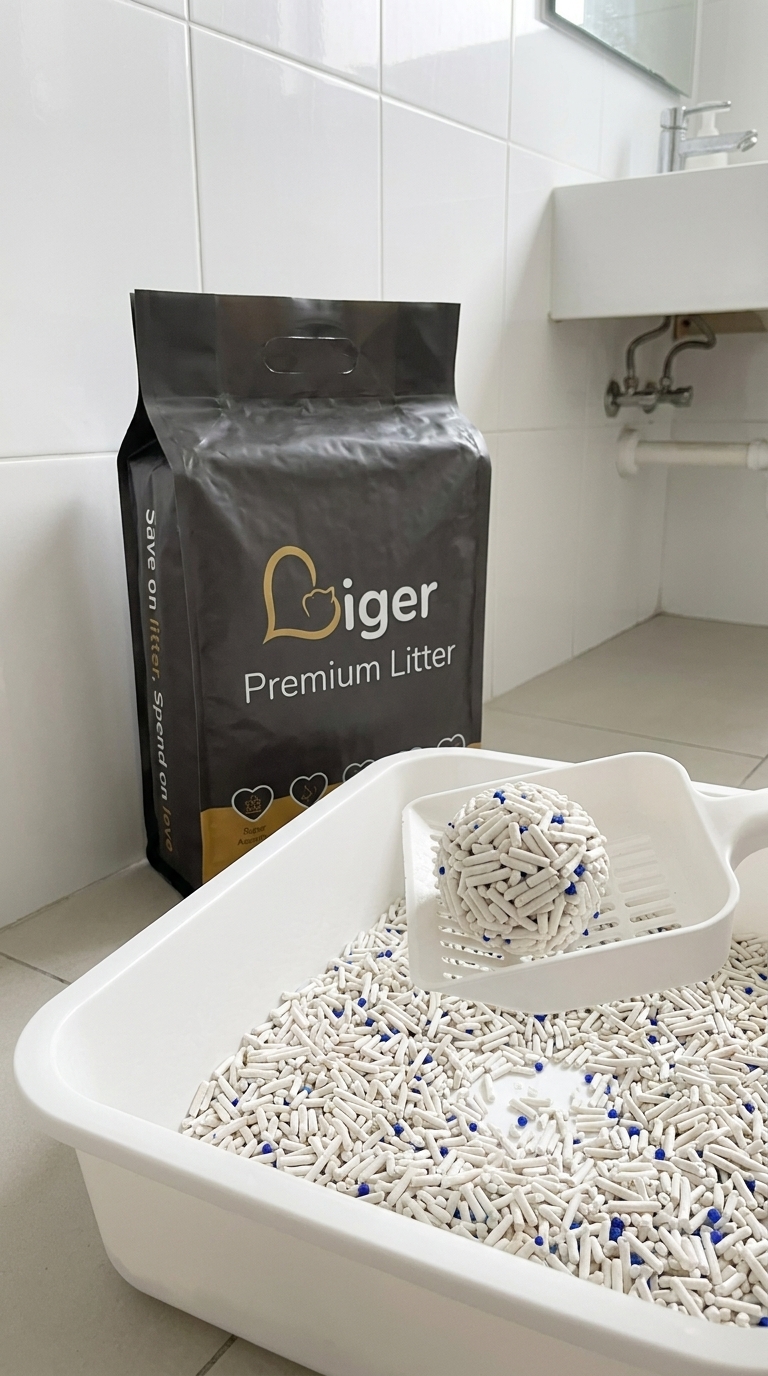
Whether you're running a formal elimination trial or just settling a sensitive stomach, the litter box is where you'll see whether it's working — and it's the cheapest monitoring tool you own. Stool that firms up to a healthy, well-formed shape over the weeks is your sign the diet agrees; ongoing soft stool, diarrhoea or straining says it doesn't. That feedback is only useful if your litter lets you actually read the stool, which is where a firmly clumping, low-dust litter like Liger Premium Tofu Cat Litter helps: waste seals into clean clumps you can inspect at a glance, and the natural plant-starch formula keeps airborne dust down — a real plus for a cat whose skin or airways are already irritated, since you're not adding more particles to the air it breathes. A 2 kg pack is RM21.90, or RM8.45/kg on the 10-pack with free Peninsular shipping (current pricing as of 2026); size your supply with the litter calculator. And for anything persistent — itching, vomiting or stubborn soft stool — your vet, not the internet, writes the final prescription.